Disease units
Check out the articles in the Disease Units category
Categories
Tags
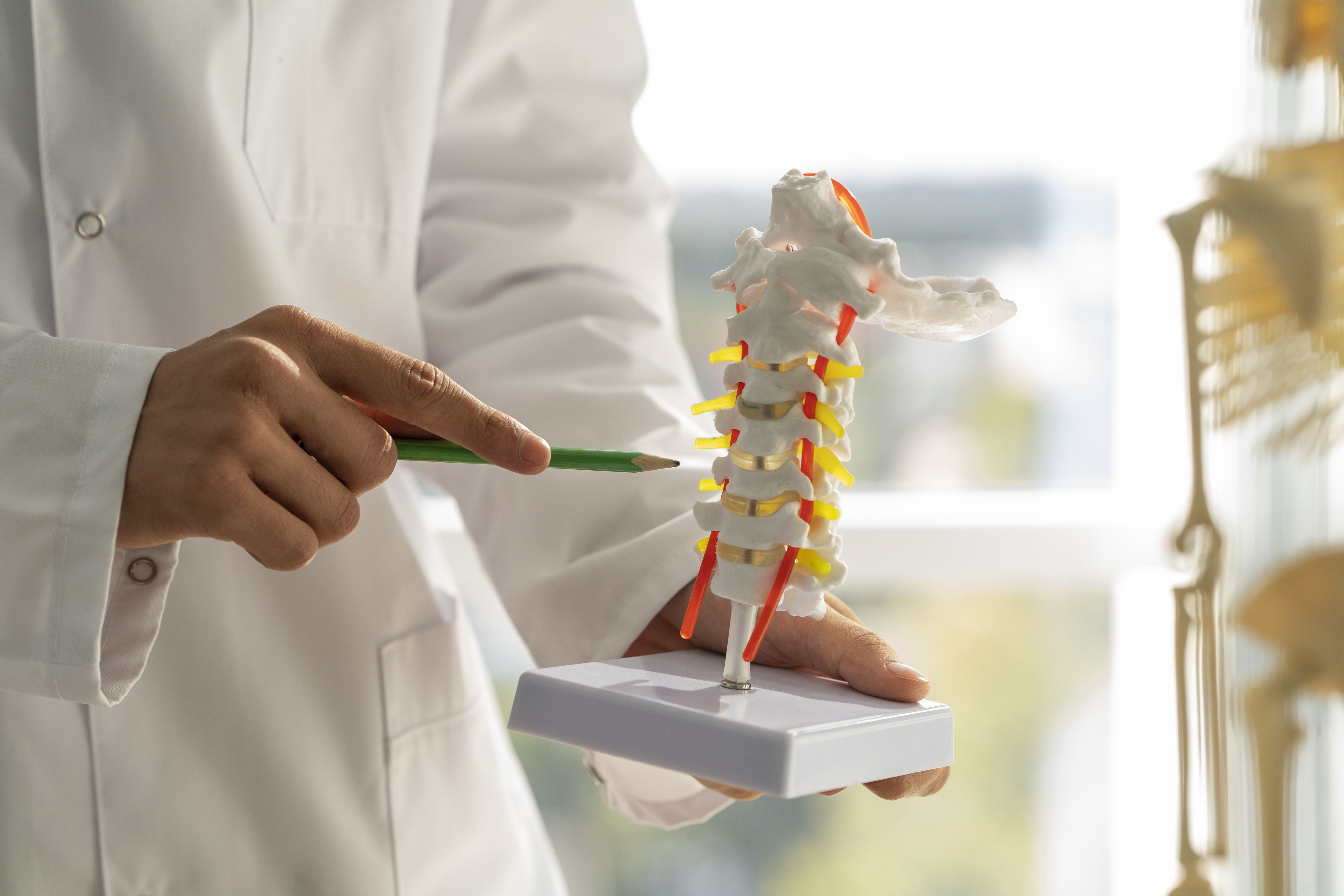
Spondylolisthesis – what is it?
Spondylolisthesis, also known as spondylolisthesis, is a condition affecting approximately 3.1% of Poles, occurring in both children and adults. It most commonly occurs in the lower lumbar spine, particularly between the L5 and S1 vertebrae, where a characteristic displacement of the vertebrae is observed in as many as 82% of cases. Understanding the causes, symptoms, and treatment methods for spondylolisthesis is essential for anyone struggling with […]
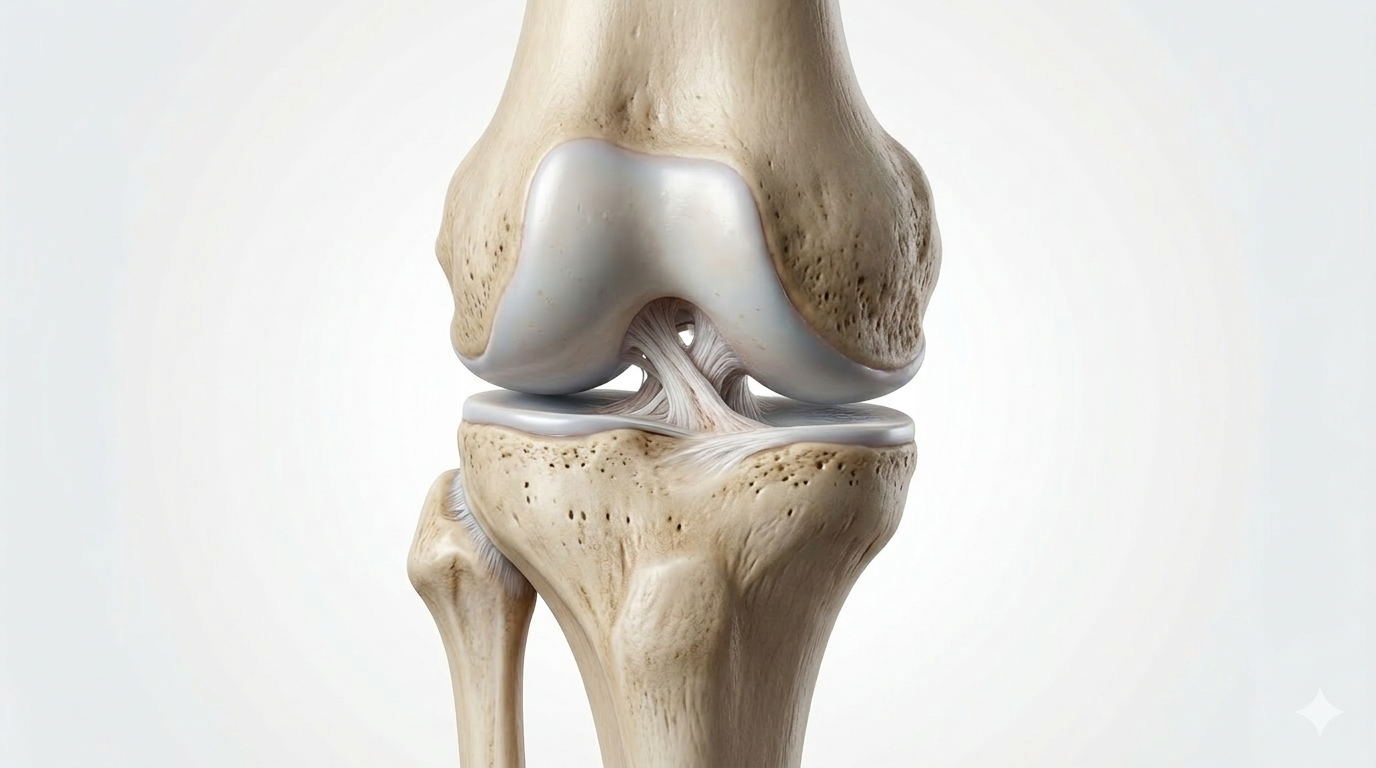
Rzekomy Pond – what is it?
What is a pseudarthrosis? In clinical orthopedic practice, one of the most challenging complications of bone healing disorders is pseudarthrosis. In many cases, it occurs as a result of abnormal bone union following a fracture or as a congenital defect. Understanding the mechanism of its development, as well as proper diagnosis and treatment, are of paramount importance for preserving function […]
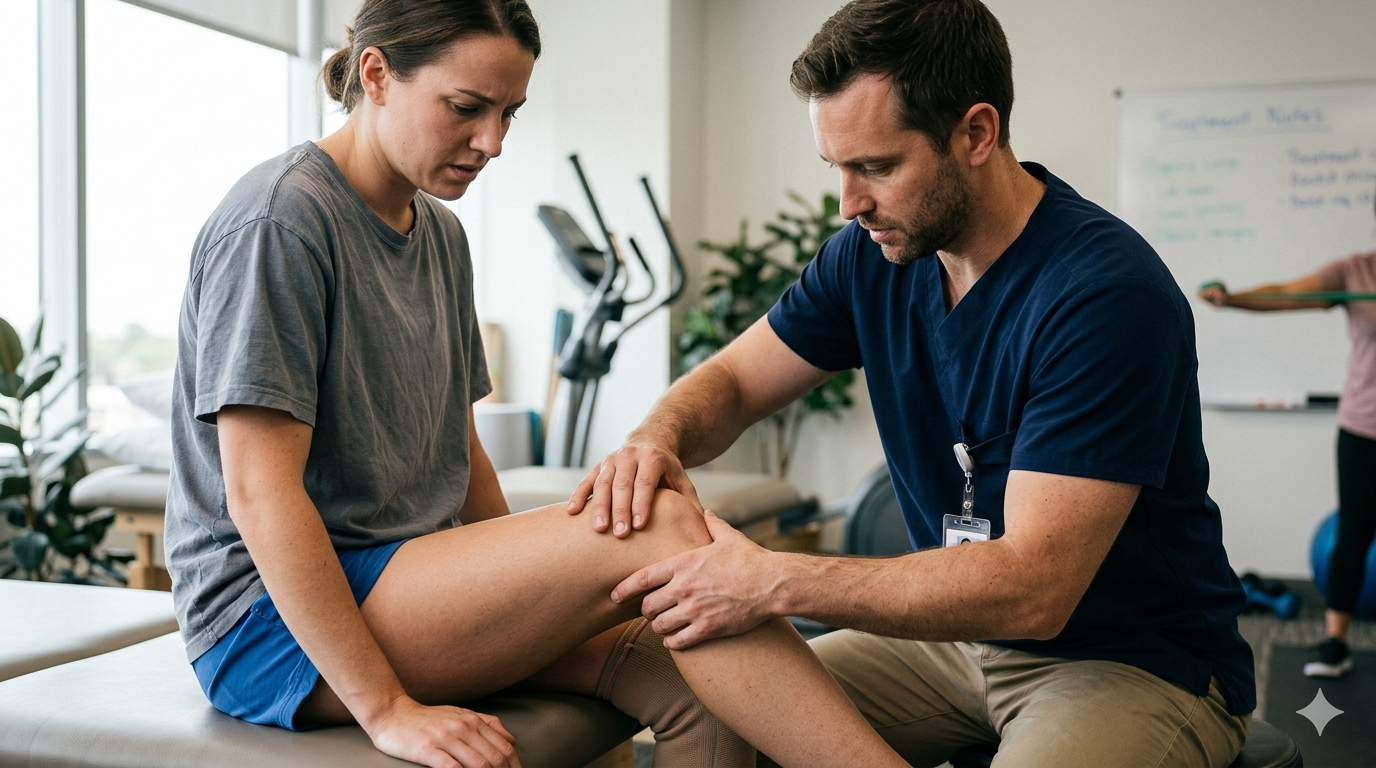
Meniscus Injury – Symptoms and Treatment
A sudden popping sound in the knee during exercise, sharp pain, and a feeling that the joint is locked are warning signs that should raise our alertness. Treatment for a meniscus injury should be initiated as soon as possible, as this is one of the most common knee injuries, affecting both athletes and people with less active lifestyles. The menisci play an extremely important role in cushioning and stabilizing the joint […]
Hypochondroplasia (HCH) – information for parents
Hypochondroplasia (HCH) is a genetic skeletal dysplasia characterized by short stature and mild bone abnormalities. Although the symptoms of this condition are less severe than those of achondroplasia, they still require appropriate diagnostic and therapeutic support. HCH can manifest itself in, among other things, short stature, shorter limbs, and motor problems. It is important for parents to be aware of the symptoms, possibilities [...]

Treatment of clubfoot
Clubfoot (pes equinovarus) is one of the most common congenital deformities of the musculoskeletal system in children. In a normally developing pregnancy, the foot is initially formed completely normally, and it is only in the second trimester that its growth is disrupted. As a result, the heel rises upward, the longitudinal arch is excessively hollowed out, the forefoot "escapes" inward, and the child [...]

Diabetic foot - what it is, what it looks like and how to care for it
Diabetic foot is one of the most serious complications of diabetes, leading to chronic wounds, deformities and ulcerations in the lower extremities. It is caused by both sensory disturbances (neuropathy) and impaired blood circulation in the feet (angiopathy). The combination of these two factors means that even minor injuries can develop into hard-to-heal wounds, infections or necrosis [...]
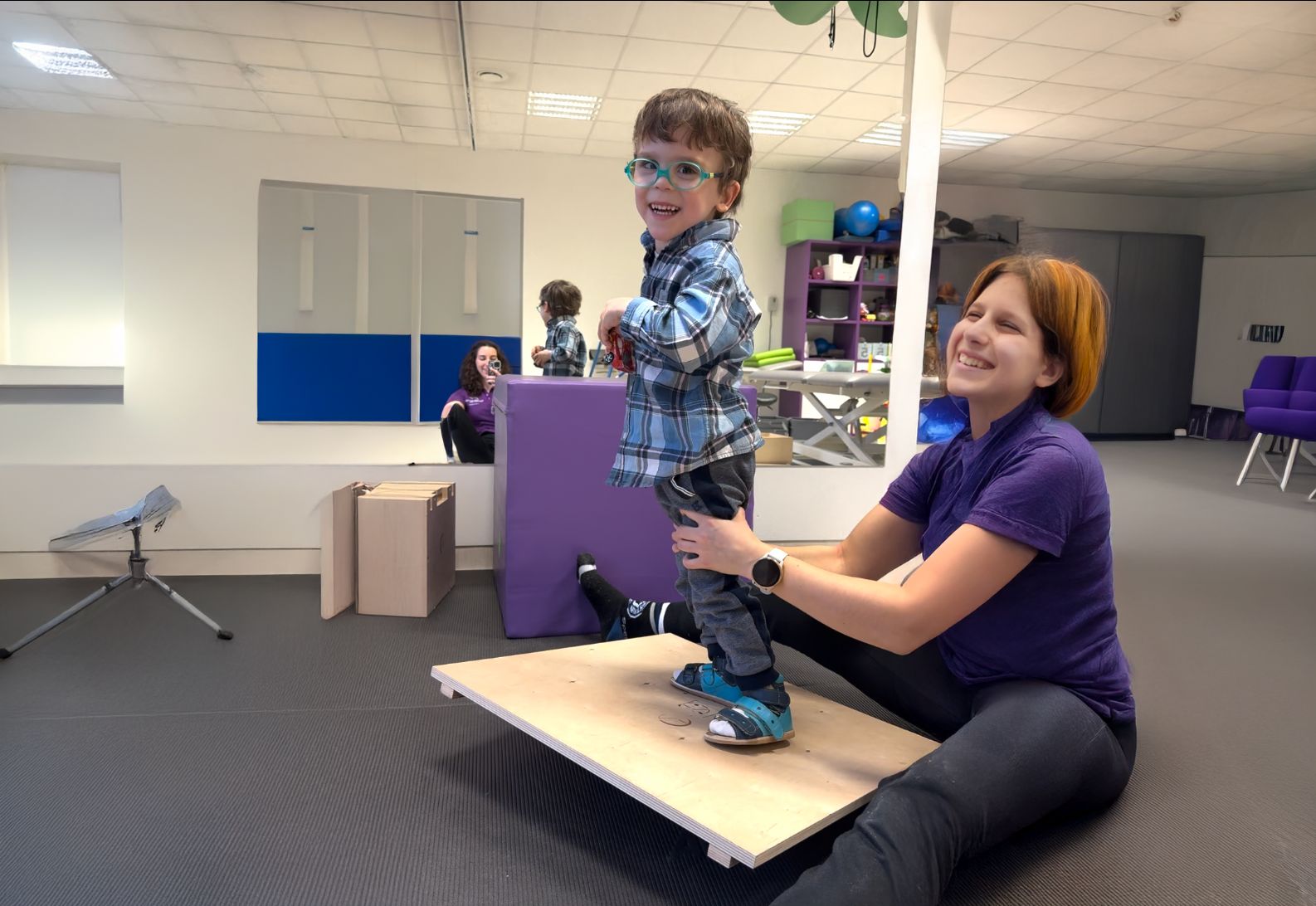
MEDEK Therapy
MEDEK method - what is it? The treatment, also known as CME (Cuevas Medek Exercises), is an innovative physiotherapy method developed in the 1970s by Chilean physiotherapist Ramón Cuevas. The name MEDEK comes from the Spanish term for Método Dinámico de Estimulación Kinésica, or dynamic motor stimulation method. The main goal of the MEDEK method is to induce automatic postural responses and movements against [...]

The use of botulinum toxin in neurology
Botulinum toxin, also known as BTX-A or colloquially as Botox, is a neurotoxin produced by the bacteria Clostridium botulinum. Under controlled medical conditions, it is an extremely effective therapeutic tool. Its action is to temporarily block neuromuscular conduction, leading to the relaxation of excessively tense muscles. Botulinum therapy for neurological diseases plays a key role in the treatment of many conditions associated with spasticity [...]

Tailor-made therapy
Every child is unique. He or she has his or her own abilities, needs, dreams, and challenges that he or she faces every day. At Paley European Institute and Paley European Institute Neurocenter, we don't use template solutions. We believe that an effective approach is tailor-made therapy - developed individually for each patient and his or her family. This ensures that each patient receives [...]

Osteoarthritis of the knee in people over 50 - how do genetics, rheumatic diseases and trauma affect the development of the condition?
Knee degeneration is one of the most common musculoskeletal conditions affecting people over the age of 50. The problem occurs in both men and women, and its development significantly affects daily functioning - limiting fitness, causing pain and reducing the comfort of life. In order to fight it more effectively, it is useful to know what is knee degeneration, [...]

MPD and hip problems - how do hip reconstructions support a child's development and mobility?
Children with infantile cerebral palsy (MPD) often face mobility problems that result not only from muscle tone abnormalities, but also from hip joint deformities. Hip problems in children can lead to reduced mobility, pain and difficulties in daily functioning. In such cases, modern orthopedic approaches offer effective treatments, including hip surgery [...]
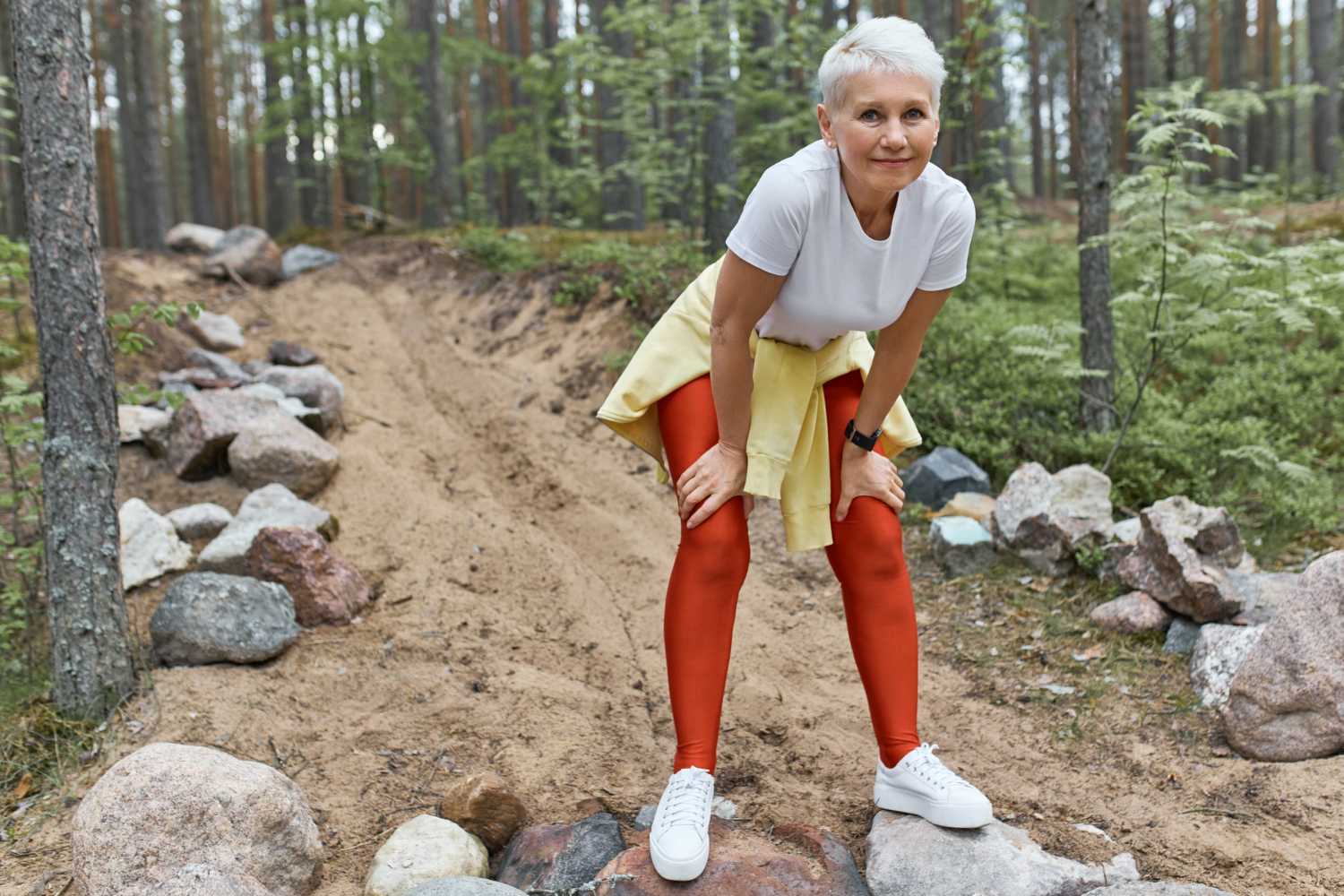
Hip and knee endoprosthesis - comprehensive adult treatment at Paley Institute
Hip endoprosthesis is one of the most effective treatments for adults with advanced hip and knee conditions. At the Paley Institute, in addition to traditional orthopedic care, comprehensive treatment is offered to adult patients for whom other methods are unsuccessful. Endoprosthesis implantation procedures - both total and partial - can effectively relieve pain, restore range of motion [...]

Paget's disease
INFORMATION Paget's disease is a metabolic bone disease most likely caused by a virus, leading to abnormal bone resorption and formation. It is most common in the elderly. Paget's disease leads to bone deformities and fractures, as well as arthritis of the hip and knee. Affected individuals experience abnormal bone breakdown followed by abnormal bone formation. The new bone [...]
Kyphosis
INFORMATION Kyphosis is the dorsal curvature of the spine. Physiologically, the thoracic and sacral segments of the spine are kyphotically bent. The normal angle of flexion of the thoracic segment is in the range of about 20-40 degrees. A bend of more than 50 degrees is considered pathological. Kyphosis most often affects the thoracic segment of the spine, however, it can also appear in the cervical or lumbar segments. Kyphosis can [...]
VACTERL association
INFORMATION The association VACTERL is a "syndromic" association of many common multisystem anomalies. VACTERL stands for vertebral, anal, cardiac, tracheal, esophageal, renal and limbic. It occurs in 1 in 10,000 to 1 in 40,000 births. Many patients have at least three of the above systemic associations. Vertebral anomalies predominate (comprising 60-80% of patients) and may include vertebral anastomosis, missing [...]
Whistling face syndrome
INFORMATION Freeman-Sheldon Syndrome or Whistling Face Syndrome is a rare genetic disorder that causes a small "whistling" mouth, a flat face similar to a mask, horse feet, joint contractures and muscle weakness. The syndrome is associated with Arthrogryposis and Equine Foot. Affected individuals have joint contractures that limit movement and function. These contractures lead to deformities of the hands, feet and [...]
Nail - patella syndrome
Nail-Nail Syndrome is a rare genetic disorder that often causes deformities of the patella, thigh, fingernails, pelvic elbows and ankles. The syndrome takes its name from the two most common symptoms: nail and patella deficits. Nonetheless, Nail-Articular Syndrome affects the entire body. Joint contractures are a common feature of the syndrome, and many people develop arthritis. [...]
Madelung deformity
INFORMATION Madelung's deformity is a deformity of the wrist, where the distal end of the radial bone does not develop properly, leads to subluxation (partial dislocation) of the wrist bone between the radial and ulnar bones. The distal end of the joint, between the radial and ulnar bones is dislocated, this leads to a bump from the head of the ulnar bone. Madelung's deformity is a Blount deformity in the wrist; it bends [...]
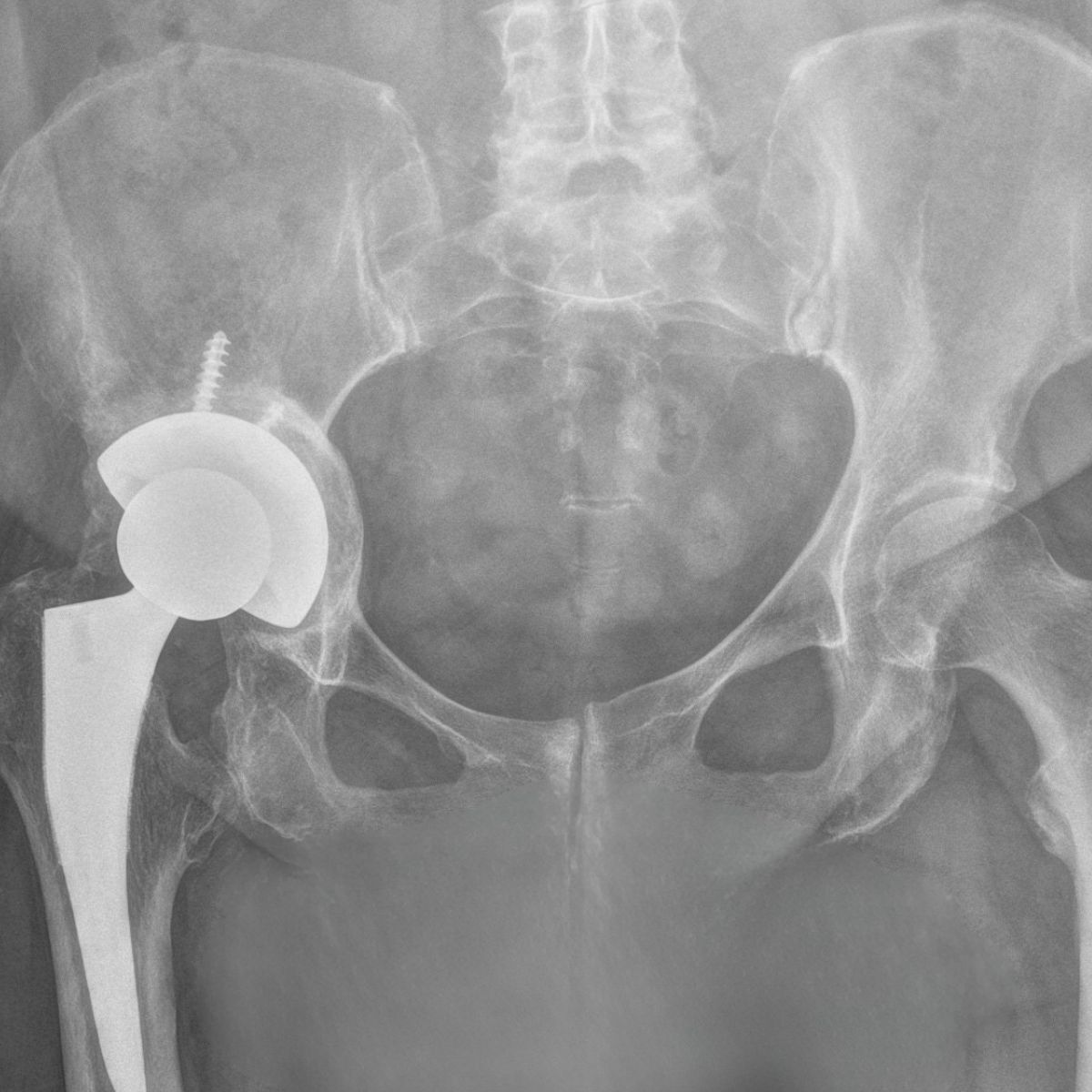
Developmental dysplasia of the hip joint
INFORMATION Developmental hip dysplasia (DDH) is a condition in which there is subluxation (the head of the femur maintains partial contact with the pelvis) or dislocation (no contact between the head of the femur and the pelvis) of the hip joint in a newborn or infant. Hip dysplasia in infants most often occurs unilaterally (bilaterally about 20%), with a frequency of 1:1000 live births, six times more often [...]
Hypoplasia of the thumb
INFORMATION A missing thumb or "thumb aplasia" is a complete absence of the thumb. Some patients may have a hypoplastic thumb or "floating thumb." In these patients, their thumb lacks the metacarpal bone and associated muscles and tendons. The thumb is attached only through the skin. Congenital hypoplasia of the thumb is often associated with partial or complete absence of the radius bone. It occurs in 1:100 [...]
Underdevelopment of the radius bone
Radial bone deficiency is an upper limb disorder with an estimated frequency of 1:30,000 - 1:100,000 live births. It is an extremely rare condition in which there are functional deficits resulting from the partial or complete absence of the radius bone. Congenital underdevelopment of the radius bone manifests as deformity of the hand and wrist, deviation of the wrist, decreased grip strength, deformity or shortening of the forearm [...]
Juvenile sclerosis of the femoral head - SCFE
One of the most common diseases of the hip joint in childhood is slipped capital femoral epiphysis (SCFE). It involves the separation of a portion of the femoral head at the level of the growth cartilage, which is usually caused by circulation disorders in the cartilage area or trauma to the hip joint. The incidence of juvenile scaphoid [...]
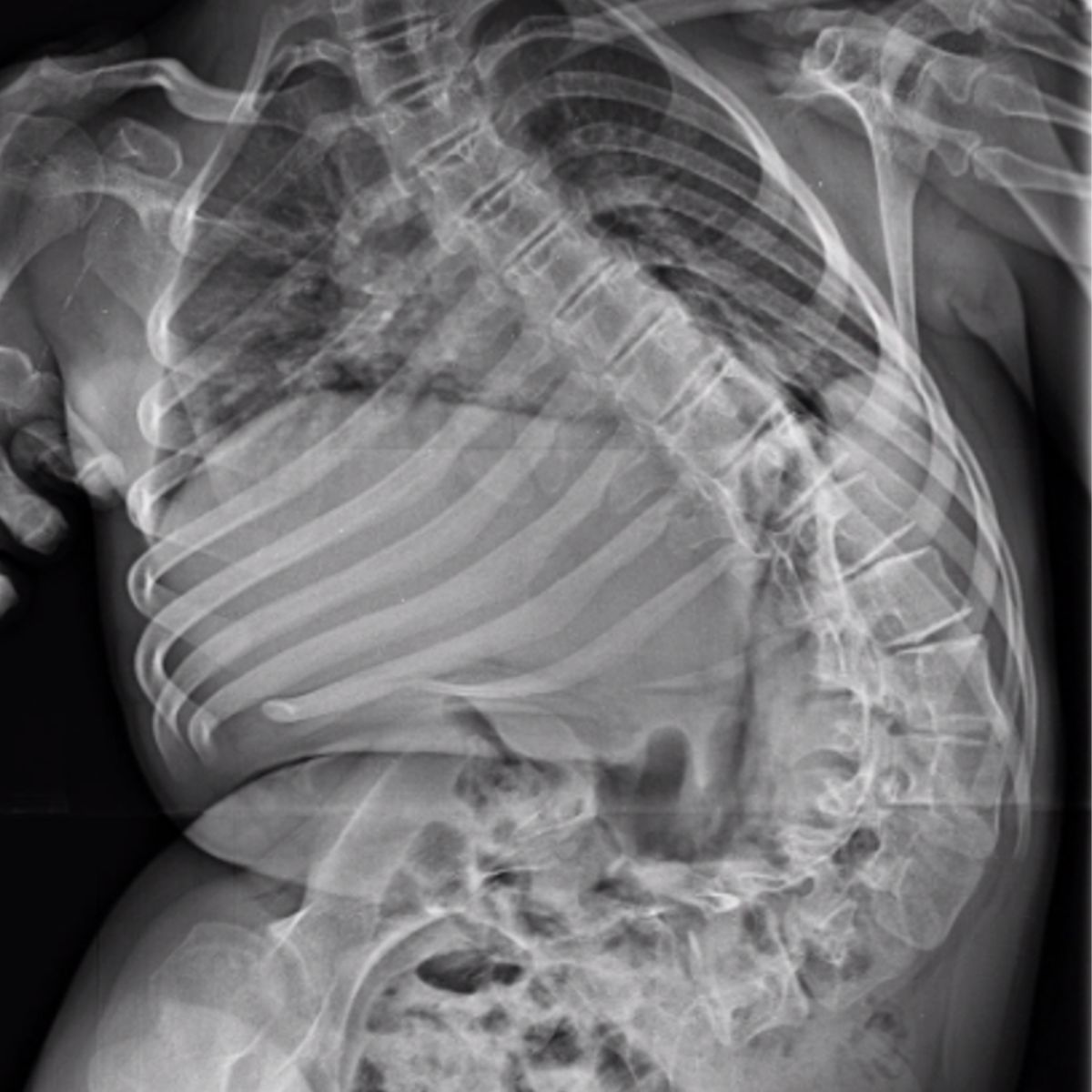
Dysplasias of the skeletal system (osteochondrodysplasias)
Osteochondrodysplasia is a disease characterized by an abnormal structure of the skeletal system. It results from abnormal growth, development and differentiation of bones and cartilage. Osteochondrodysplasias have a genetic basis and occur in 1 in 5,000 live births. Osteochondrodysplasia manifests as low height in childhood and disproportions in body structure (except for dysplasias associated with disorders of bone mineralization, where [...]
Congenital hereditary cartilaginous outgrowths
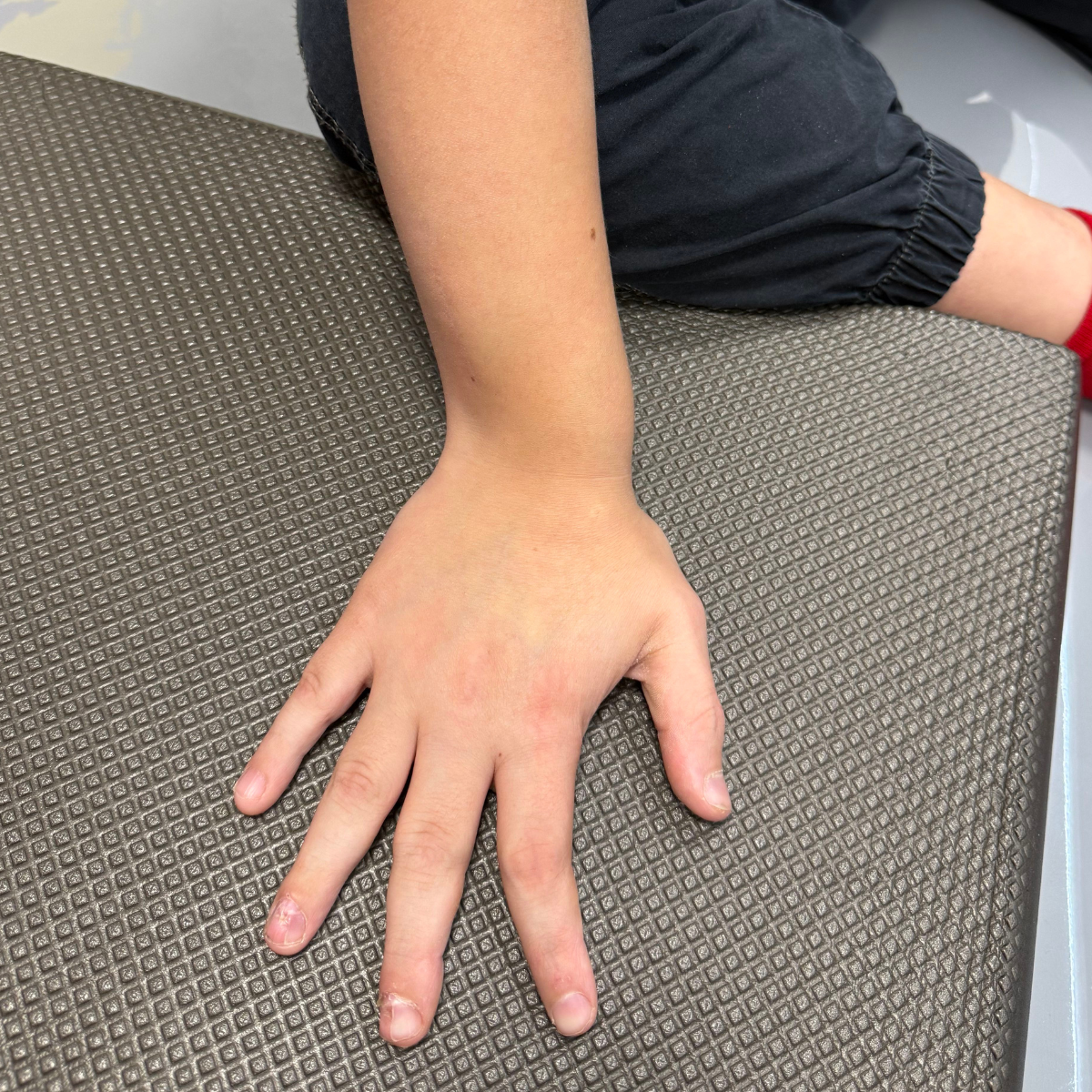
Multiple cartilaginous exostoses (MHE - multiple hereditary exostoses) is a very rare disease in which, due to congenital predisposition, cartilaginous exostoses appear on long bones (mainly in the femur and lower leg). They are classified as benign tumors of cartilaginous tissue that also produce bone tissue. Limb length discrepancy is often observed in MHE patients. [...]
Equinus foot
Equinus foot - the second most common congenital defect in children after hip dislocation. It can also be an acquired defect, secondary to external forces or neuromuscular disorders. It is a complex deformity of the foot, which is characterized by excessive hollowing of the longitudinal arch of the foot (the foot looks as if it is "broken" in half), adduction of the foot (pointing inward), myelopathy of the heel (the foot [...]
Congenital pseudarthrosis of the tibia
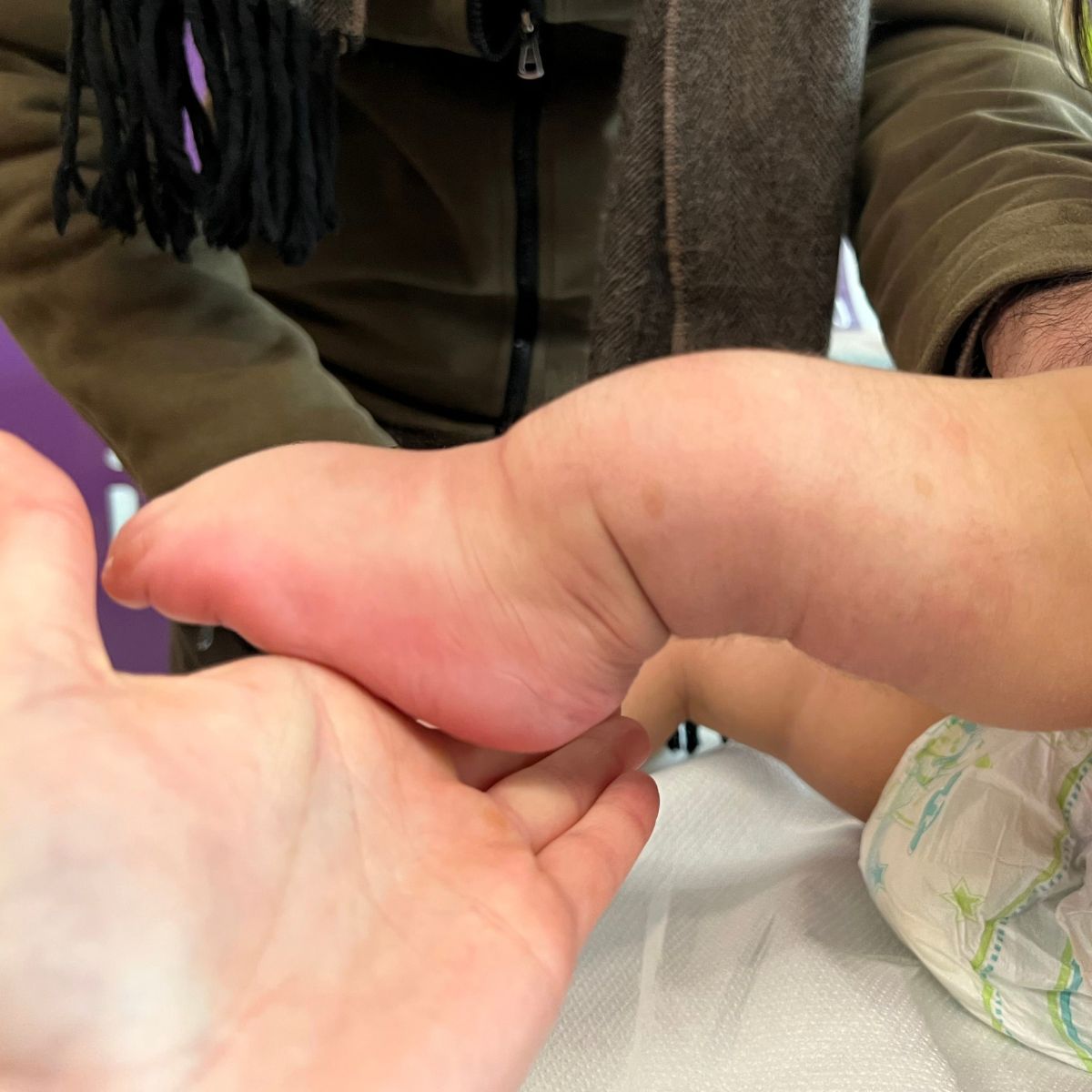
CPT (congenital pseudatrhrosis of tibia), or congenital pseudarthrosis of tibia, is a type of disorder involving bending of the bone that leads to fracture and formation of a pseudarthrosis joint. In the place where two bone fragments should fuse, their mobile joint, or joint, is formed (however, this is pathological mobility). Congenital pseudarthrosis of the bone [...].
Sagittal hemimelia
Fibular hemimelia (FH) is the most common congenital longitudinal defect of the lower extremities. It occurs between 1 in 50,000-135,000 births. In fibular hemimelia, symptoms include the absence of the fibula or part of the fibula. There are also differences in limb length, foot deformities and knee deformities. Fibular hemimelia is a condition whose causes are unknown, but studies have shown [...]
Tibial hemimelia
Tibial hemimelia (TH) is an extremely rare condition, occurring in 1 in 1,000,000 live births. It can be diagnosed by prenatal ultrasound (ultrasound) as early as 16 weeks of pregnancy. Tibial hemimelia includes symptoms such as a shortened lower limb with deformities of the ankles (sometimes the feet as well) and knees, which, due to the lack of [...]
Underdevelopment of the proximal end of the femur
Congenital Femoral Deficiency (CFD) is a rare birth defect in which there is shortening of the femur, accompanied by hip and knee deformity, movement deficits and instability. As a result, the child has problems with mobility and stability. Congenital femoral underdevelopment is usually unilateral, although it can also occur bilaterally. The earlier name of the syndrome in question [...]
Damage to the central nervous system
There are many causes of damage to the central nervous system. The ailment can be a consequence of MS (multiple sclerosis), Parkinson's disease or MPD (cerebral palsy), as well as result from, for example, craniocerebral trauma, stroke, inflammation within the CNS or tumors. What is the central nervous system, the central nervous system (CUN, CNS)? It is the center protected by the spine and bones of the skull [...]
Genetic defects
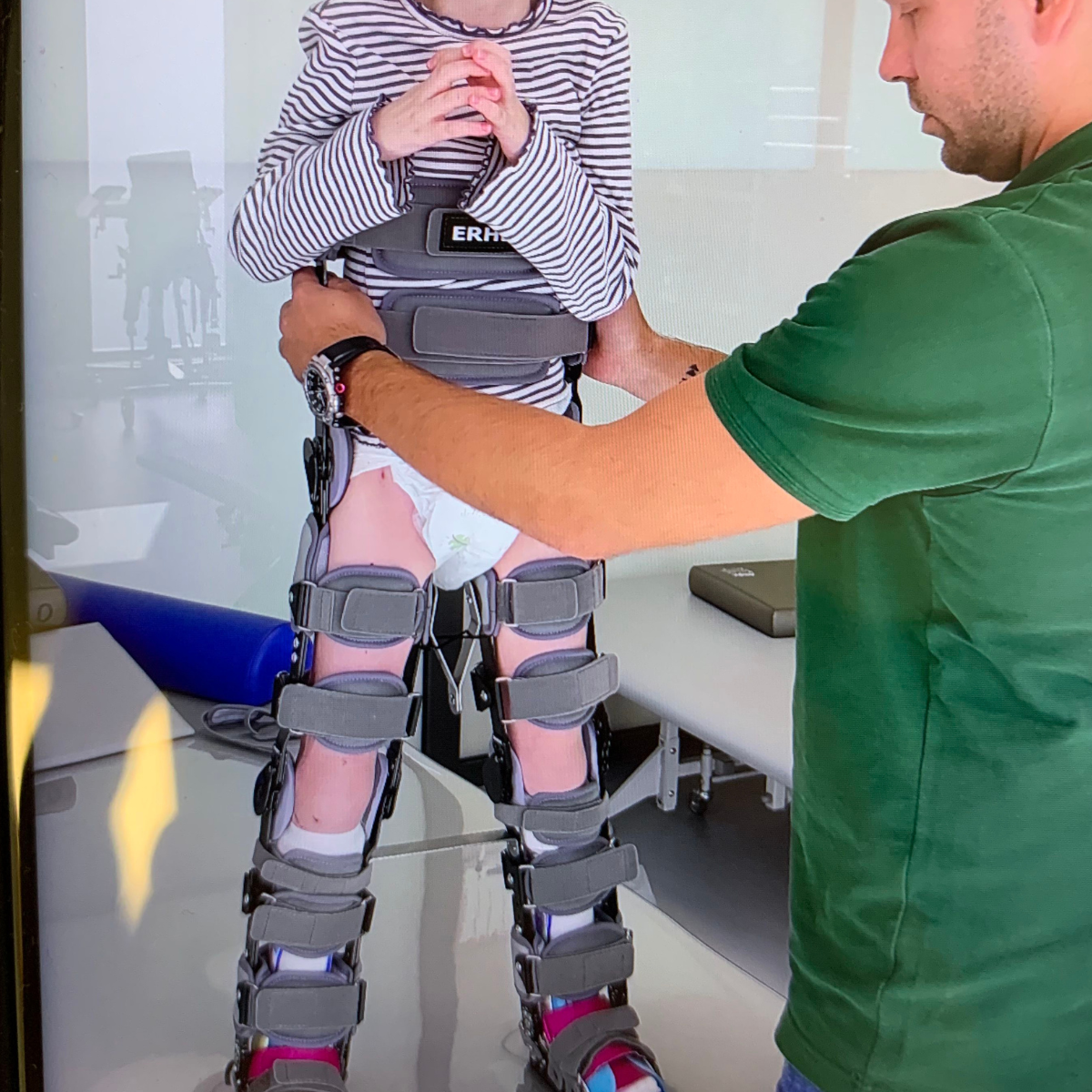
Genetic defects arise when random changes occur in a person's genetic material (DNA or genome). It is their type that determines the type of disease. At Paley European Institute, we treat and provide physiotherapy for people with: Down syndrome, West syndrome, Tourettes syndrome, Rett syndrome. West syndrome West syndrome is a form of epileptic encephalopathy, a disorder resulting from damage to the brain. It is diagnosed [...]
Craniocerebral injuries
"No head injury is so mild as to be completely neglected, nor any so severe as to lose all hope." Hippocrates Cranio-cerebral injuries are a term for injuries to the head area that vary in cause and effect. They are caused by an external force and the movement it causes. They occur in about 200/100,000 people in highly industrialized countries. Most [...]
Developmental defects of the central nervous system
Central nervous system (CNS) malformations are a broad group of conditions that result from abnormalities in the developmental process of the brain and spinal cord. Knowledge of the underlying mechanisms is crucial for their early diagnosis and effective treatment. The development of the central nervous system in humans is a very complicated process. If abnormalities occur at the embryonic stage in [...]
Meningo-spinal hernia
Meningioma hernia (MMC) is a gestational, congenital defect of the nervous system. It occurs in 1 in 2,000 live births, with a higher incidence in girls. Meningioma hernia in children involves the failure of the elements of the neural tube to close and grow together. This results in spina bifida and the formation of an opening into which the meningeal sac (meningeal hernia) or the spinal meningeal sac can enter with [...]
Cerebral palsy (MPD).
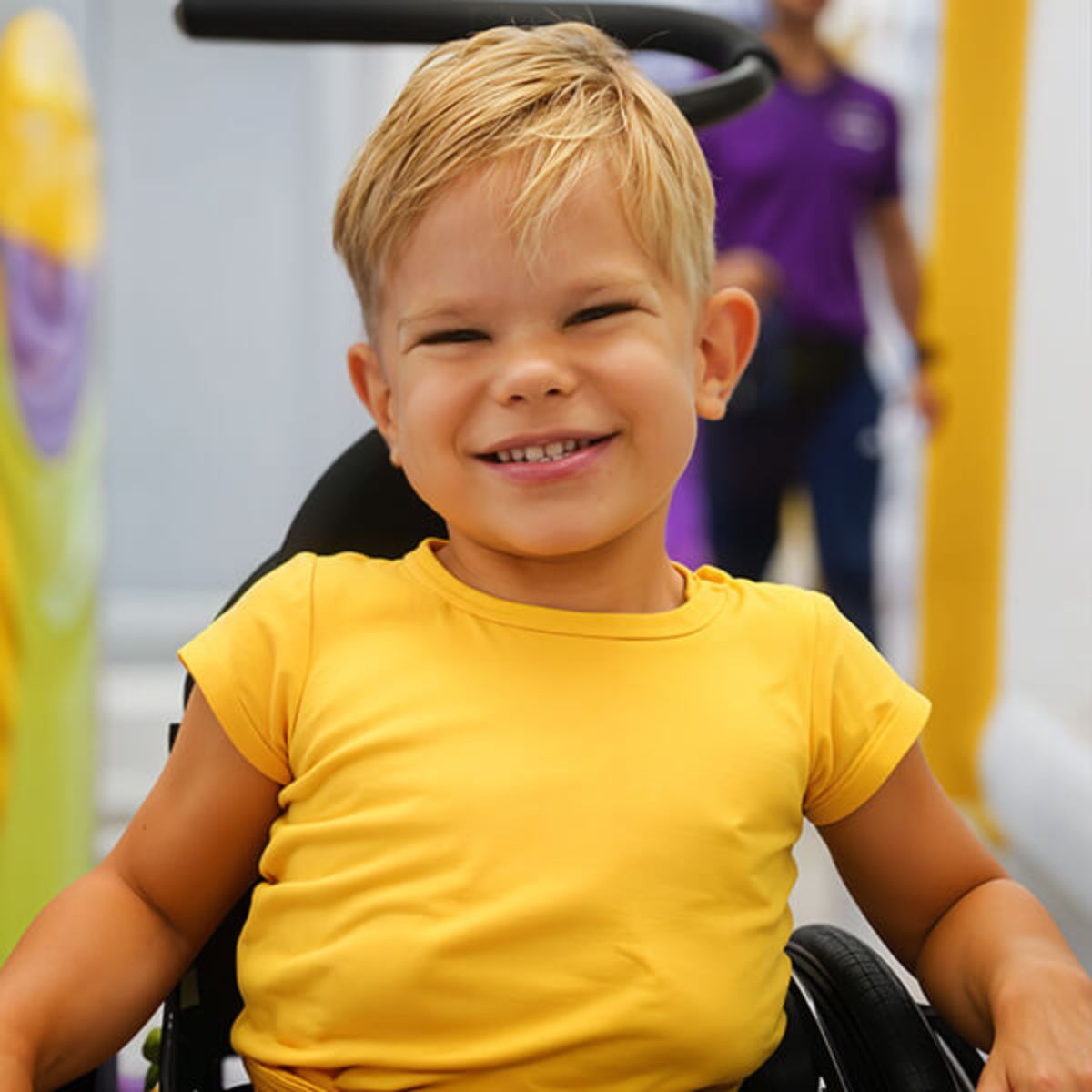
Cerebral palsy is a lifelong form of physical disability that affects movement and posture. It results from permanent, nonprogressive brain damage in the early stages of a child's development. It can worsen with age, take different forms and affect different parts of the body. Therefore, each person struggling with MPD presents a different [...]
Psychomotor retardation
Delayed psychomotor development is a delay in the development of motor and intellectual functions, which we can talk about when a child does not reach "developmental milestones", i.e. the most important developmental skills, in a timely manner. They should be developed at a certain stage of life and are always referred to the child's age, and in the case of premature babies to the corrected age (in the case of children born [...]
Asymmetry
Why is body asymmetry a problem that requires prompt medical intervention? First and foremost, body symmetry is very important, because with it the child learns to cross the center line of the body in both directions with his feet, hands and head. This makes it possible to reach the next stages of motor development and coordination. This is why body asymmetry in children can be a warning sign indicating [...]
Muscle tension disorders
Muscle tension disorder is a condition in which there is abnormal tension in the muscles. It can be caused by a variety of factors, including neurological disorders, muscle damage, or metabolic problems. These disorders can manifest as excessive or insufficient muscle tension, which can lead to stiffness, muscle weakness, and problems with coordination and movement. [...]
Growth dysphoria - cosmetic limb lengthening
Dysfunction is no longer a problem. Thanks to advances in the field of orthopedics, we can easily achieve bone lengthening of additional centimeters and equalize the length of limbs in relation to the proportions of the whole body. The term growth dysphoria Dr. Walter Windisch, a psychologist, used the term growth dysphoria (dysphoria literally means dissatisfaction, as opposed to euphoria). In other words, dissatisfaction with one's growth. [...]
Osseointegration in amputee patients
Osseointegration is a revolutionary technology for amputees. The term amputation refers to the loss of all or part of a limb. It can occur as a result of trauma or scheduled surgery for other medical reasons. Most procedures are performed to treat complications resulting from peripheral vascular disease (PVD) or diabetes. The next most common cause of amputation is trauma from accidents [...]
Limb axis deformities
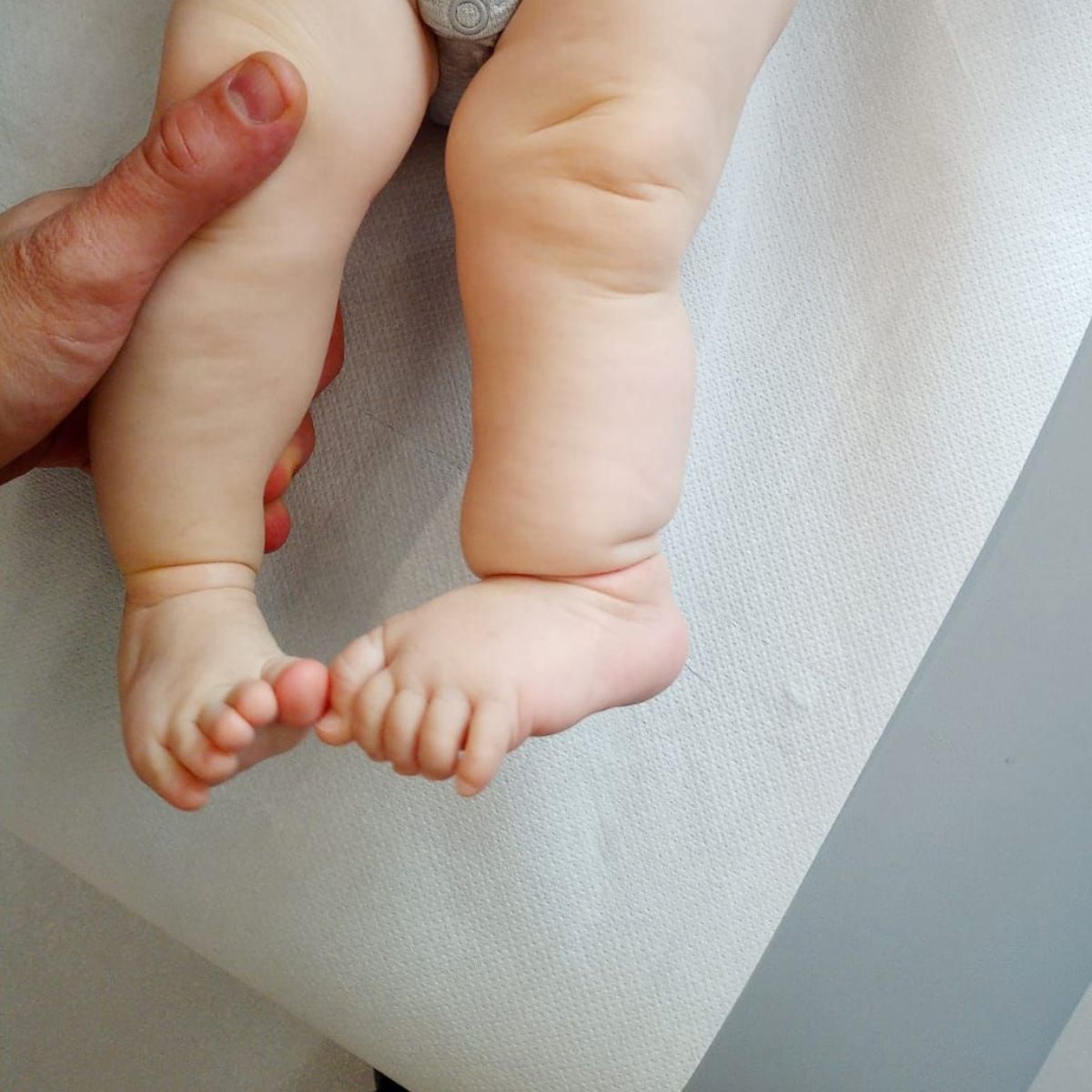
Limb axis deformities in children are a common orthopedic problem that can also occur in adolescents and adults. In addition to affecting aesthetics, these deformities lead to serious anatomical and functional disorders. Limb axis abnormalities (such as physiologic valgus and physiologic myelopathy) affect gait, and in the long term can cause degenerative changes in the joints, especially the knees. Problems [...]
Bone transport
Bone transport, also known as osteogenic distraction, is a medical technique used in orthopedics to treat bone defects and lengthen limbs. The procedure involves moving bone fragments to stimulate new bone growth, allowing the bone gap to fill in naturally. Bone segment transport is performed for severe bone defects resulting from trauma, disease, [...]
Osteomyelitis
Osteomyelitis is a bone infection that is more common in children due to the rich vascularization of the appendage and an immune system that is not yet fully developed. It occurs with an incidence of 1:5,000 in people under the age of 13. The cause of cellulitis is a bacterial infection. It is most often caused by staphylococcus aureus. Bacteria can penetrate into the bone [...]
Sports medicine
At Paley European Institute, we understand the importance of helping coaches, small and large athletes, professionals and amateurs, who are starting out in sports or have suffered various types of injuries. Sports medicine for children is particularly important, as the younger body during intensive training is exposed to various injuries that can affect further development. Regular follow-up with [...]
Postural defects
Postural defects - how is treatment carried out? A sedentary lifestyle has become a common problem that has a negative impact on our posture. Improper posture, especially in childhood, can lead to the development of various postural defects. At Paley European Institute, we provide comprehensive medical care for the treatment of postural defects. Our specialists in pediatric orthopedics and trauma surgery offer [...]
Developmental defects of the musculoskeletal system
Musculoskeletal malformations in children and adolescents develop insidiously, painlessly and often asymptomatically. Left without early diagnosis and treatment, they worsen with growth and uprightness, subsequently leading to early onset of generative and degenerative changes and eventually to permanent disability. That is why it is so important to detect and then treat any disease of the organ as soon as possible [...]
Injuries
At Paley European Institute, we not only deal with congenital defects of the limbs, but also treat children after injuries. We enable our young patients to make a full recovery. We specialize in diagnosing orthopedic conditions and performing surgical procedures. However, treating patients after injuries is not all we offer. Our team of physiotherapists, who support pediatric orthopedics, are skilled in [...]
Diastrophic dysplasia
Dystrophic dysplasia is a rare genetic disorder that affects the development of bones, cartilage, and connective tissue, requiring long-term and comprehensive specialized care. Due to the complex nature of the condition, patients often need support from a team of orthopedists, physical therapists, and other specialists who work together to plan the next steps in their treatment. At the Paley European Institute, patients with diastrophic dysplasia receive comprehensive care […]
Arthrogryposis - Causes, symptoms and treatment
Arthrogryposis is a congenital disorder that involves multi-joint muscle contractures, joint stiffness and osteoarticular deformities. The condition has various etiologies and, unfortunately, cannot be prevented or guarded against. However, in the case of arthrogryposis, the symptoms can be effectively reduced, by choosing the right treatment, physiotherapy and rehabilitation. In this article we will tell you: arthrogryposis - what [...]
Diseases of the spine
The spine in the body performs very important functions. It supports the entire body, supports its weight, provides balance, provides an "attachment" for many bones, absorbs shocks and protects the spinal cord and spinal nerves. It has a very complex structure. Its diseases are often associated with pain, interfere with dexterity and cause problems in daily functioning. Their occurrence is favored by a sedentary lifestyle [...]
Trauma surgery
Trauma surgery is a branch of medicine that deals with the surgical treatment of the musculoskeletal system, including: bones, joints, ligaments and indirectly muscles, tendons and nerves affected by trauma. An injury is considered to be caused by various factors, such as thermal or mechanical, including falls, beatings or being hit by a car. The scope of trauma surgery depends on how severe the injury [...]
Sports medicine
At Paley European Institute, we understand the importance of helping coaches, small and large athletes, professionals and amateurs, who are starting out in sports or have suffered various types of injuries. Sports medicine for children is particularly important, as the younger body during intensive training is exposed to various injuries that can affect further development. Regular follow-up with [...]
Osteoarthritis
Osteoarthritis (OA) is the most common disease of the musculoskeletal system. In its course, there is damage to structures and impairment of joint function, as well as the appearance of pain. It arises as a result of mechanical and biological factors. Clinically, CAD is characterized by joint pain, pressure soreness, restricted mobility, crackles and sometimes effusions. It more commonly involves the knees, hips, spine and minor [...]

Prognosis and Consequences of Cerebral Palsy: Current Findings and Perspectives
Pediatric cerebral palsy (MPD) is a complex neurological condition with a variety of causes and symptoms. The prognosis and consequences of MPD depend on a number of factors, such as the degree of brain damage, the earliness of therapeutic intervention and the quality of available medical and rehabilitative support. This article presents the latest information on the prognosis, consequences and treatment options for MPD, based on current scientific research. [...]

Causes and Risk Factors for the Development of Childhood Cerebral Palsy (MPD).
Children's cerebral palsy (MPD) is a complex group of movement disorders resulting from brain damage or abnormal development. At Paley European Institute, an important and renowned orthopedic medical tourism center in Europe, we specialize in comprehensive care for children with MPD, accepting patients from all over the world and offering an extensive package of services, including visa assistance, online diagnostics, accommodation, [...]