Helmet therapy – correcting your child’s head shape at the Paley European Institute in Warsaw
Restore your baby’s head to a better shape with a custom-fitted head brace—the Talee corrective helmet. Helmet therapy is a non-invasive, research-backed method for treating positional skull deformities in infants—it’s safe, effective, and can be started as early as 4 months of age.
Talee Prescription Helmet
Positional skull deformities in infants have become a widespread problem following the widespread adoption of the "Back to Sleep" campaign, which was recommended to prevent SIDS. Today, more than 3% of newborns are born with severe or very severe head deformities, and more than 50% are found to have mild or moderate flattening.
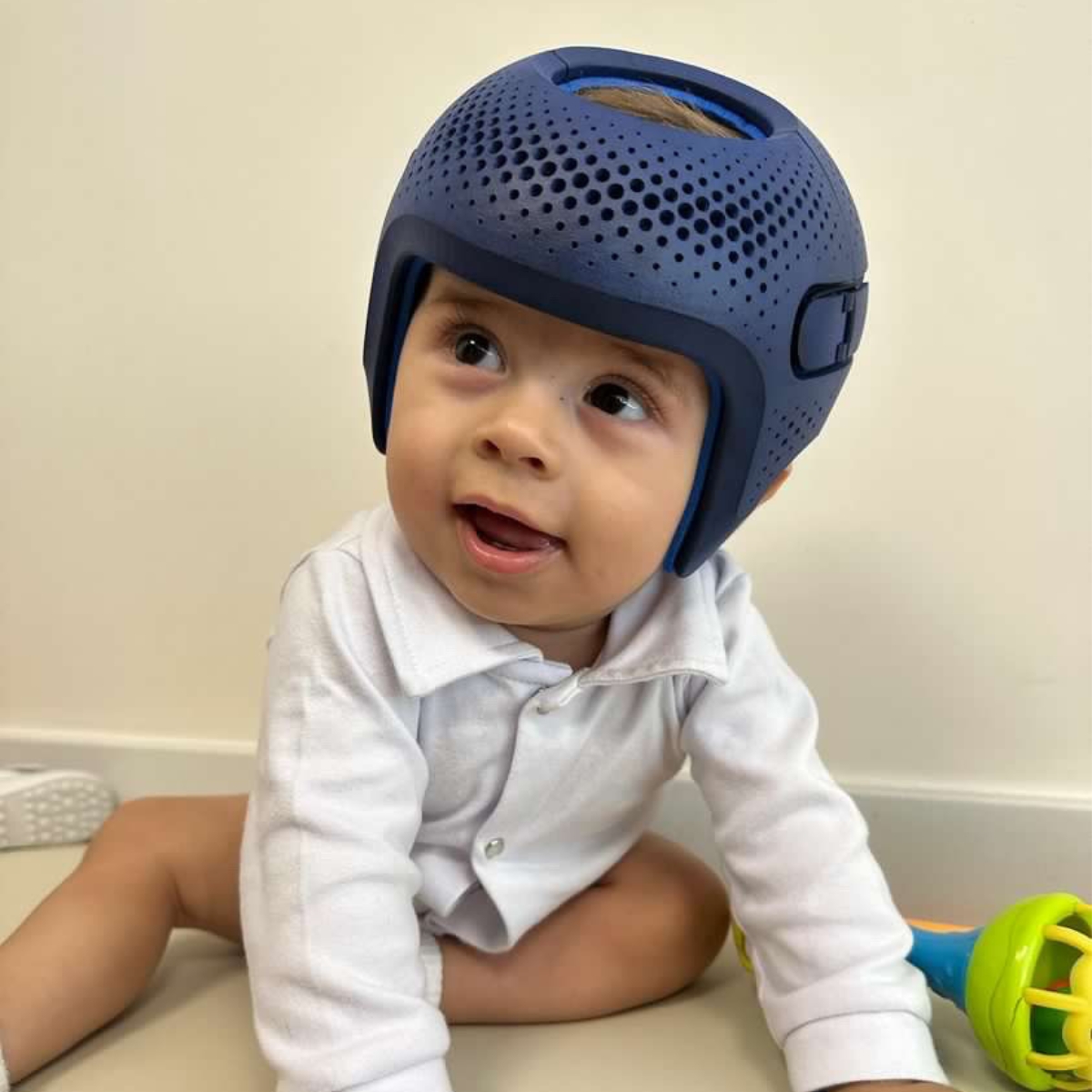
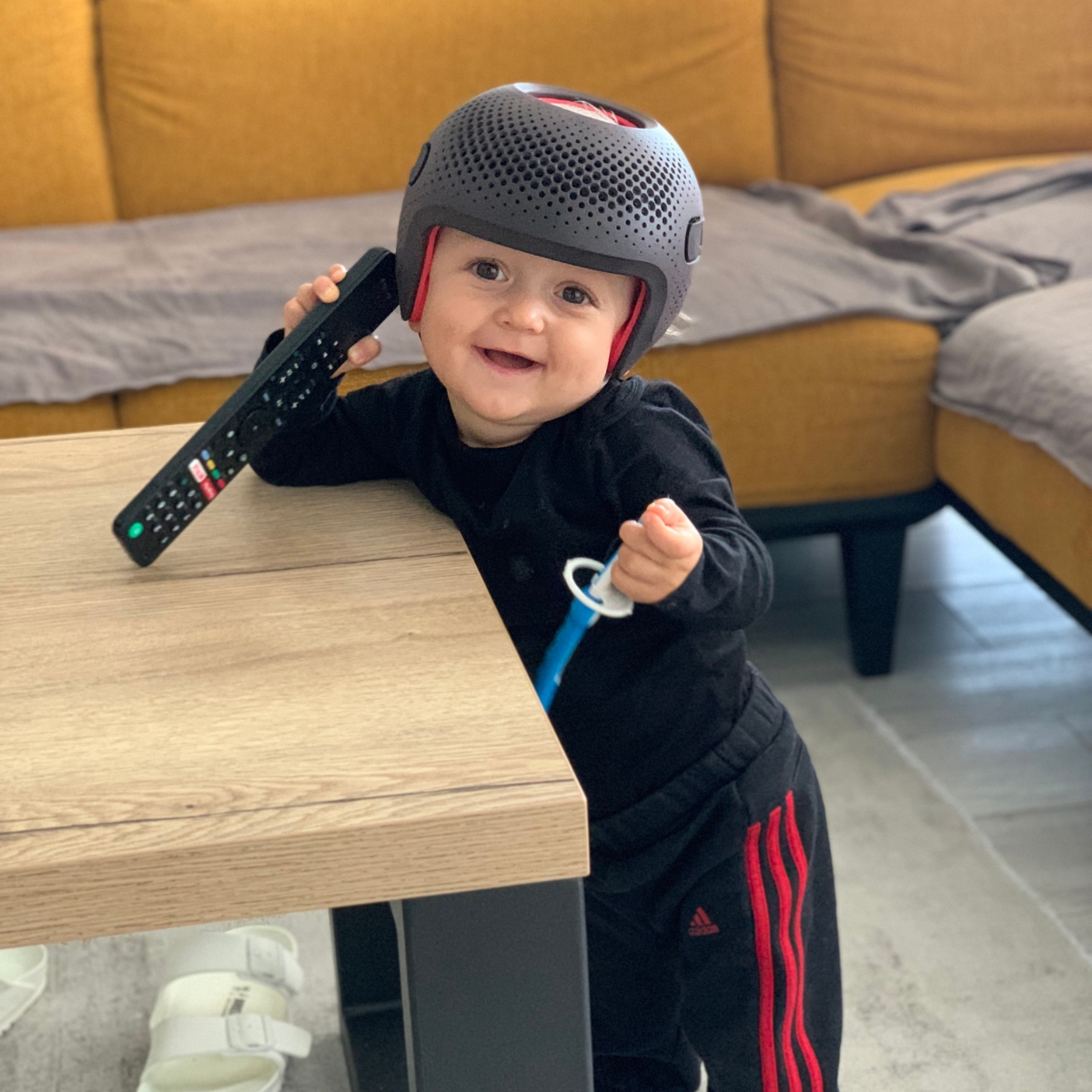
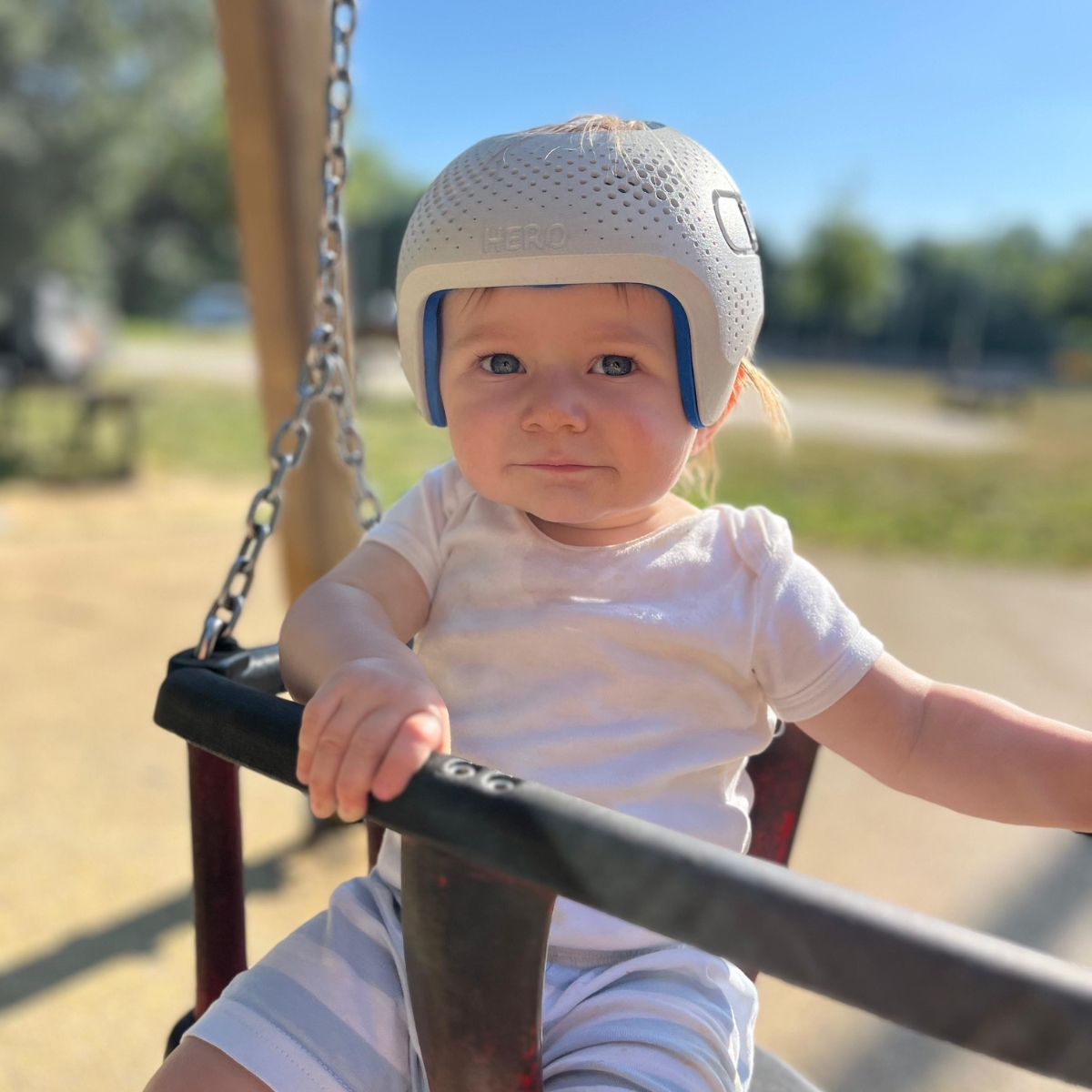
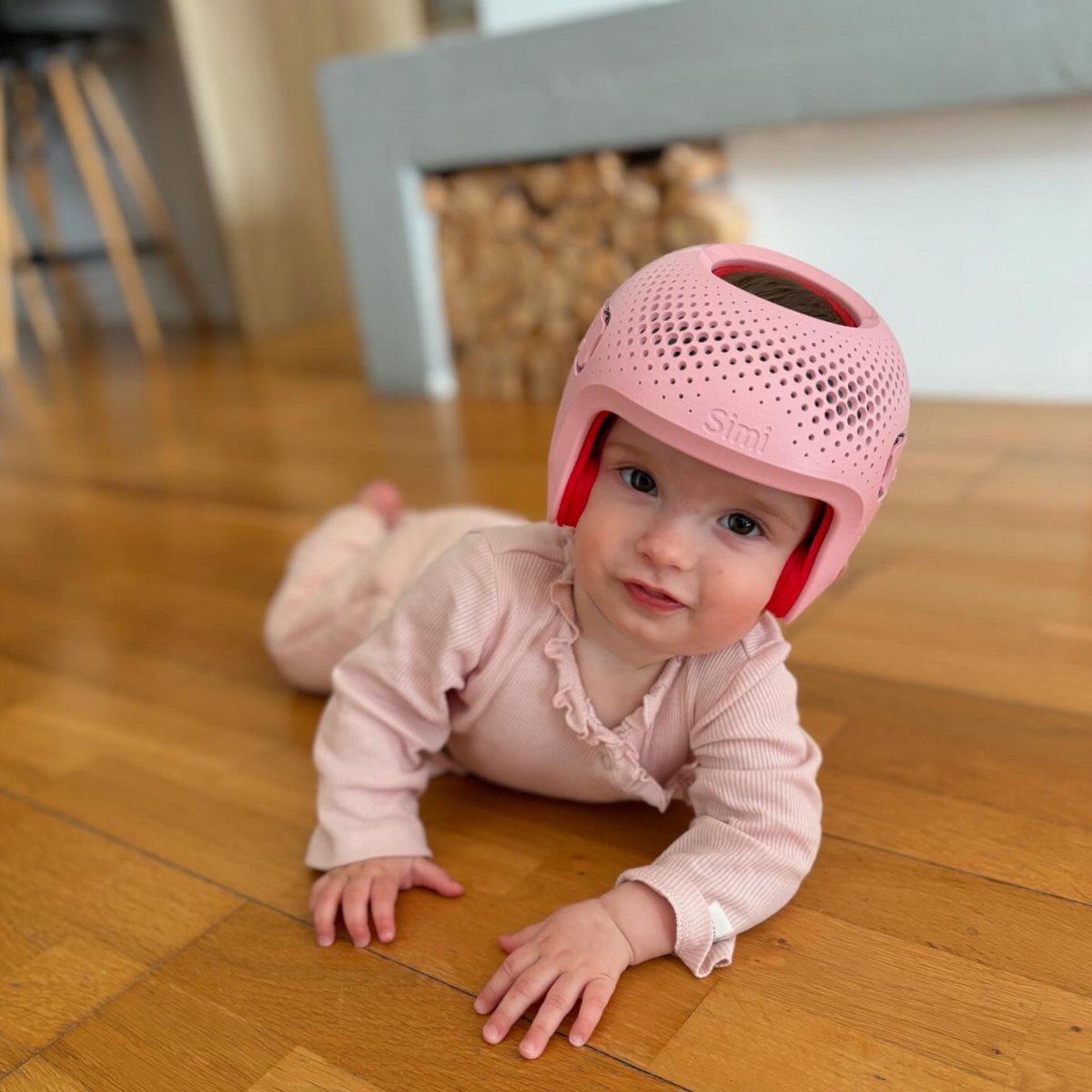
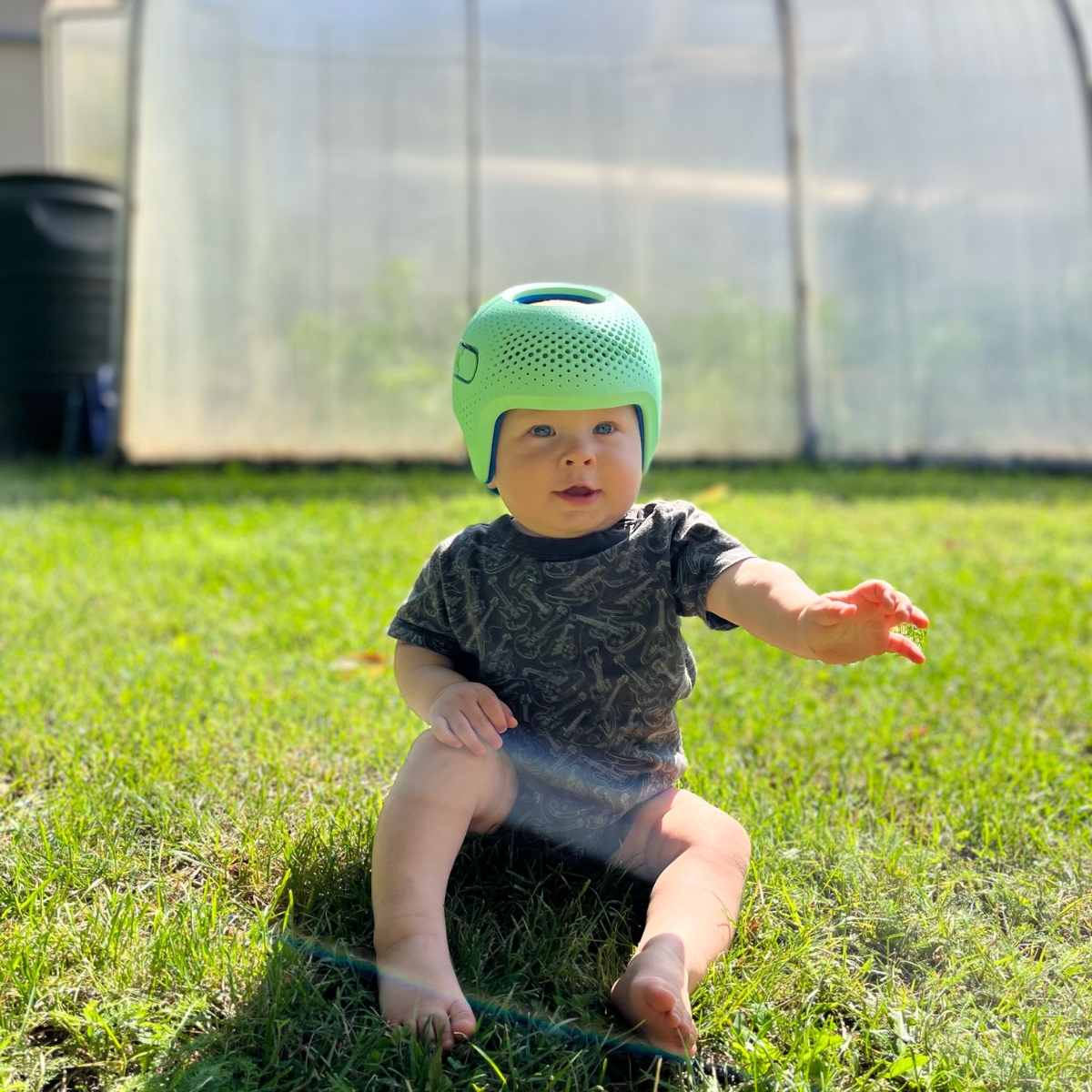
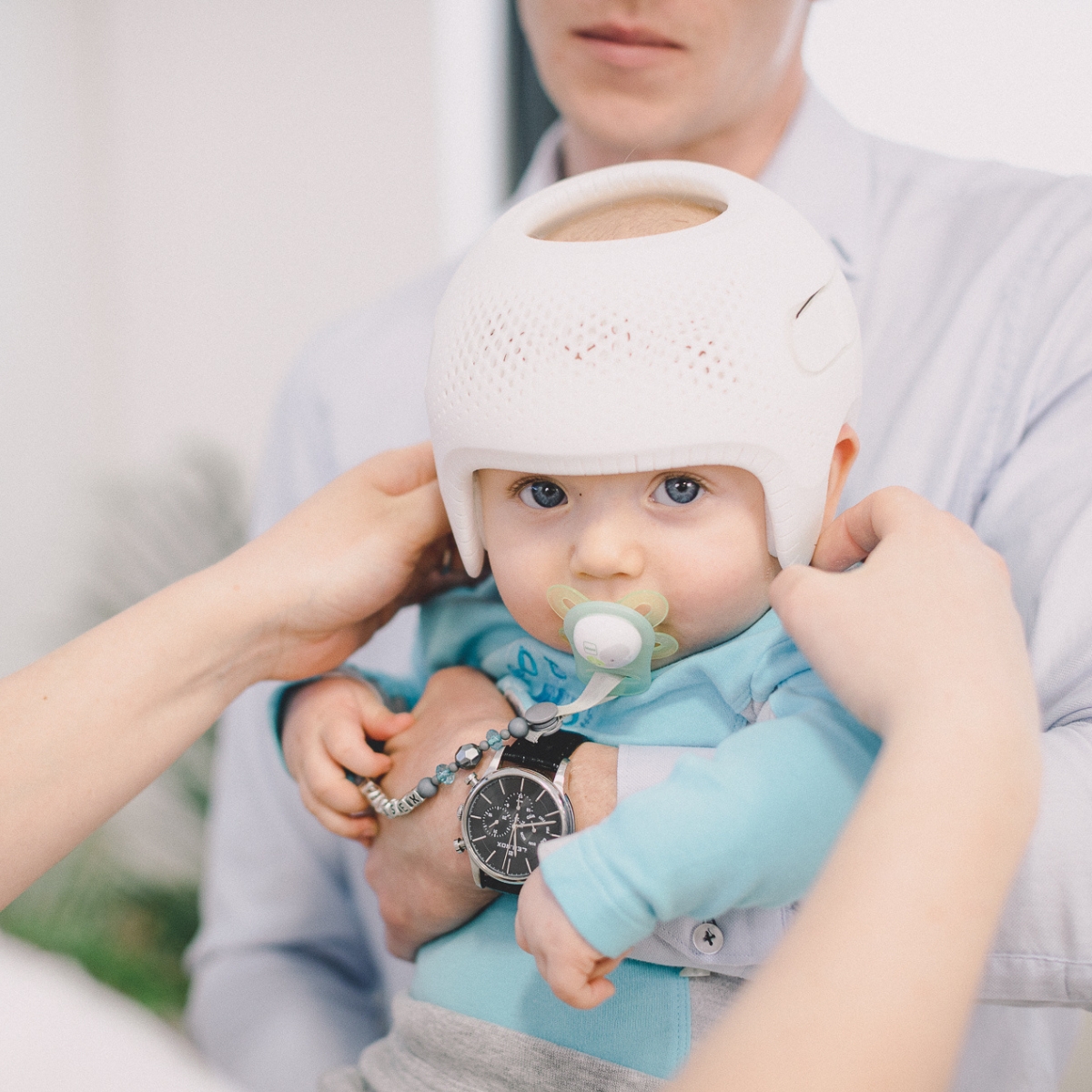
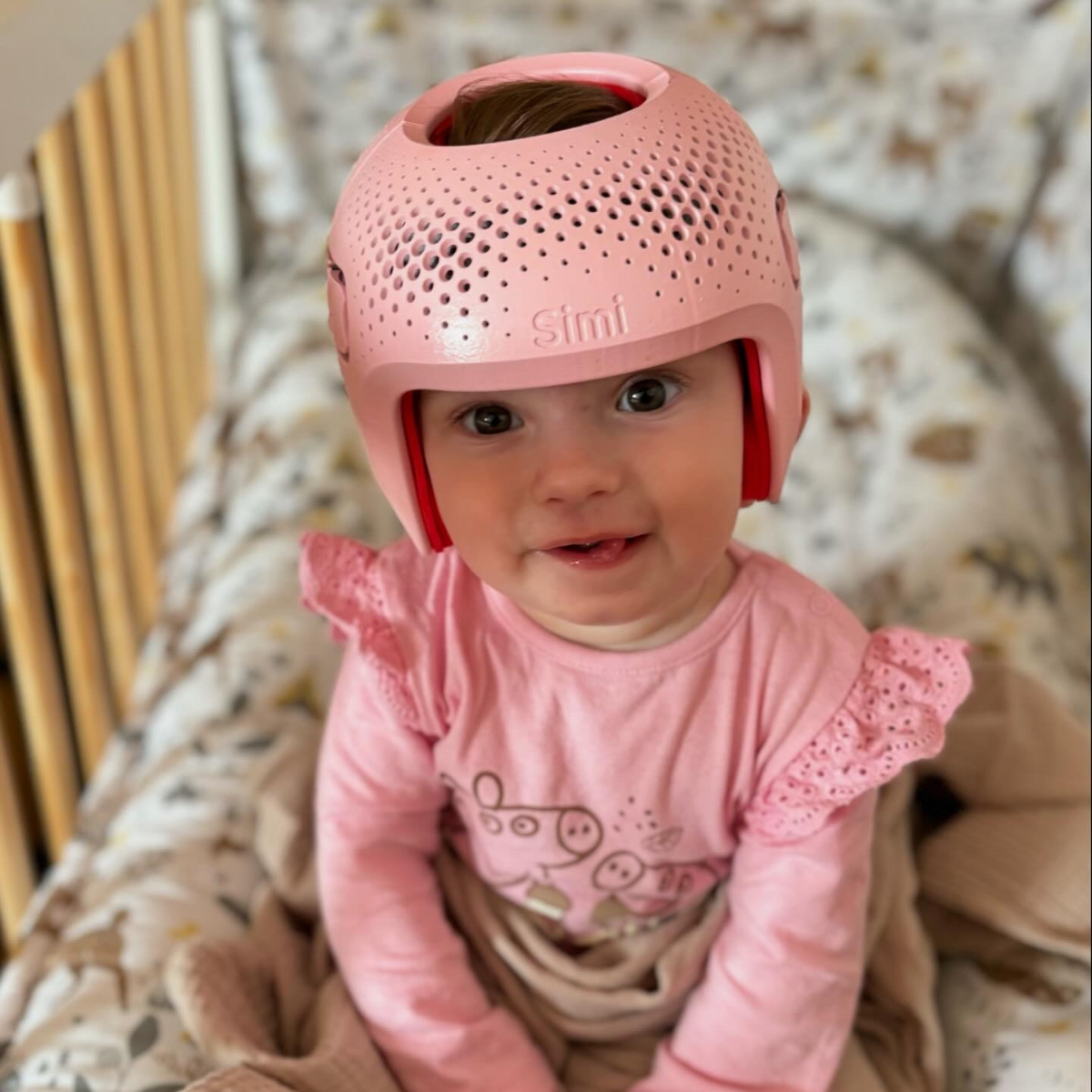
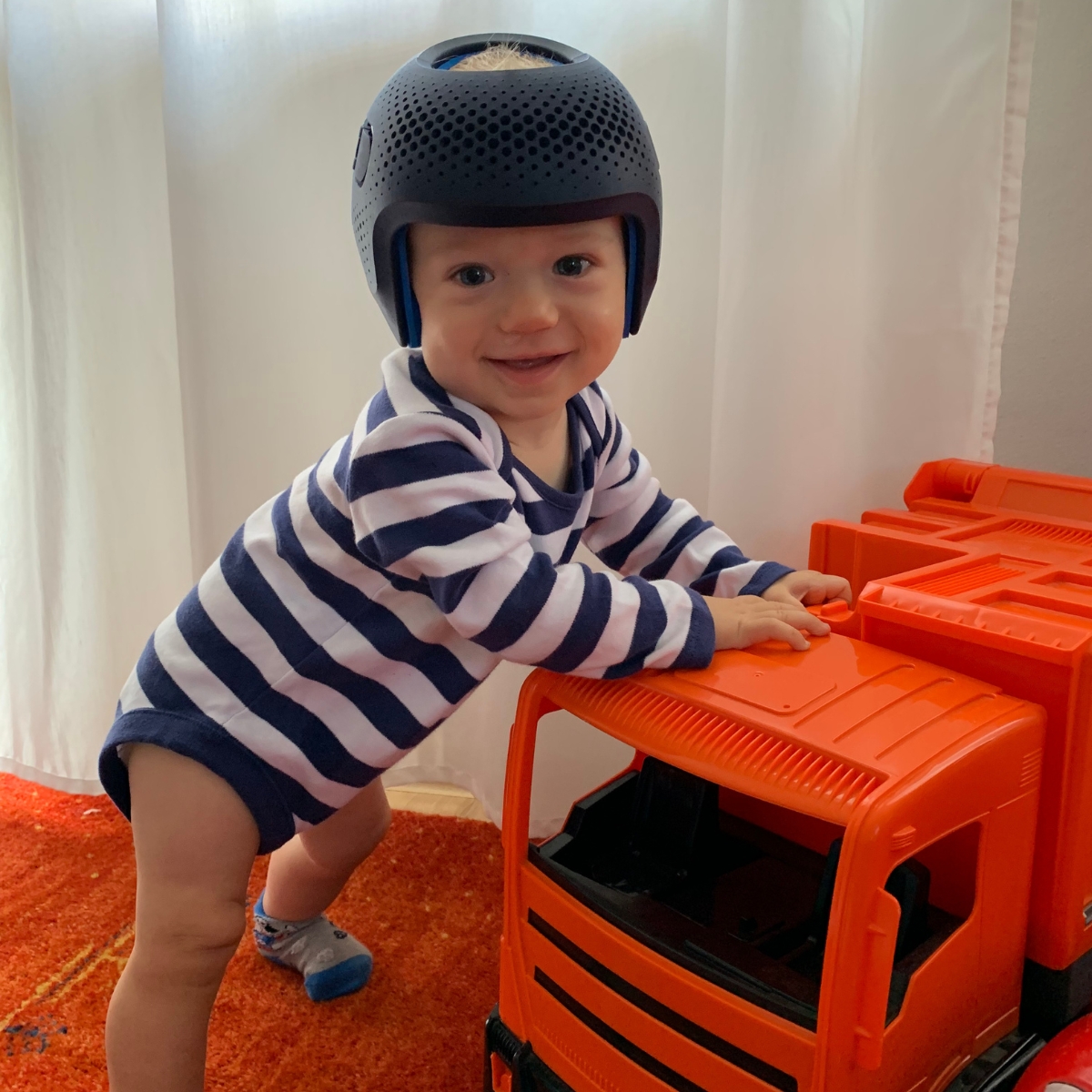
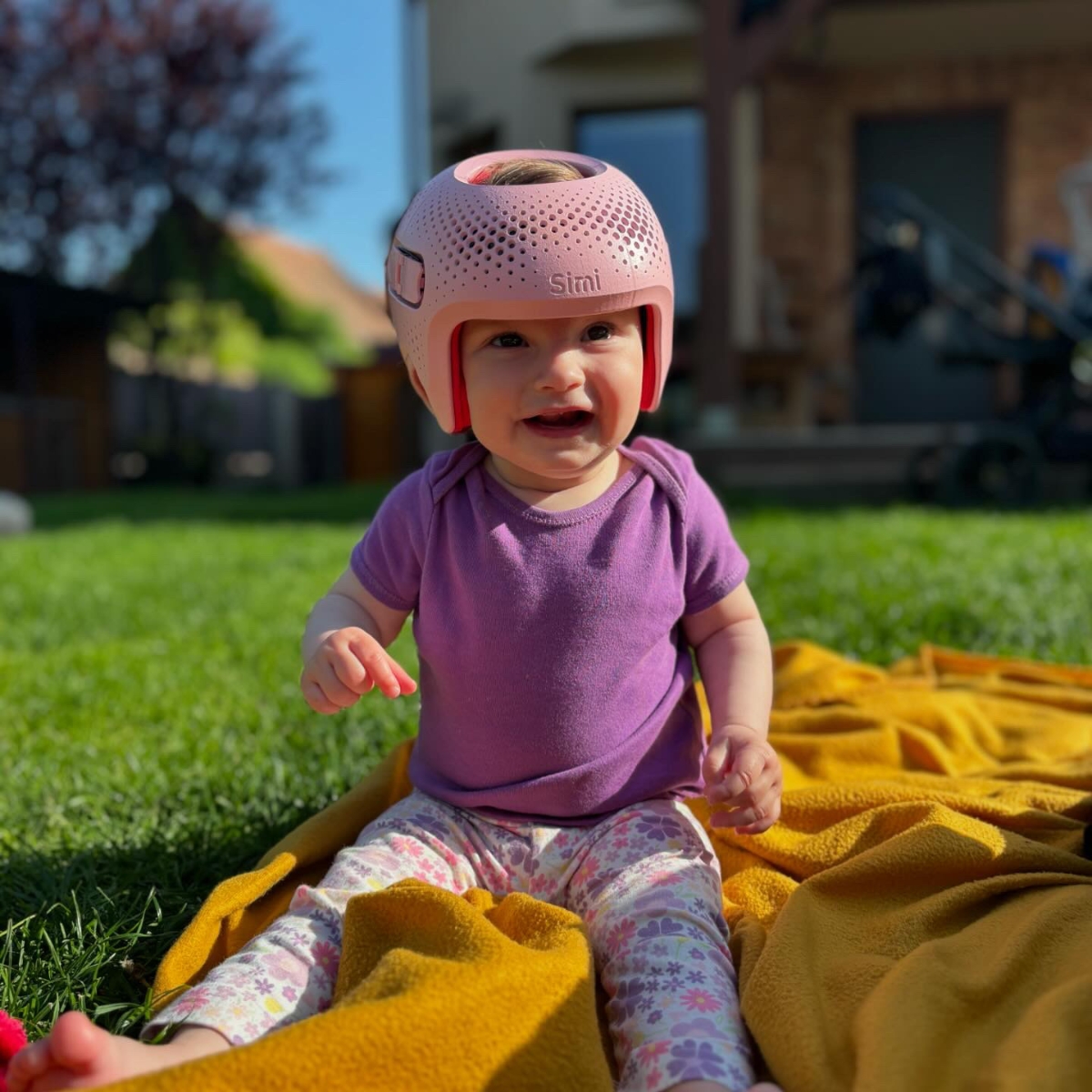
The Talee Head Orthosis is a lightweight corrective helmet custom-made based on a precise 3D scan of the child’s head. It is a passive orthosis—it does not apply active pressure but provides free space on the flattened side, guiding the natural growth of the skull in the correct direction.
- Non-invasive and safe: The 3D scan is painless and does not expose the child to radiation. The helmet does not apply any active pressure to the head.
- Custom fit: Each brace is made based on a unique scan of your child’s head, ensuring a precise fit.
- High effectiveness: Clinical studies confirm that corrective helmet therapy is the most effective method for treating postural deformities.
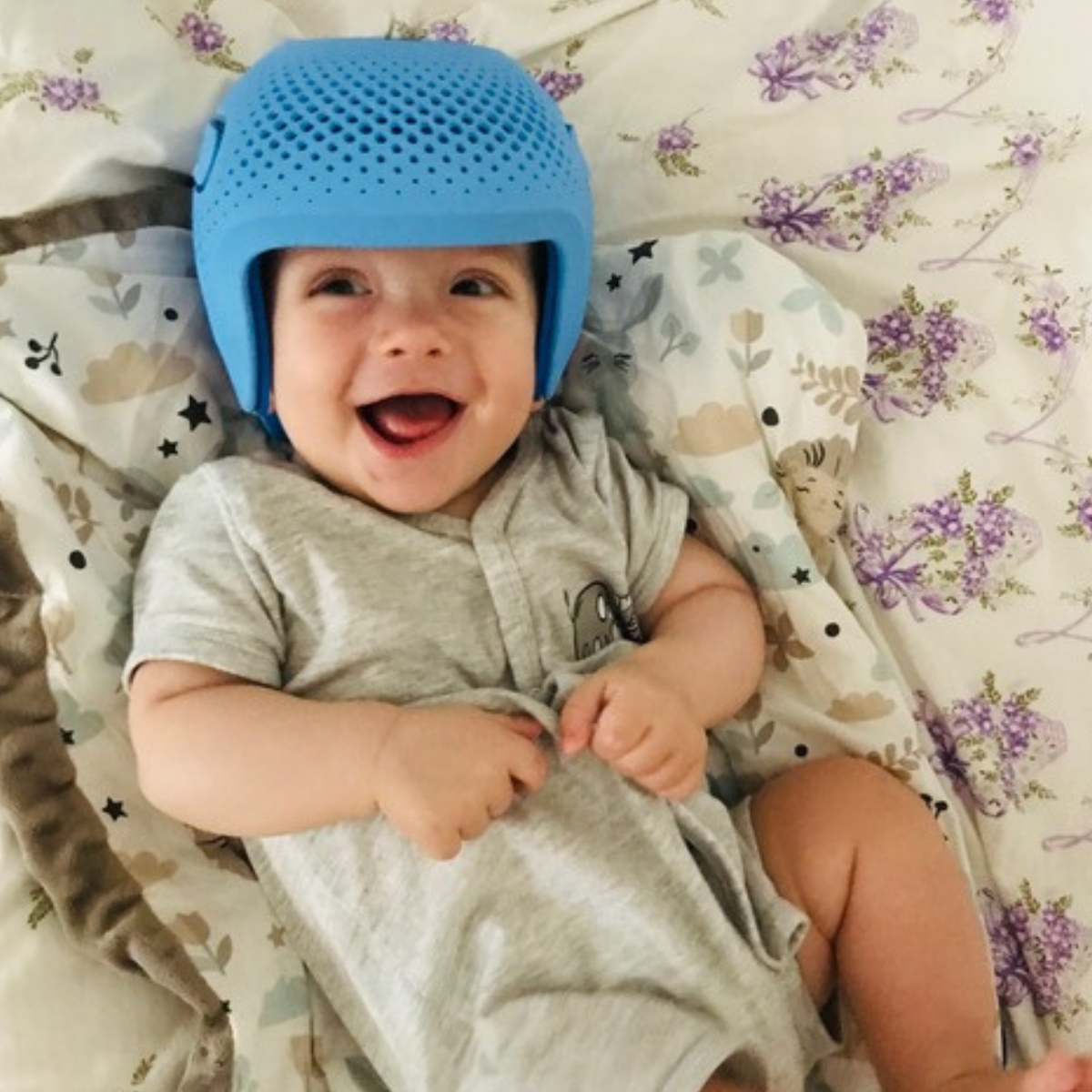
- Baby's comfort: The perforated design ensures ventilation—so your baby sweats less. Most babies get used to it quickly.
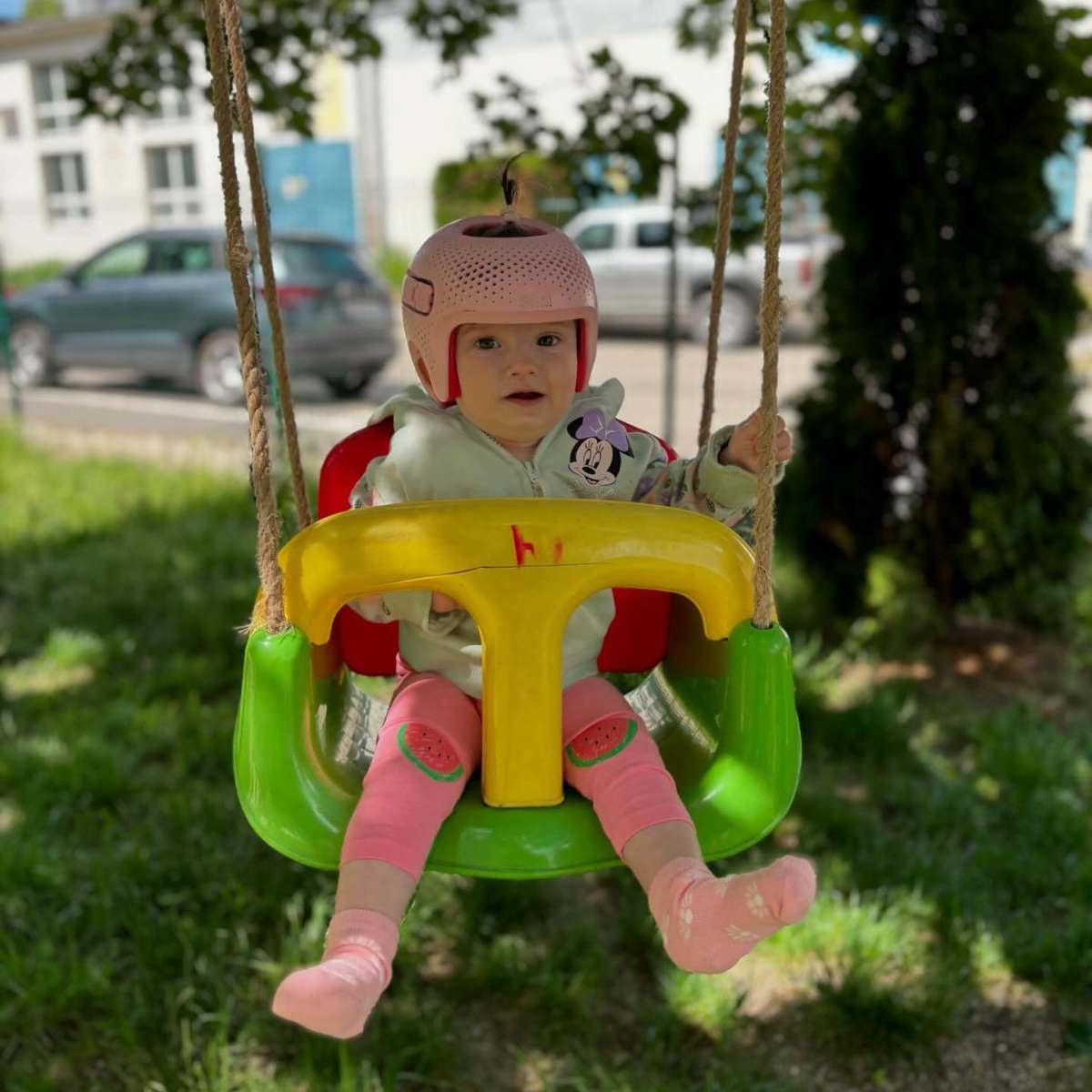
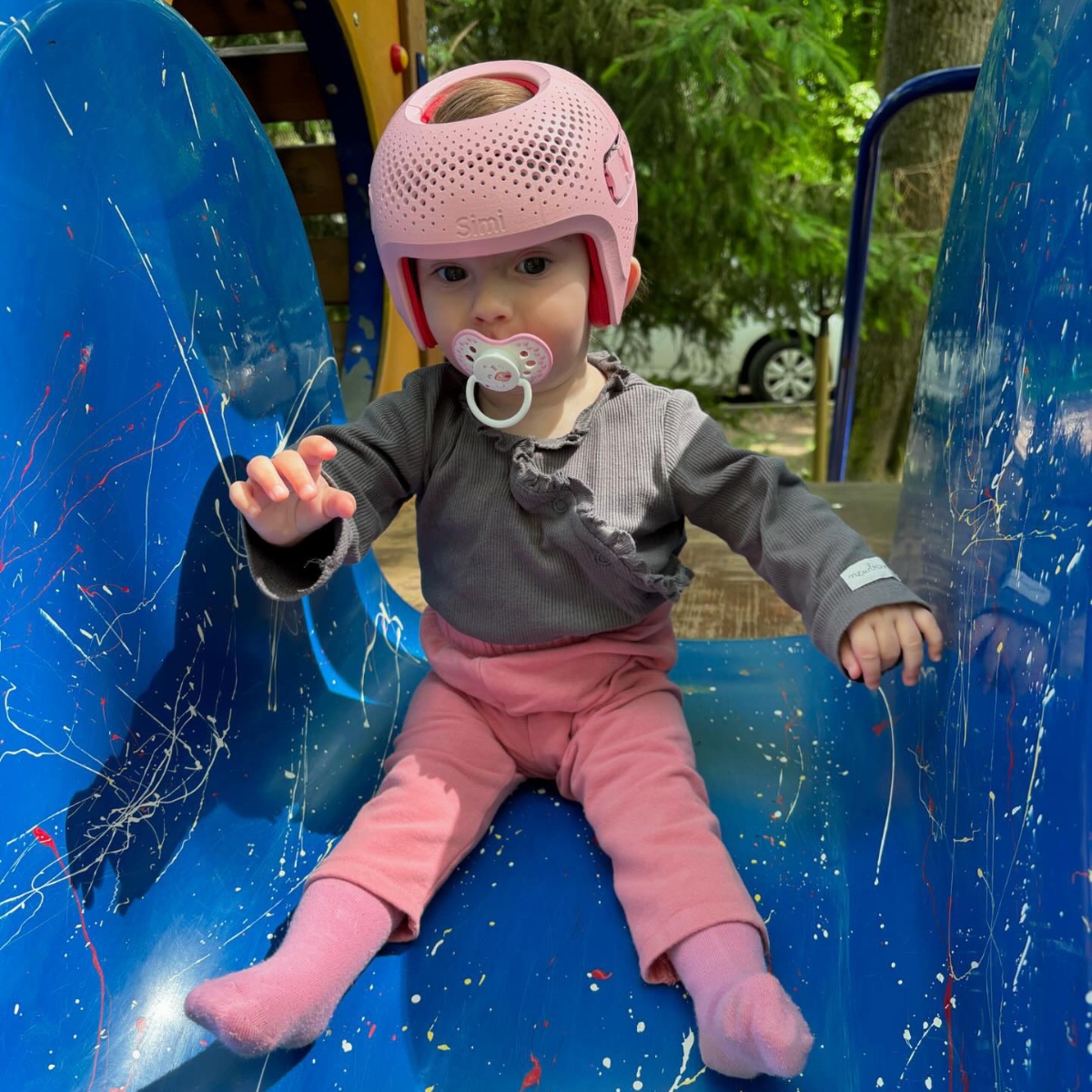
- Freedom of movement: The brace is designed to allow for sleeping, playing, and moving freely without restrictions.
Talee Helmet - 3D Technology
At the Paley European Institute, we use the Talee corrective helmet — a new-generation head orthosis, 3D-printed based on a scan of the child’s head.
- Breathable: The helmet’s perforated design ensures constant ventilation, so your child sweats less—even when wearing it for long periods of time.
- Lightweight: Thanks to 3D printing technology, the Talee helmet is exceptionally lightweight and does not put strain on a child’s neck or spine.
- Safe materials: The outer part of the brace is made of durable plastic, and the interior is padded with soft polyethylene foam for comfort and safety.
- Custom fit and effectiveness: Each brace is created based on a unique scan of the child’s head. For optimal treatment results, it is essential that the brace fits precisely and that the recommended 23-hour wearing schedule is followed.
Learn more about helmet therapy and support from OPSY specialists
Helmet therapy: effective treatment for head deformities
At the Paley European Institute, we correct the shape of infants’ heads by combining state-of-the-art diagnostic equipment with orthotic expertise and a personalized approach to each patient. Our standard of care includes:
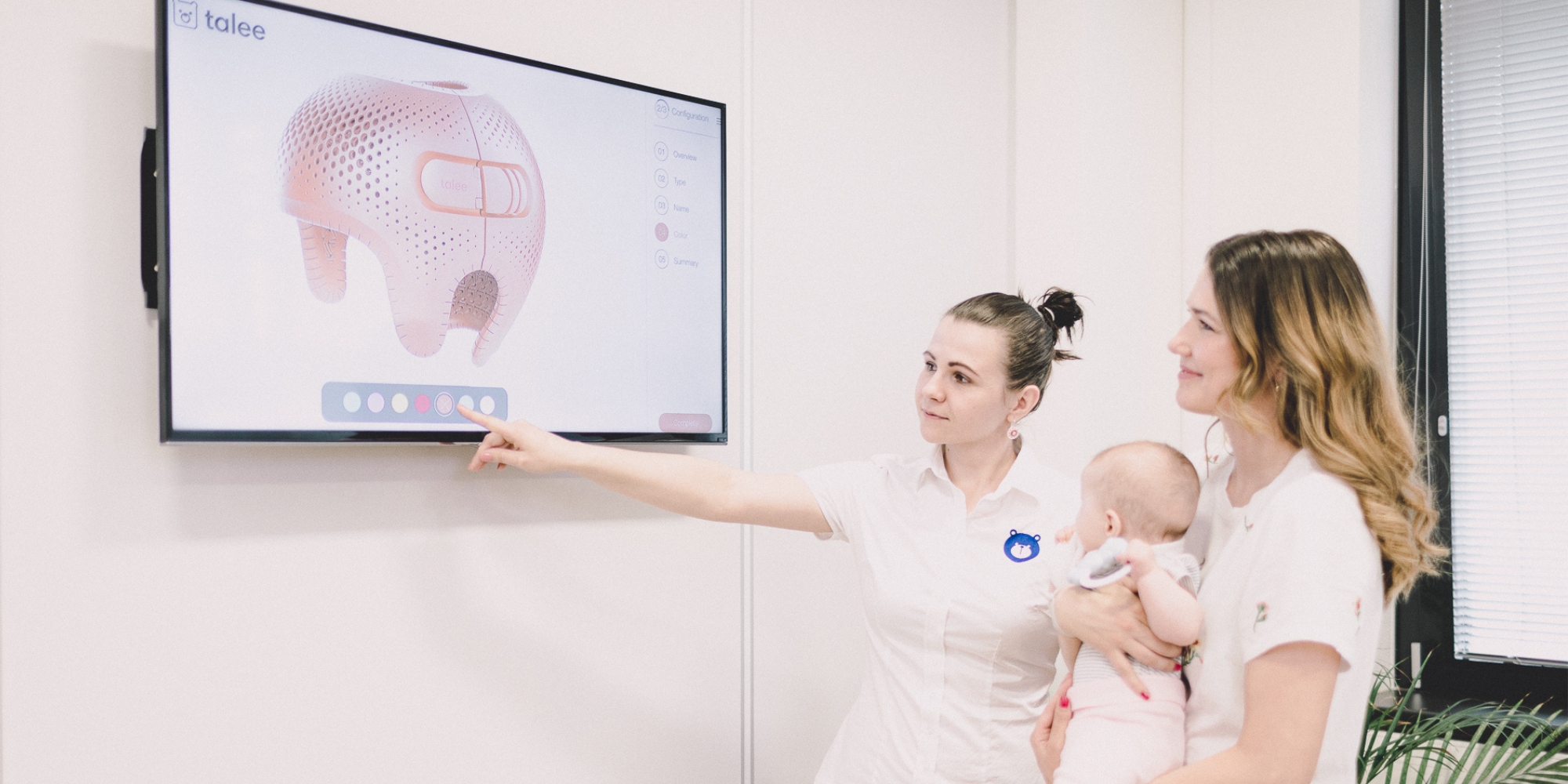
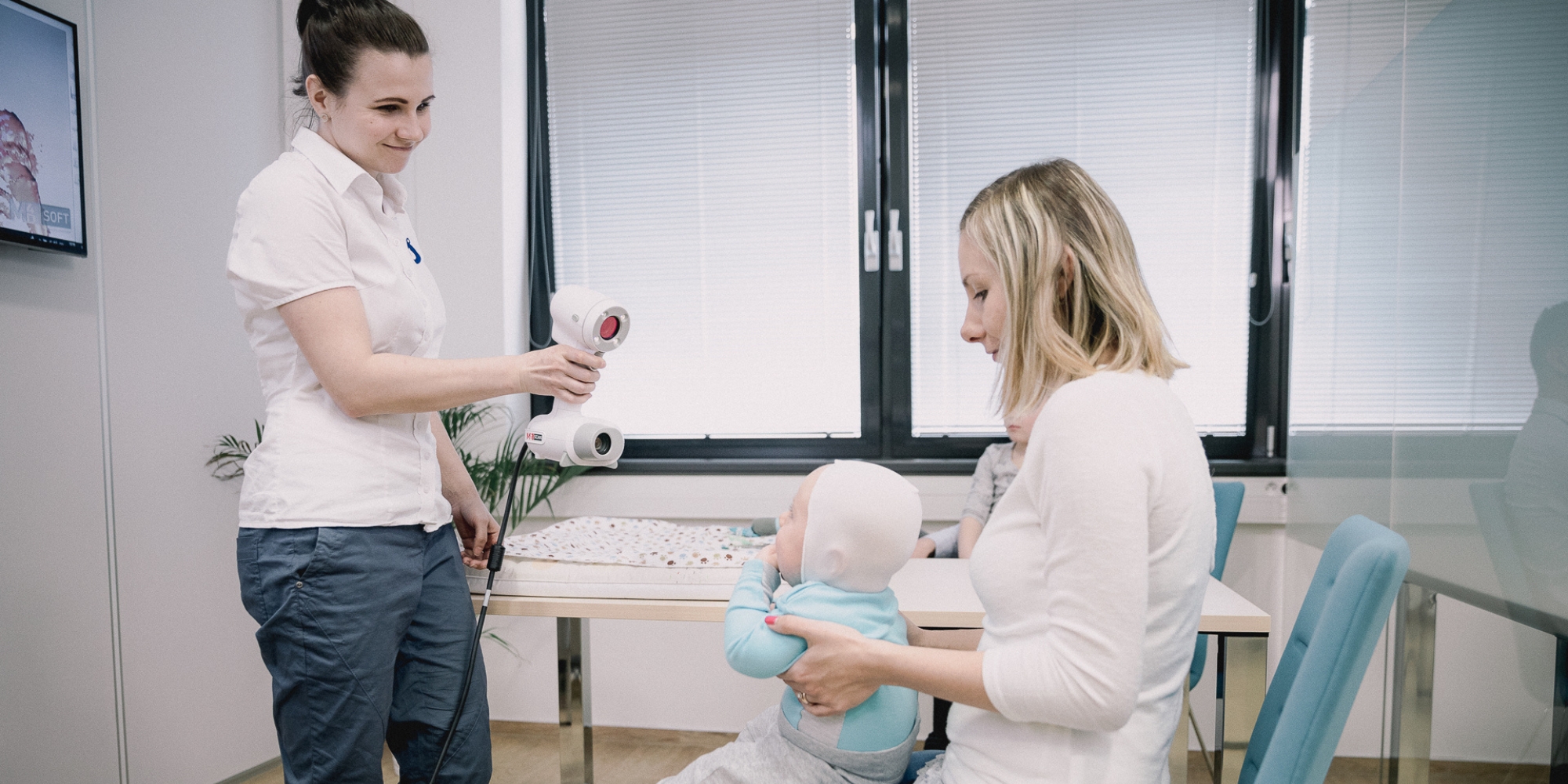
- 3D Diagnostics: A safe and non-invasive scan of a child’s head replaces traditional measurement methods, providing a level of accuracy that cannot be achieved manually.
- Custom helmet design: Each brace is digitally designed and printed specifically for a particular child.
- Support throughout your child’s treatment: We are here for parents at every stage of treatment—from the first scan through to the end of therapy.
- Comprehensive guidance for parents: At the start of treatment, we provide you with detailed information on how to wear the helmet, skin care, and monitoring progress.
Why is this important? A child’s age is crucial—the earlier we begin therapy (ideally between 4 and 8 months of age), the faster and more effectively we can achieve the desired results. Don’t wait—contact us today.
Who is helmet therapy for?
If your child has a flat head—on one or both sides, at the back, or in an asymmetrical pattern—helmet therapy may be the most effective solution. This method is particularly effective for moderate to severe deformities, as well as in cases where positioning exercises alone have not produced the desired results.
What does the diagnostic and treatment eligibility process look like?
Clinical examination and anthropometric measurements: We assess the shape and degree of asymmetry of the infant’s head.
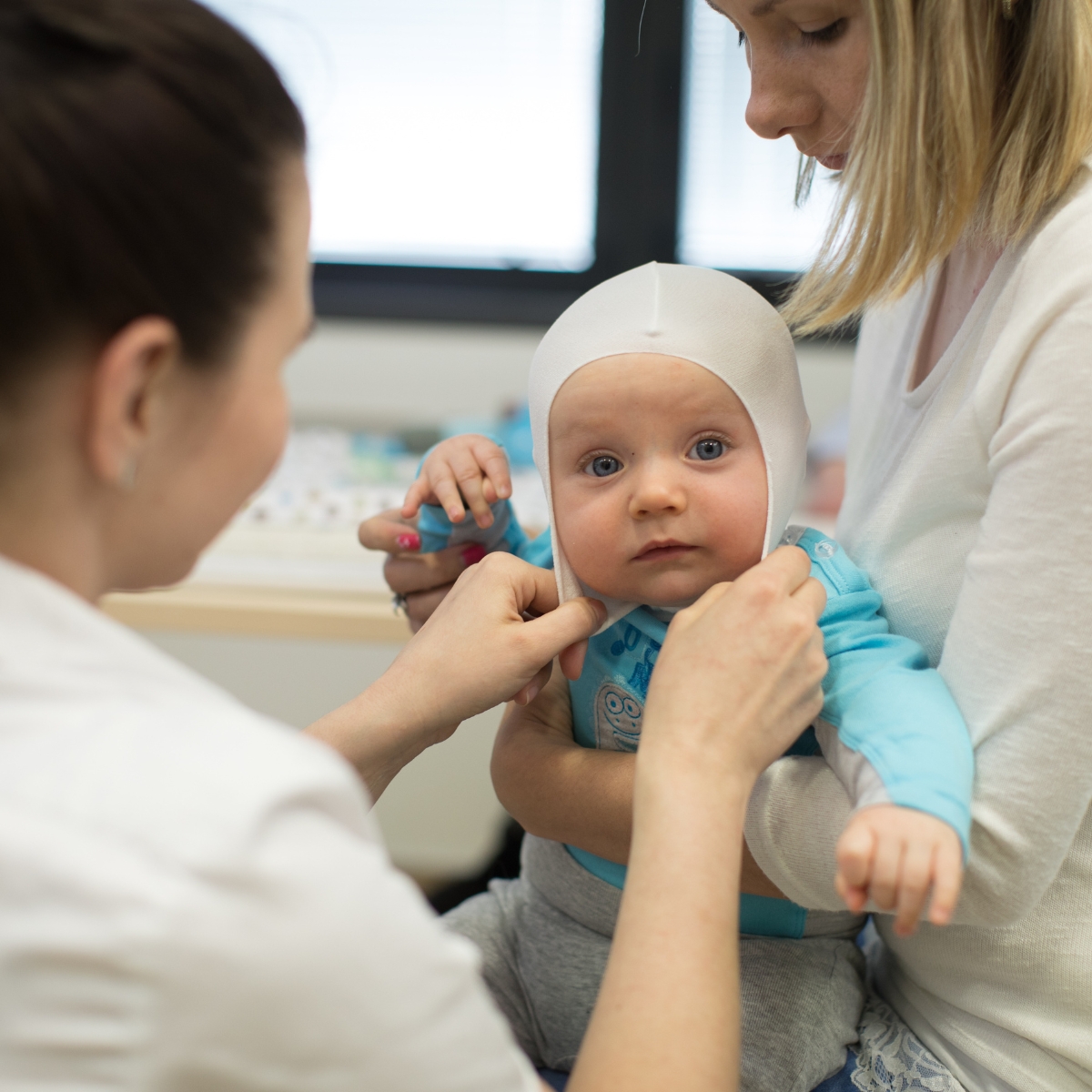
3D head scan: We create a precise map of the skull's surface, which serves as the basis for designing a custom orthosis.
Assessment of torticollis: We evaluate the range of motion in the cervical spine. Torticollis often occurs alongside head deformity and requires concurrent physical therapy.
Consultation with an orthotist: We determine the helmet’s custom specifications and establish a treatment plan.
Information for Parents: We provide detailed information on wearing the helmet, skin care, and monitoring treatment progress.
Clinical indications
Plagiocephaly – asymmetrical flattening of one side of the back of the head
Symmetrical brachycephaly – central, posterior flattening of the head
Asymmetric brachycephaly – a combination of both of the above deformities
Dolichocephaly – an elongated and narrow head shape (common in premature babies)
Ineffectiveness of positioning in cases of moderate or severe deformities
Types of deformities we treat
Cranial positional deformities can take various forms. Accurately identifying the type of deformity is crucial for planning effective treatment. Below, we describe the four most common types we treat.
Plagiocephaly
A unilateral flattening at the back of the skull, often accompanied by a forward displacement of the ear on the side of the flattening and a compensatory bulge on the forehead.
When viewed from above, the shape of the head may resemble a parallelogram.
It often occurs alongside torticollis.
Symmetrical brachycephaly
A central, posterior flattening of the skull, with a visible widening of the skull and protrusion of both parietal bones.
It most commonly occurs in children who spend most of their time lying on their backs without turning their heads from side to side.
Asymmetric brachycephaly
A combination of plagiocephaly and brachycephaly—bilateral posterior flattening, with one side being noticeably more flattened.
It is often associated with torticollis.
Dolichocephaly
An unnaturally long and narrow head, typical especially of premature babies who spend a lot of time lying on their side.
The appearance may resemble sagittal synostosis—differential diagnosis requires evaluation by a specialist.
Helmet therapy vs. self-positioning—which should you choose?
Discover the differences in biomechanics, comfort, and daily activities.
Helmet therapy
Highly effective for moderate to severe deformities, especially when positioning alone has not yielded improvement.
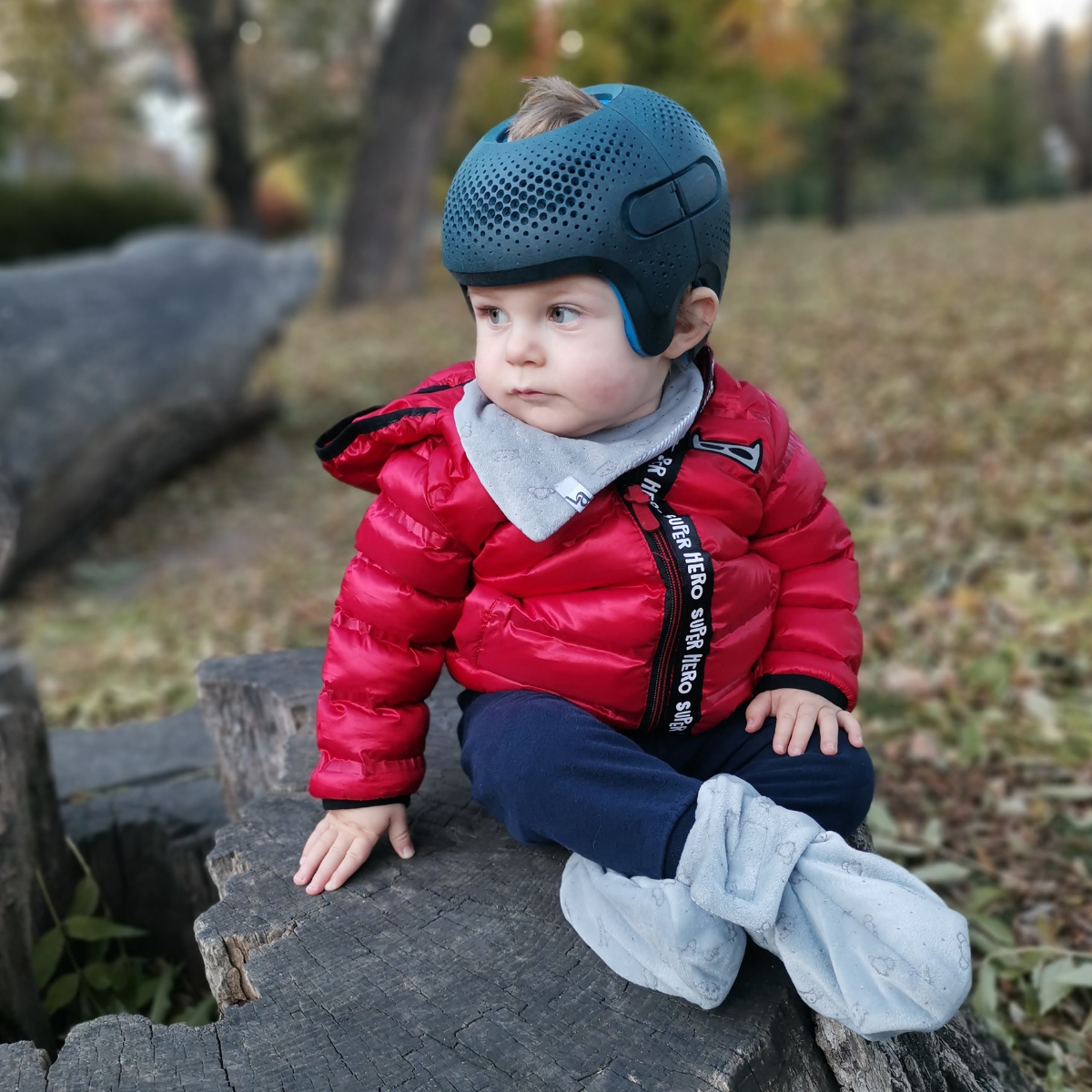
The Talee corrective helmet guides skull growth, providing space on the flattened side and gradually correcting the shape.
The first signs of improvement in body shape are often visible as early as 2–3 weeks after starting treatment.
The entire treatment usually lasts 2 to 6 months.
SEO
Most effective for mild deformities and as a supplement to helmet therapy.
It involves reducing pressure on the flattened area by adjusting the child’s position while sleeping, playing, feeding, and traveling.
Most commonly recommended for infants up to about 4 months of age, when a helmet is not yet used or is not necessary.
For moderate to severe deformities, it is usually insufficient as the sole treatment method.
It is a good idea to combine them with physical therapy, especially when torticollis is also present.
The Treatment Process - Step-by-Step Helmet Therapy
We evaluate each case of positional deformity on an individual basis. Treatment does not end with the delivery of the helmet—it includes a comprehensive diagnostic evaluation, the precise fabrication of the orthosis, a gradual implementation process, regular follow-up visits, and ongoing support for parents throughout the entire course of therapy.
Assessment and Diagnosis
The first step is to consult with an orthotist and conduct a clinical assessment of the shape of the child’s head.
We perform anthropometric measurements and assess the range of motion in the neck.
We rule out craniosynostosis (premature fusion of the skull sutures), which is a contraindication for helmet therapy and requires neurosurgical treatment.
3D scan of the head
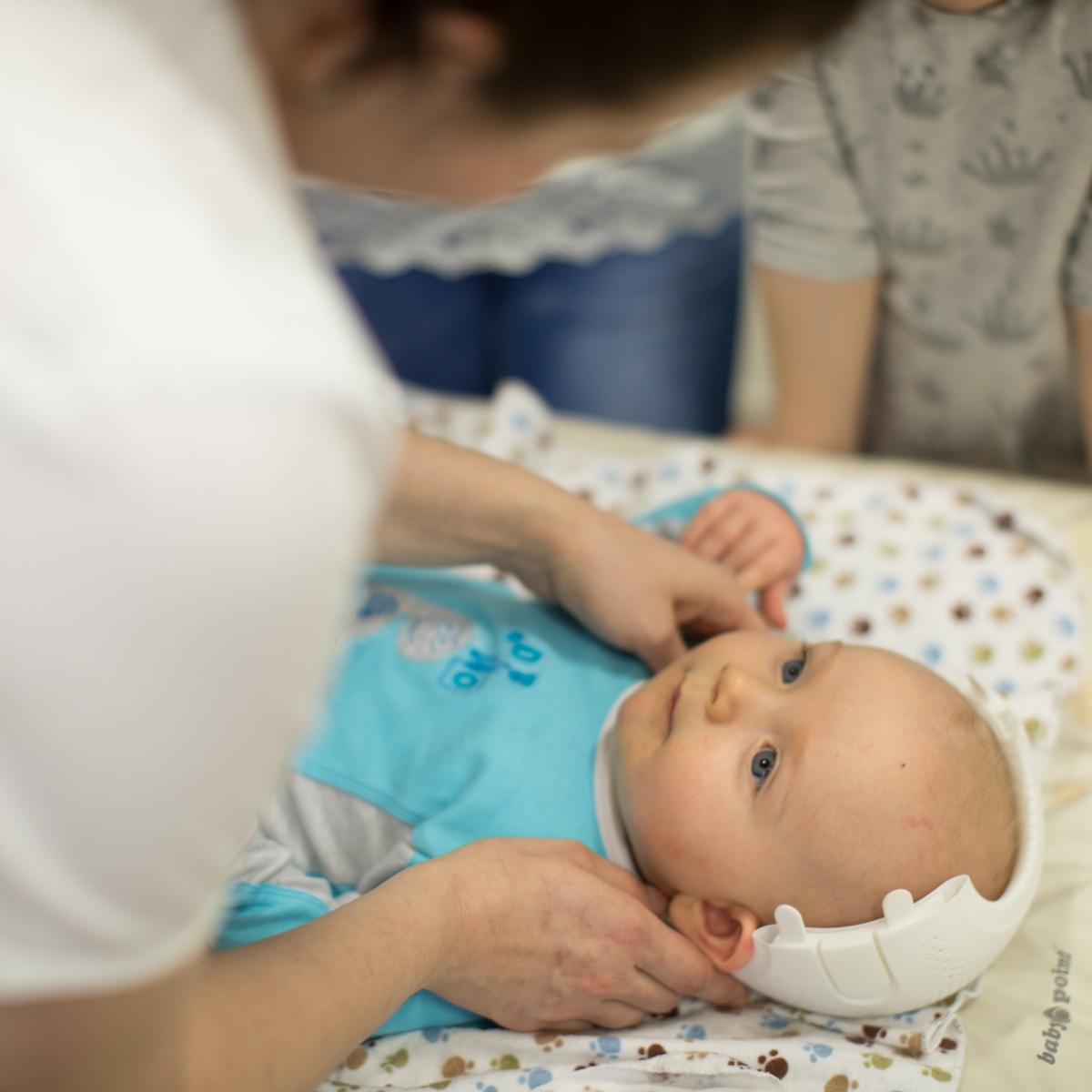
A safe, non-invasive 3D scan of a child's head takes just a few seconds.
It allows for the creation of a precise digital model of the head, which is used as the basis for designing the orthosis.
Implementation and adaptation
The therapy begins by gradually getting the child used to the helmet:
Day 1: 1 hour in the helmet – 1 hour break, alternating throughout the day.
Day 2: 2 hours in the helmet – 1 hour break, alternating throughout the day.
Day 3: 4 hours in the helmet – 1-hour break, alternating throughout the day.
Day 4: 8 hours in the helmet – 1-hour break, alternating throughout the day.
From Day 5: 23 hours a day – 1-hour break during the day.
During the visit, we provide parents with detailed instructions on how to put on and take off the helmet, how to clean it, and how to check the condition of the helmet’s lining.
Follow-up visits and completion of treatment
Regular follow-up visits (usually every 4–6–8 weeks, depending on the child’s age and progress).
We stop treatment when there is no more room in the helmet or when the head returns to its normal shape.
Craniosynostosis treatment can reduce the severity by about two degrees. In older infants (8–12 months), the effect may be less pronounced. For positional deformities, a single helmet is recommended.
Paley European Institute: A global standard in Poland
The cranial therapy team at the Paley European Institute consists of certified orthotists and physical therapists with experience in diagnosing and treating positional skull deformities in infants.
A global network, one standard (Unified Protocol)
We operate within the strict framework of the Paley Institute, which means that every stage of your treatment—from the initial consultation to the final rehabilitation—follows the same rigorous guidelines as in our centers in the U.S. and the United Arab Emirates.
Custom-Fitted Helmet with 3D Technology
The Talee helmet is designed based on a non-contact 3D scan of your child’s head. It is lightweight, ultra-thin, and breathable—most children get used to wearing it within a few days.
Comprehensive care and parent education
From your first visit, we guide you through the entire process—with detailed care instructions, a helmet-wearing schedule, and access to an orthotist throughout the duration of therapy
We use only genuine, CE-certified Talee orthoses from Invent Medical Group—a manufacturer with a well-established clinical reputation in Europe. Through regular check-ups and ongoing communication with the family, we ensure that the therapy proceeds as planned and yields predictable, consistent results.
Certified specialists
Patients at the Paley European Institute receive comprehensive care from an experienced team of specialists: Dr. Tymon Skadorwa, MD, PhD—the lead physician for the cranial therapy program—and Katarzyna Kozieł, a certified orthotist specializing in the treatment of positional skull deformities in infants.
Every case is managed according to the Paley Institute’s rigorous standards, which apply to all centers in the network worldwide. We use only Talee orthoses, custom-made based on a precise 3D scan of the child’s head. The helmet is lightweight and breathable thanks to its perforated 3D-printed structure and does not exert active pressure—it simply creates space for proper skull growth.
We provide therapy for children between 4 and 12 months of age, when the skull is most malleable and full correction of the head shape is possible.
Helmet Therapy by the Numbers
Scale and Experience
More than 3% of newbornsare born with severe or very severe head deformities
More than 50%of infants have mild or moderate cranial deformation
4–12 months of age – the therapeutic window during which treatment is most effective
Efficacy and Safety
2–6 months – typical duration of helmet therapy
Wearing the brace 23 hours a day—the key to visible results
The first results are visible as early as 2–3 weeks after starting treatment
Our Doctors Meet the Paley European Institute team

A patient- and family-centered approach
Treatment using the Paley method is not just a matter of fitting a brace—it is a process that spans many months and requires commitment, patience, and the support of the entire family. That is why at the Paley European Institute we use a Family-Centered Care model, in which parents are active partners in the treatment process, rather than merely passive followers of instructions.
A team of specialists —orthotists, physical therapists, and doctors—works together to provide comprehensive care before, during, and after treatment. Parents receive clear, detailed instructions on all aspects of therapy: how to wear the helmet, scalp care, how to respond to redness, hygiene guidelines for the orthosis, and situations requiring contact with the orthotist.
We also place great emphasis on educating parents about how to position their child while sleeping, playing, feeding, and traveling, because helmet therapy is most effective when supplemented by parents’ conscious, daily efforts. This approach allows us to take a holistic view of treatment—not just as fitting a helmet, but as a path to improving the comfort and quality of life for the entire family.
Your most frequently asked questions
Here’s what you, as a parent, should know before deciding on helmet therapy.
A corrective helmet (Talee Head Orthosis) is a custom-made orthosis that, when placed on a child’s head, creates free space on the flattened side. The skull’s natural growth activity directs bone growth toward this free space, gradually restoring a more symmetrical head shape. The helmet does not exert active pressure—it works passively, working in harmony with the skull’s natural growth.
Yes, this method is considered safe and non-invasive when performed according to recommendations. The helmet does not put pressure on the brain or the skull bones. Safety depends on proper screening (including ruling out craniosynostosis), the orthotist’s experience, and regular follow-up visits. A consultation with a specialist is required before fitting the helmet.
Treatment is typically initiated between 4 and 12 months of age. Before 4 months of age, positional therapy alone is usually recommended, whereas after 12 months, the effectiveness of craniosynostosis treatment decreases significantly due to the hardening of the skull bones and the closure of the sutures. The optimal time is between 4 and 8 months of age—the earlier we begin therapy, the shorter the treatment duration and the better the outcome.
Treatment typically lasts between 2 and 6 months on an individual basis. The duration of treatment depends on the child’s age at the start of therapy, the rate of head growth, and the severity of the deformity. Generally speaking, the earlier treatment begins, the shorter it lasts.
Starting on the 5th day of treatment, the helmet should be worn 23 hours a day; the one-hour break is reserved for bathing and skin care. If a fever exceeds 38°C, the helmet should be removed until the temperature returns to normal. The time spent on rehabilitation treatments is not included in this one-hour break, unless otherwise recommended by a specialist.
A properly fitted orthopedic helmet should not cause pain or severe pressure. During the first few weeks, the child may sweat more—this is a natural part of the adjustment process. Mild skin redness is acceptable and usually subsides within about an hour after the helmet is removed. Redness that persists longer or blisters require immediate consultation with an orthotist.
Clean your helmet daily by spraying the interior with an unscented alcohol solution (up to 60%) and drying it with cool air. Do not wash the helmet under running water or soak it. Do not leave the helmet in direct sunlight or near heat sources. Always put a dry helmet on a dry head.
Photo Gallery
See how we take care of our patients