Osteomyelitis
Osteomyelitis is a bone infection that is more common in children due to the rich vascularization of the appendage and an immune system that is not yet fully developed. It occurs with an incidence of 1:5,000 in people under the age of 13.
The cause of osteitis is a bacterial infection. It is most often caused by staphylococcus aureus. Bacteria can penetrate the bone with blood, from an infection localized to the bone, or as a result of direct contamination, such as from a major trauma or surgery.
Osteomyelitis includes symptoms such as purulent leakage from the fistula, problems moving the upper limb, limping, fever, malaise, chills, as well as swelling, pain and redness of the tissues above the focus of the osteomyelitis. Thus, the disease most often manifests itself: pain in the limb, limping or fear of putting full weight on the limb, and is sometimes accompanied by fever and cold symptoms. An asymptomatic course also occurs.
Ignoring symptoms, misdiagnosis or ineffective treatment can lead to the development of serious complications such as:
- Bone necrosis,
- arthritis,
- growth disorder.
Diagnosis of osteitis
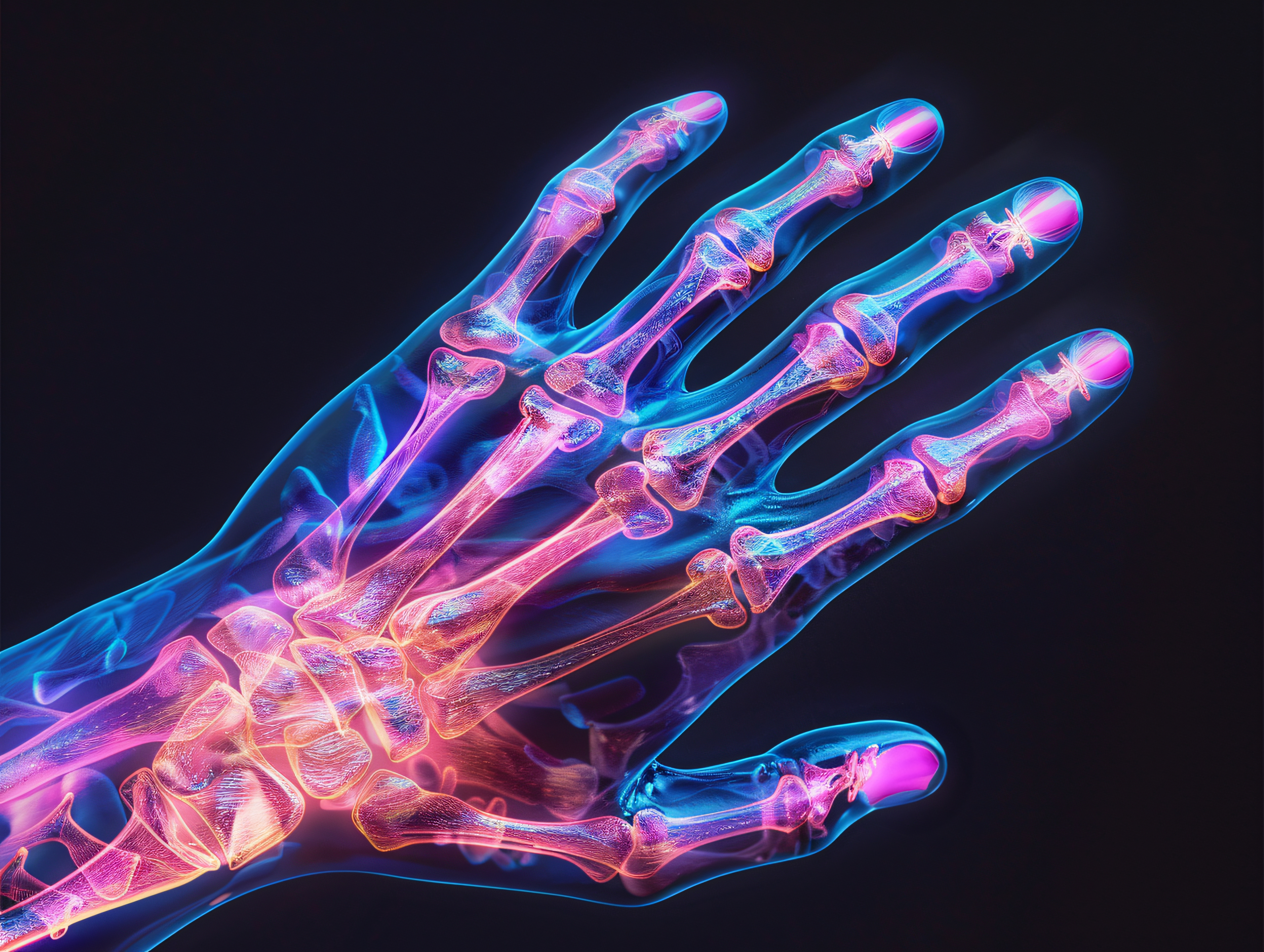
In cases of bone infection, the diagnosis can usually be made on the basis of symptoms, blood tests and diagnostic imaging (such as X-rays). It is possible to visualize bone damage on X-ray, however, it is often visible after the infection has been present for some time. Computed tomography (CT) and magnetic resonance imaging (MRI) can also be used to visualize inflammatory changes, with CT revealing changes in bone structure, while MRI will show marrow and soft tissue swelling. In a blood test, an elevated white blood cell count (leukocytosis), an increase in inflammatory exponents and other blood parameters may indicate an ongoing inflammatory process. Bone inflammation treatment includes pharmacotherapy and surgery to remove infected bone and soft tissues.
Bone infection - how to treat it?
We have already described bone infection - you know its symptoms and causes. Now it's time to focus on the most important part. Treatment of osteomyelitis with various symptoms includes both non-invasive and surgical methods. Conservative methods are based on antibiotic therapy and the use of antibodies to fight the infection. Antibiotic treatment of bone inflammation begins with empirical therapy, that is, the use of a broad-spectrum antibiotic that covers most of the known types of bacteria causing the infection. In order to use targeted antibiotic therapy, that is, to target the specific strain of bacteria causing the infection, a bone biopsy must be performed. A biopsy is a minimally invasive procedure that involves taking a piece of bone with a needle.
Surgical treatment
Surgical treatment of osteitis may be necessary if the patient fails to respond to antibiotic treatment. Other indications for surgery include chronic infections and the presence of significant foci of dead bone or infection within a foreign body (e.g., plates, dentures).
The first stage is to expose the infected bone and surrounding soft tissues and aspirate the pus or fluid found within the bacterial osteitis. The next stage is removal of the infected bone and soft tissues - debridement. The final step in the treatment of osteomyelitis is bone grafting. This stimulates the formation of new bone and remodeling within the operated bone.
In the case of diffuse foci of necrotic bone, further surgical management is necessary. When a large amount of dead bone is removed, bone defects form. The recommended treatment in such cases is to perform bone transport.
Treatment of bone infection at Paley European Institute
At Paley European Institute, we know how important it is that osteomyelitis is properly treated. That's why we recommend antibiotic therapy or antibodies to fight the infection at the beginning of treatment. In many cases, however, this proves insufficient. That's when it makes sense to use limb-saving surgery. At Paley European Institute, we use a bone transport protocol, ankle joint compression protocol and bone lengthening. After surgery, we surround the patient with physiotherapeutic care.
We invite you to read the story of Mr. Christopher, in whom an osteoarthritis specialist performed an innovative bone transport procedure according to his own proprietary modification with cables, changing his life for the better. LINK TO FILM
Pediatric orthopedics is our specialty. Contact us when you need help with bone marrow infection. It's a disease that has no secrets from us.
See other entries
How to Properly Care for a Stump After Amputation? A Practical Guide
Hollow Foot – Symptoms, Causes, and Treatment Options