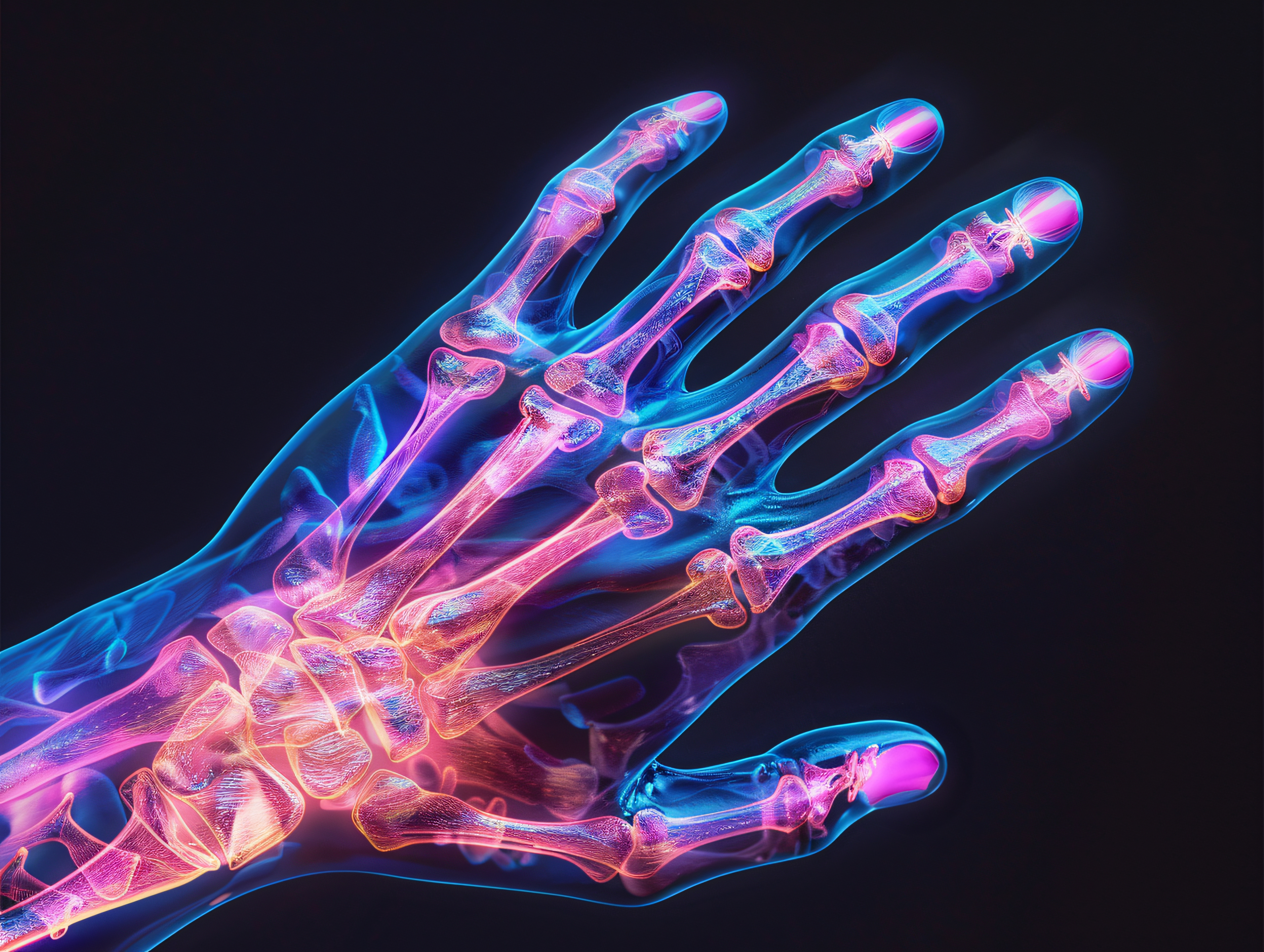
Diastrophic dysplasia
Dystrophic dysplasia is a rare genetic disorder that affects the development of bones, cartilage, and connective tissue, and requires long-term, comprehensive specialized care. Due to the complex nature of the condition, patients often need the support of a team of orthopedic surgeons, physical therapists, and other specialists who work together to plan the next steps in their treatment.
At the Paley European Institute, patients with diastrophic dysplasia receive comprehensive care within the field of pediatric orthopedics. Treatment focuses on improving musculoskeletal function, correcting deformities, and increasing the patient’s independence. The treatment plan is always tailored to the individual and may include diagnostics, conservative treatment, reconstructive surgery, and appropriately managed rehabilitation.
Dystrophic dysplasia—what is it?
What is diastrophic dysplasia, and what causes it? It is a genetically determined disorder caused by a mutation in the DTDST gene. It is inherited in an autosomal recessive pattern—which means that a child must inherit an abnormal copy of the gene from both parents for symptoms of the disorder to develop.
Dystrophic dysplasia is a rare disorder of bone and cartilage development. It is estimated to occur in about 1 in 110,000 births and affects girls and boys with similar frequency.
The mutation disrupts the normal processes of cartilage and bone formation and remodeling. As a result, the musculoskeletal system develops abnormally, which can lead, among other things, to:
- short stature,
- shortening of the limbs,
- bone deformities,
- limited joint mobility,
- limb axis abnormalities,
- difficulty walking.
The disease is classified as a skeletal dysplasia, that is, a condition in which abnormalities affect bone structure and growth.
What are the symptoms of diastrophic dysplasia?
The symptoms of diastrophic dysplasia can vary in severity. In some patients, the deformities are moderate, while in others they significantly impair function and require multi-stage orthopedic treatment.
The most characteristic features of the disease include:
- short limbs and short stature,
- abnormal structure of the hands and feet,
- joint contractures,
- limb deformities,
- deformity of the fingers,
- toe deformity,
- limb axis abnormalities,
- progressive changes within the spine.
In adults, height is often around 110–130 cm, although the range of symptoms varies greatly from person to person. Another characteristic symptom may be swelling and deformation of the auricular cartilages, which sometimes take on a so-called “cauliflower-like” appearance. Some patients also have a cleft palate and voice disorders resulting from abnormalities in the structure of cartilage-containing tissues. The intellectual development of individuals with diastrophic dysplasia is usually normal. The disease primarily affects the musculoskeletal system and physical functioning.
The extent of these limitations can vary widely—some children retain a high degree of independence, while others require specialized orthopedic equipment, rehabilitation, or procedures to improve limb function. That is why it is so important to regularly assess a child’s development and plan treatment early on.
Bone dysplasia – limb deformities and joint problems
One of the main areas of concern in patients with DTD is the musculoskeletal system. Bone dysplasia can cause abnormal limb development, limited range of motion, and excessive strain on specific joints.
Typical changes include, among others:
- shortening of long bones,
- abnormal limb alignment,
- clubfoot,
- hand deformities,
- shortening of the metacarpal bones,
- a distinctive thumb position known as the “hitchhiker’s thumb,”
- Bone spurs within the joints.
Curvatureof the fingers can limit hand function and make it difficult to perform daily activities. Curvature of the toes, on the other hand, often occurs alongside foot deformities that affect the way a person walks and distributes weight on their limbs.
Due to the complex nature of the disease, patients require regular orthopedic follow-up and an assessment of how bone changes affect their daily functioning.
Changes in the Spine in Diastrophic Dysplasia
Many patients with diastrophic dysplasia also experience spinal problems. These may include:
- scoliosis,
- cervical kyphosis,
- excessive lumbar lordosis,
- kyphoscoliosis.
These changes can affect trunk stability, mobility, and quality of life. In more advanced cases, spinal deformities can restrict space for internal organs, leading to breathing difficulties. Therefore, the treatment of patients with diastrophic dysplasia requires not only limb correction but also ongoing monitoring of the entire musculoskeletal system.
Diagnosis of diastrophic dysplasia
The condition may be diagnosed as early as the prenatal period based on ultrasound examinations. In many cases, however, the diagnosis is made after birth, when characteristic physical features become apparent, including limb deformities and abnormalities of the auricles.
The diagnostic process includes:
- a detailed family history,
- an assessment of the child's development,
- orthopedic examination,
- diagnostic imaging,
- genetic testing.
A thorough analysis of all abnormalities makes it possible to plan an appropriate treatment regimen and identify which areas require the most attention.
Treatment of diastrophic dysplasia—a multidisciplinary approach
Dystrophic dysplasia is a chronic condition, and there is no cure that addresses the underlying cause. Treatment focuses on improving function, reducing symptoms, and preventing the deformity from worsening.
Depending on the patient's needs, treatment may include:
- regular orthopedic checkups,
- rehabilitation,
- orthopedic supplies,
- correction of deformations,
- surgical treatment.
An important component is appropriately tailored physical therapy and rehabilitation, which help maintain joint mobility, strengthen muscles, and improve the patient’s independence.
At the Paley European Institute, patients with skeletal dysplasias, including diastrophic dysplasia, are cared for by a team of specialists with experience in treating complex musculoskeletal deformities. Such cases require special care, as not every method used for other types of limb shortening will be appropriate for individuals with bone and joint developmental disorders.
A treatment plan is developed on an individual basis—it includes a thorough diagnosis, an assessment of the patient’s functional abilities, and the selection of methods that can improve the patient’s quality of life. Depending on the child’s needs, treatment may include observation, rehabilitation, orthopedic devices, joint reconstruction, or other surgical procedures.
Surgical Treatment at the Paley European Institute
In patients with diastrophic dysplasia, surgical procedures are often reconstructive in nature. Their goal is not only to correct the appearance of the limb but, above all, to improve its function—joint alignment, stability, and the ability to move independently.
The scope of treatment depends on the patient's individual needs. In some cases, limb lengthening may also be considered; however, the decision to use this method requires a very thorough evaluation of the condition of the bones and joints.
For people with diastrophic dysplasia, this is not always the best solution, as bone deformities are often accompanied by serious joint problems. Therefore, the decision to perform the procedure must take into account not only the possibility of gaining additional limb length, but above all, safety and the long-term function of the musculoskeletal system. The procedures are performed as part of specialized surgical treatment, and after surgery, the patient remains under the care of the treating team.
Comprehensive Care for Patients with Diastrophic Dysplasia
Dystrophic dysplasia requires a long-term approach, as the patient’s needs change with age and as the body develops. A child may require various forms of support at different stages of life—from rehabilitation and orthopedic follow-ups to specialized reconstructive procedures.
At the Paley European Institute, we combine expertise in pediatric orthopedics, reconstructive surgery, and rehabilitation. Our goal is not only to correct a single deformity, but also to improve the functioning of the entire musculoskeletal system and the patient’s quality of life. Properly managed postoperative care is also of particular importance, as it helps the child safely navigate the recovery period and return to the highest possible level of activity.
Why is a personalized approach the best option for diastrophic dysplasia?
Dystrophic dysplasia is a rare genetic disorder that affects the development of bones, cartilage, and connective tissue. It can cause shortened limbs, joint deformities, spinal problems, and limitations in daily functioning.
Although there is no curative treatment, a properly planned treatment plan can improve patients’ quality of life and increase their independence. Care provided by an experienced team of specialists—combining diagnostics, rehabilitation, and modern surgical techniques—is of key importance.
At the Paley European Institute , patients with diastrophic dysplasia receive a personalized treatment plan tailored to their needs and abilities —taking into account both their current challenges and their long-term functional outcomes.
See other entries
How to Properly Care for a Stump After Amputation? A Practical Guide
Hollow Foot – Symptoms, Causes, and Treatment Options