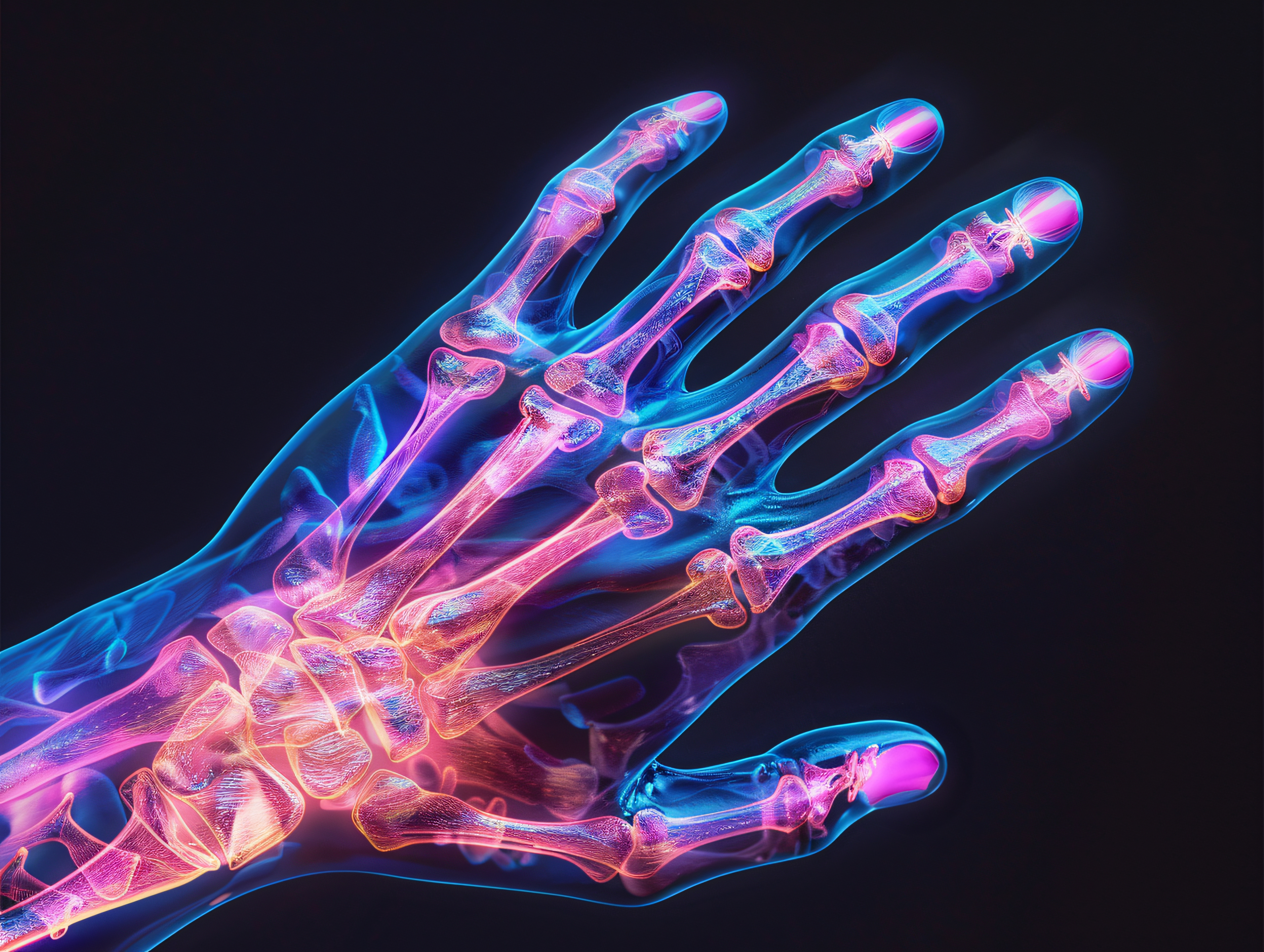
Damage to the central nervous system
There are many causes of damage to the central nervous system. The ailment can be a consequence of MS (multiple sclerosis), Parkinson's disease or MPD (cerebral palsy), and can also result from, for example, craniocerebral trauma, stroke, inflammation within the CNS or tumors.
What is the central nervous system, the central nervous system (CUN, CNS)? It is the management center of the entire body, protected by the spine and bones of the skull. It is the most important part of the nervous system, consisting of the brain and spinal cord. Damage to the CNS therefore has extremely serious consequences.
Injury to the central nervous system - symptoms and treatment
Depending on where the central nervous system has been damaged within the musculoskeletal system, various disorders can occur, including:
- Balance,
- TIMES,
- Muscle tension - hypotonia (weakness of muscle strength due to decreased muscle tension) or hypertonia (increased muscle tension),
- muscle atrophy,
- exorbitant reflexes,
- spasticity.
Microdamage to the central nervous system affects the work of the entire body. General symptoms in the area of other systems and organs include:
- Disorders of consciousness and orientation,
- headaches,
- delusions,
- hallucinations, delirium,
- hallucinations, delirium,
- epileptic seizures,
- loss of consciousness,
- vision and hearing impairment.
In the case of damage to the central nervous system, focal symptoms result from damage to specific brain structures, thus indicating their location. Among them we distinguish:
- hemiparesis or hemiplegia,
- hemiplegia,
- Speech disorders (inability to say words and understand simple sentences - aphasia),
- cognitive disorders,
- Impaired vision and balance with inability to maintain upright posture,
- focal epileptic disorders,
- Inability to identify objects.
Damage to the central nervous system also includes motor and sensory symptoms, which are associated with reduced independence. Therefore, these are the focus of physiotherapy for patients. The main indication for the diagnosis of damage to the central nervous system is the presence of paresis, which is treated with kinesitherapy (movement therapy), such as the Kabat or Bobath method. Supportive methods are also used, such as functional electrostimulation or treatment with a baclofen pump. In the case of damage to the central nervous system, the main goal of treatment and physiotherapy is to make the patient as independent as possible in terms of activities of daily living.
At Paley European Institute , we treat, provide physiotherapy and orthotic support for patients who have damage to the central nervous system. As leaders in pediatric orthopedics, we have set a high standard in the diagnosis and treatment of disorders associated with damage to the central nervous system. We accurately know its causes and offer the most effective therapies.
See other entries
How to Properly Care for a Stump After Amputation? A Practical Guide
Hollow Foot – Symptoms, Causes, and Treatment Options