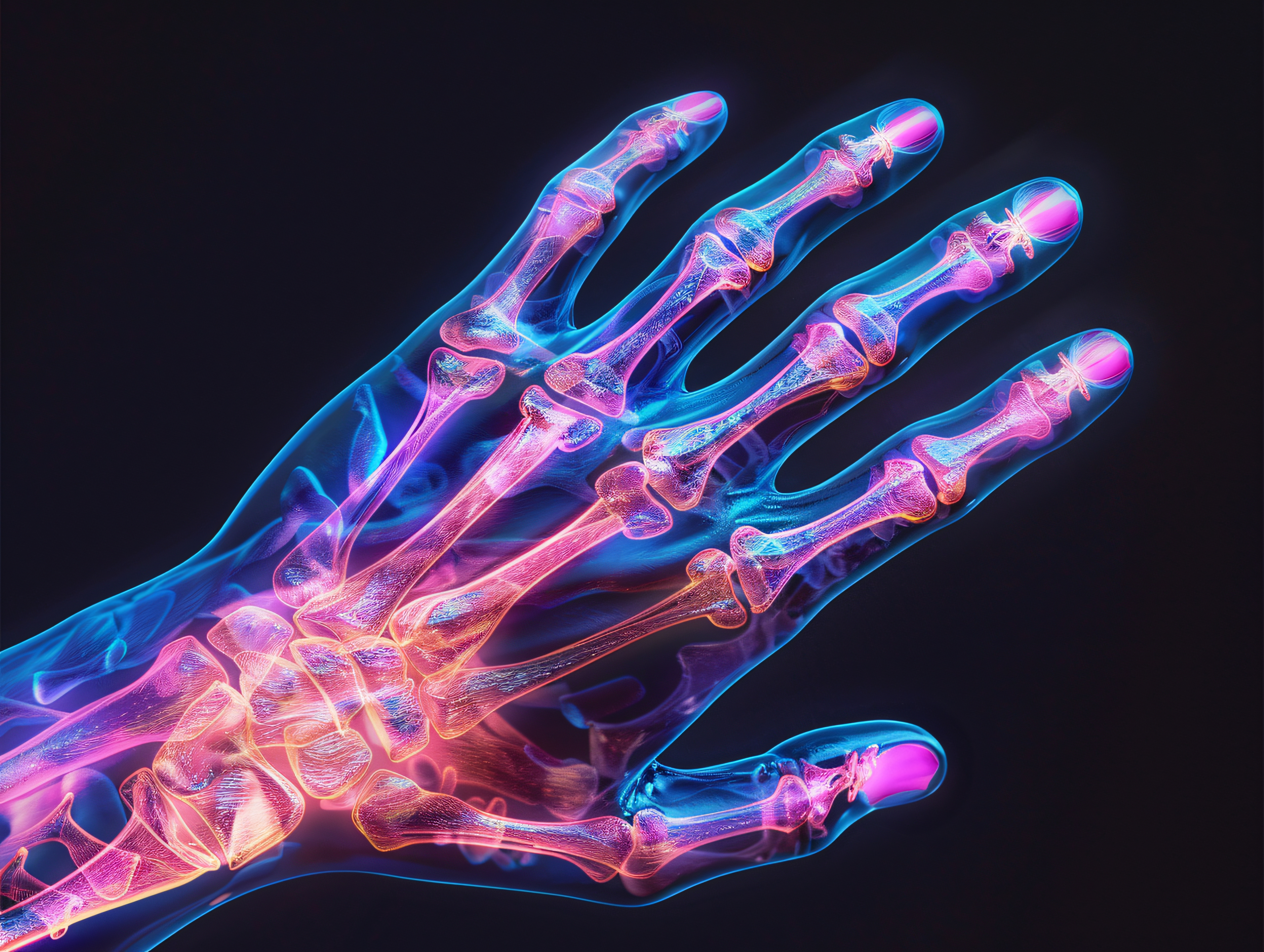
Sagittal hemimelia
Fibular hemimelia (FH) is the most common congenital longitudinal defect of the lower extremities. It occurs between 1 in 50,000-135,000 births. In fibular hemimelia, symptoms include the absence of the fibula or part of the fibula. There are also differences in limb length, foot deformities and knee deformities. Fibular hemimelia is a condition whose causes are unknown, but studies have shown that if the genes responsible for limb formation are activated in an abnormal sequence, there is an increased risk of the condition.
Fibular hemimelia - treatment
In cases of sagittal hemimelia, surgical treatment aims to address all deformities, deficiencies and discrepancies in limb length. The goal of treatment is to achieve limb alignment, a functional foot when standing flat on the ground, alignment of the hip, knee and ankle joints, and to achieve knee stability.
Limb lengthening is a complex process to correct limb length discrepancies and congenital imperfections in sagittal hemimelia. A successful outcome requires meticulous surgical technique, vigilant observation and intensive physiotherapy. The results of lengthening are highly dependent on an experienced surgeon and physiotherapist, as well as other team members. Thanks to the procedures developed by Dr. Paley, many children have avoided limb amputation and returned to normal function.
In addition to surgical treatment of sagittal hemimelia, both pre- and post-operative preparation of the patient is crucial. This is possible, thanks to an interdisciplinary team, consisting of a doctor, psychologist, nutritionist and physiotherapist, who create a plan of care for the patient both before and after surgery. In the case of musculoskeletal diseases, the overriding link in the therapeutic process is physiotherapy, through which patients regain greater control, independence and agility.
At the Paley European Institute, treatment and physiotherapy for people with bilateral fibula deficiency is provided by top-notch pediatric orthopedic specialists - including Dr. Jaroslaw Michal Deszczynski and Dr. Tomasz Albrewczynski.
Congenital absence of the fibula in a child does not have to exclude from normal functioning. Contact us and see how much we can do for you!
See other entries
How to Properly Care for a Stump After Amputation? A Practical Guide
Hollow Foot – Symptoms, Causes, and Treatment Options