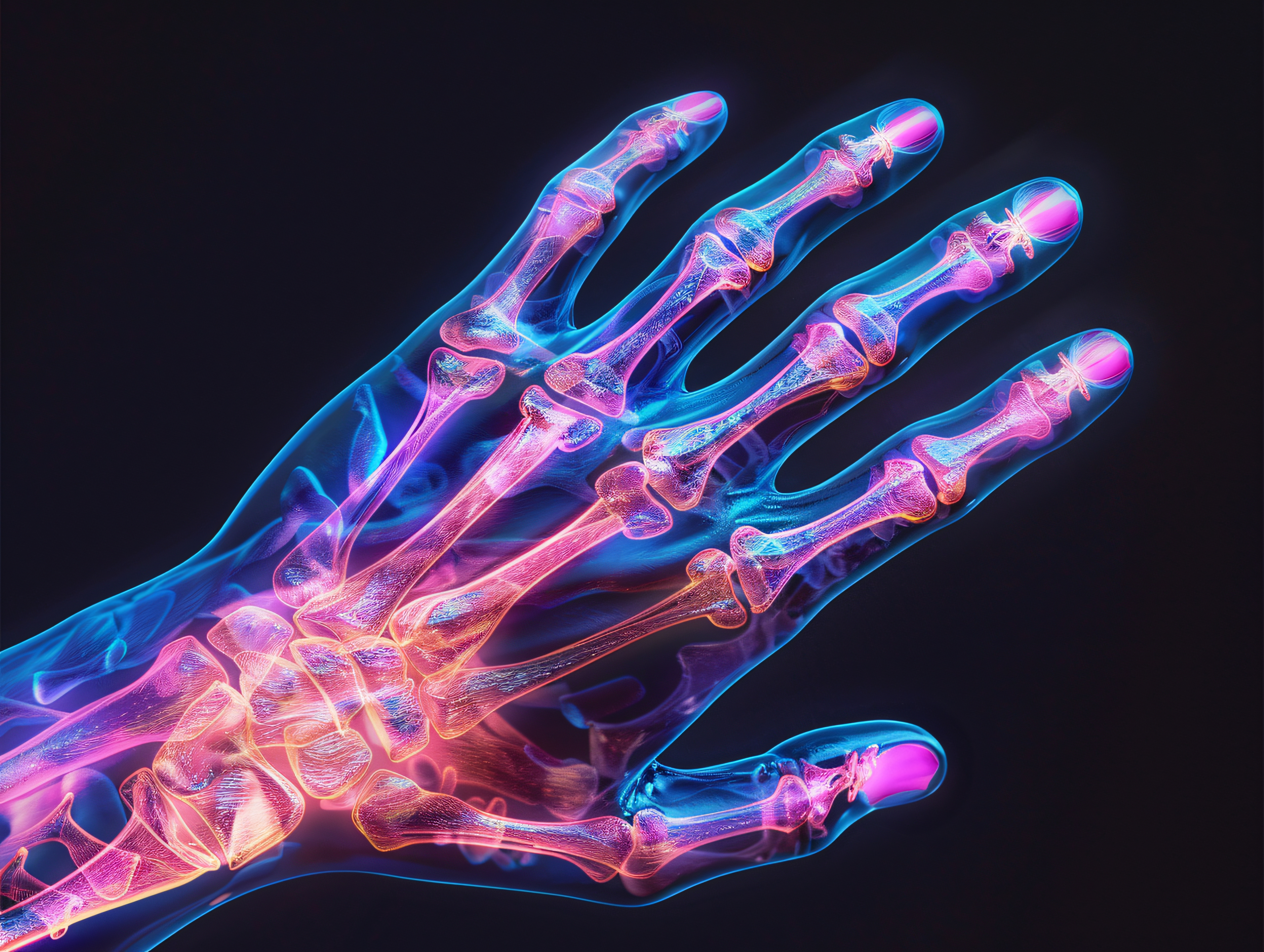
Bone transport
Bone transport, also known as osteogenic distraction, is a medical technique used in orthopedics to treat bone defects and lengthen limbs. The procedure involves moving bone fragments to stimulate new bone growth, allowing the bone gap to fill in naturally. Bone segment transport is performed for severe bone defects resulting from trauma, disease, or congenital defects.
What is bone transport?
Bone transport is a procedure to create new bone at the site of a defect caused by infection, trauma or disease. The space created by the defect is filled with bone taken from elsewhere in the patient's skeletal system. The goal of the procedure is to restore the continuity of the bone, ensuring equal limb length and proper function.
Bone transport - what does it consist of?
Bone transport is a surgical technique that involves transplanting a prepared bone fragment into the site of a large bone defect, allowing the defect to regenerate and ossify more quickly. Bone transport is also called the process of slowly, controlled lengthening of a bone after it has been previously fractured. New bone is formed between the elongated fragments. Lengthening is done with an internal Precice nail or an external apparatus. The external stabilizer consists of pins and wires, which are implanted into two bone fragments during surgery to stretch them. The pins and wires connect to rings on the outside of the leg.
Duration of treatment
The time required to fill a bone defect depends on the size of the defect and each patient's individual ossification process. In the lengthening process, the rule of thumb is that there is one month of ossification for every centimeter of bone lengthened. Bones can be lengthened by about 0.75 to 1.0 millimeter per day.
Bone transport - possible complications
Bone transport is a safe operation, but, like any surgical procedure, it carries the risk of complications. Among the most common are an increased risk of infection at the pin insertion sites, reduced joint mobility, and difficulties in healing the newly formed bone.
Paley European Institute - trust the experience of specialists
Bone transport technique requires experience and knowledge. That's why our specialists are available to patients at any point in the process, guaranteeing help and support no matter the size of the challenge. With us, you'll be in safe hands. Our team includes experienced doctors who specialize in pediatric orthopedics. And because we customize limb salvage techniques, you can rest assured that every aspect of treatment will be carefully considered and tailored to your situation.
Feel free to contact us and schedule an appointment! At Paley European Institute, we provide the highest standard of medical care and an individual approach to each patient.
See other entries
How to Properly Care for a Stump After Amputation? A Practical Guide
Hollow Foot – Symptoms, Causes, and Treatment Options