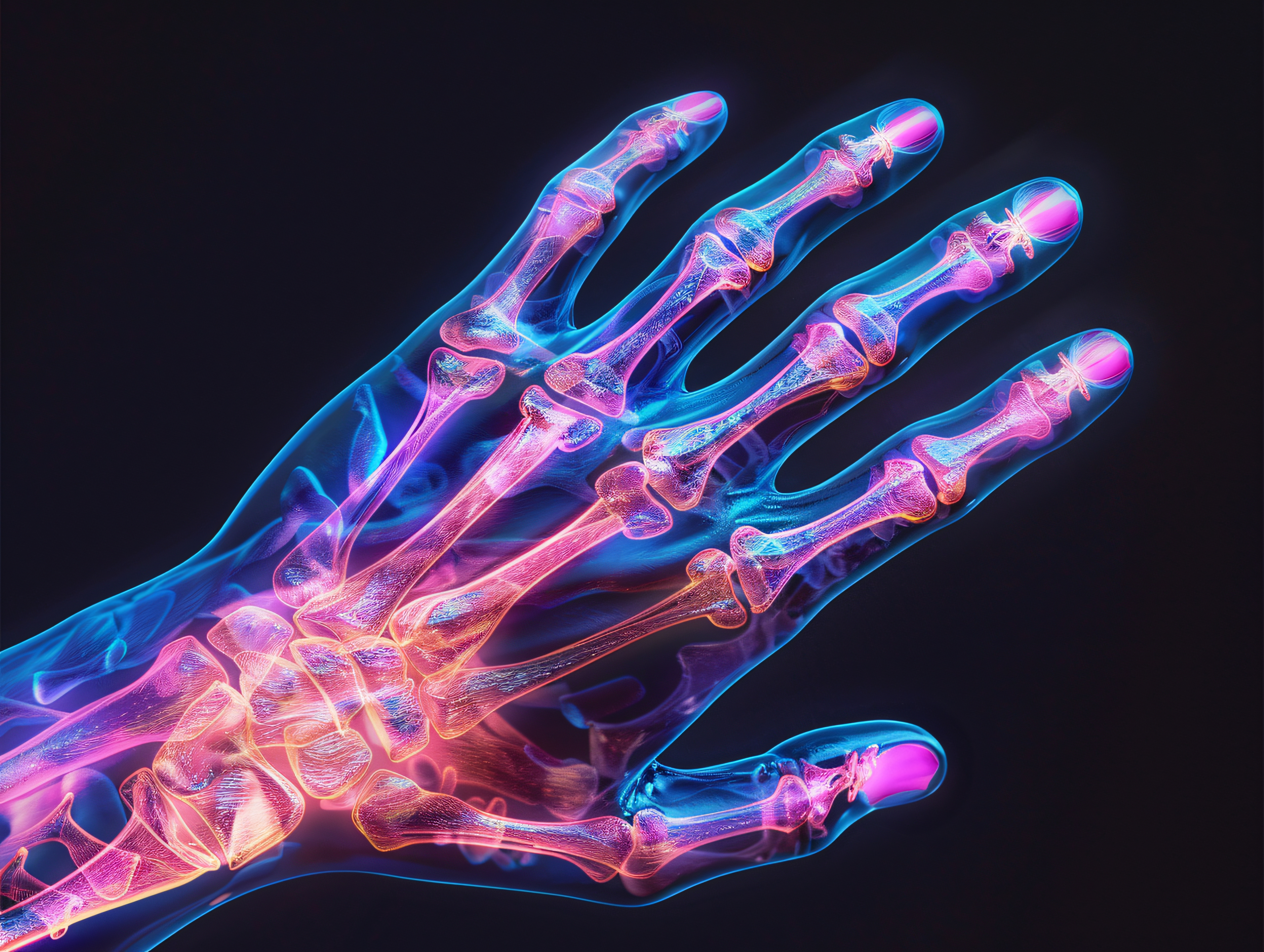
Tailor-made therapy
Every child is unique. He or she has his or her own abilities, needs, dreams, and challenges that he or she faces every day. At Paley European Institute and Paley European Institute Neurocenter, we don't use template solutions. We believe that an effective approach is tailor-made therapy - developed individually for each patient and his or her family. This ensures that each patient receives support that is perfectly tailored to their needs and pace of development. Our goal is not only to improve functioning, but also to build confidence and joy in progress.
From this article you will learn:
- The first meeting - the foundation for further work
- Therapy plan - always individual
- Rehabilitation for children - methods that work
- Summary. Why tailor-made therapy?
The first meeting - the foundation for further work
The road to successful therapy begins with the initial consultation. This is the moment when we get to know the child and his family, and they get to know us. We offer two forms of such meetings:
- Consultation with a physiotherapist - includes a detailed history and functional examination. We assess muscle strength, ranges of motion, muscle tension and motor development. If the child walks independently, we record his gait and observe spontaneous activity on the mat - an invaluable source of knowledge about the child's capabilities.
- Neurosurgery - a unique team consultation, during which a physiotherapist and an orthopedic surgeon jointly evaluate the patient. If necessary, we take x-rays and create a plan of action that takes into account both conservative treatment - physiotherapy, plastering or positioning - and orthopedic aspects - botulinum toxin administration, surgical interventions or surgery.
The most important things at this stage are a careful conversation with the parents, listening to their observations and expectations, and jointly defining the goals of therapy - both near (e.g., improving balance, reducing tension) and distant (e.g., greater independence in daily life).
Therapy plan - always individual
Based on the information collected, we develop an individualized therapy plan for children. Each plan is unique, because every child is different. We take into account:
- The child's current state of health and capabilities,
- its greatest needs,
- goals set by the family,
- The rate at which the child is able to work.
A tailor-made therapy plan can include an intensive therapeutic camp, regular classes or invasive treatment. We work as a team - depending on the needs, the therapy involves physiotherapists, occupational therapists, neurologists and specialist doctors. This ensures that the child receives complete, holistic care.
Rehabilitation for children - methods that work
Parents often ask what method we will work with. The answer is simple: one that the child needs. Our therapists are experienced in many recognized methods, including: NDT Bobath, Vojta, MEDEK, FITS or MAES. Depending on the patient's needs, we combine different methods to create a consistent, effective work plan. This is what makes our tailor-made therapy truly effective.
To increase the effectiveness of exercises, we use modern solutions and equipment to support therapy, such as:
- electrostimulation,
- Galileo vibration platform therapy,
- Liw Care and Light Gate suspension systems,
- tool massage,
- kinesiologytaping,
- magnetostimulation.
We select each of these tools individually to realistically support the rehabilitation process for children.
Summary. Why tailor-made therapy?
Why do we focus on an individualized therapy plan for children? Because every little patient is unique. One person needs to strengthen muscles, another to improve coordination, another to reduce tension, so rehabilitation for children should be tailored to the specific case. What works for one patient may not necessarily be effective for another. That's why we create tailored therapy that is flexible and updated as we go along.
Parents often emphasize that they feel "taken care of" with us. And that's exactly the point - to let them know that they are not alone, that we have a common plan and that step by step we are striving to improve the quality of their child's life.
See other entries
How to Properly Care for a Stump After Amputation? A Practical Guide
Hollow Foot – Symptoms, Causes, and Treatment Options