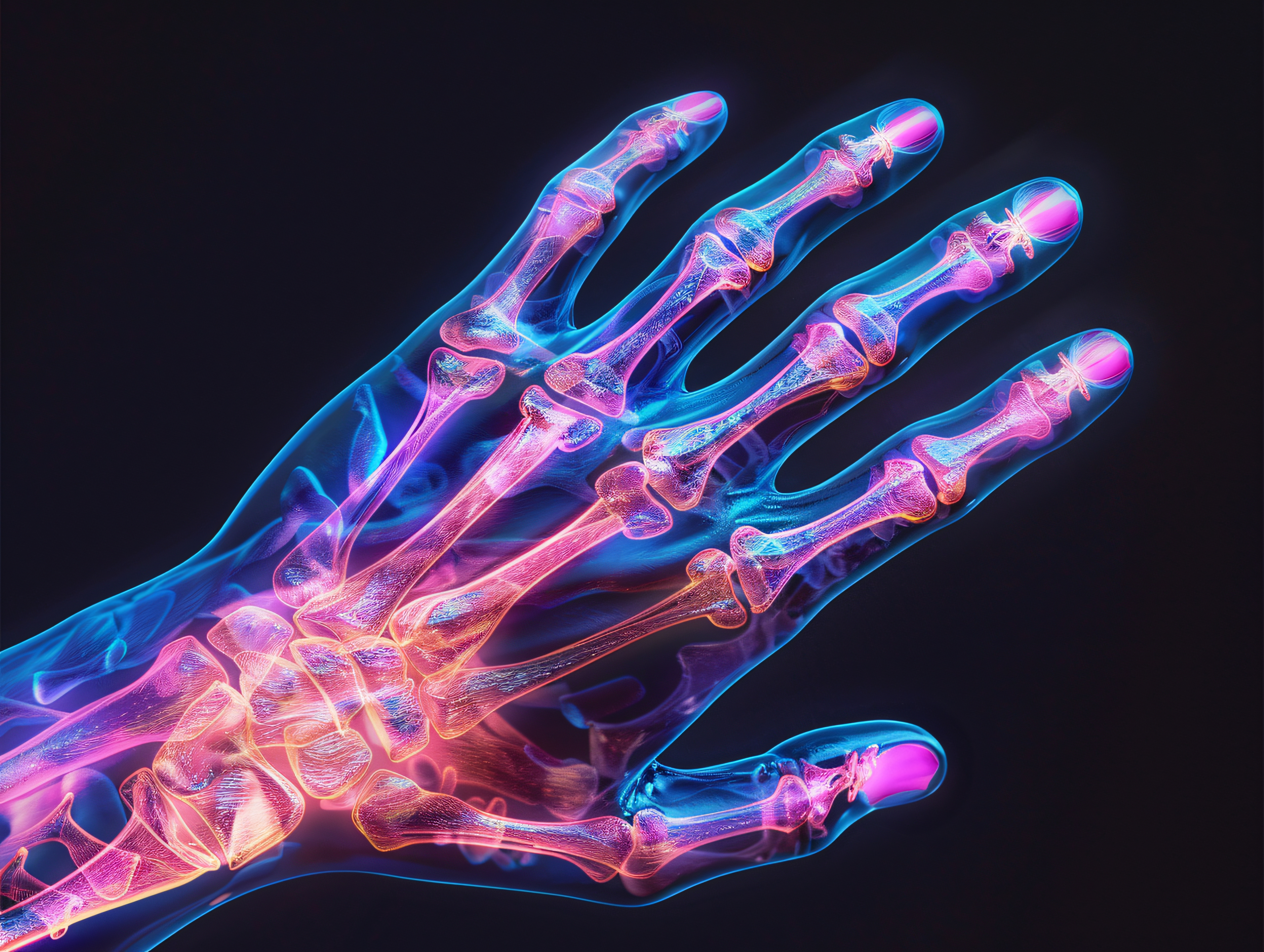
Tibial hemimelia
Tibial hemimelia (TH) is an extremely rare condition, occurring in 1 in 1,000,000 live births. It can be diagnosed by prenatal ultrasound (ultrasound) as early as 16 weeks of pregnancy. Tibial hemimelia includes symptoms such as a shortened lower limb with deformities of the ankle joints (sometimes the feet as well) and knees, which are unstable due to the lack of collateral ligaments.
In tibial hemimelia , the quadriceps muscles of the thigh and patella may be absent or, if present, have limited function. The tibia is shortened, deformed (dysplastic) or undeformed. The fibula may also be abnormal and is often displaced into the knee joint or above the knee.
Many classifications of tibial hemimelia have been developed, but currently the gold standard for diagnosis and planning further management is the classification developed by Dr. Dr. Paley, which has been in existence since 2003. According to it, each type and subtype of the classification requires a different surgical treatment to reconstruct the limb.
Treatment of tibial hemimelia
Dror Paley is a world-renowned specialist whose specialty is tibial hemimelia and its treatment. In 2009, he founded the Paley Orthopeadic & Spine Institute in West Palm Beach, Florida USA. It is a center entirely dedicated to limb lengthening and the treatment of complex orthopedic conditions. The institute offers patients, but also visiting surgeons, the most technologically advanced limb lengthening and deformity correction procedures available in the world.
Dr. Paley has built an interdisciplinary team consisting of world-class surgeons, including Dr. Jaroslaw Michal Deszczynski and Dr. Tomasz Albrewczynski, and physiotherapists who, in cooperation with patients and their families, provide medical care at the highest possible level consistent with current standards of clinical knowledge. The American Institute's European representative is the Paley European Institute (PEI) , based in Warsaw, Poland, which, in cooperation with doctors from the States, has helped some 972 children from all over the world, mainly from Europe and Asia, with pediatric orthopedics.
Treatments performed at Paley European Institute
At Paley European Institute, tibial hemimelia and its causes and symptoms are well known to us. As a result, we can offer effective treatments to our patients. These include the following treatments: SUPERankle, SUPERknee, SUPERhip, as well as preparatory treatments.
Surgical treatment of sagittal hemimelia aims to address all deformities, deficiencies and discrepancies in limb length. The goal of treatment is to achieve limb alignment, a functional foot when standing flat on the ground, alignment of the hip, knee and ankle joints, and to achieve knee stability.
At Paley European Institute, we also help patients with sagittal hemimelia.
See other entries
How to Properly Care for a Stump After Amputation? A Practical Guide
Hollow Foot – Symptoms, Causes, and Treatment Options