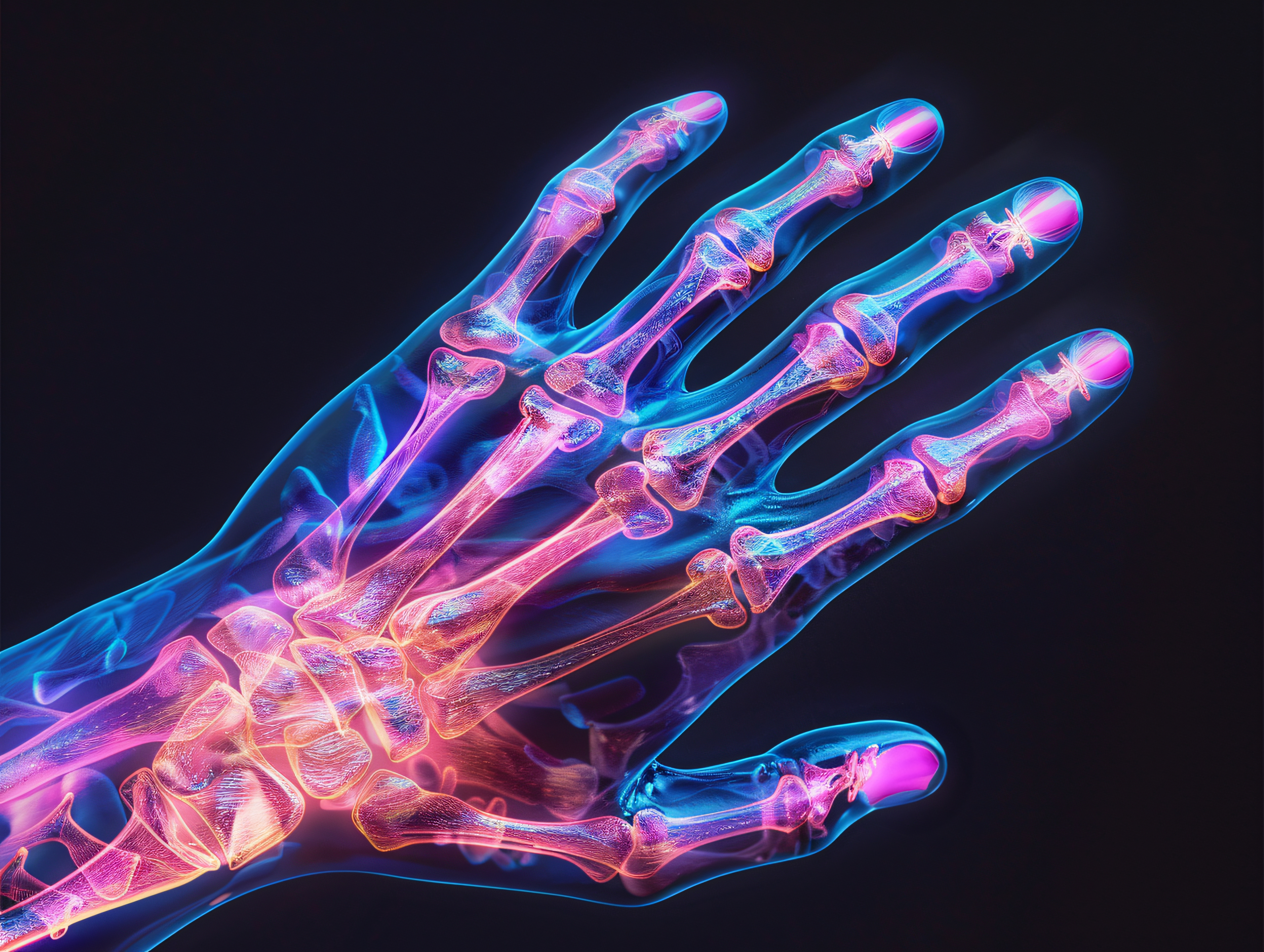
Whistling face syndrome
INFORMATION
Freeman-Sheldon Syndrome or Whistling Face Syndrome is a rare genetic disorder that causes a small "whistling" mouth, a flat face similar to a mask, horse feet, joint contractures and muscle weakness.
The syndrome is associated with Arthrogryposis and Equinus Foot. Affected individuals have joint contractures that limit movement and function. These contractures lead to deformities of the hands, feet and toes (in the hands and feet).
Freeman-Sheldon syndrome is a rare disorder caused by a mutation in the MYH3 gene, which encodes the skeletal myosin protein in muscle. Myosin proteins are involved in the transport of materials inside and outside of cells, as well as in cell movement. Myosin and actin are the components that make up muscle fibers. Mutations in the MYH3 gene interfere with normal muscle contraction during fetal development. This causes muscle contractures and skeletal abnormalities.
TREATMENT STRATEGY
Treatment of Freeman-Sheldon Syndrome usually focuses on treating the recurrent hand or other deformities, such as clubfoot. Dr. Paley has extensive experience in treating this rare condition.
Hand deformities are usually ulnar drift and flexion deformity of the fingers. Ulnar drift is a deformity in which the wrist and fingers gradually move toward the ulnar bone. Dr. Paley performs reconstructive surgery to correct the hand deformity.
The limp-foot deformity requires a specialized foot osteotomy and the use of a circular external stabilizer (i.e., the Taylor Spatial Frame) to gradually correct the foot deformity.
See other entries
How to Properly Care for a Stump After Amputation? A Practical Guide
Hollow Foot – Symptoms, Causes, and Treatment Options