Nail - patella syndrome
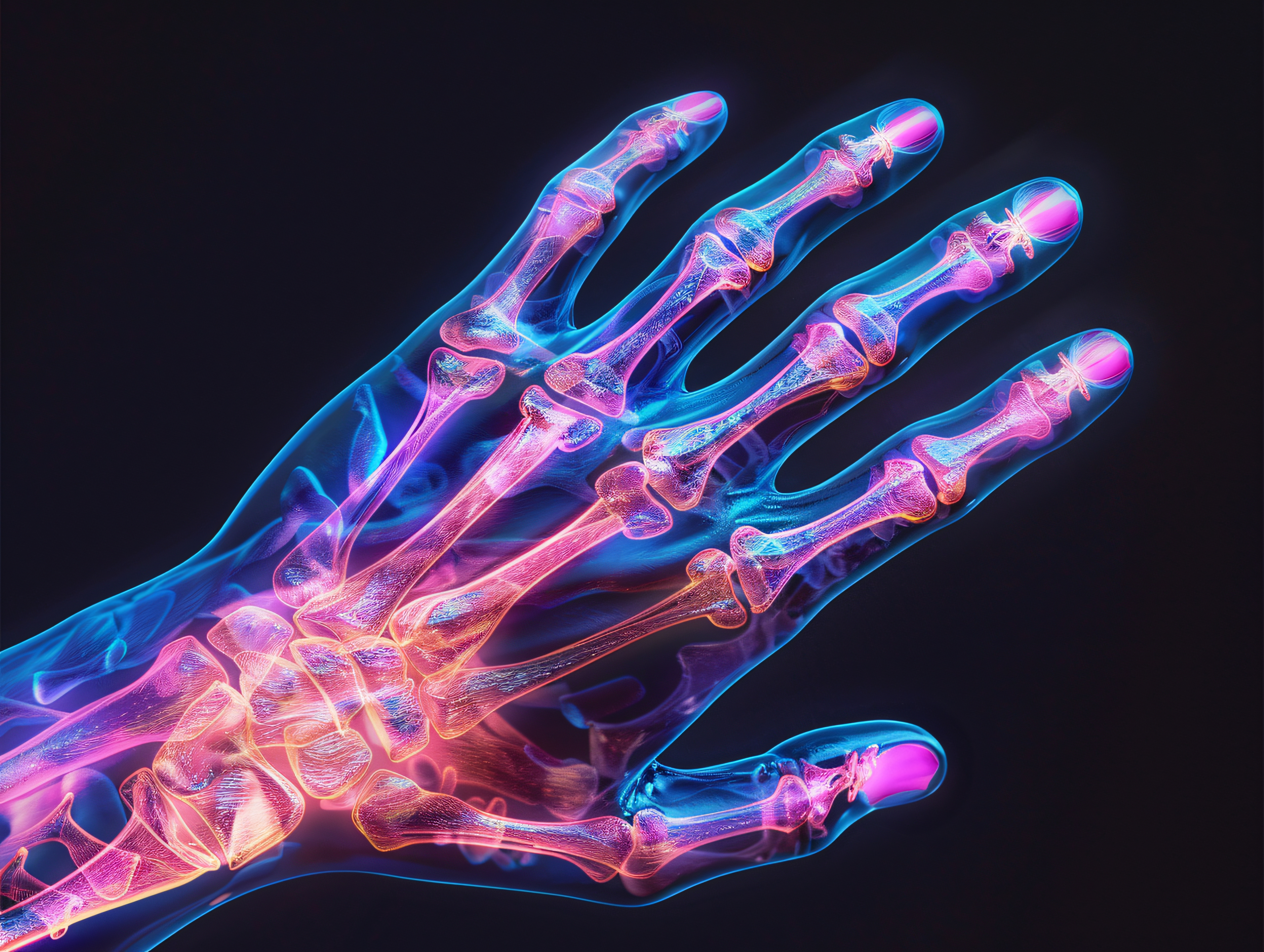
Nail-Nail Syndrome is a rare genetic disorder that often causes deformities of the patella, thigh, fingernails, pelvic elbows and ankles. The syndrome takes its name from the two most common symptoms: nail and patella deficits. Nonetheless, Nail-Articular Syndrome affects the entire body. Joint contractures are a common feature of the syndrome, and many people develop arthritis.
Nail abnormalities are the most common feature of people with the disease. Thumb nails are more affected by deformities, and deformities of the fingernails are more common than deformities of the toenails. The nails of affected individuals are underdeveloped, with only a small portion of the nail present or none at all. Nails may be discolored or triangular in shape (instead of the normal nail shape).
The second most common feature of Nail-Related Syndrome is deformity within the kneecaps. The kneecaps are much smaller than normal or in some cases are not present. They are also irregularly shaped and often dislocate. Some often have similar deficits of the elbows and hip joints. People with deformed elbows often have trouble straightening and rotating their forearm. In affected individuals, the bony outgrowth on the hip bone may grow in.
Other areas of the body may also be affected by Nail-Through Syndrome. Glaucoma and kidney diseases such as proteinuria or nephritis may also be present.
Nail-Fingernail Syndrome is very rare and occurs in 1 in 50,000 cases. The syndrome is associated with a mutation in the LMX1B gene, which encodes a protein in the DNA strand and regulates other genes. The protein is very important in the development of limbs, kidneys and eyes during early development. Nail-Thorn Syndrome is inherited autosomally, meaning that only one copy of the gene is enough to produce symptoms.
Treatment strategy
At the Paley Institute, we provide orthopedic treatment for the symptoms of Patella-Nail Syndrome, namely deformities and deficits in the knee, elbow, hip and ankle joints. The primary symptom in people with Nail-Nail syndrome is deformity of the knee, especially dislocation of the patella. To correct this, Dr. Paley first shortens the tibia on the fibula by fitting an external stabilizer. A round external stabilizer (Ilizarov or TSF) is preferred because it can perform a three-dimensional correction.
After shortening the tibia, Dr. Paley performs the second stage of the procedure: an intra-articular osteotomy (surgical shortening of the bone) to raise the tibial plateau. A bone graft and an internal plateau are inserted to maintain alignment. This stabilizes the knee joint. Patients often have muscle spasms, which can be corrected with muscle release. Gradual distraction with an external stabilizer also slowly corrects contractures. An external stabilizer can also be used to lengthen the tibia and/or fibula and correct limb length.
A similar treatment can be used to treat other joints that have deficits
due to the Nail-Articular Syndrome. The treatment strategy is as follows:
- Gradual extension of the joint with an external stabilizer.
- Osteotomy to correct and rearrange joints.
- Soft tissue release to reduce contractures.
- Limb lengthening to equalize limb lengths.
At the Paley Institute, we have successfully corrected limb deformities and elongation in patients with Nail-Foot Syndrome, with excellent results.
See other entries
How to Properly Care for a Stump After Amputation? A Practical Guide
Hollow Foot – Symptoms, Causes, and Treatment Options