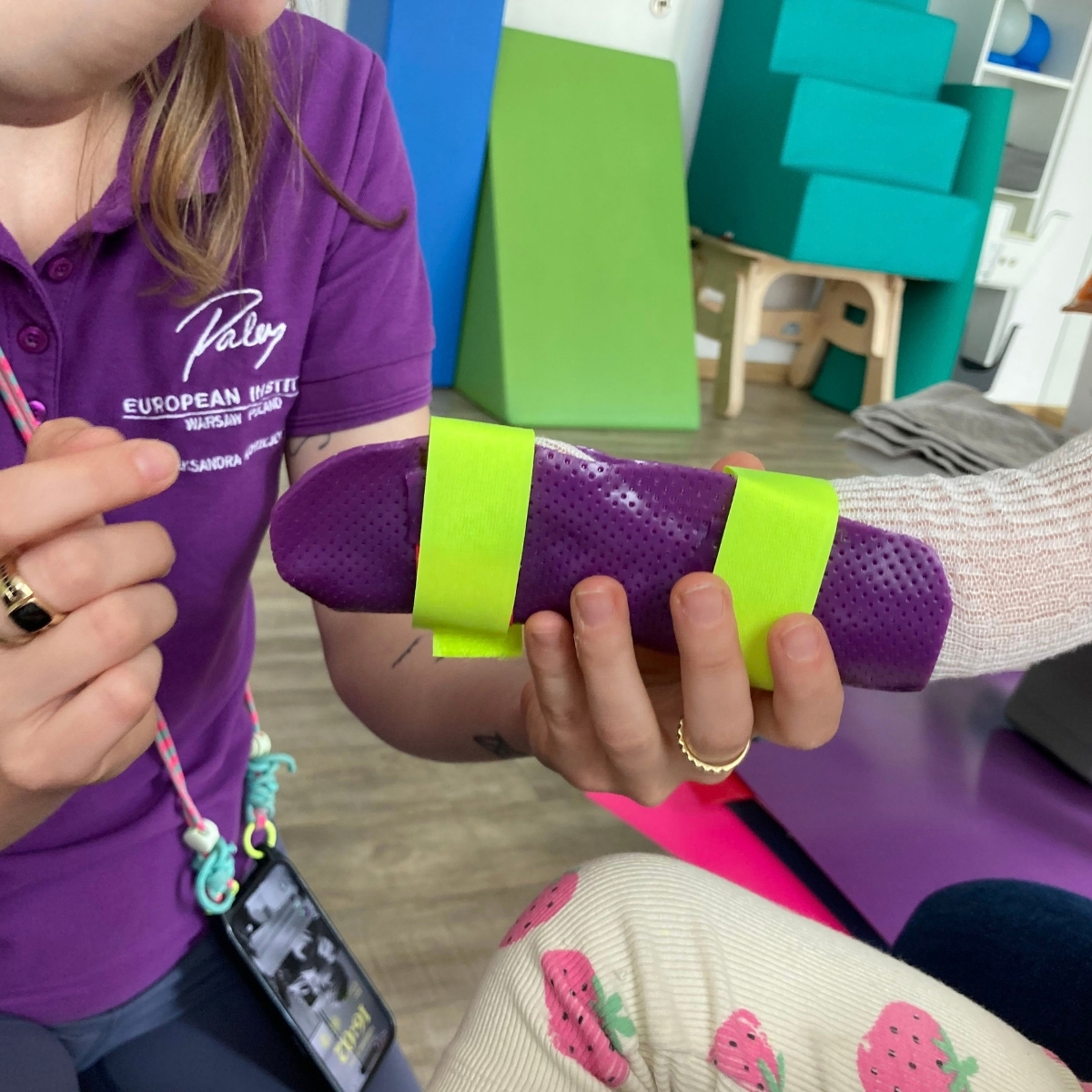
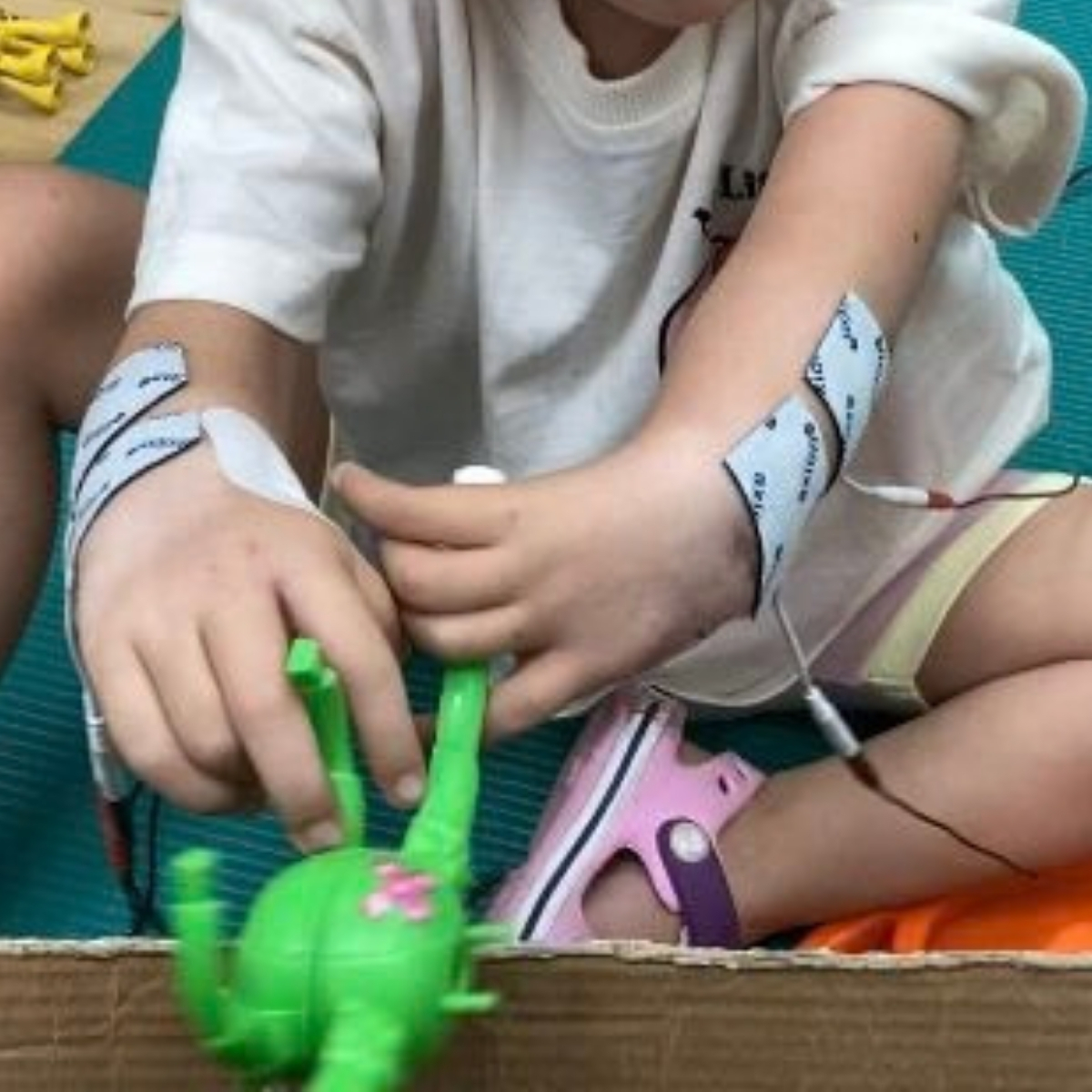
Congenital Limb Deformities in Children – Diagnosis and Treatment
Effective correction of congenital limb deformities. Dr. Paley’s SUPER procedures
, limb lengthening, and rehabilitation—all under one roof. Over 70 countries, personalized treatment plans, and care in which a parent is always present.
Learn more about the treatment of congenital limb defects at the Paley European Institute.
What are congenital limb defects?
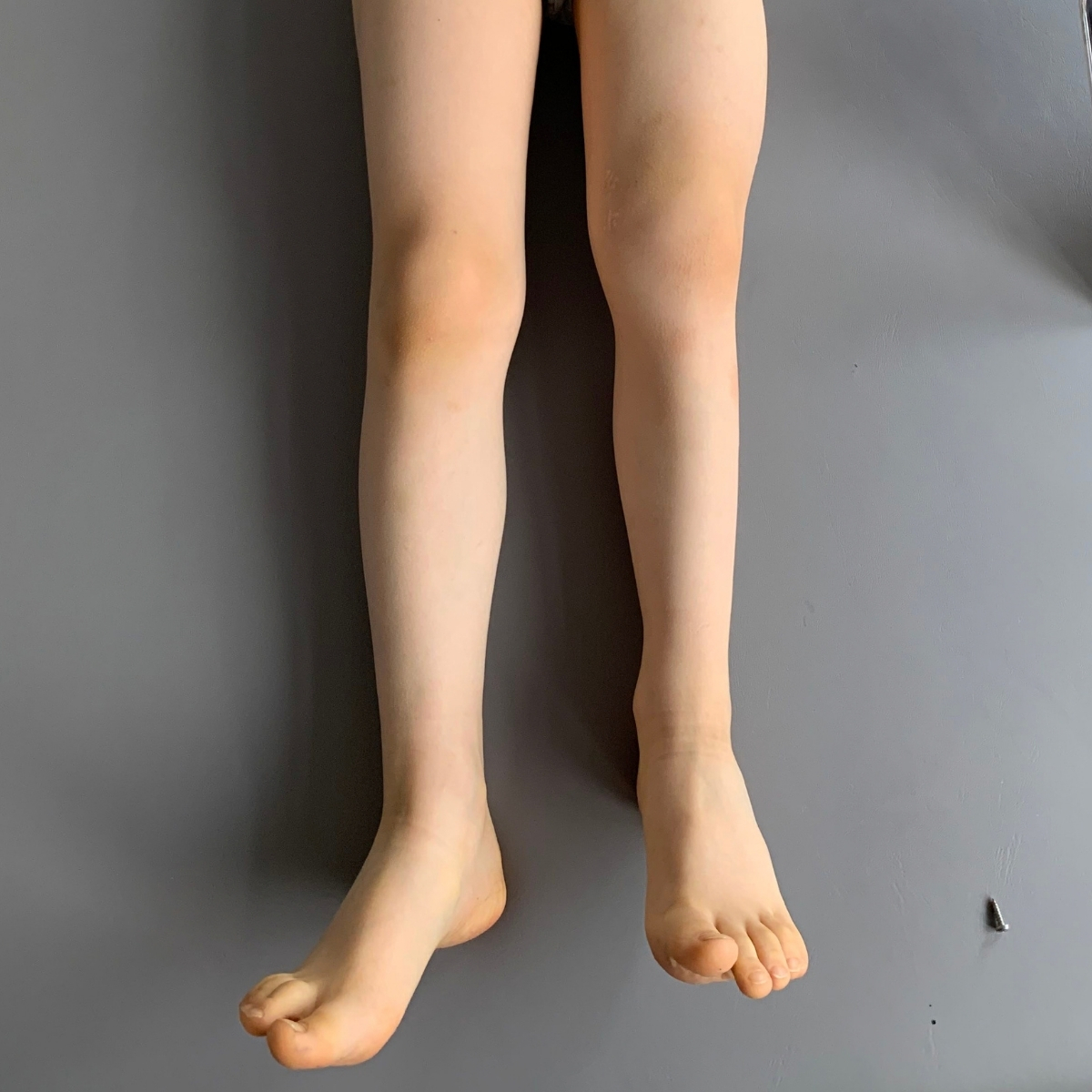
Congenital limb defects are developmental disorders that arise during the fetal period and are present from birth. They affect the upper or lower limbs, and their severity ranges from minor anomalies to significant shortening and deformities. If left untreated, they can lead to an increasing difference in limb length, joint instability, and permanent disability.
The most common congenital malformations of the upper and lower limbs:
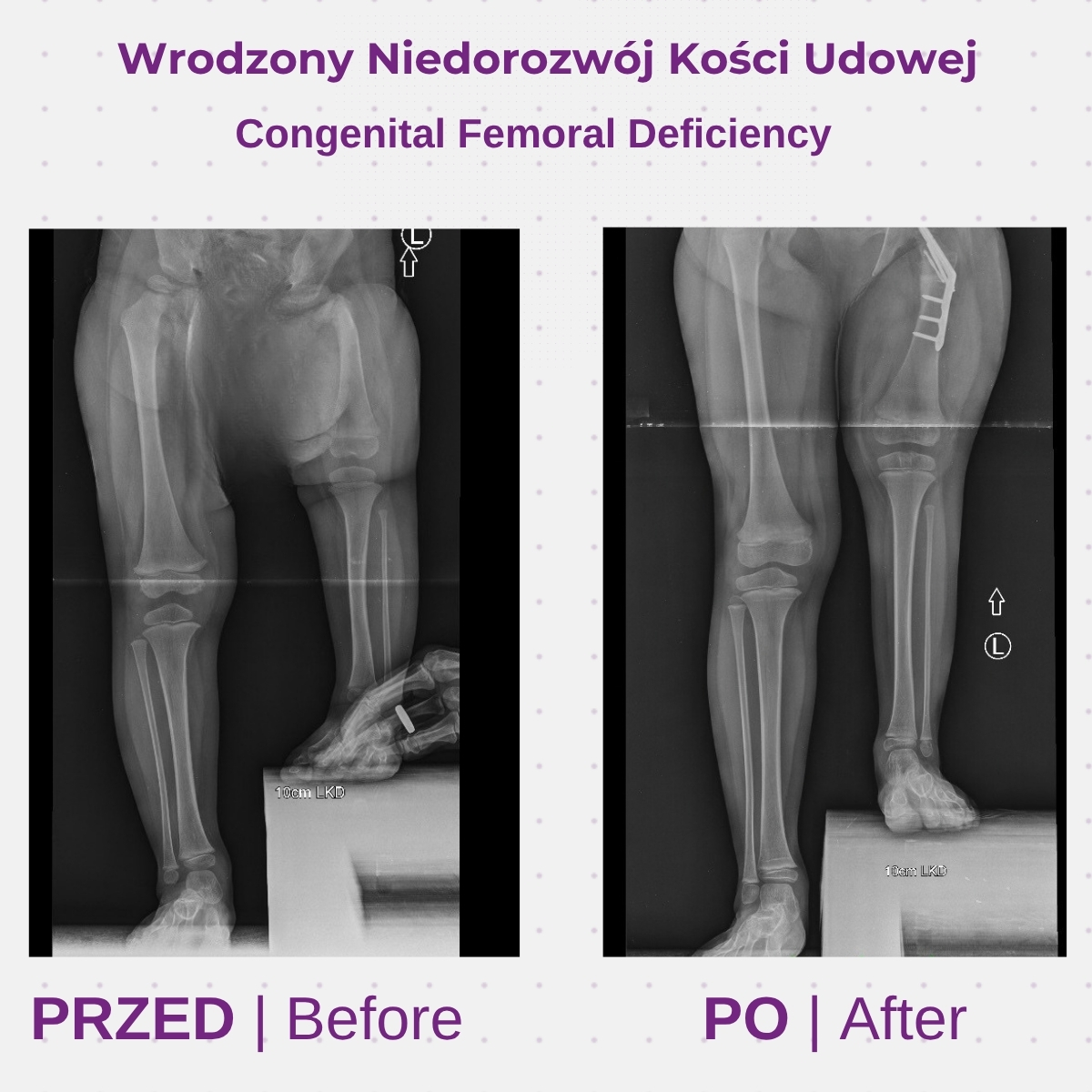
– Congenital femoral hypoplasia (CFD, formerly PFFD) – approximately 1 in 40,000 births
– Fibular hemimelia (FH) – the most common congenital longitudinal limb defect of the lower extremities, approximately 1 in 50,000–135,000 births
– Tibial hemimelia – a very rare partial or complete absence of the tibia
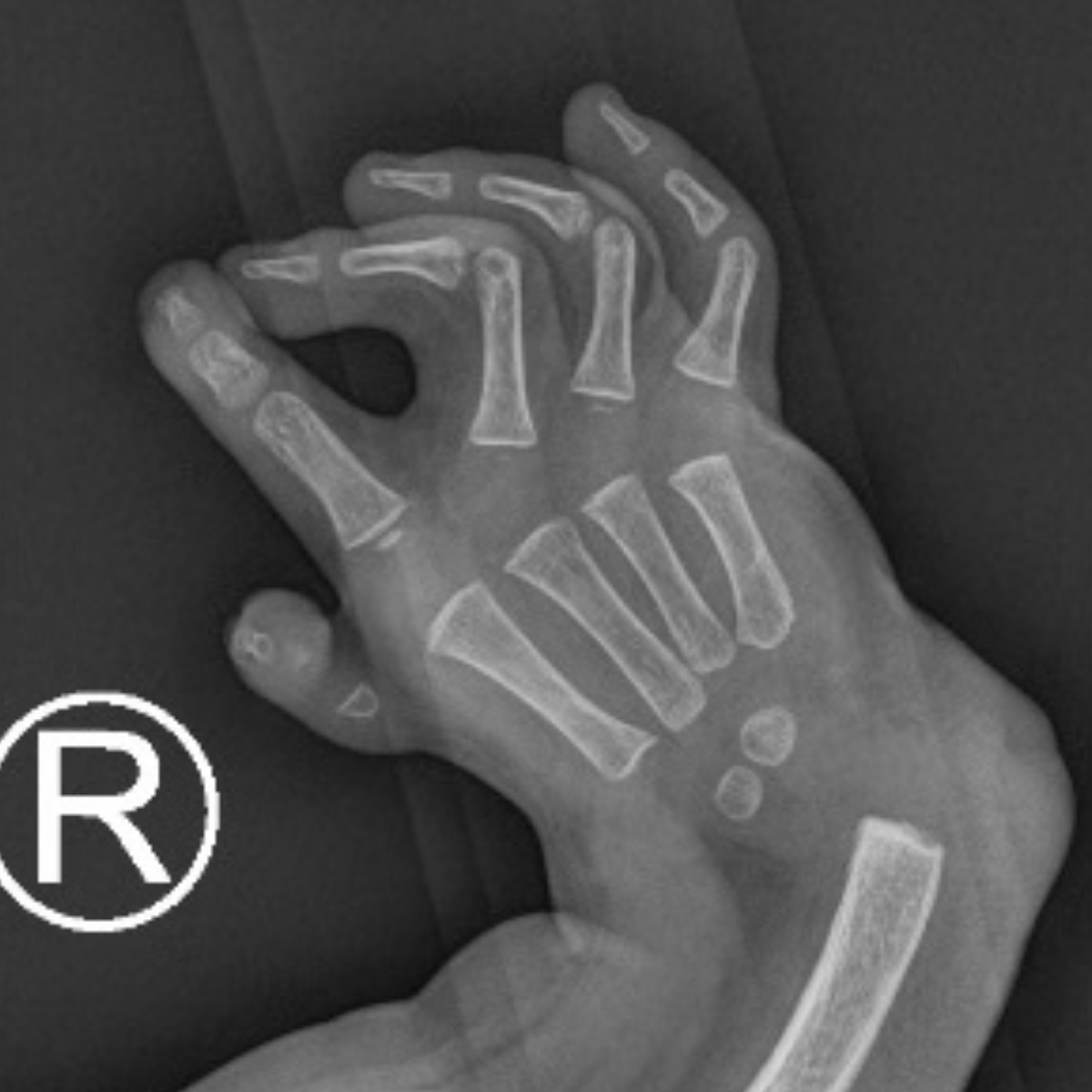
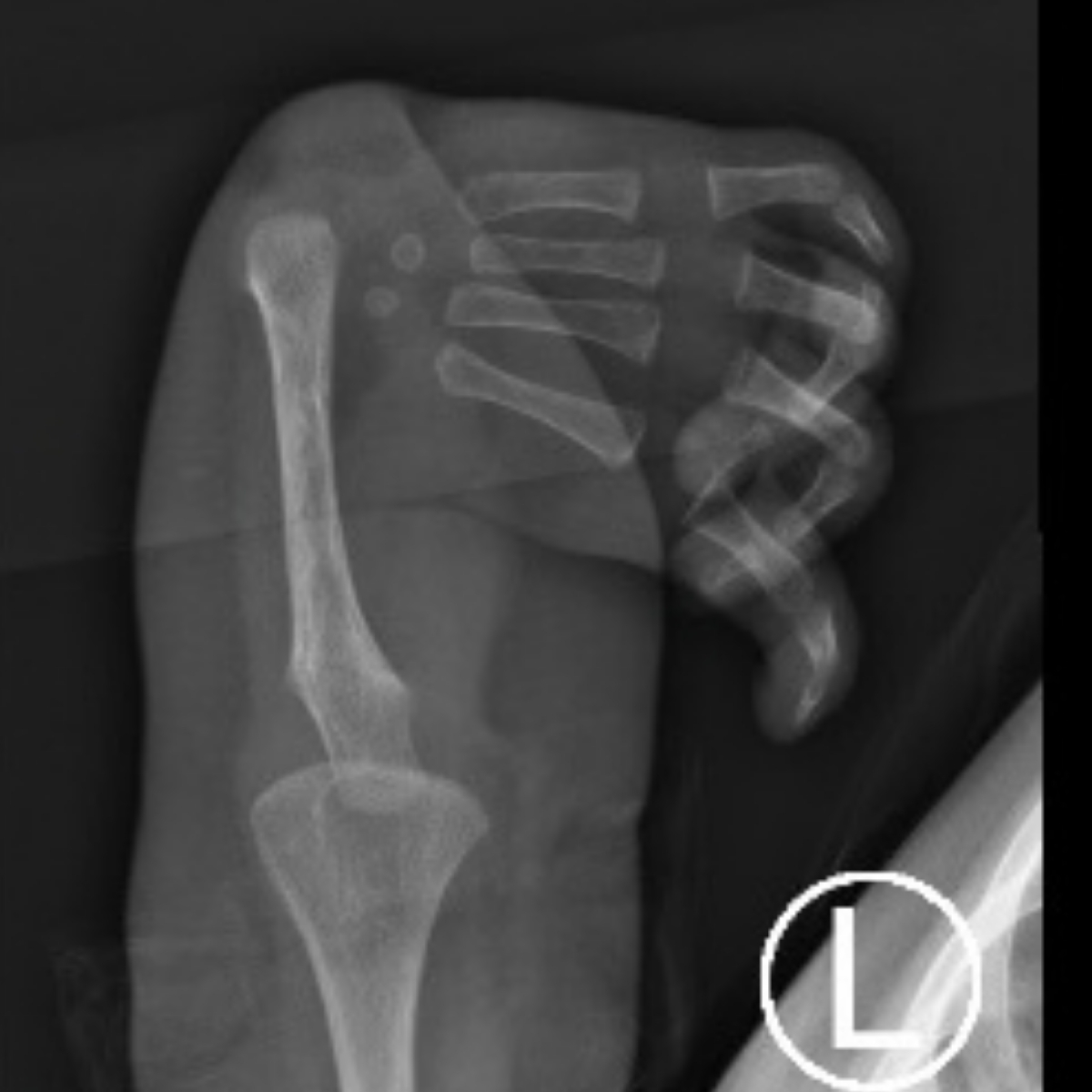
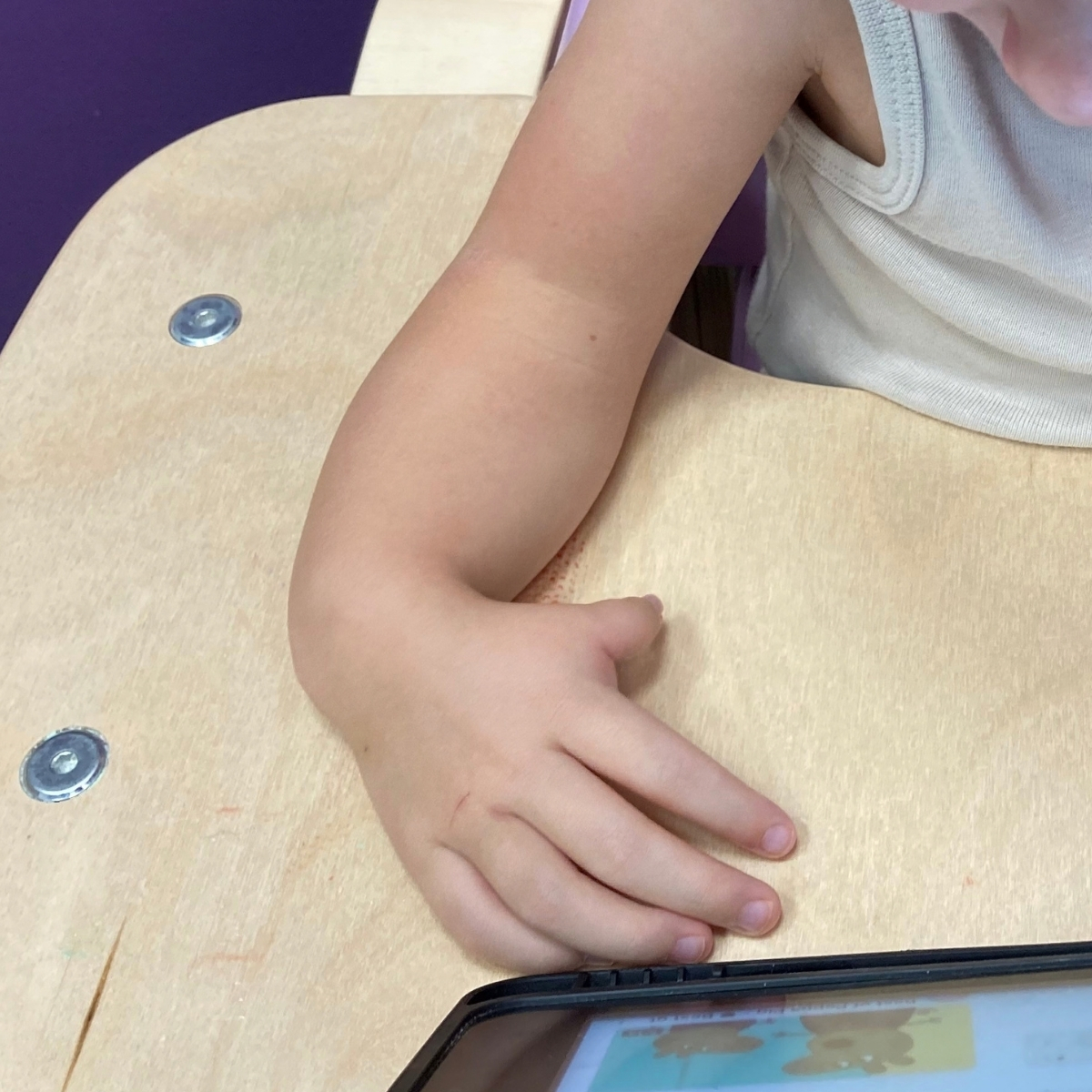
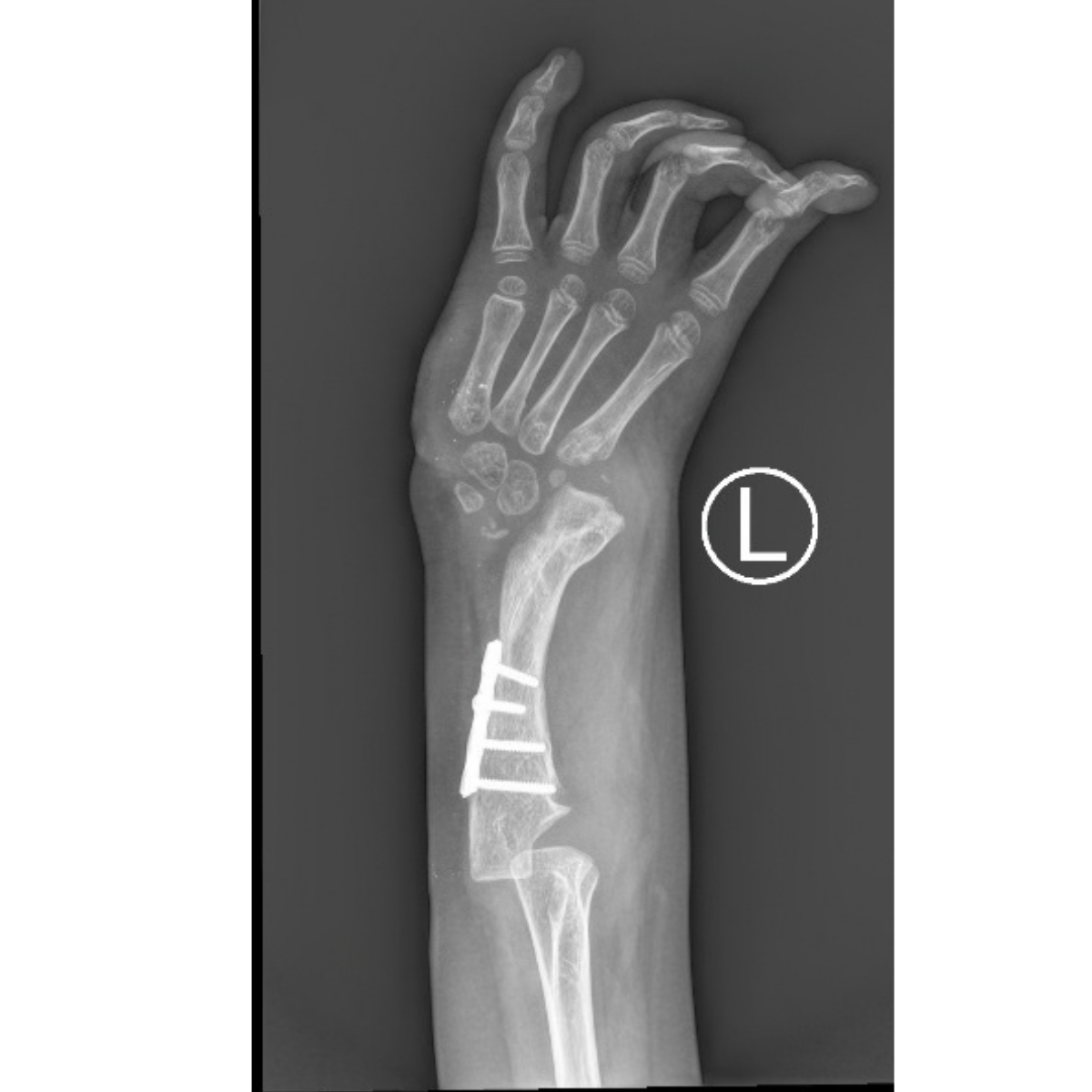
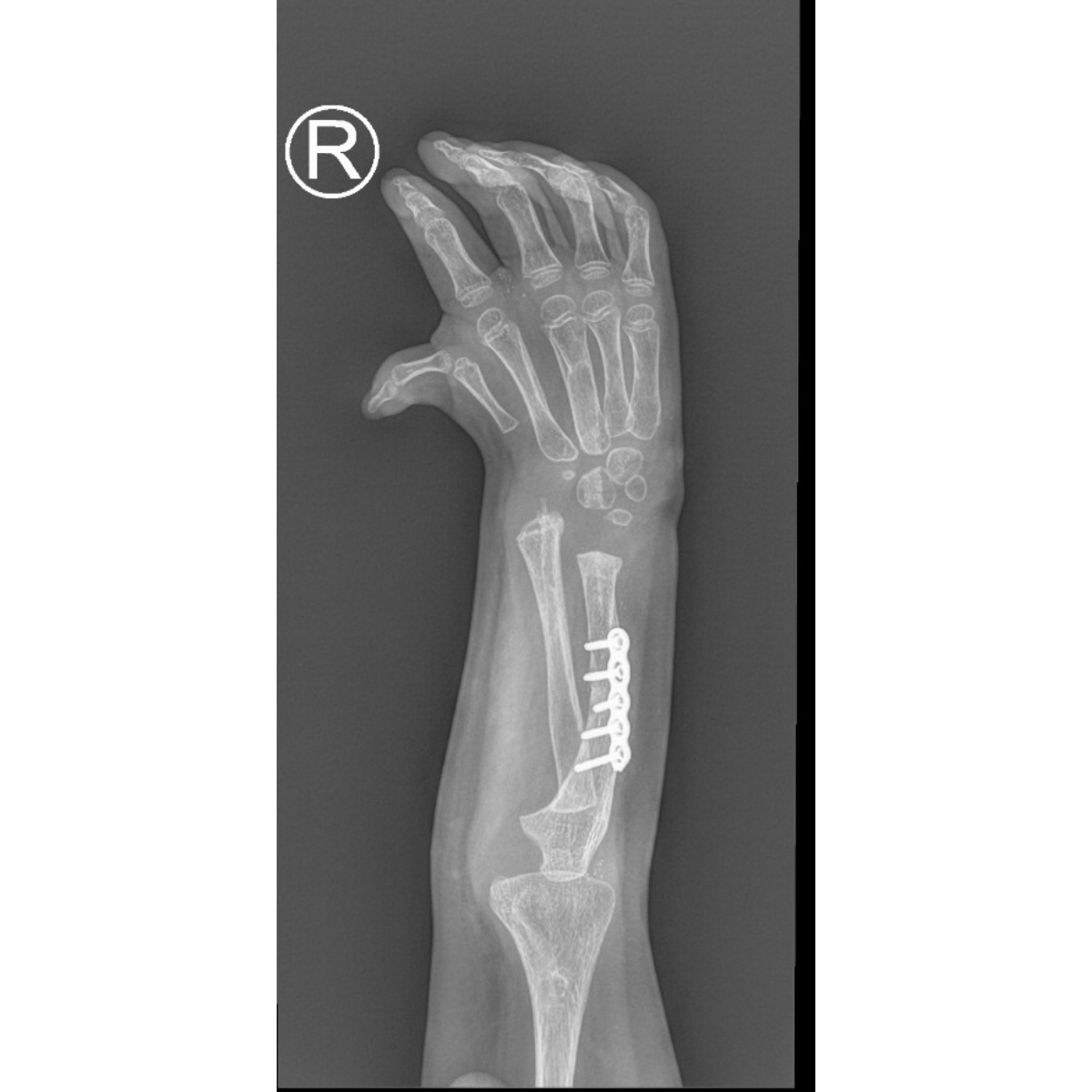
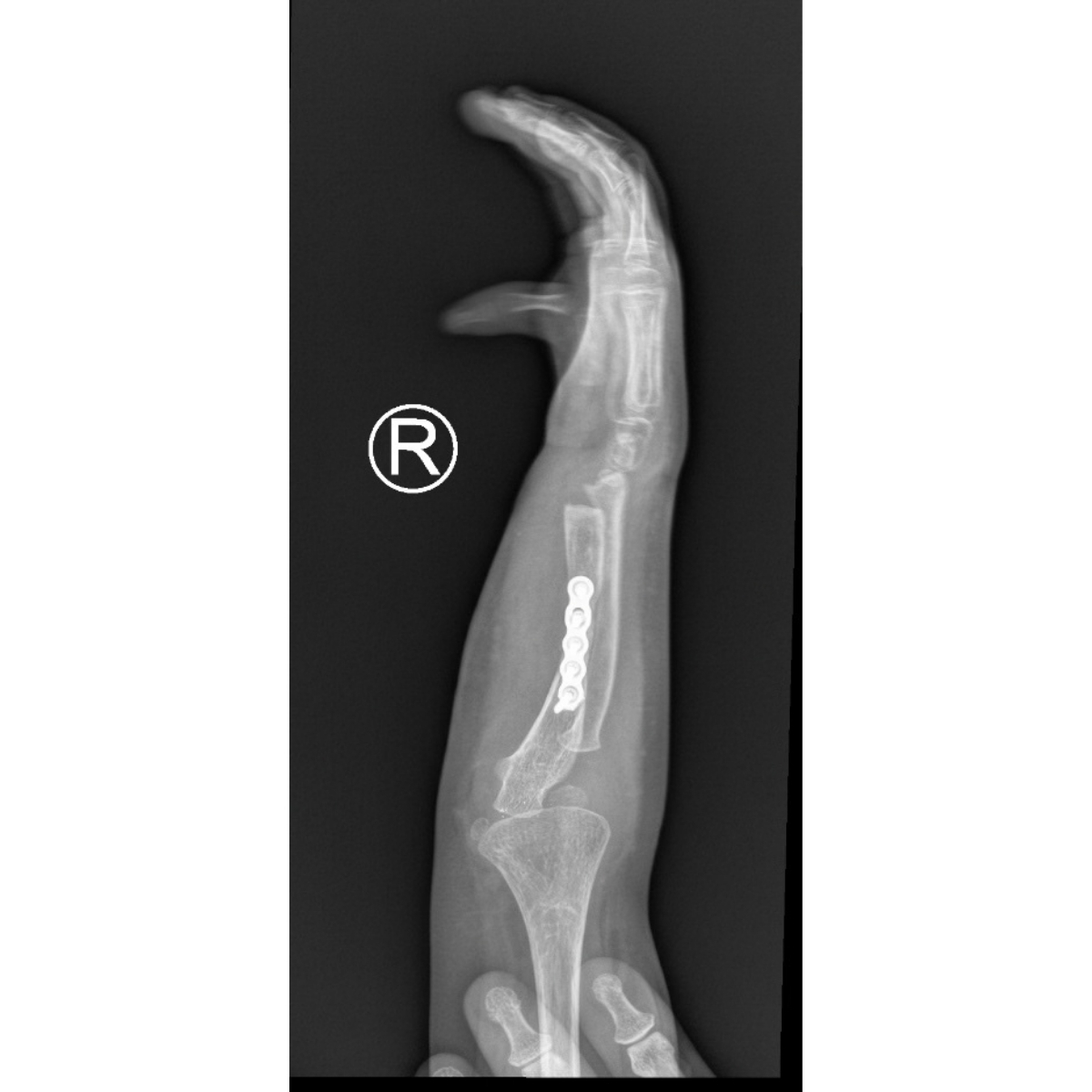
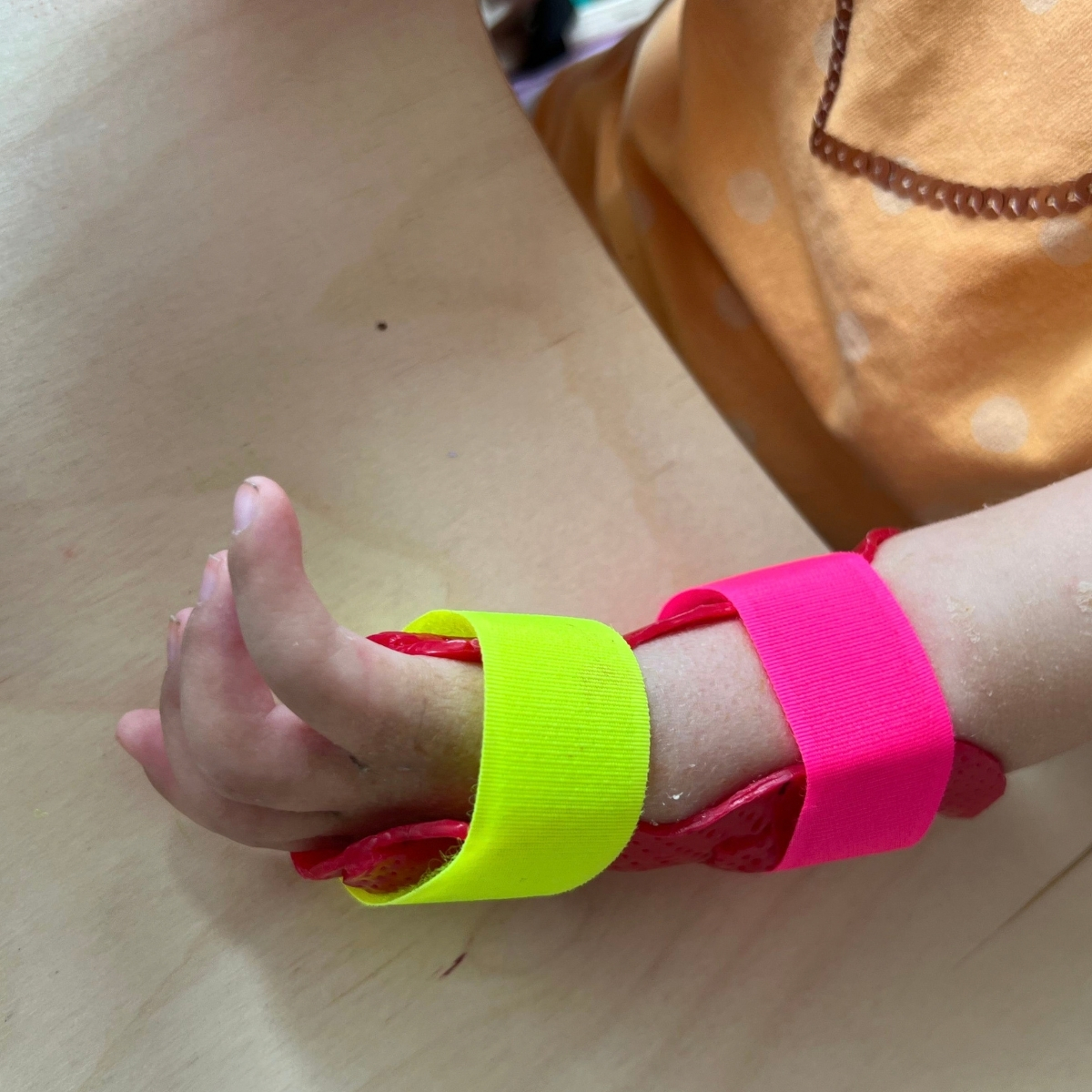
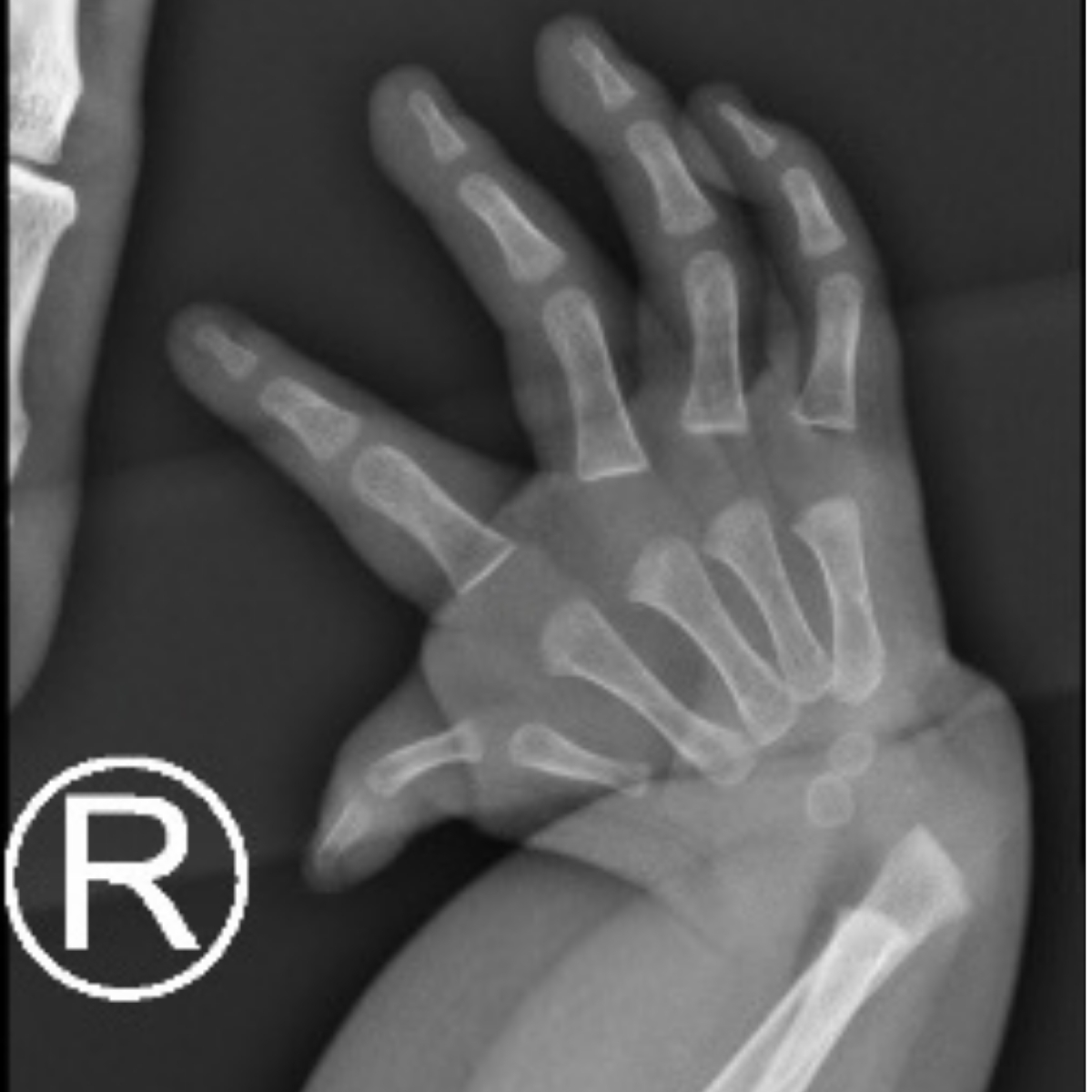
– Radius hypoplasia (radial hemimelia, RCH) – approximately 1 in 30,000–100,000 live births
Congenital limb defects
Reasons
Congenital limb defects develop during the fetal period. Their causes are not always fully understood. They may result from embryogenesis disorders—abnormal formation of tissues and organs during pregnancy. Risk factors include, among others, certain medications taken during pregnancy (e.g., thalidomide), chemicals, radiation, and viral infections. Some defects have a genetic basis, although CFD and hemimelia in their isolated forms are not usually associated with genetic disorders.
Symptoms
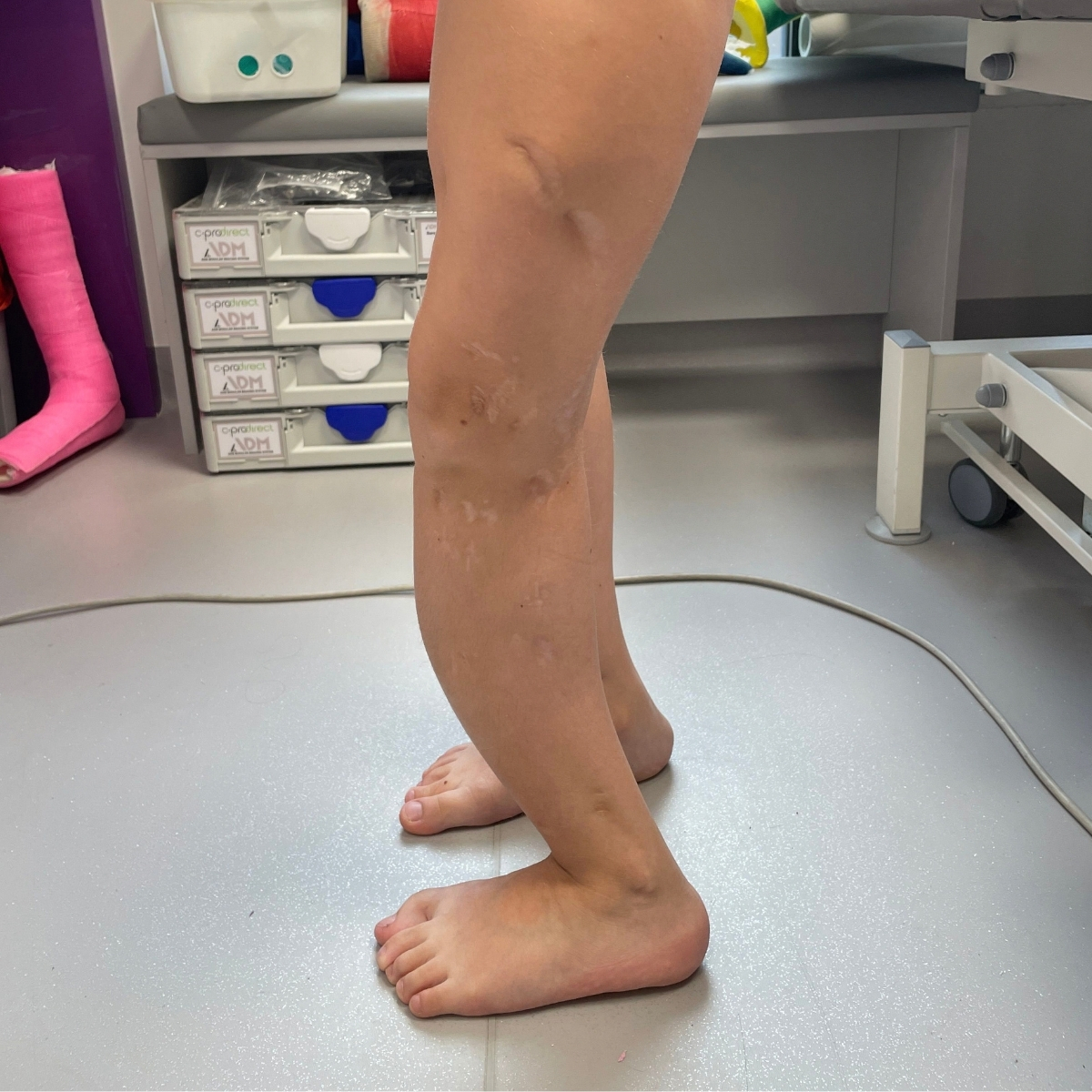
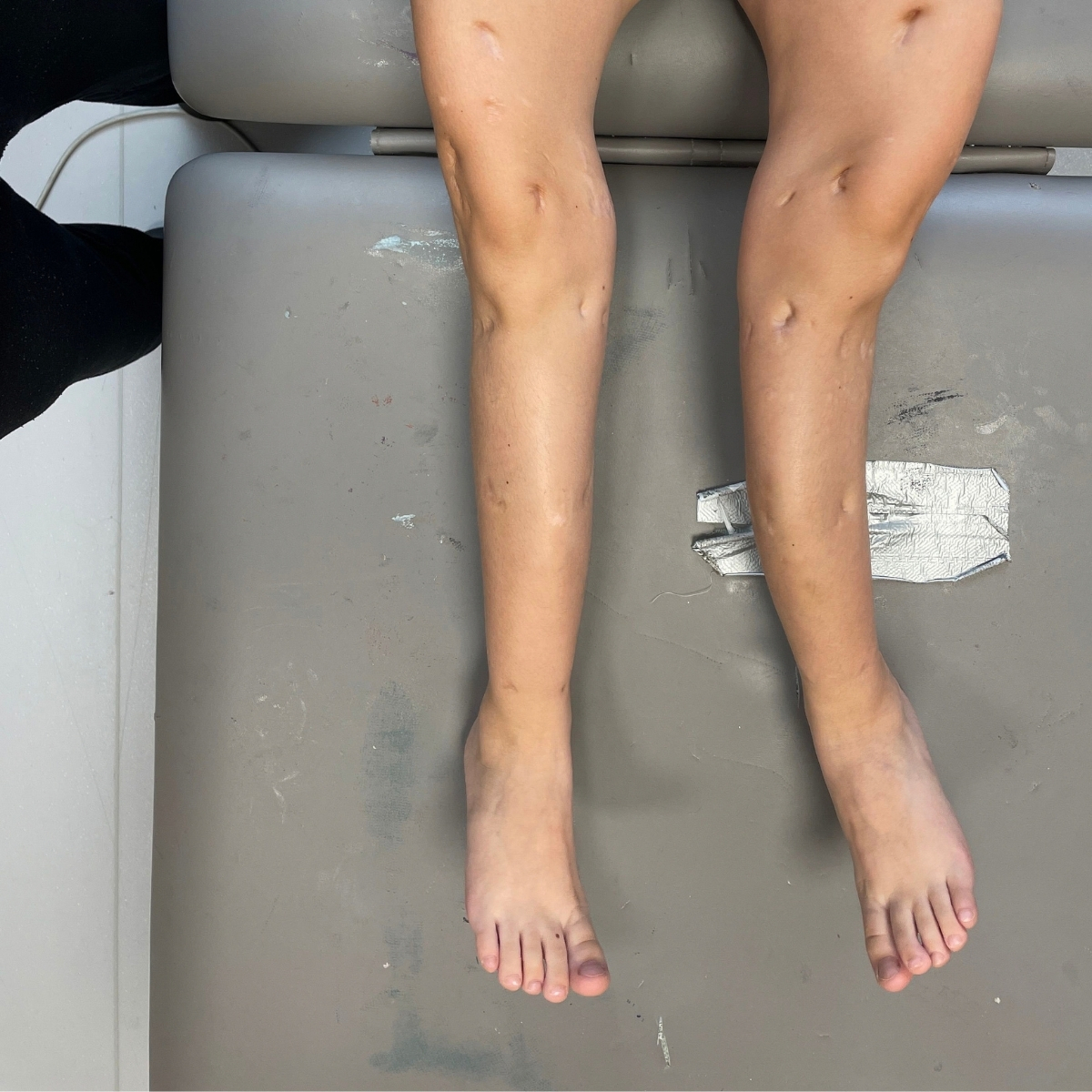
Symptoms depend on the type and severity of the condition. They most commonly include: visible shortening of one limb, asymmetry of the skin folds on the thigh, deformities of the foot or knee, and limited mobility in the hip or ankle joints. In older children, difficulties with walking, a waddling or limping gait, and pain resulting from abnormal stress on the joints may occur.
Diagnostics
Congenital limb defects can be diagnosed as early as the prenatal period—during an ultrasound examination. After birth, the diagnosis is confirmed based on a physical examination, X-rays, and magnetic resonance imaging (MRI). At the Paley European Institute, every patient undergoes a comprehensive evaluation, including classification of the deformity according to Dr. Dror Paley’s protocol, which serves as the basis for developing an individualized treatment plan.
The global standard in the treatment of congenital limb defects
The Paley European Institute is one of the few centers in Europe offering a full range of treatments for congenital limb defects—using methods developed by Dr. Dror Paley, a world-renowned pioneer in limb reconstruction and lengthening.
At our Institute:
More than 70 countries— we care for patients from all over the world.
At age 3, we perform the first preparatory surgery.
Starting around age 5, we begin the actual limb lengthening process.
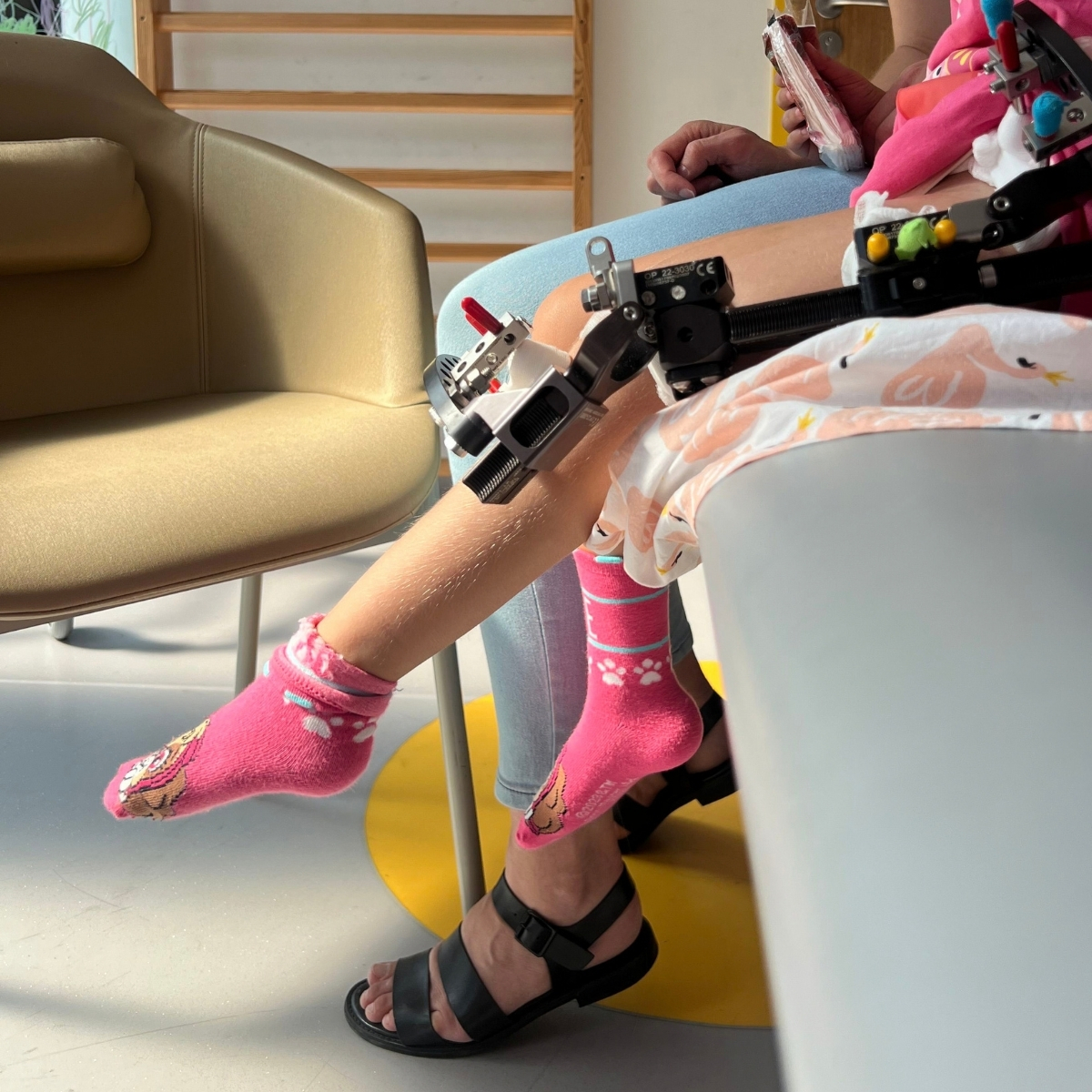
Comprehensive care includes diagnostics, SUPER procedures (SUPERhip, SUPERknee, SUPERankle), limb lengthening, physical therapy, and long-term follow-up as the child grows. Each treatment plan is tailored to the individual and designed to last the patient’s entire life.
When should you see a specialist?
During pregnancy
Abnormalities detected during a prenatal ultrasound—such as a shortened or missing limb, or deformities of the foot or knee—are an indication for an orthopedic consultation after the baby is born. Early diagnosis allows for faster initiation of treatment and a better prognosis.
After birth – in newborns
Visible asymmetry of the lower limbs, shortening of one leg, foot deformity, or abnormal limb alignment are signs that require urgent diagnosis. An orthopedic examination of the newborn allows for an initial assessment of the condition and planning of further steps.
Infants and young children (up to about 3 years of age)
Abnormal movement patterns, delayed walking, asymmetry while crawling or walking on all fours, or a noticeable difference in leg length—any of these symptoms is an indication for consultation. This is the optimal time for preparatory surgery.
Older Children and Adolescents
A growing discrepancy in leg length, knee or hip pain, a waddling or limping gait, and difficulty running or engaging in physical activity—these symptoms may indicate a progressive deformity requiring surgical intervention or continued treatment.
How do we treat congenital limb defects?
The treatment of congenital limb defects is a multi-stage process that requires precision, experience, and long-term planning.
The Paley European Institute’s approach combines state-of-the-art surgical techniques with individually tailored rehabilitation, ensuring that every patient has the best possible conditions for regaining mobility at every stage of life.
Here's what our treatment plan looks like:
Diagnostics and Planning
Objective: To accurately assess the condition and develop a personalized treatment plan.
Imaging tests: X-rays, MRI, and ultrasound to determine the severity of the deformity.
Classification of the defect: Assessment according to Dr. Paley’s protocol, which determines the optimal treatment plan.
Long-term planning: Developing a lifelong treatment strategy for the patient.
Preparatory Operation
Objective: Reconstruction of joints and soft tissues prior to actual limb lengthening.
SUPER procedures: SUPERhip, SUPERknee, or SUPERankle—tailored to the specific type of defect.
Optimal age for the procedure: The first surgical intervention should take place around 2–3 years of age.
Stabilization: Preparing the limb for the next stages of treatment.
Limb Lengthening
Objective: Gradual correction of limb length discrepancy and alignment.
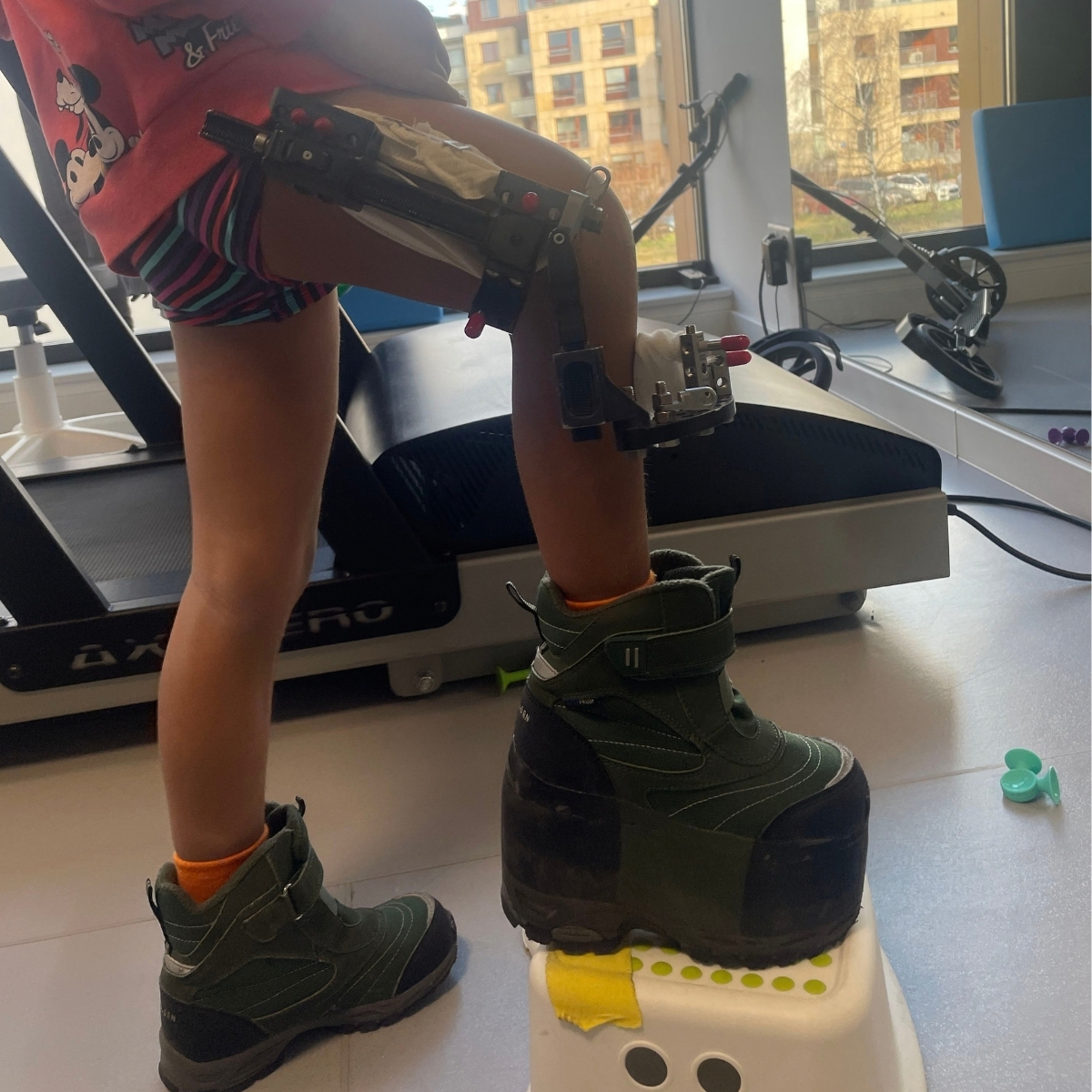
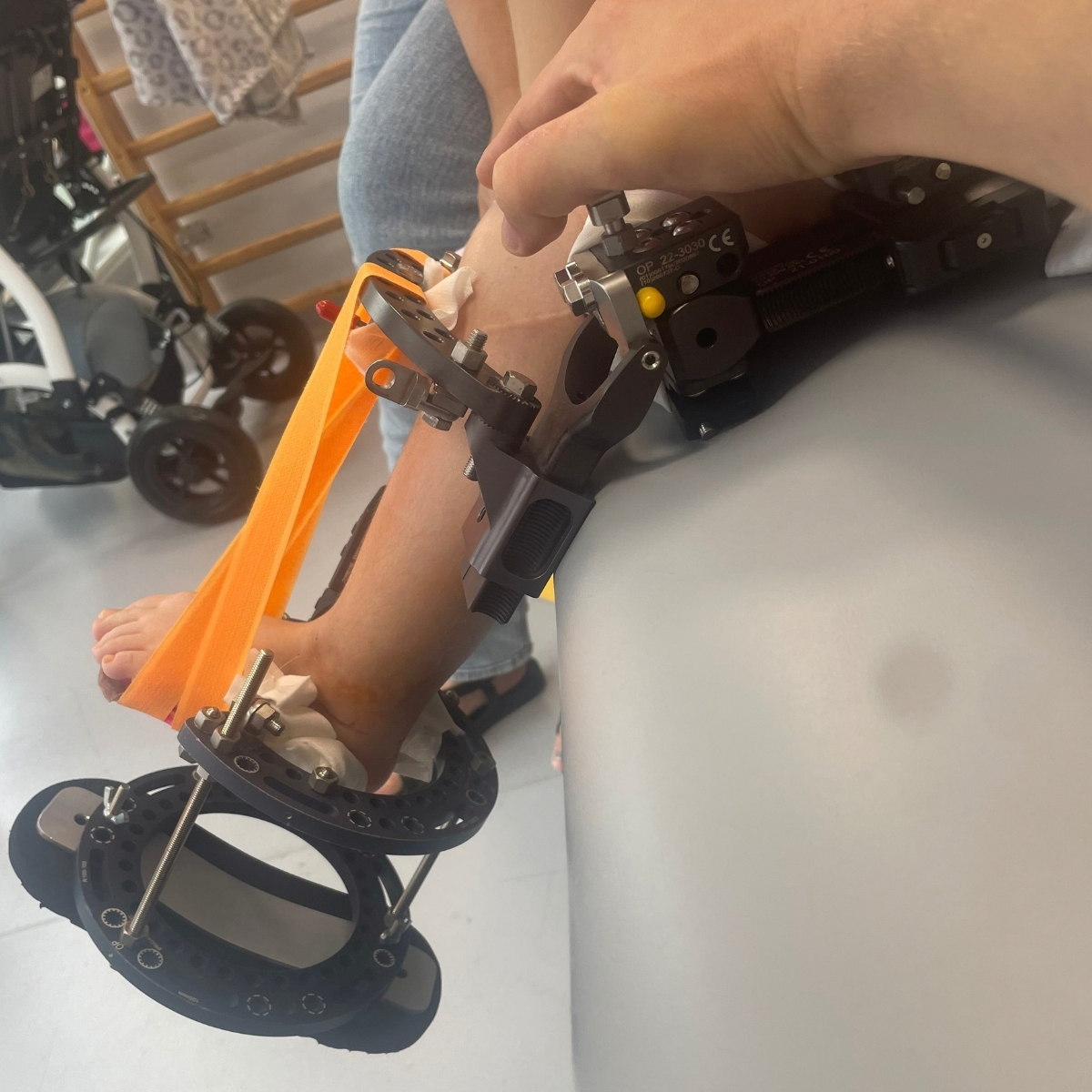
Distraction process: Stretching the ends of the bones at a rate of approximately 1 mm per day, stimulating natural bone regeneration.
Consolidation phase: The time required for the mineralization and strengthening of newly formed bone.
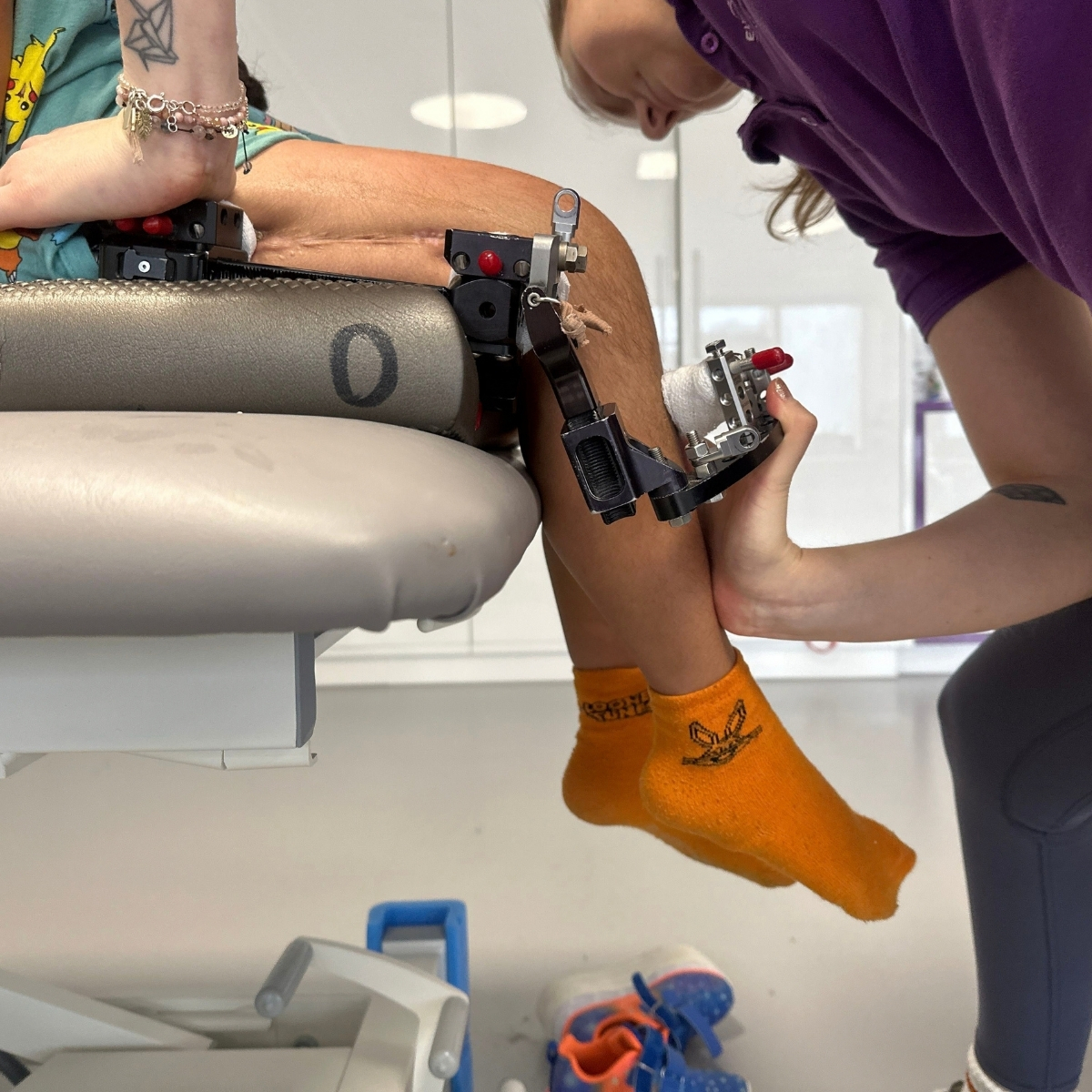
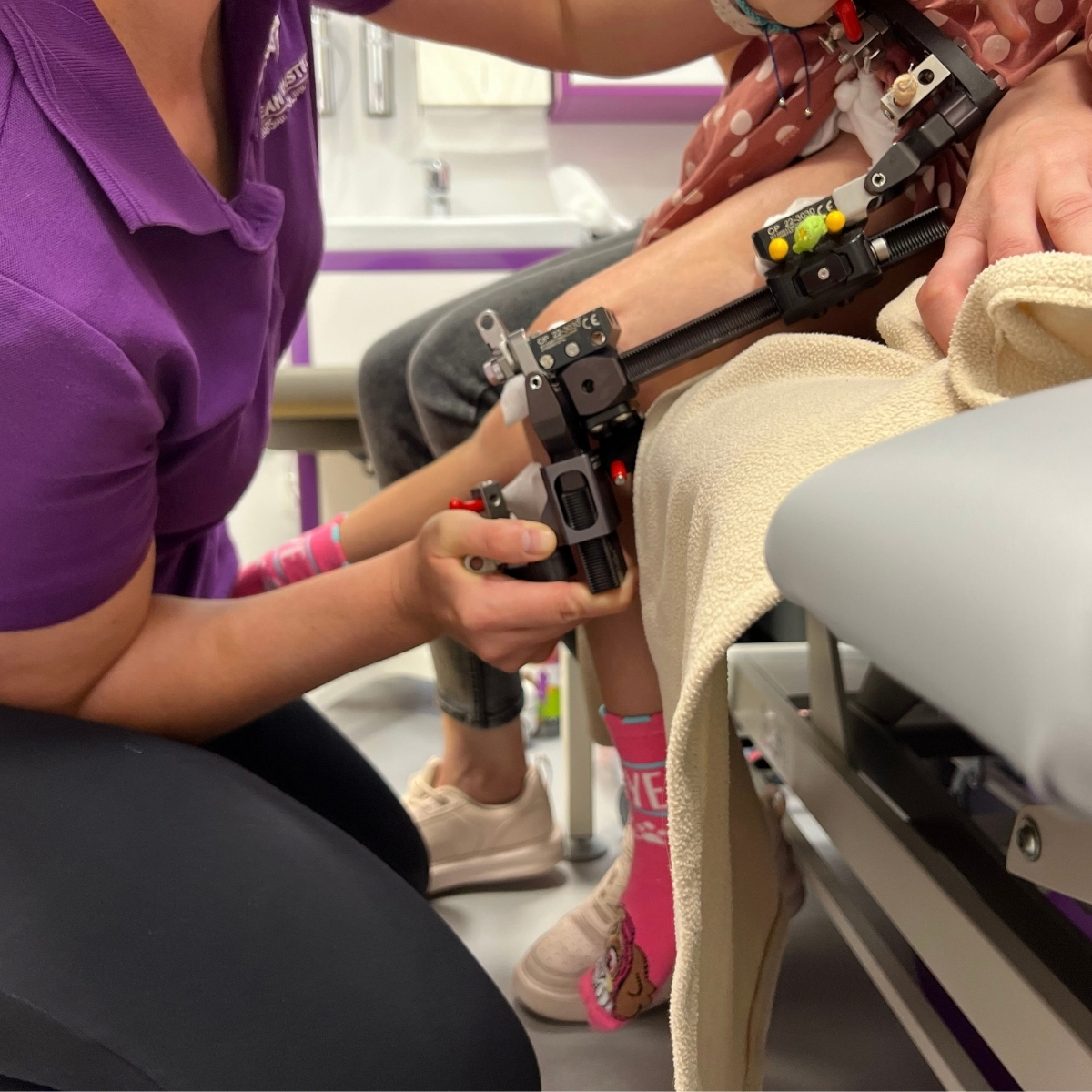
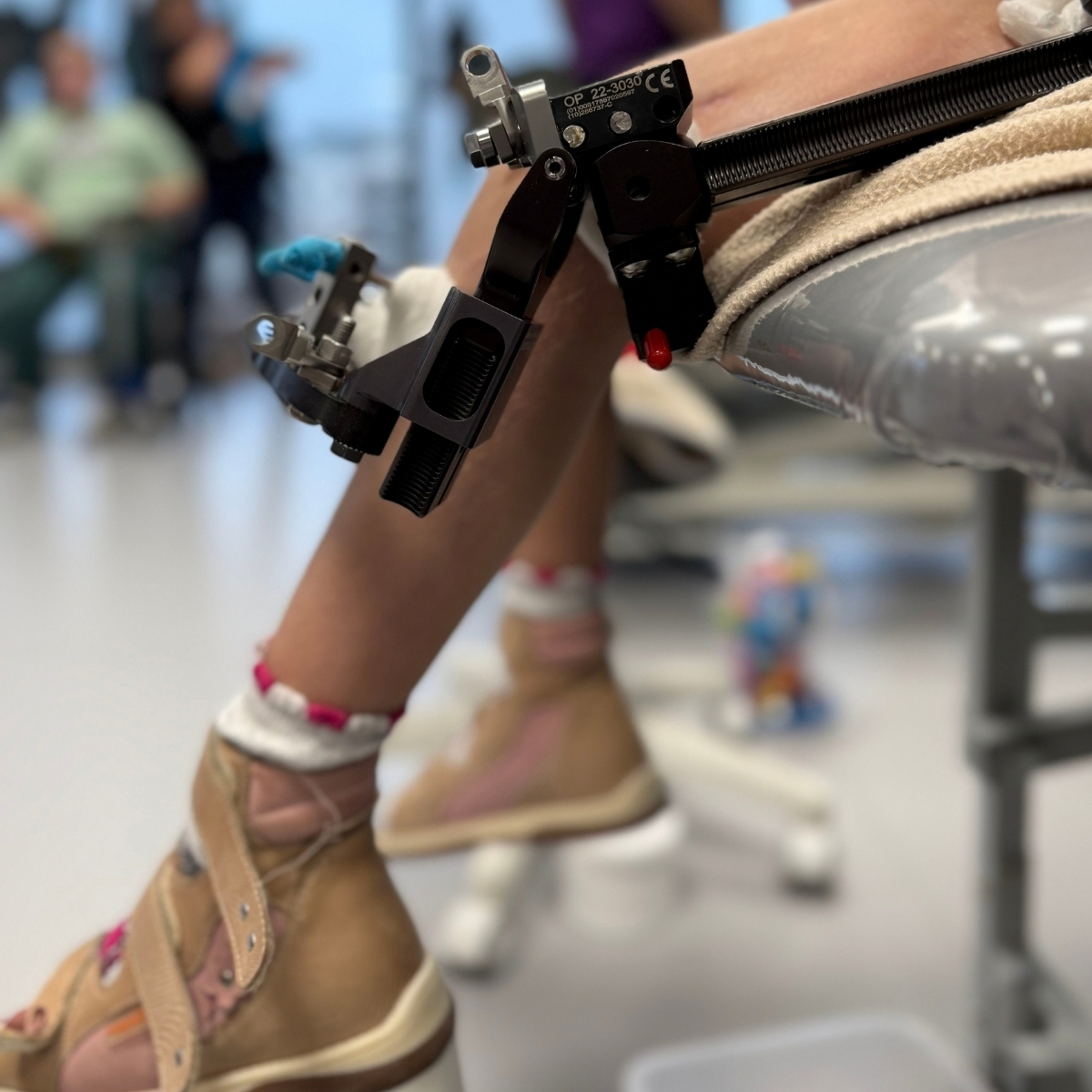
Concurrent physical therapy: Daily therapeutic work throughout the entire duration of the lengthening process.
Rehabilitation and Long-Term Care
Goal: To restore the patient's full physical function and independence.
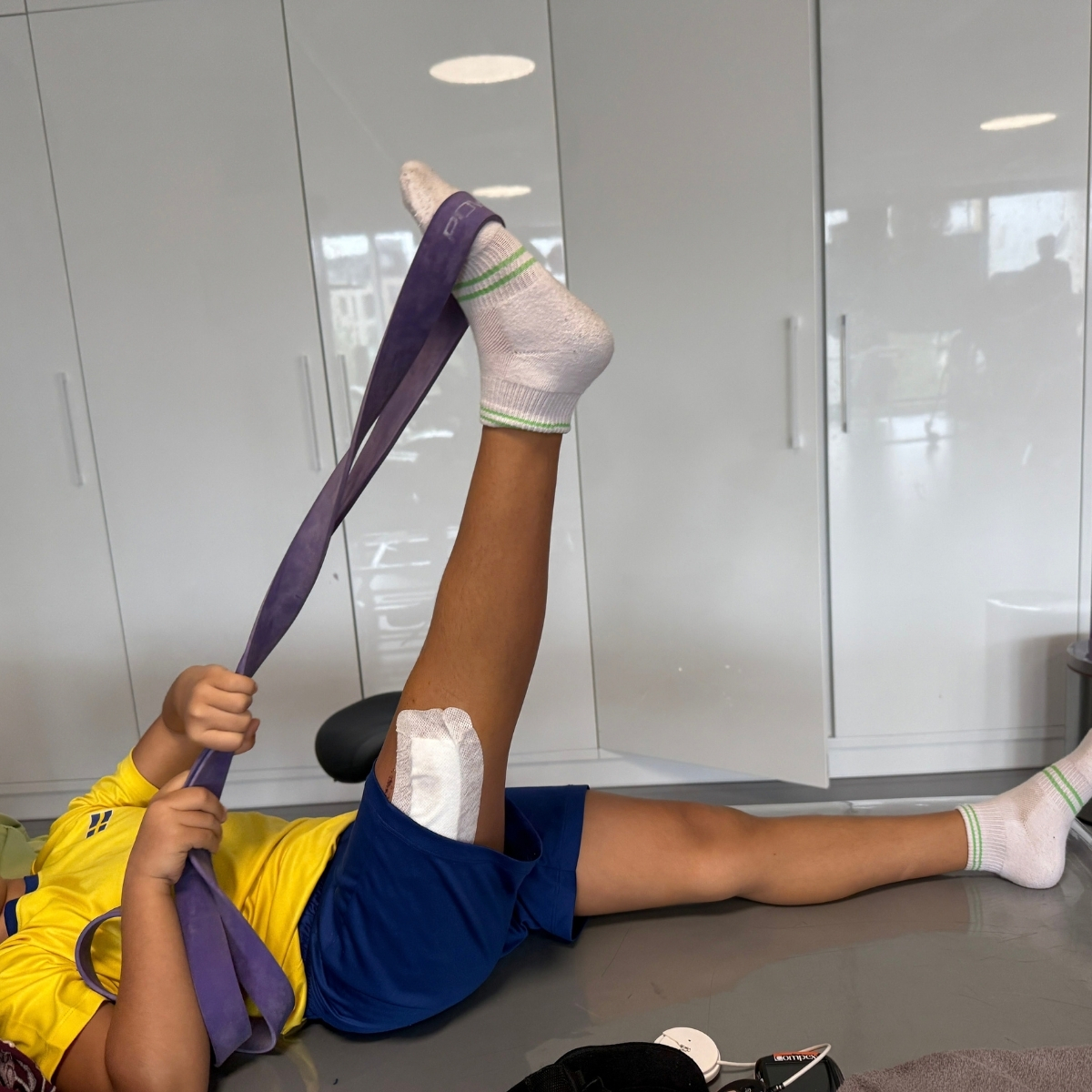
Physical Therapy: A personalized exercise program designed to restore range of motion and muscle strength.
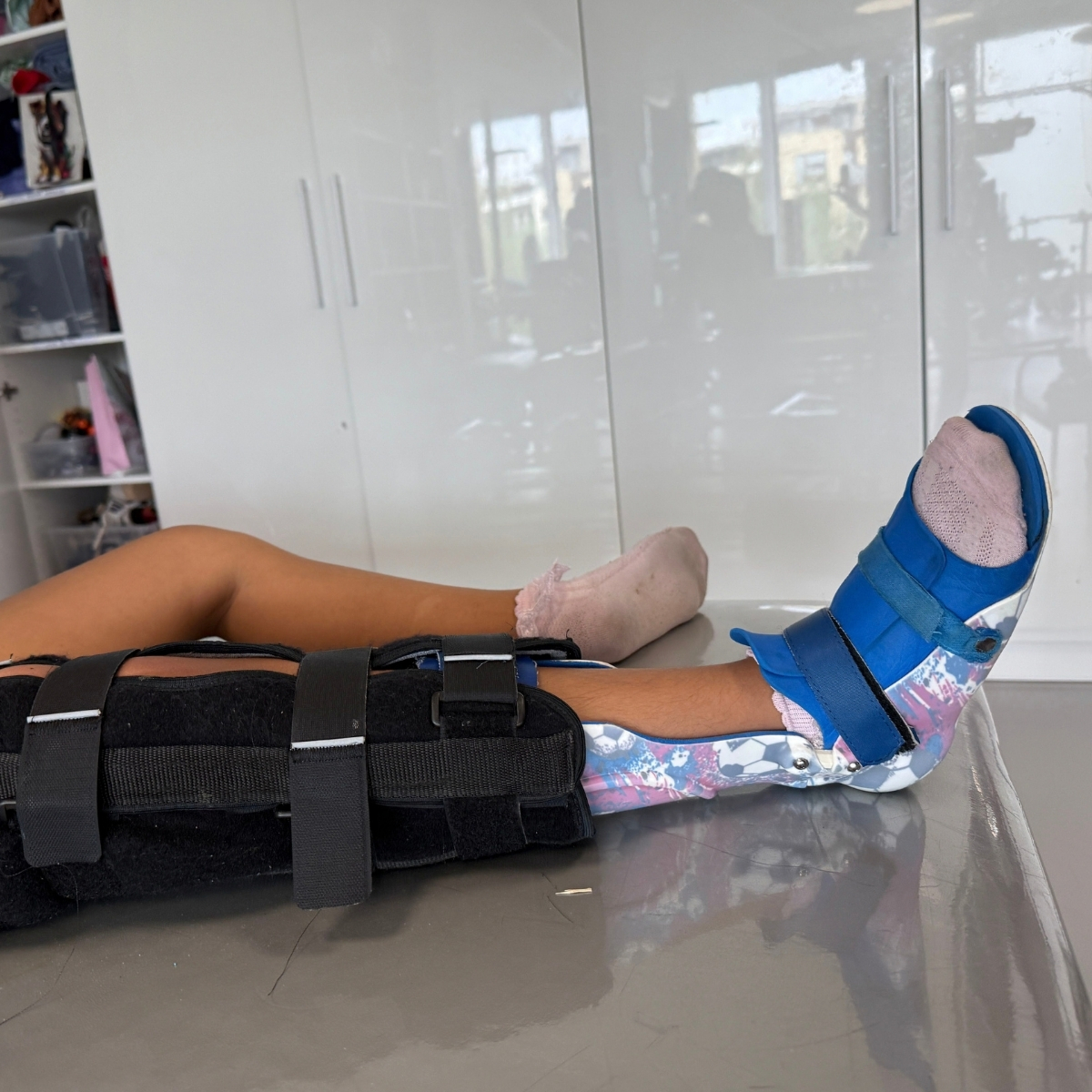
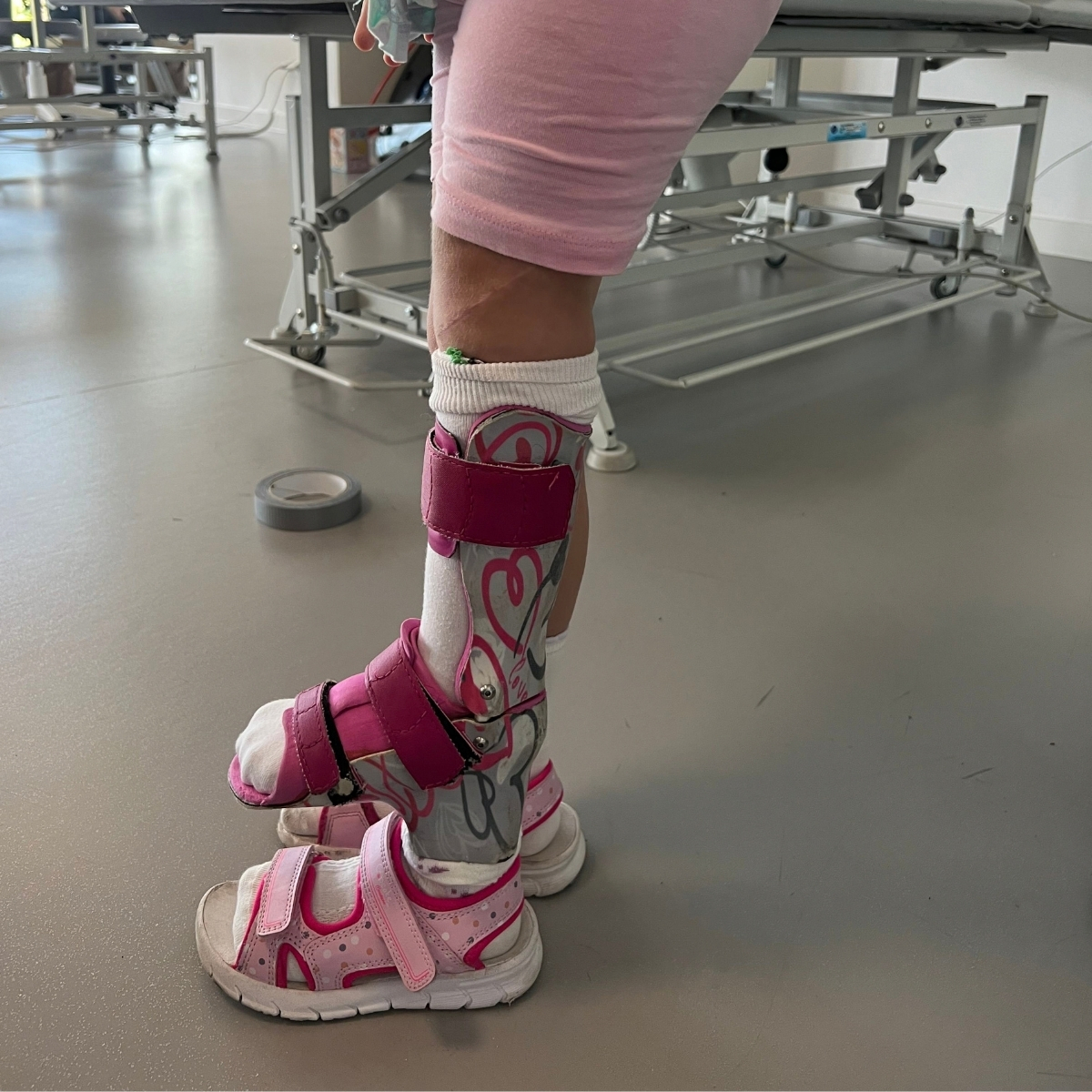
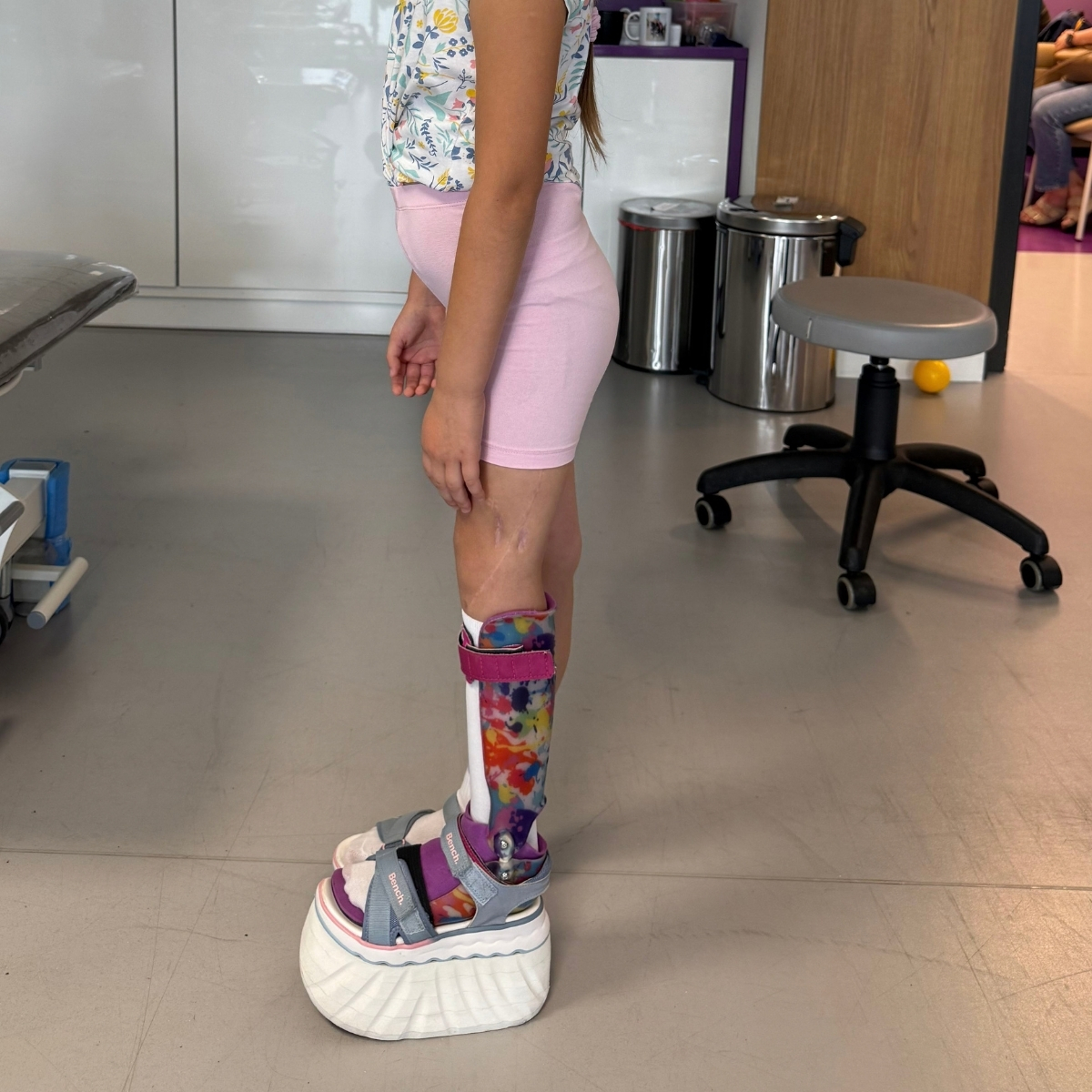
Orthopedic supplies: Selection of insoles, orthoses, or prostheses at various stages of treatment.
Long-term follow-up: Regular visits to monitor the limb's development as the child grows.
Categories of Congenital Limb Defects
At the Paley European Institute, each condition is treated on a case-by-case basis. We develop a comprehensive, long-term treatment plan for each patient—combining precise diagnostics, surgical treatment, physical therapy, and rehabilitation. We care for pediatric and adult patients from more than 70 countries around the world.
Underdevelopment (hypoplasia): Incomplete development of part or all of a limb, resulting in reduced size or impaired function.
Aplasia: The complete absence of development of a specific part of the body, such as a bone or a segment of a limb.
Axial deformities: Abnormal alignment of the limb's components relative to one another, disrupting the mechanics of movement.
Polydactyly: The presence of extra fingers or other structures on a limb.
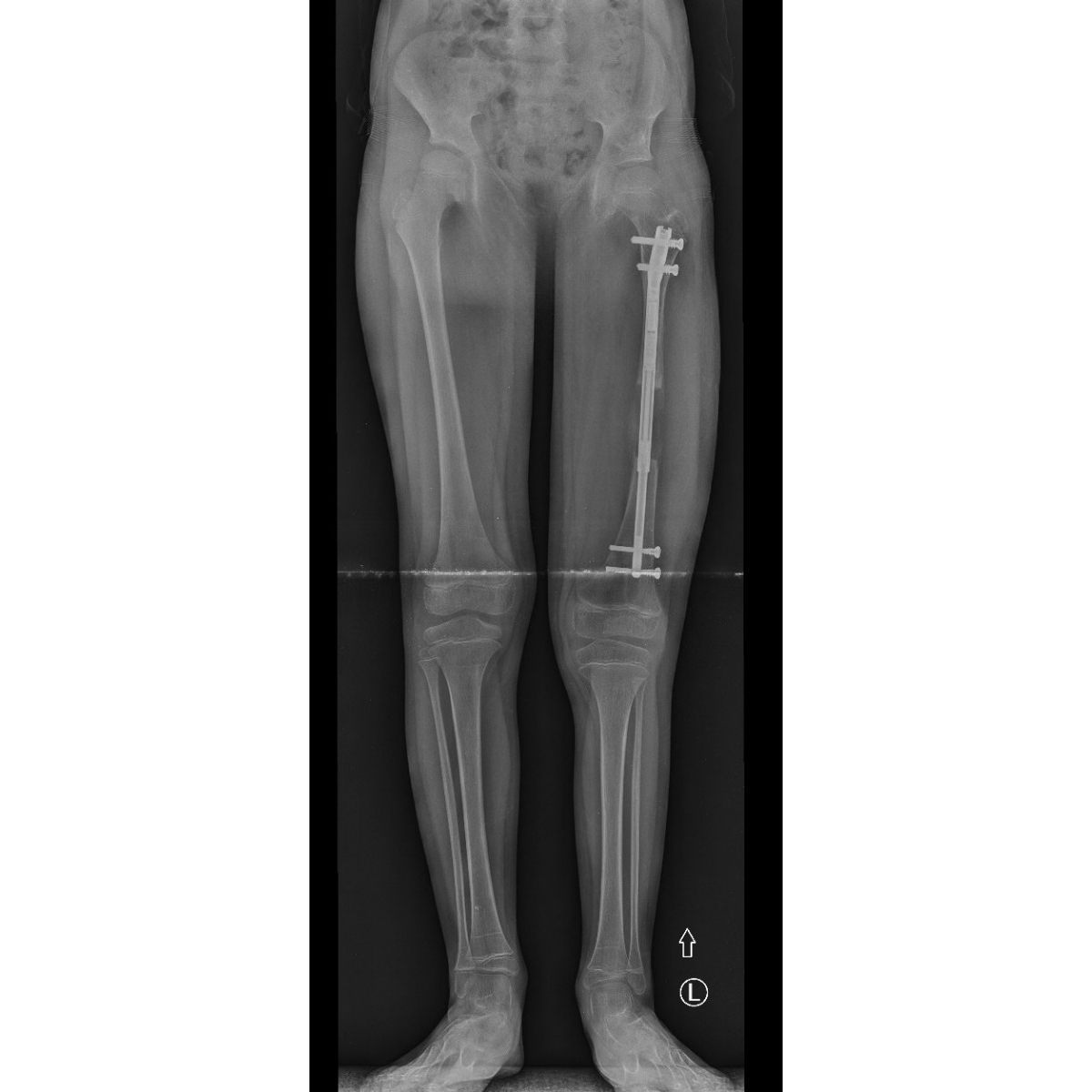
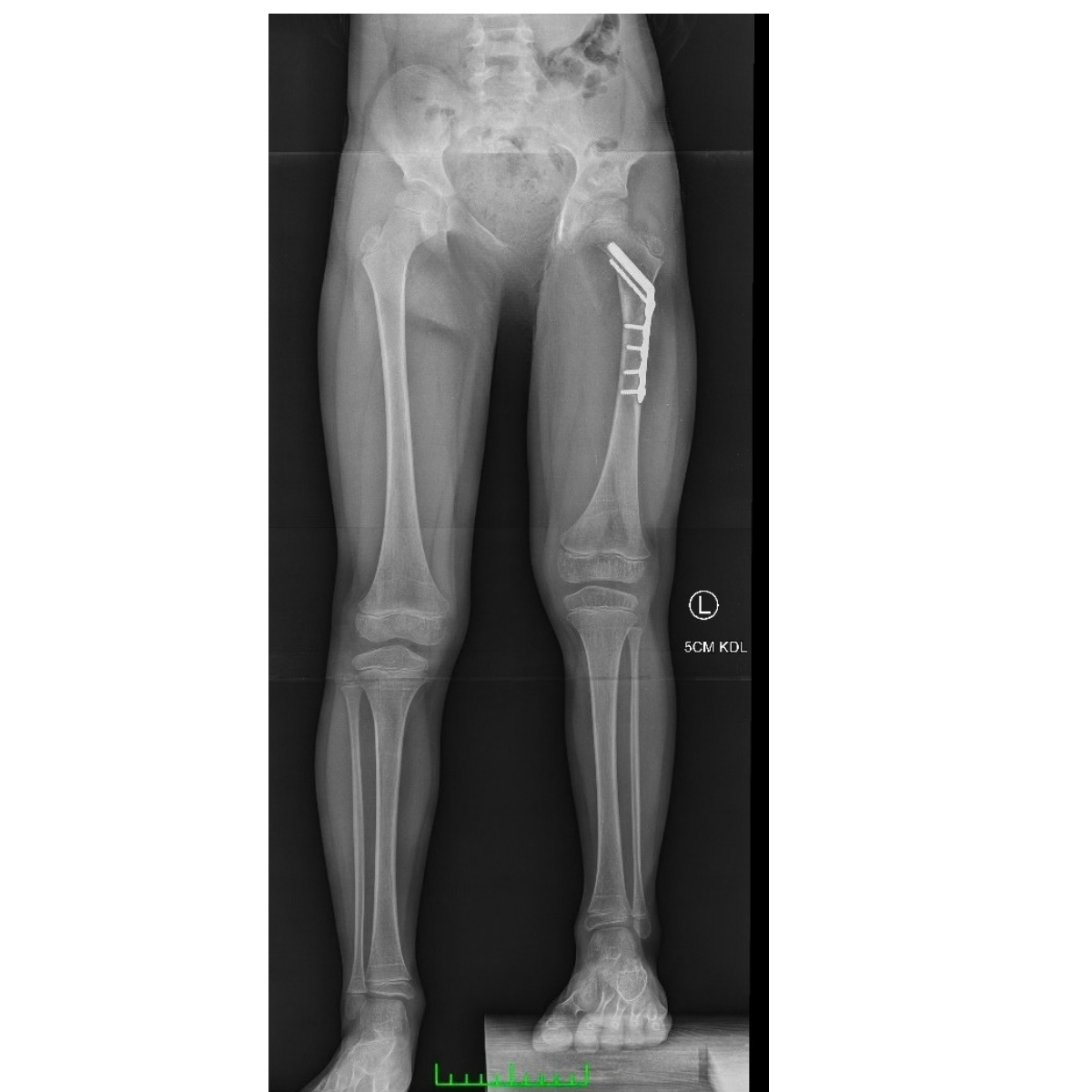
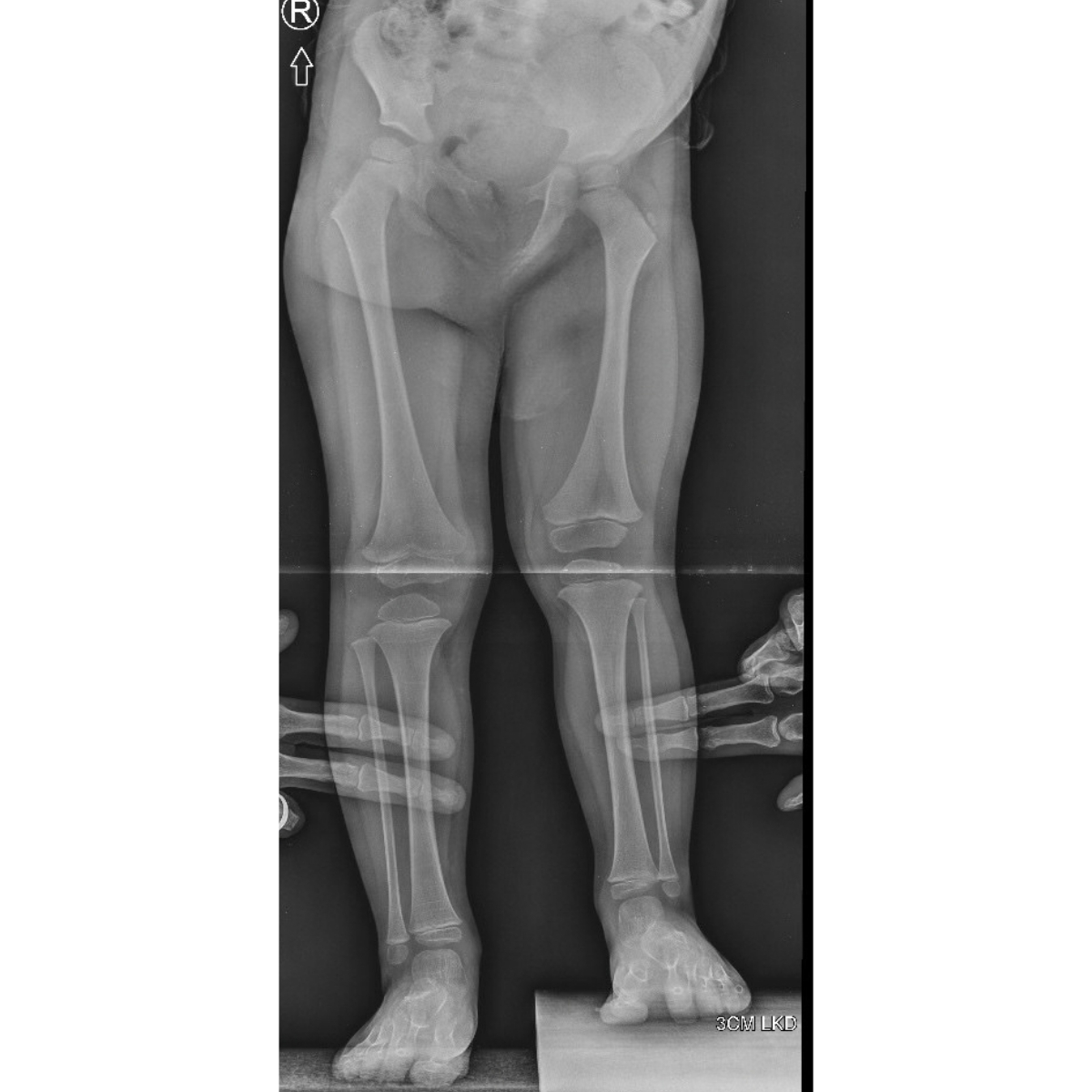
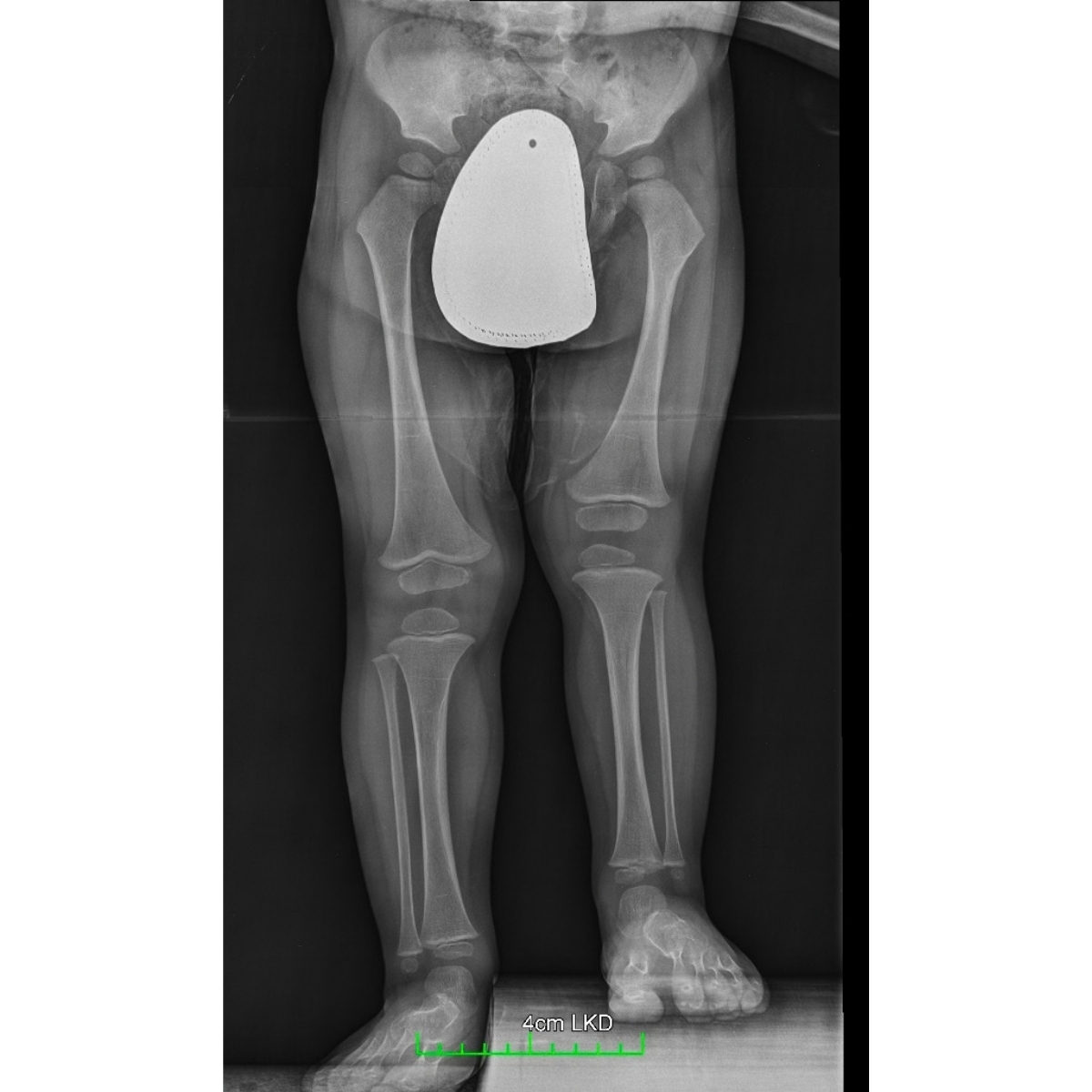
Congenital Femoral Deficiency (CFD / PFFD)
What is congenital femoral deficiency?
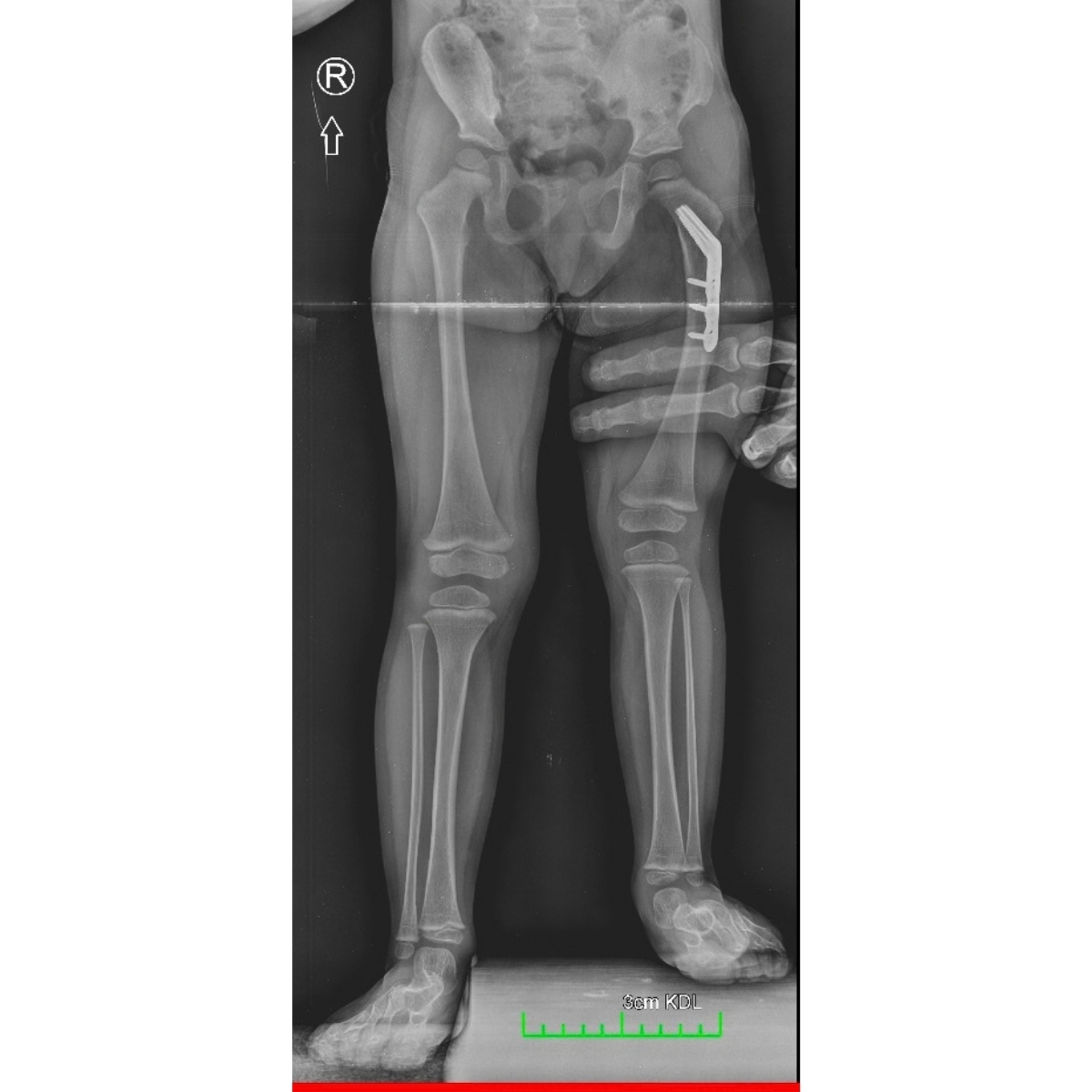
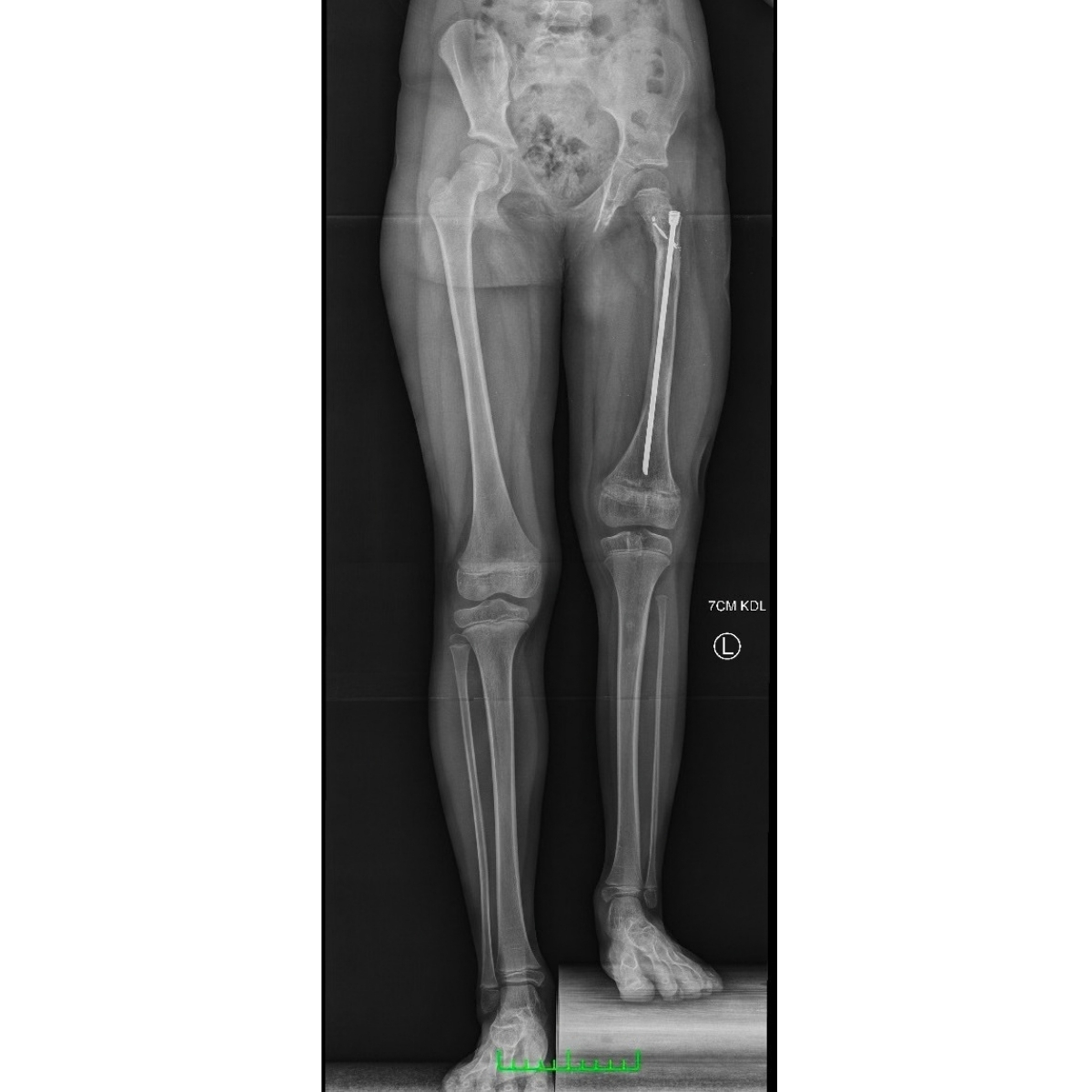
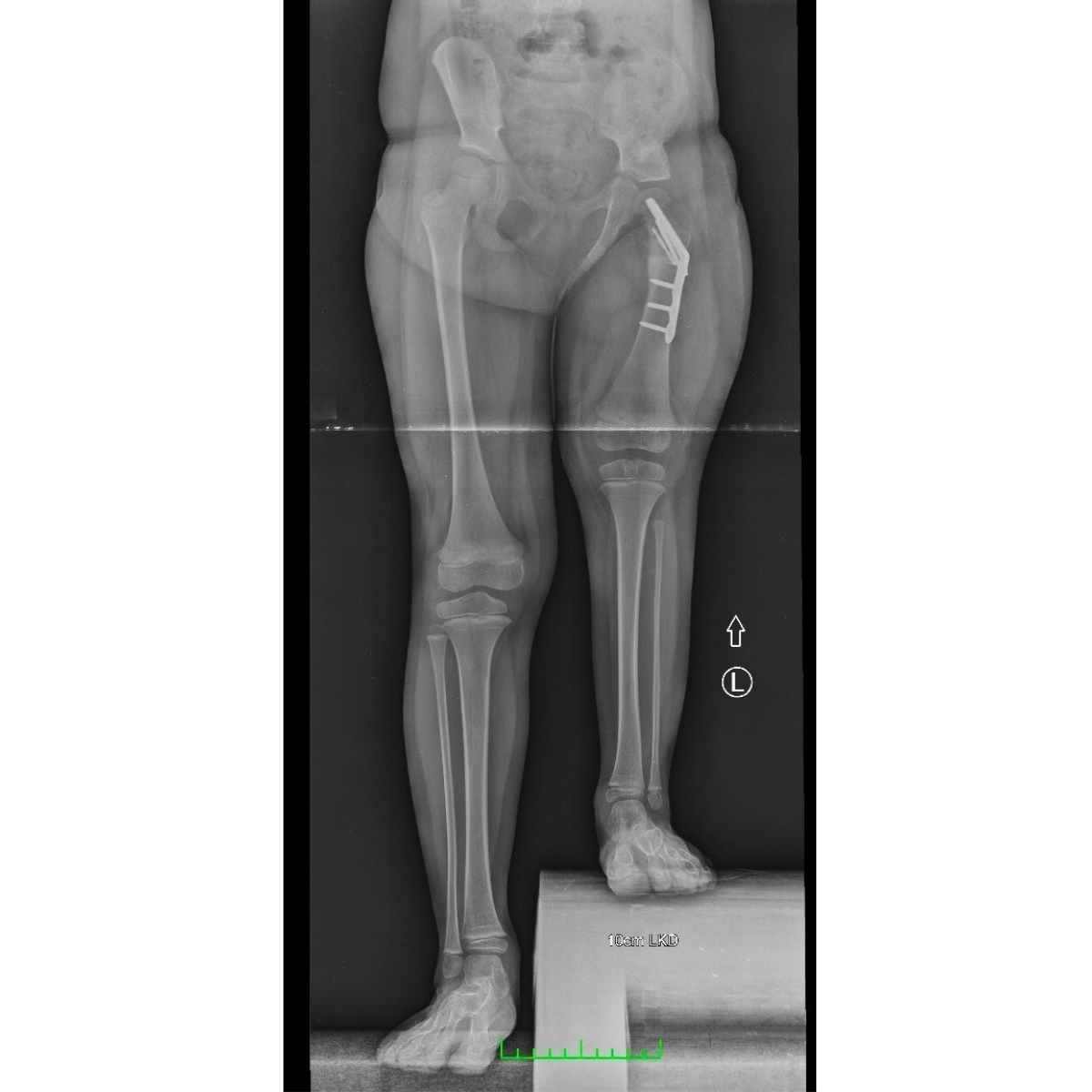
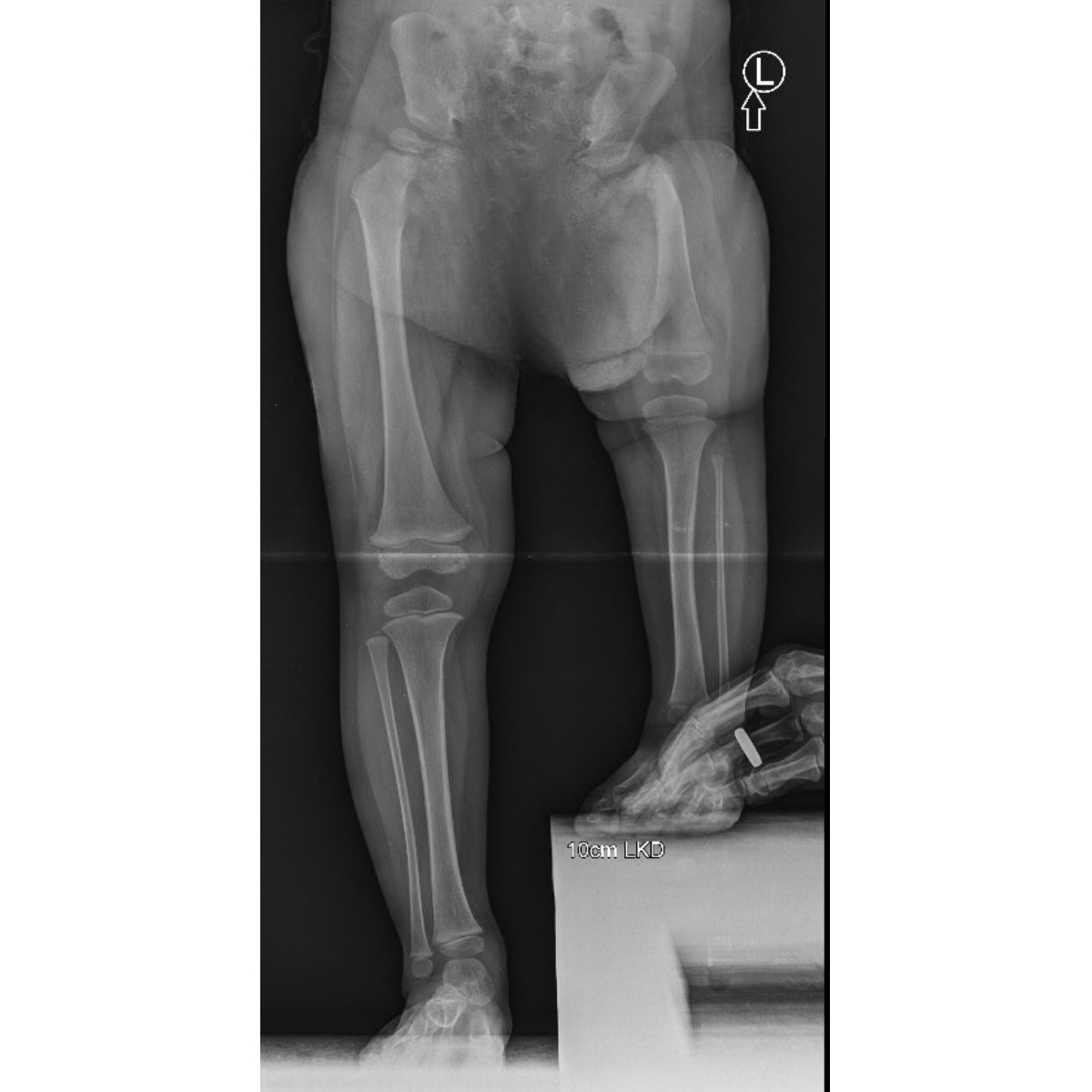
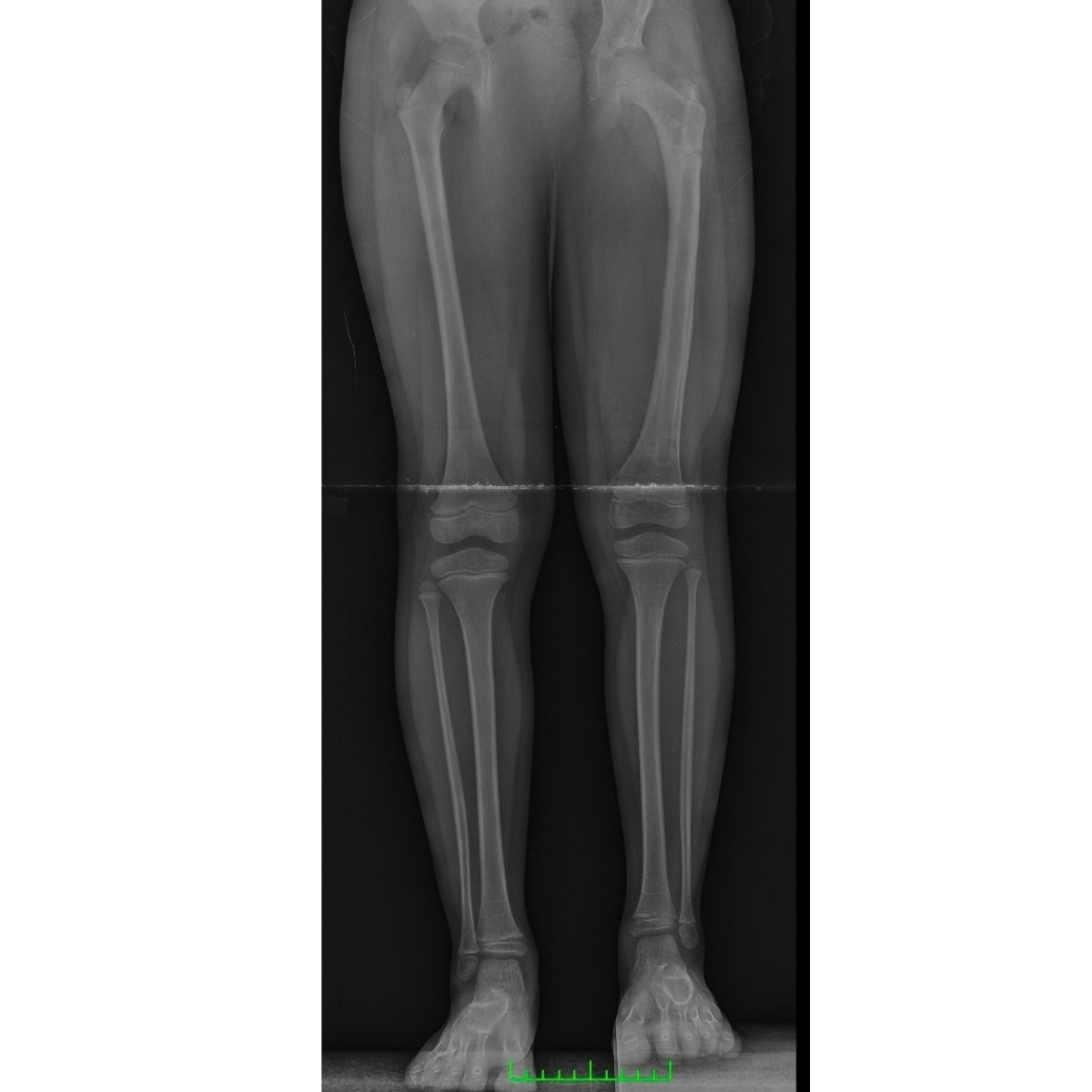
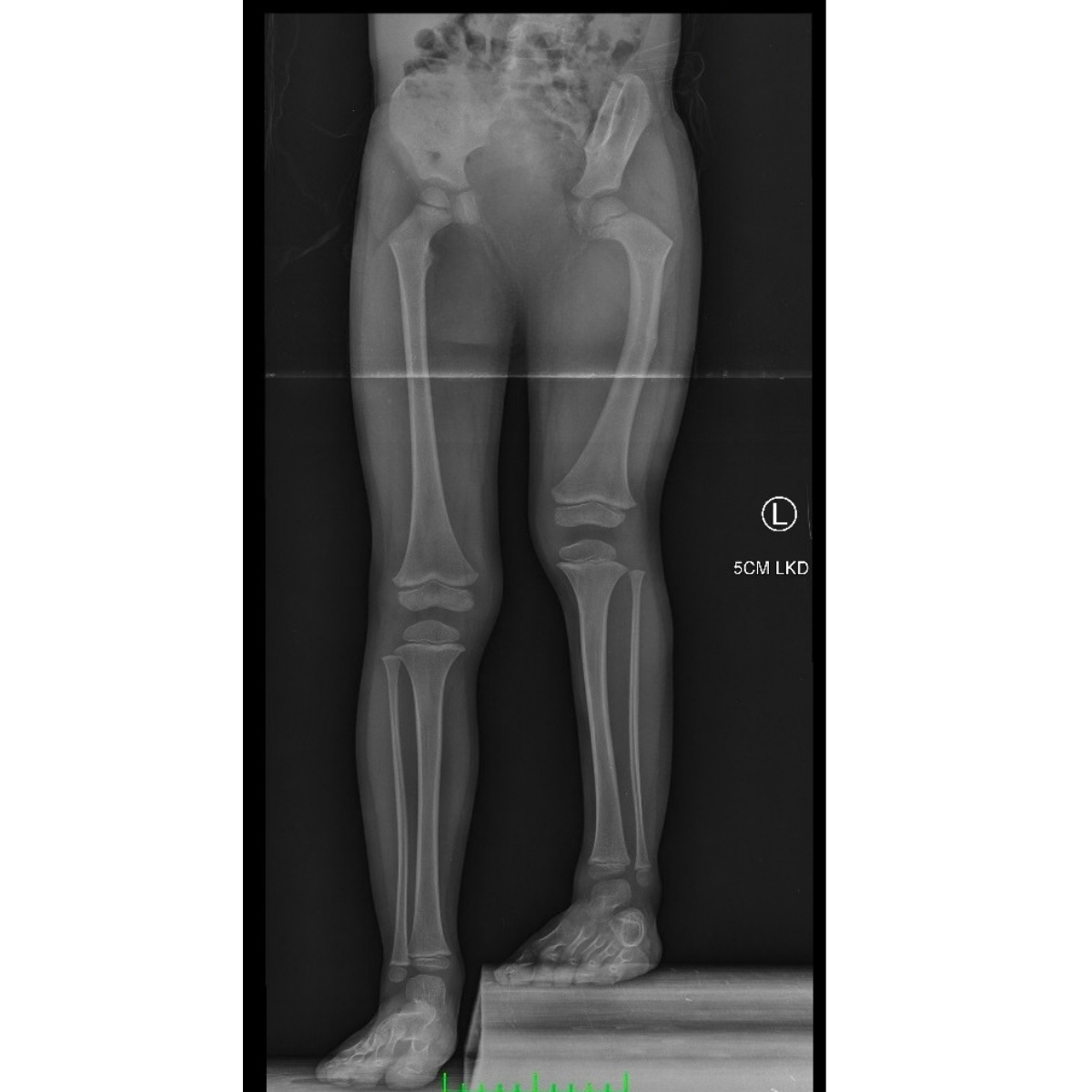
Congenital femoral deficiency (CFD, formerly known as proximal femoral focal deficiency—PFFD) is a rare congenital disorder in which the femur is shortened and deformed, accompanied by instability of the hip and knee joints, limb deformity, and limited mobility. The condition occurs at a rate of approximately 1 in 40,000 births. It is usually unilateral, although it can affect both limbs. It is more commonly diagnosed in girls.
As a result of this defect, the affected child’s limb does not grow properly—the difference in limb length increases with age, which, if left untreated, leads to severe gait abnormalities and disability.
Symptoms: Congenital femoral hypoplasia can be diagnosed in newborns during a medical examination. Symptoms depend on the severity of the condition and include: asymmetry of the skin folds on the thigh, visible shortening of one lower limb, and, in older children, a waddling gait, limited mobility in the hip joint, and pain.
Treatment:Treatment of CFD requires a holistic, individualized approach. The treatment strategy is tailored based on the severity of the condition and includes:
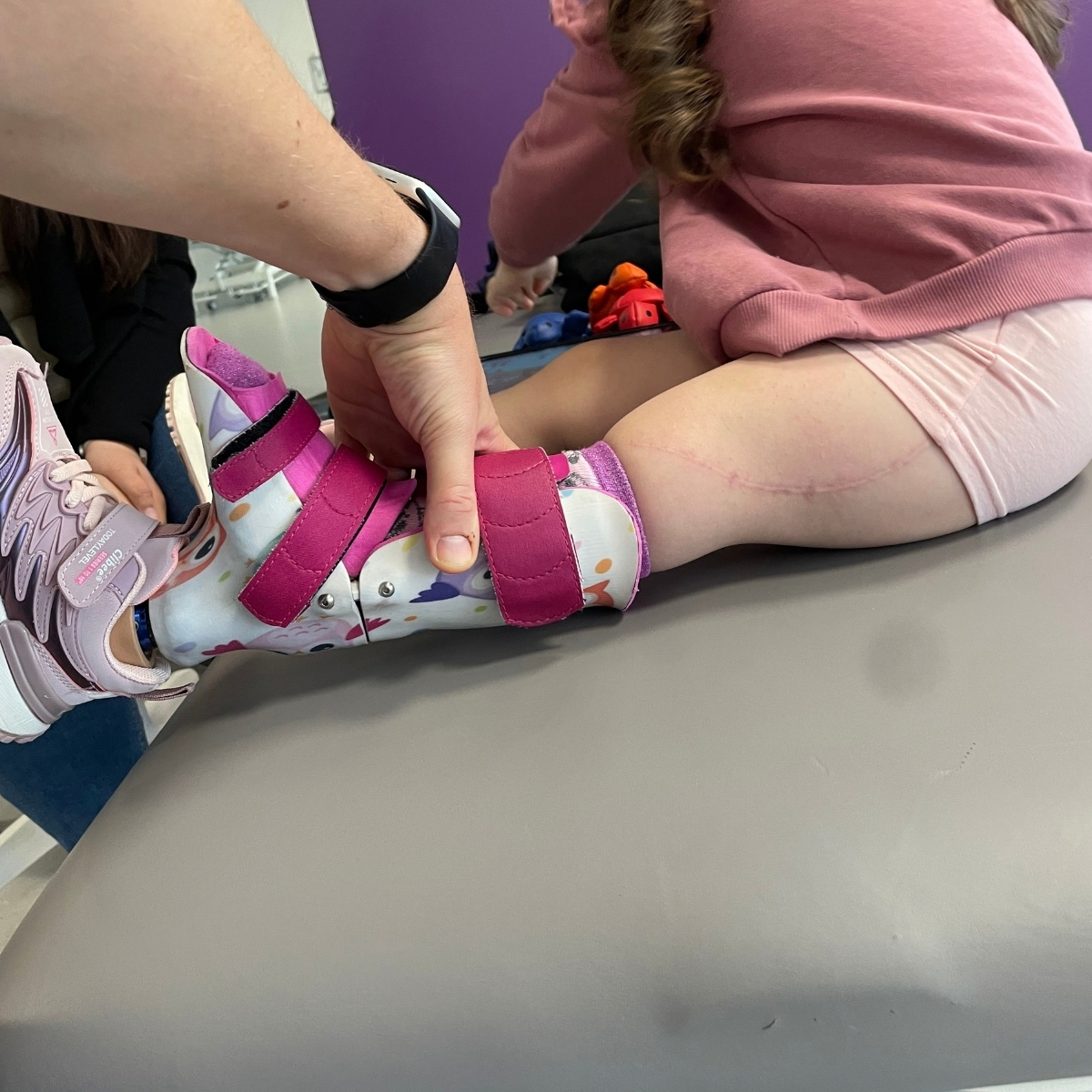
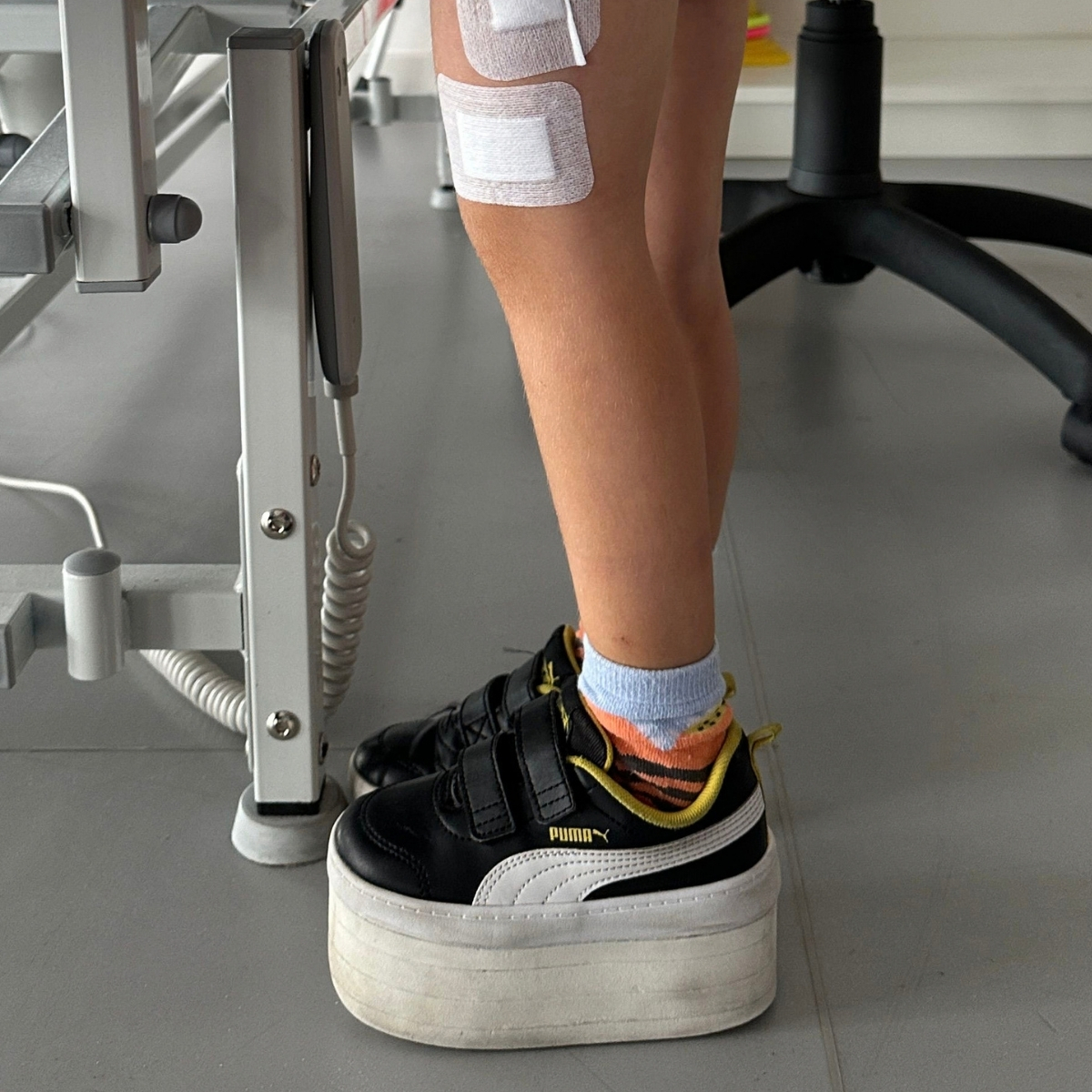
Preoperative management – children with a limb length discrepancy of more than 2 cm should wear equalizing insoles as soon as they begin to walk. For larger discrepancies (more than 5 cm), the use of an AFO is recommended, and for a discrepancy of more than 10 cm, a prosthetic foot integrated with the orthosis.
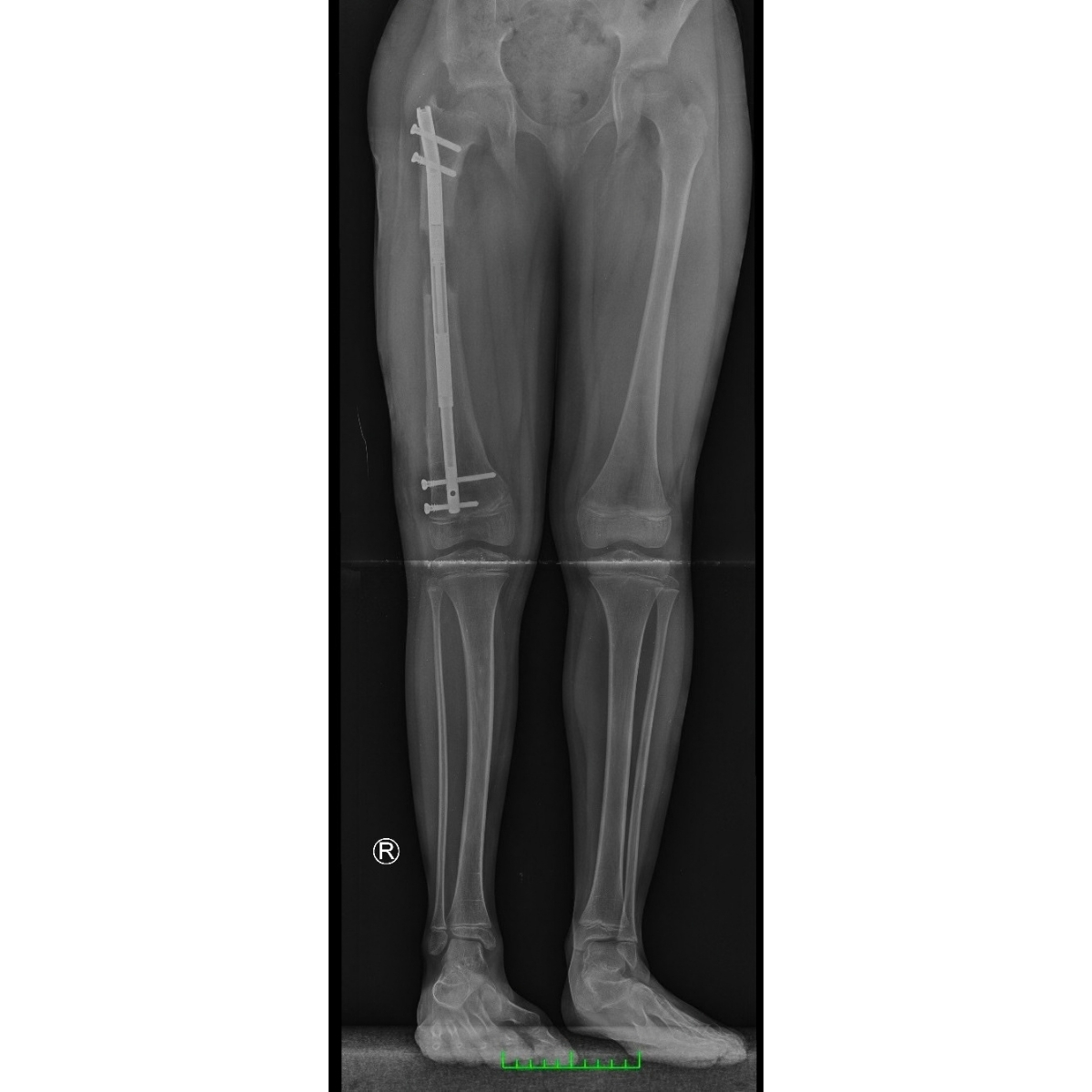
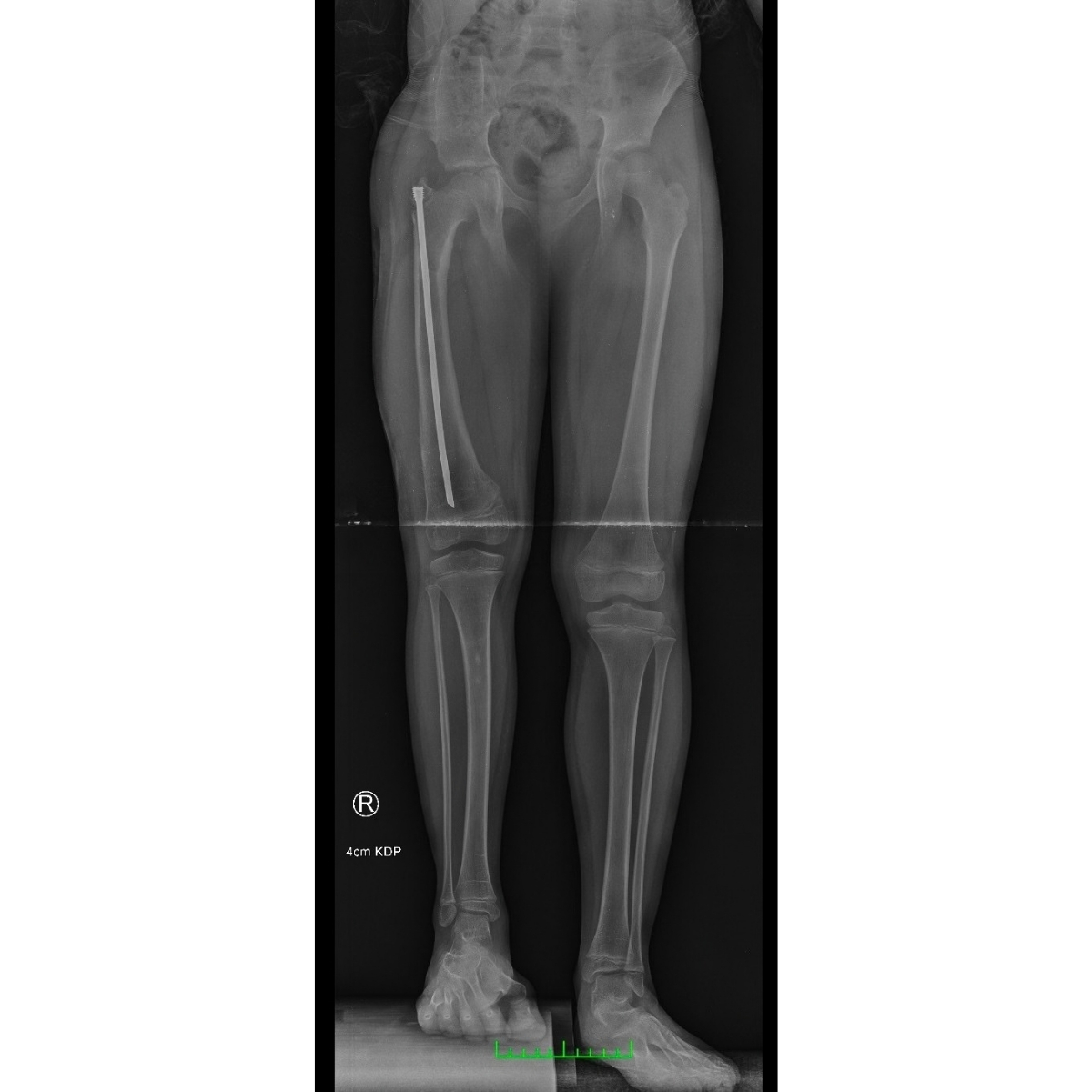
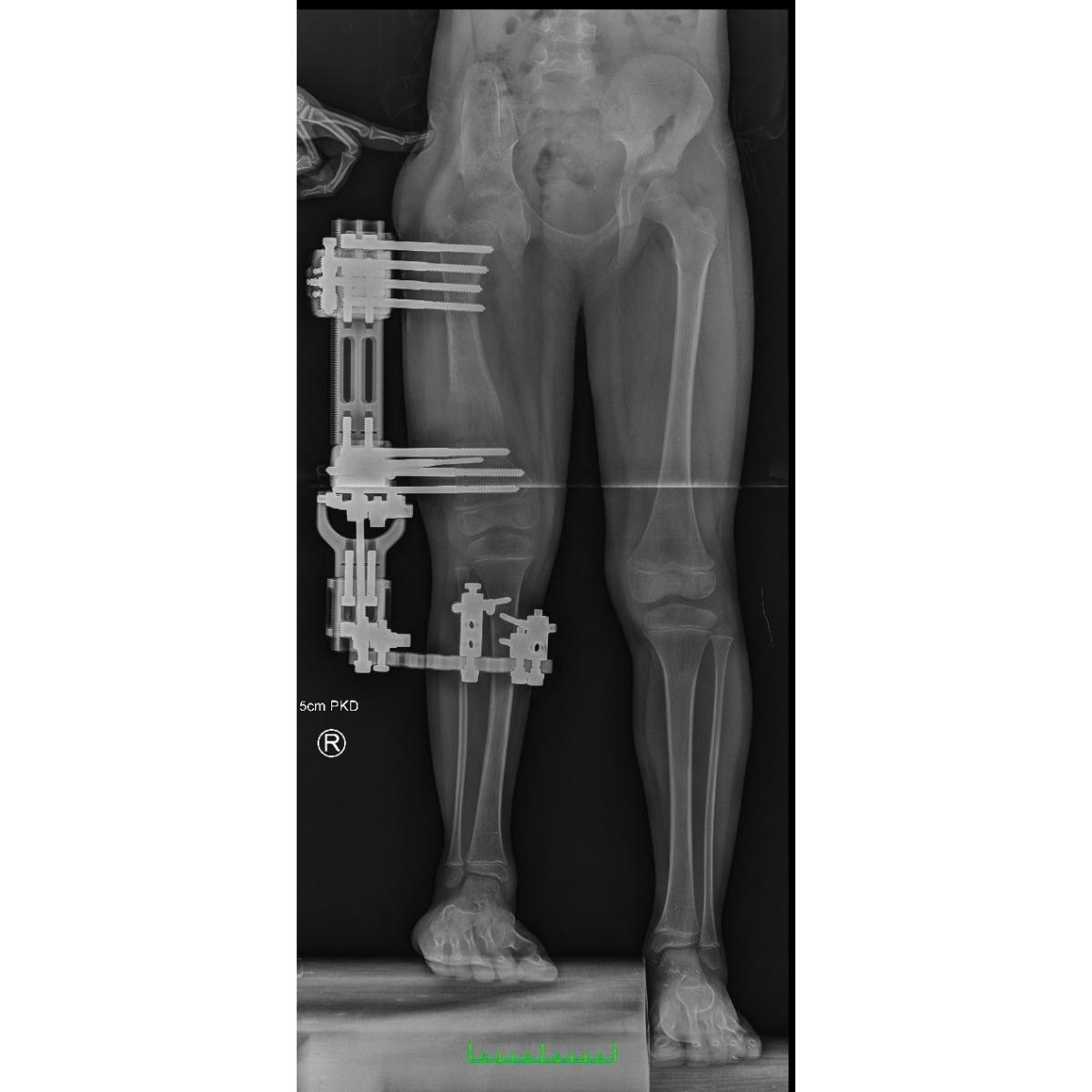
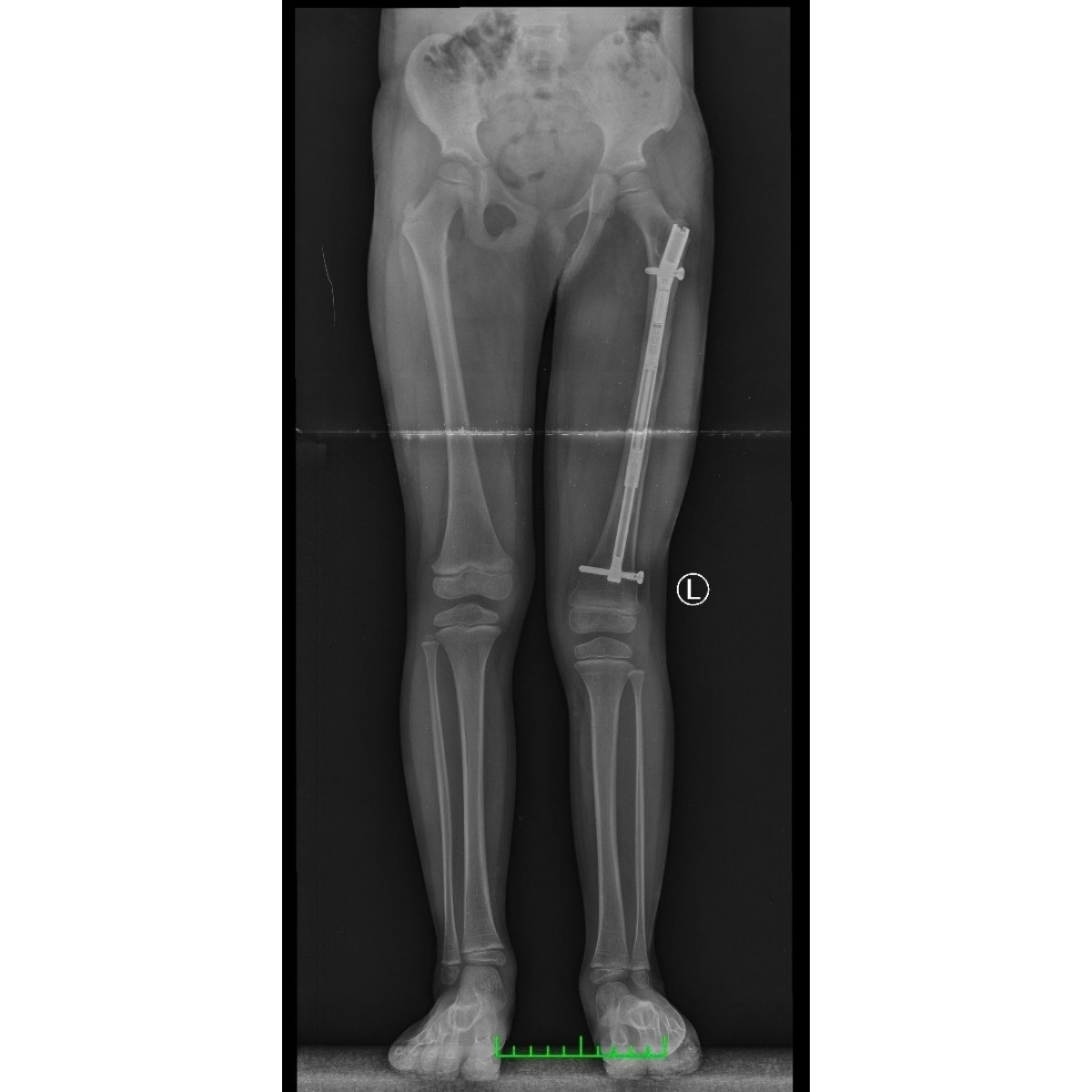
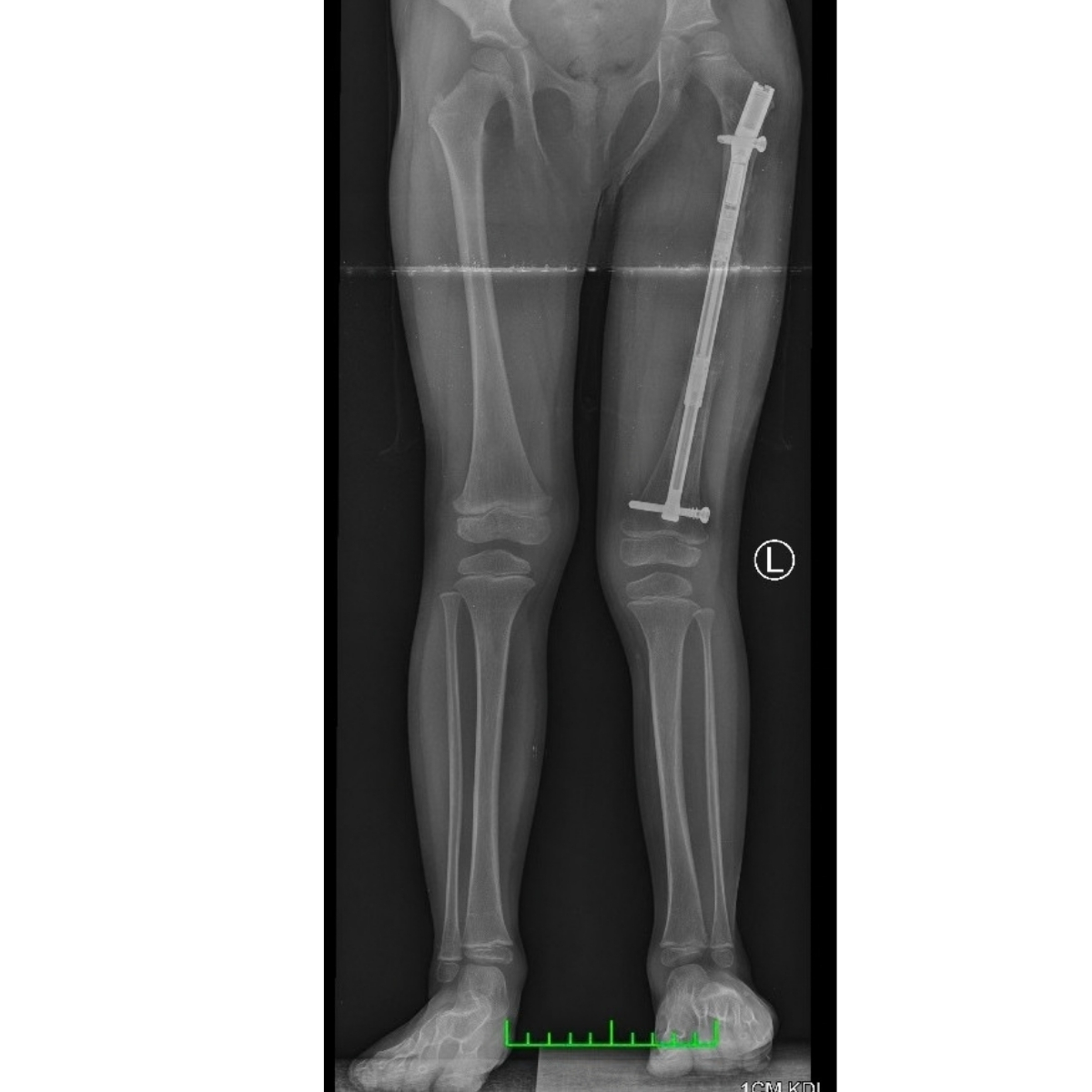
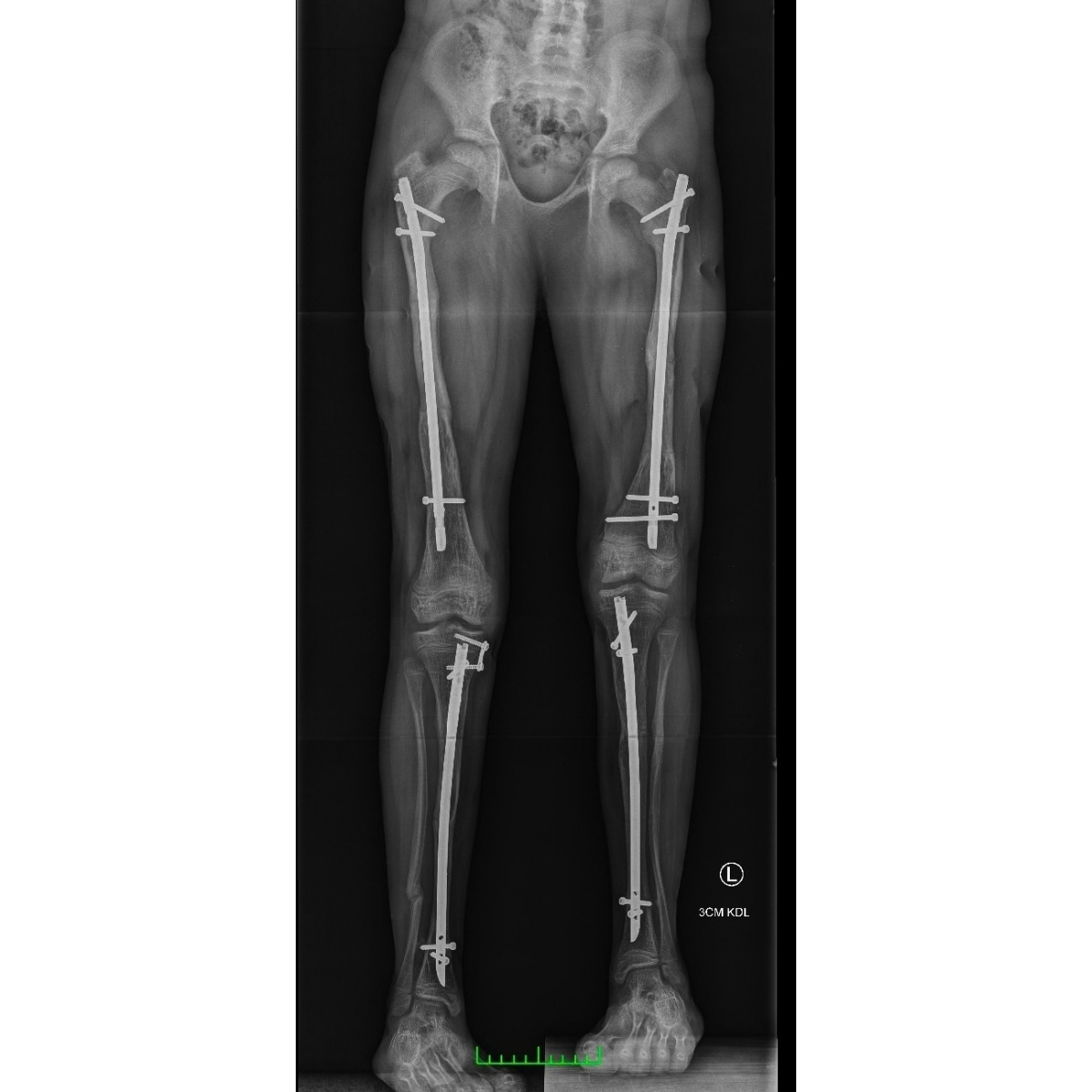
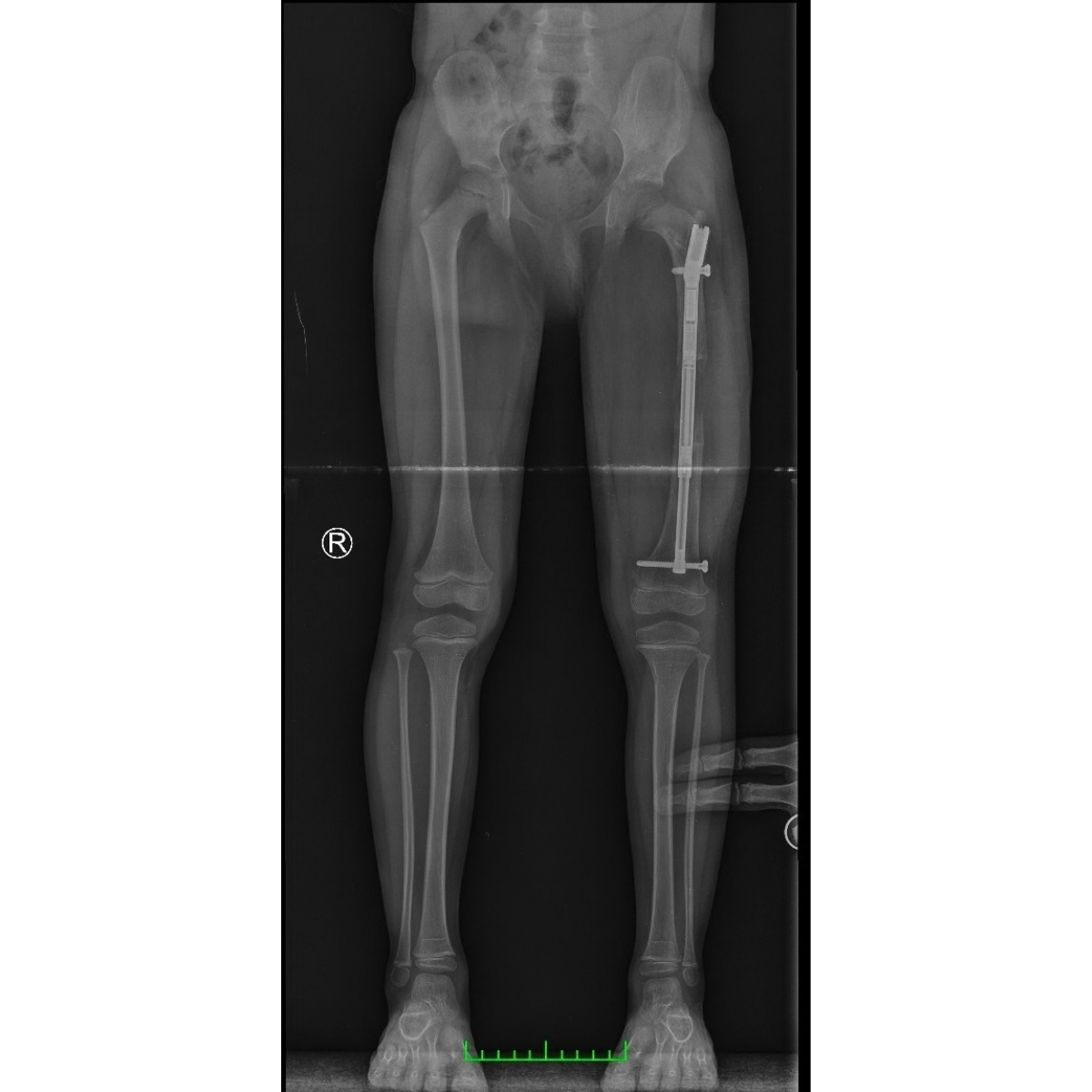
Surgical treatment – in every case, including the most severe ones, the recommended method is surgical correction of the deformity with limb lengthening. We usually perform the first surgery at around 2–3 years of age. At the Paley European Institute, we perform the SUPERhip procedure, a comprehensive hip joint reconstruction, and surgical femur lengthening.
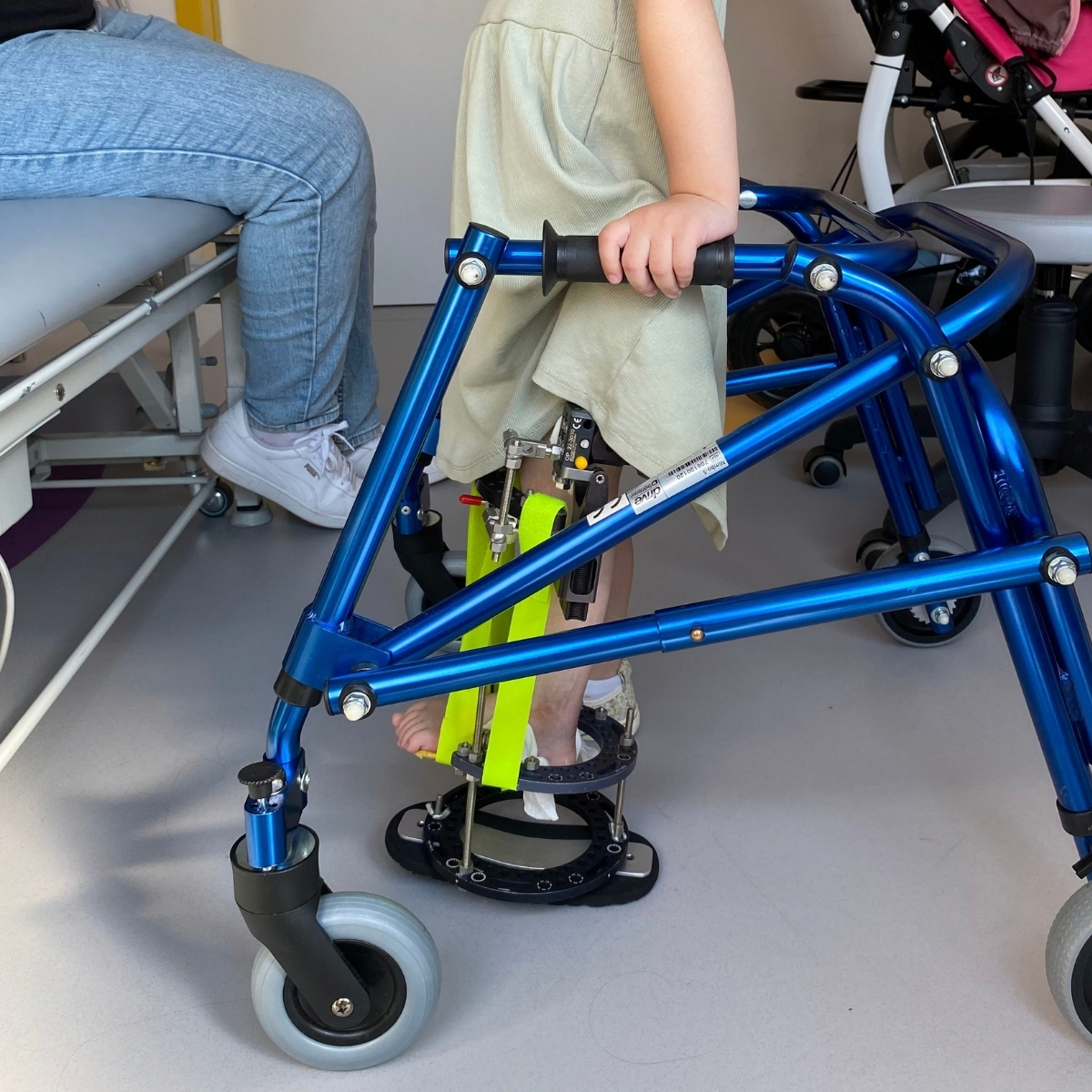
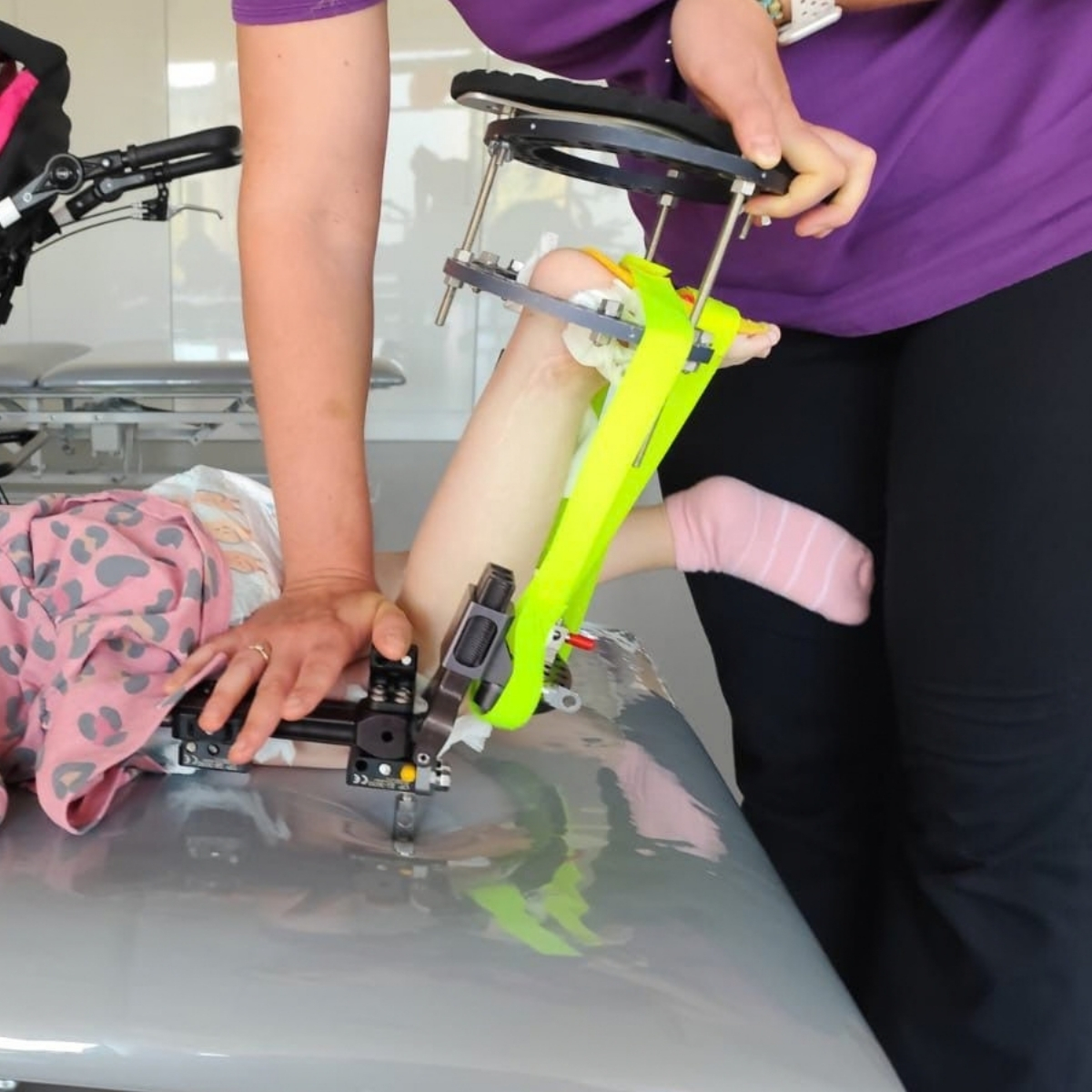
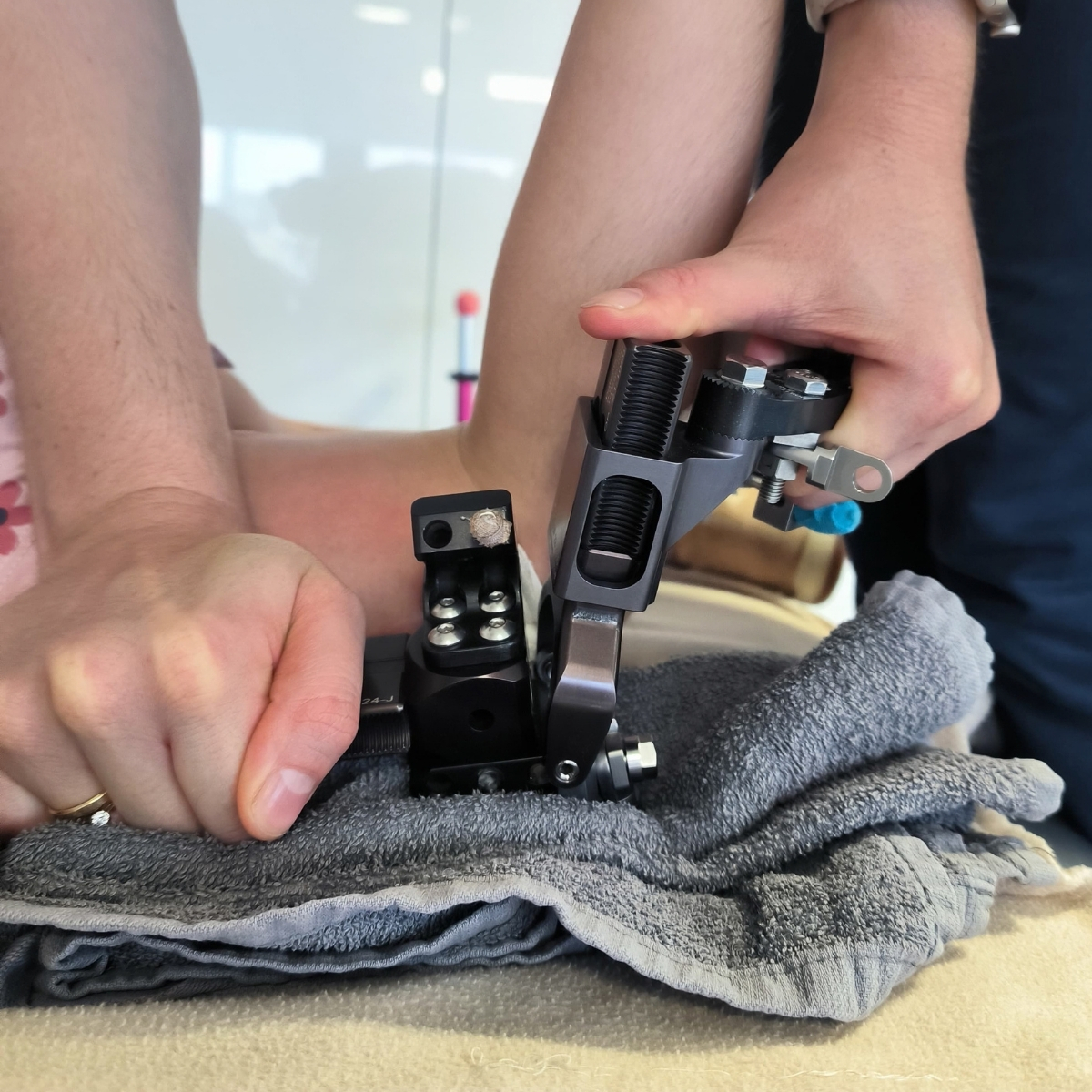
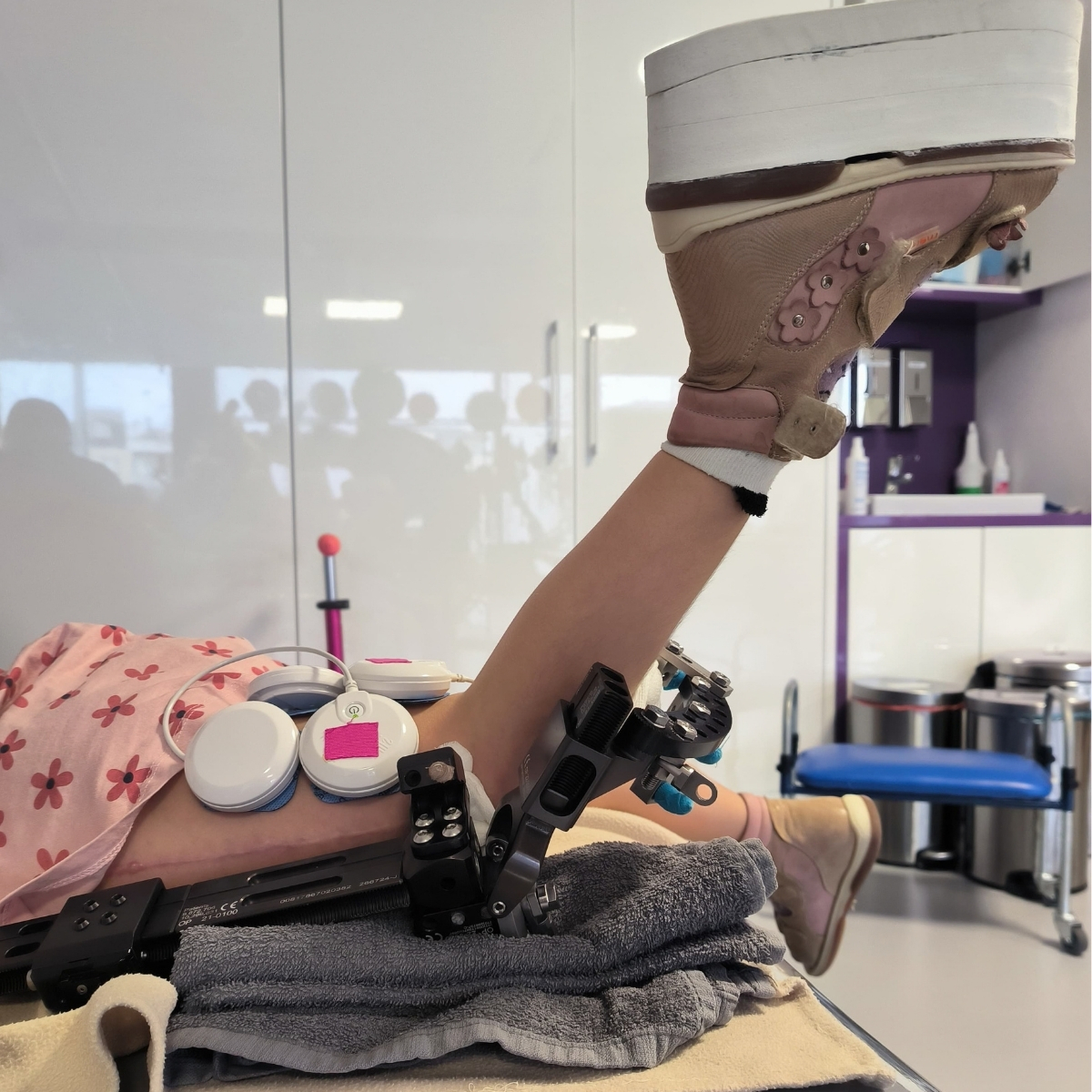
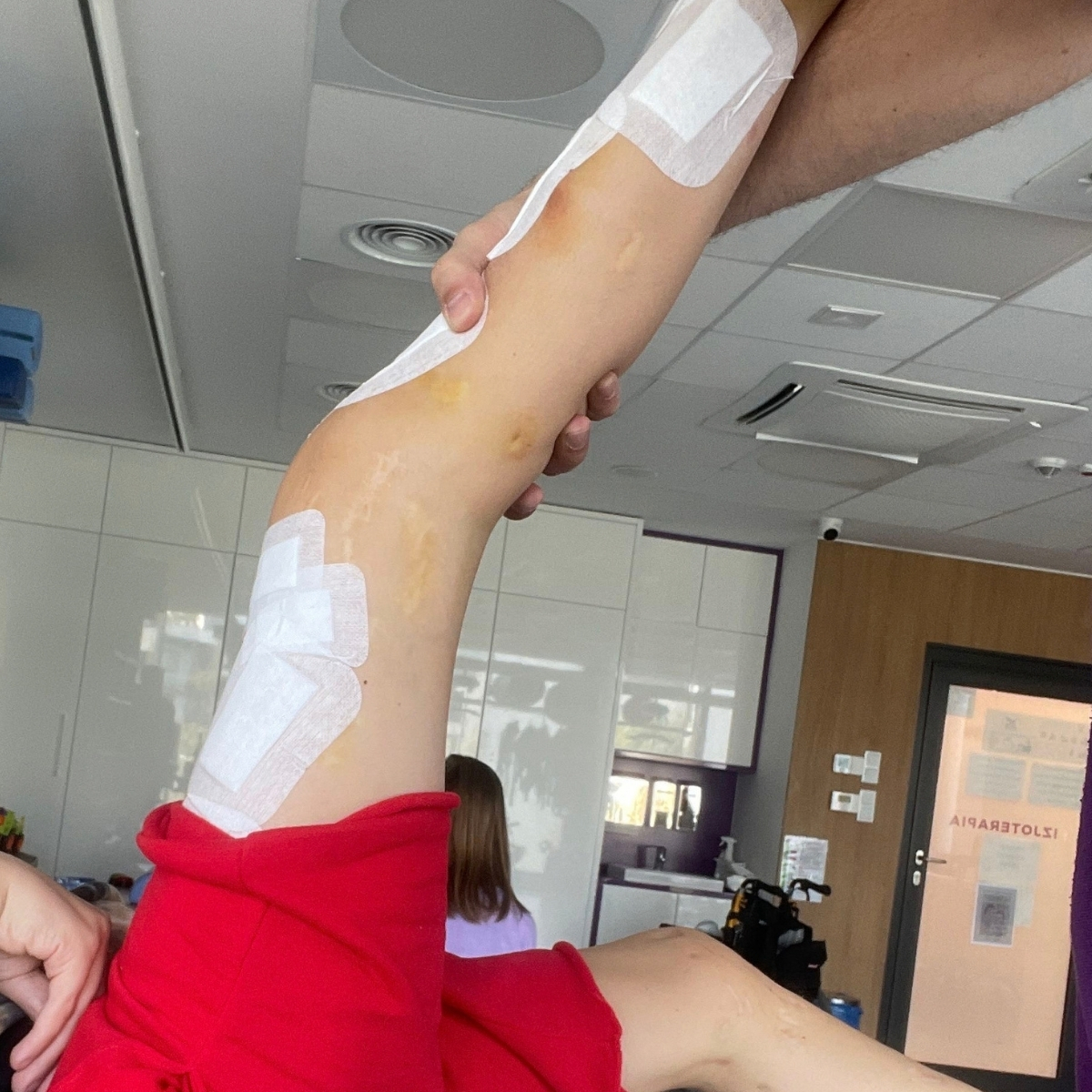
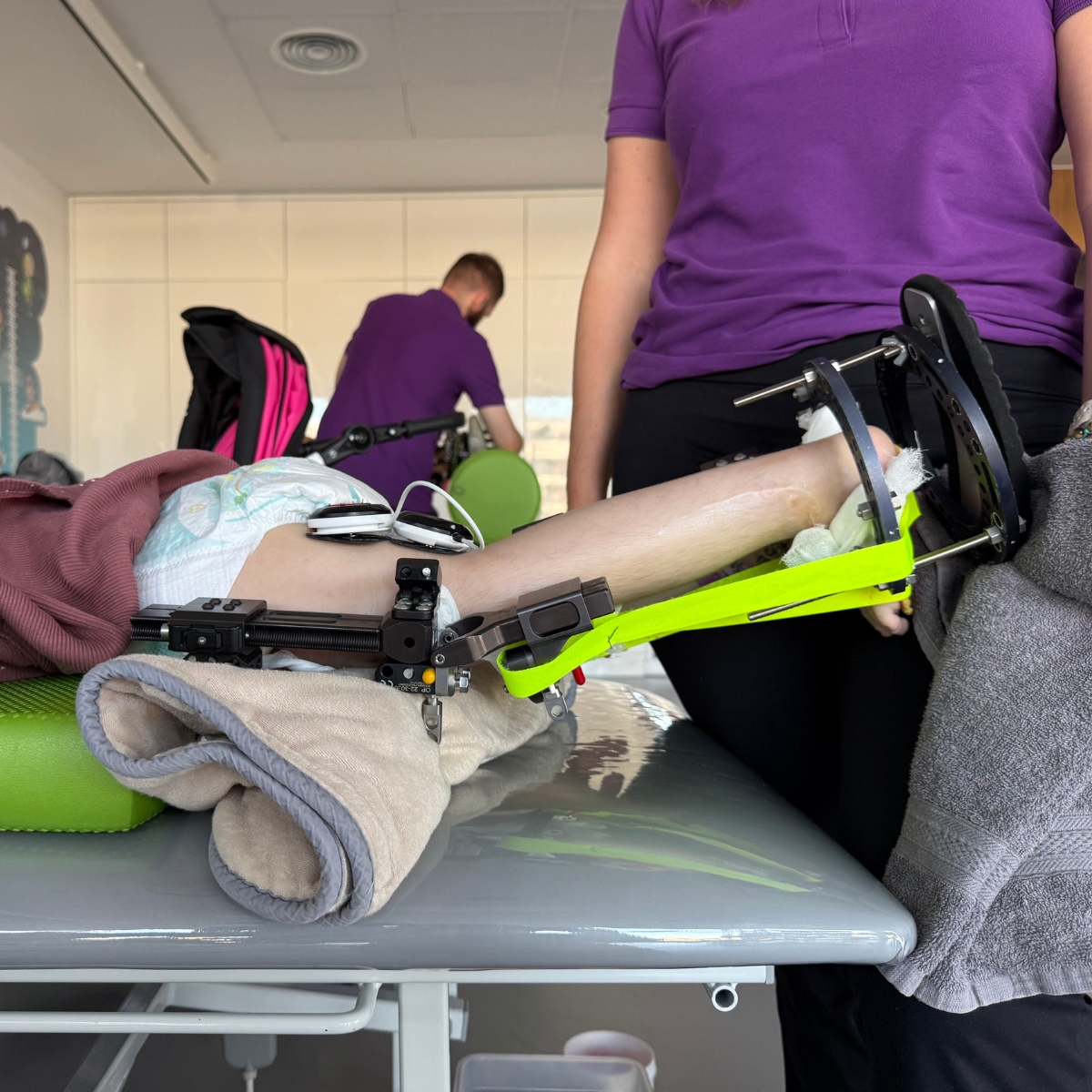
Limb lengthening —is achieved by gradually stretching the ends of the bones (approximately 1 mm per day), which stimulates natural bone regeneration and lengthens the limb by the desired amount. The process is divided into the distraction and consolidation phases.
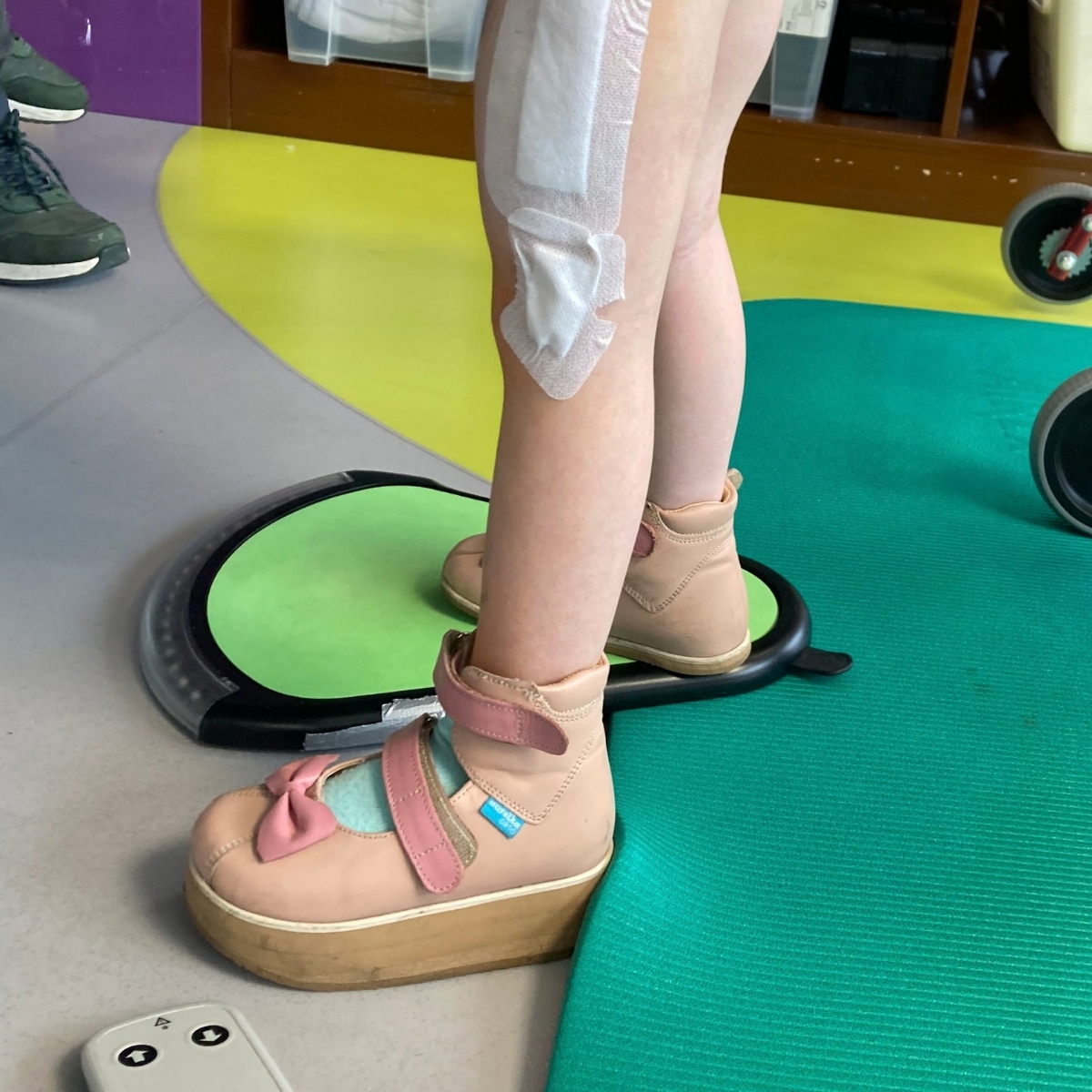
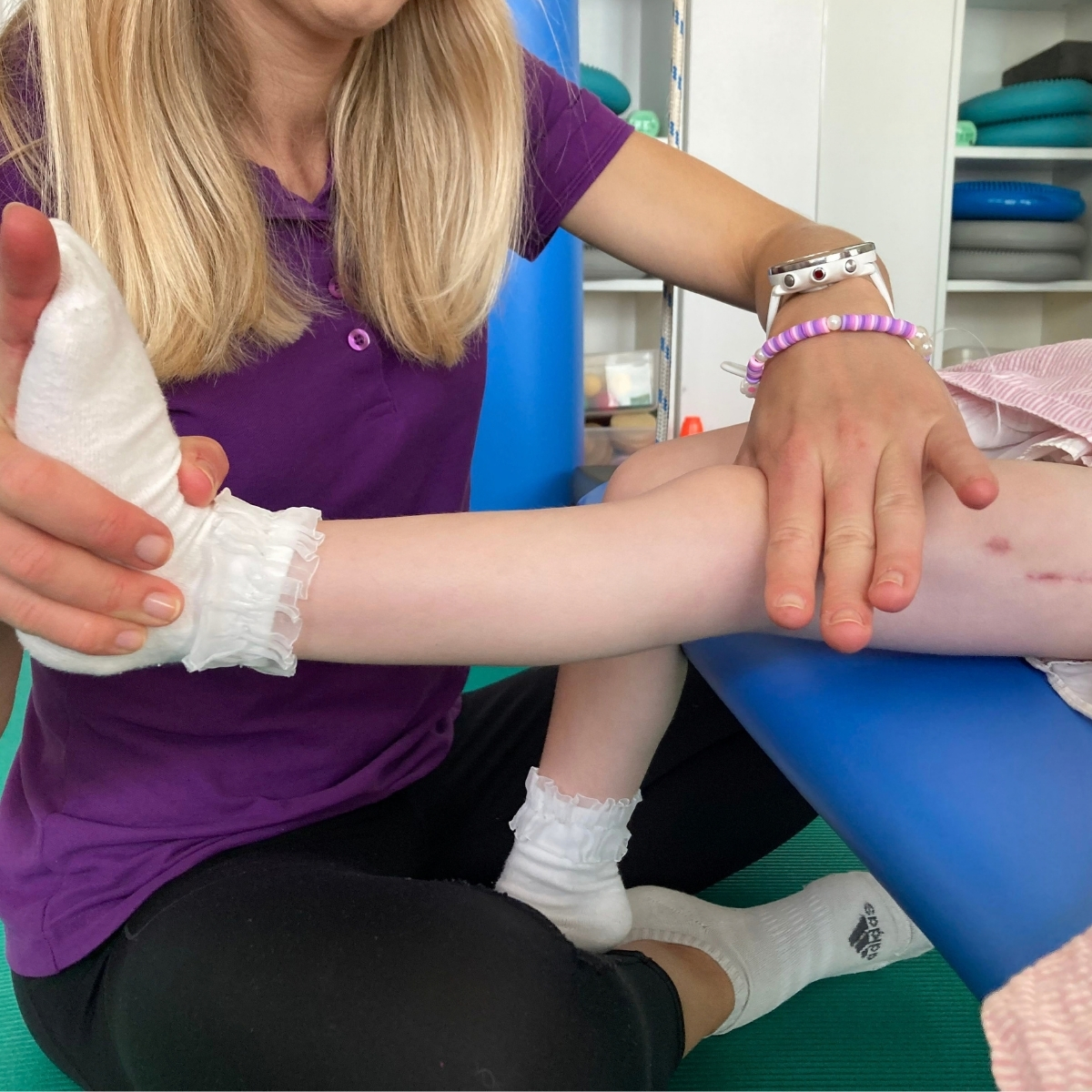
Physical Therapy – Post-surgery rehabilitation is essential. During the lengthening procedure, the muscles become progressively tighter, which limits the range of motion—that is why daily, systematic therapeutic work is so important. Our physical therapists guide the patient through every stage of this process.
Proper treatment can effectively reduce limb length discrepancy and ensure the patient’s quality of life and independence.
Fibular Hemimelia (FH)
What is fibular hemimelia?
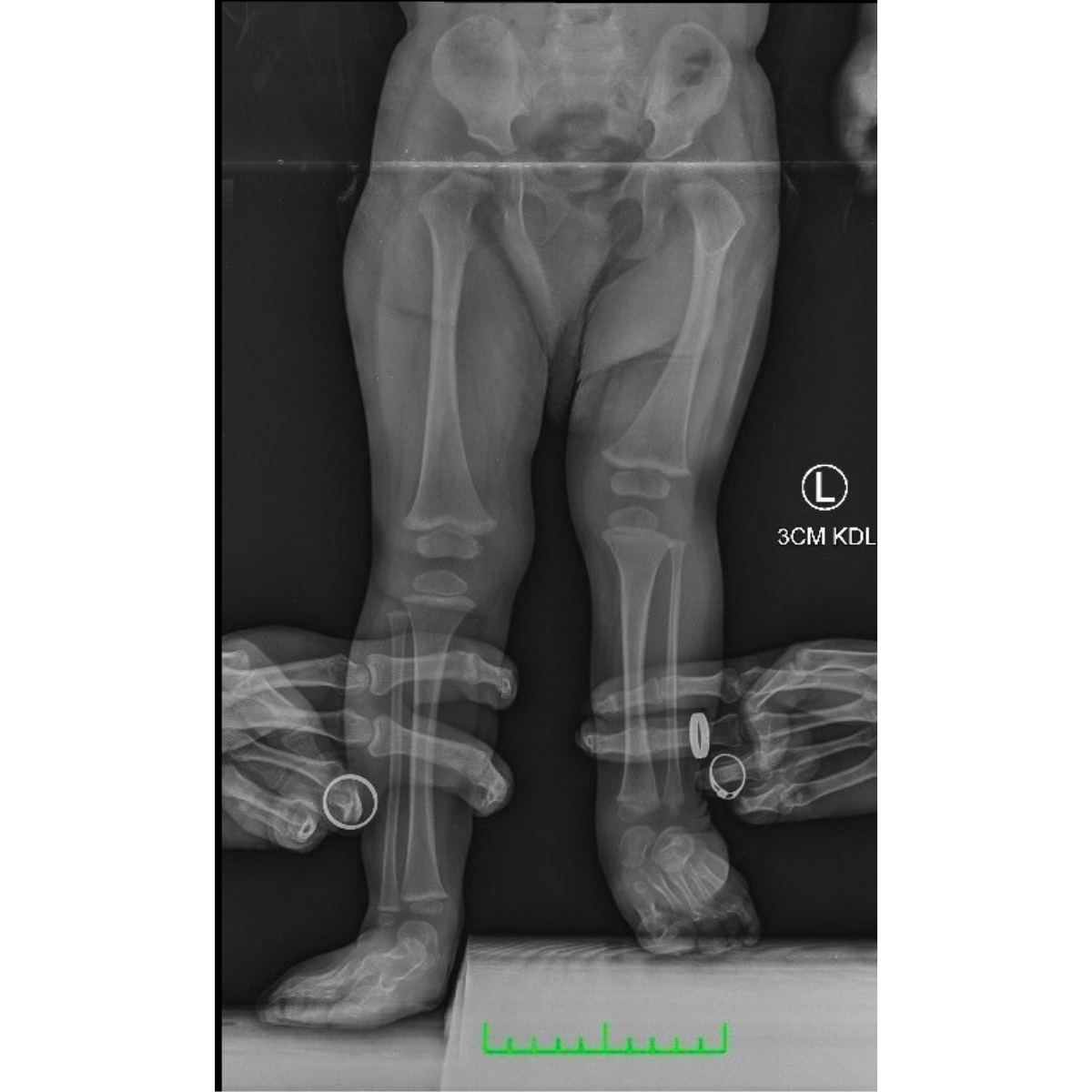
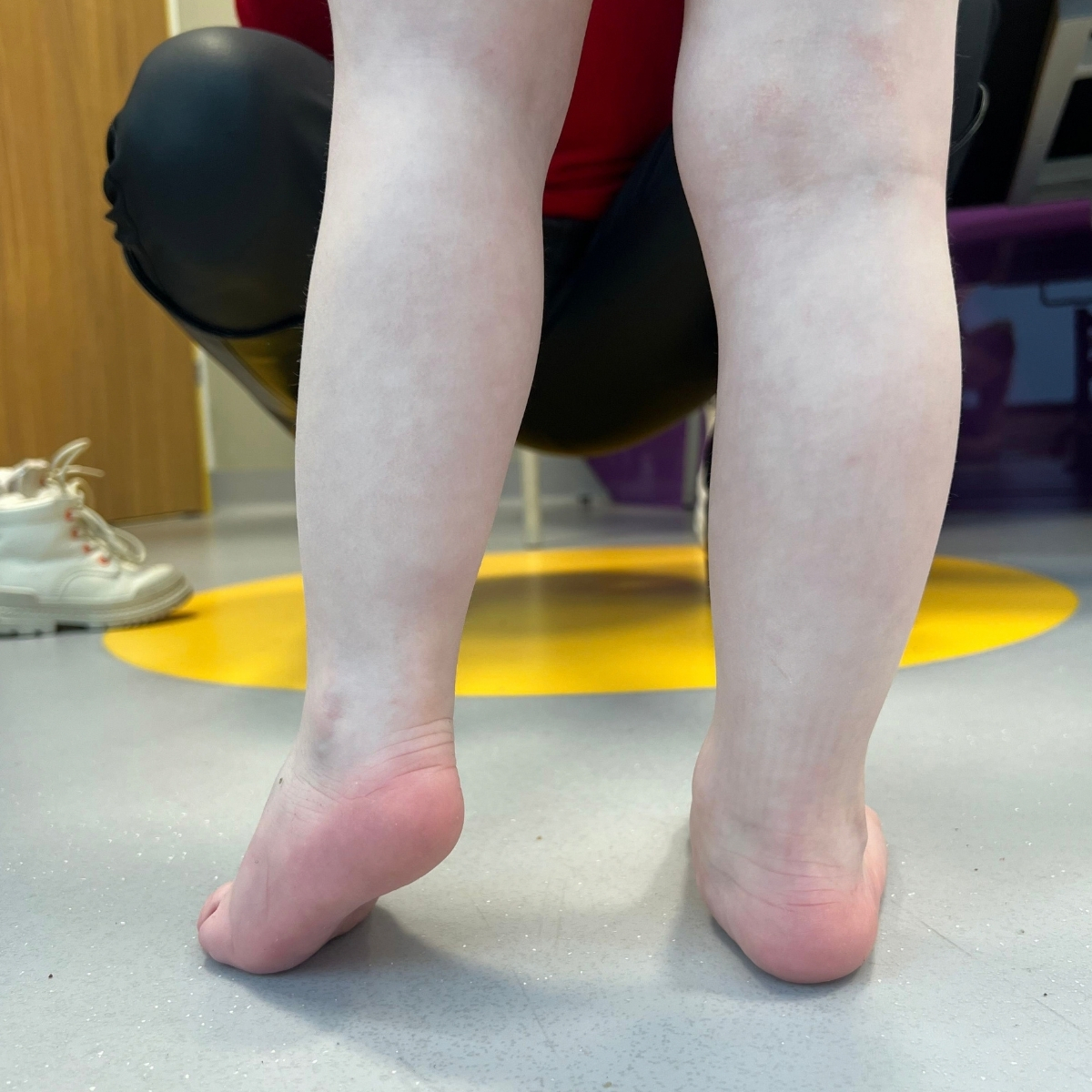
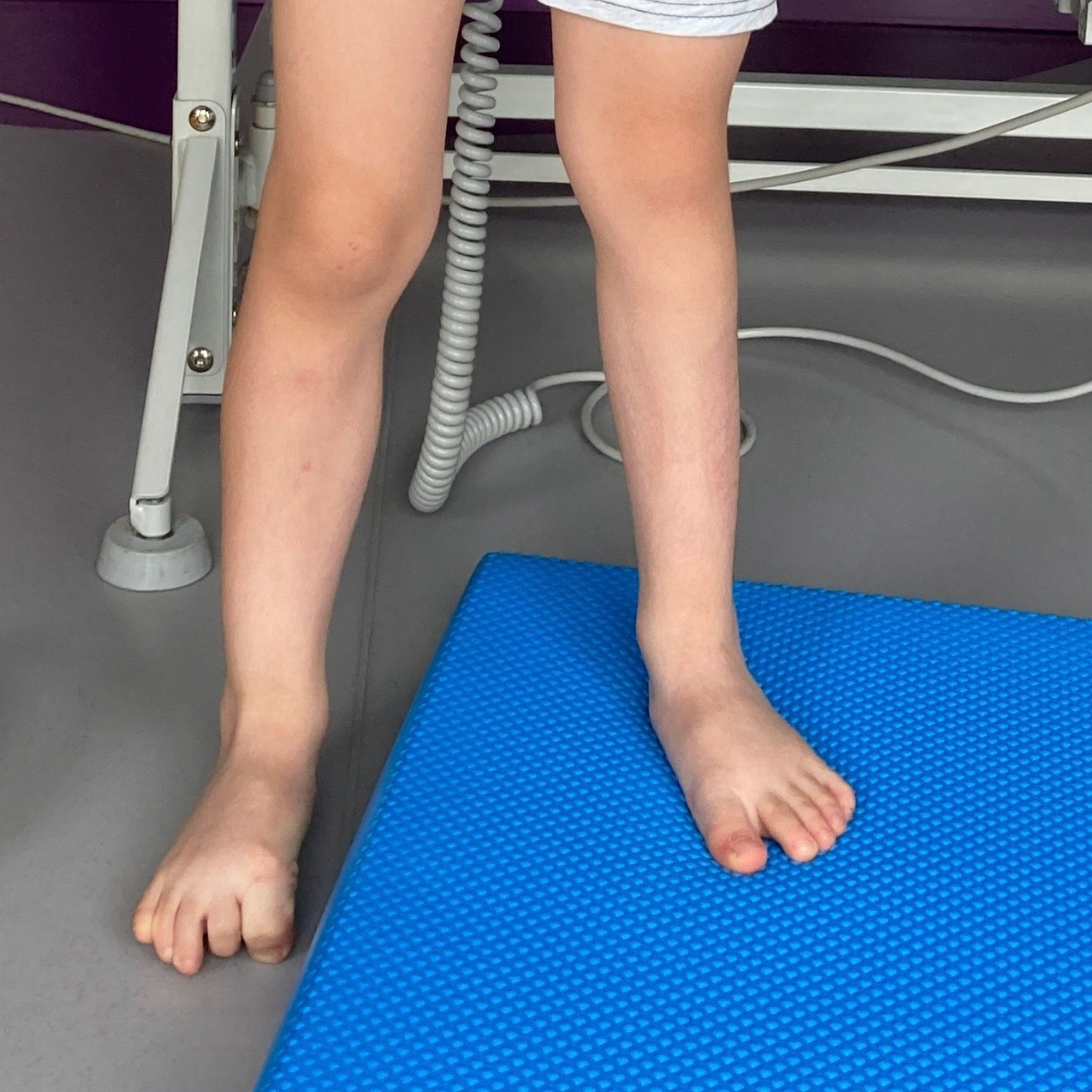
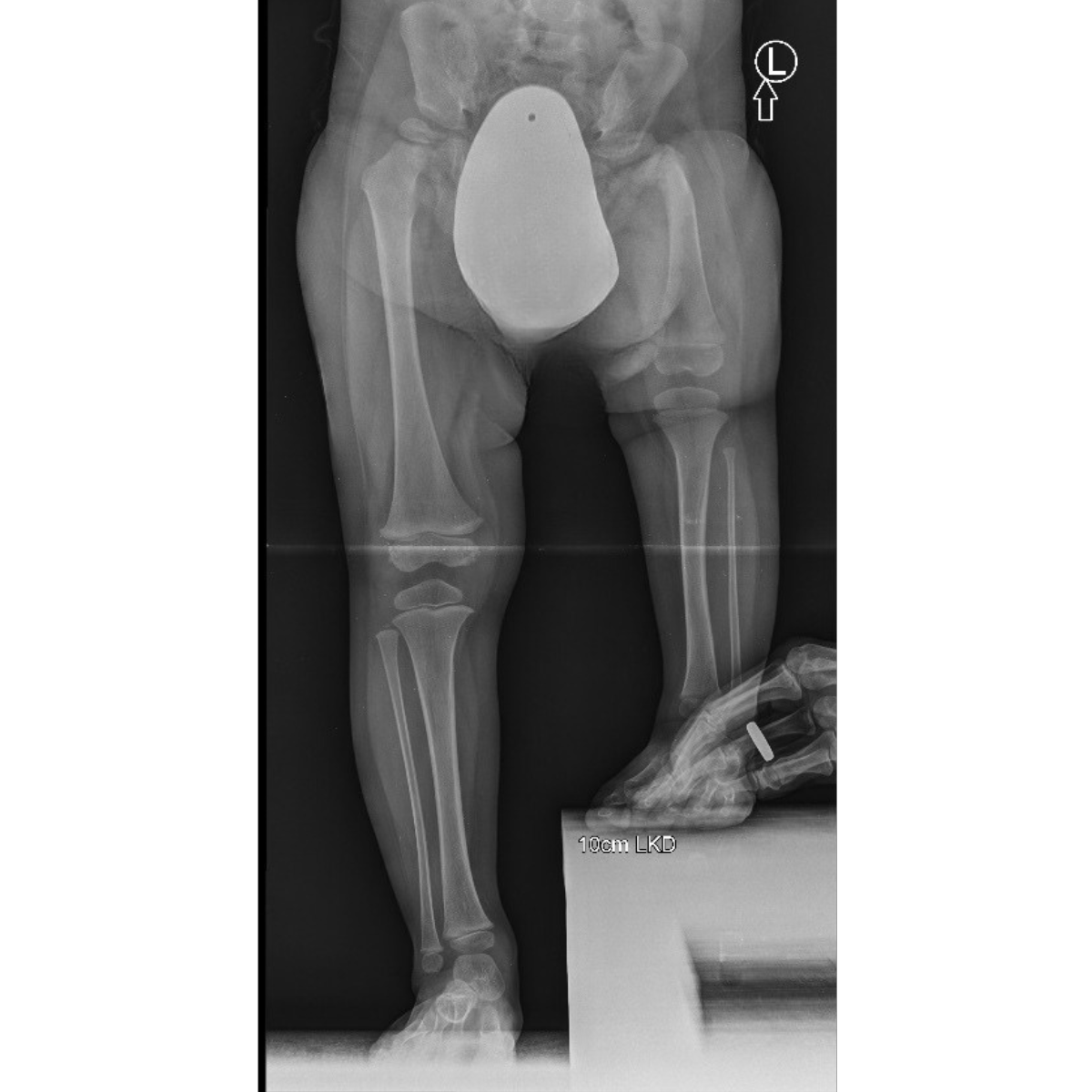
Fibular hemimelia is a congenital disorder characterized by the absence of all or part of the fibula. It is a rare condition—occurring in 1 in 50,000–135,000 births. In addition to the absence or shortening of the fibula, the condition is accompanied by deformities of the foot and knees, as well as differences in limb length. Fibular hemimelia sometimes co-occurs with congenital femoral hypoplasia.
A physical examination, X-rays, and an MRI are necessary for diagnosis.
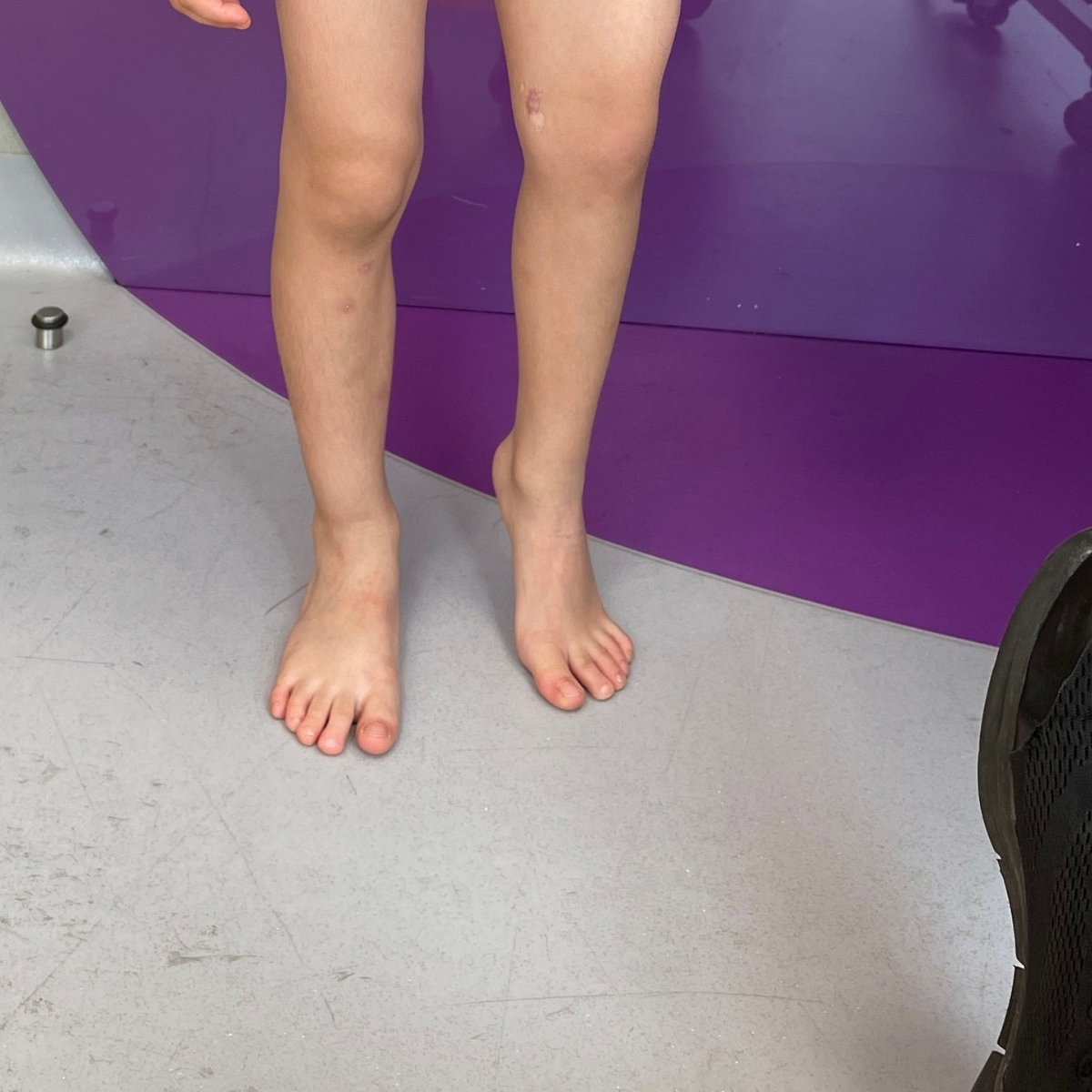
Consequences of fibular hemimelia: Limb length discrepancy makes walking difficult and can lead to a limping gait and the need for orthopedic aids. It is often accompanied by pain resulting from abnormal stress on the joints. In addition to physical challenges, hemimelia also has serious psychological consequences—patients, especially children, may struggle with low self-esteem and a sense of alienation.
Treatment according to Dr. Paley’s procedure: At the Paley European Institute, we use the method developed by world-renowned expert Dr. Dror Paley, based on the SUPER (Systematic Utilitarian Procedure of Extremity Reconstruction) procedures:
SUPERankle – a comprehensive surgical treatment for foot and ankle reconstruction in patients with fibular hemimelia. The procedure can be combined with limb lengthening.
SUPERknee – used to treat knee joint instability; it reconstructs the missing ACL/PCL ligaments, realigns the patella, and restores proper muscle tone.
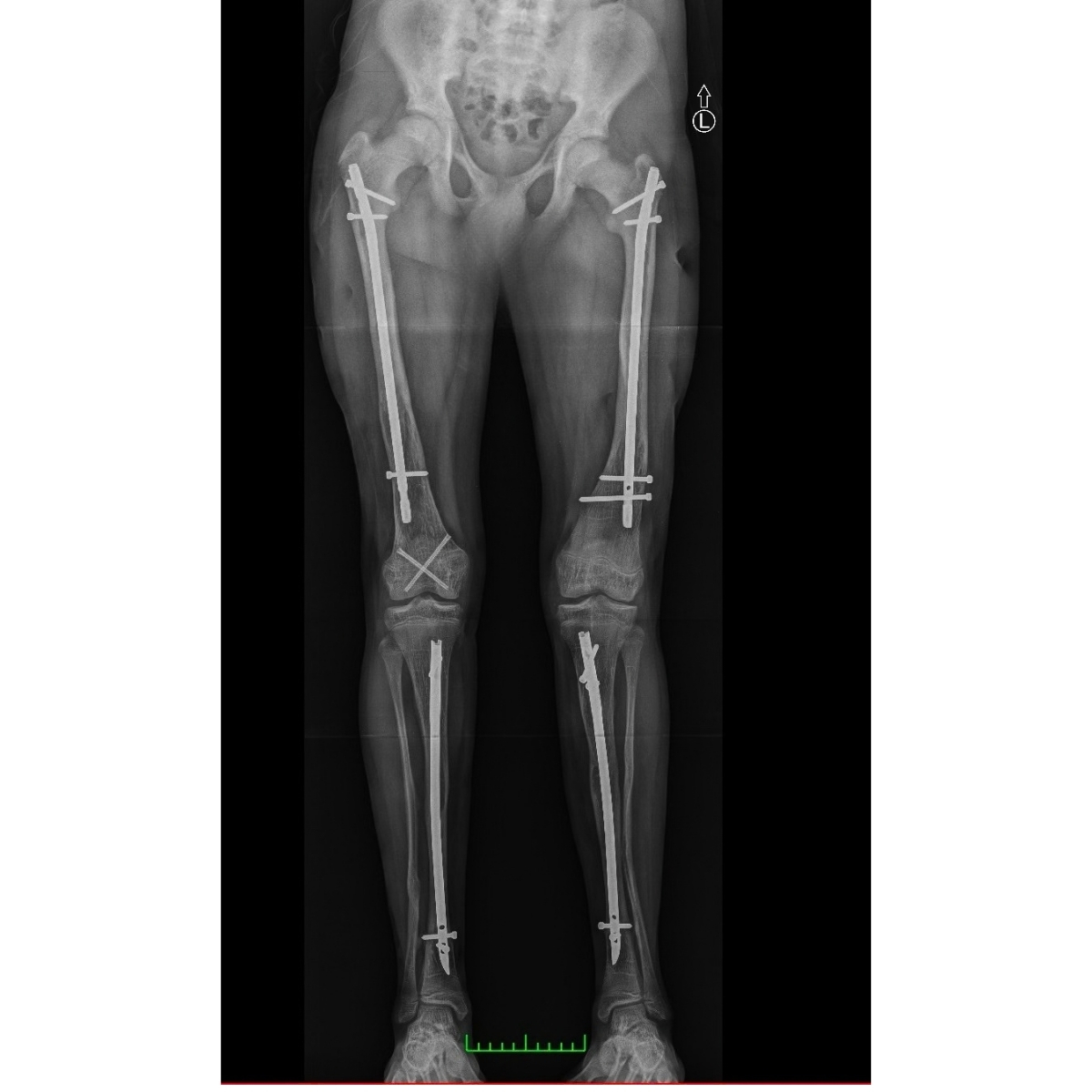
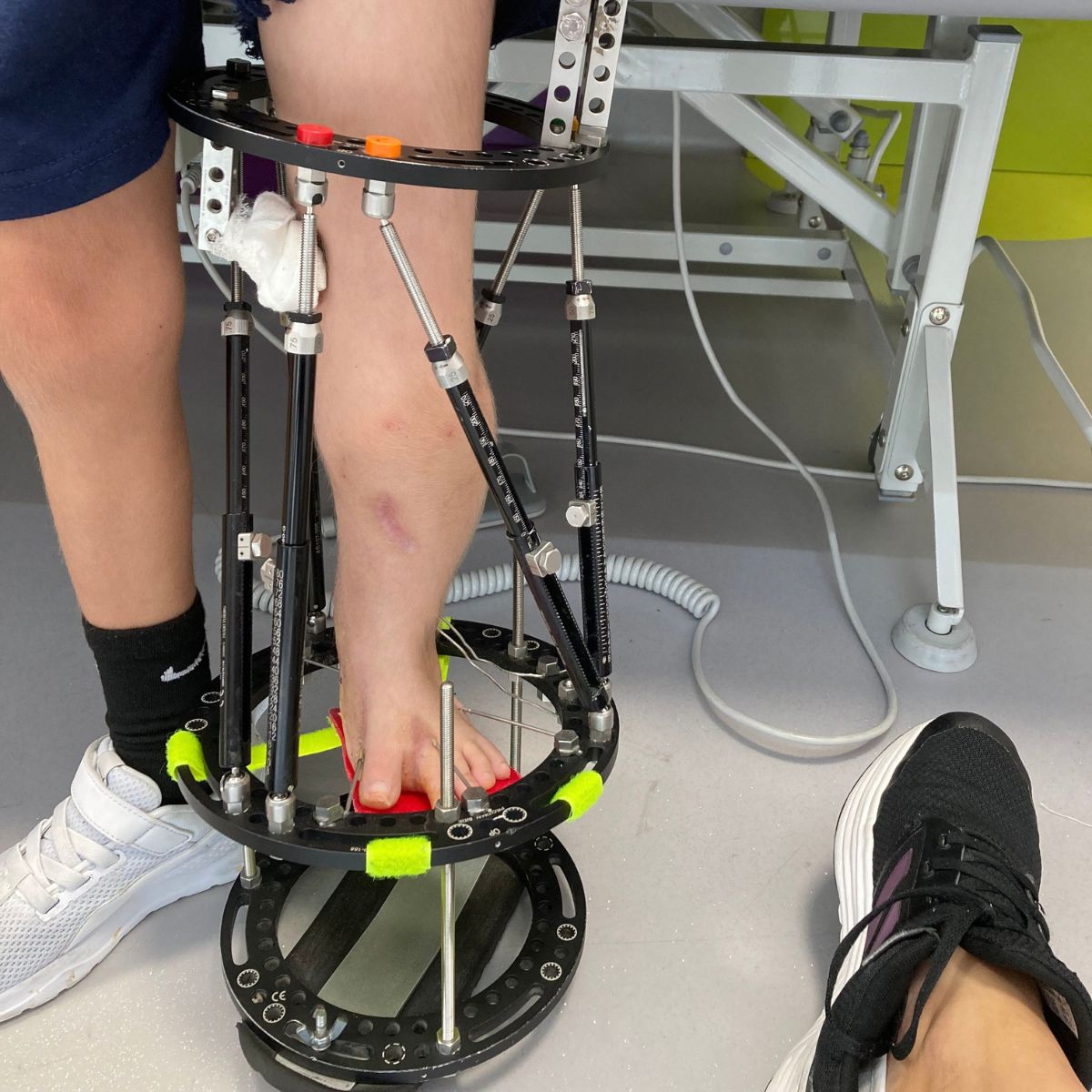
Tibia lengthening —performed using external fixators or intramedullary nails.
We begin treatment with a preparatory surgery before the age of 3, and the actual limb lengthening begins around the age of 5. Each treatment plan is individually tailored based on Dr. Paley’s classification.
Tibial Hemimelia (TH)
What is tibial hemimelia?
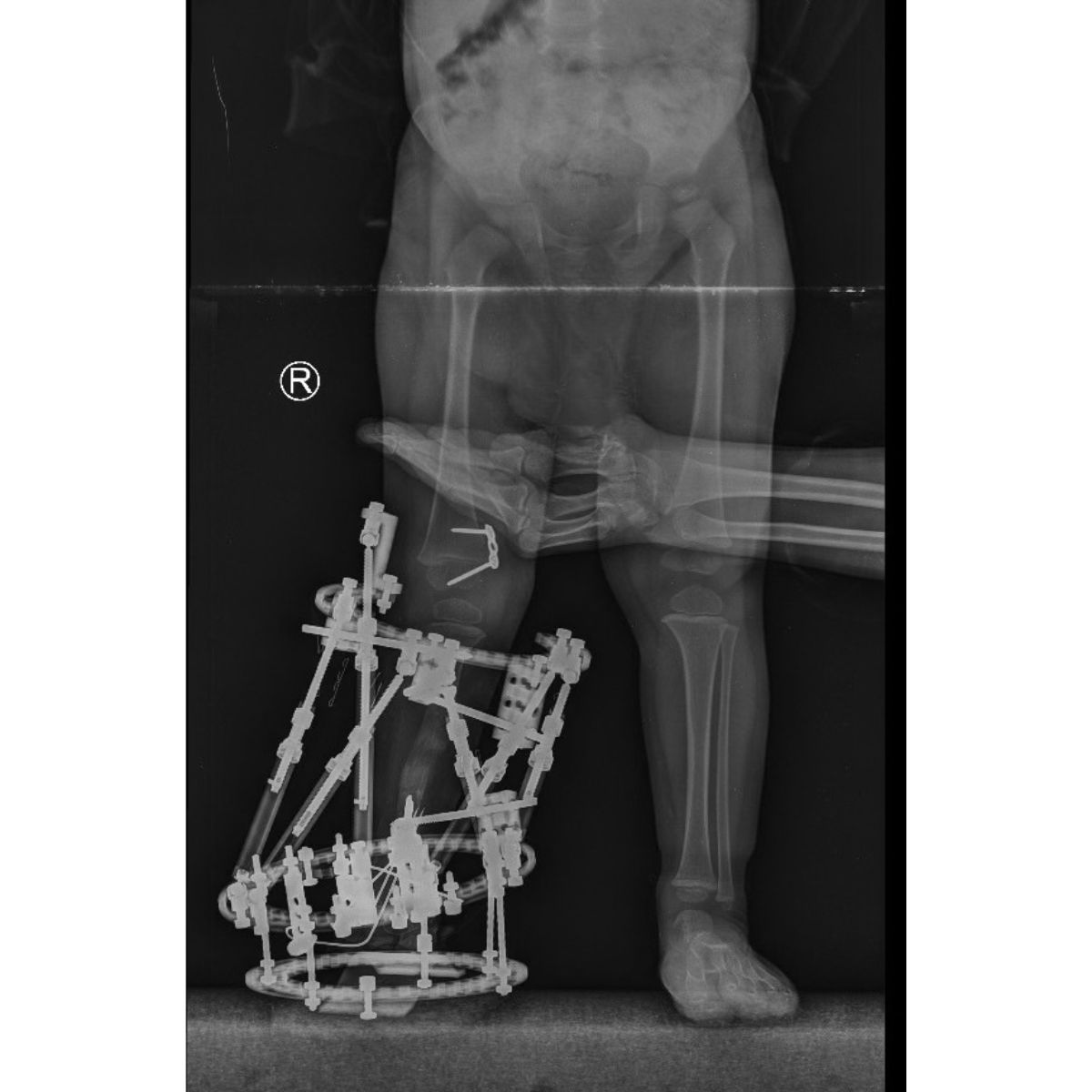
Tibial hemimelia is a very rare congenital limb defect—it affects 1 in 1,000,000 live births. It is characterized by the absence, shortening, or malformation of the tibia, which leads to abnormalities in the ankle and knee joints and the feet. In this condition, the quadriceps muscle and patella are also often absent or underdeveloped.
Tibial hemimelia is detected through prenatal ultrasound or an X-ray after birth.
Consequences of tibial hemimelia: As with fibular hemimelia, this condition causes significant difficulty in walking, a progressive difference in limb length, and pain. If left untreated, it leads to severe, progressive deformities.
Treatment: The treatment of tibial hemimelia is based on the same philosophy as the treatment of fibular hemimelia—a comprehensive approach using Dr. Paley’s procedure:
SUPERknee – reconstruction of the knee joint, which is particularly affected in tibial hemimelia due to the absence of the patella or the quadriceps muscle.
SUPERhip – if there is a hip joint deformity.
Tibia lengthening —performed using external fixators or intramedullary nails, in stages, in accordance with the planned increase in length.
The entire treatment plan is tailored to each individual based on the severity of the defect. As with other cases of congenital limb defects, early initiation of treatment and systematic physical therapy at every stage play a key role.
Blount's Disease
What is Blount's disease?
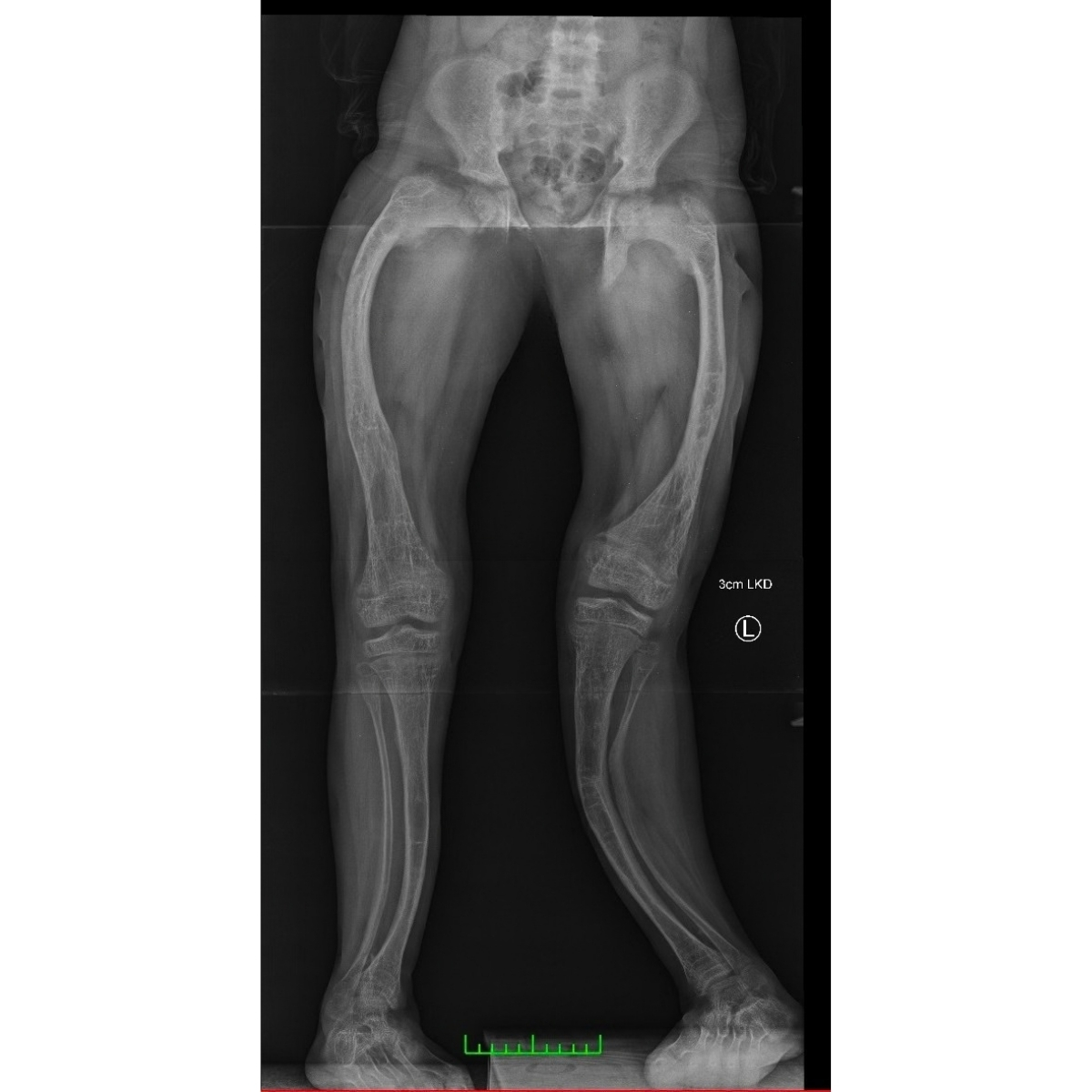
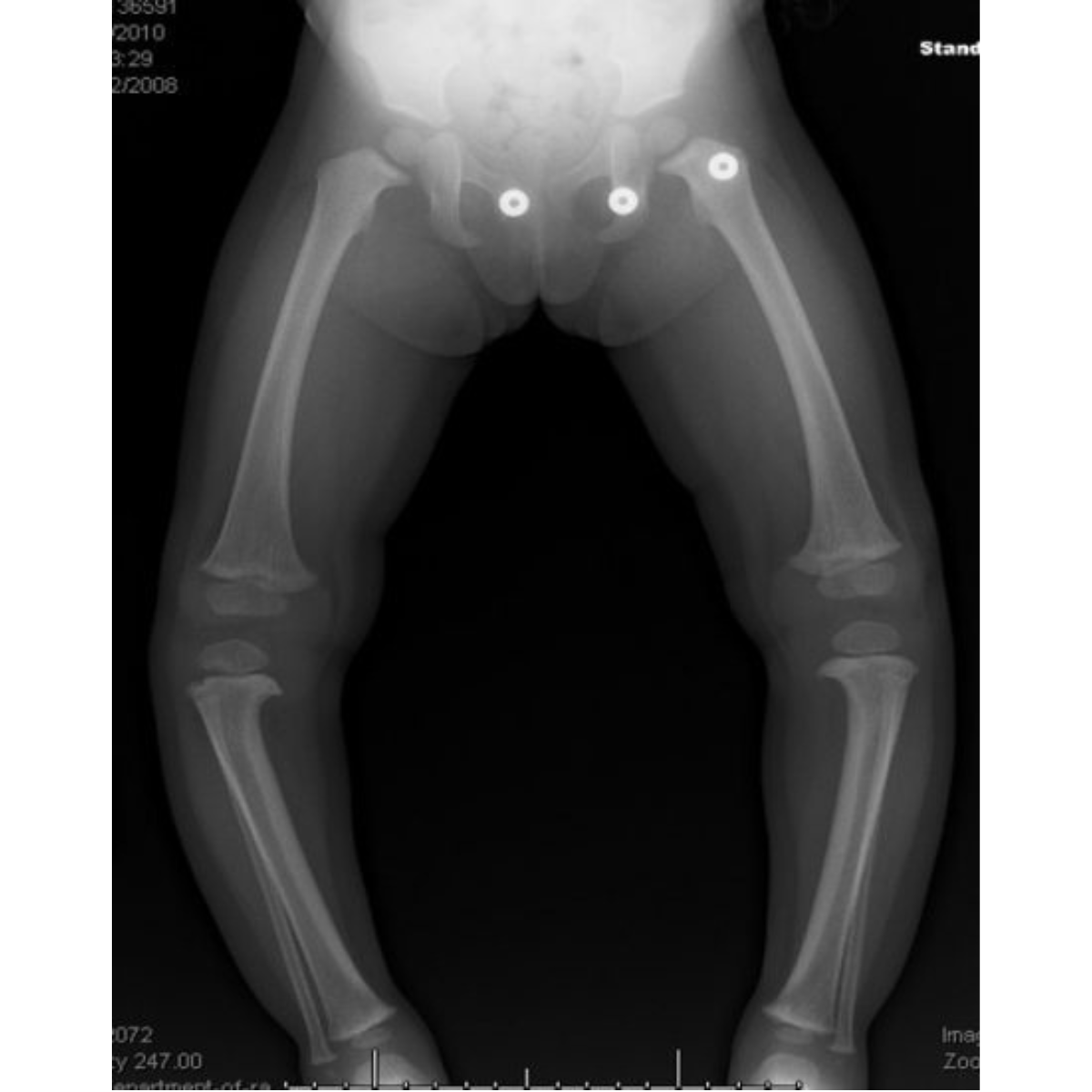
Blount’s disease is a growth disorder affecting the medial portion of the proximal tibia, leading to progressive bowing of the lower limb (inward curvature of the leg). Unlike the physiological bowing of the legs in young children, Blount’s disease is pathological in nature and worsens without treatment. There are two forms of the disease: infantile (manifesting between the ages of 1 and 3) and juvenile (appearing after the ages of 6–8). Risk factors include obesity, early walking, and African descent.
Symptoms: The main symptom is a visible inward curvature of the lower leg, more pronounced than the typical bowlegs seen in young children. It may be accompanied by shortening of the limb, pain in the knee area, and—in advanced cases—instability of the knee joint.
Diagnosis and Treatment:The diagnosis is based on a clinical examination and X-rays. It is crucial to distinguish Blount’s disease from physiological bowlegs.
Treatment is selected based on the patient's age and the severity of the deformity:
Conservative treatment – in very young children in the early stages of the disease, a corrective orthosis (KAFO) may be used to slow the progression of the deformity.
Surgical treatment – in advanced or progressive cases, surgical intervention is necessary. Possible methods include: temporary growth inhibition on the healthy side of the epiphysis (hemi-epiphysiodesis), corrective osteotomy of the proximal end of the tibia, or—in cases accompanied by limb shortening—correction with simultaneous lengthening.
Rehabilitation following surgery is an integral part of treatment and focuses on restoring knee function, strengthening muscles, and learning proper gait patterns
Multimedia
Family-Centered Care: treatment in which the family is part of the care team
Family-Centered Care (FCC) is the treatment model used at the Paley European Institute. In this model, the family of a child with a congenital limb defect is not merely an observer but a full-fledged member of the treatment team. Treatment for congenital limb defects often lasts for months or years and involves several surgeries, limb lengthening, and months of rehabilitation. Therefore, parents who understand the treatment plan and feel that their concerns are being heard have a real impact on its outcomes.
What does family-centered care look like in practice?
Parents do not wait in the hallway while their child is undergoing surgery—the Hospital Services Coordinator and the physician’s assistant keep parents updated on the progress of the procedure via WhatsApp. During this time, a psychologist stays by the parent’s side to support them through this most difficult hour.
One treatment plan instead of multiple visits —during the consultation, specialists from various fields meet with the child in one place and develop a comprehensive treatment plan. The conversation begins not with the question “What hurts?”, but with what the child likes to do and what the family’s daily life is like.
The same physical therapist before, during, and after surgery—the therapist present in the operating room—conducts rehabilitation starting on the first day of recovery. The child exercises with someone they already know, which reduces anxiety and facilitates a return to physical function. This is particularly important during limb lengthening, when systematic physical therapy is crucial for maintaining joint mobility.
Comprehensive care in one place —X-rays, blood tests, an orthotist, a psychologist, a dietitian, a speech therapist, and certificates for schools and government offices are available without unnecessary referrals or having to search for other facilities. Surgeries are performed at our partner hospital, Medicover, where the Paley European Institute team cares for the patient from admission through discharge.
Support for families from other cities and countries —families traveling here for medical treatment receive assistance with arranging transportation, accommodations, and all the logistics of their stay.
Parents' Council —parents who have themselves undergone treatment at the Paley European Institute—regularly test and evaluate new approaches, helping to shape the model of care.
Why does family involvement improve treatment outcomes?
Parents who understand the treatment plan are better able to follow rehabilitation recommendations at home and recognize signs that require contacting a doctor more quickly. Thanks to preparing the family for home care, children who undergo surgery at the Paley European Institute stay in the hospital for an average of only 2 days. A shorter hospital stay and less stress lead to a more peaceful recovery and a better quality of life for the entire family.

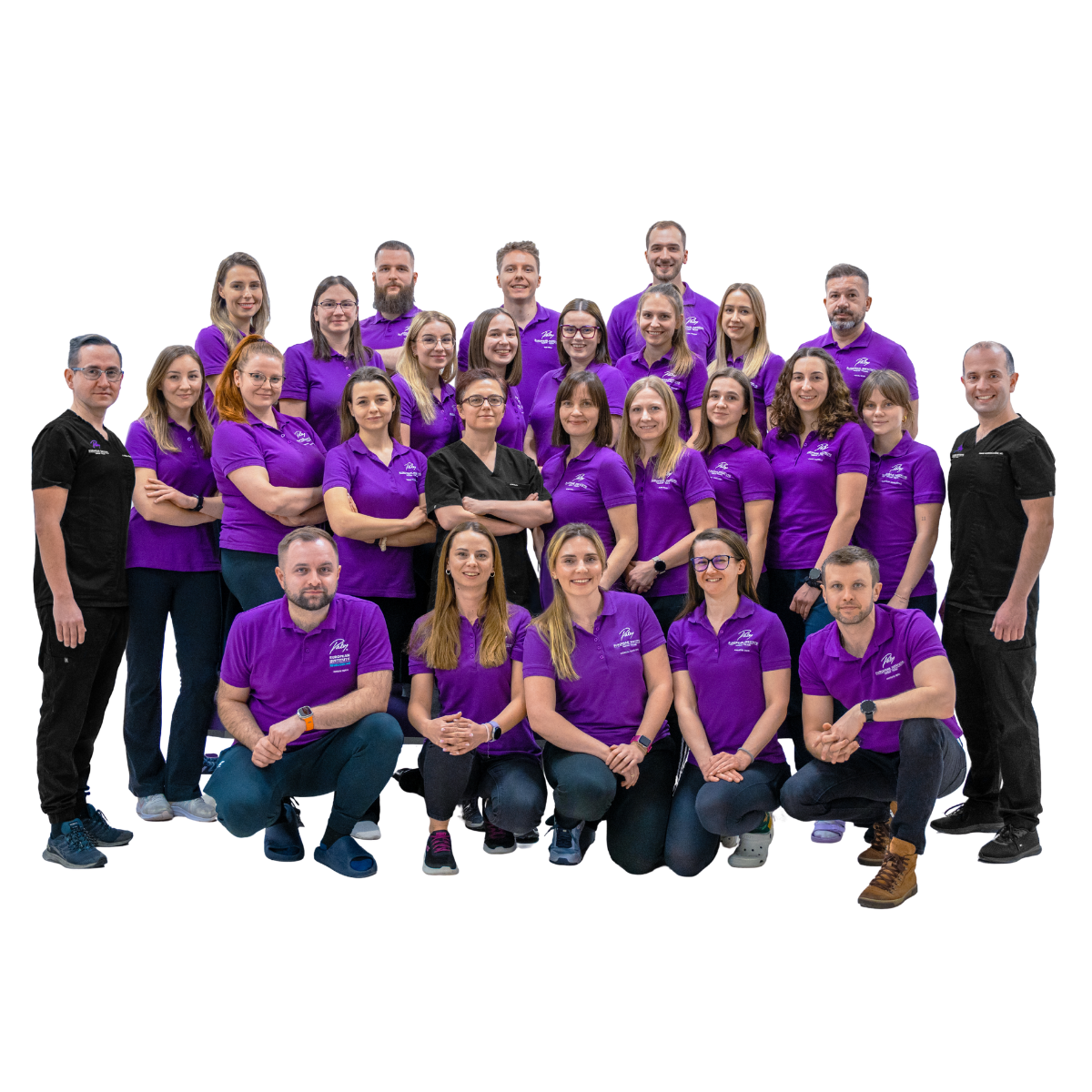
Our Experts Meet the Paley European Institute Team

Related articles
Read the blog posts on this topic

Lower limb defects - what are the most common limb deformities?

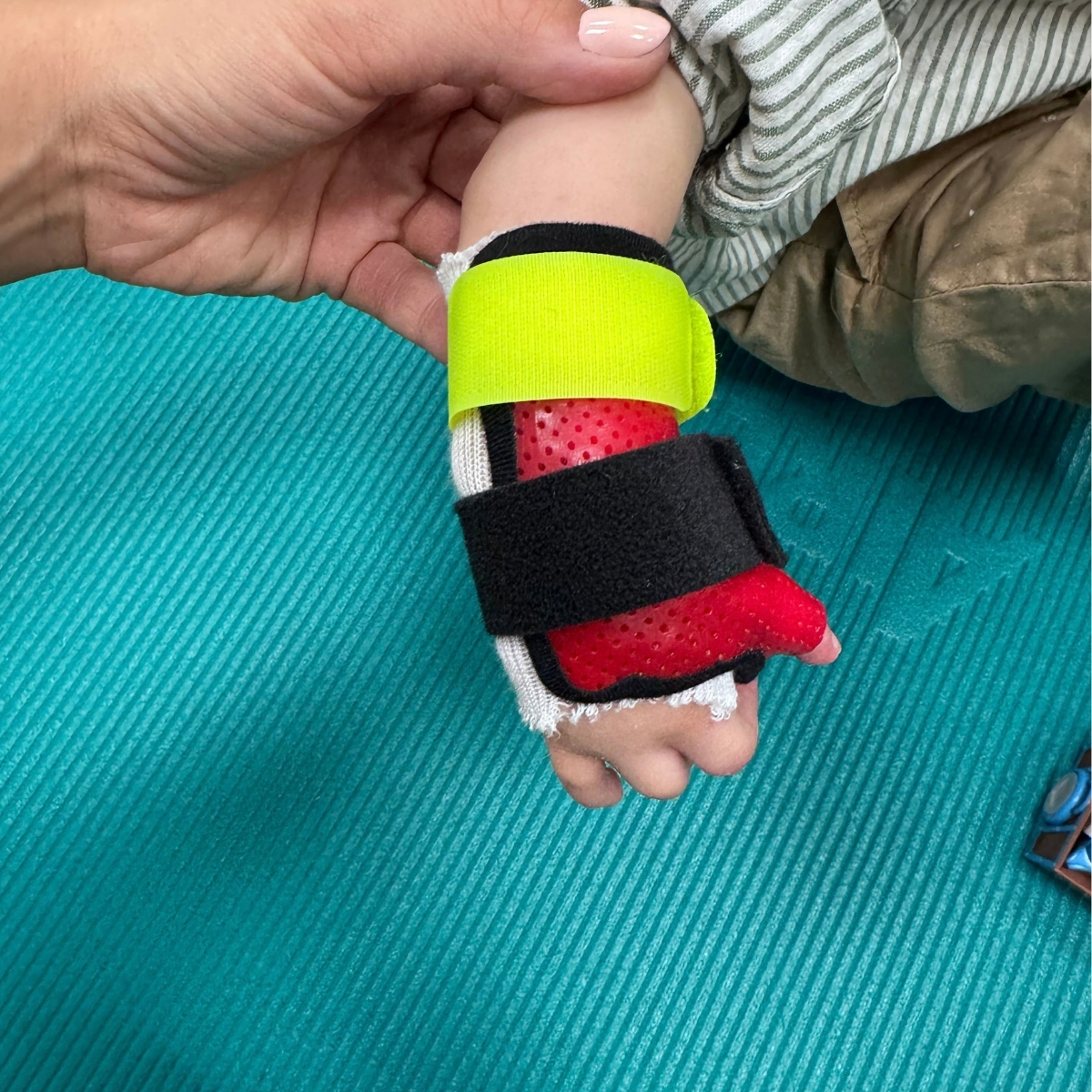
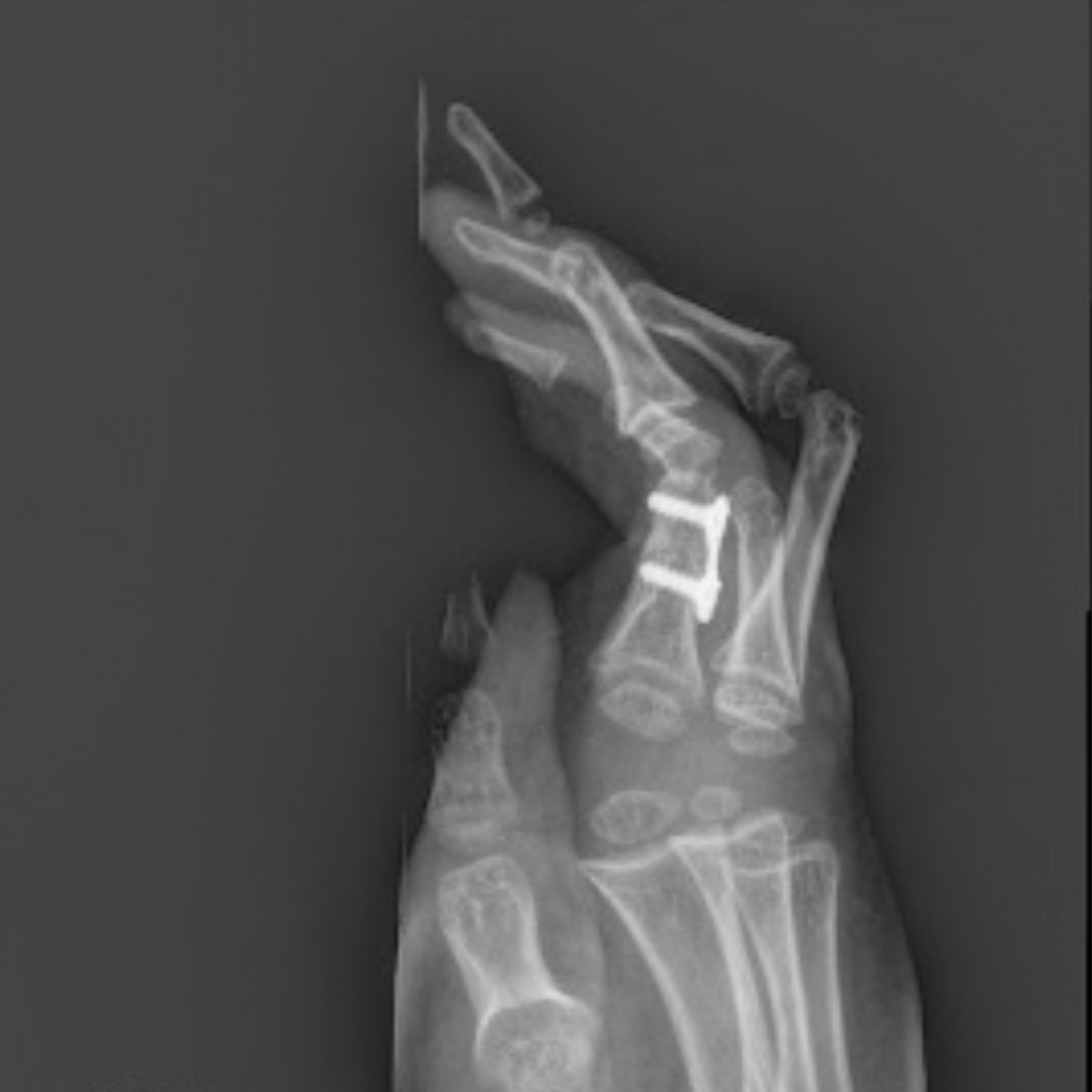
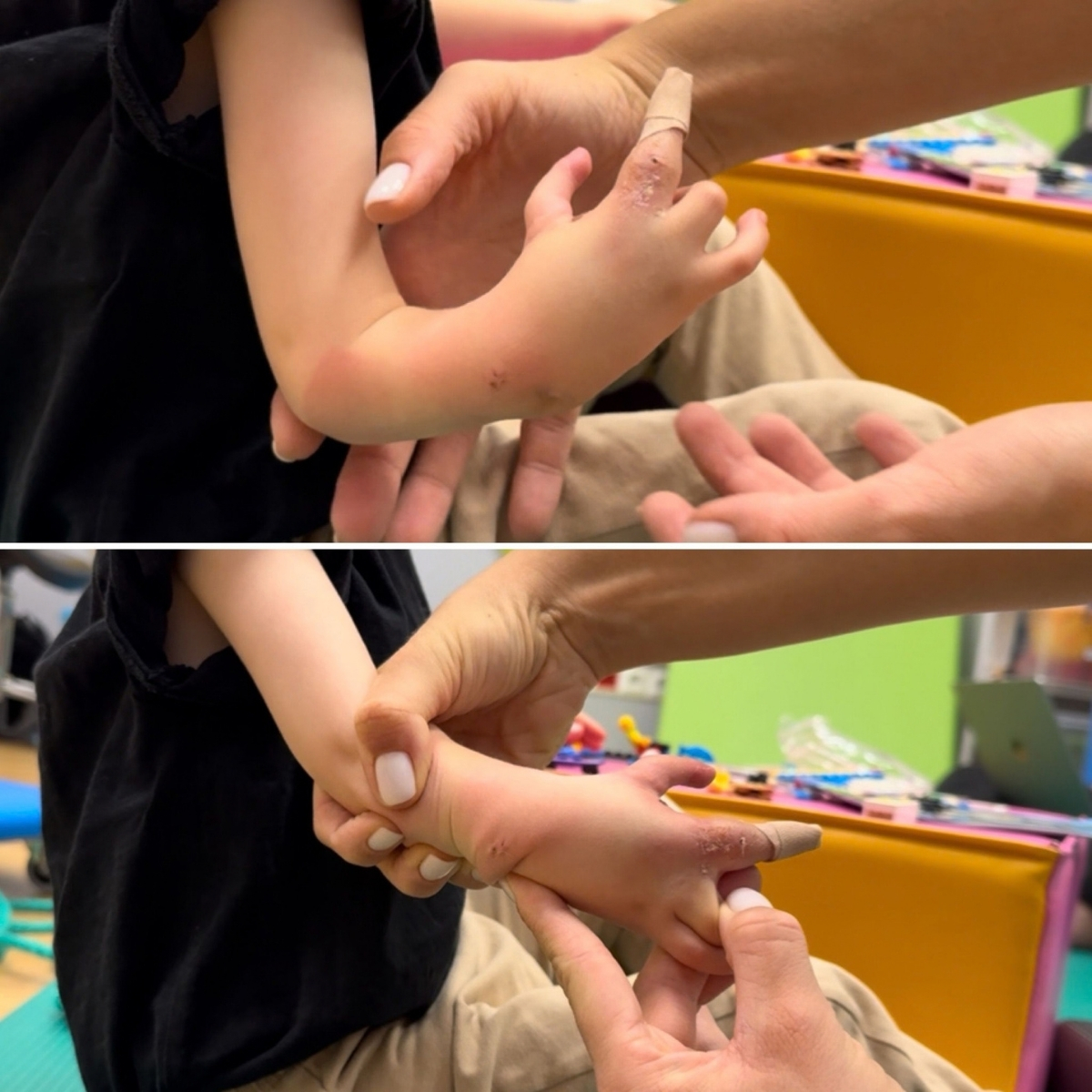
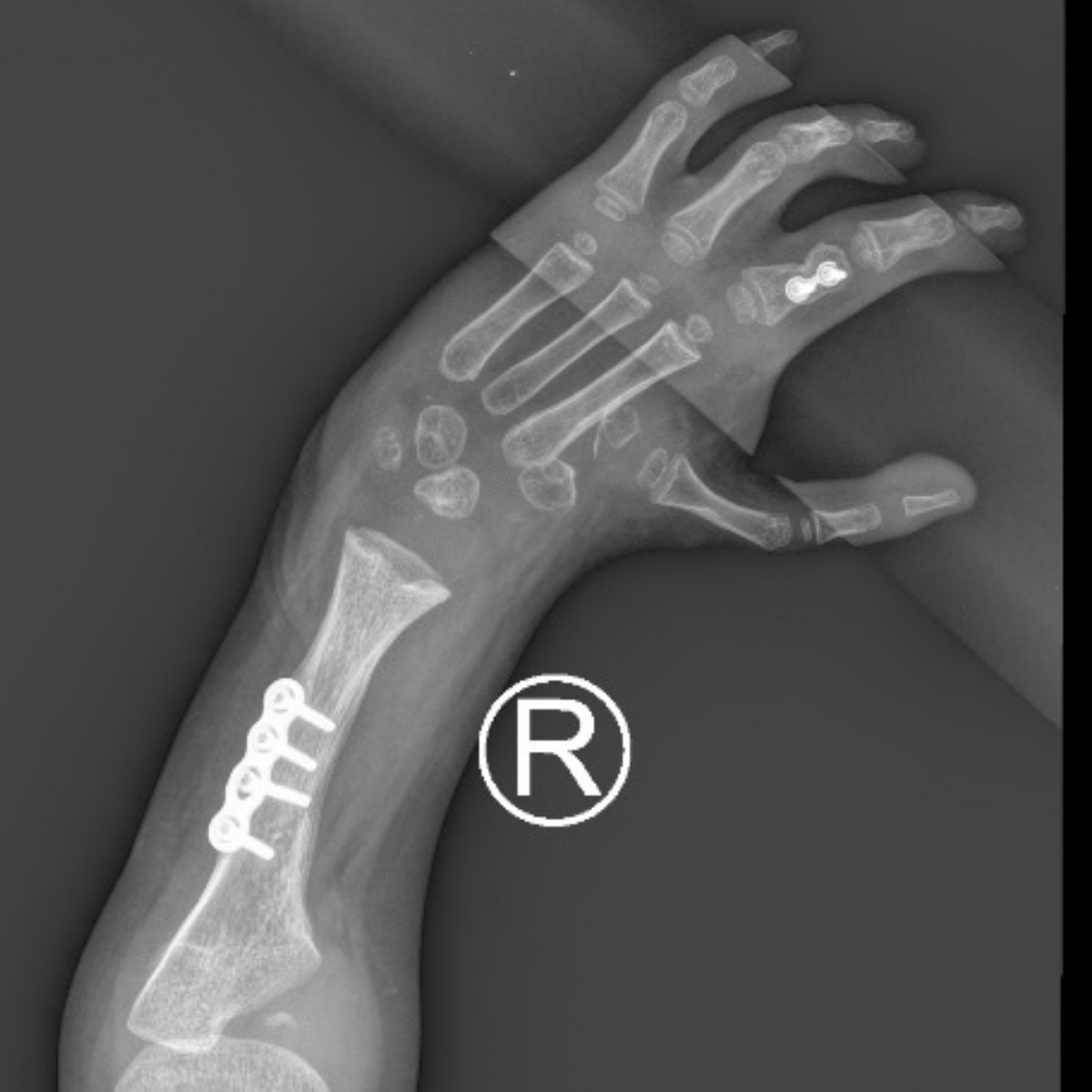
Bilateral radial hemimelia at Paley European Institute - a case study
Your Most Frequently Asked Questions About Congenital Limb Defects.
That is, What you as a parent should know before making a decision.
Yes, some limb abnormalities can be detected as early as during pregnancy—during a routine prenatal ultrasound. Tibial hemimelia or congenital femoral hypoplasia are sometimes visible as early as the fetal stage. However, the final diagnosis and assessment of the severity of the defect are made after the baby is born, based on a clinical examination, X-rays, and an MRI.
The sooner, the better. In cases of congenital limb defects, such as CFD or hemimelia, we typically perform the first preparatory surgery around the age of 2–3. Actual limb lengthening begins around the age of 5. Early initiation of treatment reduces the difference in limb length and prevents the deformity from worsening.
In the vast majority of cases—yes. The goal of treatment at the Paley European Institute is to restore the patient’s full range of motion and independence as much as possible. Thanks to SUPER procedures, limb lengthening, and comprehensive rehabilitation, children can walk, run, and actively participate in social and school life.
These are proprietary surgical procedures developed by Dr. Dror Paley for the comprehensive reconstruction of the hip, knee, and ankle joints. The name SUPER is an acronym for Systematic Utilitarian Procedure of Extremity Reconstruction. The choice of a specific procedure depends on the type and severity of the defect, as assessed according to Dr. Paley’s classification.
The treatment of congenital limb defects is a long-term process. It involves several stages—from preparatory surgeries in early childhood, through limb lengthening, to rehabilitation and follow-up visits as the child grows. Each patient receives a personalized, lifelong treatment plan.
The lengthening process involves some discomfort—the muscles and soft tissues gradually become taut, which can limit the range of motion. Therefore, throughout the entire lengthening process, the patient receives daily physical therapy, which minimizes discomfort and maintains the limb’s function.
Not always. Some birth defects, such as congenital femoral hypoplasia (CFD), are not associated with genetic disorders, unless they are accompanied by other birth defects. They may be caused by factors present during pregnancy—such as certain medications, chemicals, radiation, or viral infections. In every case, we recommend a consultation and a thorough evaluation.
Meet Our Patients