Musculoskeletal Dysplasias – Comprehensive Treatment
The Paley European Institute, founded by Dr. Dror Paley—one of the world’s most experienced surgeons in the field of limb reconstruction and lengthening—specializes in the comprehensive diagnosis and treatment of musculoskeletal disorders.
We treat everything from the mildest axial deformities to complex cases requiring multi-stage reconstruction. Our team offers a personalized treatment plan that combines surgical expertise with modern rehabilitation.
What are musculoskeletal dysplasias?
Musculoskeletal dysplasias are a group of congenital developmental disorders of the
musculoskeletal system that affect the growth and structure of bones, cartilage, and connective tissues. They are characterized by disproportionate growth of body parts, abnormalities in the development of long bones, abnormalities in the structure of the spine, and joint dysfunction.
The severity of symptoms can range from mild to severe, requiring a multidisciplinary approach. Early diagnosis and comprehensive treatment are essential to ensuring the best possible quality of life for patients.
Musculoskeletal Dysplasias
Reasons
Musculoskeletal dysplasias are most often the result of genetic mutations that disrupt the normal formation and growth of bone and cartilage tissue. These mutations can be inherited from parents or arise spontaneously—de novo—without a prior family history.
The most commonly affected genes include FGFR3 (achondroplasia, hypoachondroplasia), COMP (pseudoachondroplasia), and SLC26A2 (dystrophic dysplasia). In some cases, such as Morquio syndrome, the cause is a metabolic disorder leading to the abnormal accumulation of substances in tissues.
Additional risk factors include abnormal fetal positioning in the uterus, low amniotic fluid levels, and a strong family history of the condition.
Symptoms
The symptoms of musculoskeletal dysplasia vary and depend on the specific diagnosis, but the most common include:
Short stature: disproportionate or proportionate shortening of the limbs and/or trunk
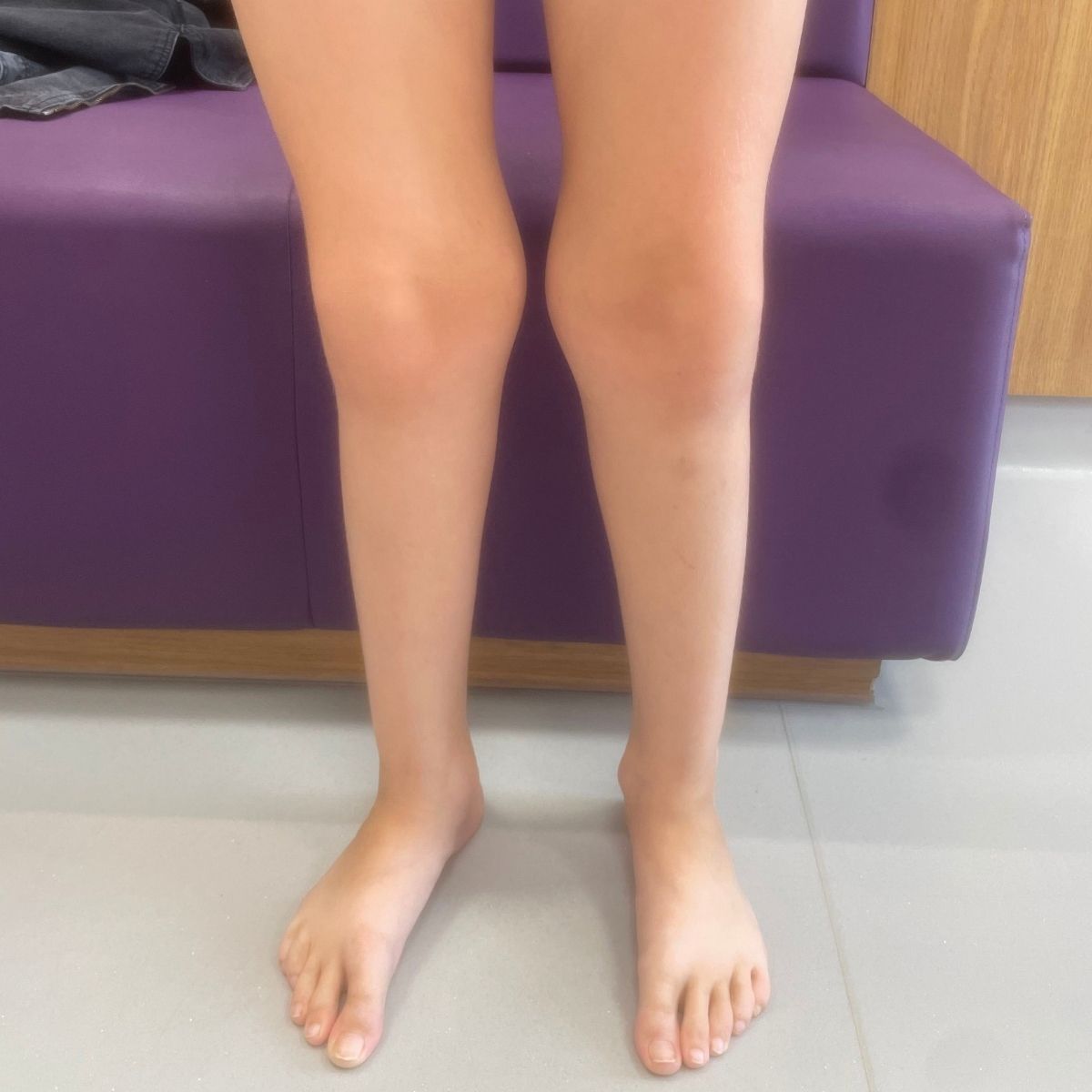
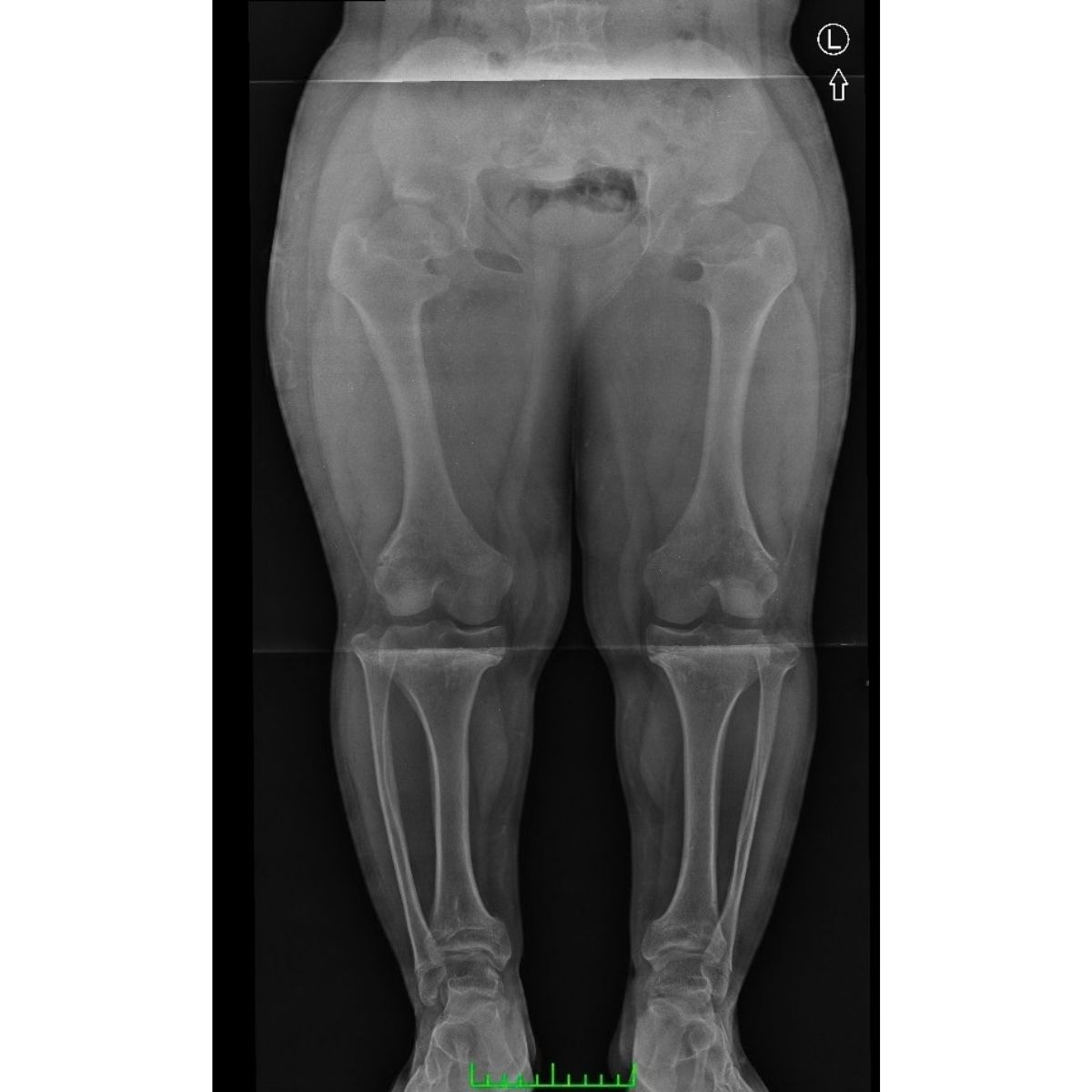
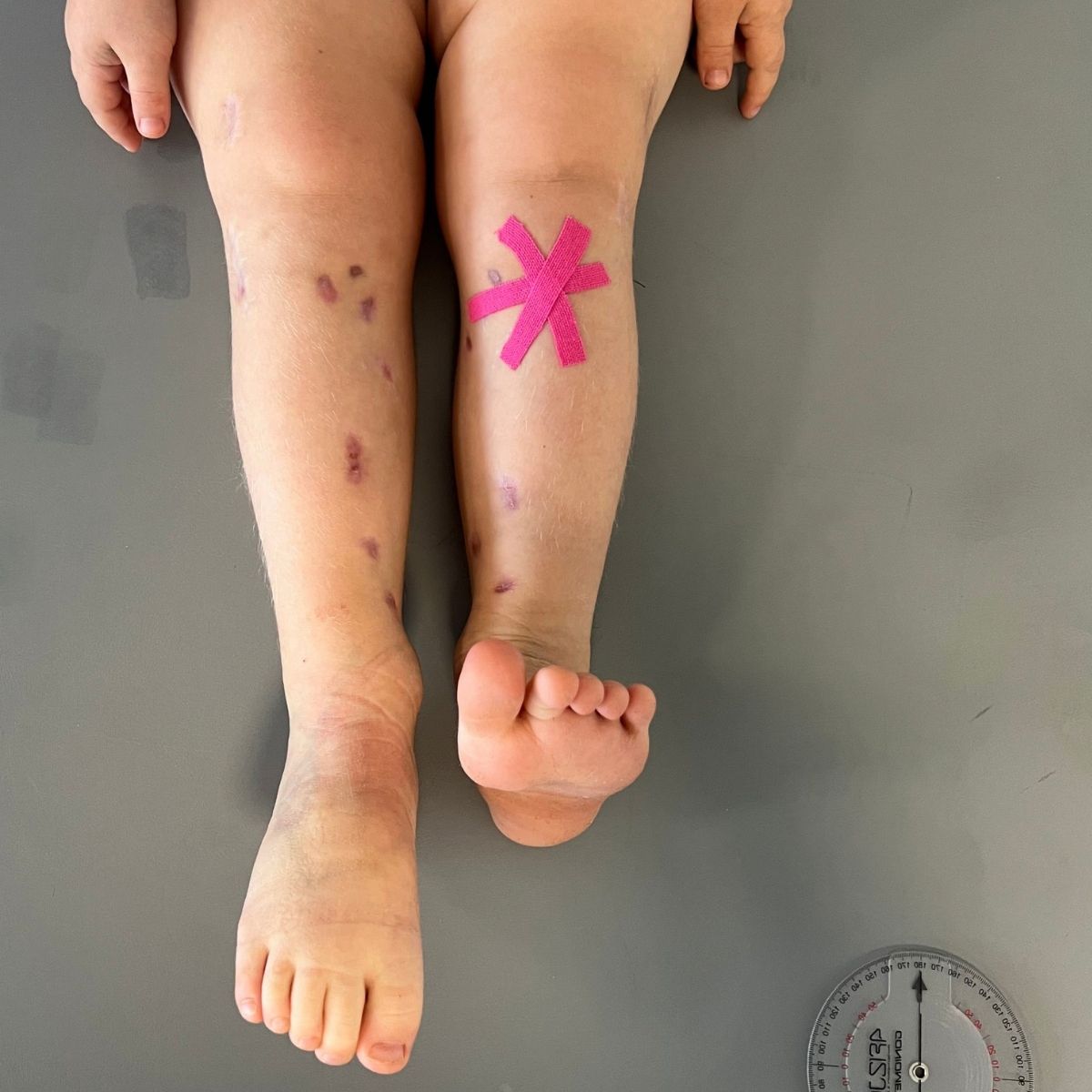
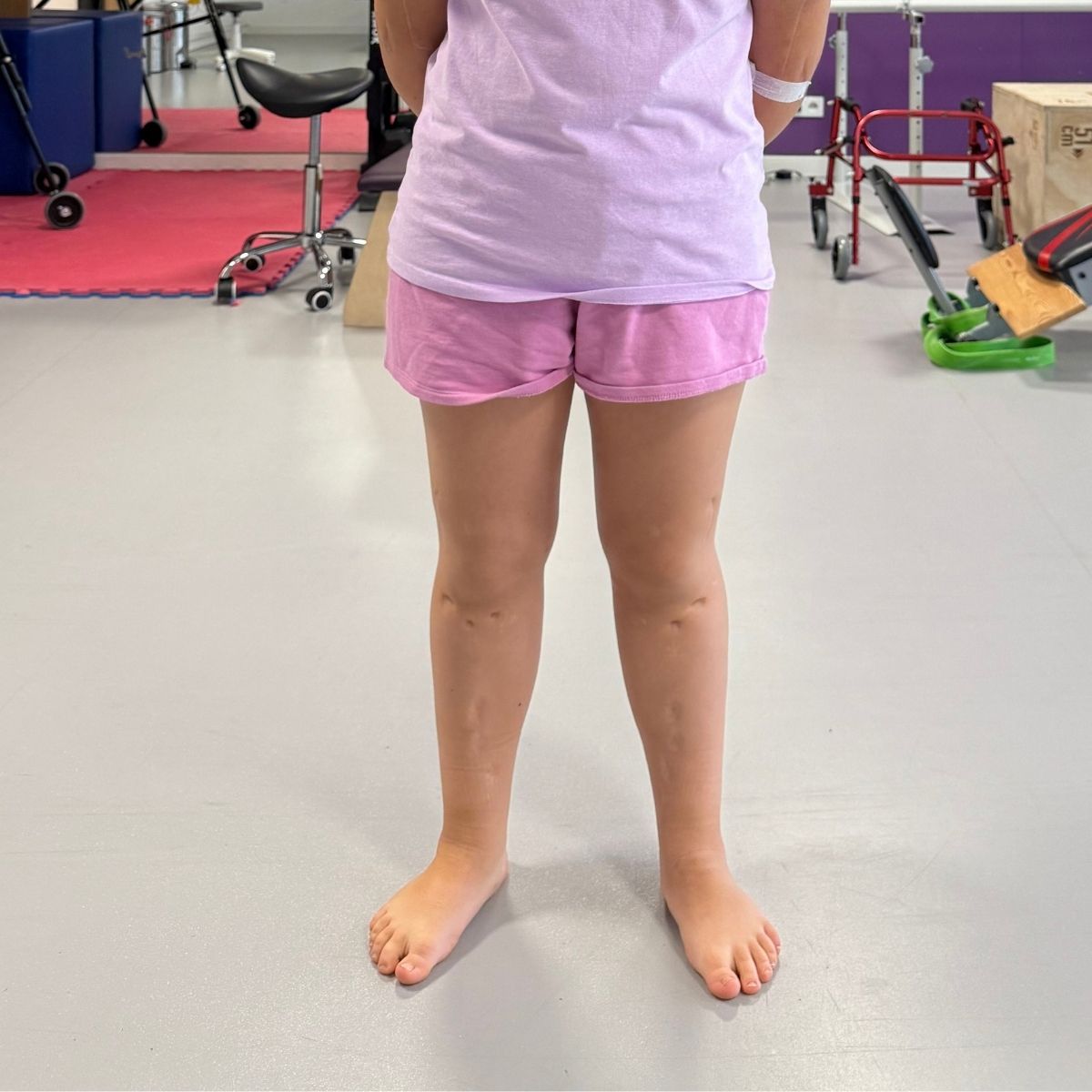
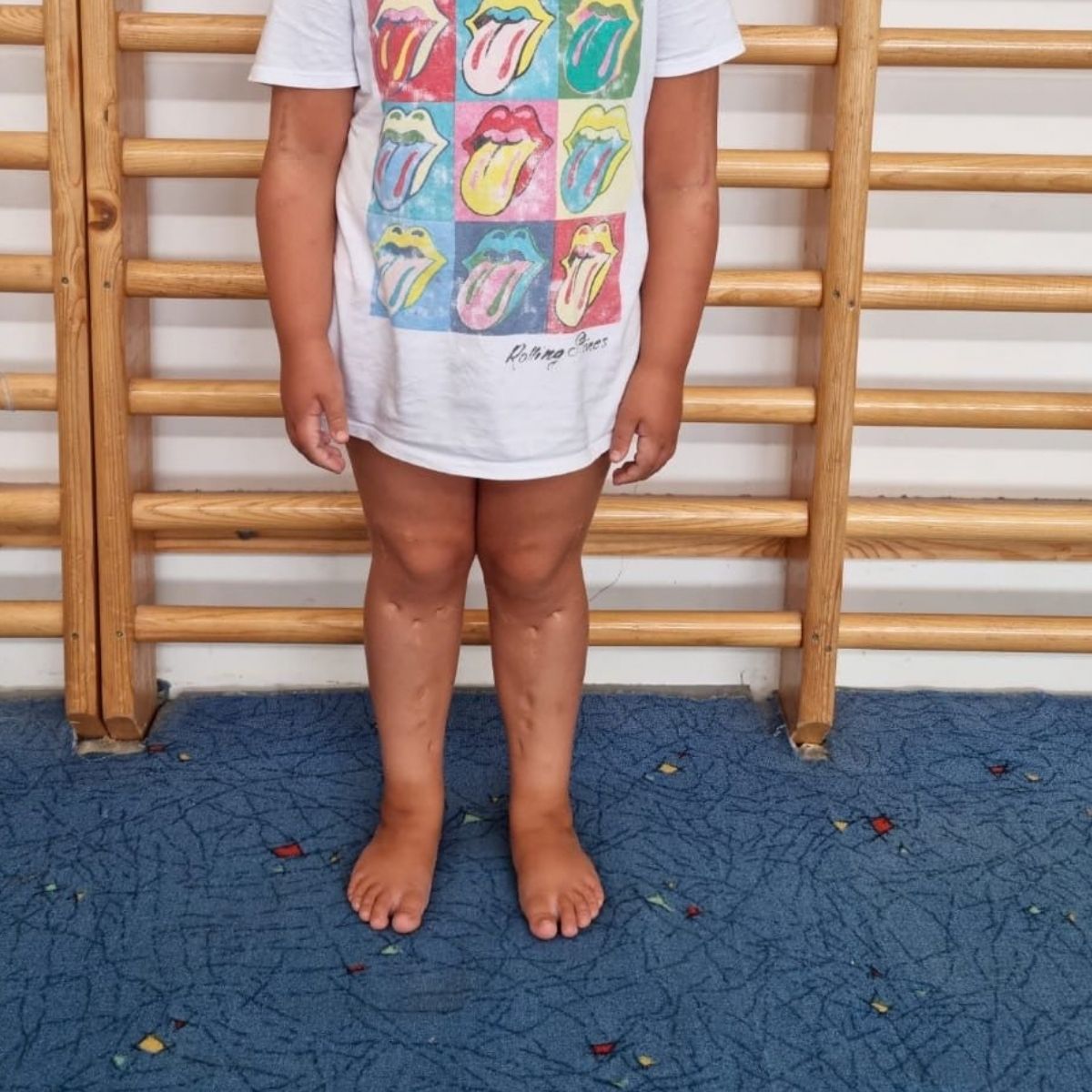
Limb deformities: valgus (bowlegs), varus (knock-knees), shortening, or curvature of the long bones
Spinal abnormalities: scoliosis, kyphosis, cervical instability
Joint dysfunction: hypermobility, contractures, or early-onset osteoarthritis
Musculoskeletal pain: particularly in the hips, knees, and spine
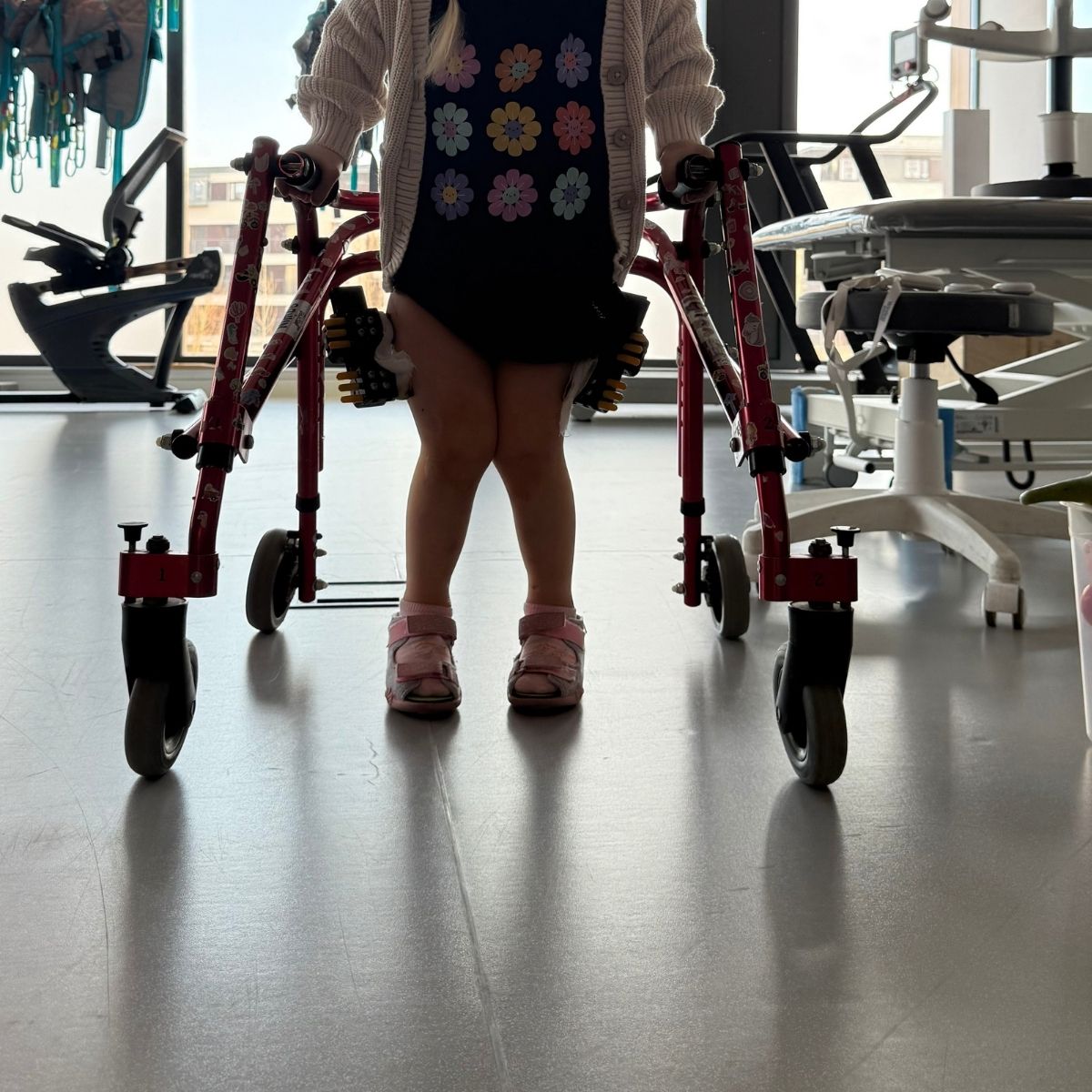
Mobility difficulties: gait disturbances, limited mobility
In newborns and infants, symptoms may be subtle or absent, which is why screening in the first weeks of life is so important. Some cases of dysplasia do not become apparent until between the ages of 1 and 3, as the child experiences rapid growth and increased physical activity.
Diagnostics
The diagnosis of musculoskeletal dysplasia requires a multidisciplinary approach and is based on several pillars:
Clinical examination: assessment of the patient’s body proportions, range of motion in the joints, posture, and gait by an experienced orthopedic surgeon.
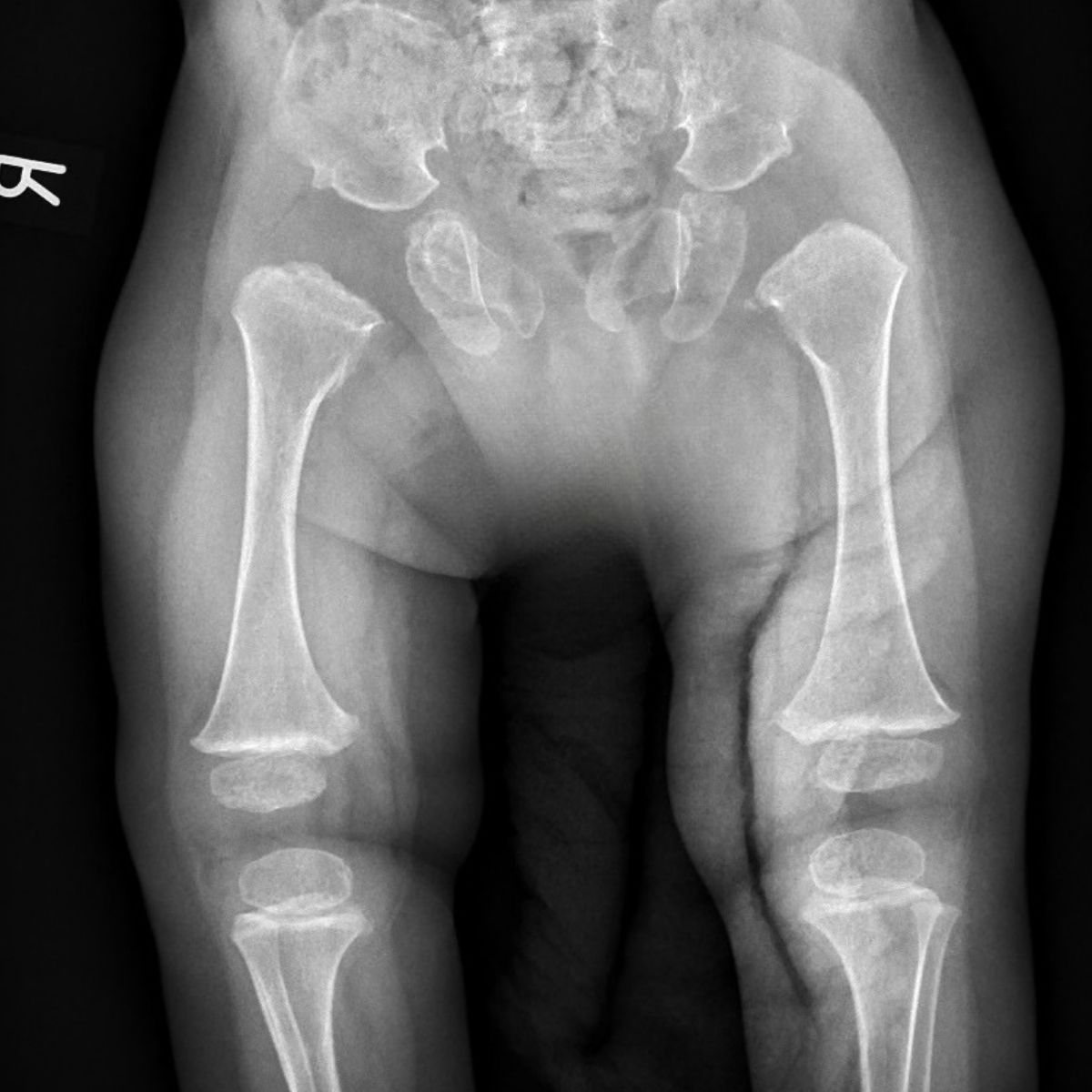
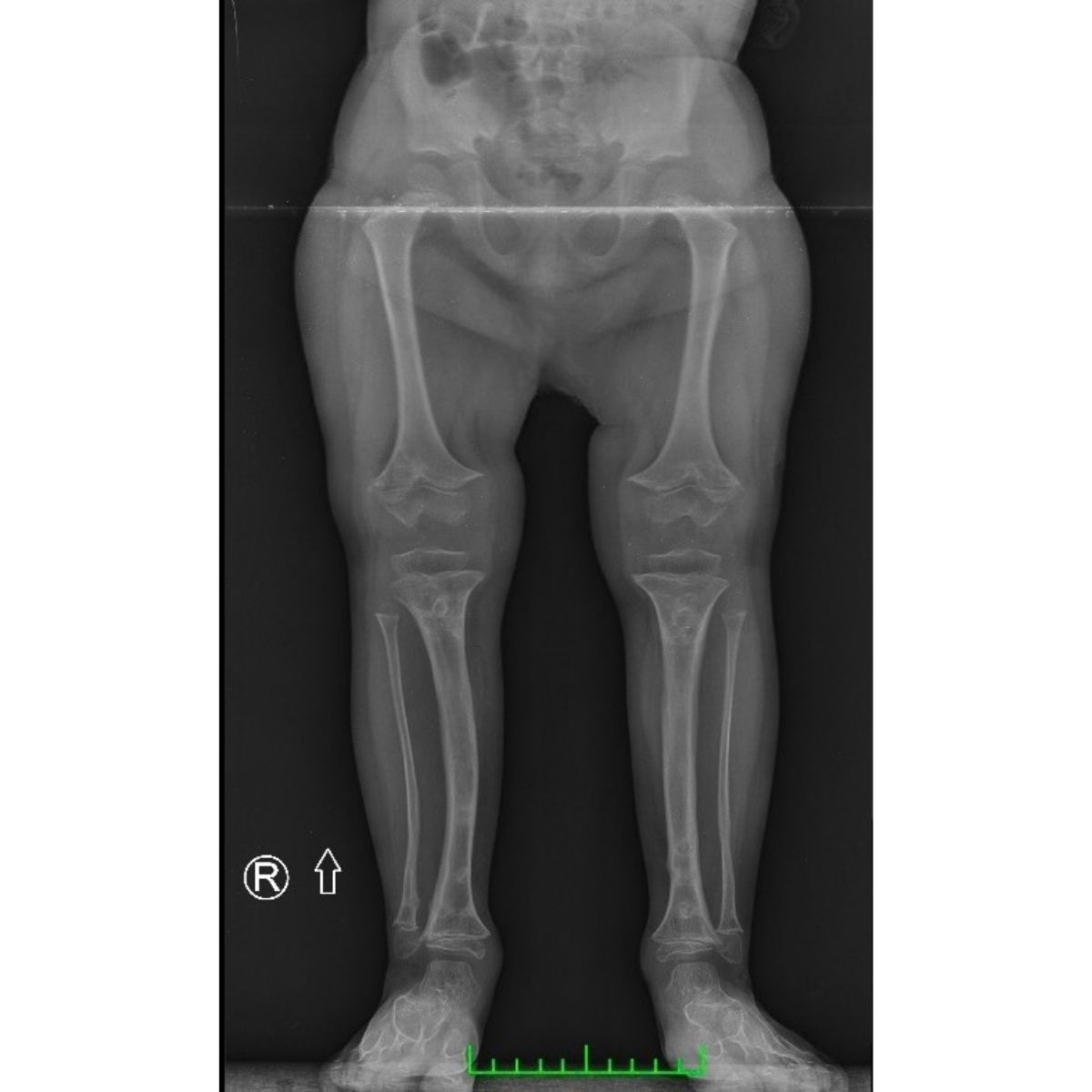
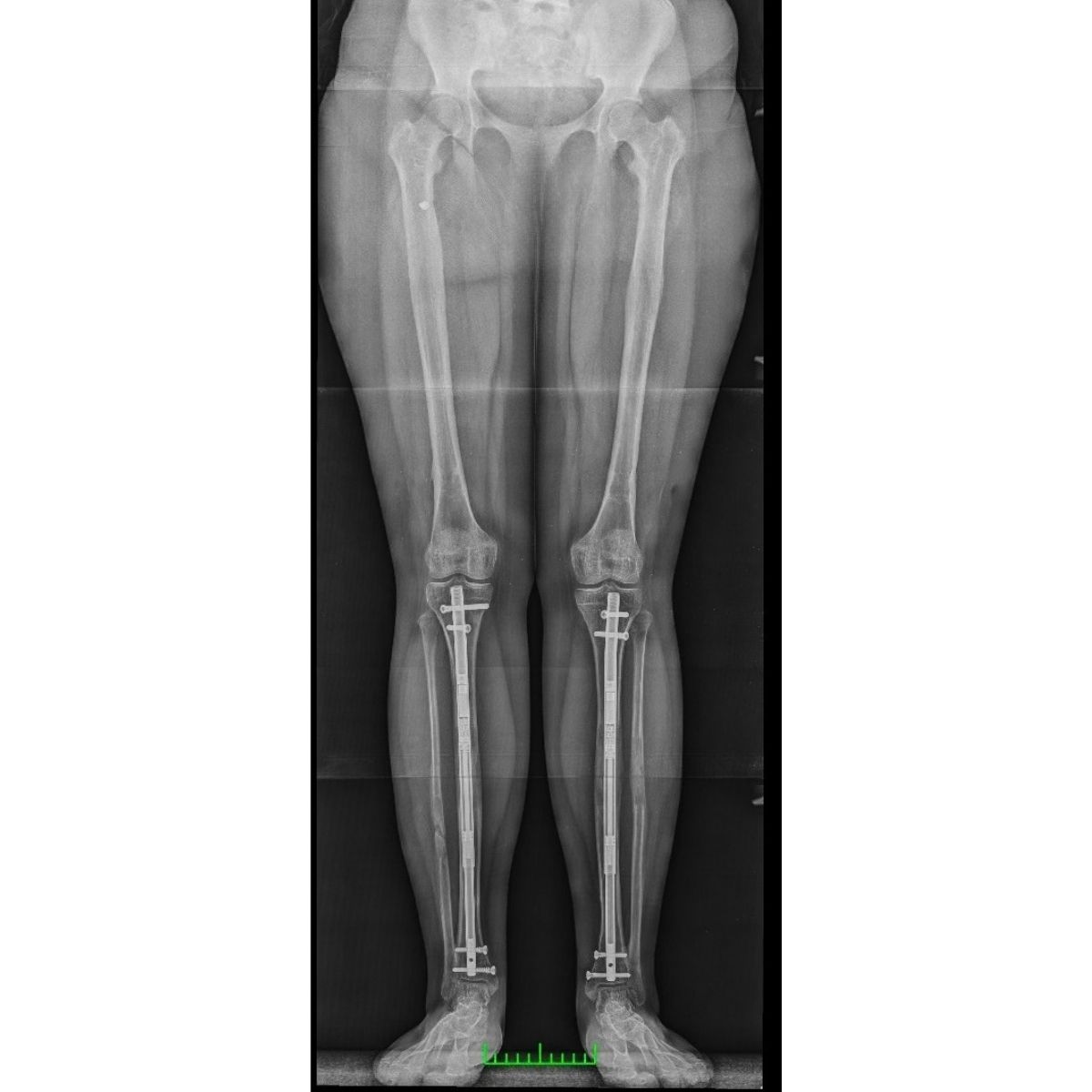
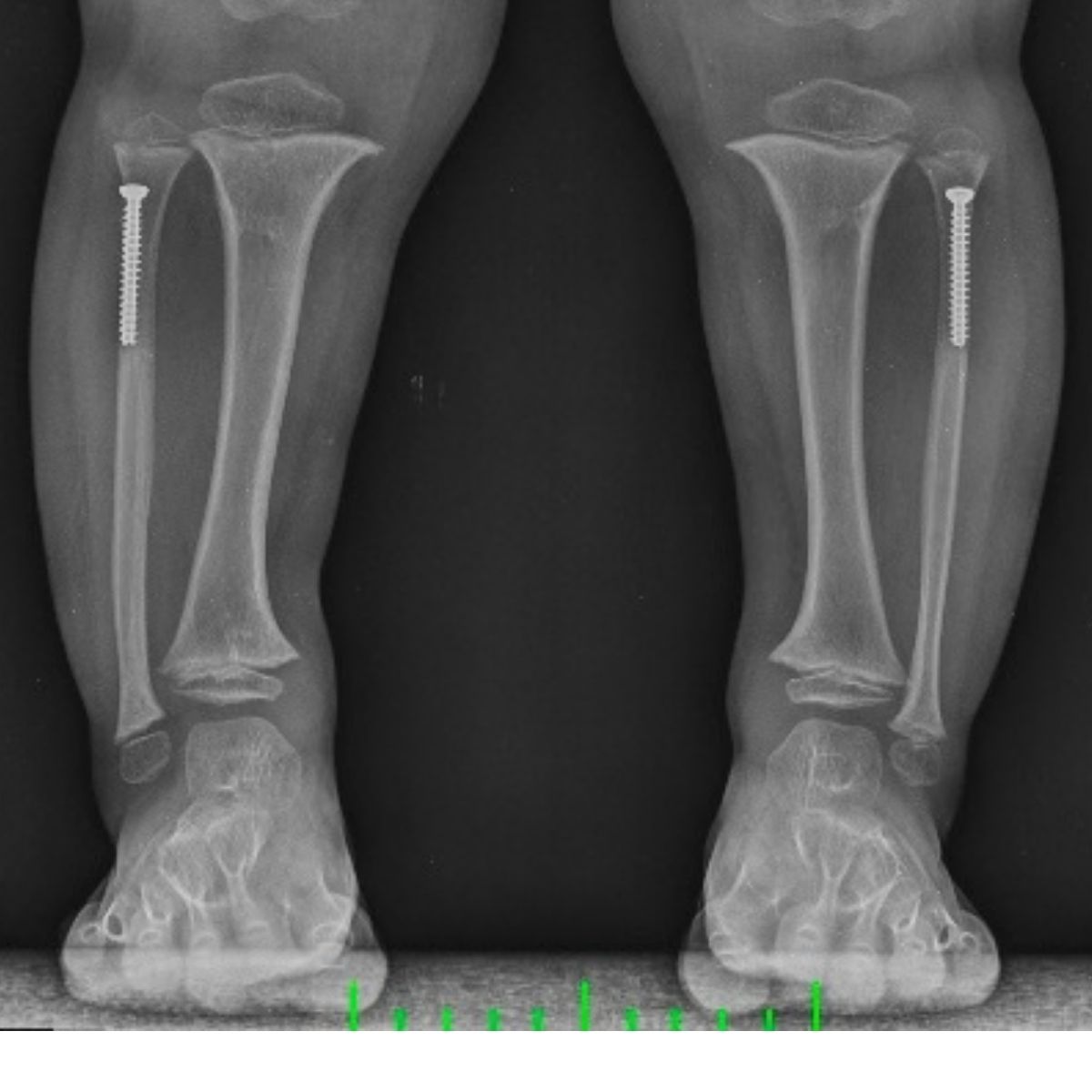
Imaging studies: X-rays of the long bones and spine reveal characteristic changes in the structure of the epiphyses, metaphyses, and bone shafts. Magnetic resonance imaging (MRI) allows for a precise evaluation of articular cartilage and soft tissues.
Genetic testing: Identification of specific gene mutations allows for definitive confirmation of the diagnosis, assessment of the risk of inheritance, and treatment planning. Prenatal diagnosis is possible as early as the second trimester of pregnancy using ultrasound and amniocentesis.
Metabolic testing: In the case of mucopolysaccharidoses (e.g., Morquio syndrome), measuring lysosomal enzyme activity is crucial.
The global standard in the treatment of congenital limb defects
The Paley European Institute sets global standards in the treatment of musculoskeletal dysplasia in children, drawing on the experience of a team that handles even the most complex cases referred from around the world.
The team's many years of experience in limb reconstruction and lengthening for children with congenital defects
Dr. Dror Paley and a team of specialists in pediatric orthopedics, reconstructive surgery, and rehabilitation
A personalized approach to each patient — a treatment plan tailored to the type of defect, the child's age, and functional abilities
The dysplasia was detected during pregnancy
A prenatal diagnosis of musculoskeletal dysplasia is difficult news, but it also presents a tremendous opportunity—it gives you time to prepare and plan the best possible care for your child from the very first moments of life.
If the results suggest dysplasia, we recommend the following:
An immediate orthopedic consultation at a center specializing in skeletal dysplasias
In-depth genetic testing to confirm the diagnosis and determine the type of dysplasia
A consultation with a clinical geneticist, who will explain the mechanism of inheritance and answer questions about future pregnancies
Planning a delivery at a facility with access to specialized neonatal and orthopedic care

Diagnostics—When and at What Age to Seek Care:
Musculoskeletal dysplasias can be diagnosed at various stages of a child’s life—as early as during pregnancy, immediately after birth, or in the first years of life. The earlier the diagnosis is made, the more effective and less invasive the treatment can be.
During pregnancy
The first signs of dysplasia may appear as early as a routine ultrasound examination during the second trimester of pregnancy (around the 20th week). Abnormalities in the length or structure of the fetus’s long bones should prompt further diagnostic testing.
In this case, we recommend:
- Genetic ultrasound with a prenatal medicine specialist
- Genetic counseling and genetic testing using samples collected during amniocentesis or chorionic villus sampling
- Orthopedic consultation at a center specializing in skeletal dysplasias
A prenatal diagnosis makes it possible to plan the delivery at an appropriate facility, prepare a team of specialists, and implement the appropriate course of action immediately after birth.
After Birth—Newborns and Infants
An orthopedic examination of a newborn should be performed during the first week of life.
If musculoskeletal dysplasia is suspected, the following are recommended:
- Clinical examination by an experienced pediatric orthopedist
- Ultrasound of the hip joints according to the Graf classification (mandatory for all newborns)
- X-rays of the long bones and spine if skeletal dysplasia is suspected
- Genetic testing to confirm the diagnosis
Infants and toddlers (ages 1–3)
Some cases of dysplasia do not become apparent until the child begins to be physically active.
Warning signs that should prompt parents to schedule an orthopedic appointment include:
- Abnormal gait, limping, or reluctance to walk
- Visible bowing or knock-knees
- Asymmetry of the limbs or trunk
- Slower growth compared to peers
- Joint or spinal pain
Older Children and Adolescents
Even if dysplasia was not diagnosed in early childhood, treatment during the growth period still yields very good results. Guided growth is possible as long as the growth plates remain active—which is why it’s best not to delay seeking a consultation.
Genetic Testing
Genetic testing is a key component of the diagnosis of musculoskeletal dysplasia. It not only confirms the diagnosis but also helps determine the pattern of inheritance, assess the risk of the condition in future children, and plan the optimal treatment.
When should we order a genetic test?
If skeletal dysplasia is suspected based on the clinical presentation or imaging studies
In cases of a family history of dysplasia or short stature
After an abnormality is detected during a prenatal ultrasound exam
When parents of a child with dysplasia are planning their next pregnancy
Where can I get a genetic test?
The sample used for the test is the patient’s peripheral blood or, in the case of prenatal diagnosis, amniotic fluid collected during amniocentesis. In this regard, we recommend the Genetic Laboratory of the Medical University of Warsaw, which specializes in genetic testing for rare diseases, including skeletal dysplasias. It is advisable to discuss the test results with the team providing orthopedic care in order to determine the optimal plan for further management.
Treatment of Musculoskeletal Dysplasia at the Paley European Institute
Treatment for musculoskeletal dysplasia at the Paley European Institute is comprehensive and tailored to the individual needs of each patient.
Guided growth
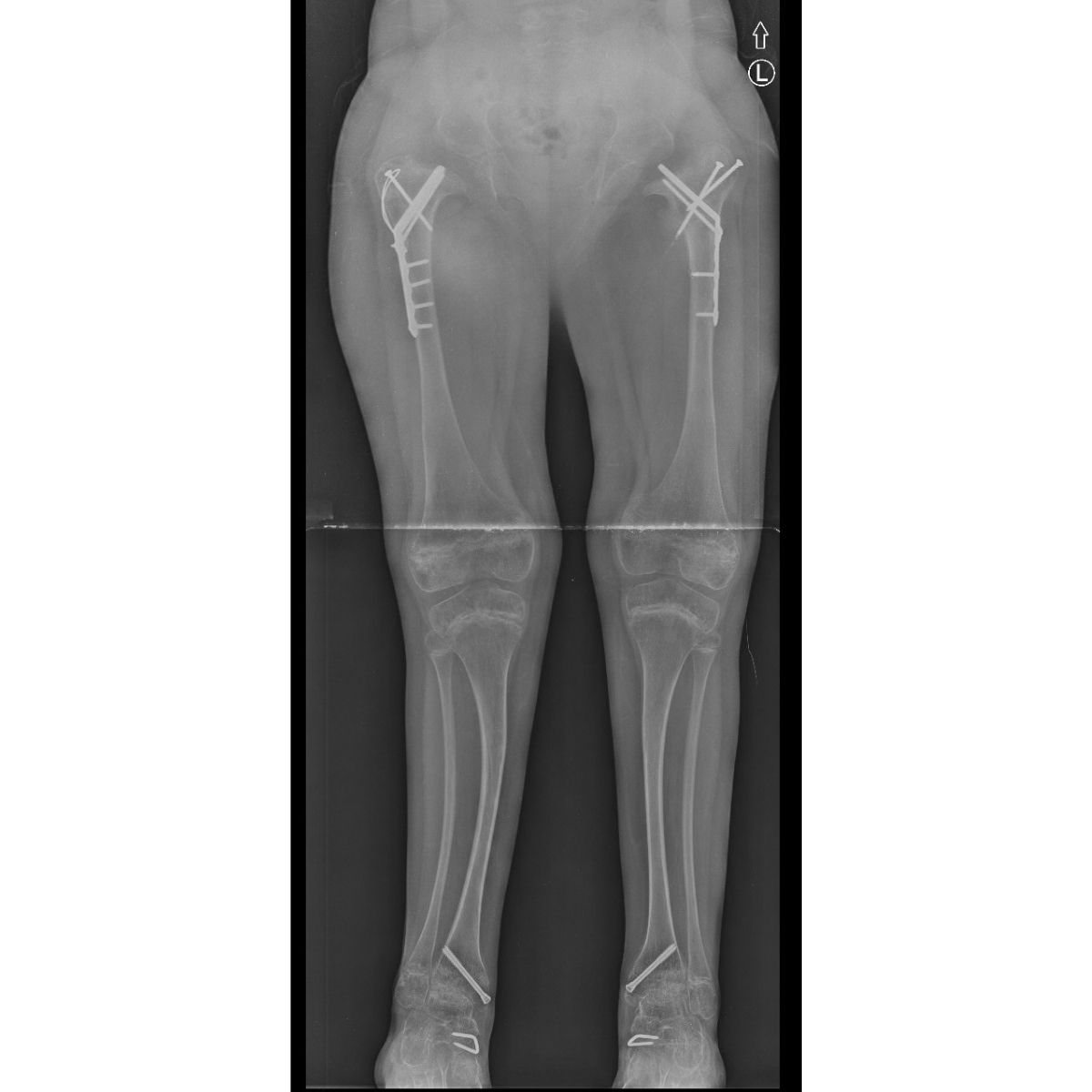
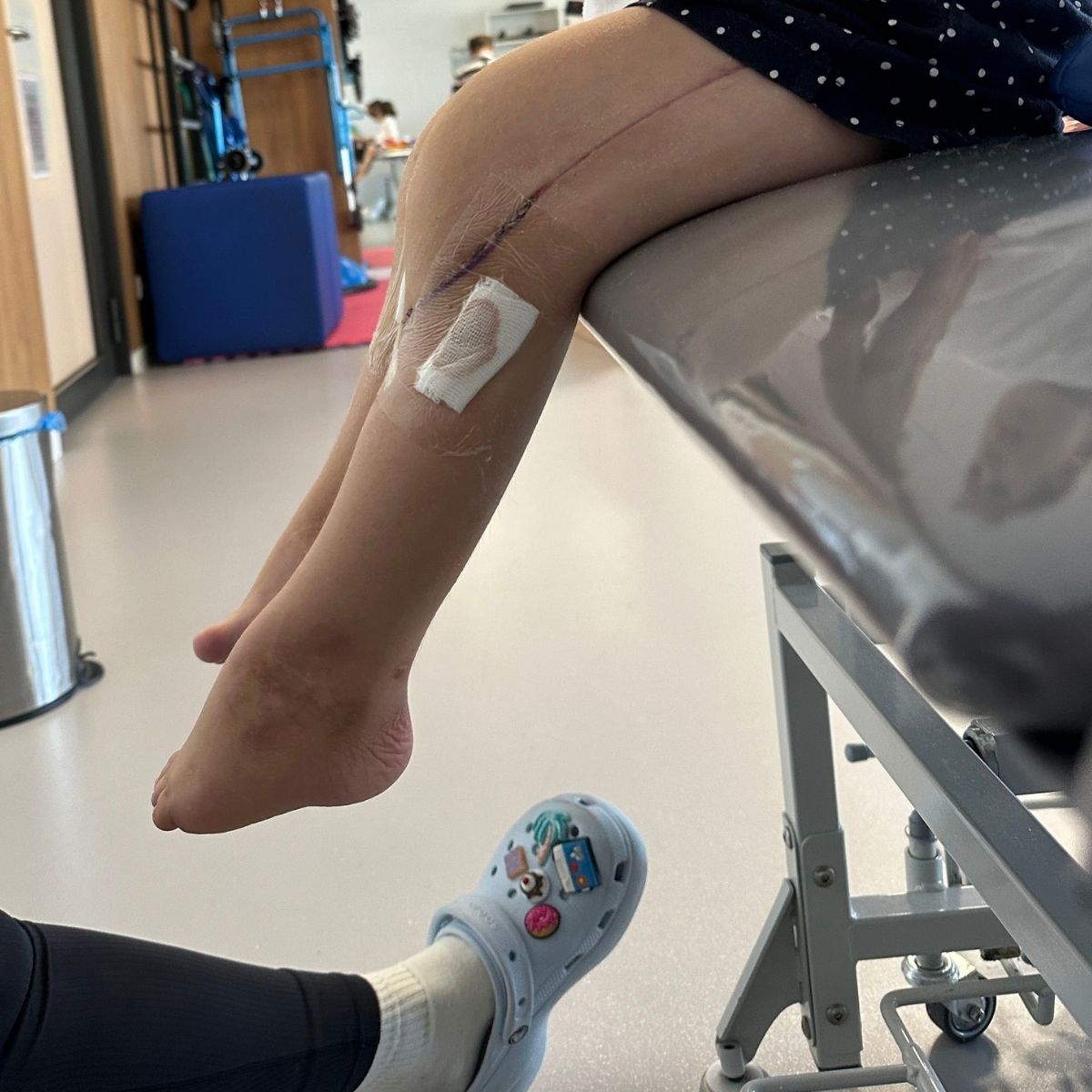
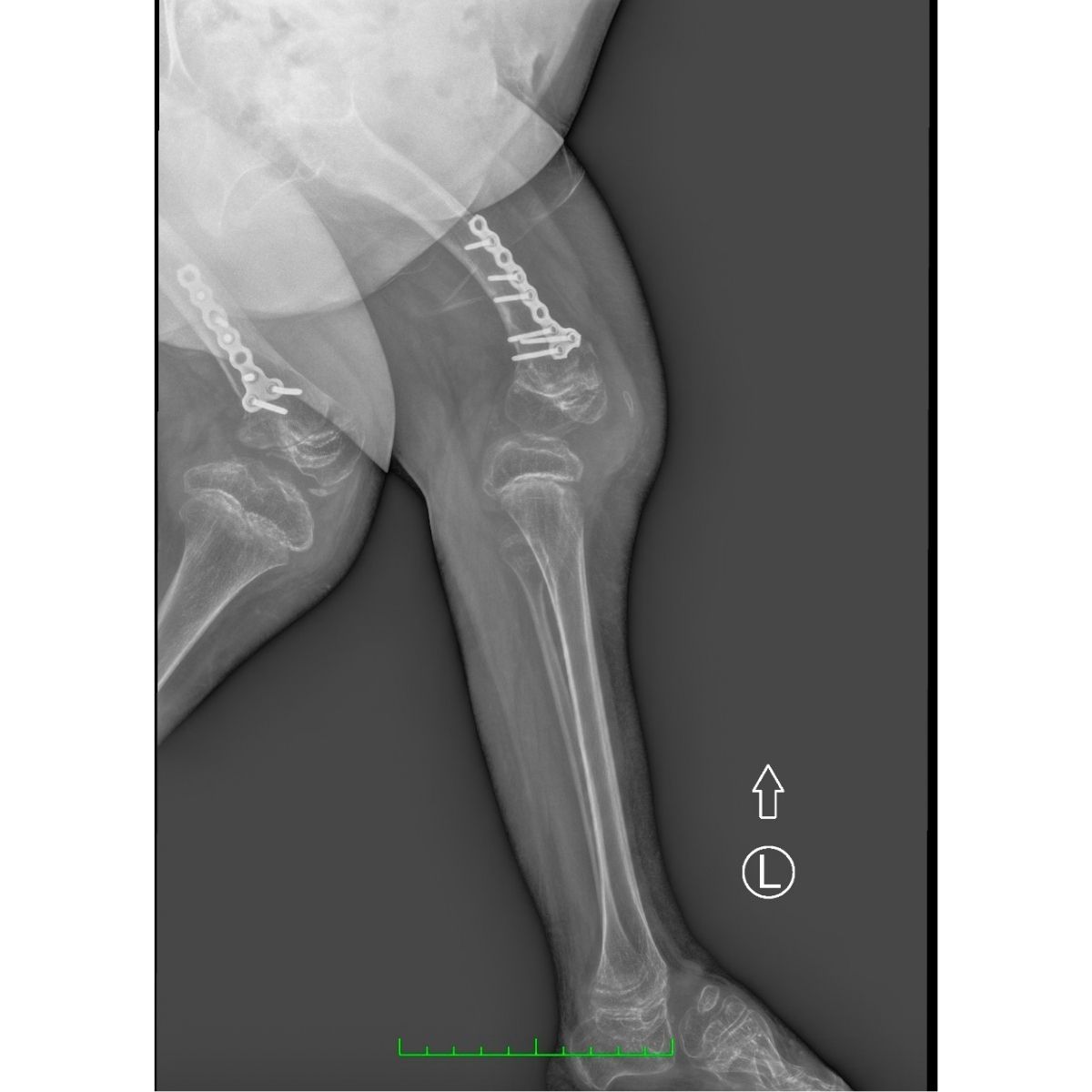
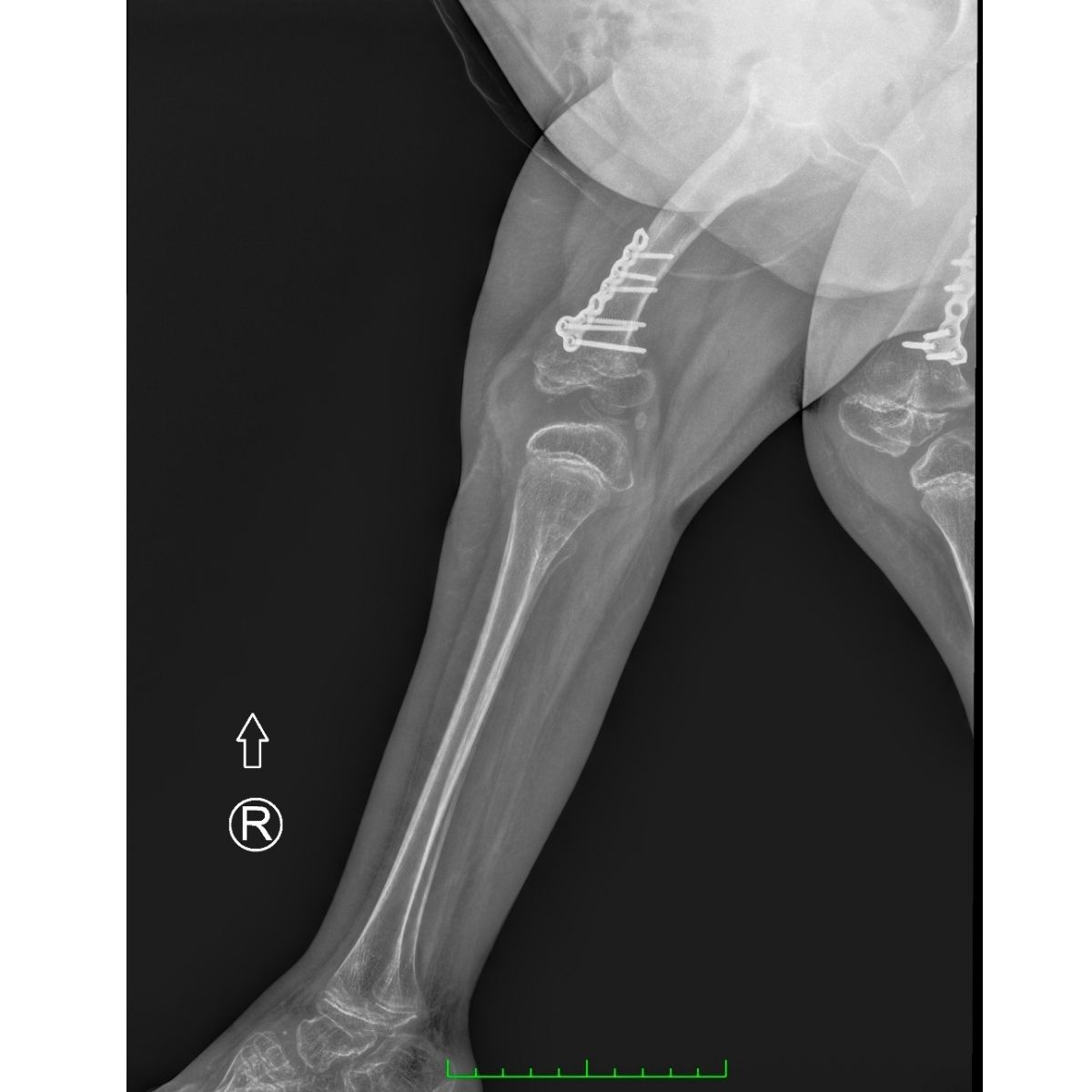
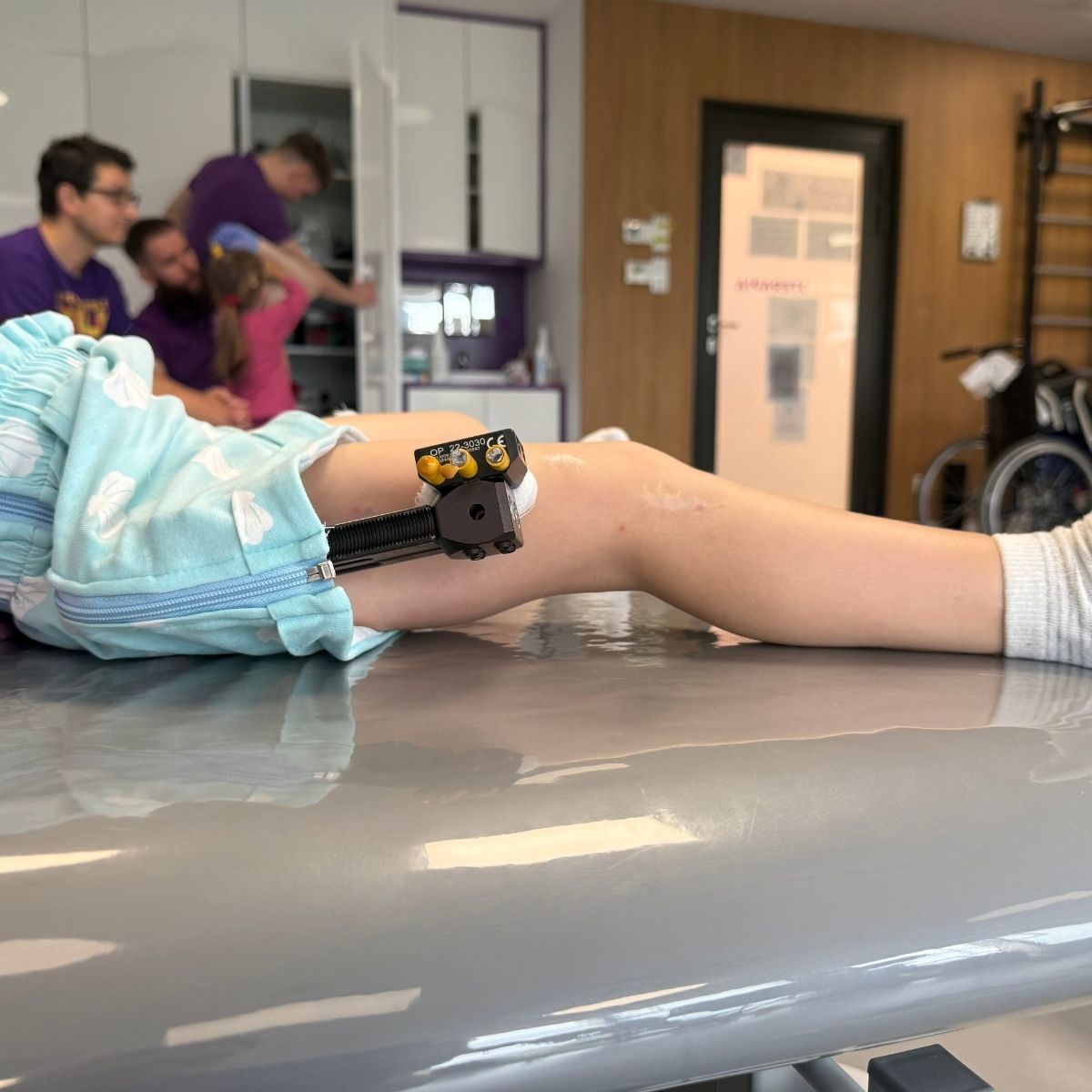
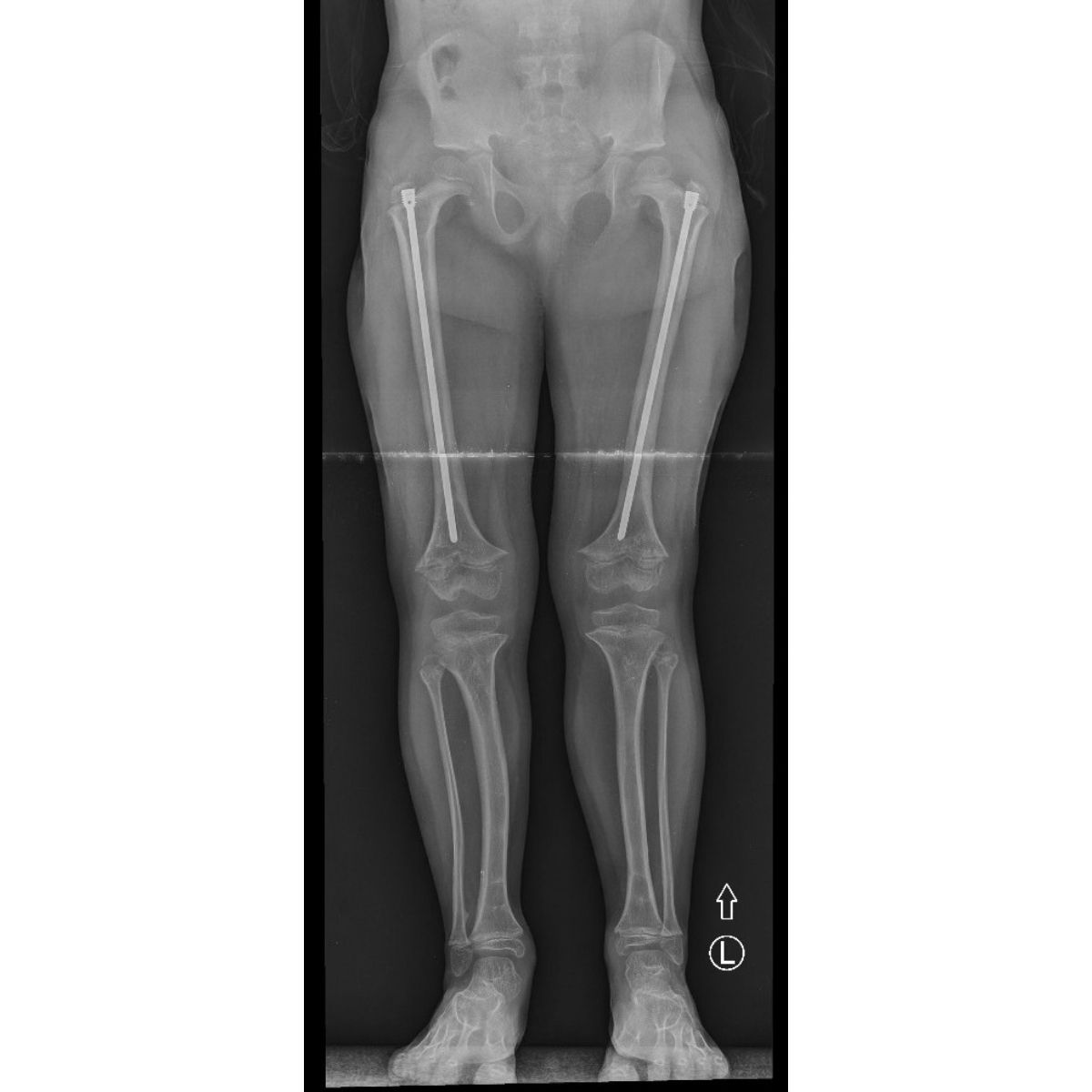
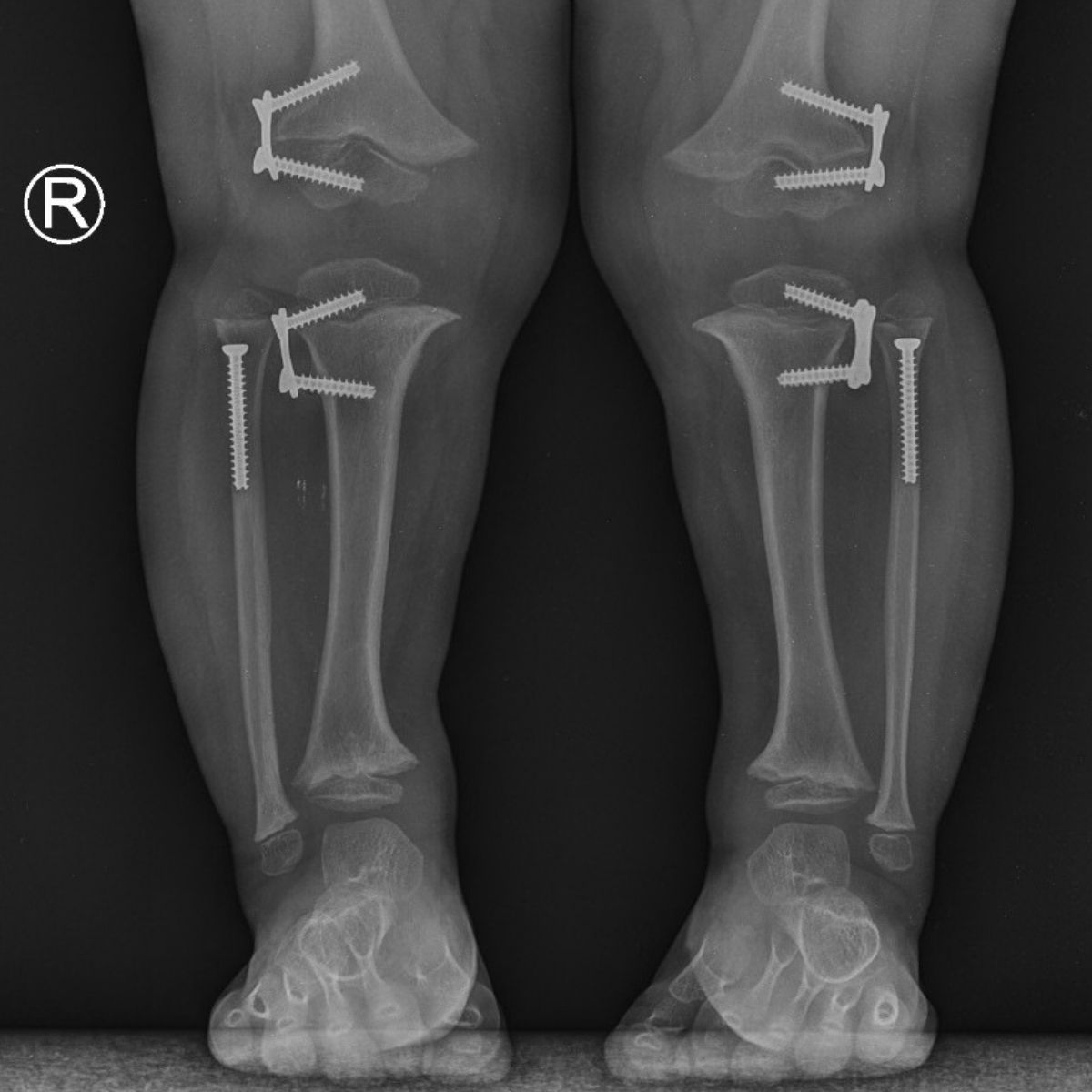
During the growth phase, it is possible to precisely correct limb alignment using a minimally invasive technique called hemiepiphysiodesis. Small plates inserted through incisions of about 5 mm inhibit growth on one side of the bone, gradually correcting the deformity without the need to cut the bone. The correction process typically takes one to two years.
Limb lengthening
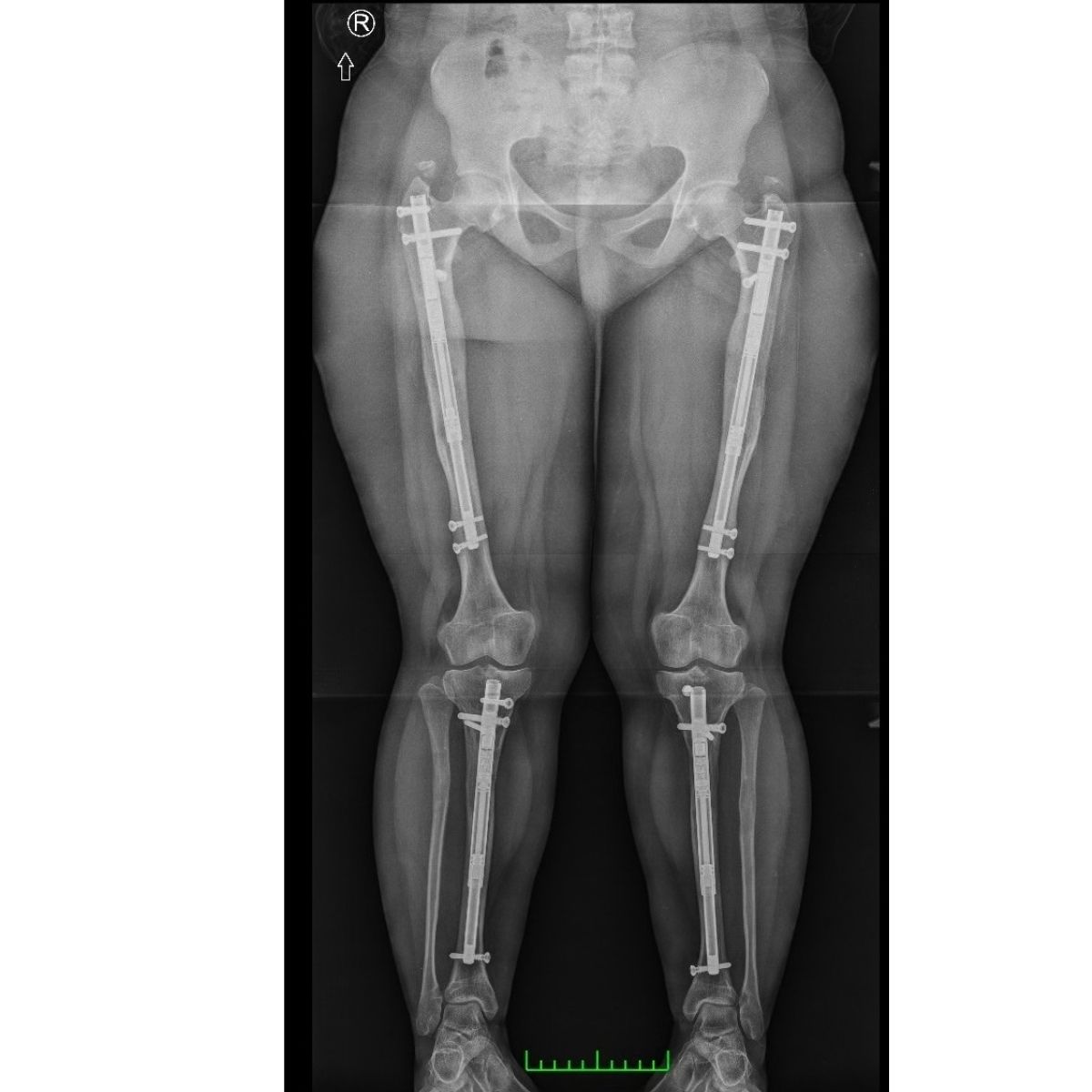
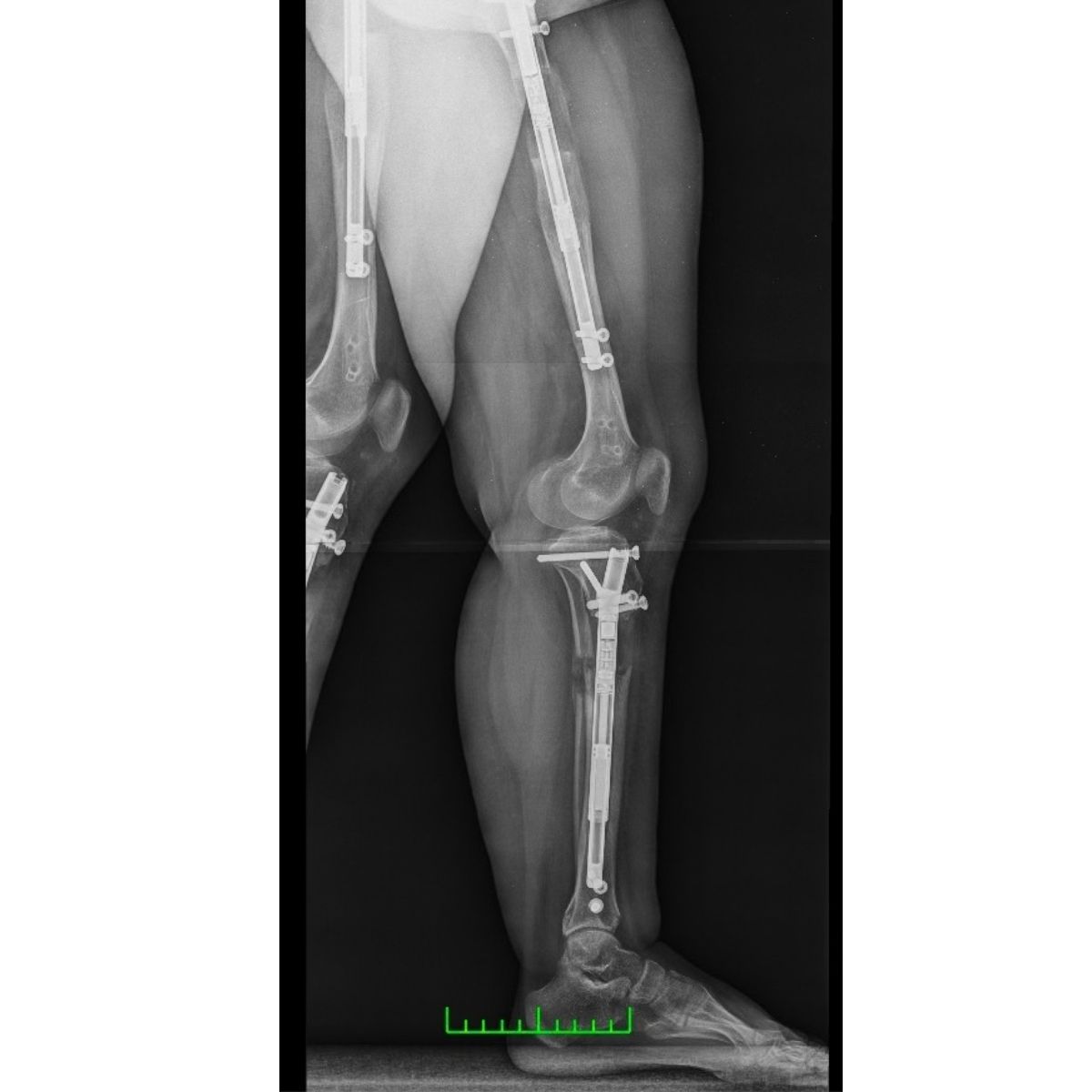
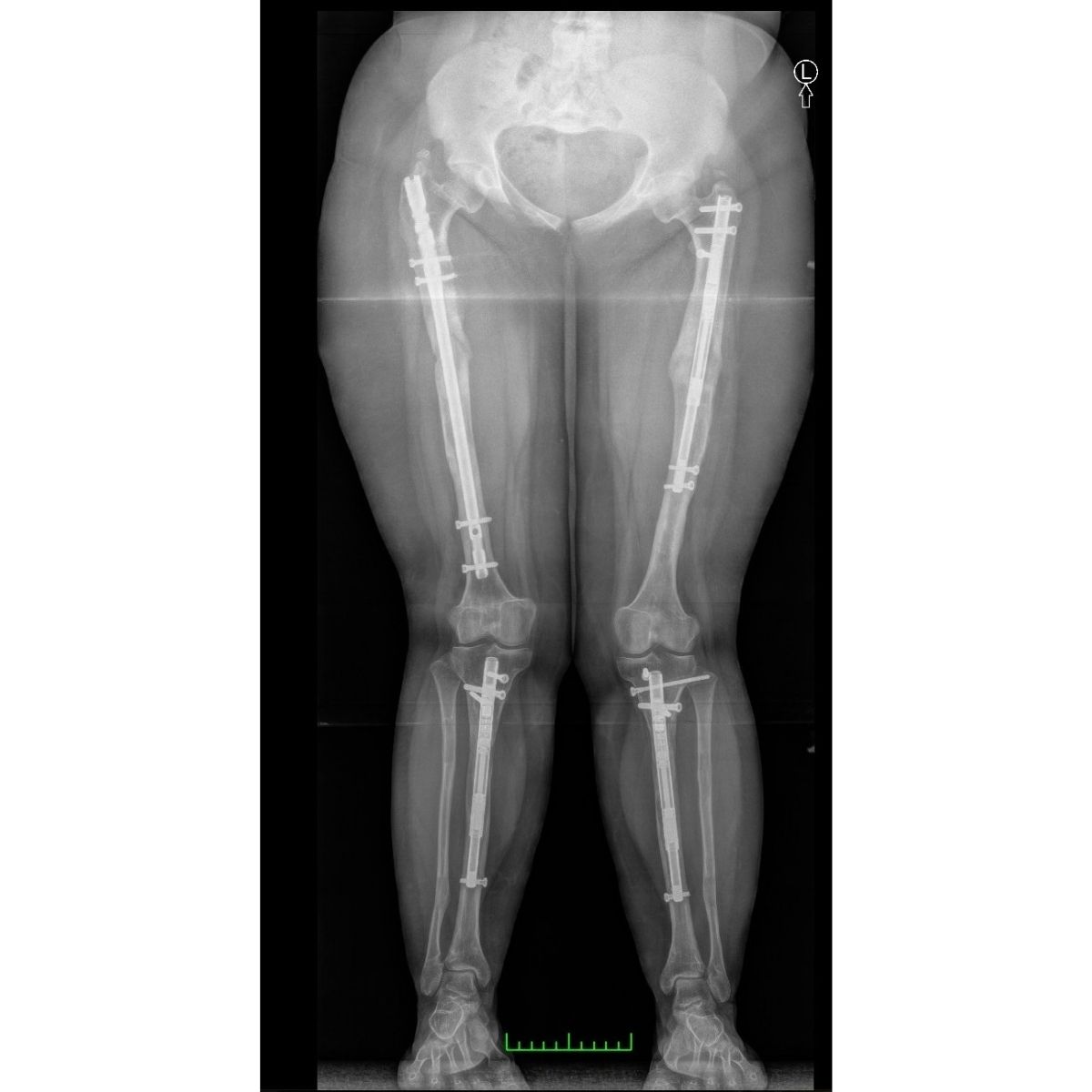
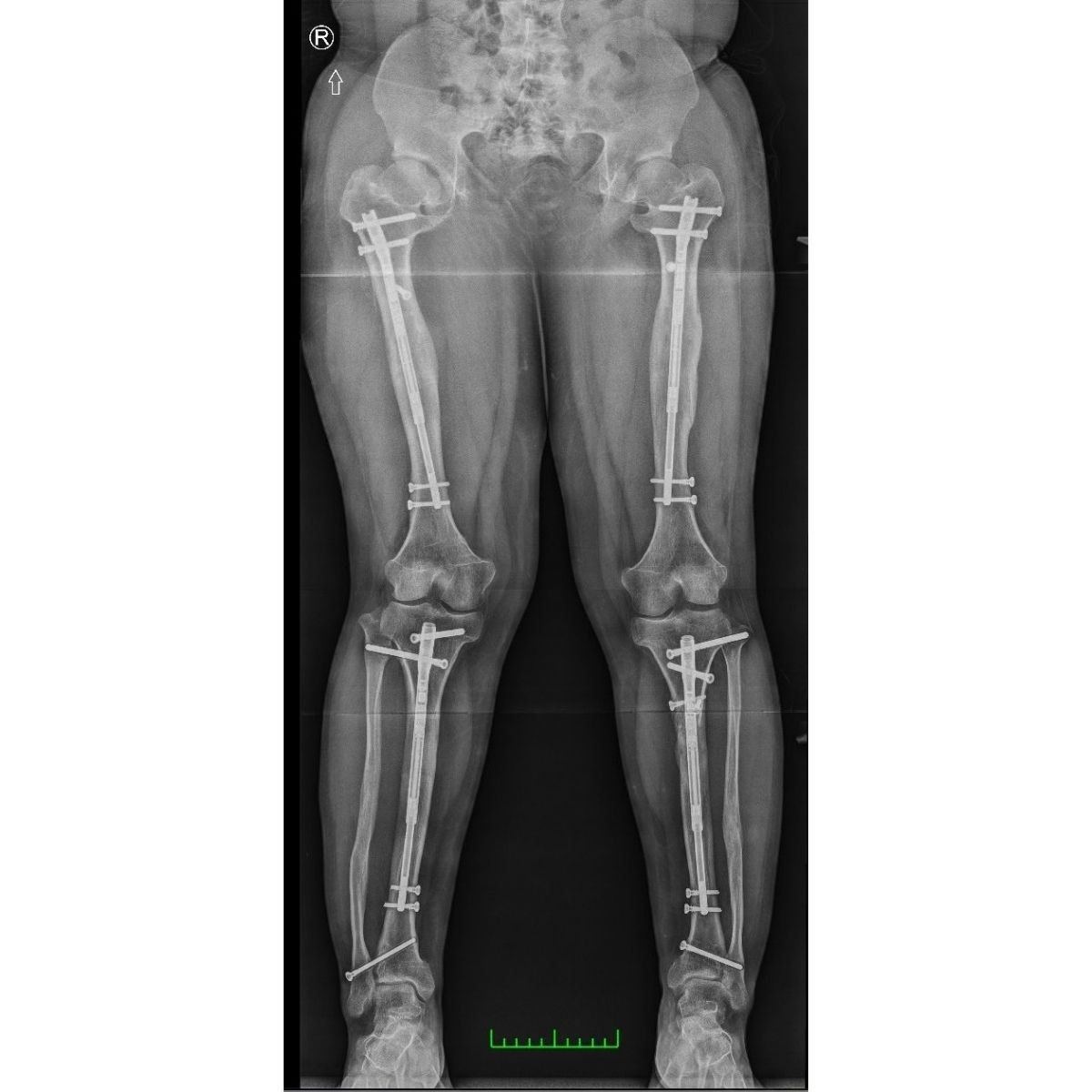
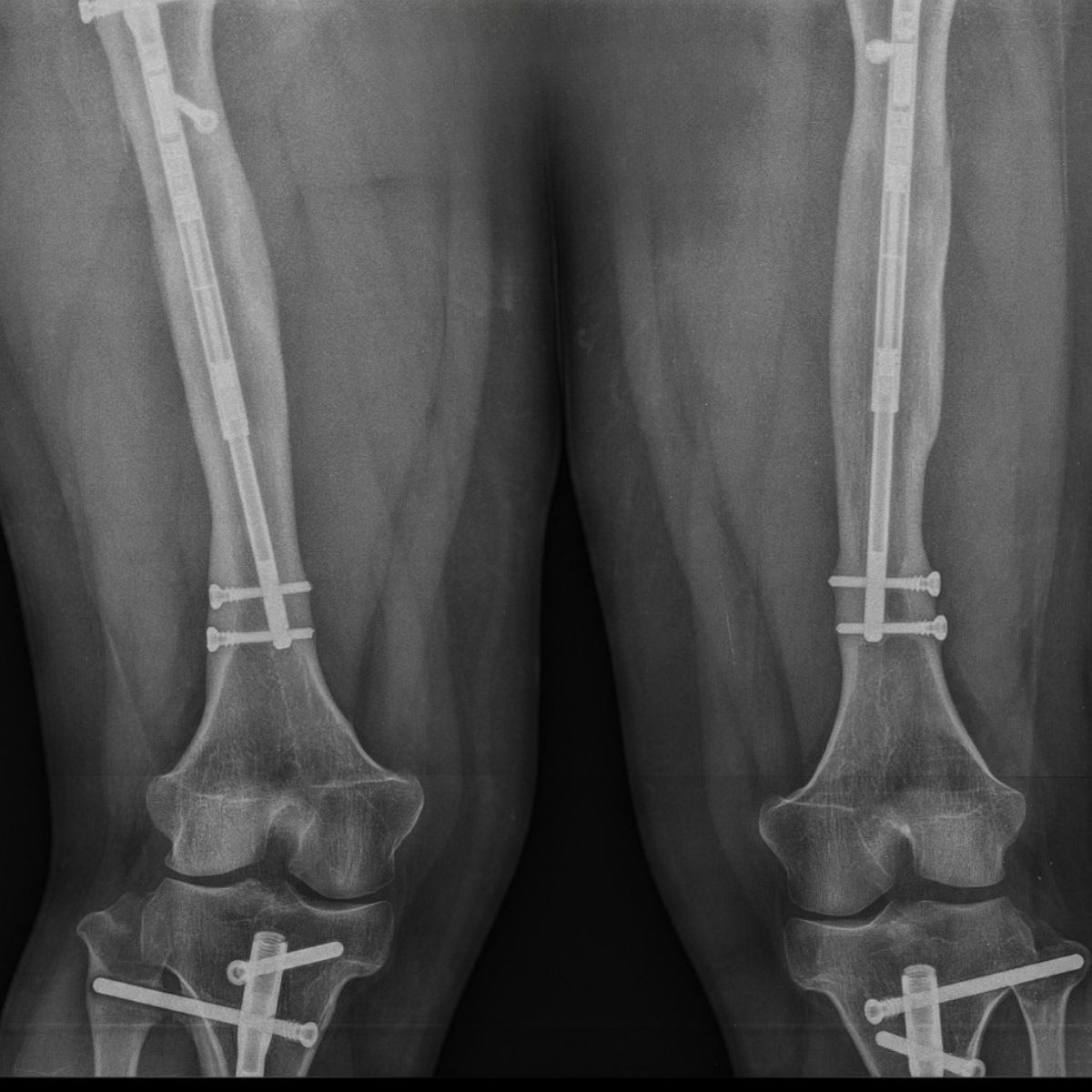
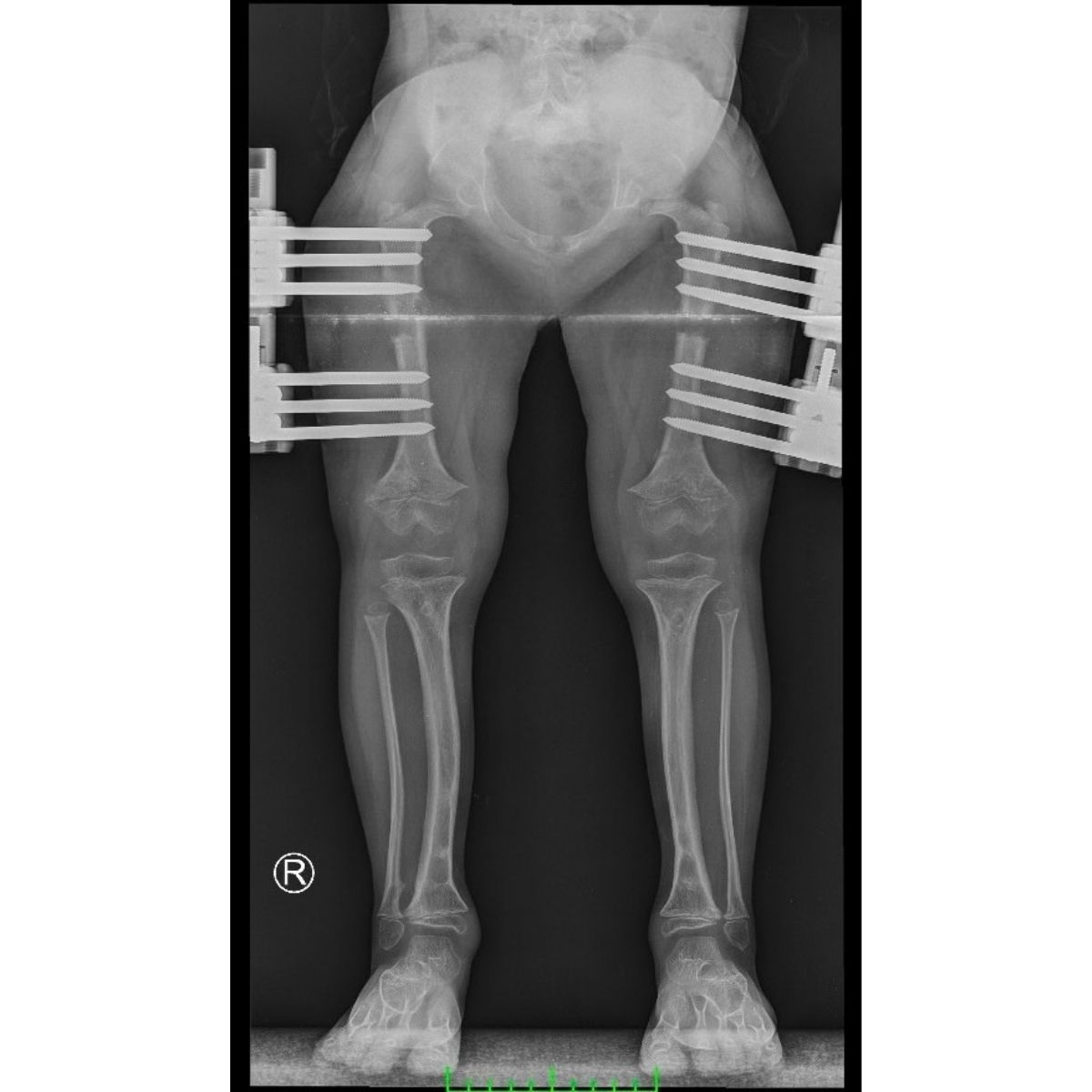
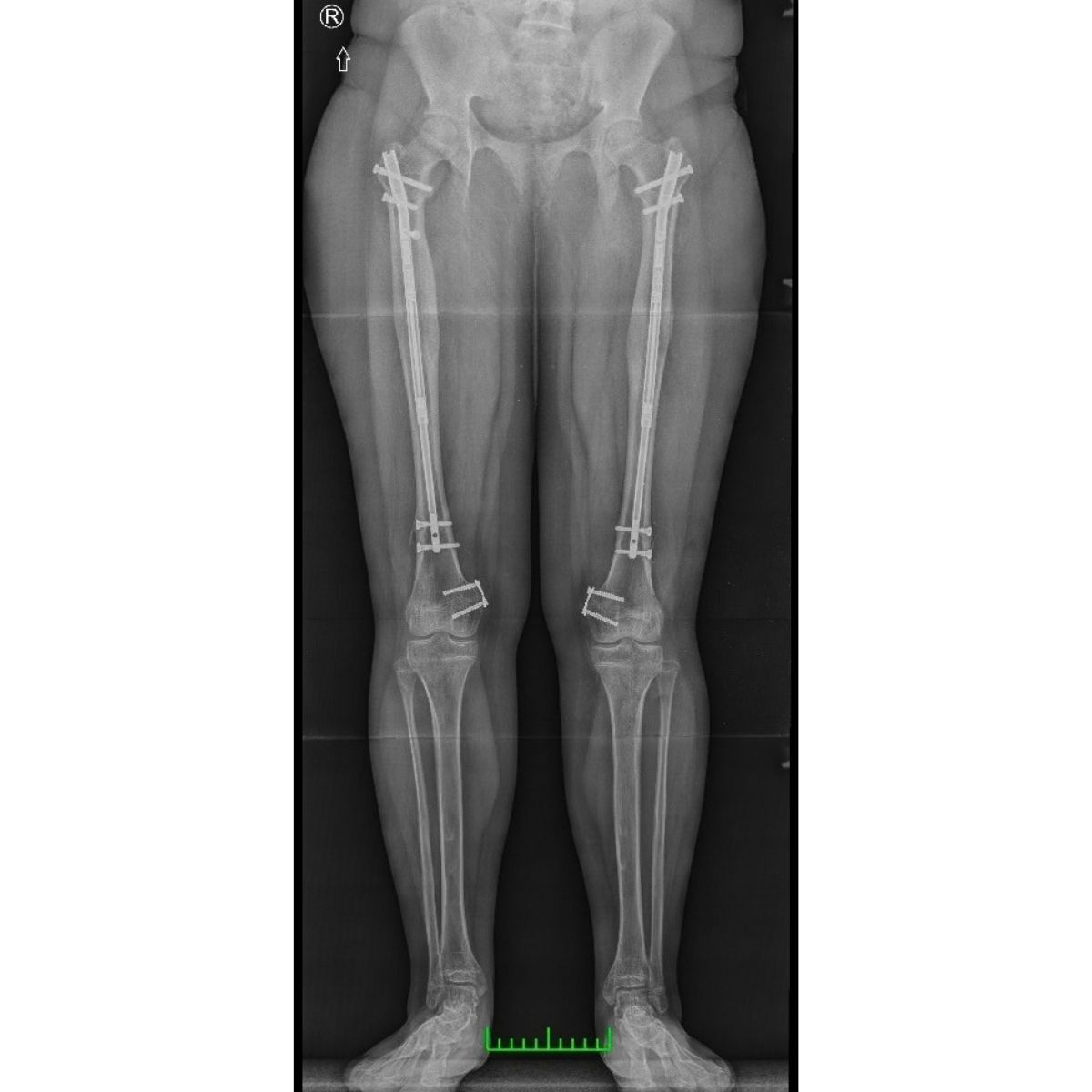
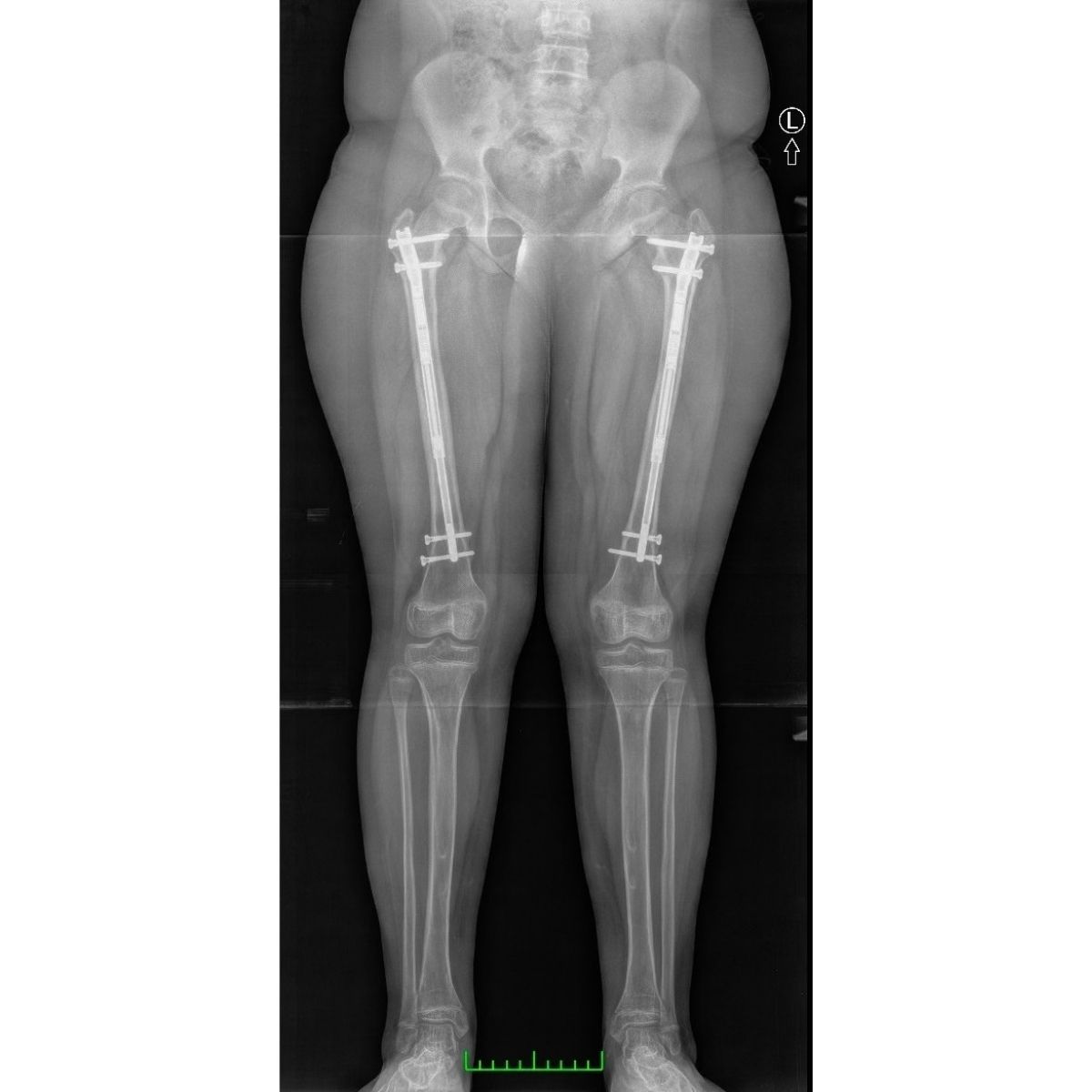
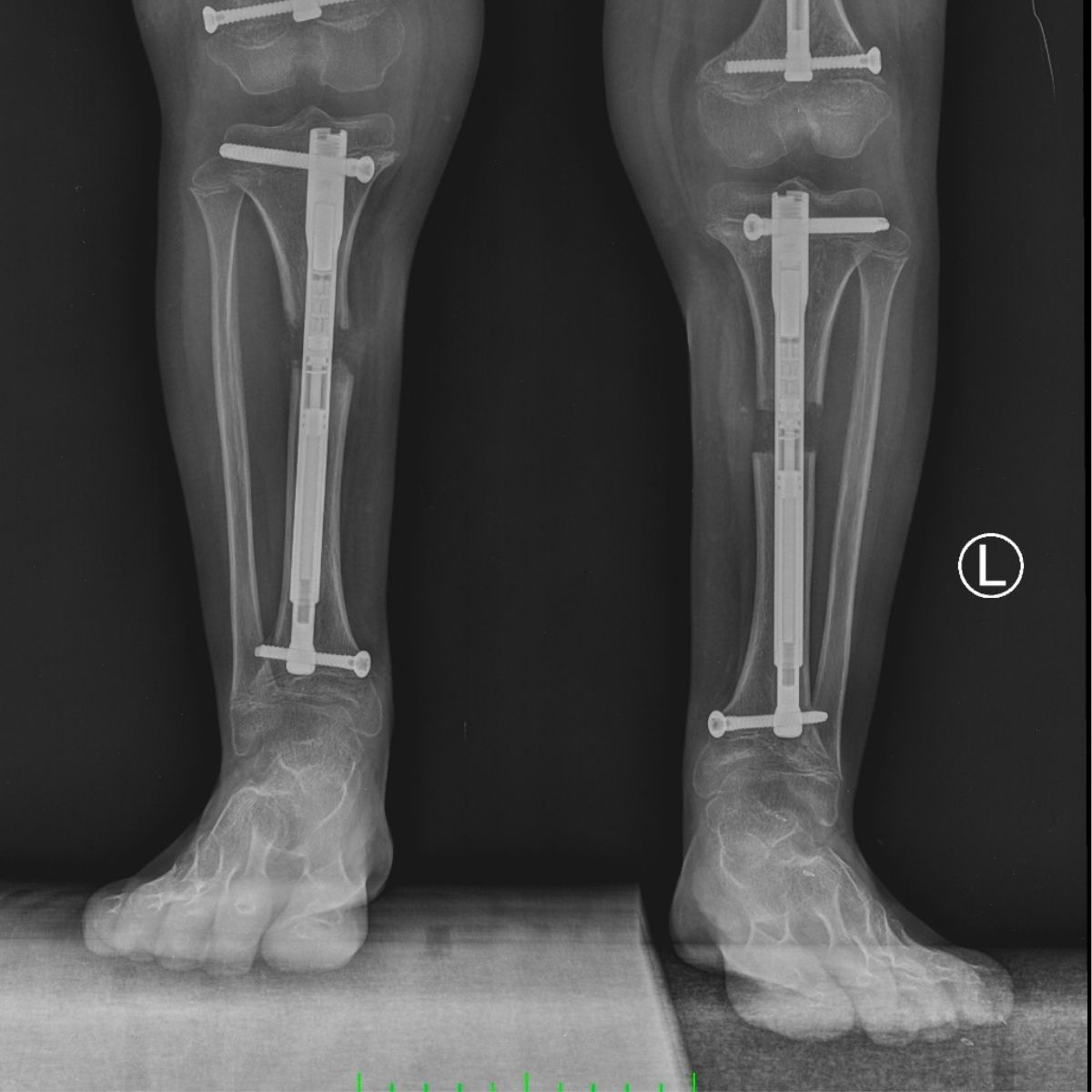
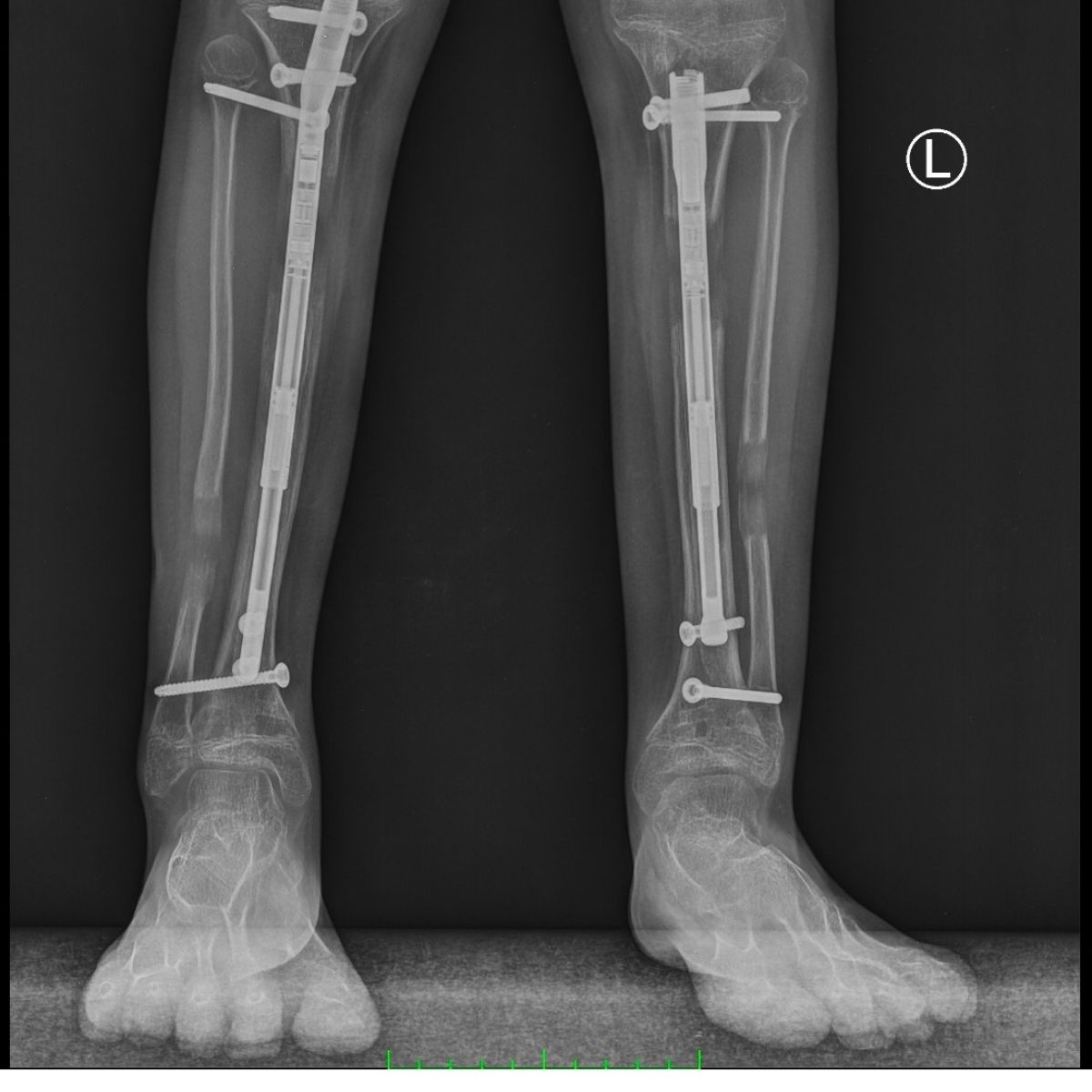
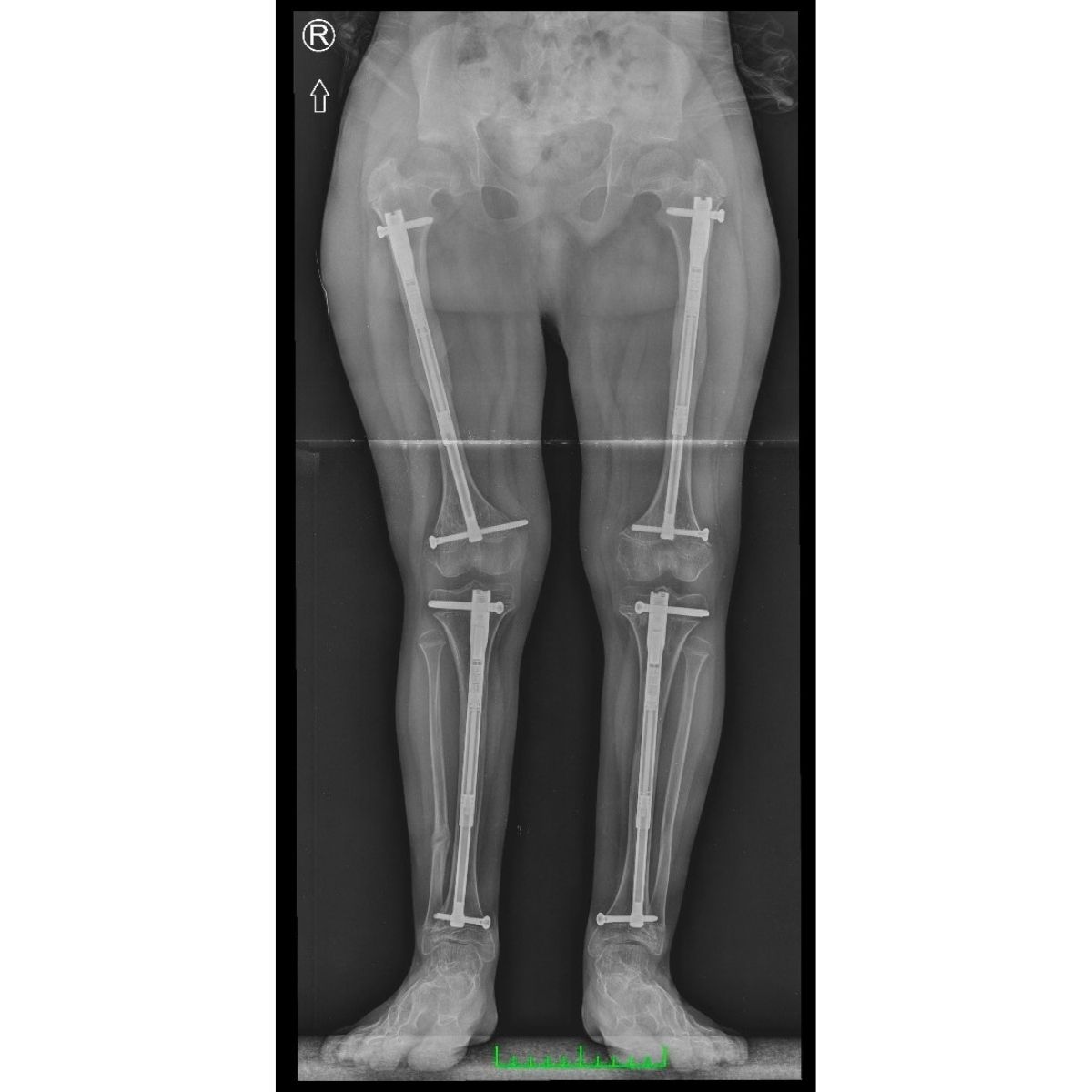
In cases of significant limb shortening, we use modern methods of distraction osteogenesis: the Ilizarov method and the PRECICE system (a telescopic nail inserted inside the bone), which ensures comfort and discretion during treatment.
Corrective osteotomies
Surgical bone correction in cases where guided growth is no longer possible or the deformity is too advanced.
Spinal stabilization
It includes the treatment of scoliosis, kyphosis, and cervical instability, which can threaten the spinal cord.
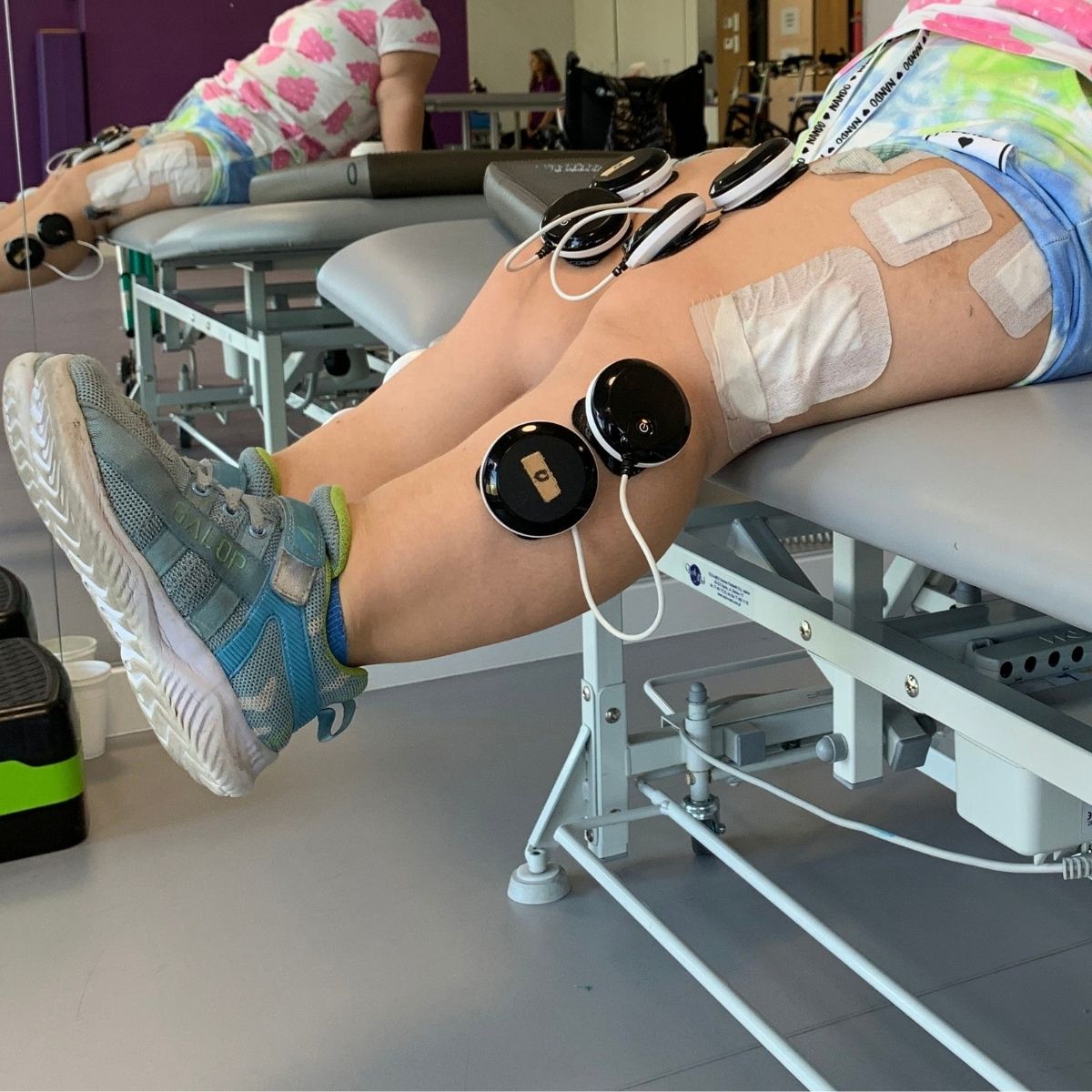
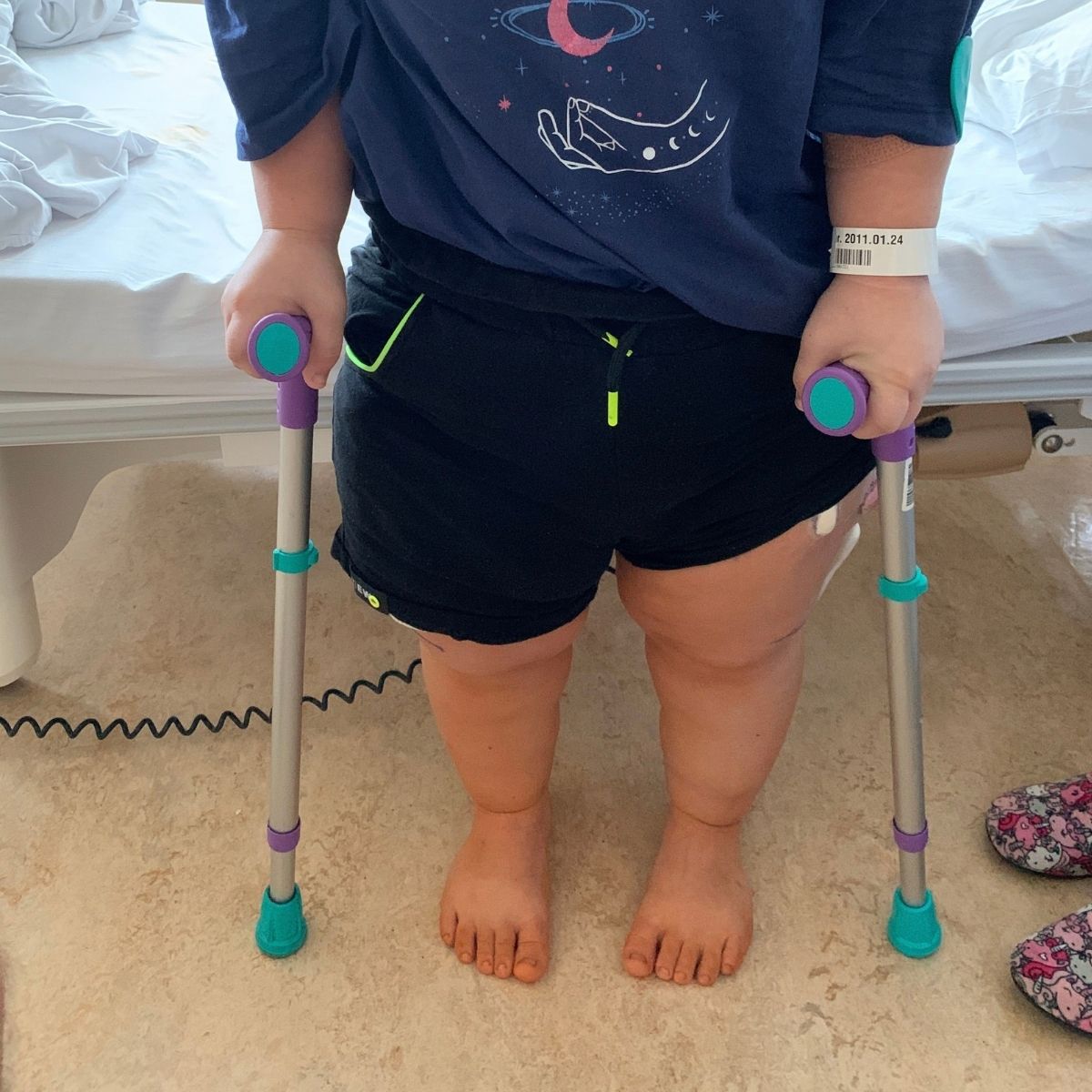
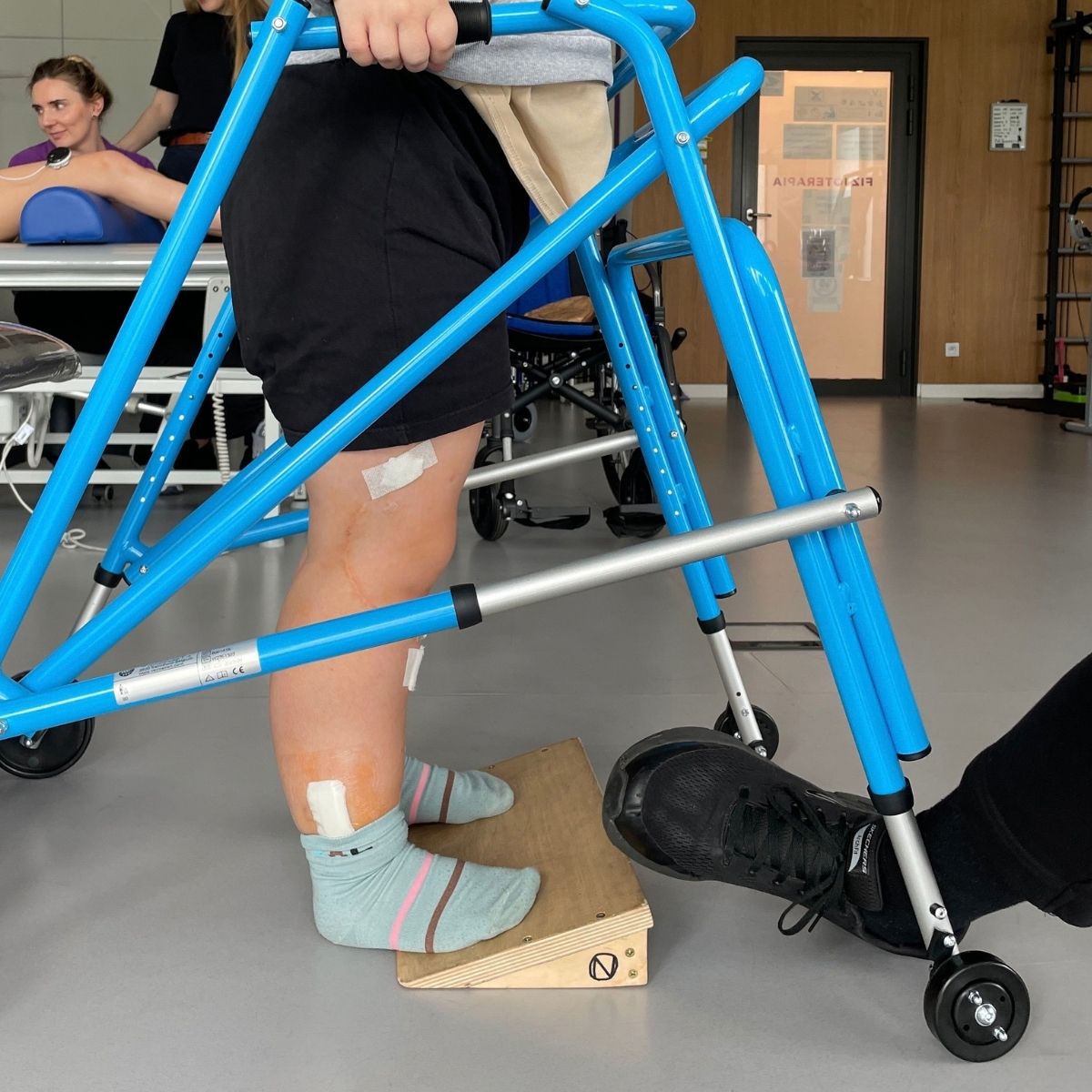
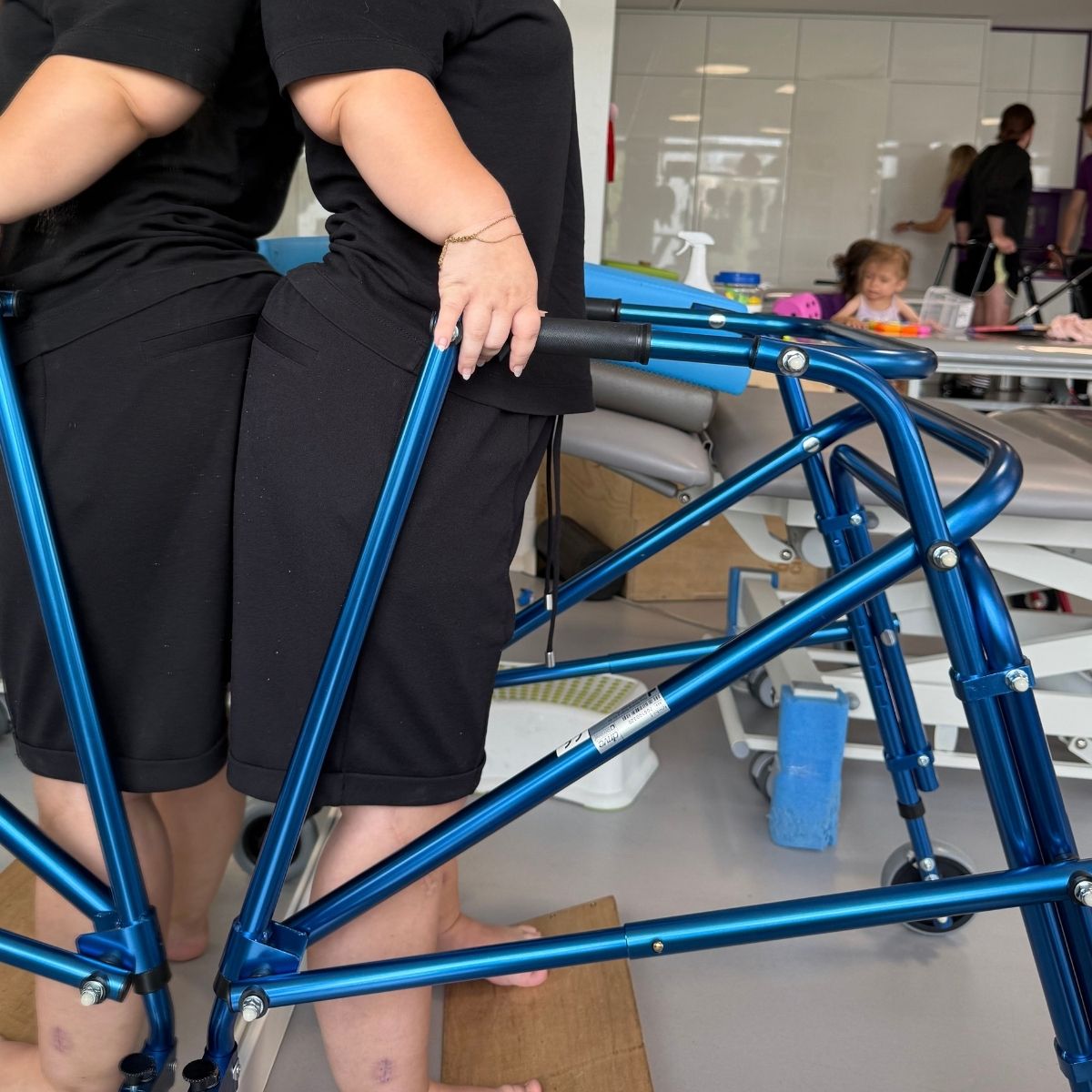
Rehabilitation and physiotherapy
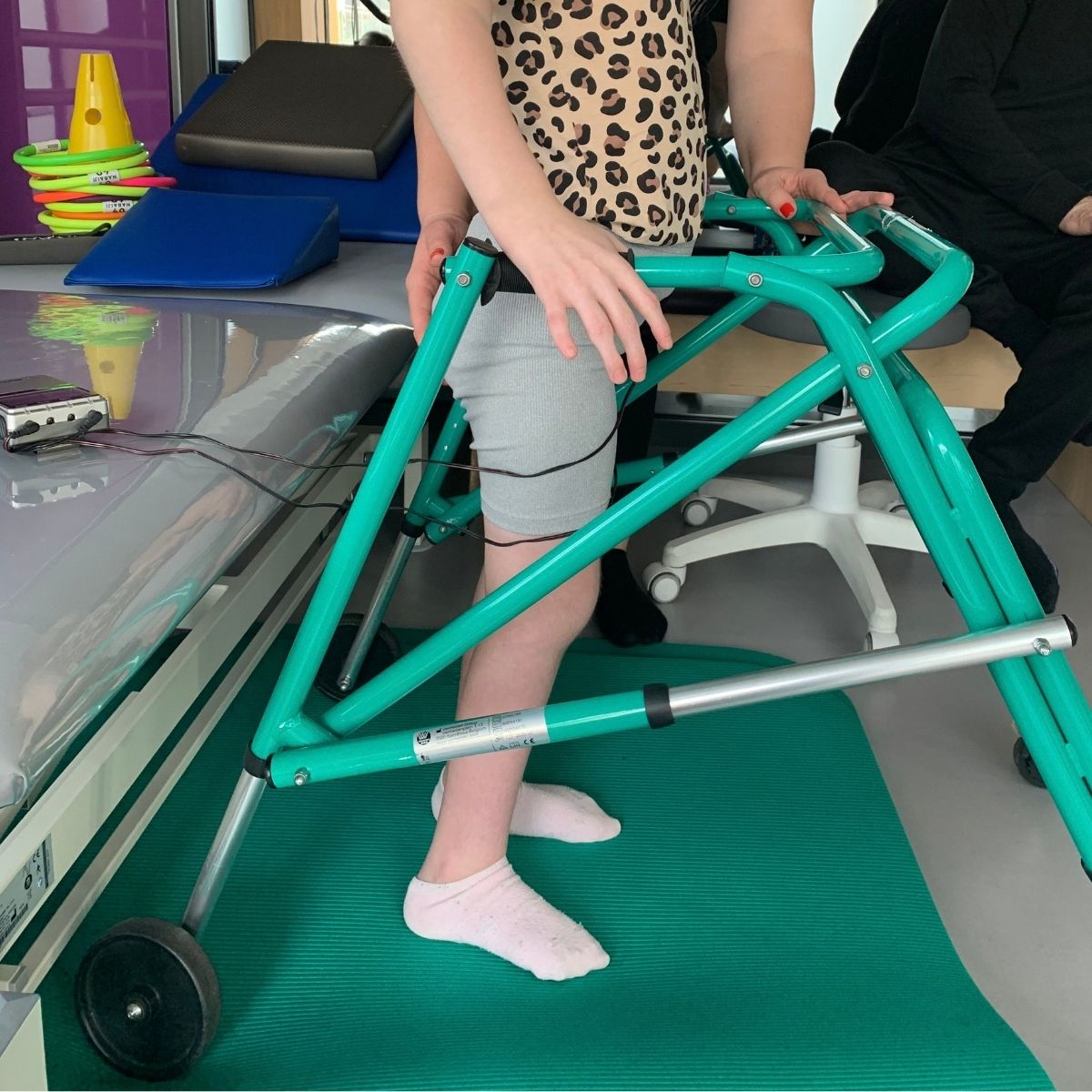
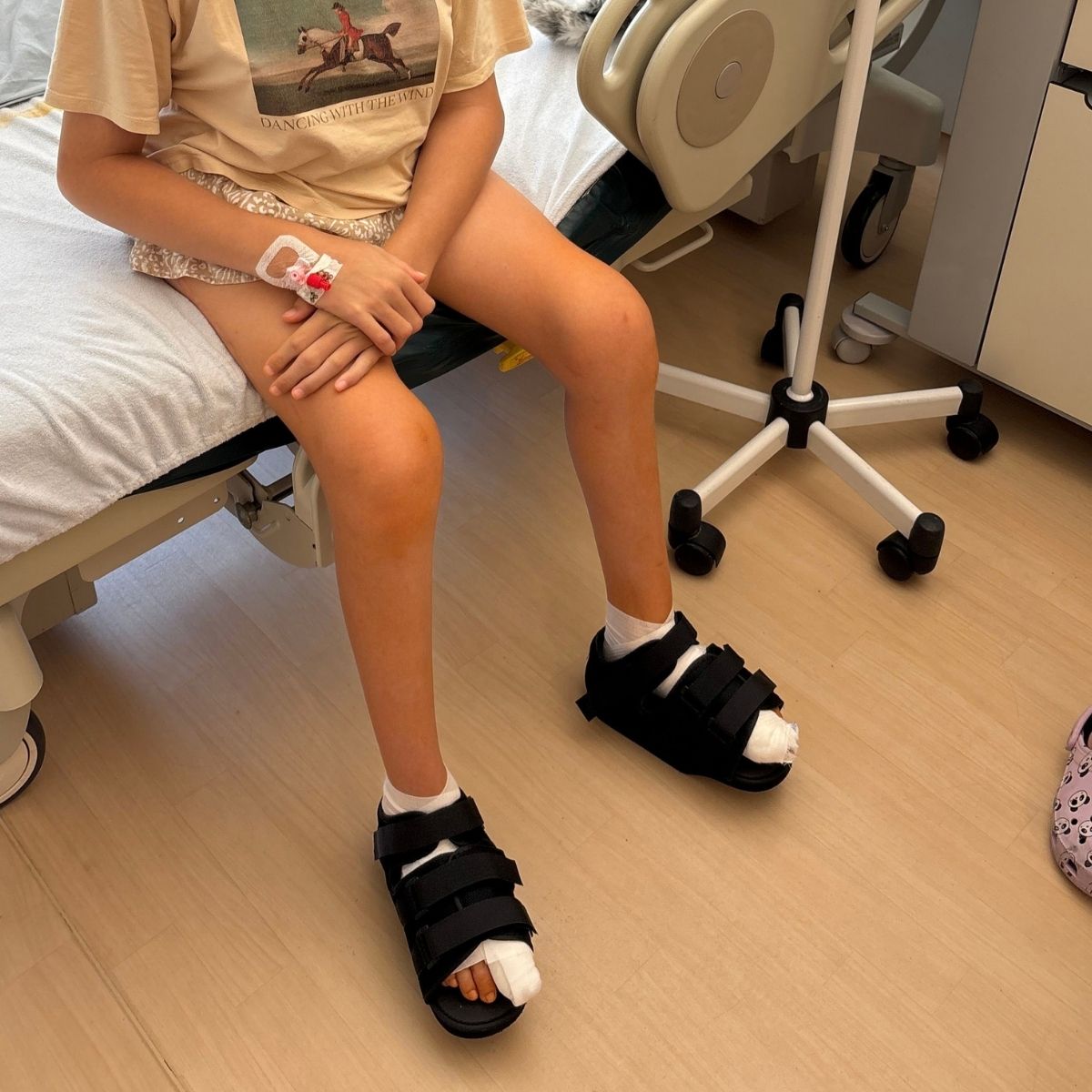
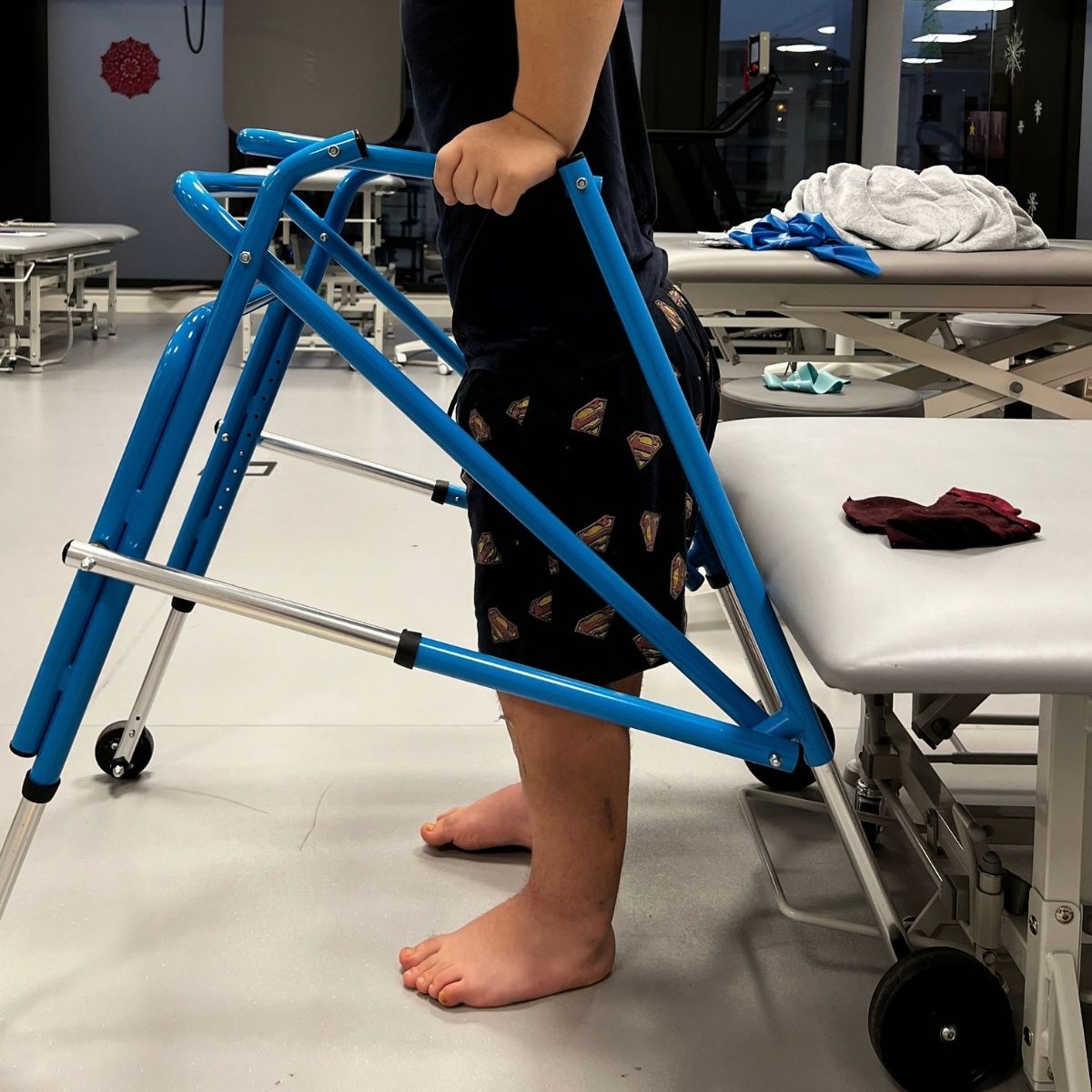
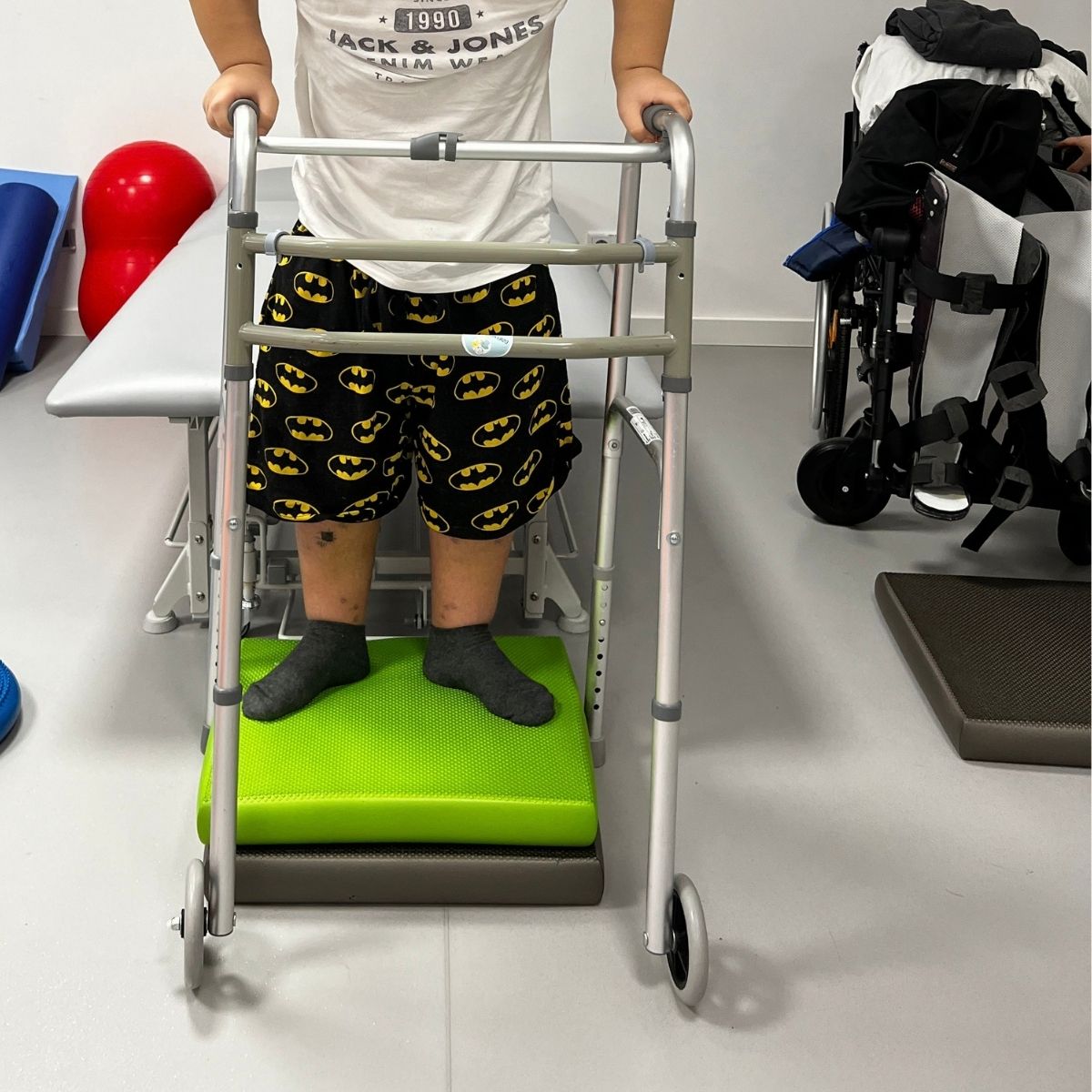
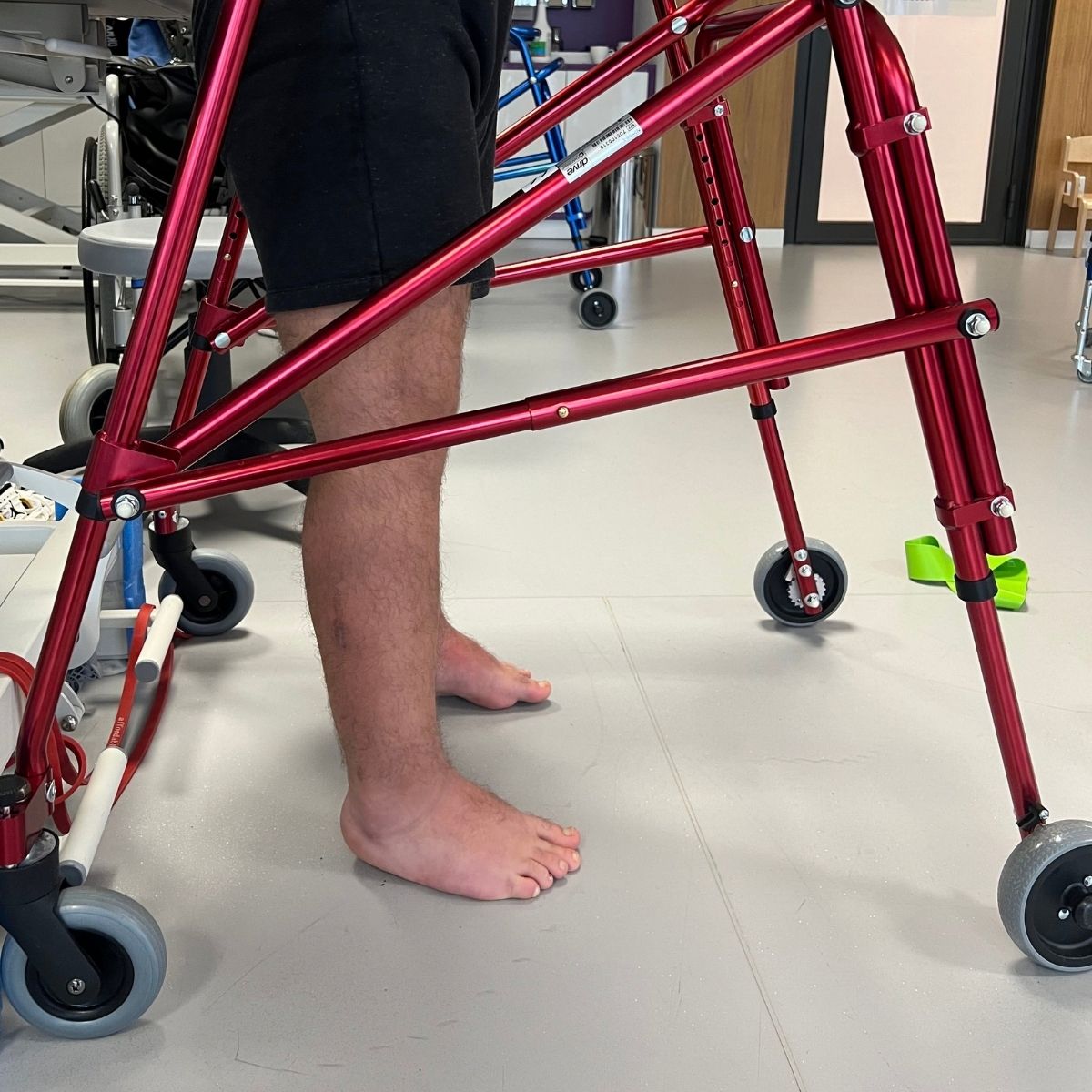
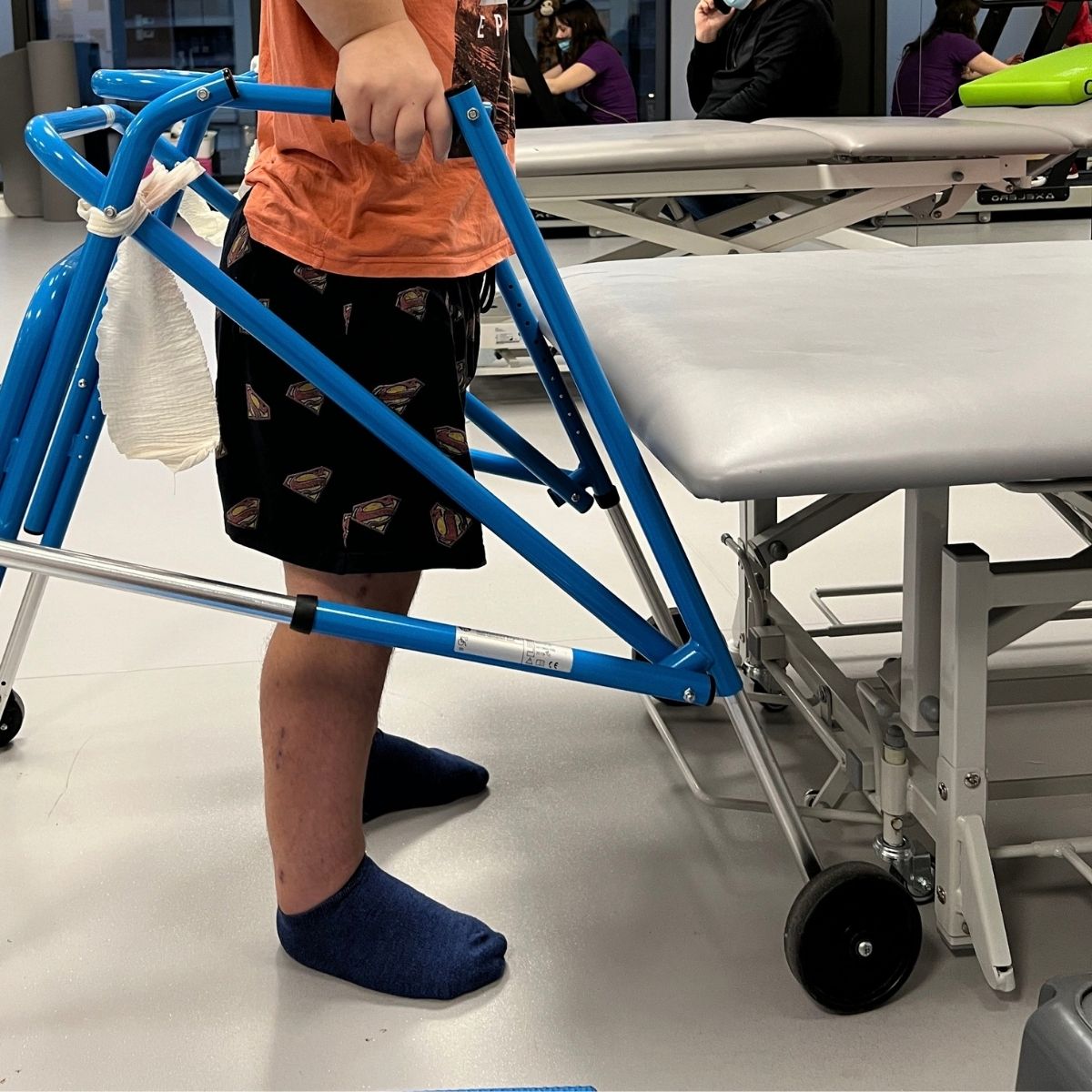
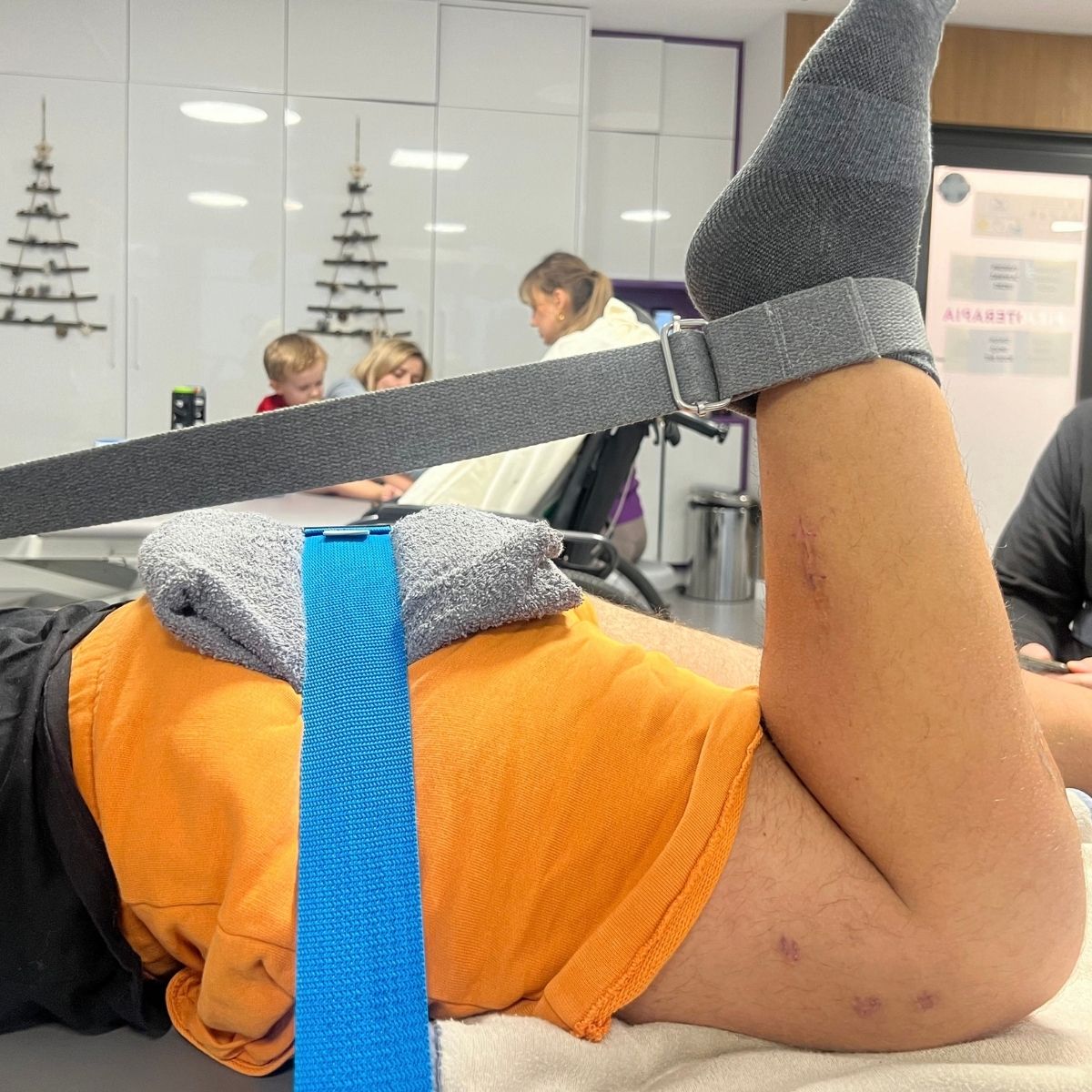
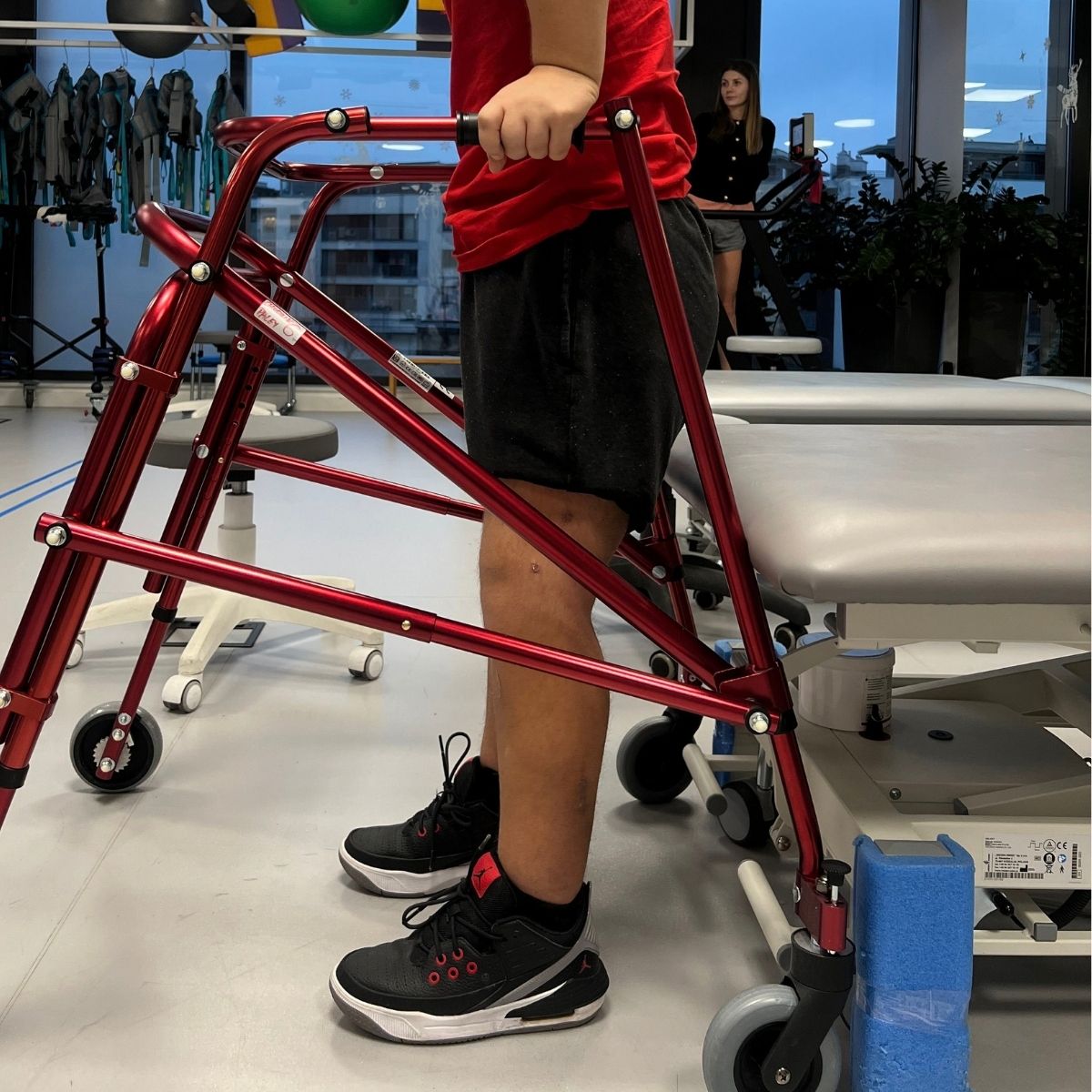
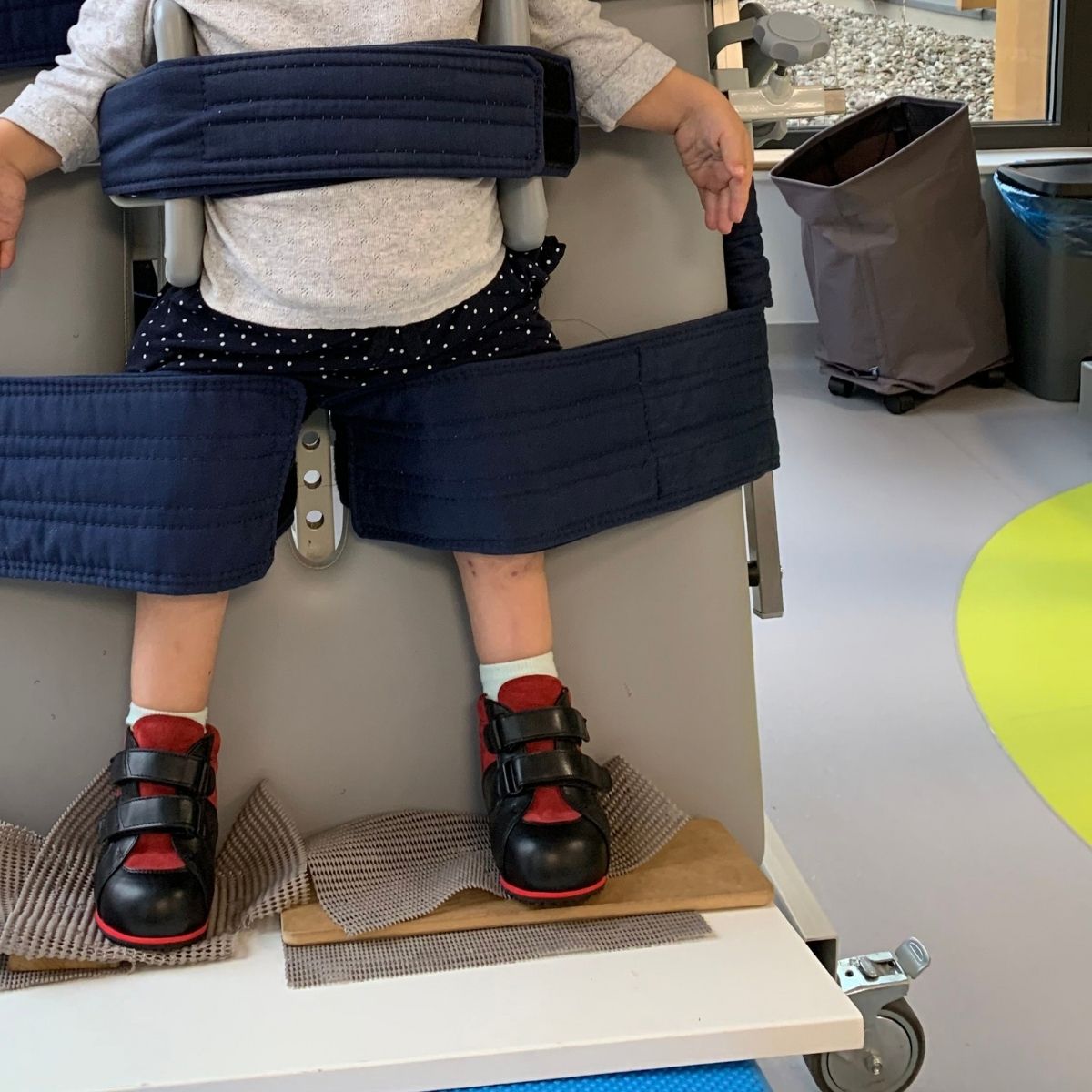
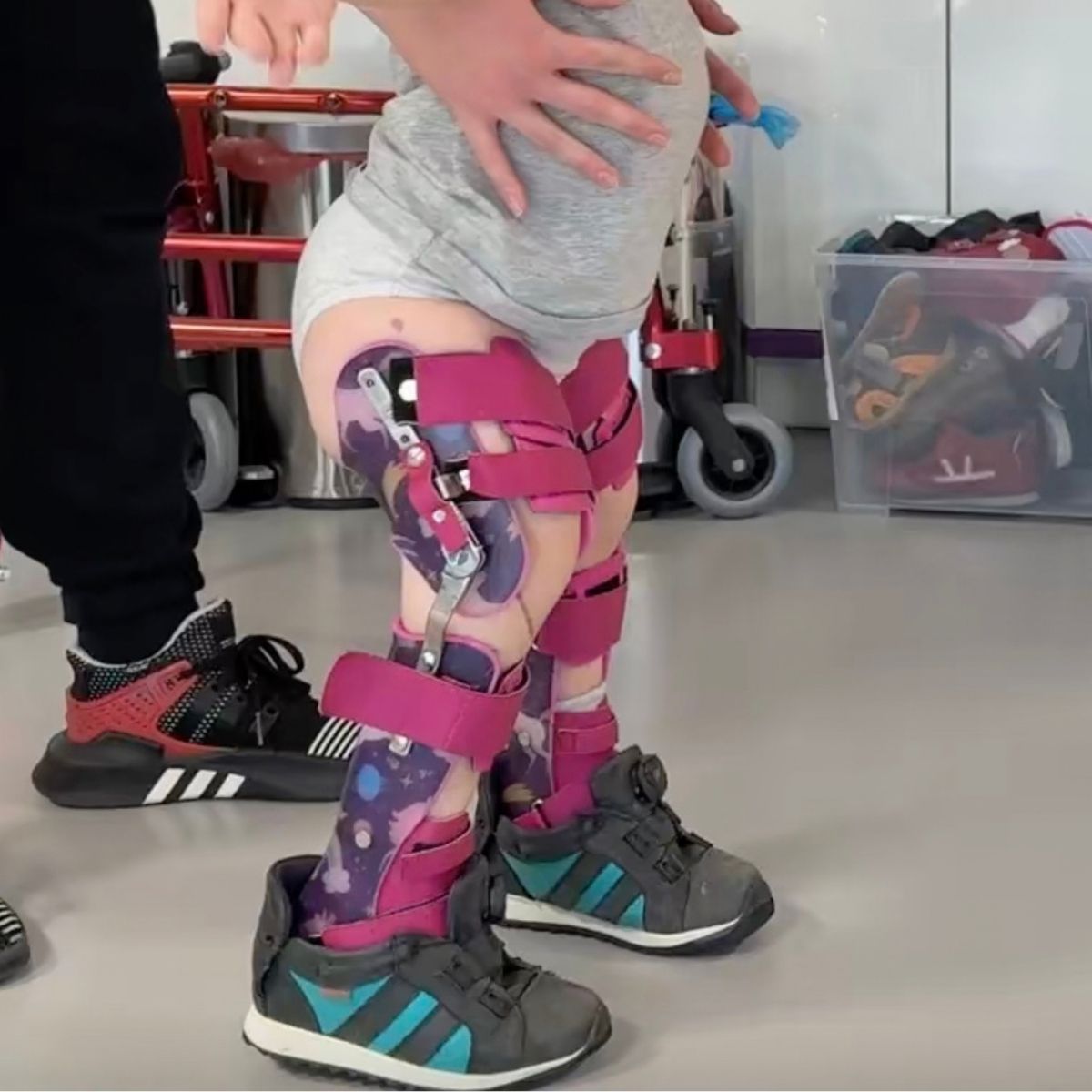
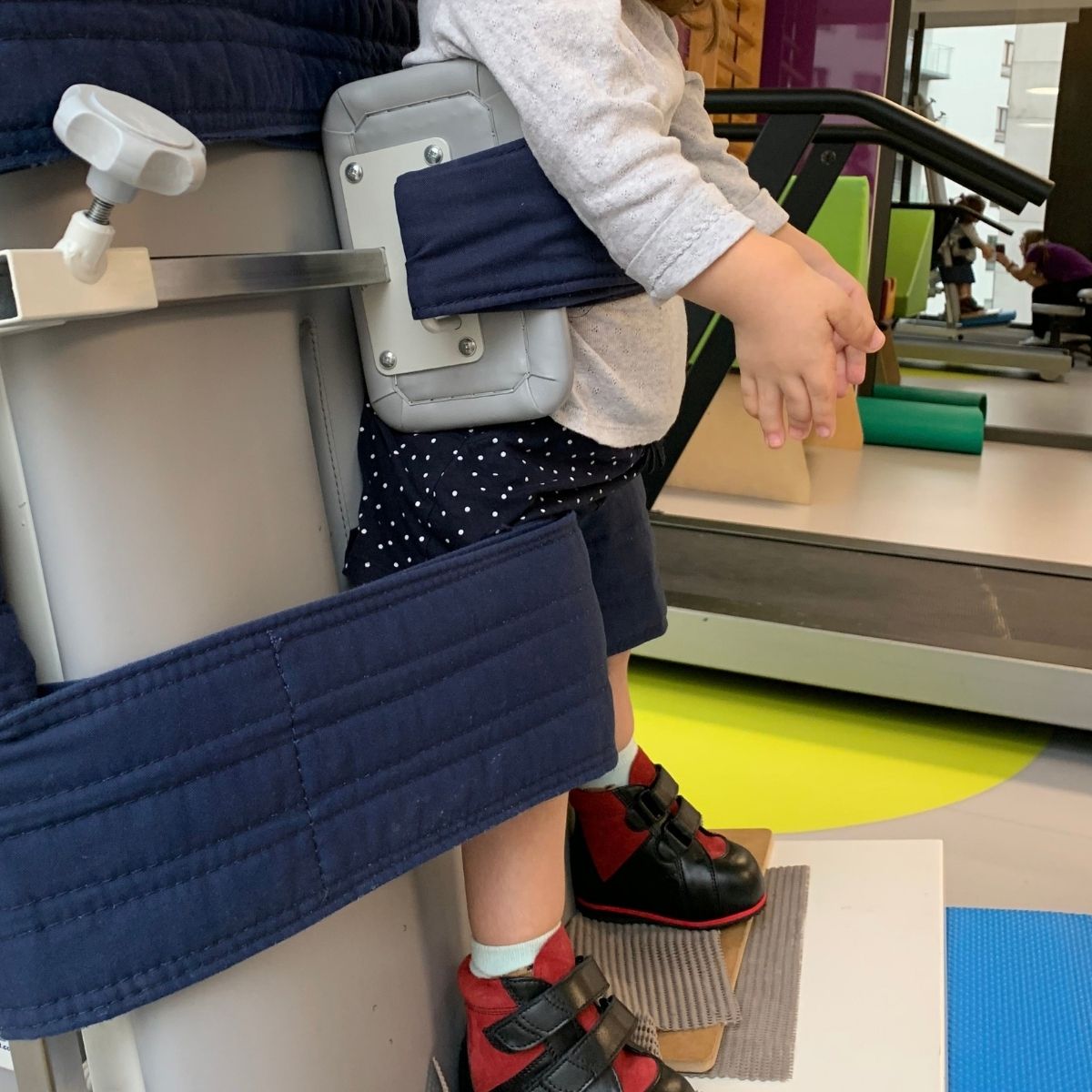
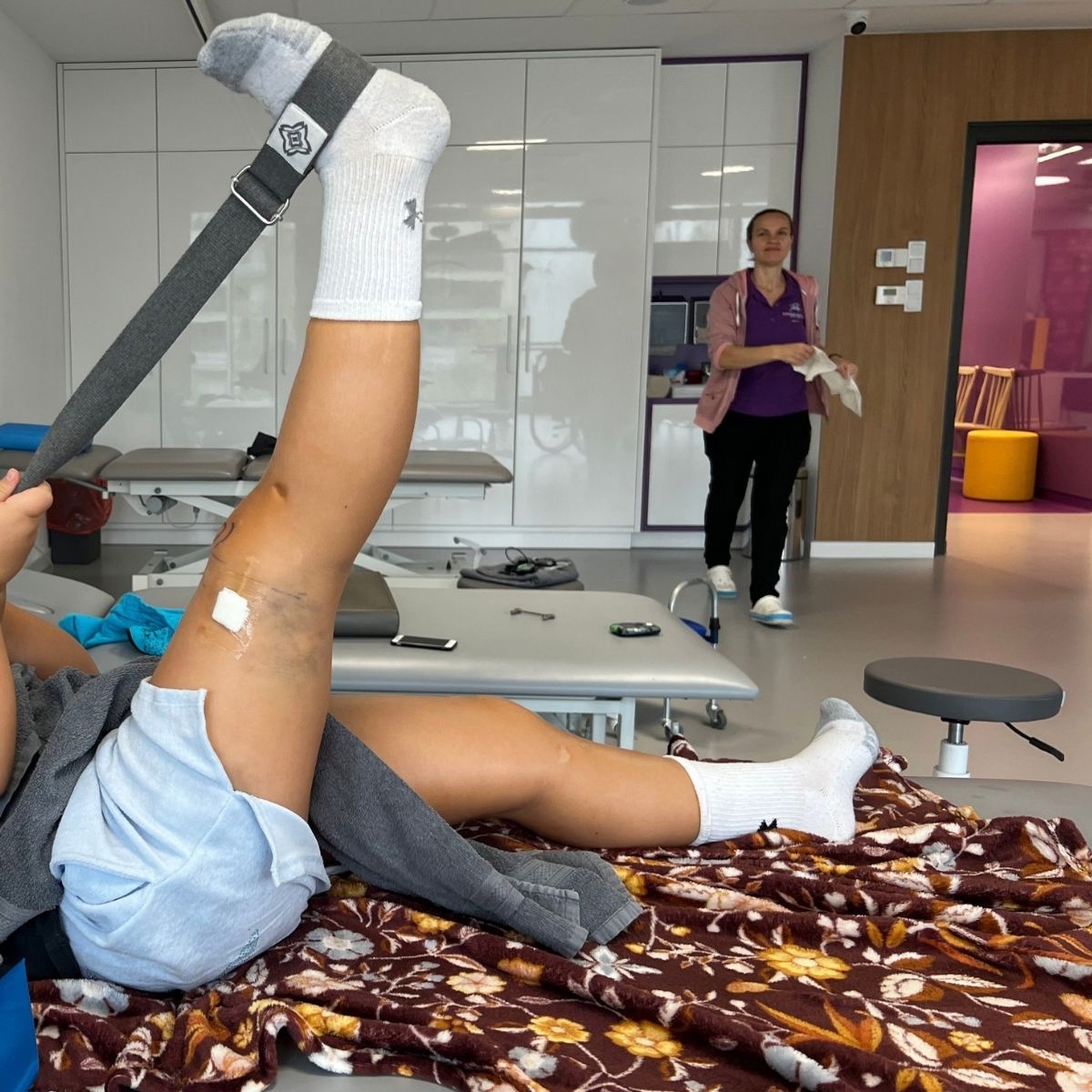
An integral part of every stage of treatment. It includes exercises to strengthen muscles, improve range of motion, and teach proper gait patterns.
Orthotic supplies
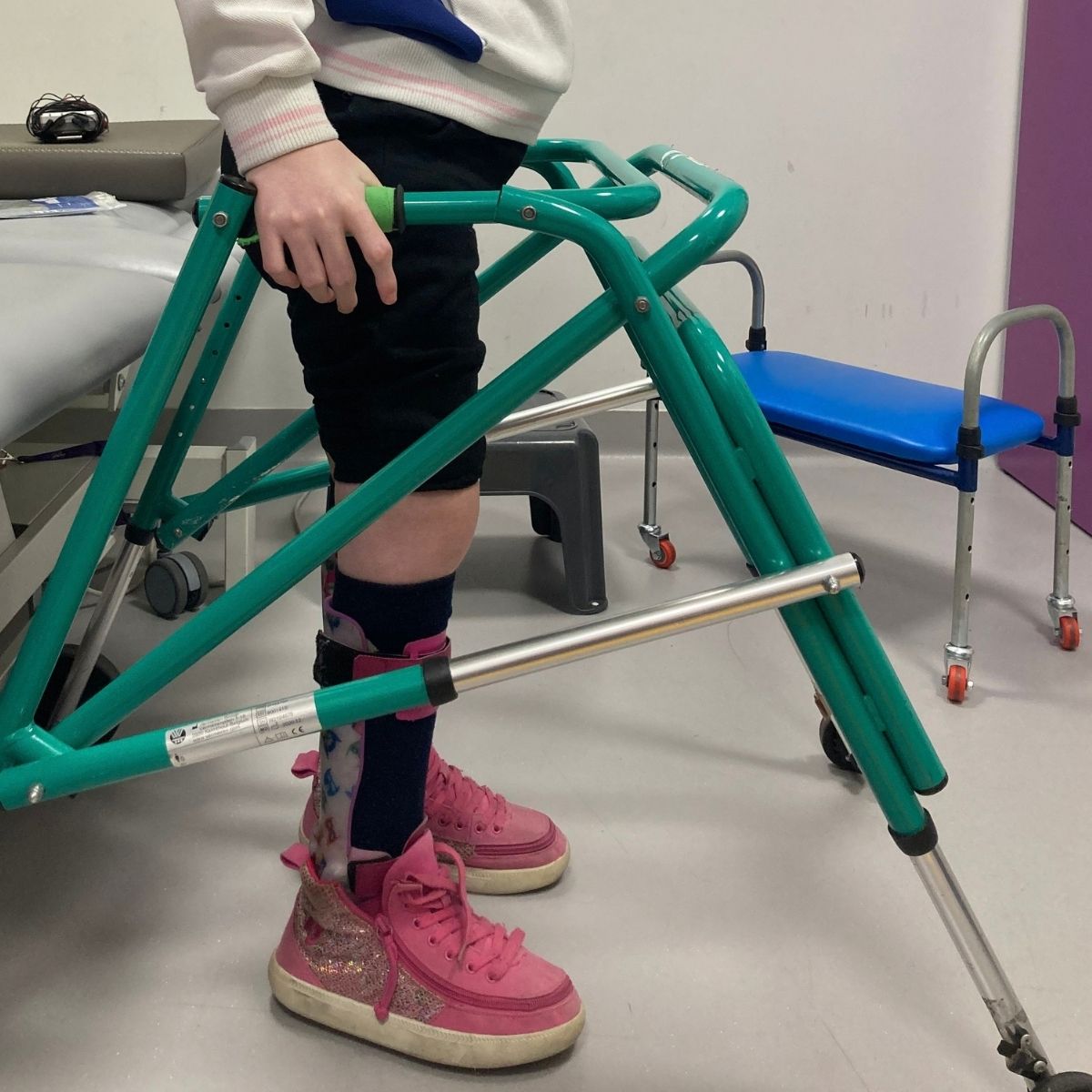
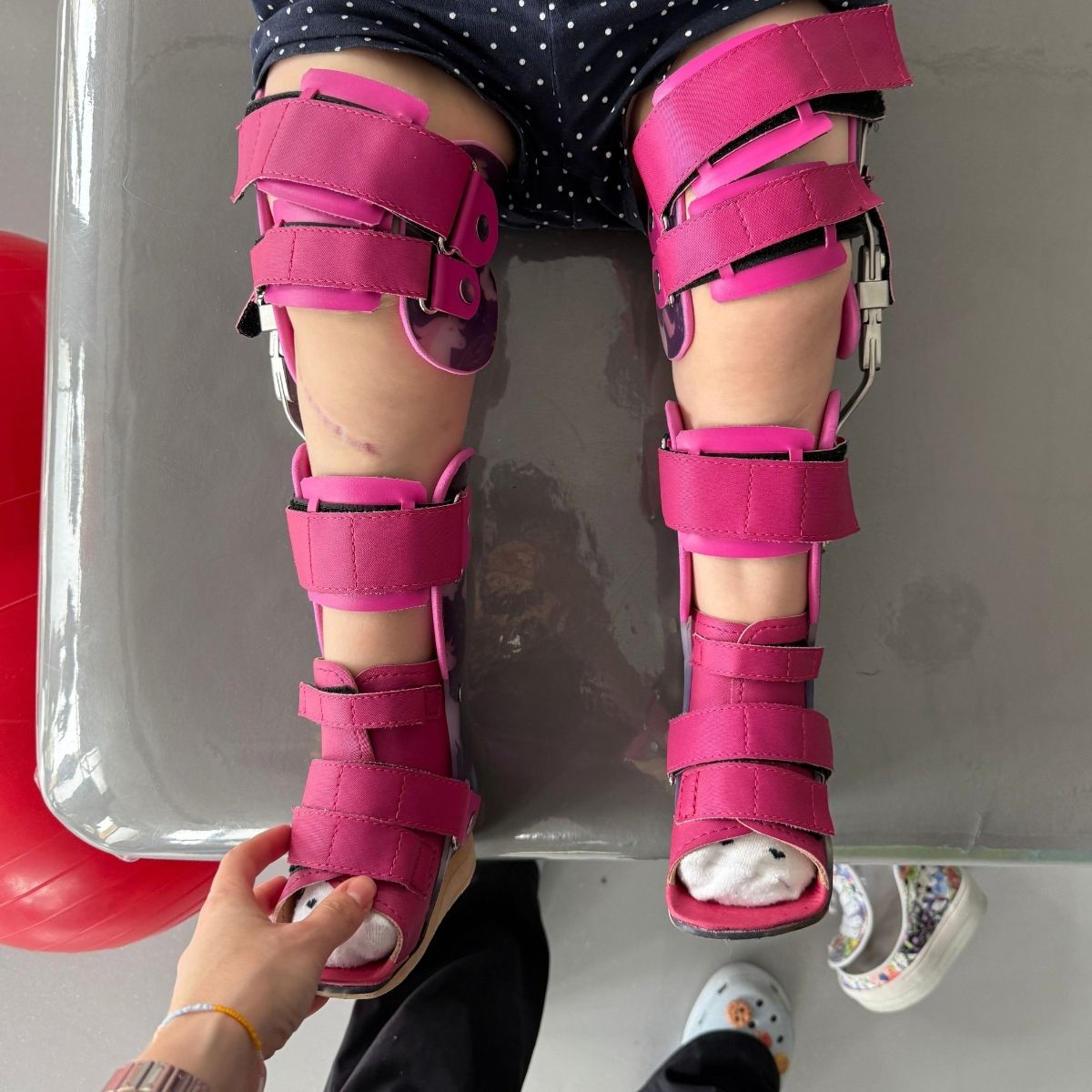
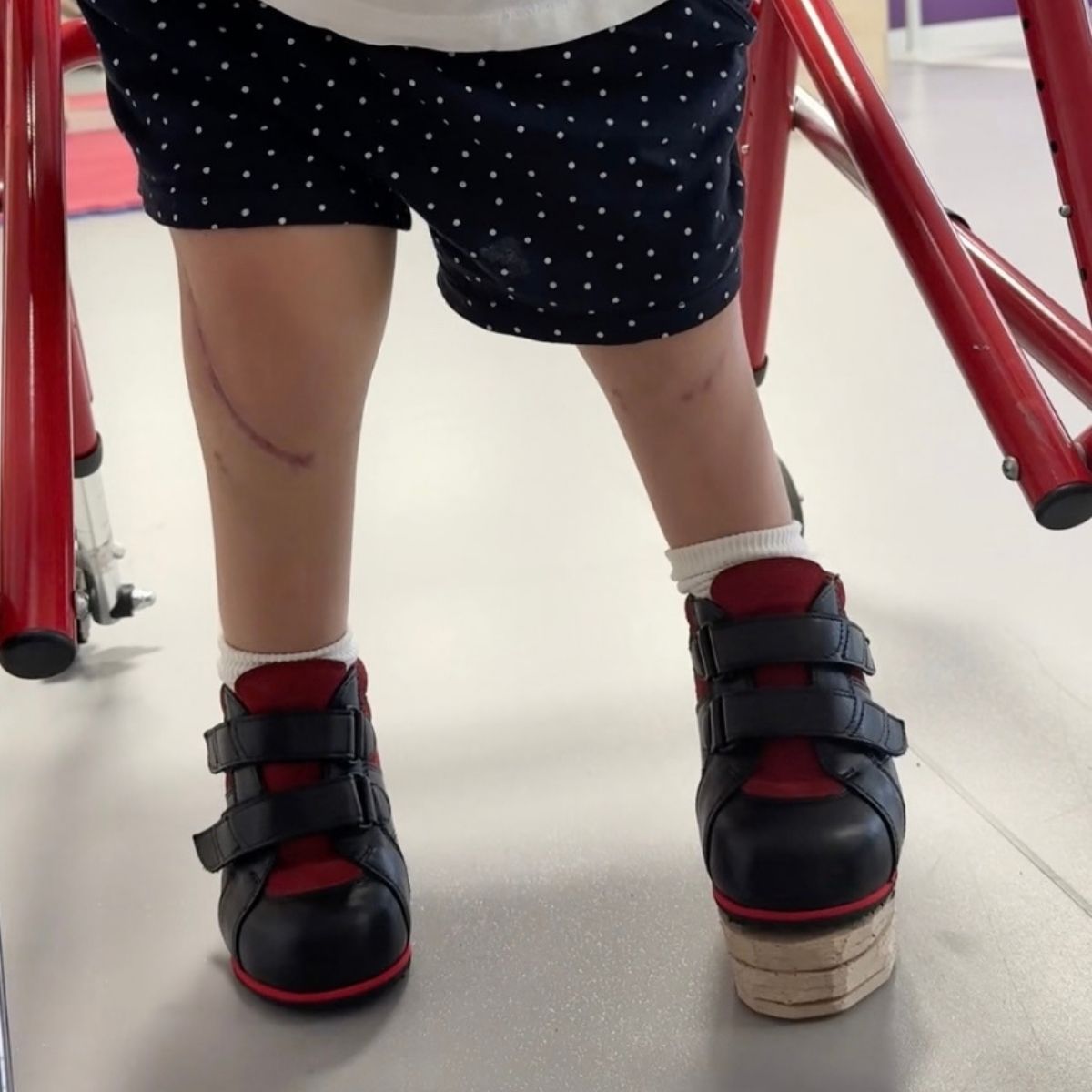
Custom-fitted orthoses and braces that support the function of the limbs and spine.
ACHONDROPLASIA
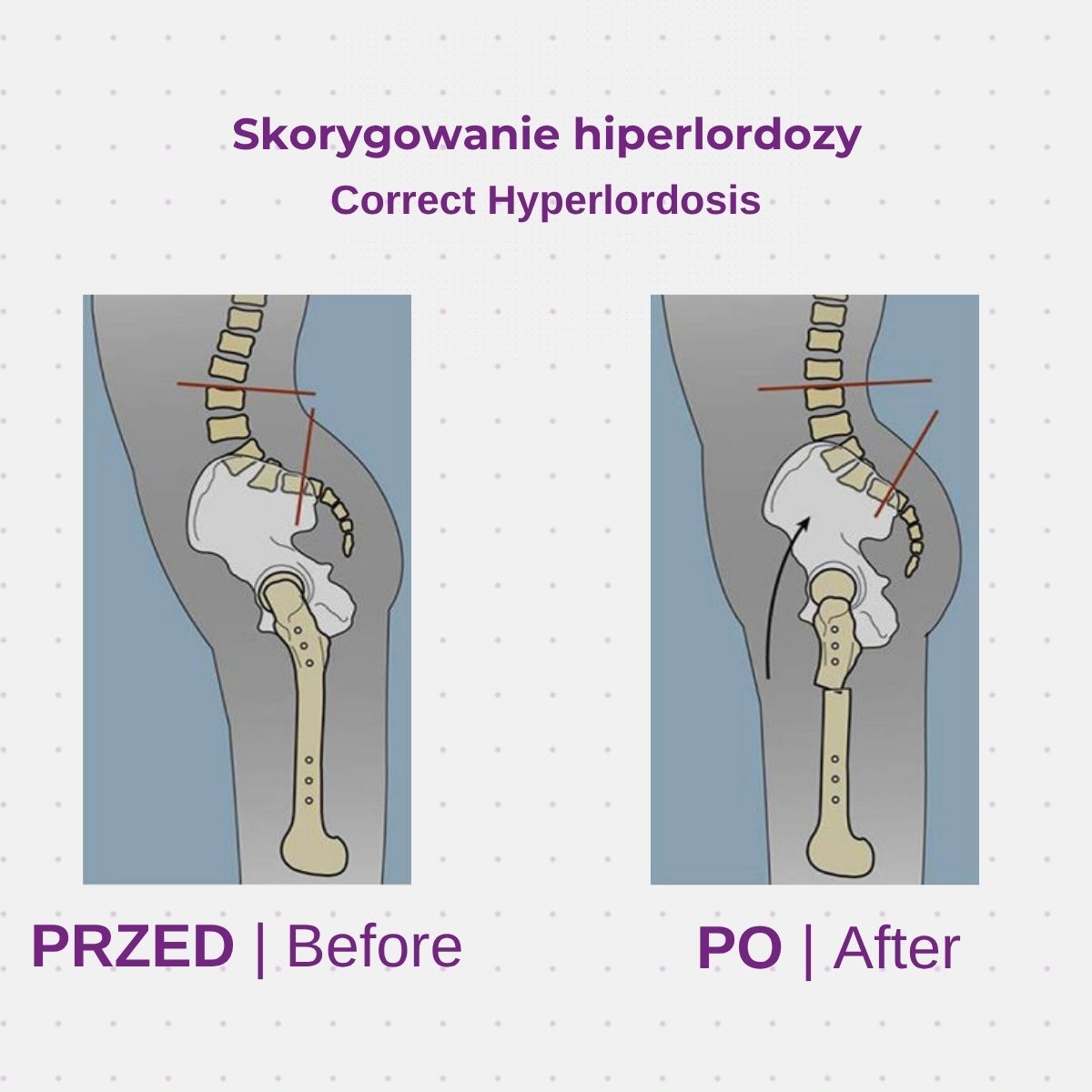
The most common form of genetic dwarfism, caused by a mutation in the FGFR3 gene. It is characterized by short limbs with a normal-length trunk, an enlarged head with a distinctive forehead, increased lumbar lordosis, and possible spinal abnormalities and bowlegs.
Diagnostics: X-rays of the limbs and spine, genetic testing (FGFR3 mutation), prenatal testing (ultrasound + amniocentesis).
Indications for treatment: Surgical limb lengthening using the Ilizarov method, correction of limb deformities, treatment of spinal defects, spinal stenosis, and cervical spine instability. Comprehensive postoperative rehabilitation.
PSEUDOACHONDROPLASIA
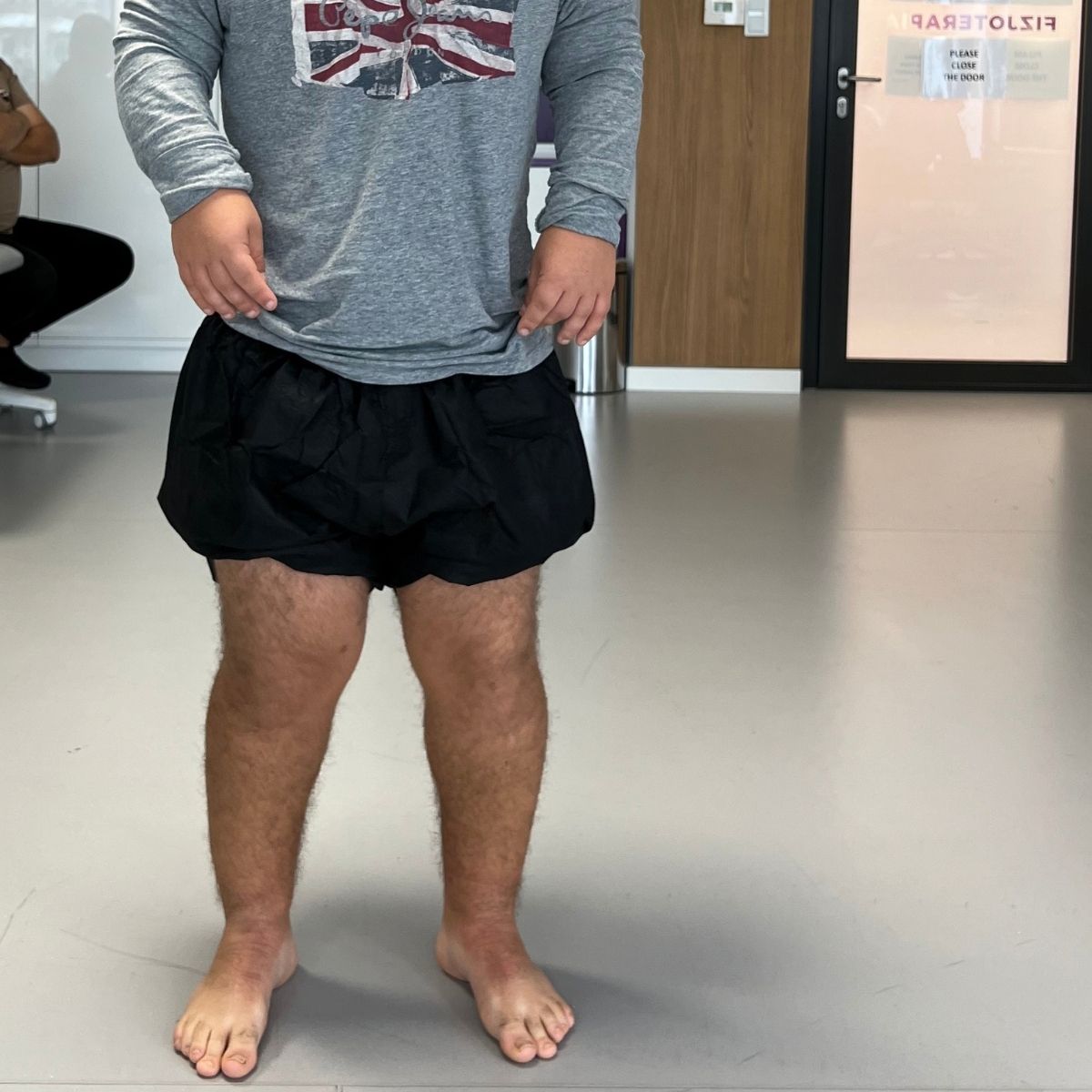
A genetically determined skeletal dysplasia caused by a mutation in the COMP gene. Symptoms appear between the ages of 1 and 3—short stature with disproportionately short limbs, deformities of the long bones, excessive joint laxity, and early-onset osteoarthritis of the hips and knees.
Diagnosis: X-rays (shortening and deformities of long bones, irregular epiphyses), genetic testing (COMP mutation).
Indications for treatment: Corrective osteotomies of the lower limbs, limb lengthening using the Ilizarov or Precice method, hip and knee joint reconstruction procedures, and intensive rehabilitation.
HYPOCHONDROPLASIA
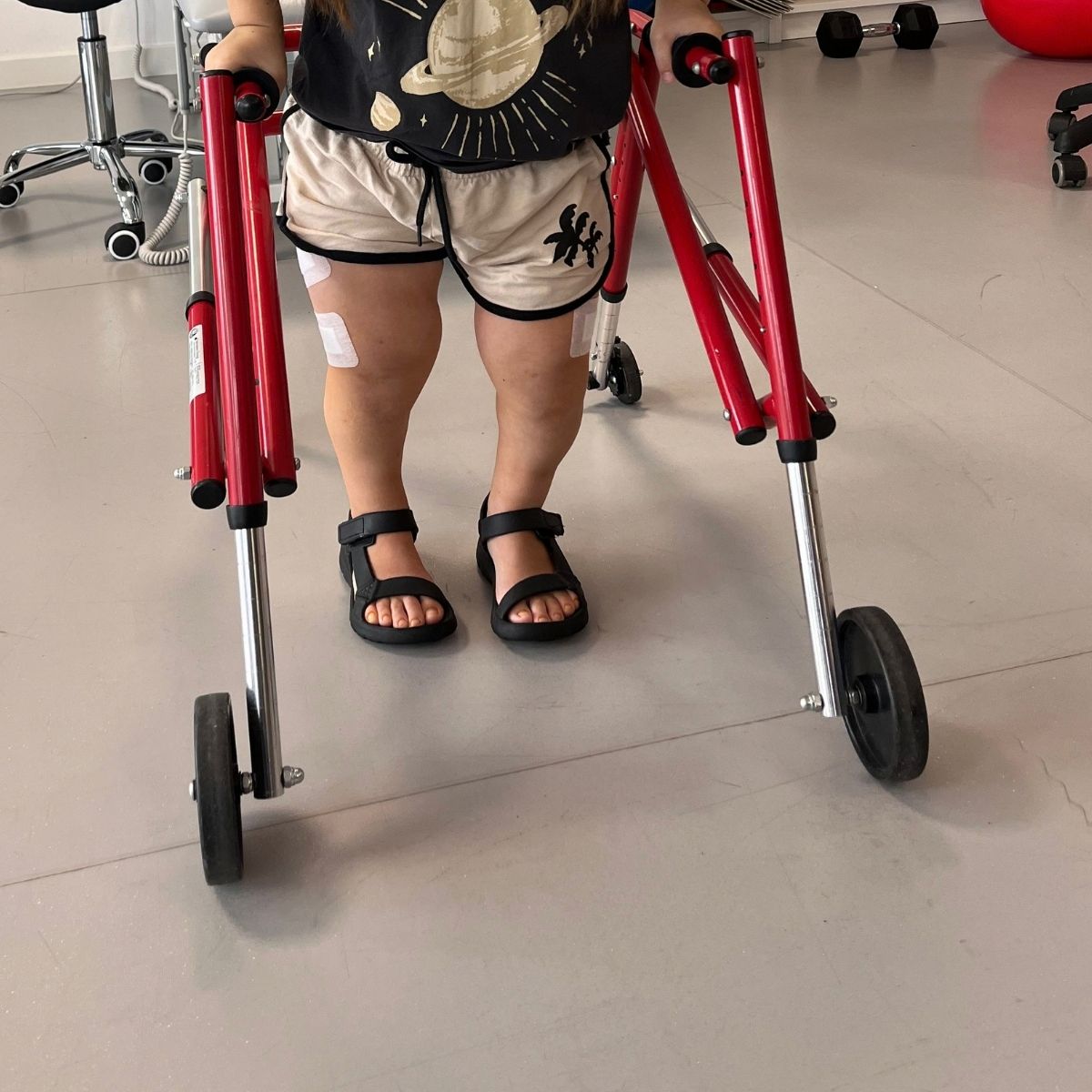
A milder form of skeletal dysplasia caused by a mutation in the FGFR3 gene. It is characterized by proportional shortening of the limbs and less severe short stature than in achondroplasia. Symptoms may be subtle and become apparent gradually as the child grows.
Diagnosis: X-rays (shortening of long bones—particularly the femur and humerus), genetic testing (FGFR3 mutation).
Indications for treatment: Surgical bone lengthening using the distraction osteogenesis method (Ilizarov, internal/external telescopic nails), rehabilitation and physical therapy, treatment of functional deformities.
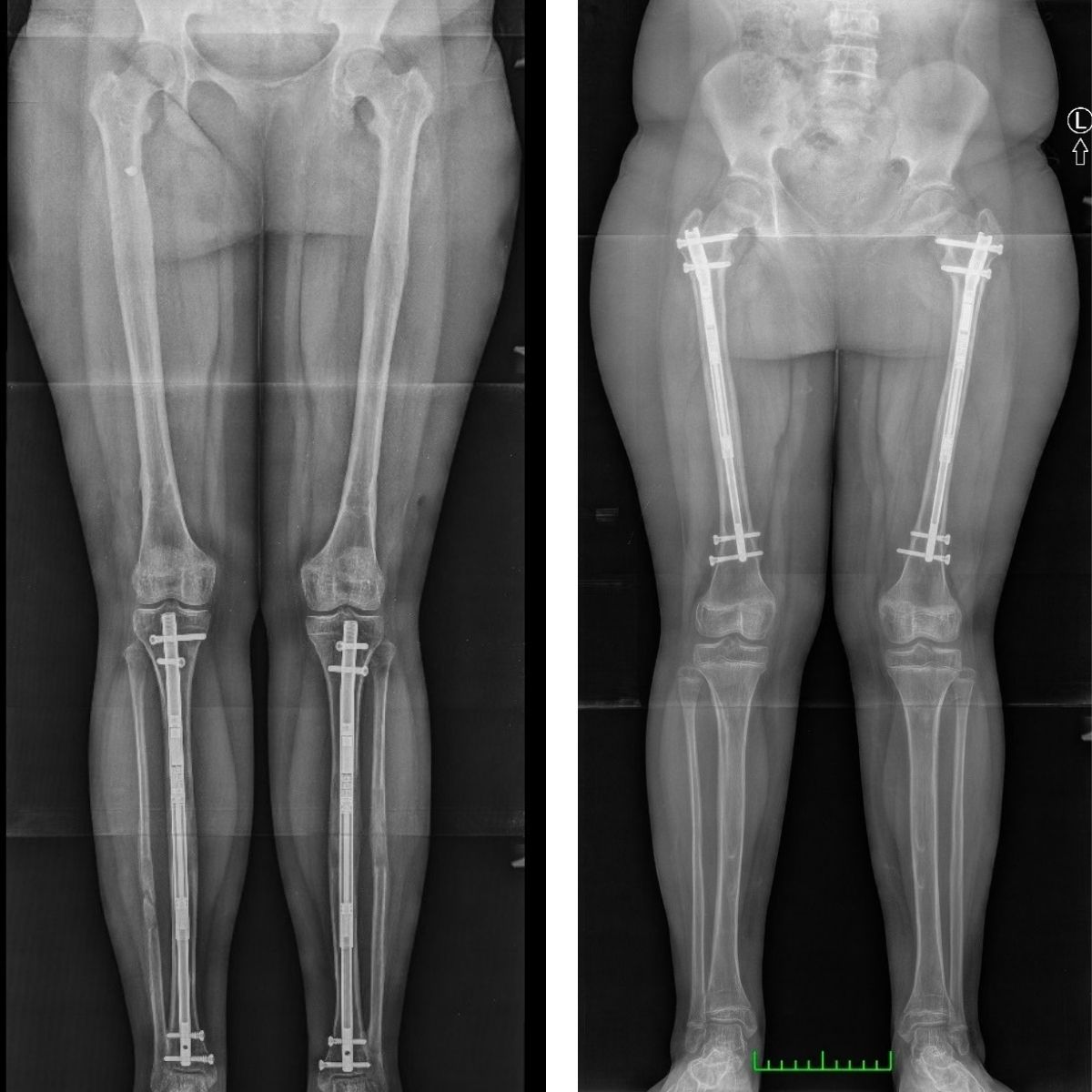
SPONDYLOEPIPHYSEAL DYSPLASIA (SED)
A genetic disorder characterized by abnormal development of the epiphyses of long bones and the vertebral bodies. It leads to short stature, deformities of the spine and joints, pain, and limited mobility. Symptoms appear during childhood.
Diagnostics: X-rays and MRI (flattening of the epiphyses, changes in the vertebrae), genetic testing.
Indications for treatment: Treatment of limb and spinal deformities, corrective osteotomies, rehabilitation, and, where indicated, joint replacement surgery.
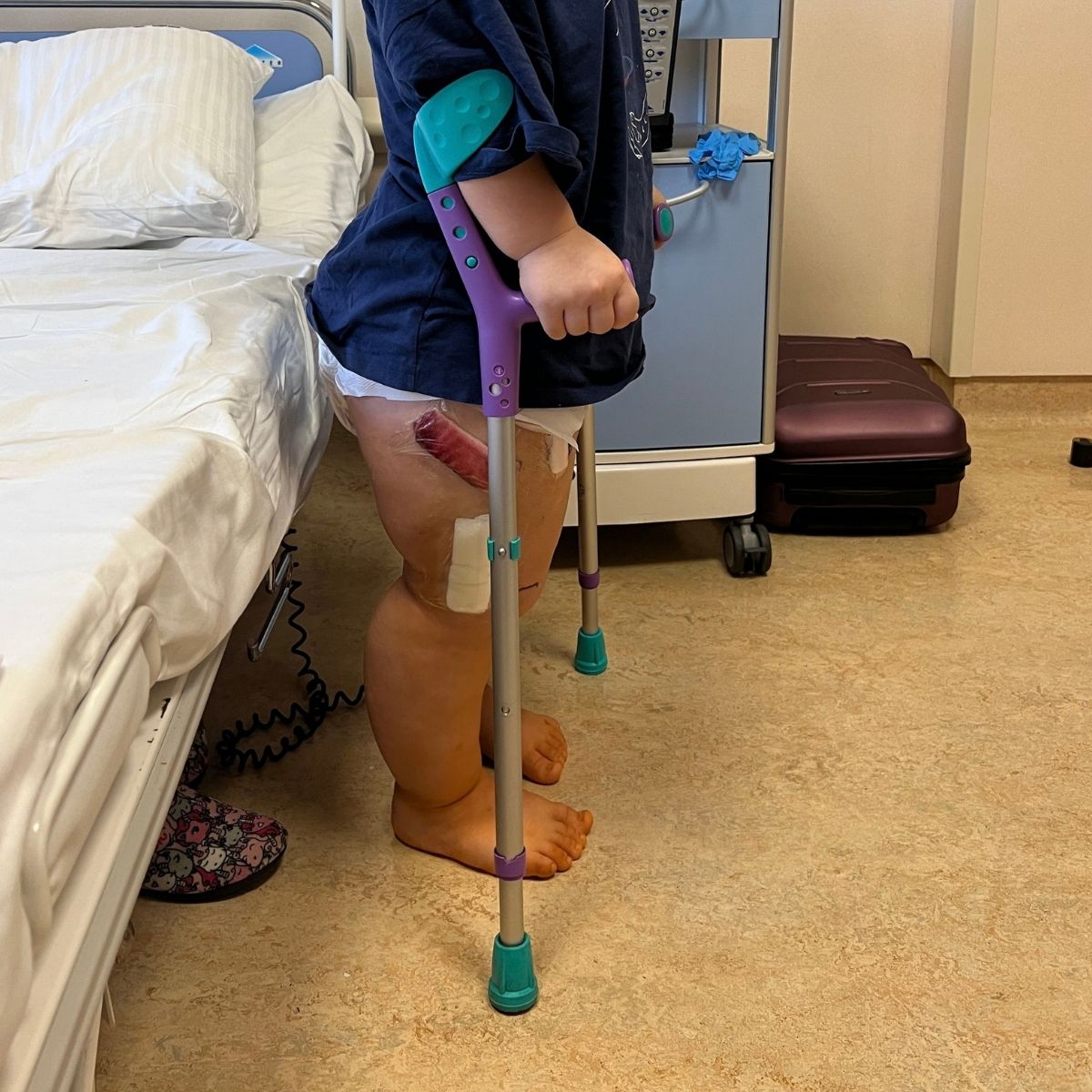
MULTIPLE EPIPHYSEAL DYSPLASIA (MED)
A genetic disorder characterized by abnormalities in the development of epiphyseal cartilage, leading to abnormal formation of long bones and joints. It primarily affects the hips, knees, ankles, and shoulders—causing pain, limited mobility, and bone and joint deformities.
Diagnostics: X-ray (flattening and fragmentation of the epiphyses), MRI (assessment of articular cartilage), genetic testing.
Indications for treatment: Physical therapy, orthoses, corrective osteotomies, joint surface reconstruction, and joint replacement in advanced cases.
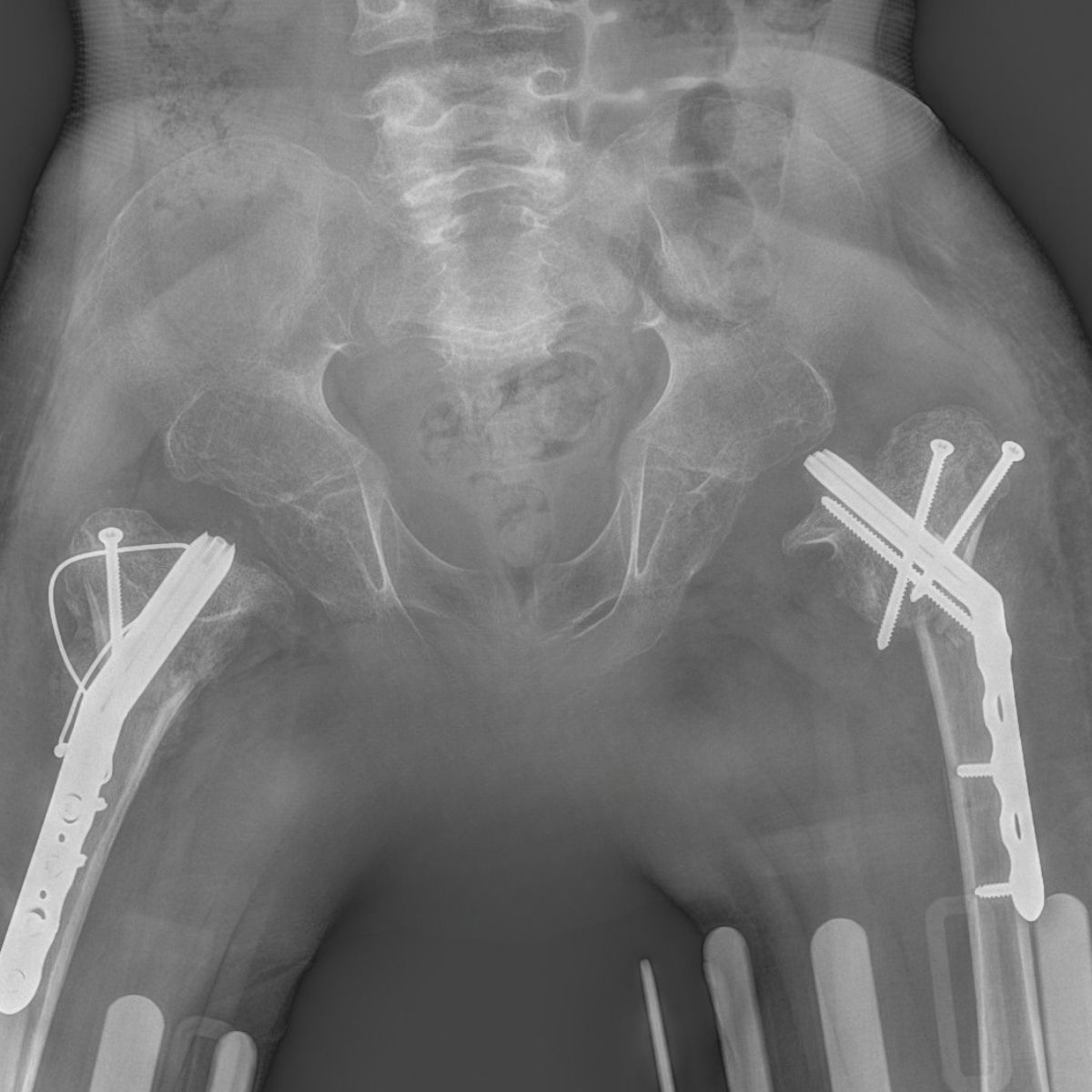
STICKLER'S TEAM
A rare inherited connective tissue disorder caused by mutations in collagen genes (COL2A1, COL11A1, COL11A2). It affects the joints, vision, hearing, and the facial skeleton. The course is variable, often leading to early-onset osteoarthritis and ophthalmic complications (risk of retinal detachment).
Diagnostics: Clinical examination (joints, face, hearing, vision), X-rays and MRI, ophthalmological and audiological tests, genetic testing.
Indications for treatment: Correction of limb deformities, treatment of degenerative conditions, physical rehabilitation, and interdisciplinary ophthalmological and audiological care.
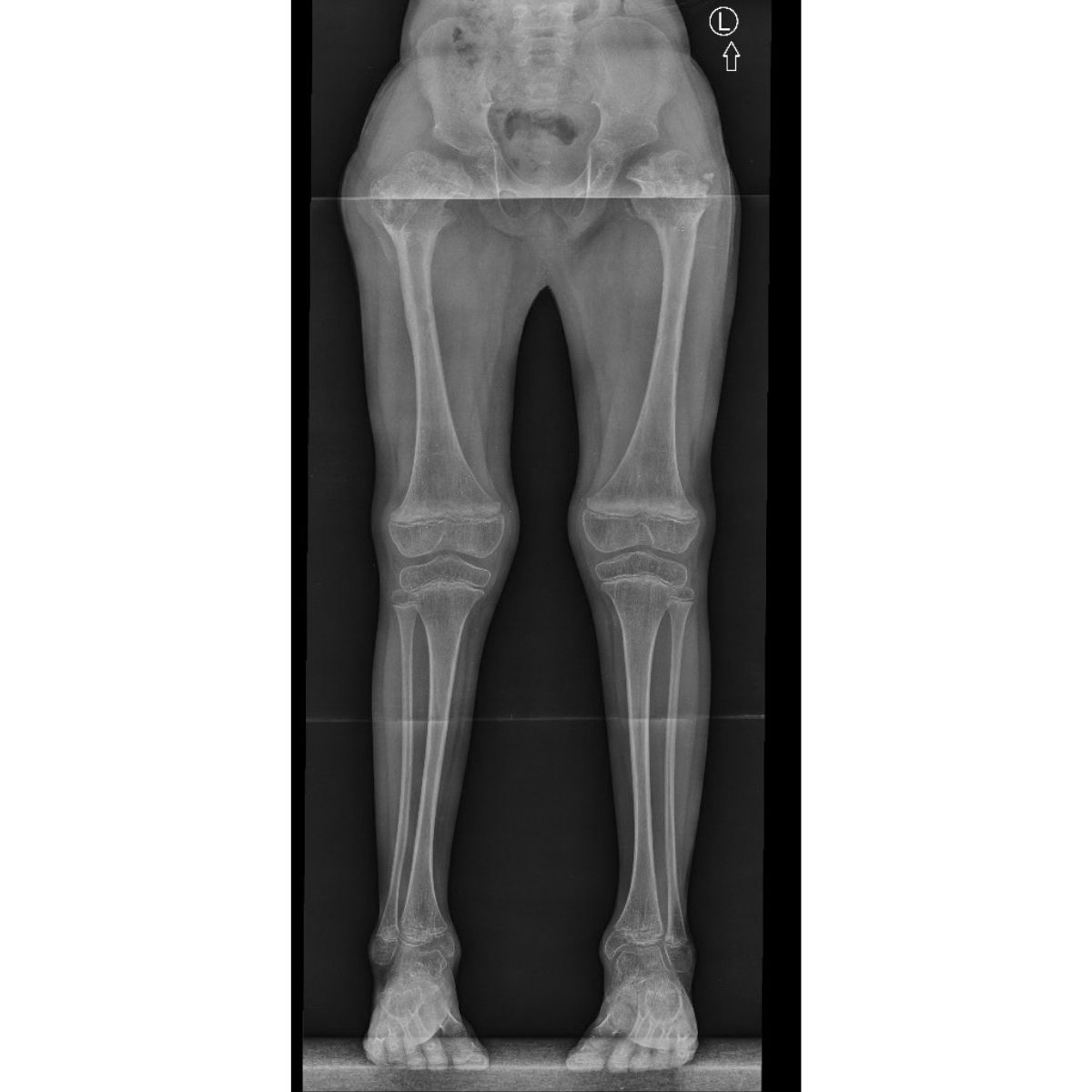
DIASTROPHIC DYSPLASIA (DTD)
A rare genetic disorder caused by a mutation in the SLC26A2 gene. It is characterized by short stature, joint deformities (clubfoot, "buttonhole" thumb contracture), auricular deformities, and scoliosis. It requires specialized orthopedic care from birth.
Diagnostics: Prenatal ultrasound, postnatal X-rays (shortened and thickened bones, joint and spinal deformities), genetic testing (SLC26A2 mutation).
Indications for treatment: Correction of clubfoot (Ponseti method or surgery), limb lengthening (PRECICE or external fixators), correction of knee deformities and contractures, spinal stabilization for scoliosis/kyphosis, orthotic devices, and physical therapy.
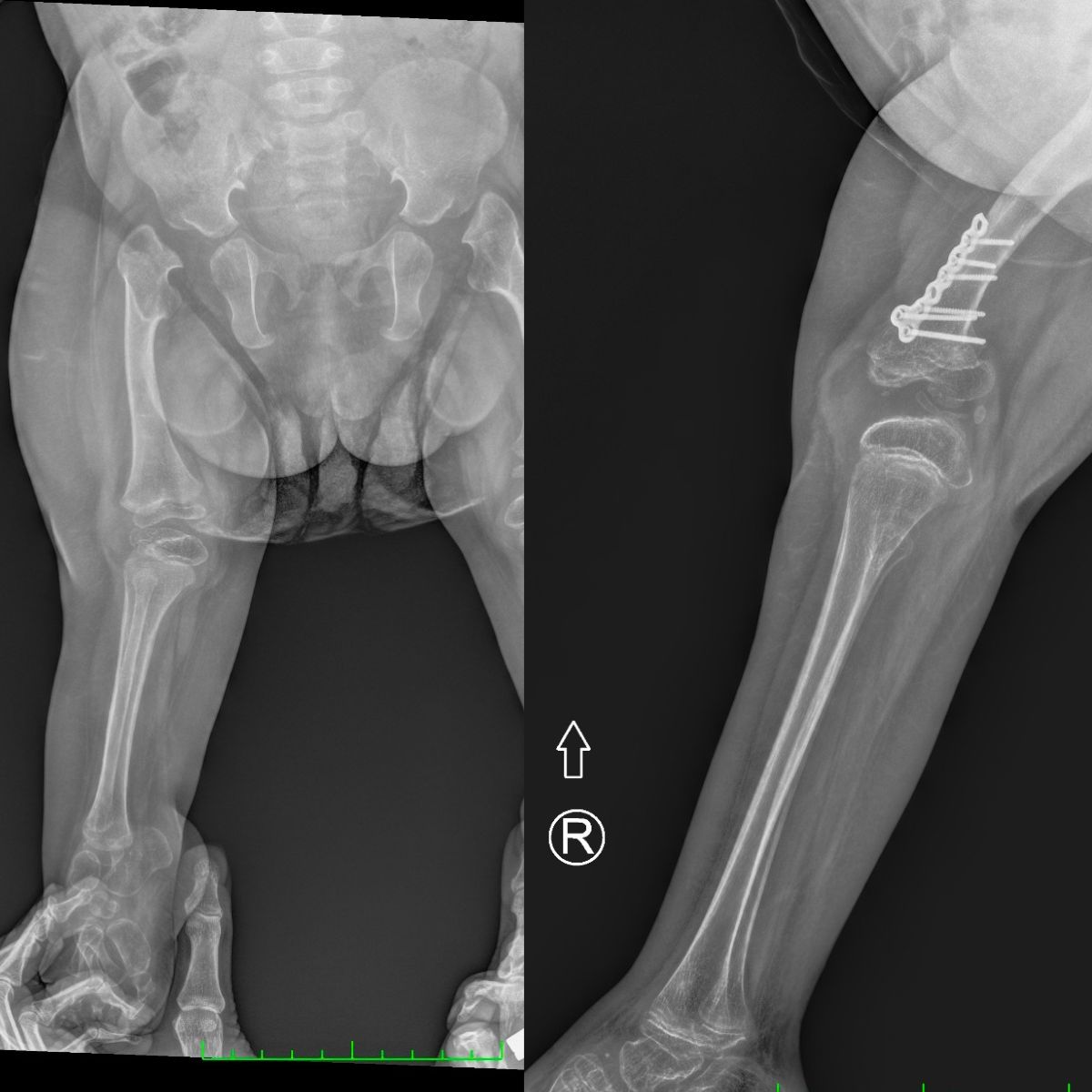
Surgical Treatment Methods for Musculoskeletal Dysplasia
At the Paley European Institute, we use state-of-the-art surgical techniques, tailored to each patient’s specific type of dysplasia, age, and the severity of the deformity.
Controlled growth - hemiepiphysiodesis
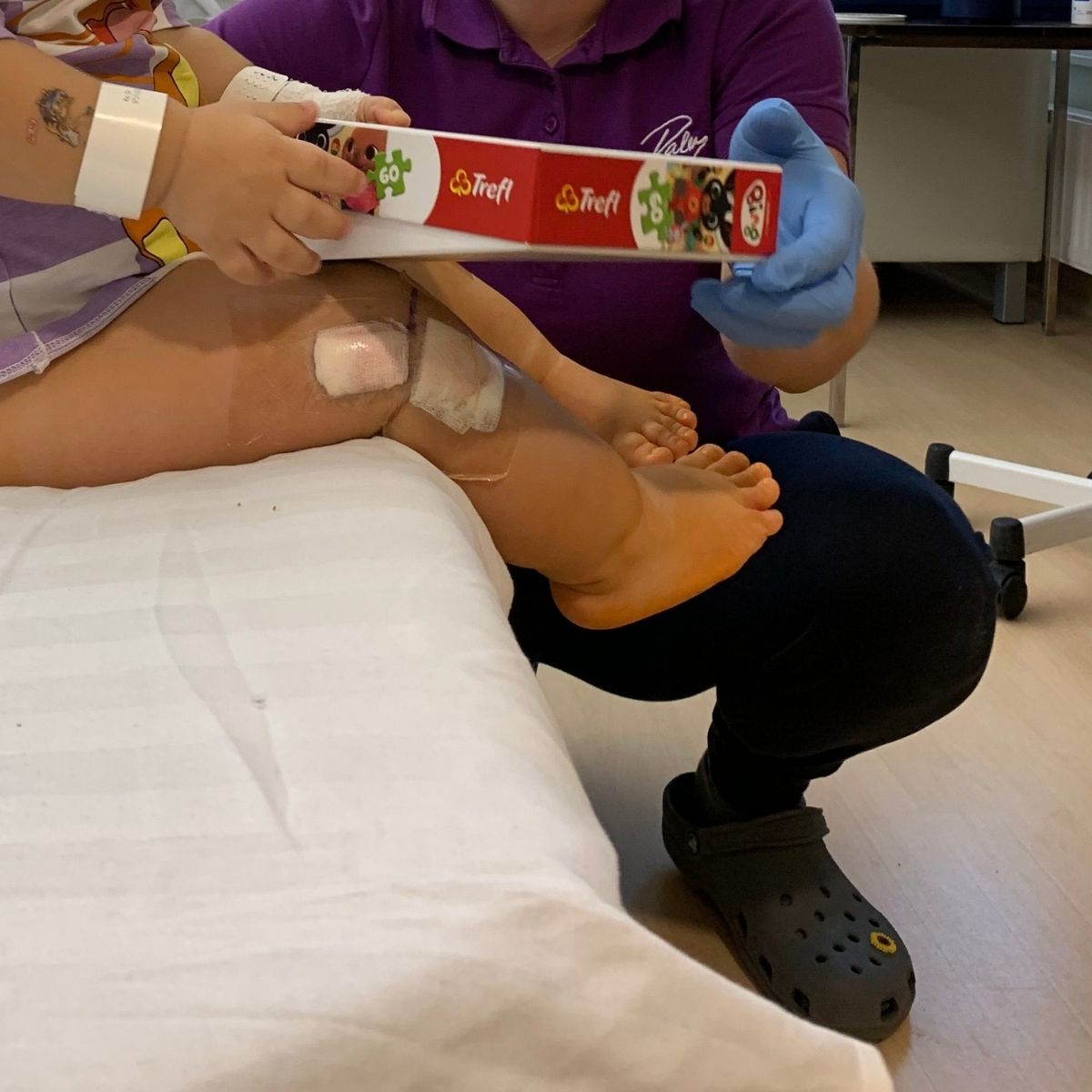
A minimally invasive method for correcting limb alignment during the growth phase. Special plates inserted through incisions of about 5 mm slow growth on one side of the bone, gradually correcting the deformity without the need to cut the bone. The procedure is performed on an outpatient basis, and the patient returns home the same day.
Limb Lengthening Using the PRECICE Method
A modern limb-lengthening system based on a telescopic nail inserted into the bone. Lengthening is controlled using an external magnetic remote control, without the need for additional surgeries or external devices. This method ensures comfort, discretion, and a faster return to normal activities.
Limb Lengthening Using the Ilizarov Method
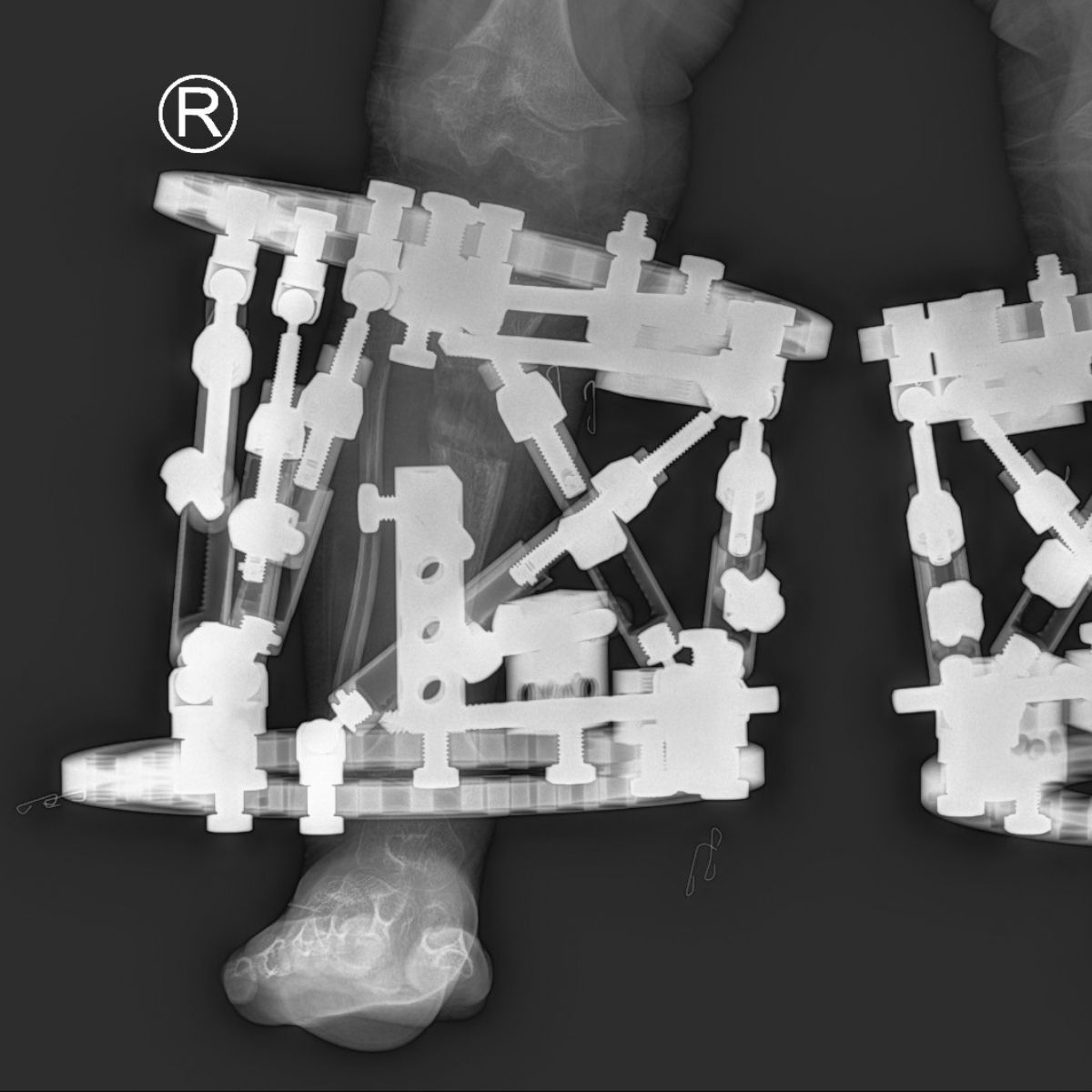
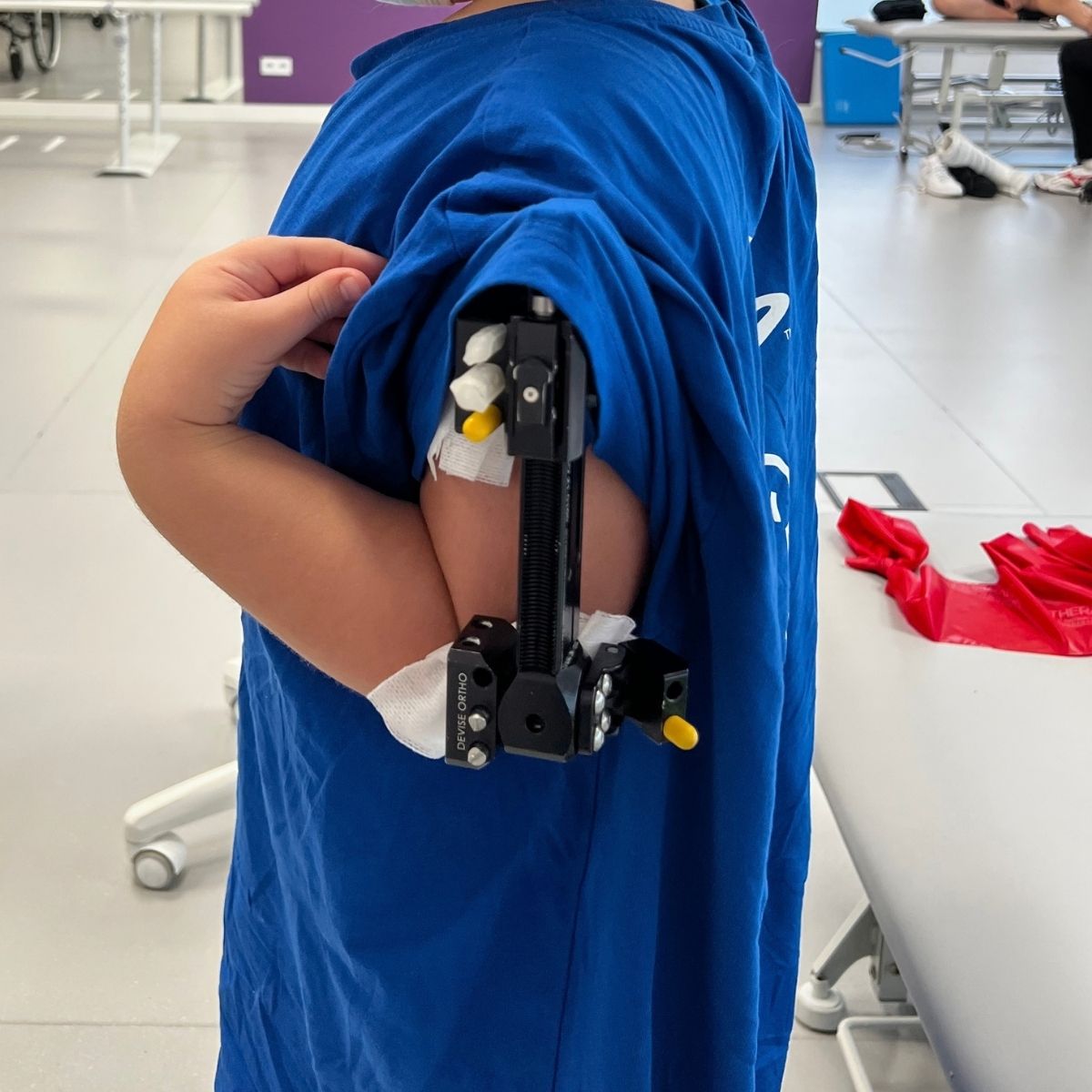
A classic and proven method of distraction osteogenesis using an external fixator. It is used in complex cases requiring simultaneous axial correction and limb lengthening. It allows for precise control of the correction process at every stage of treatment.
Corrective Osteotomy
Surgical correction of a bone by making a controlled cut and realigning it along the correct axis. Used when guided growth is no longer possible or the deformity is too advanced. Performed on the femur, tibia, or in the hip joint area.
Spinal stabilization
Surgical treatment of scoliosis, kyphosis, and cervical spine instability—complications that often accompany skeletal dysplasias. Cervical spine instability can threaten the spinal cord and requires particularly early intervention.
Joint Reconstruction and Prosthetics
In advanced cases of dysplasia with early osteoarthritis, we perform joint surface reconstruction or hip and knee replacement surgery.
Our Experts Meet the Paley European Institute Team

Family-Centered Care: treatment in which the family is part of the care team
Family-Centered Care (FCC, family-centered care) is the treatment model used at the Paley European Institute. The family of a child with a congenital limb defect is not merely an observer but a full-fledged member of the treatment team. Treatment for congenital limb defects often lasts for months or years and involves several surgeries, limb lengthening, and months of rehabilitation. Therefore, parents who understand the treatment plan and feel that their concerns are being heard have a real impact on its outcomes.
What does family-centered care look like in practice?
Parents do not wait in the hallway—while their child is undergoing surgery, the Hospital Services Coordinator and a physician’s assistant keep parents updated on the progress of the procedure via WhatsApp. During this time, a psychologist stays by the parent’s side to support them through this most difficult hour.
One treatment plan instead of multiple visits—during the consultation, specialists from various fields meet with the child in one place and develop a comprehensive treatment plan. The conversation begins not with the question “What hurts?”, but with what the child likes to do and what the family’s daily life is like.
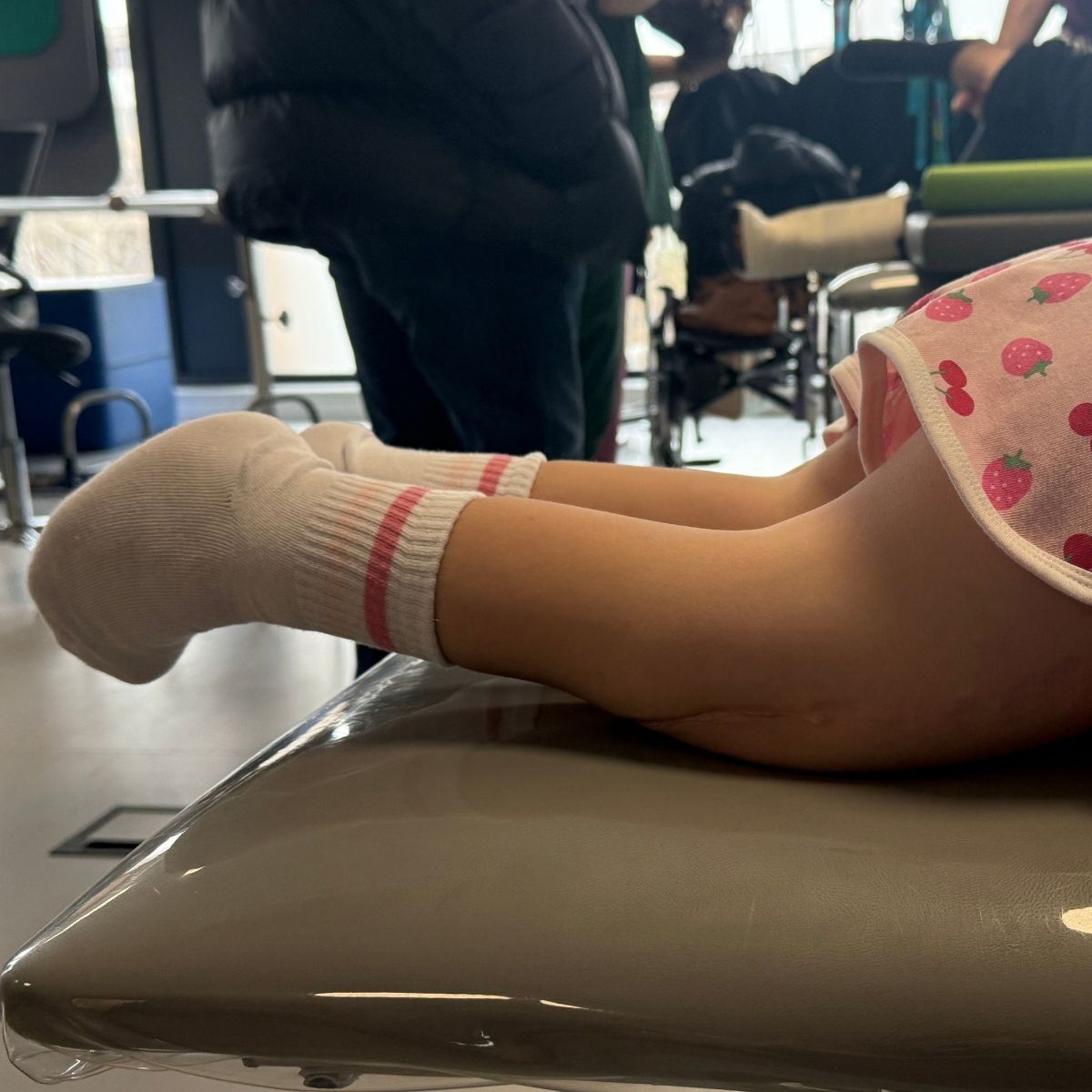
The same physical therapist before, during, and after surgery —the therapist present in the operating room—conducts rehabilitation starting on the first day of recovery. The child exercises with someone they already know, which reduces anxiety and facilitates a return to full function. This is particularly important during limb lengthening, when systematic physical therapy is crucial for maintaining joint mobility.
Comprehensive care in one place—X-rays, blood tests, an orthotist, a psychologist, a dietitian, a speech therapist, and certificates for schools and government offices—are all available without unnecessary referrals or having to search for other facilities. Surgeries are performed at our partner hospital, Medicover, where the Paley European Institute team cares for the patient from admission through discharge.
Support for families from other cities and countries—families traveling here for medical treatment receive assistance with arranging transportation, accommodations, and all the logistics of their stay.
Parents' Council—parents who have themselves undergone treatment at the Paley European Institute—regularly test and evaluate new approaches, helping to shape the model of care.
Why does family involvement improve treatment outcomes?
Parents who understand the treatment plan are better able to follow rehabilitation recommendations at home and recognize signs that require contacting a doctor more quickly. Thanks to preparing the family for home care, children who undergo surgery at the Paley European Institute stay in the hospital for an average of only 2 days. A shorter hospital stay and less stress lead to a more peaceful recovery and a better quality of life for the entire family.

Multimedia
Related articles
Read the blog posts on this topic
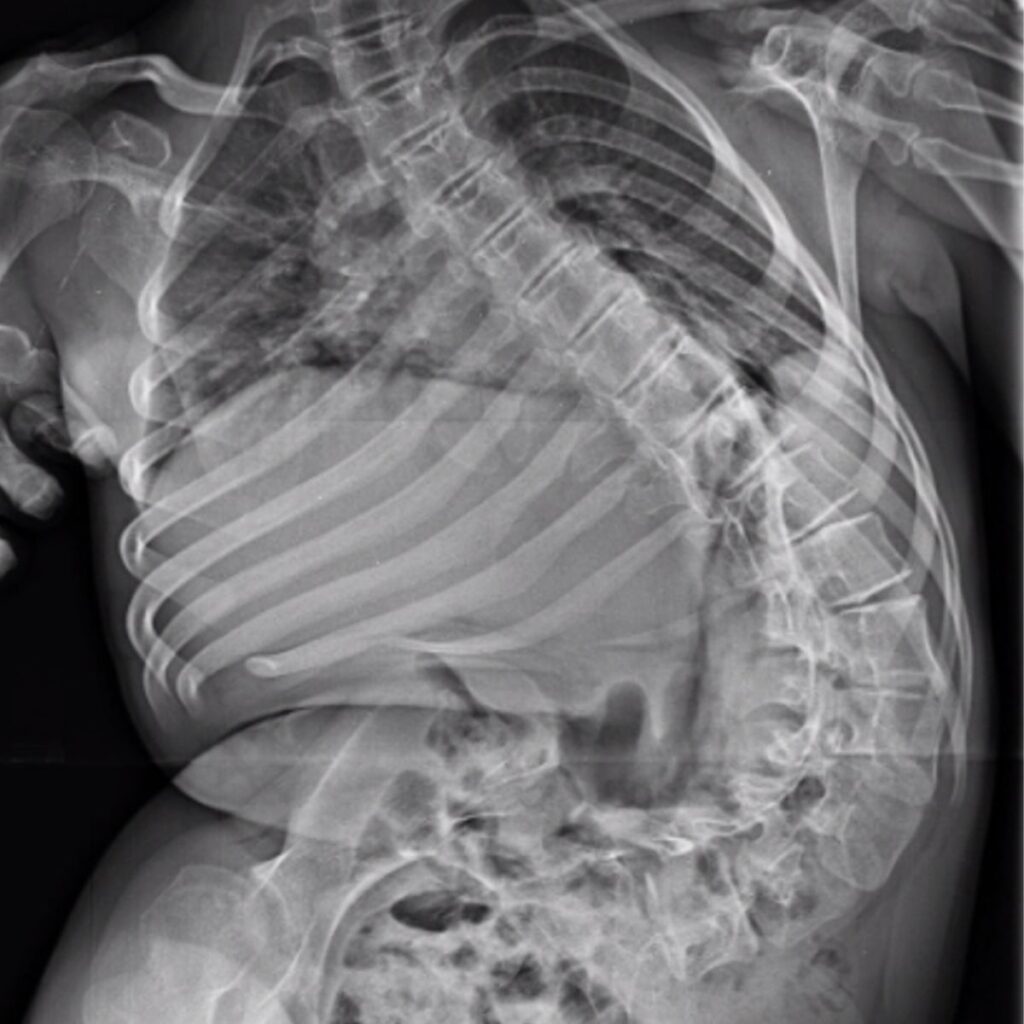
Dysplasias of the skeletal system (osteochondrodysplasias)
Skeletal Dysplasias: Types, Symptoms, and Early Diagnosis – What Every Parent Should Know
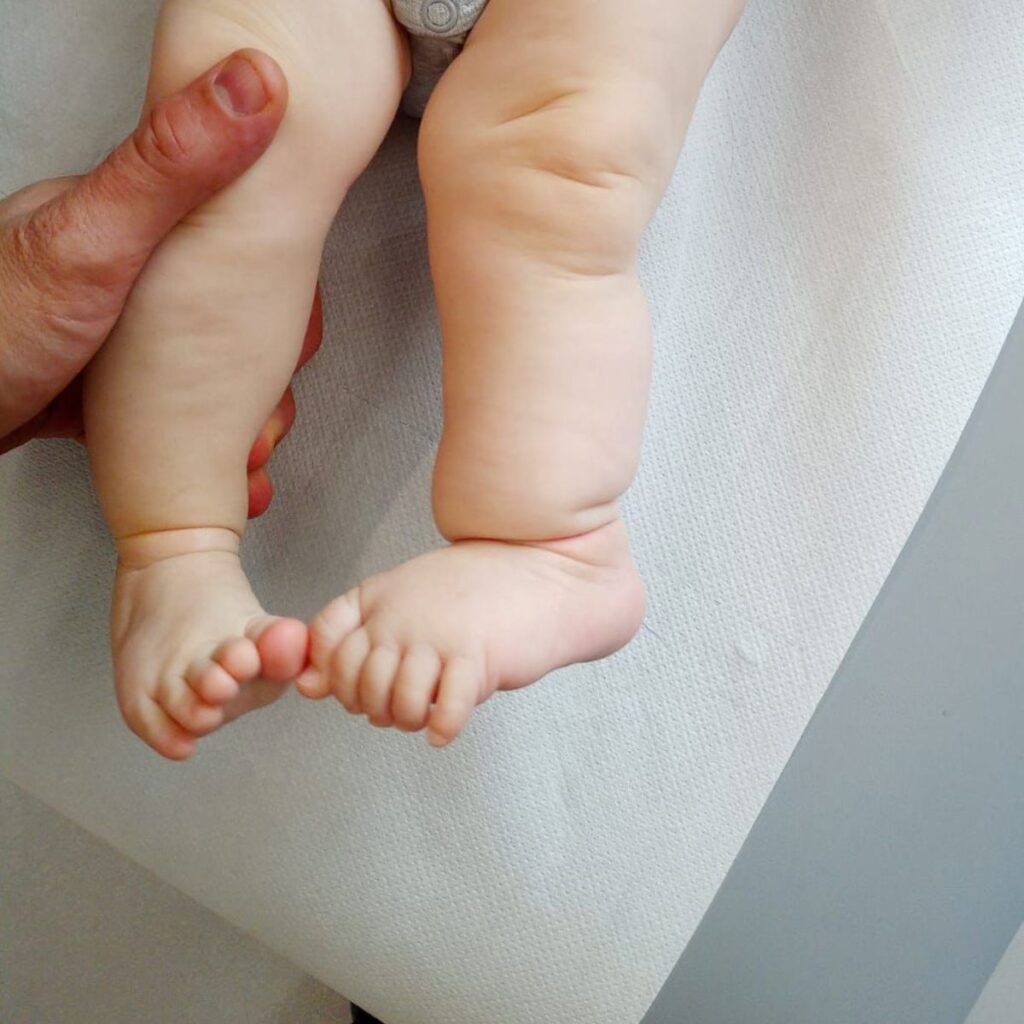
Limb axis deformities

Living with Skeletal Dysplasia: A Comprehensive Approach to Care—From Diagnosis to Adulthood
Achondroplasia
Your most frequently asked questions
What You Need to Know About Musculoskeletal Dysplasias
Musculoskeletal dysplasias are a group of congenital developmental disorders of the musculoskeletal system that affect the growth and structure of bones, cartilage, and connective tissues. In most cases, they have a genetic basis; they may be inherited from parents or result from a new, spontaneous mutation.
Symptoms vary depending on the type of dysplasia. The most common symptoms include disproportionate limb growth, limited joint mobility, difficulty walking, delayed motor development, or abnormal posture (e.g., scoliosis, bowlegs).
Some dysplasias can be detected as early as during pregnancy through prenatal ultrasound. Others are diagnosed in the first few months of a child’s life or later in childhood, when more pronounced abnormalities in bone growth and structure become apparent.
Genetic skeletal dysplasias cannot be completely cured. However, effective symptomatic treatment is possible—correcting deformities, improving motor function, and enhancing the patient’s quality of life. Early diagnosis and comprehensive treatment significantly improve the prognosis.
Treatment is tailored to each individual and may include rehabilitation, physical therapy, orthopedic devices, and surgical intervention. In cases of limb alignment deformities, treatments may include minimally invasive hemiepiphysiodesis or corrective osteotomies.
With early diagnosis and appropriate treatment, many children achieve full or significantly improved mobility. The outcome depends on the type and severity of the dysplasia, as well as when treatment begins.
Surgical treatment is recommended when bone or joint deformities significantly limit limb function, cause pain, or continue to progress despite conservative treatment. The decision is made by an orthopedic surgeon following a detailed imaging evaluation.