Osteoarthritis – Treatment and Joint Protection
Osteoarthritis is the most common disease of the musculoskeletal system. At the Paley European Institute in Warsaw, we treat osteoarthritis of the knee, hip, ankle, and shoulder joints. We seek to identify the cause of joint overload rather than merely alleviating pain. Whenever possible, we use joint-preserving methods, such as limb alignment correction and osteotomies, which can delay the need for joint replacement surgery.
We help patients with primary and secondary osteoarthritis, including young and active individuals who have suffered injuries or have limb alignment defects.
What is osteoarthritis?
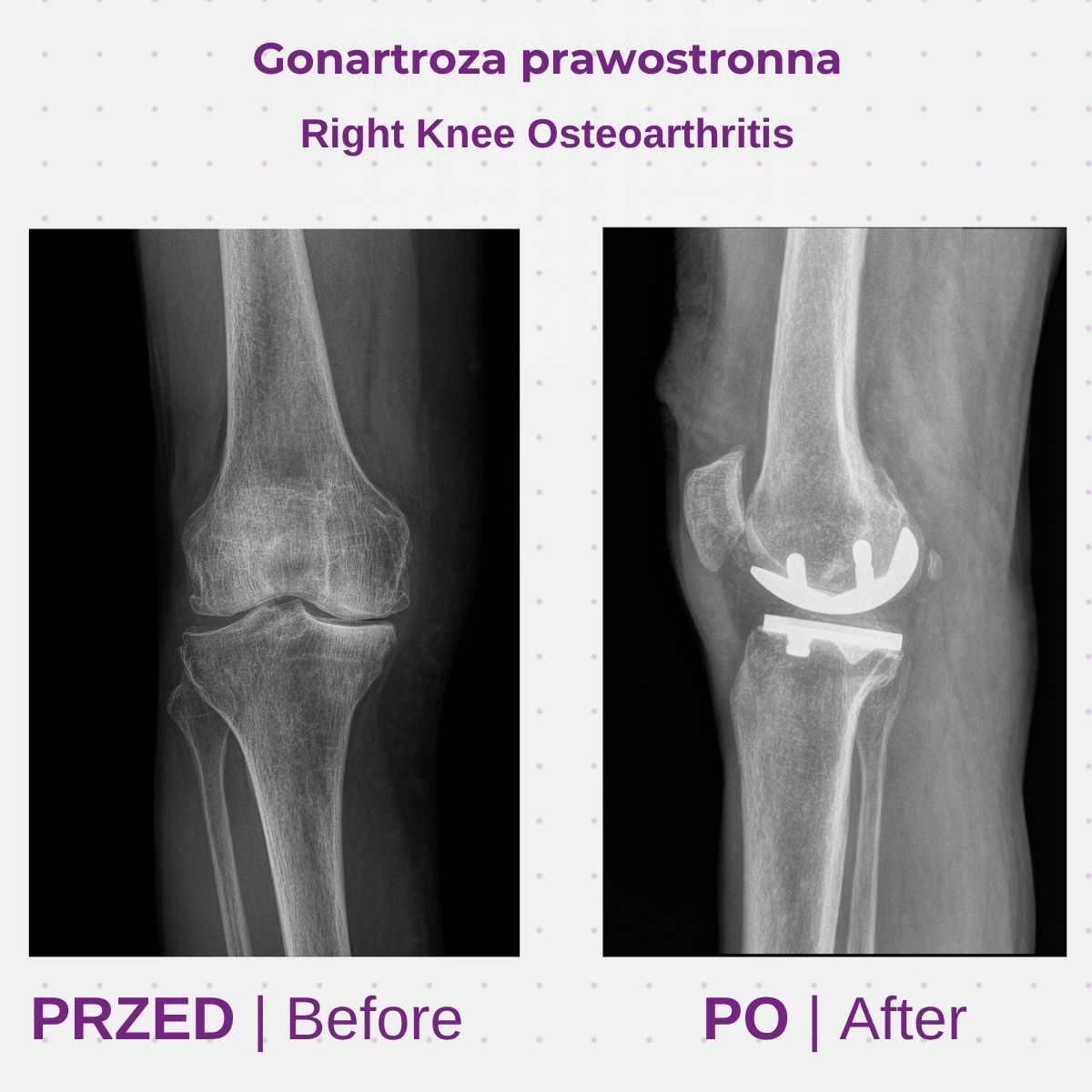
Osteoarthritis is a progressive deterioration of the articular cartilage and the surrounding tissues: the subchondral bone, the joint capsule, the ligaments, and the muscles. It develops when the stress placed on a joint exceeds its ability to repair itself. It leads to pain, stiffness, and limited mobility. It most commonly affects the knees, hips, spine, and small joints of the hands.
It is not solely the result of aging. It can also develop in young people following injuries, due to overuse, or as a result of an abnormal limb alignment.
Causes and Risk Factors
Osteoarthritis is classified as primary (with no identifiable cause) or secondary (caused by a specific factor). The most important risk factors include:
age 40 or older and female
overweight and obesity
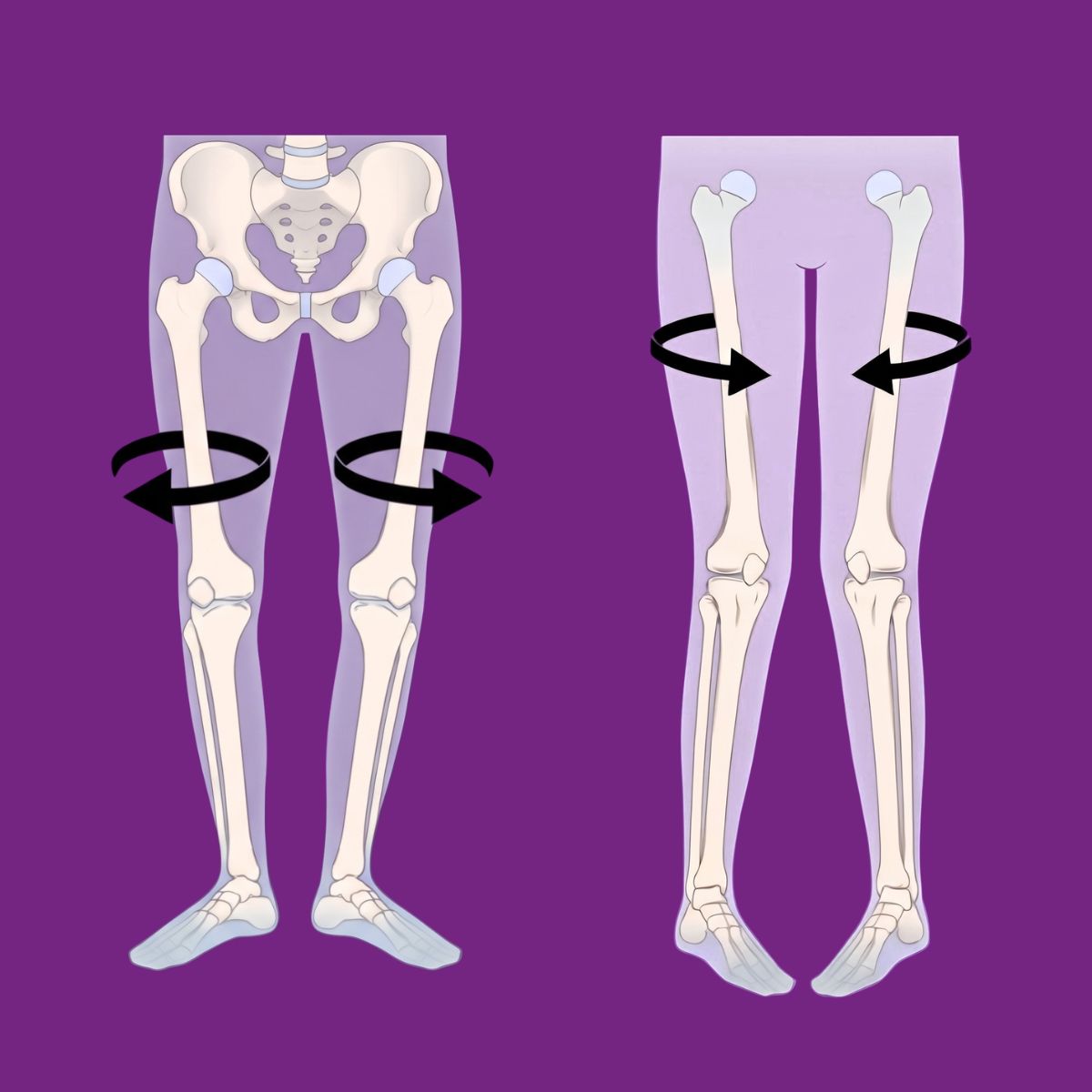
abnormal limb alignment (knock-knees or bowlegs)
injuries, fractures with malunion, and ligament injuries
joint malformations, such as hip dysplasia
muscle weakness and low physical activity
heavy physical labor and competitive sports
Genetic Factors and Inflammatory Joint Diseases
Symptoms
pain during movement, which over time also occurs at rest and at night
short-term stiffness after inactivity (usually less than 30 minutes)
restriction on the scope of movement
cracking sounds and a sensation of friction in the joint
edema and effusion
deformation and widening of the joint contour
joint instability and gait abnormalities
muscle weakness and atrophy
Diagnostics
X-rays of the joint, and for the knee, X-rays of the entire lower extremities in a standing position for analysis of the mechanical axis
magnetic resonance imaging or computed tomography, when an evaluation of the cartilage, menisci, or bones is needed
laboratory tests that help rule out, among other things, rheumatoid arthritis, gout, or an infection
Osteoarthritis by the Numbers
Approx. 2 million—that's how many people in Poland suffer from osteoarthritis
7–17% of people over the age of 45 have symptomatic osteoarthritis of the knees
Approx. 9% of people over the age of 45 have symptomatic hip osteoarthritis
Approx. 7% of people over the age of 25 have degenerative changes in the joints of their hands
The Paley European Institute is part of the international Paley Institute network, founded by Dr. Dror Paley, author of the textbook *Principles of Deformity Correction*, one of the fundamental works on planning limb alignment correction. We apply these same principles in the treatment of degeneration resulting from abnormal joint loading.
When should you see an orthopedist?
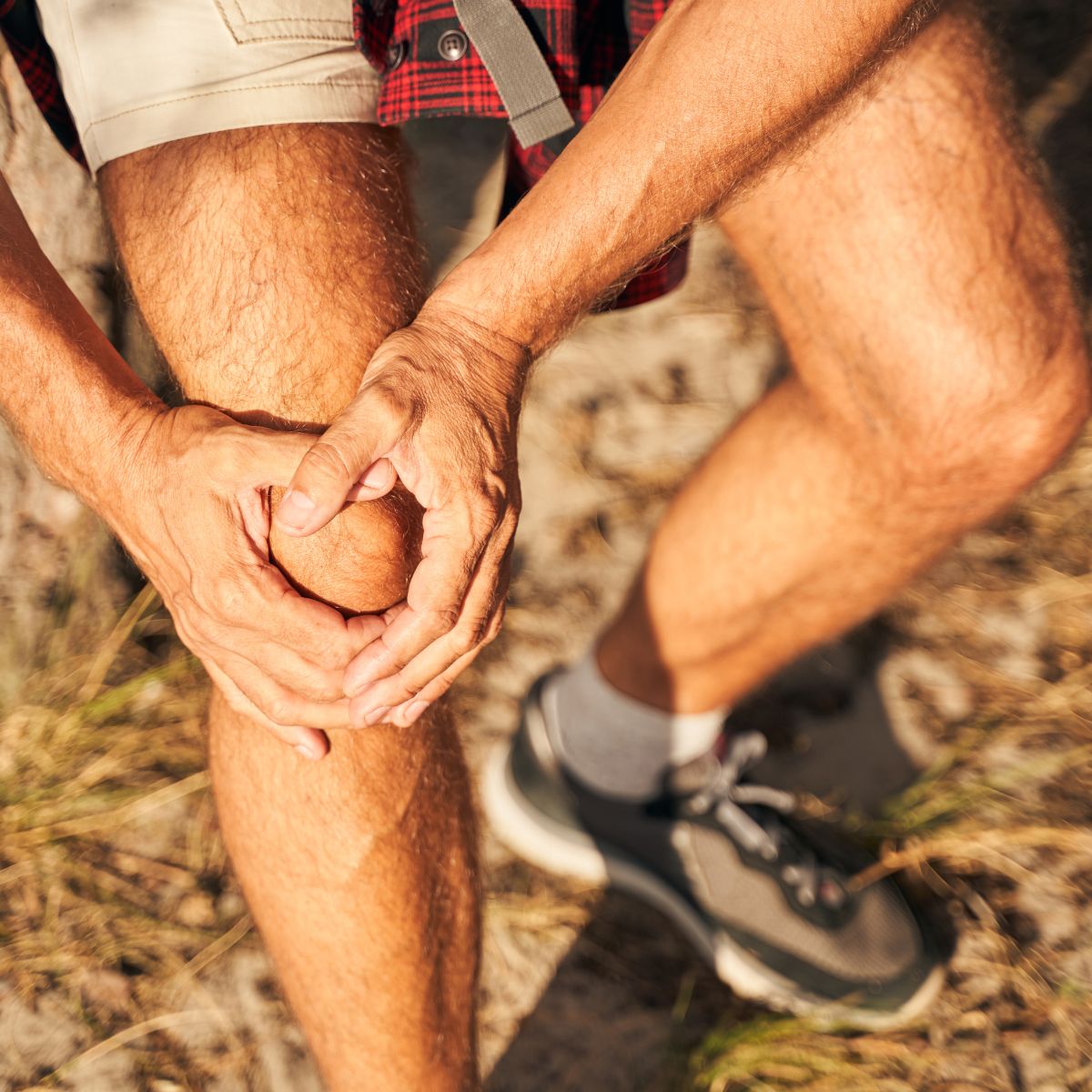
Joint pain recurs or worsens, especially when walking, climbing stairs, or getting up from a chair.
The joint hurts at night or when at rest. This is a sign that the condition may be more advanced.
You have bowed legs. Knees that point “inward” (knock-knees) or “outward” (bowlegs) put excessive strain on one compartment of the knee joint.
Your range of motion is decreasing. It's harder for you to bend your knee, put on a sock, or lift your arm.
The joint swells or "gives way." Effusion or a feeling of instability occurs.
You have suffered a joint injury. A fracture, ligament injury, or meniscus tear increases your risk of osteoarthritis in the future.
Conservative treatment is no longer helping. Medications, exercises, and injections no longer provide relief.
You've been told that "it's too early for a joint replacement." In that case, it's worth checking to see if joint-preserving treatment is an option.
How do we treat osteoarthritis?
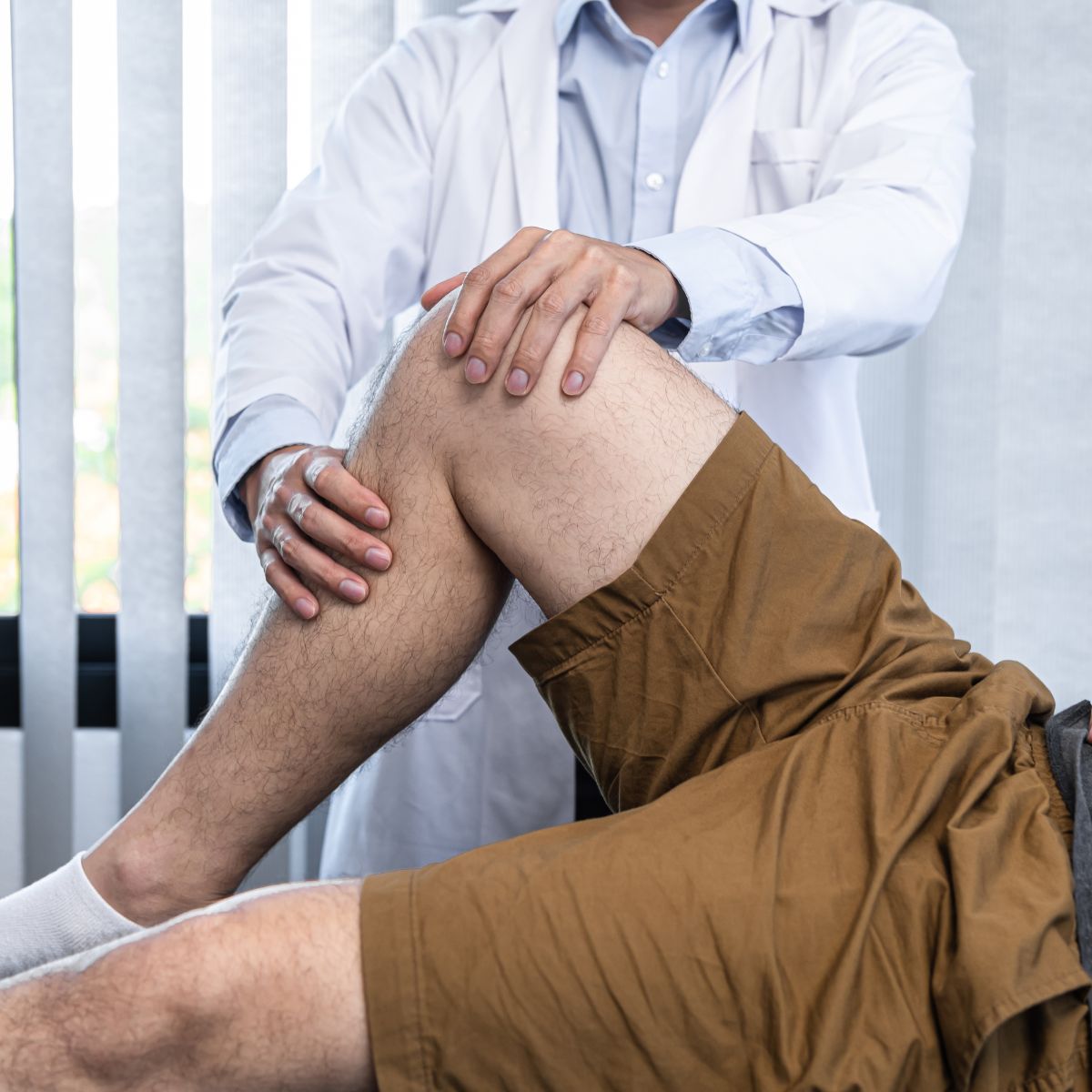
The goal of treatment is to reduce pain, maintain or improve joint function, and slow the progression of the disease. We always tailor the treatment plan to each individual, depending on age, activity level, location, and severity of the condition.
Diagnostics and Planning
orthopedic consultation
Analysis of the mechanical axis of the limbs
X-ray, MRI, or CT scan
Functional Assessment and Gait Analysis
individualized treatment plan
Conservative treatment
Education and Weight Loss
physical therapy and strengthening exercises
orthopedic supplies: pressure-relieving braces, insoles
pain relief and anti-inflammatory treatment
Minimally invasive procedures
intra-articular injections (hyaluronic acid, corticosteroids)
platelet-rich plasma (PRP)
Arthroscopy for Selected Indications
Surgical treatment
Joint-preserving corrective osteotomies
mechanical limb alignment correction
joint-relief treatments
Joint replacement in advanced stages
Mechanical Alignment Disorders of the Lower Limbs
What is the mechanical axis? The mechanical axis of the lower limb is a line running from the center of the femoral head to the center of the ankle joint. It correctly passes through the center of the knee, ensuring that the load is distributed evenly.
How does it affect the joints? When the axis is misaligned, one compartment of the knee bears a significantly greater load.
In varus deformity (O-shaped legs), the medial compartment is overloaded, while in valgus deformity (X-shaped legs), the lateral compartment is overloaded. Over time, this leads to localized cartilage wear.
How do we treat this condition? We analyze the alignment shown on an X-ray of the entire limb taken while the patient is standing and plan the correction according to the principles developed by Dr. Paley. Restoring proper alignment relieves pressure on the damaged joint space.
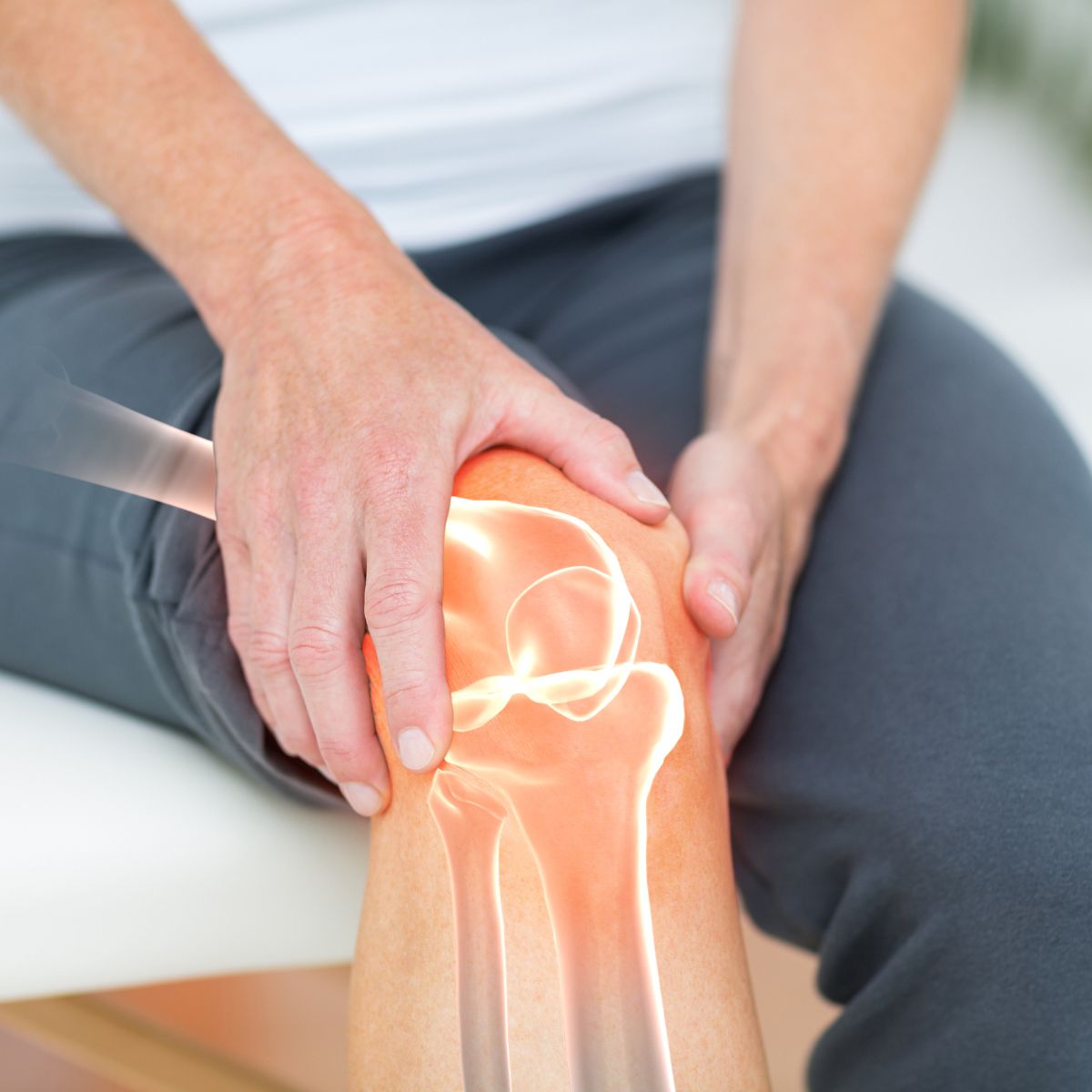
Osteoarthritis of the knee joint
What is it? Knee osteoarthritis is damage to the cartilage covering the femur, tibia, and patella. The knee joint has three compartments: the medial, lateral, and patellofemoral compartments. When the changes affect one of these compartments, it is referred to as single-compartment osteoarthritis. It most commonly affects the medial compartment.
Symptoms: pain when walking and going down stairs, stiffness upon standing up, swelling, cracking sounds, and gradual leg deformity.
Joint-preserving treatment – osteotomy: An osteotomy is a controlled cut in the bone and a change in its alignment that shifts the load from the damaged segment to the healthy one. We perform, among others, osteotomies of the upper tibia and lower femur. The goal is to reduce pain, preserve the patient’s own joint, and delay the need for joint replacement with an artificial joint.
Who is it for? Osteotomy is typically considered for younger, active individuals whose condition is limited to a single compartment, with preserved range of motion and a stable knee.
Osteoarthritis of the hip joint
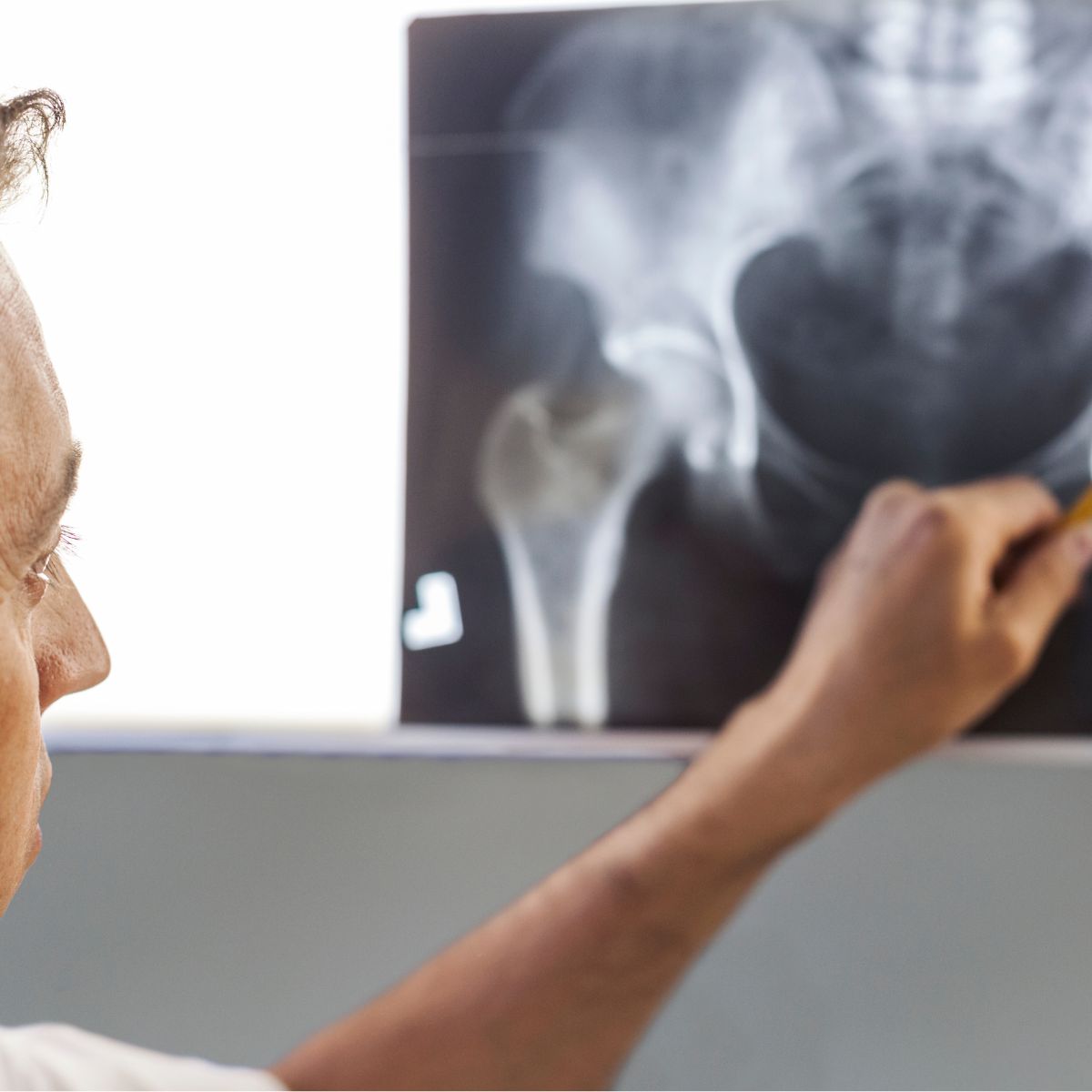
What is it? Hip osteoarthritis is damage to the cartilage of the femoral head and acetabulum. In younger patients, it is often secondary in nature and results from hip dysplasia, femoroacetabular impingement (FAI), or previous hip conditions during childhood.
Symptoms: groin pain, sometimes radiating to the knee, limping, difficulty putting on shoes and socks, and limited rotation.
Treatment: In the early stages, particularly in cases of dysplasia, osteotomies may be performed to correct the alignment of the acetabulum or femur. In advanced cases, hip replacement is the standard of care.
Osteoarthritis of the ankle joint
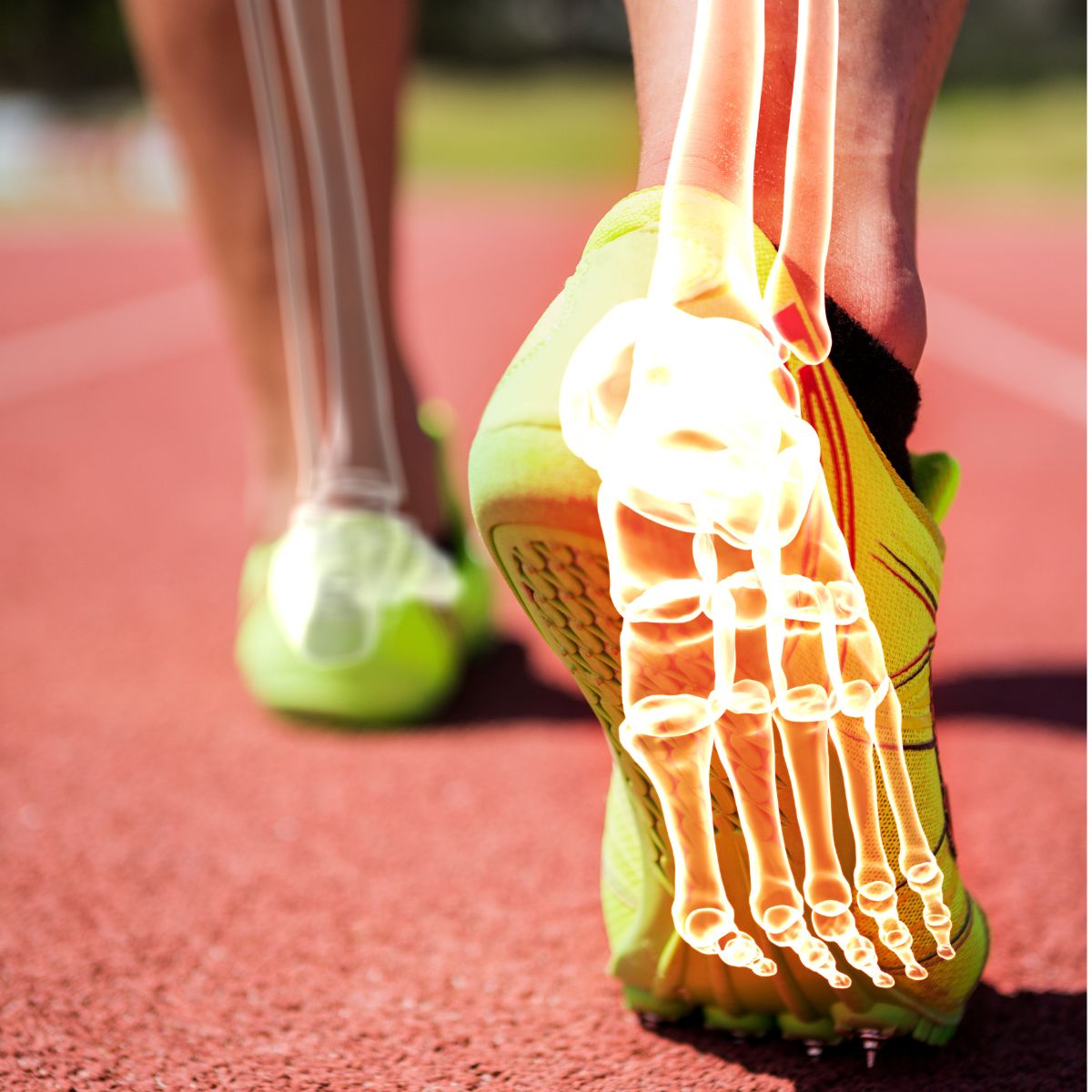
What is it? Ankle osteoarthritis is damage to the cartilage between the tibia and the talus. Unlike the knee and hip, it is most often the result of injuries: ankle fractures or chronic instability following sprains.
Symptoms: pain and swelling in the ankle, stiffness, and difficulty walking on uneven ground.
Treatment: In addition to conservative treatment, corrective osteotomies to realign the joint, procedures to relieve pressure on the joint, and, in advanced cases, joint fusion (arthrodesis) or joint replacement are used.
Osteoarthritis of the shoulder joint
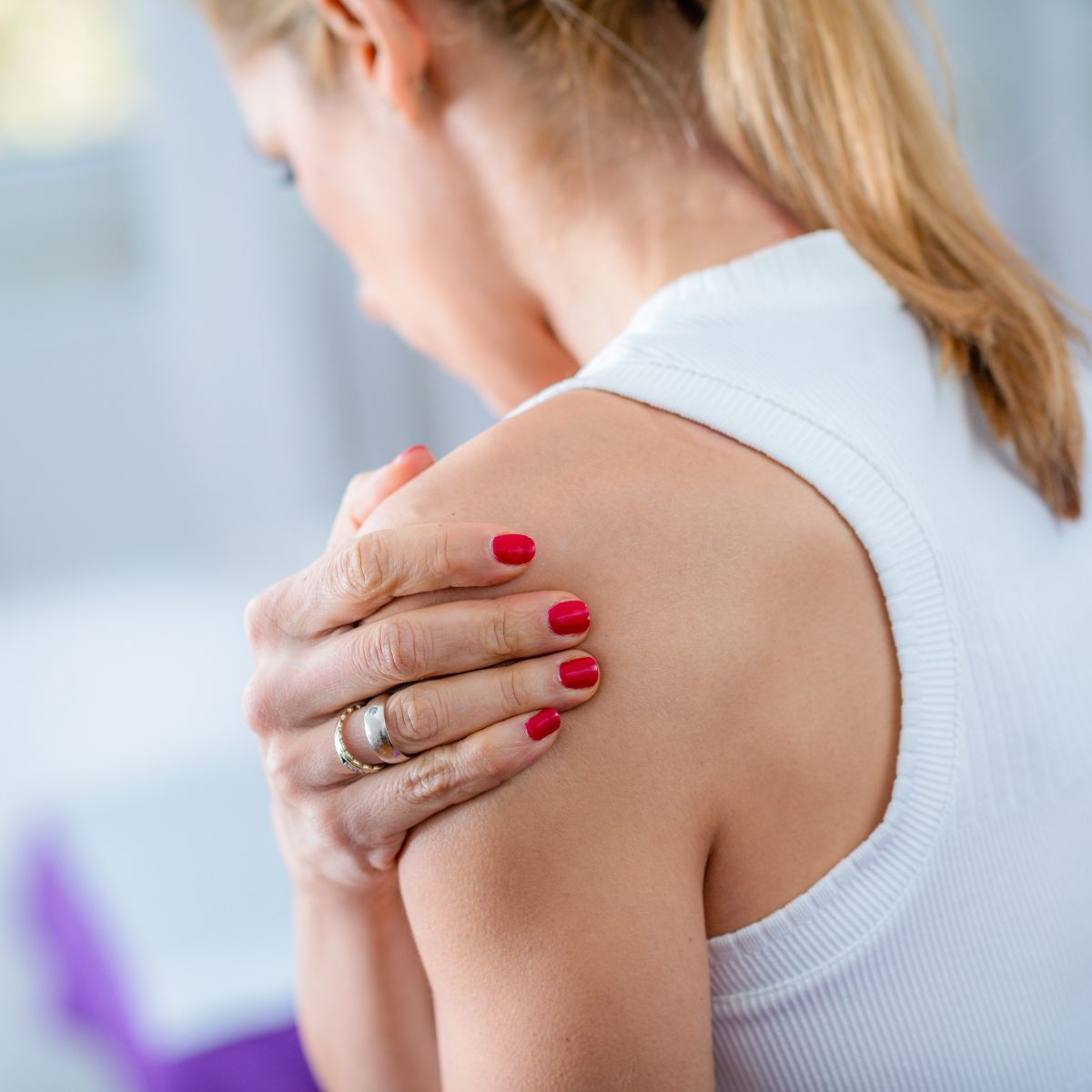
What is it? Shoulder osteoarthritis is damage to the cartilage of the humeral head and the glenoid cavity of the scapula. It can be primary, post-traumatic, or result from long-term damage to the rotator cuff.
Symptoms: shoulder pain, including at night; limited range of motion when raising or rotating the arm; and cracking sounds.
Treatment: physical therapy, injections, and, in cases of advanced lesions, shoulder arthroplasty.
How can you prevent osteoarthritis?
Preventing osteoarthritis involves reducing the strain on the joints and maintaining strong muscles.
Includes:
maintaining a healthy weight (every kilogram you lose puts less strain on your knees when walking),
regular, moderate-intensity physical activity, such as swimming, cycling, Nordic walking,
strengthening the thigh and gluteal muscles,
treatment of joint injuries and limb alignment defects before they lead to degenerative changes,
a diet rich in vitamins and minerals.

Our Experts Meet the Paley European Institute Team

Family-Centered Care: treatment in which the family is part of the care team
Family-Centered Care: treatment in which the family is part of the team
Family-Centered Care (FCC) is the treatment model used at the Paley European Institute. In this model, the family of a child with a congenital limb defect is not an observer but a full-fledged member of the treatment team. Treatment for congenital limb defects often lasts for months or years and involves several surgeries, limb lengthening, and months of rehabilitation. Therefore, parents who understand the treatment plan and feel heard have a real impact on its outcomes.
What does family-centered care look like in practice?
Parents do not wait in the hallway—while their child is undergoing surgery, the Hospital Services Coordinator and a physician’s assistant keep parents updated on the progress of the procedure via WhatsApp. During this time, a psychologist stays by the parent’s side to support them through this most difficult hour.
One treatment plan instead of multiple visits—during the consultation, specialists from various fields meet with the child in one place and develop a comprehensive treatment plan. The conversation begins not with the question “What hurts?”, but with what the child likes to do and what the family’s daily life is like.
The same physical therapist before, during, and after surgery—the therapist present in the operating room—conducts rehabilitation starting on the first day of recovery. The child exercises with someone they already know, which reduces anxiety and facilitates a return to physical fitness. This is particularly important during limb lengthening, when systematic physical therapy is crucial for maintaining joint mobility.
Comprehensive care in one place—X-rays, blood tests, an orthotist, a psychologist, a dietitian, a speech therapist, and certificates for schools and government offices—are all available without unnecessary referrals or having to search for other facilities. Surgeries are performed at our partner hospital, Medicover, where the Paley European Institute team cares for the patient from admission through discharge.
Support for families from other cities and countries—families traveling here for medical treatment receive assistance with arranging transportation, accommodations, and all the logistics of their stay.
Parents' Council—parents who have themselves undergone treatment at the Paley European Institute—regularly test and evaluate new approaches, helping to shape the model of care.
Why does family involvement improve treatment outcomes?
Parents who understand the treatment plan are better able to follow rehabilitation recommendations at home and recognize signs that require contacting a doctor more quickly. Thanks to preparing the family for home care, children who undergo surgery at the Paley European Institute stay in the hospital for an average of only 2 days. A shorter hospital stay and less stress lead to a more peaceful recovery and a better quality of life for the entire family.

Related articles
Read the blog posts about osteoarthritis
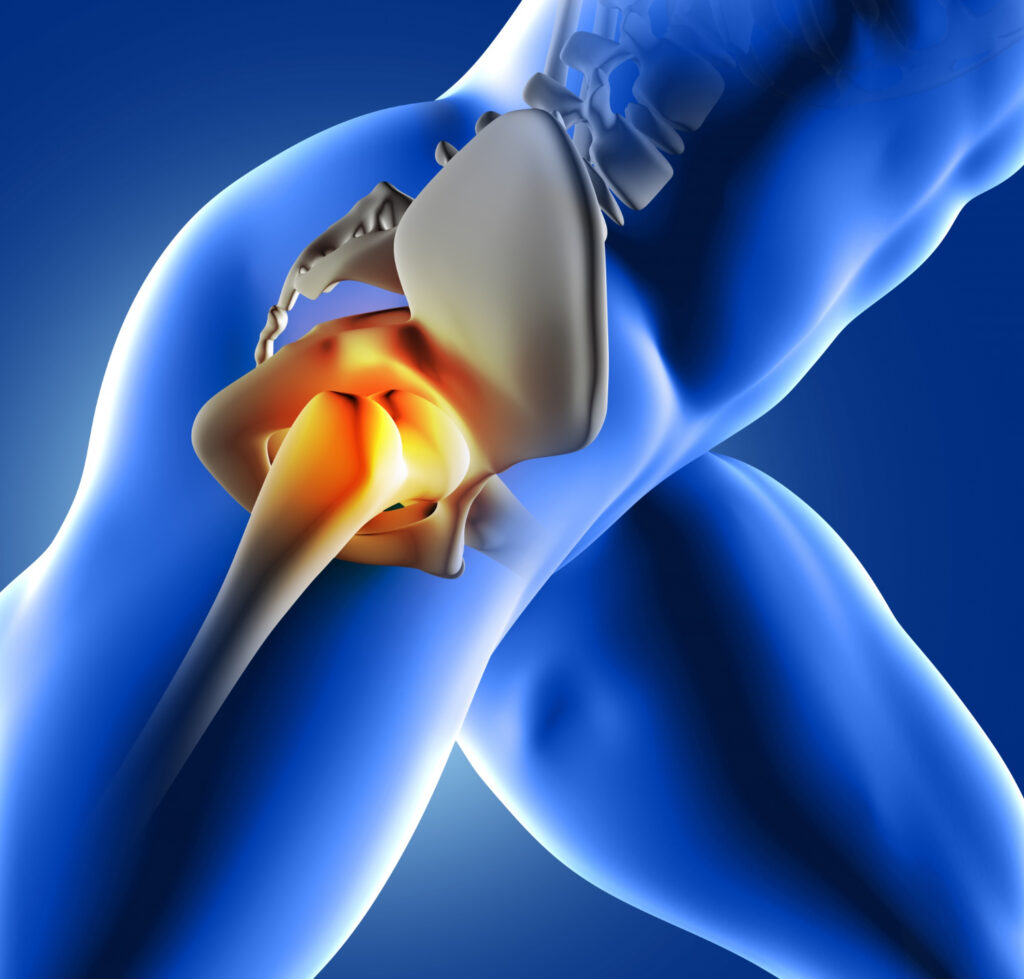
Hip Osteoarthritis – Symptoms, Management, and Treatment
Osteoarthritis of the knee in people over 50 - how do genetics, rheumatic diseases and trauma affect the development of the condition?
Osteoarthritis - symptoms, causes and effective treatments
Frequently Asked Questions: Osteoarthritis
There is no treatment that reverses degenerative changes. However, it is possible to effectively reduce pain, improve joint function, and slow the progression of the disease. In some patients, symptoms stabilize for a long time.
No. For many patients—especially younger ones and those with lesions in a single compartment of the knee—a corrective osteotomy allows them to preserve their natural joint and delay the need for joint replacement.
This is a procedure in which the surgeon cuts through the bone and realigns it to shift the load from the damaged part of the joint to the healthy part.
Yes, and in fact, it's necessary. Carefully selected exercises strengthen the muscles, stabilize the joint, and reduce pain. It's best to work with a physical therapist to develop a program.
The results of the studies are inconclusive. Supplements may provide relief for some patients, but they are not a substitute for medical treatment. It is advisable to consult a doctor before using them.
No. It can also develop in young people following injuries, due to limb alignment abnormalities, hip dysplasia, or excessive stress from sports.
The basic test is an X-ray of the joint. In cases of knee osteoarthritis, it is advisable to have an X-ray of the entire lower extremities taken while standing, as this shows the mechanical axis. The doctor may also order an MRI or laboratory tests.