Congenital Pseudojoint of the Tibia (CPT) – Treatment
At the Paley European Institute, we treat congenital pseudarthrosis of the tibia using the Cross Union protocol developed by Dr. Dror Paley. The method combines several surgical techniques that allow the bone to heal and prevent it from breaking again, while keeping the limb straight and of equal length. For years, CPT was considered one of the most challenging conditions in pediatric orthopedics. Today, it can be effectively treated.
What is congenital pseudo-joint of the tibia (CPT)?
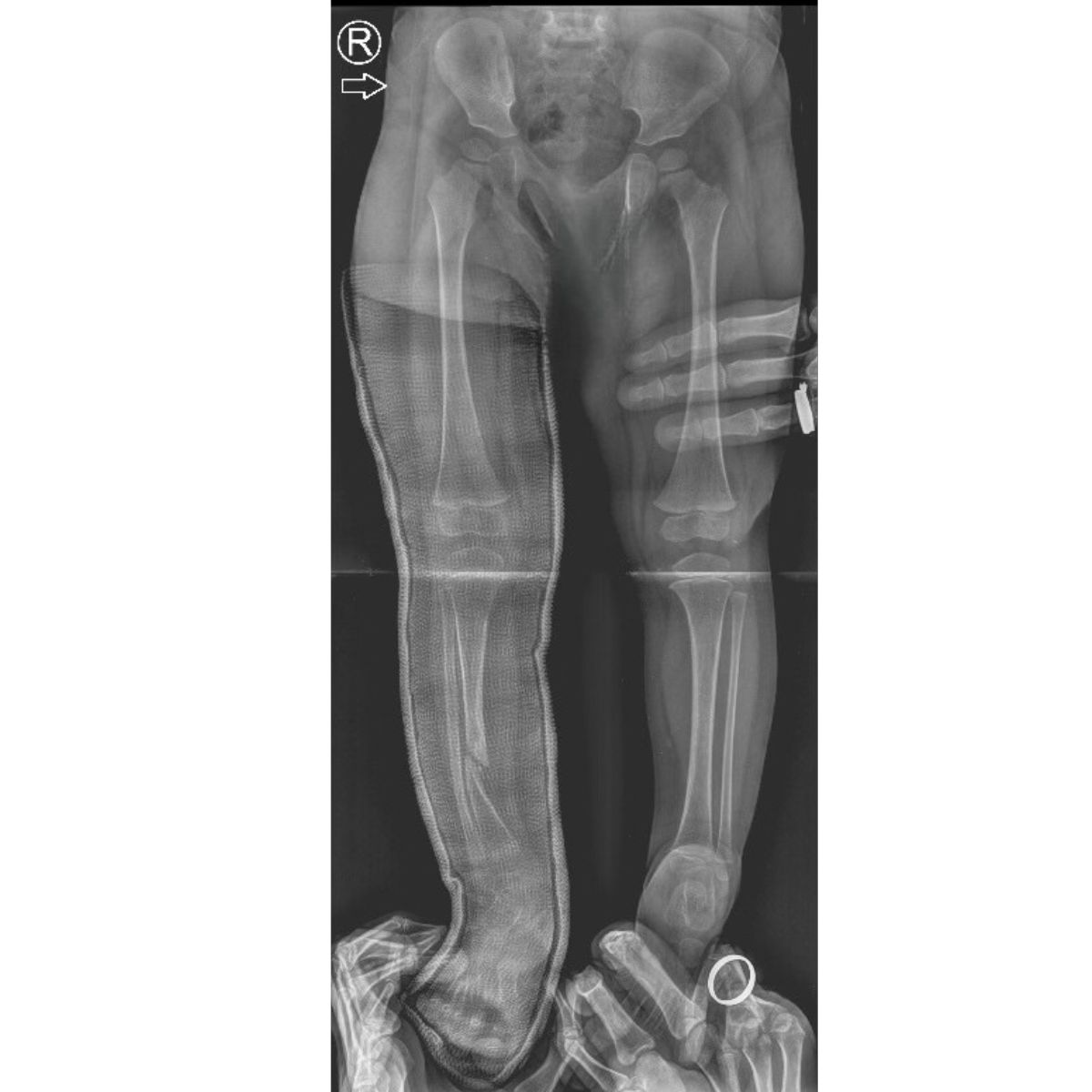
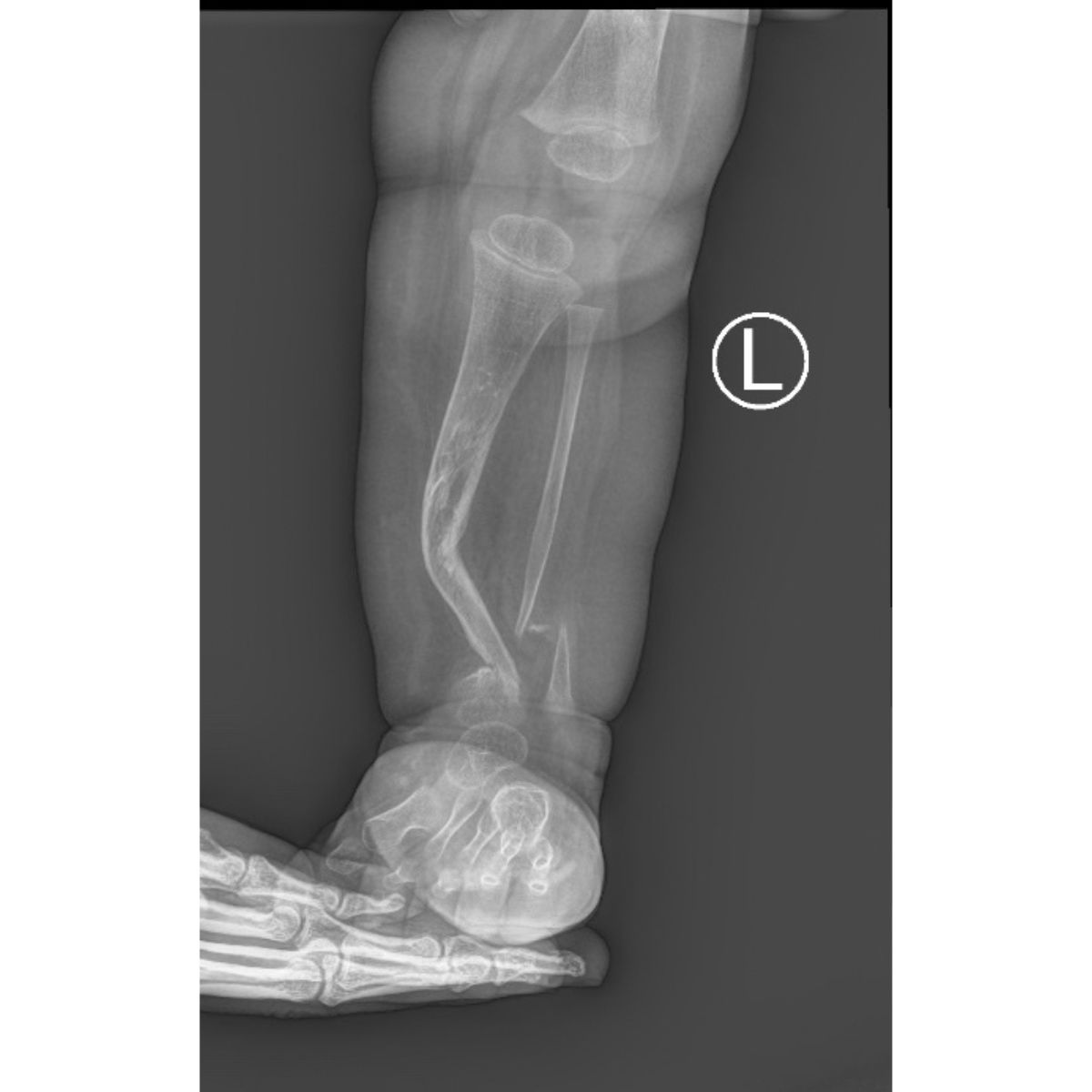
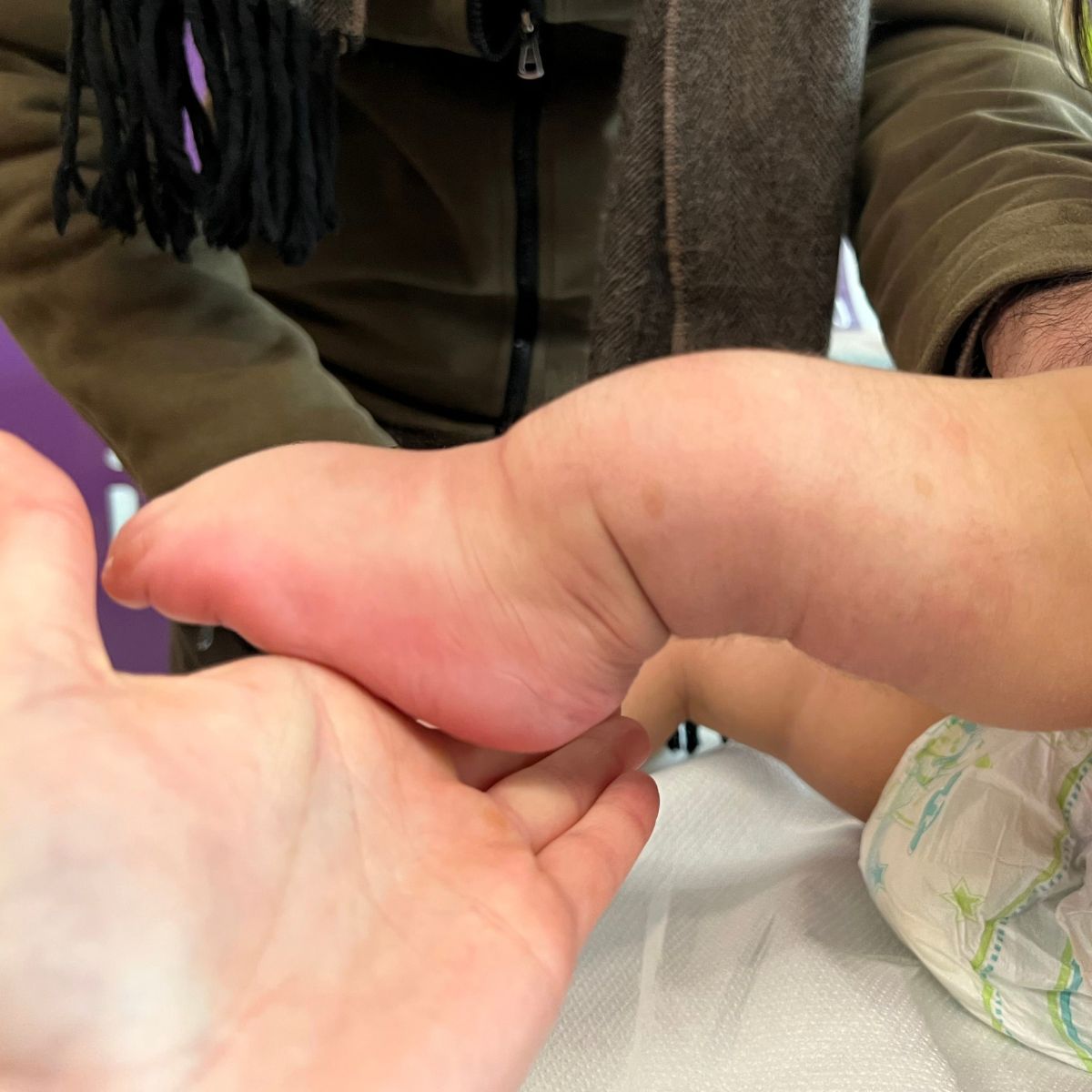
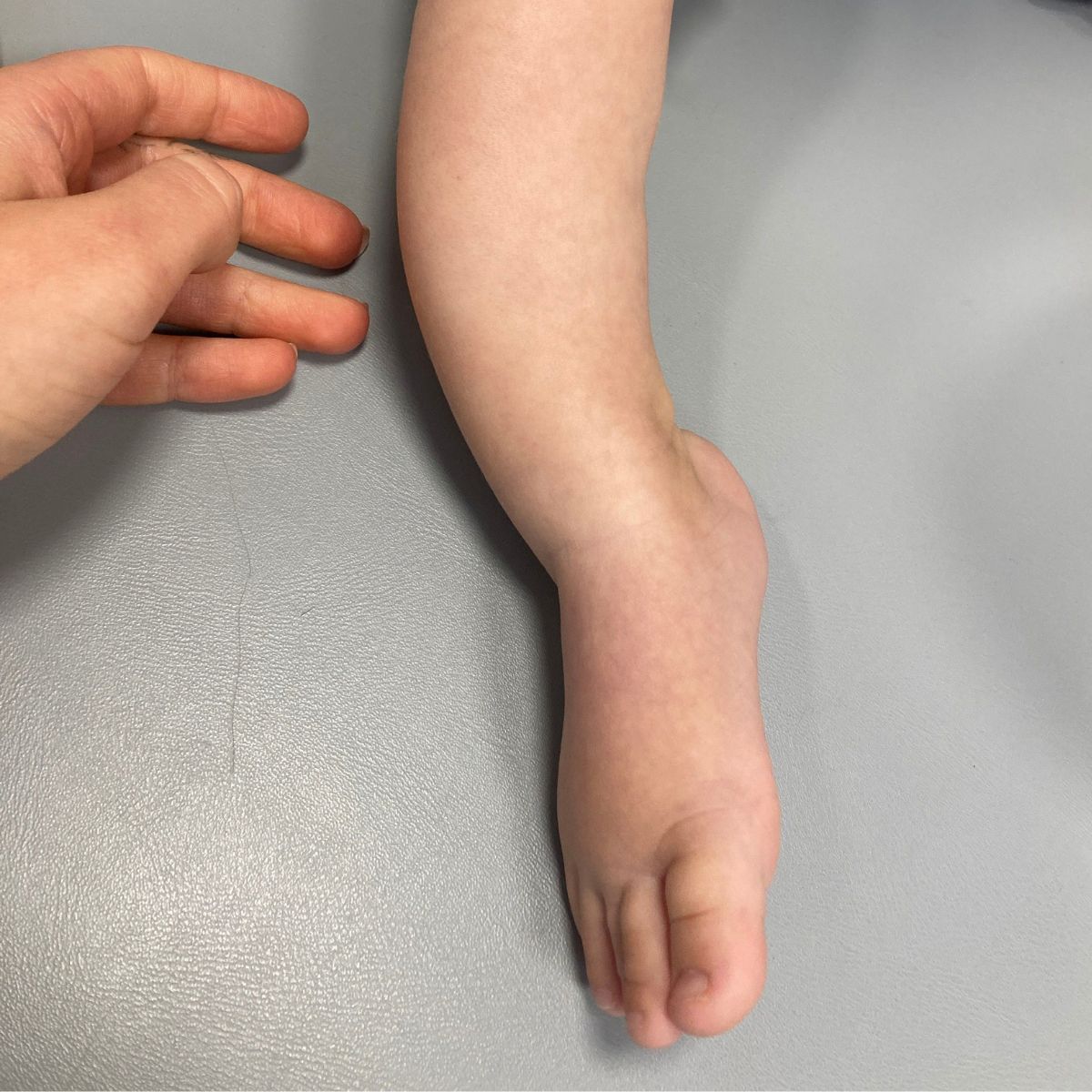
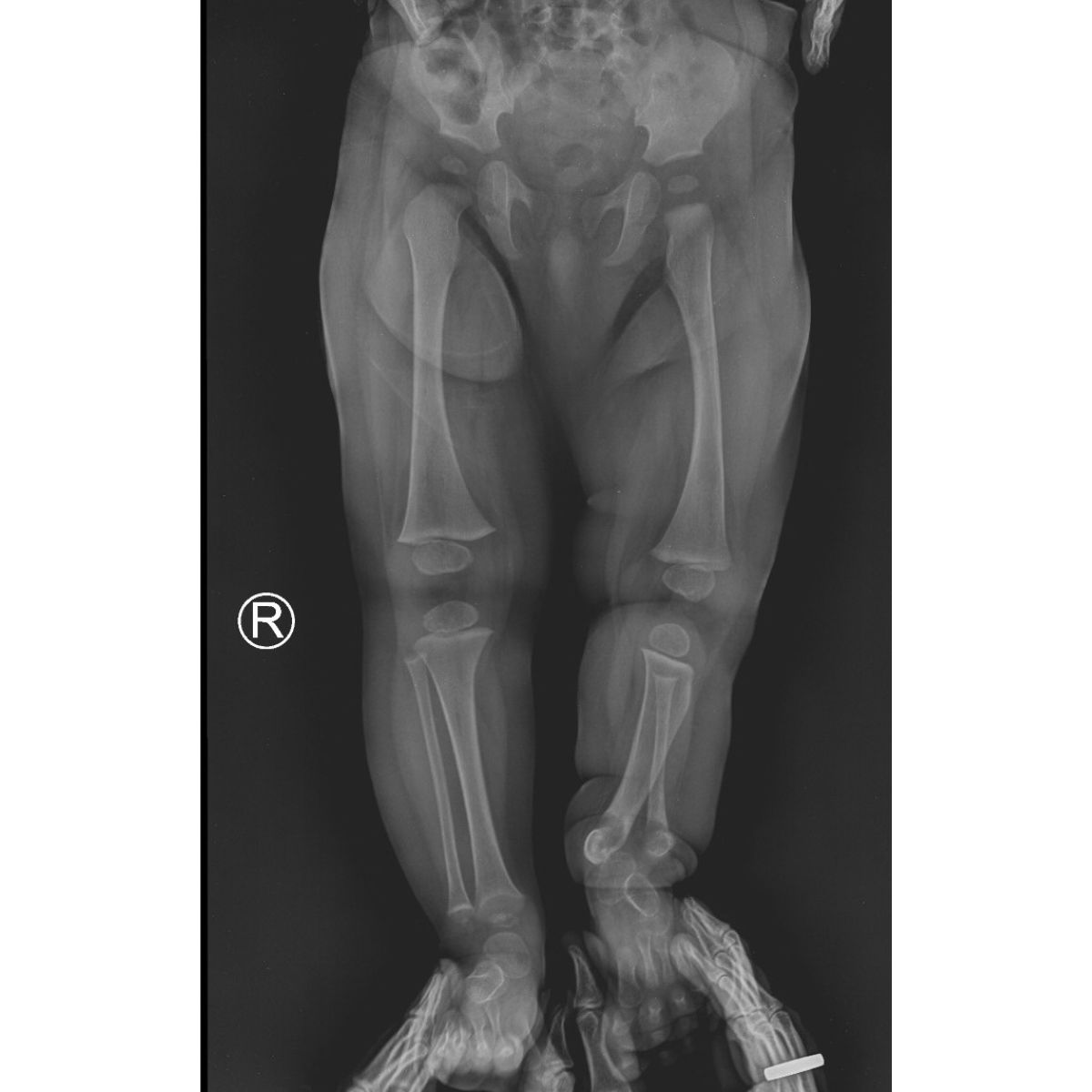
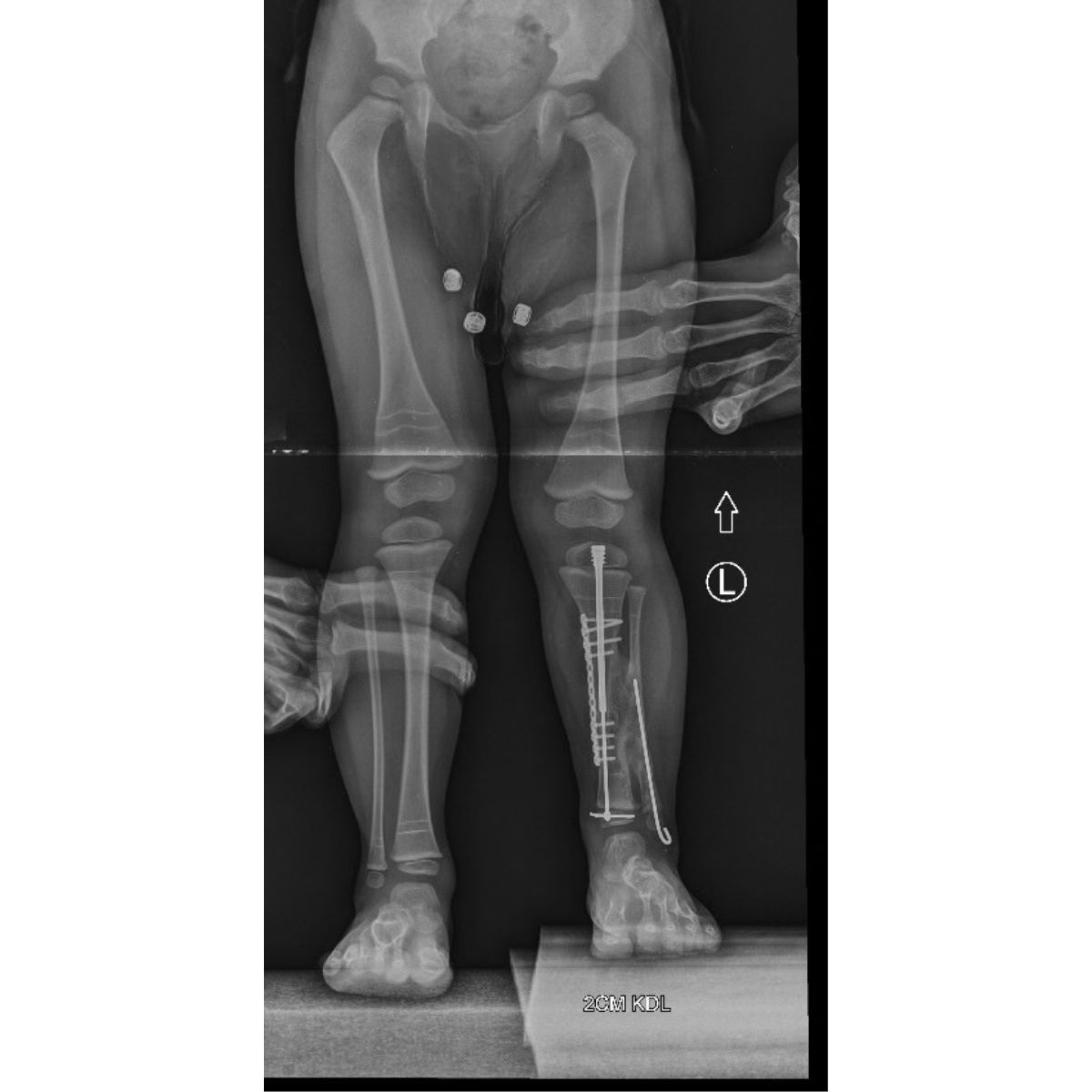
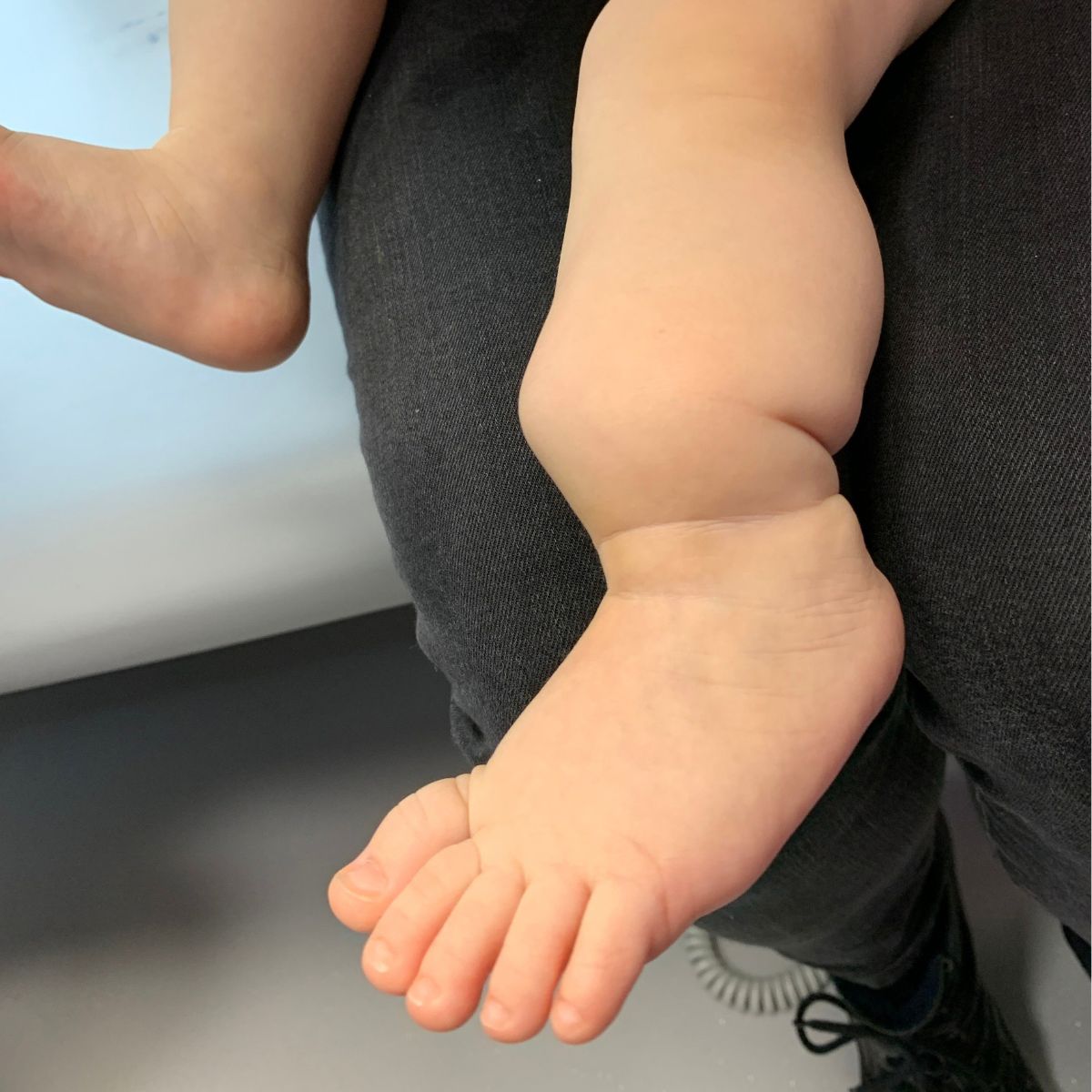
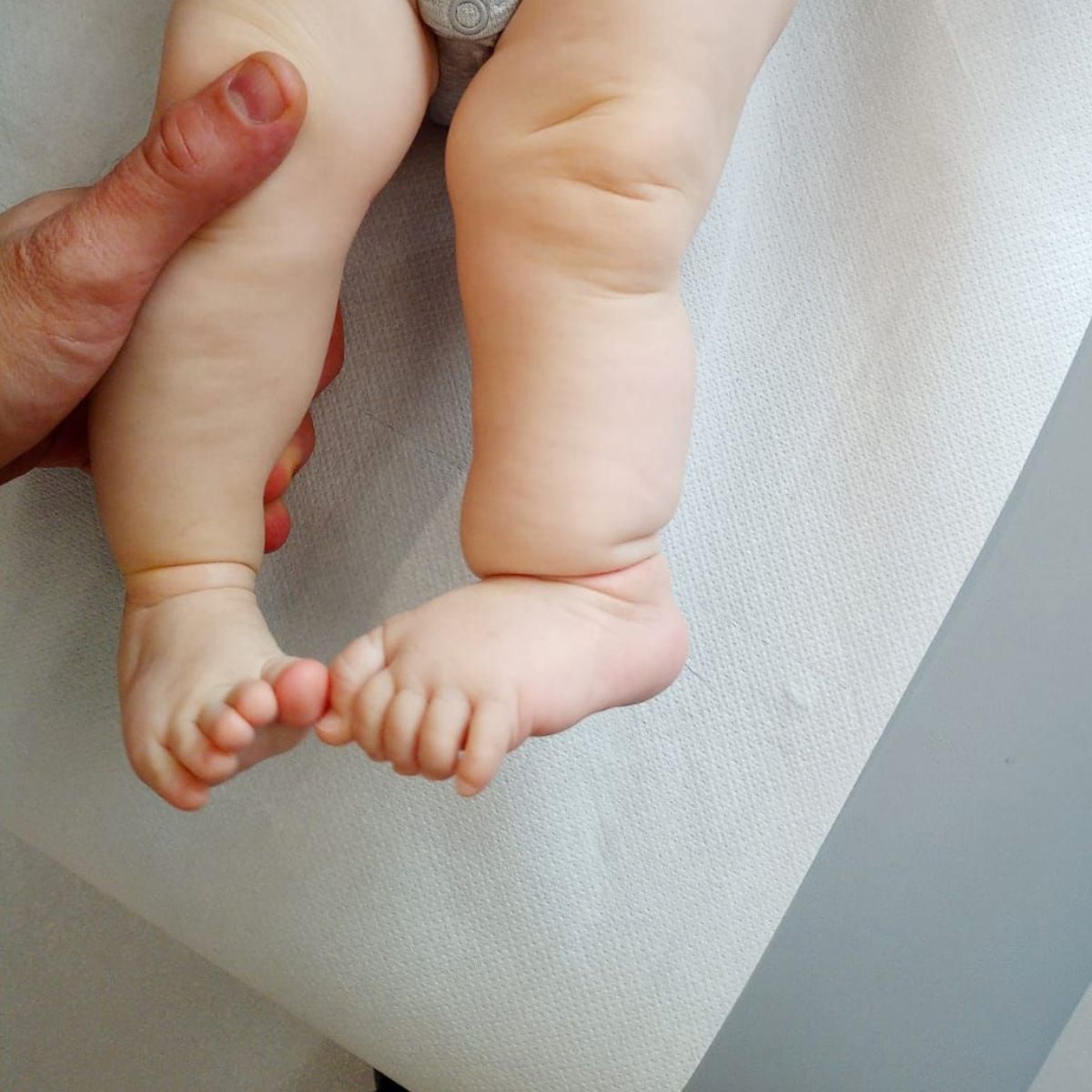
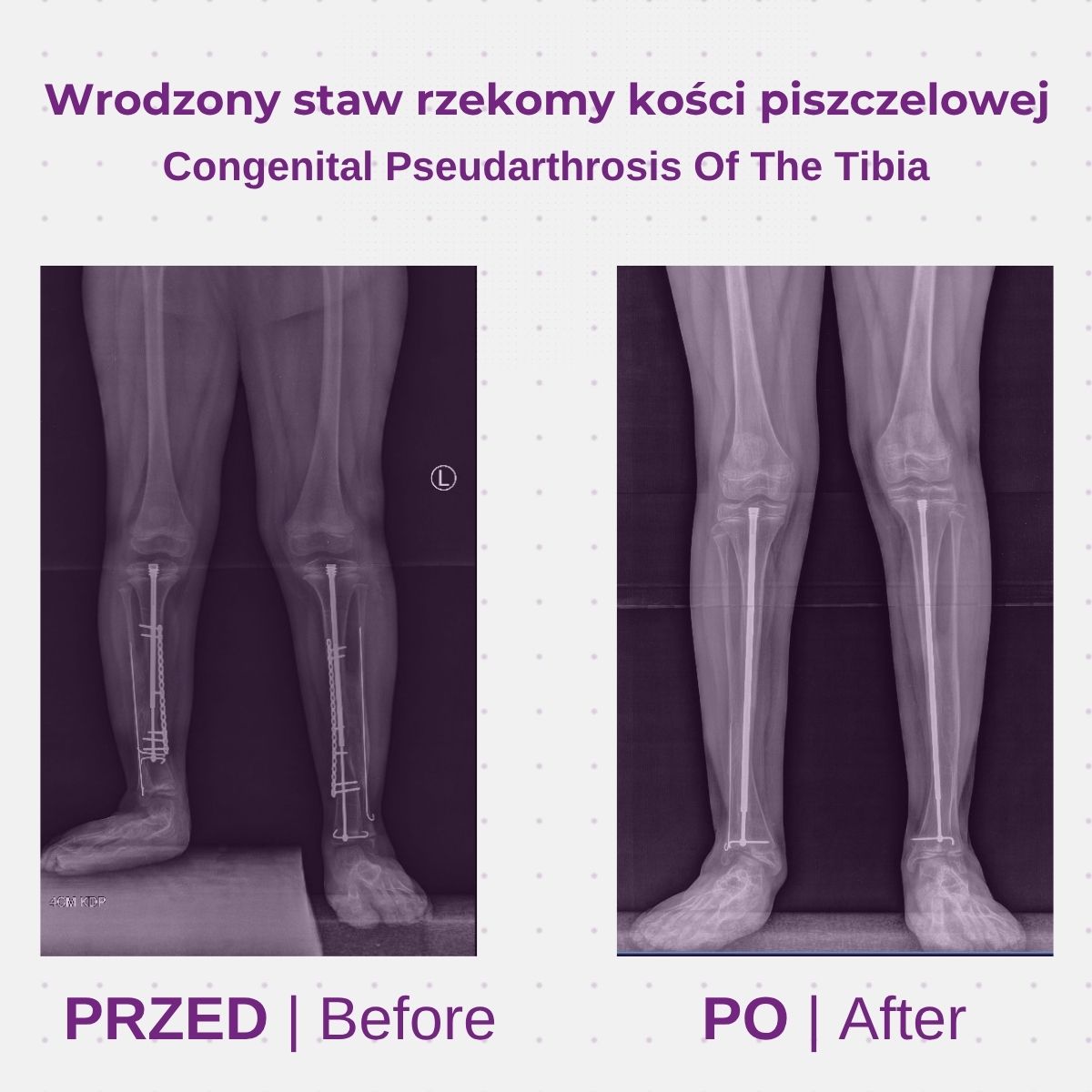
Congenital pseudarthrosis of the tibia (CPT) is a rare condition in which the tibia is bent and weakened, breaks easily, and does not heal on its own. At the site of the fracture, where union should occur, a pathological, mobile connection forms between the two bone fragments—the so-called “pseudarthrosis.”
CPT occurs at a rate of approximately 1 in 140,000–250,000 births and affects both girls and boys. Pseudoarthrosis most often develops during the first two years of life. Cases of CPT developing before birth and in later childhood have also been reported.
Congenital Pseudo-Joint of the Tibia (CPT)
Reasons
The exact cause of CPT is unknown. It is known that the condition is associated with systemic diseases:
- Neurofibromatosis type 1 (NF1, von Recklinghausen disease) occurs in approximately 50% of patients with CPT.
- Fibrous dysplasia occurs in approximately 10% of patients.
The disease process affects the periosteum, which is the outer layer of the bone responsible for its growth and healing after a fracture. In children with CPT, instead of healthy periosteum, the bone is surrounded by a thick layer of scar tissue. According to the current theory, nerve cells accumulated in this tissue destroy the blood vessels of the periosteum. As a result, the periosteum is deprived of oxygen and cannot rebuild the bone, so spontaneous healing does not occur after a fracture.
Symptoms
a characteristic forward and outward bend of the lower leg, often visible even in infants
Thinning and weakening of the tibia
a fracture that occurs spontaneously or after a minor
an injury that won't heal
pathological mobility at the fracture site
shortening of the affected limb and a progressive difference in leg length
deformities of the ankle and knee joints, e.g., valgus deformity
coffee-with-milk-colored patches on the skin in patients with NF1
Diagnostics
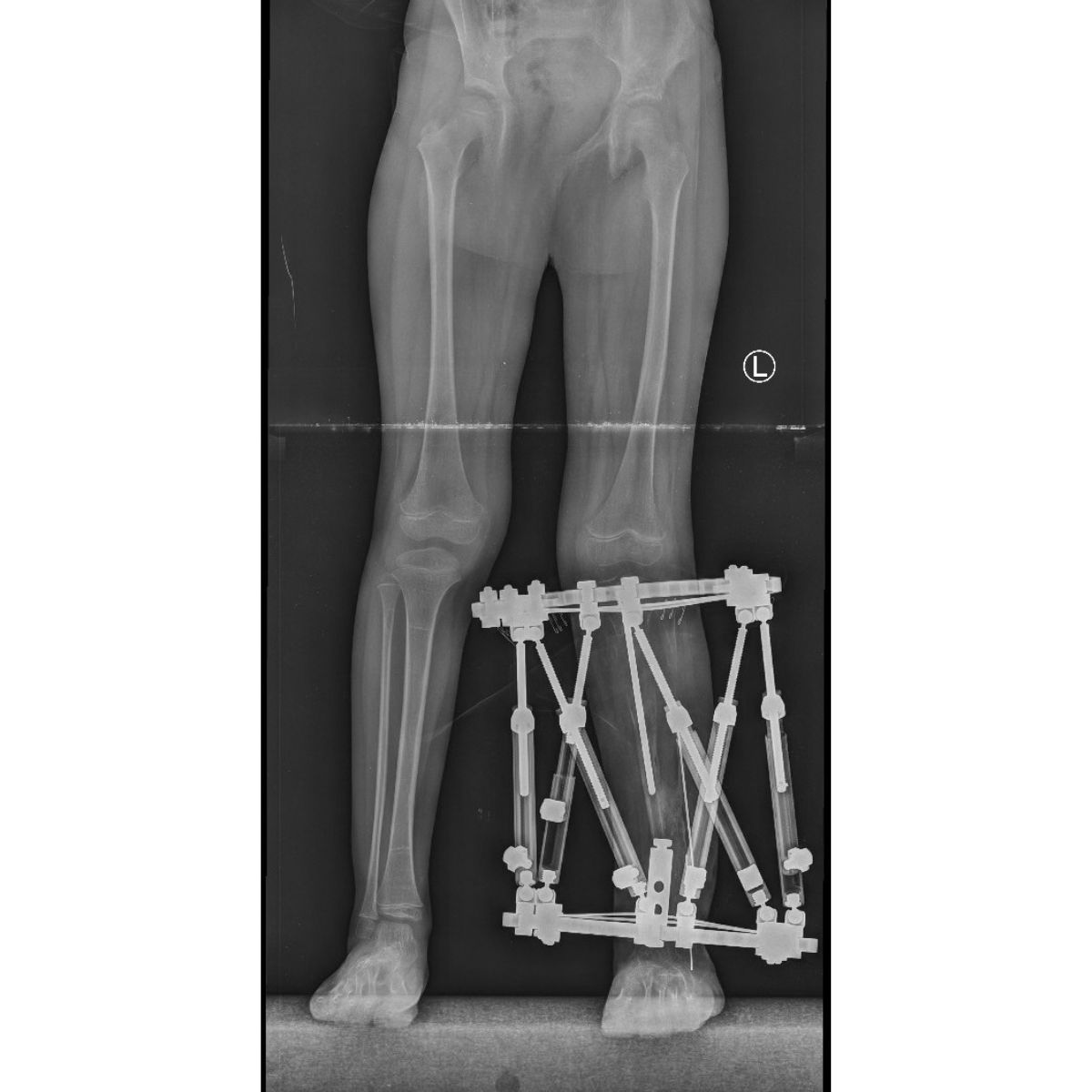
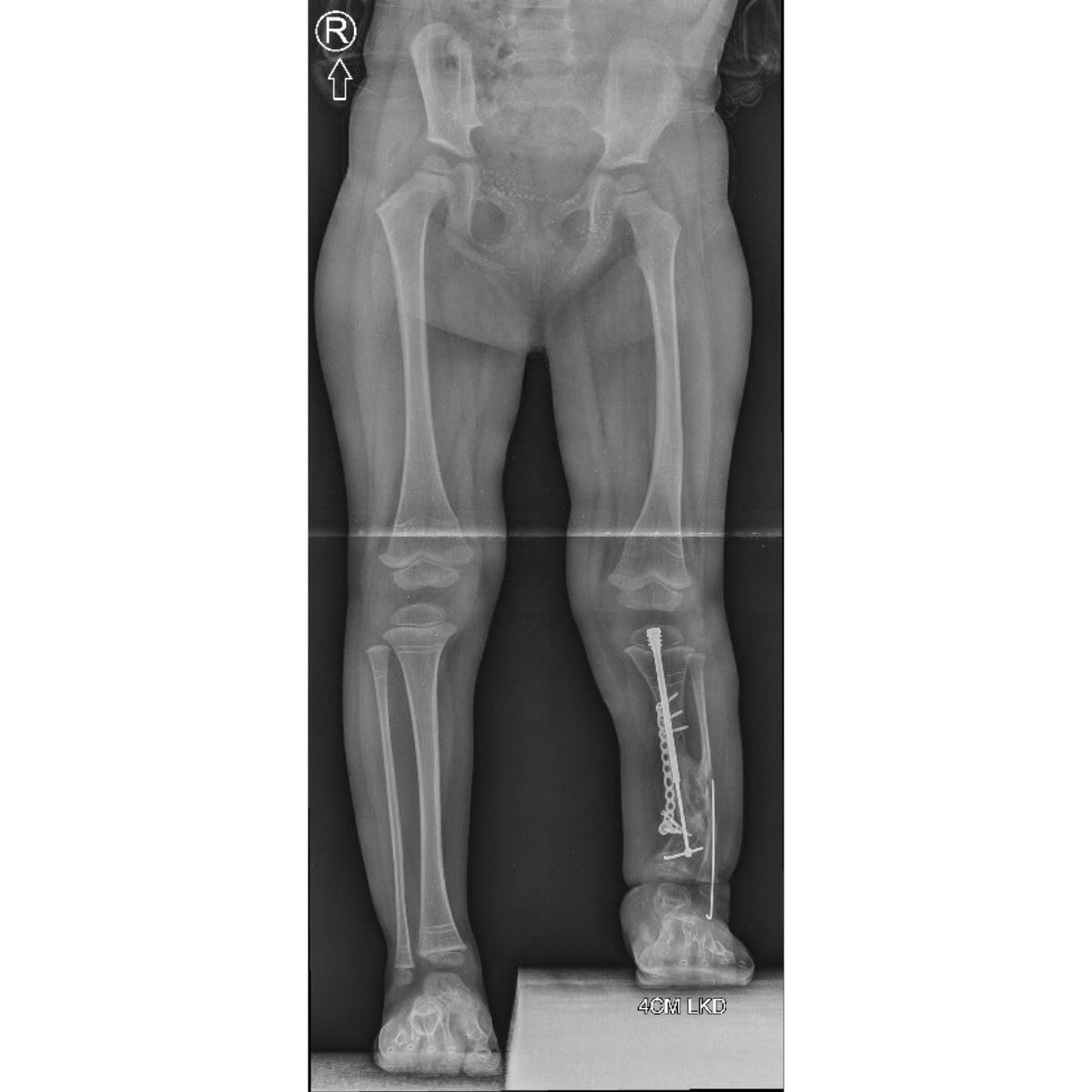
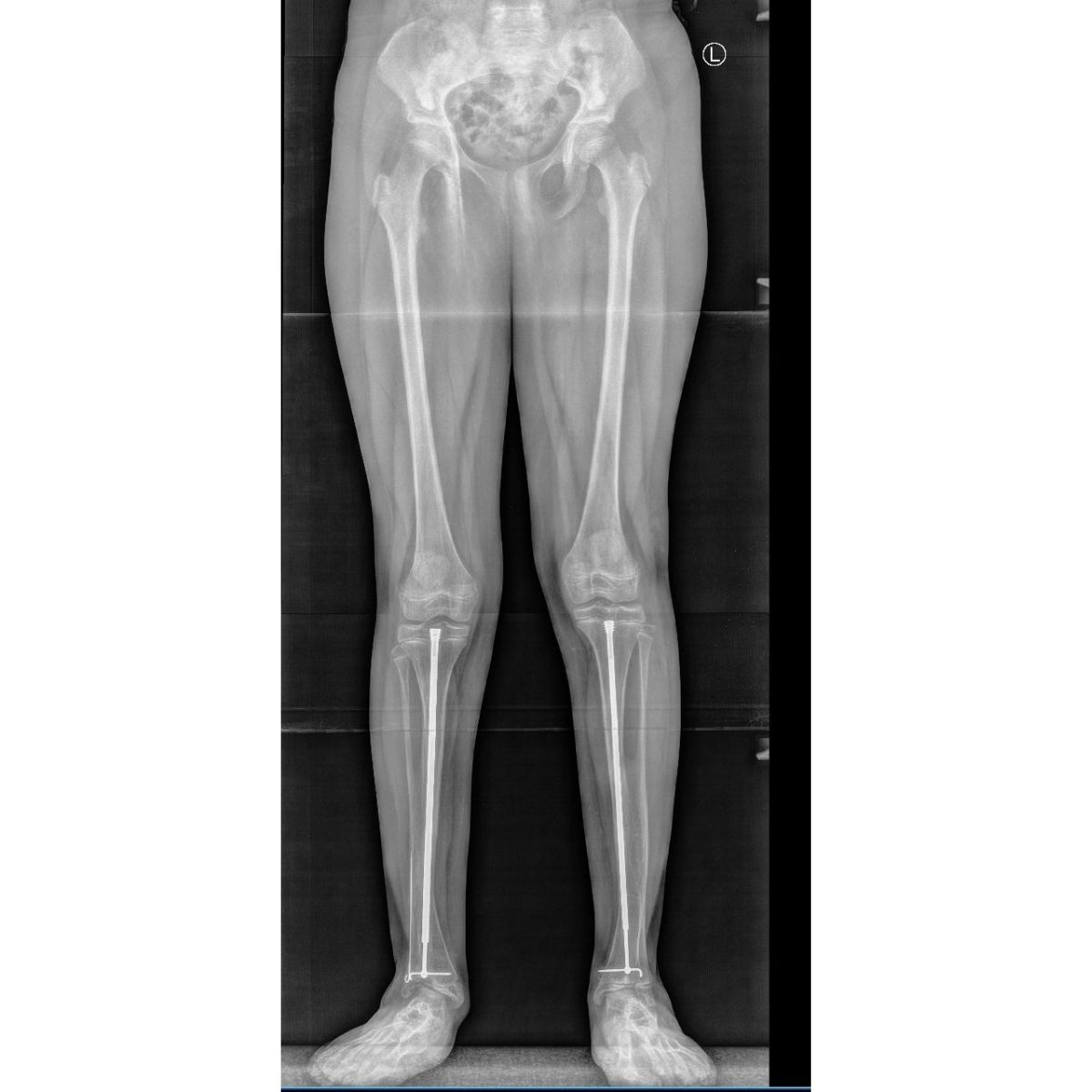
The diagnosis is made by a pediatric orthopedist based on a clinical examination and X-rays of the lower leg, which show deformity, bone thinning, or a pseudoarthrosis. The condition of the fibula, the alignment of the ankle and knee joints, and limb length discrepancy are also assessed. Due to the frequent co-occurrence of NF1, the child should also be evaluated for this condition. Based on the examination, the doctor determines the type of CPT according to the El-Rosassy-Paley classification, which dictates the treatment plan.
World-Class CPT Treatment at the Paley European Institute
The Paley European Institute treats congenital tibial pseudarthrosis using the methods of Dr. Dror Paley , one of the world's most experienced specialists in limb reconstruction and lengthening. Dr. Paley has refined his CPT technique over several decades and published four scientific papers on the subject, each with improved results.
A team of pediatric orthopedic specialists
The patients are cared for by pediatric orthopedic specialists, including Dr. Jarosław Michał Deszczyński and
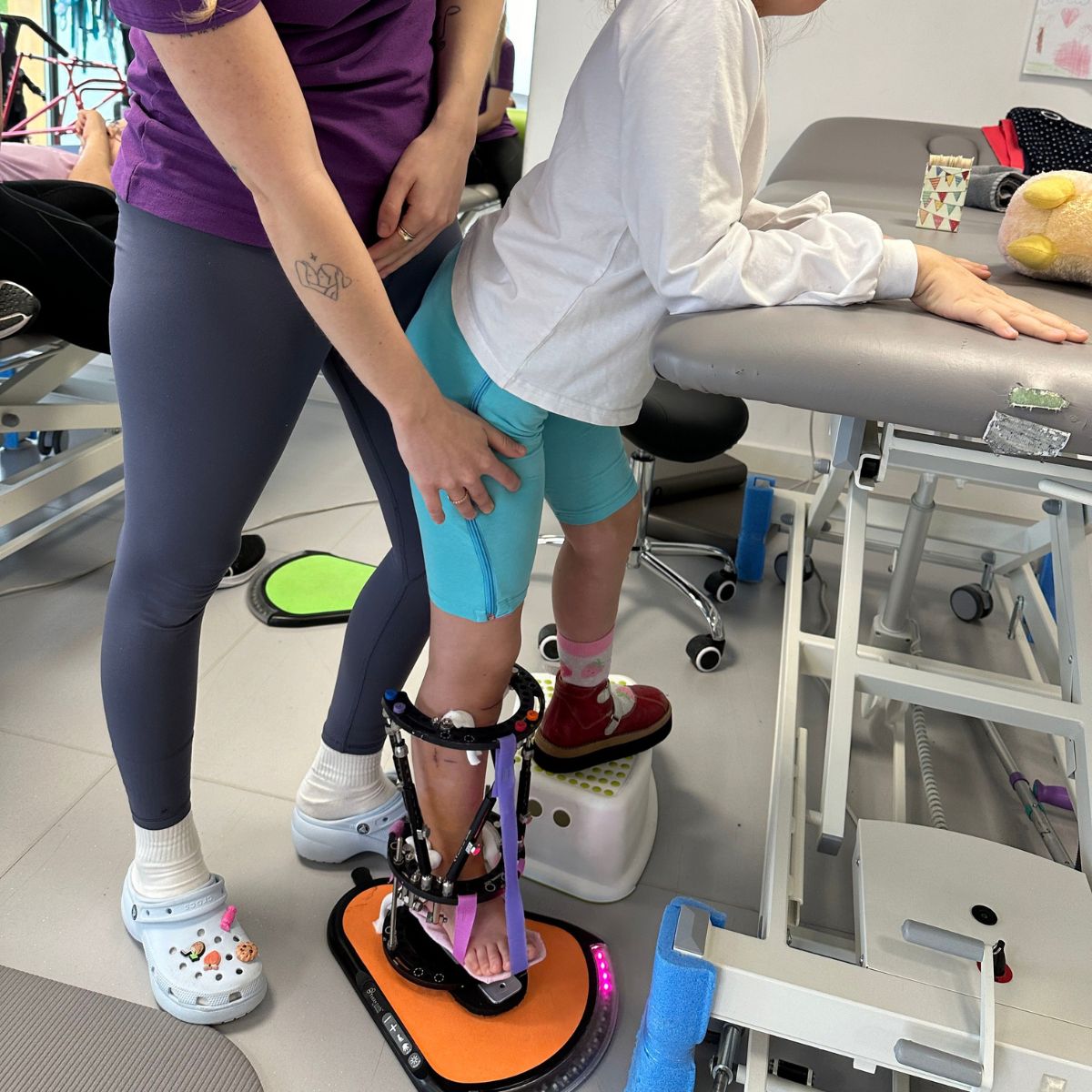
Dr. Tomasz Albrewczyński collaborates with physiotherapists who provide rehabilitation before and after surgery. The team supports the child from the first consultation until the end of the growth period.
Dr. Paley’s Cross Union Protocol
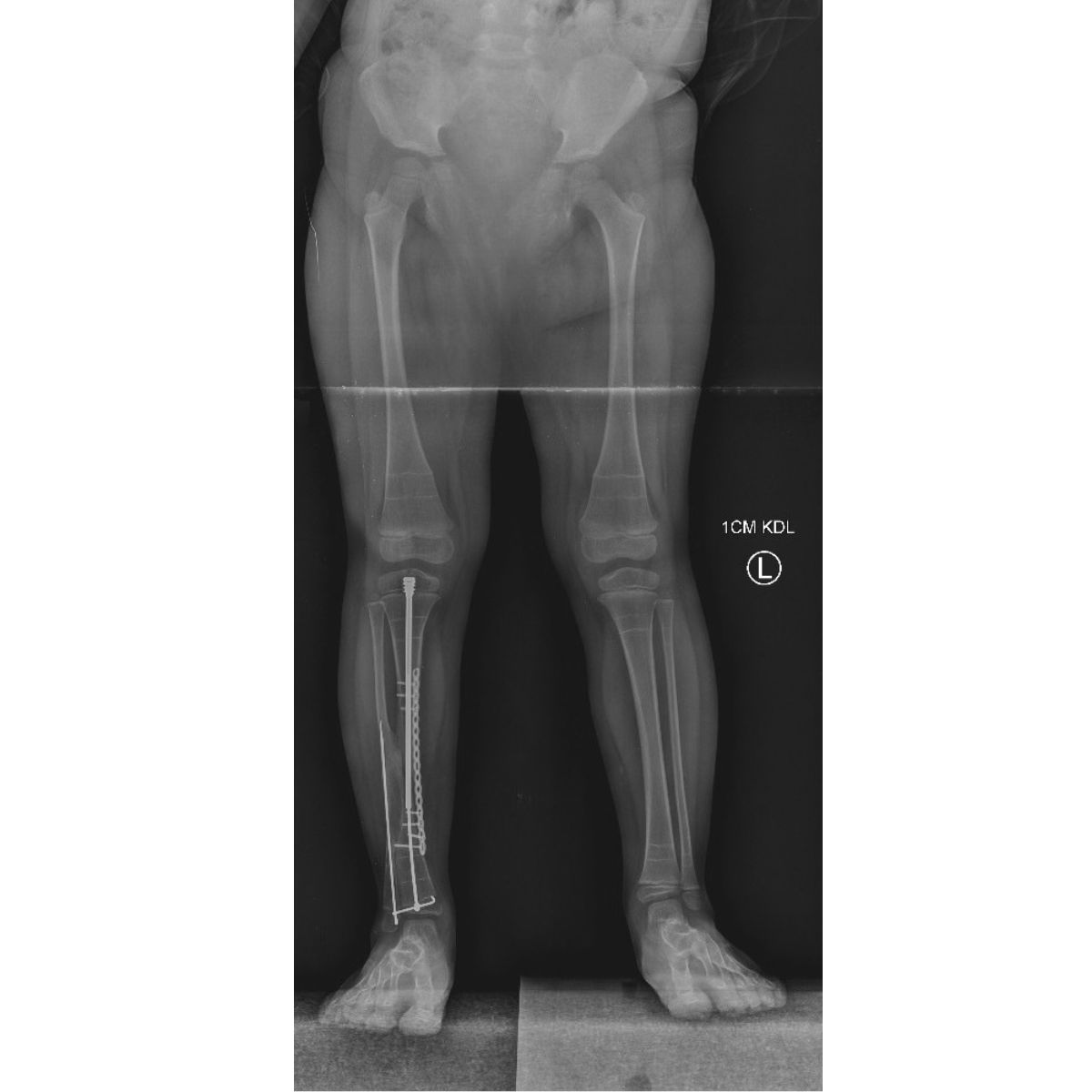
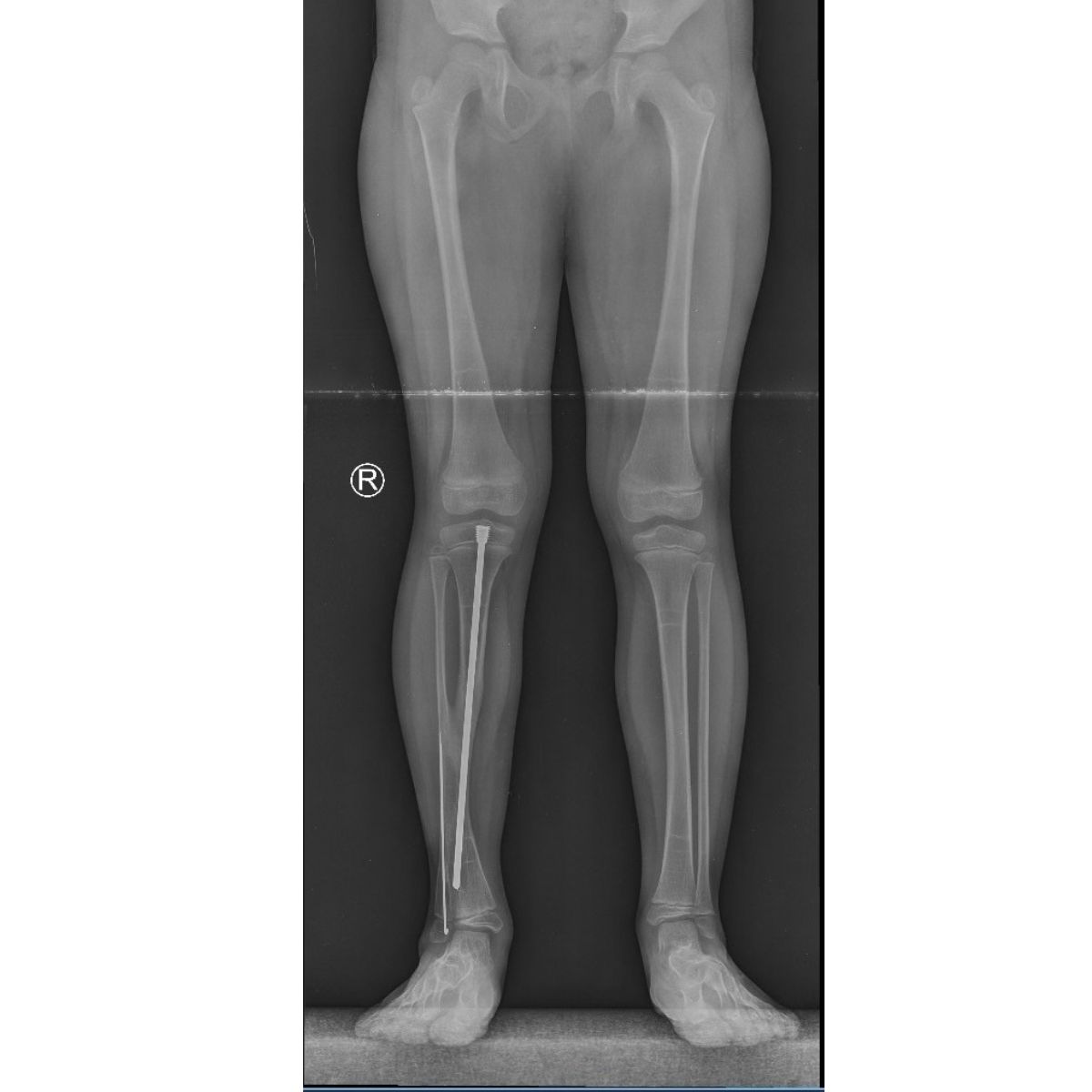
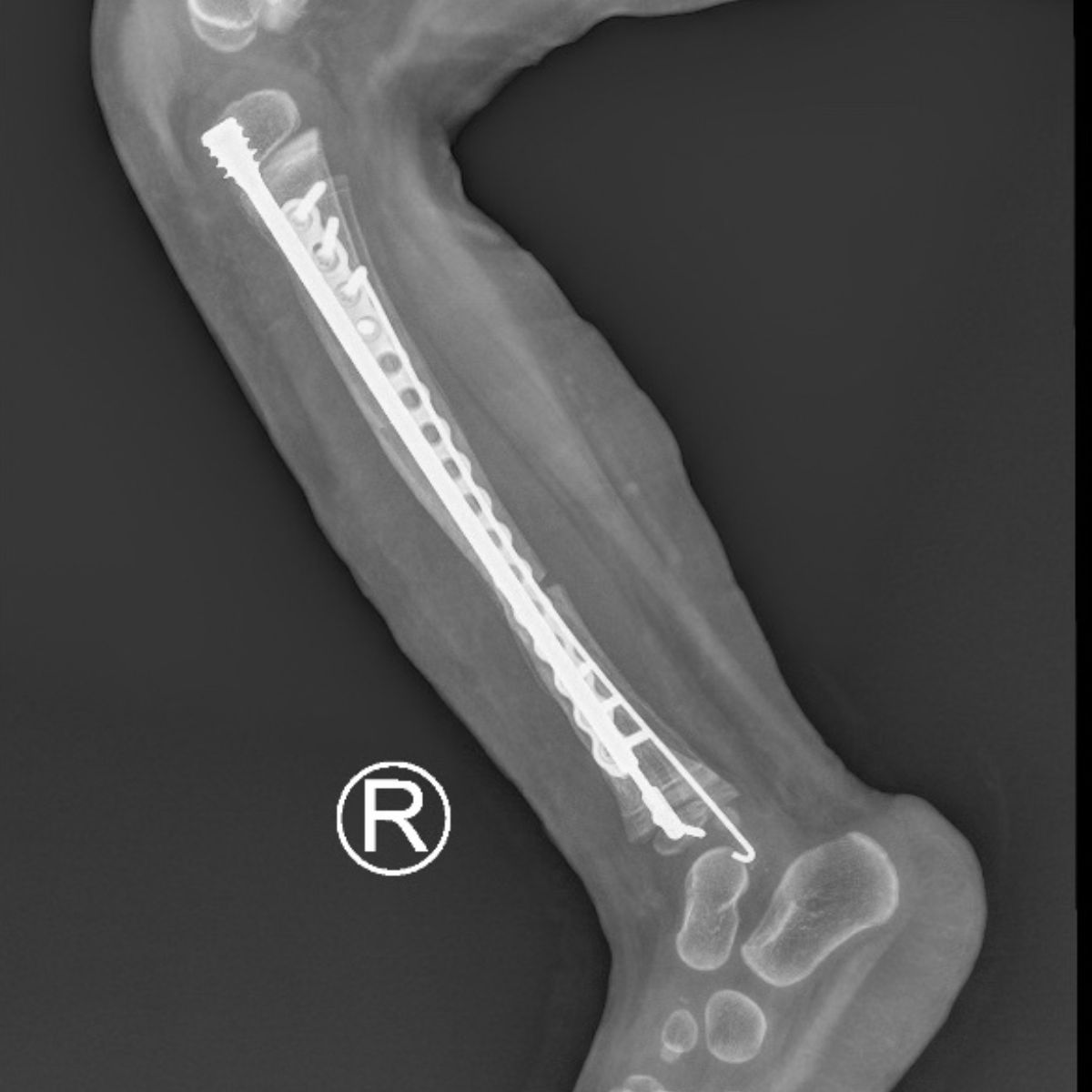
The Cross Union Protocolis a proprietary method developed by Dr. Paley, which, according to published results, achieved bone union in all treated patients without a single re-fracture. Earlier methods focused solely on stimulating healing. Cross Union addresses the root of the problem—poor blood supply to the periosteum—and combines several techniques:
– excision of the pseudoarthrosis and diseased tissue
– periosteal graft and bone graft
– administration of bone morphogenetic protein (BMP), which stimulates bone formation
– zoledronic acid infusion, which strengthens the forming bone
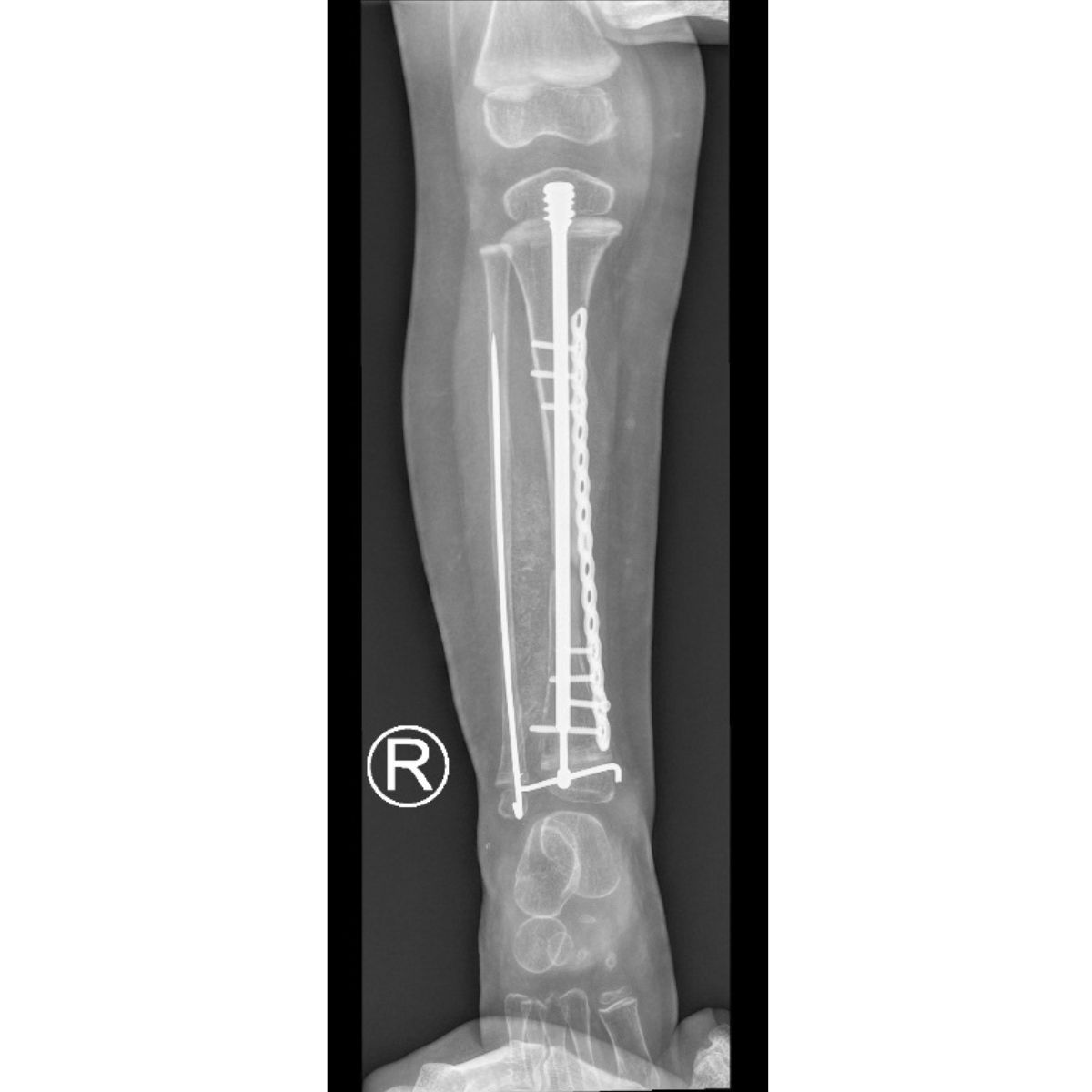
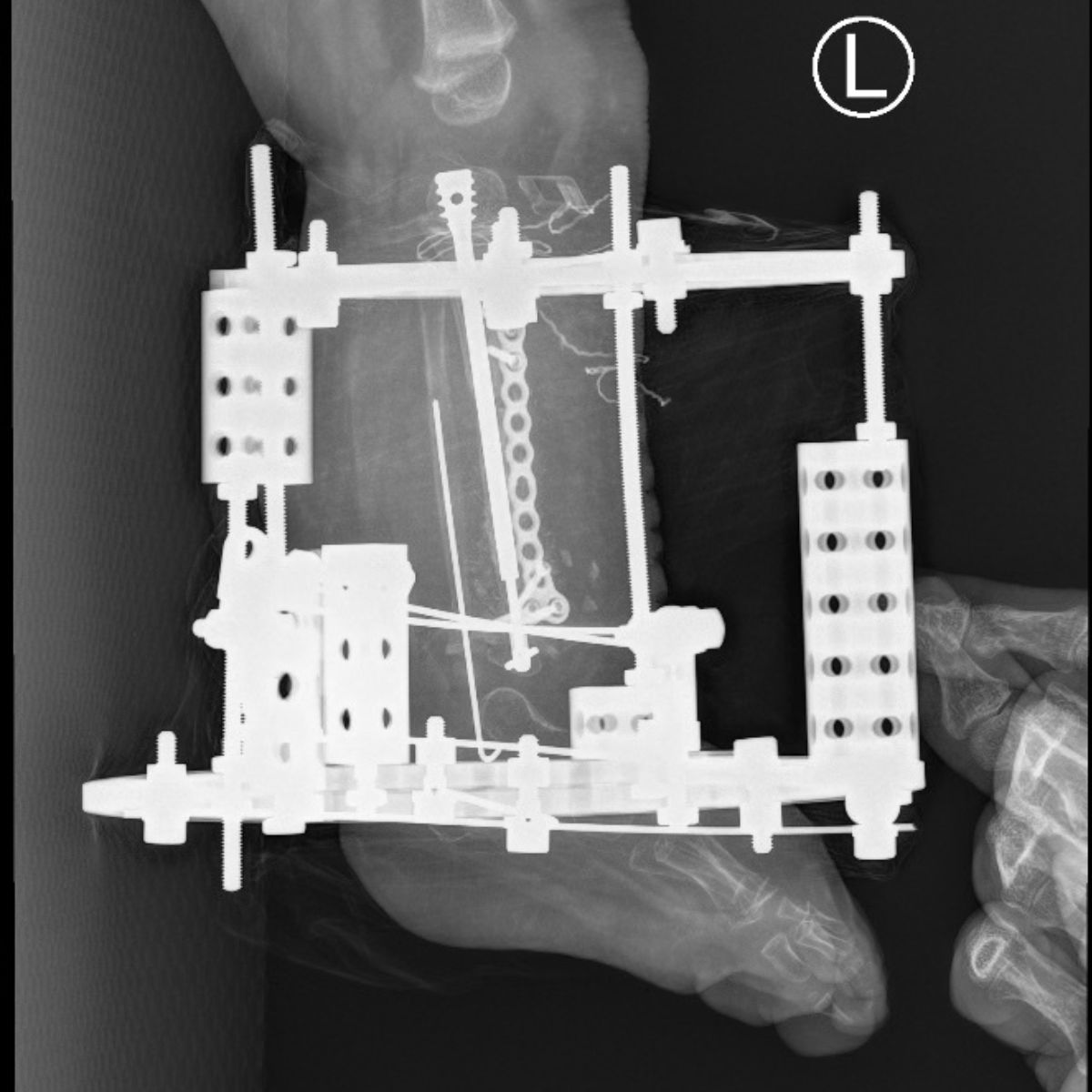
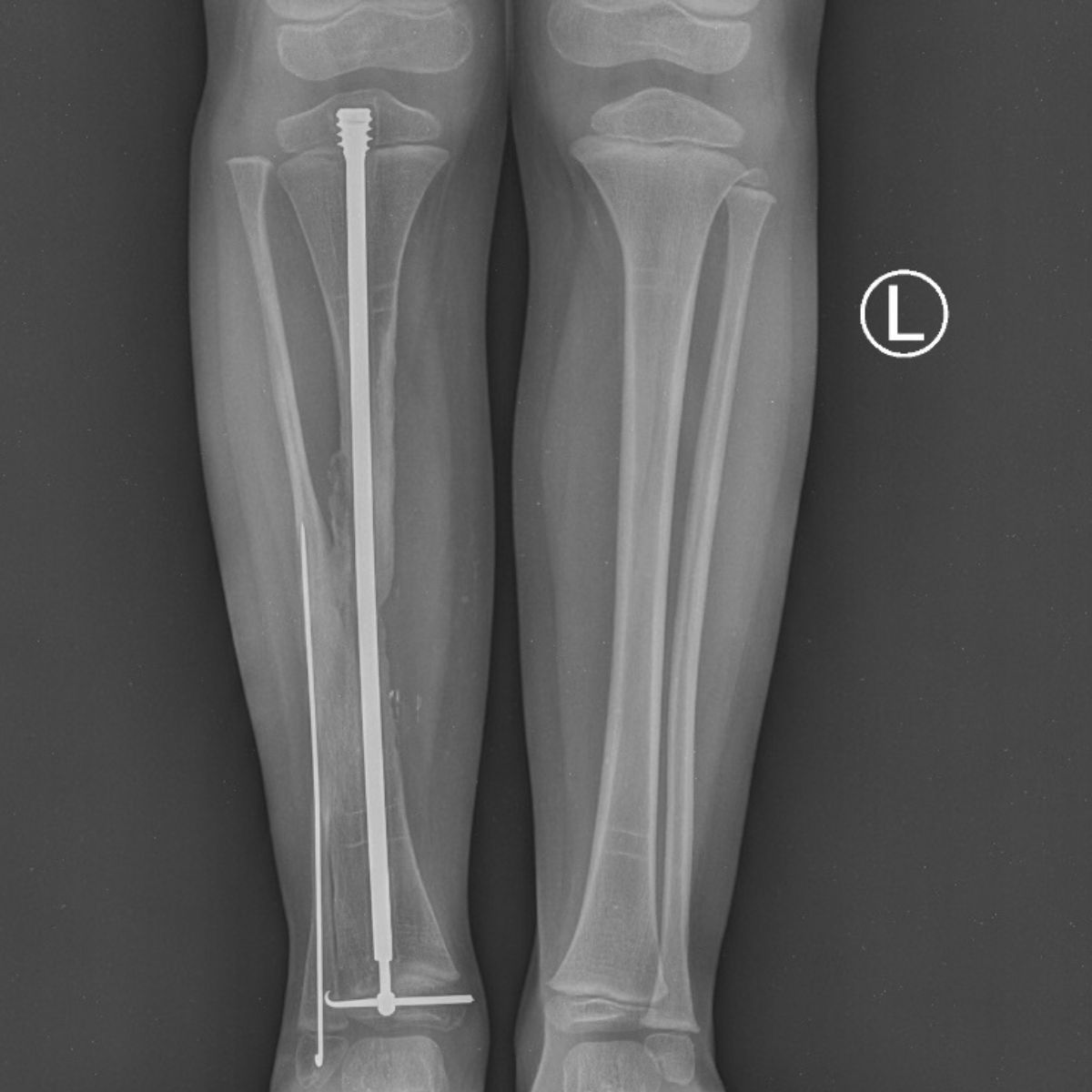
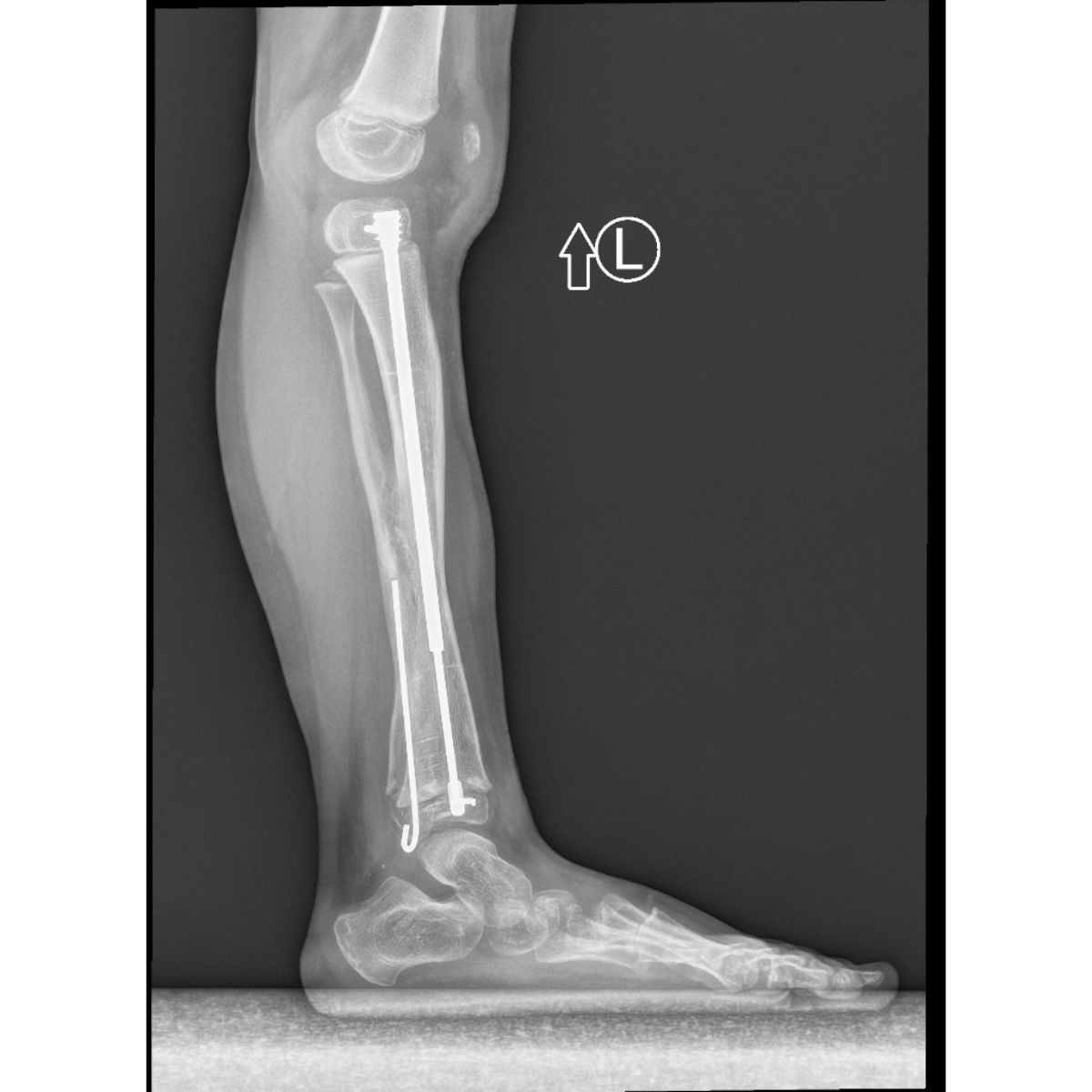
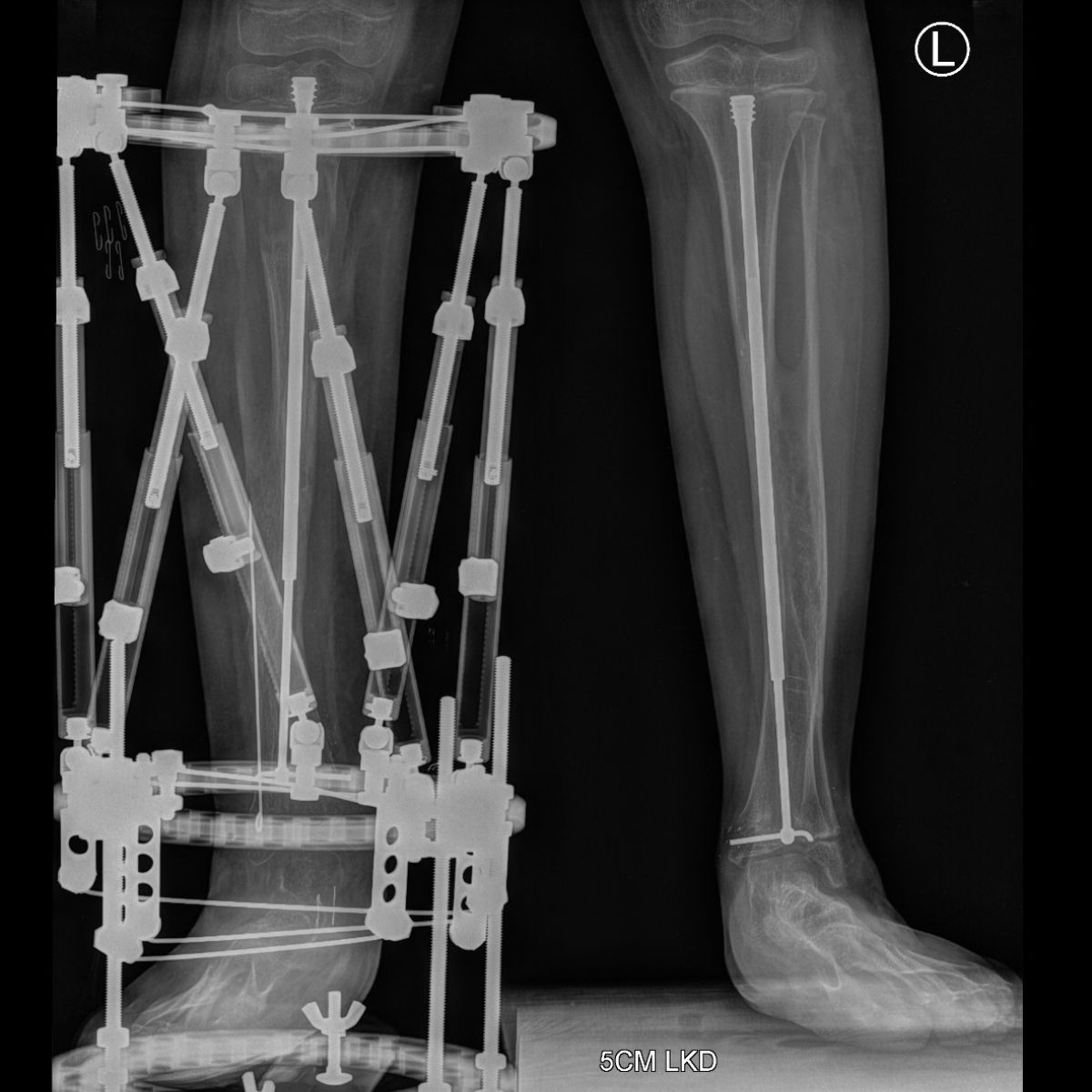
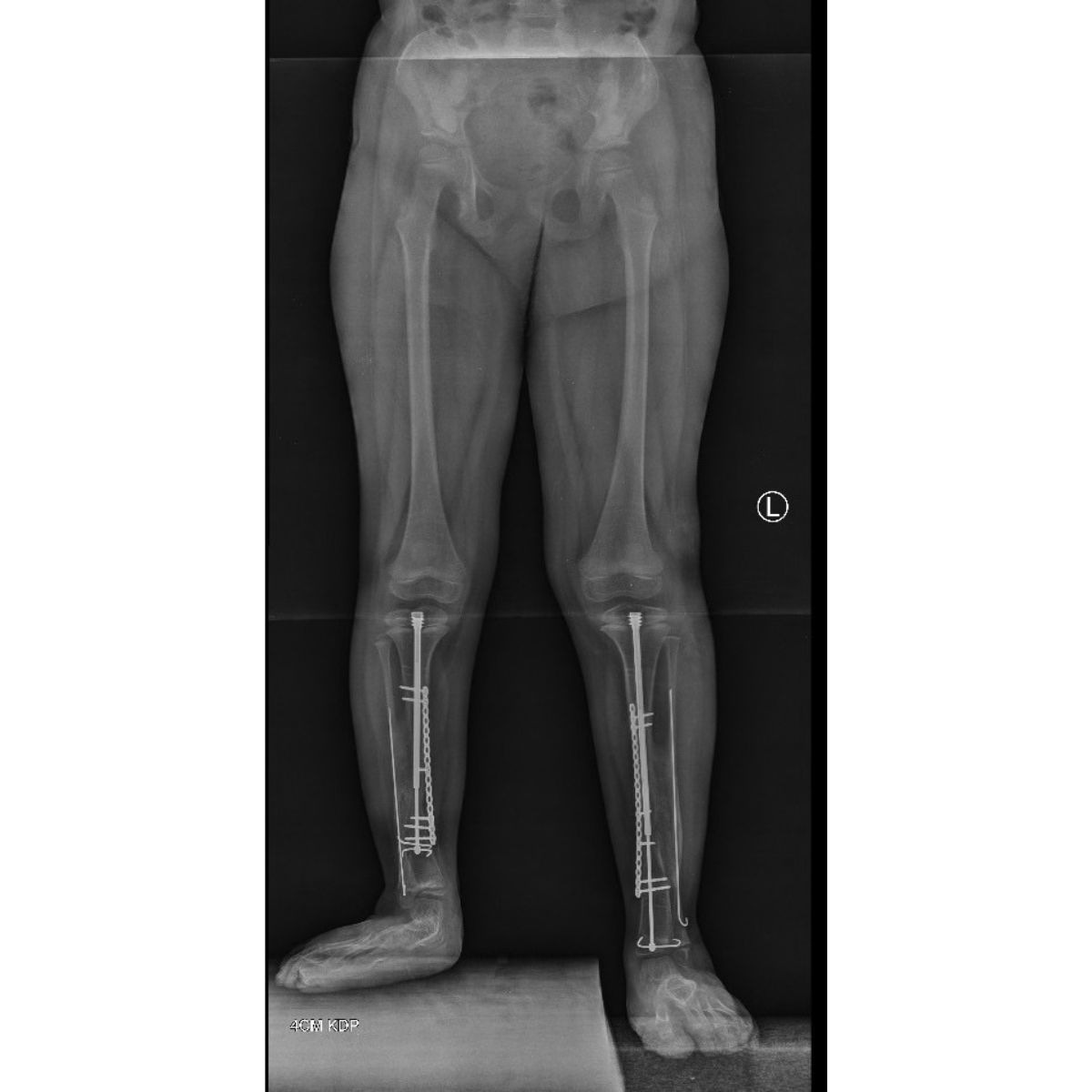
– intramedullary stabilization with a rod
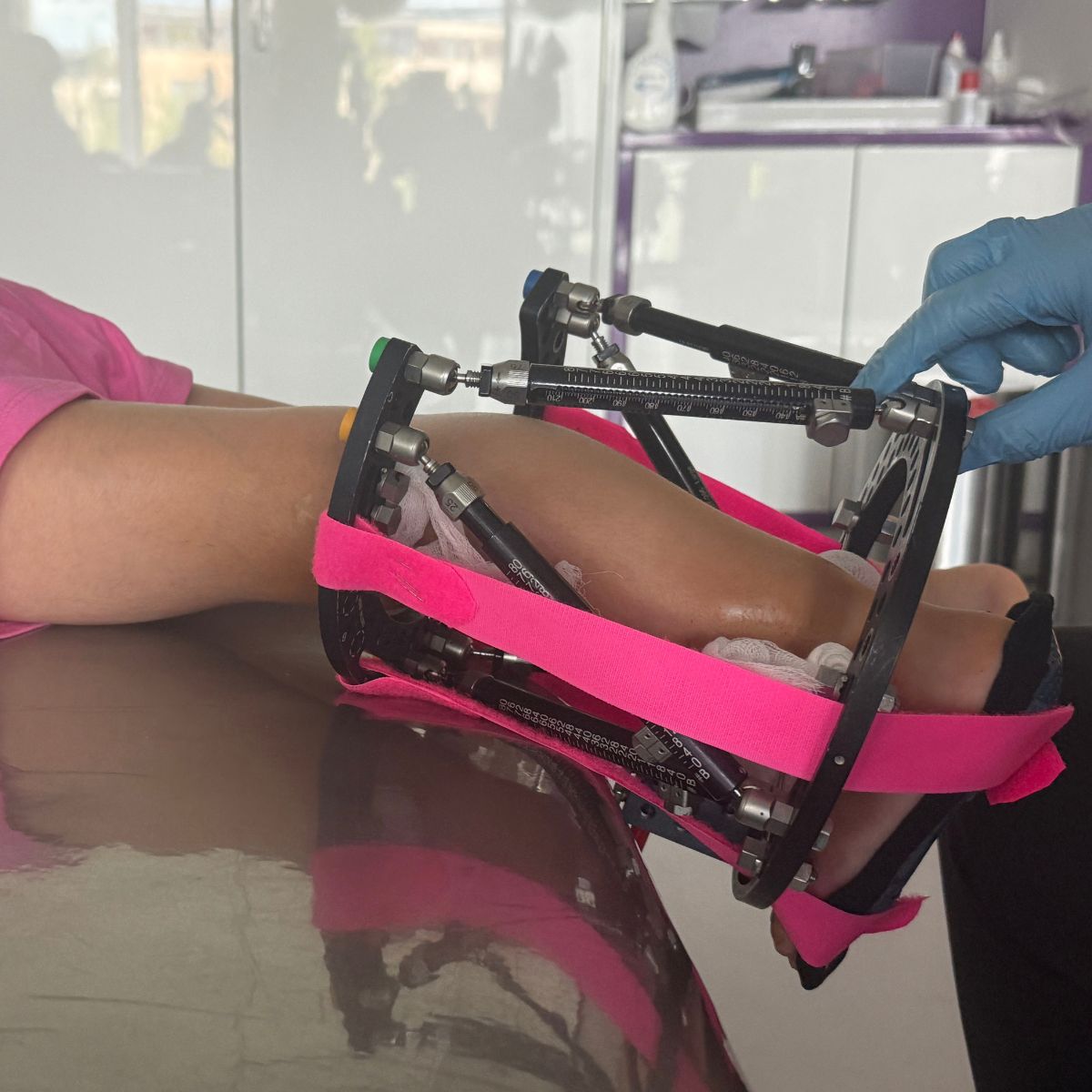
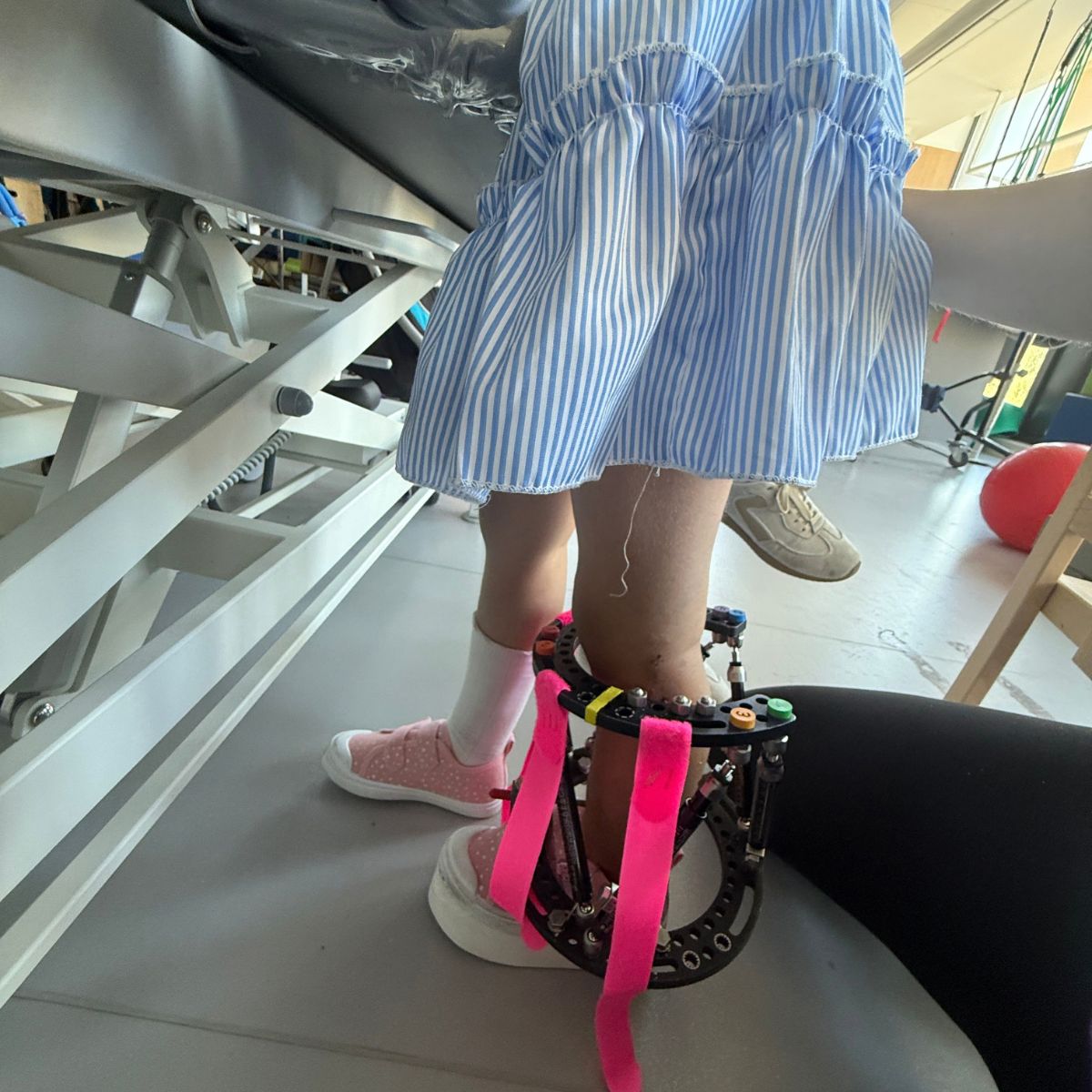
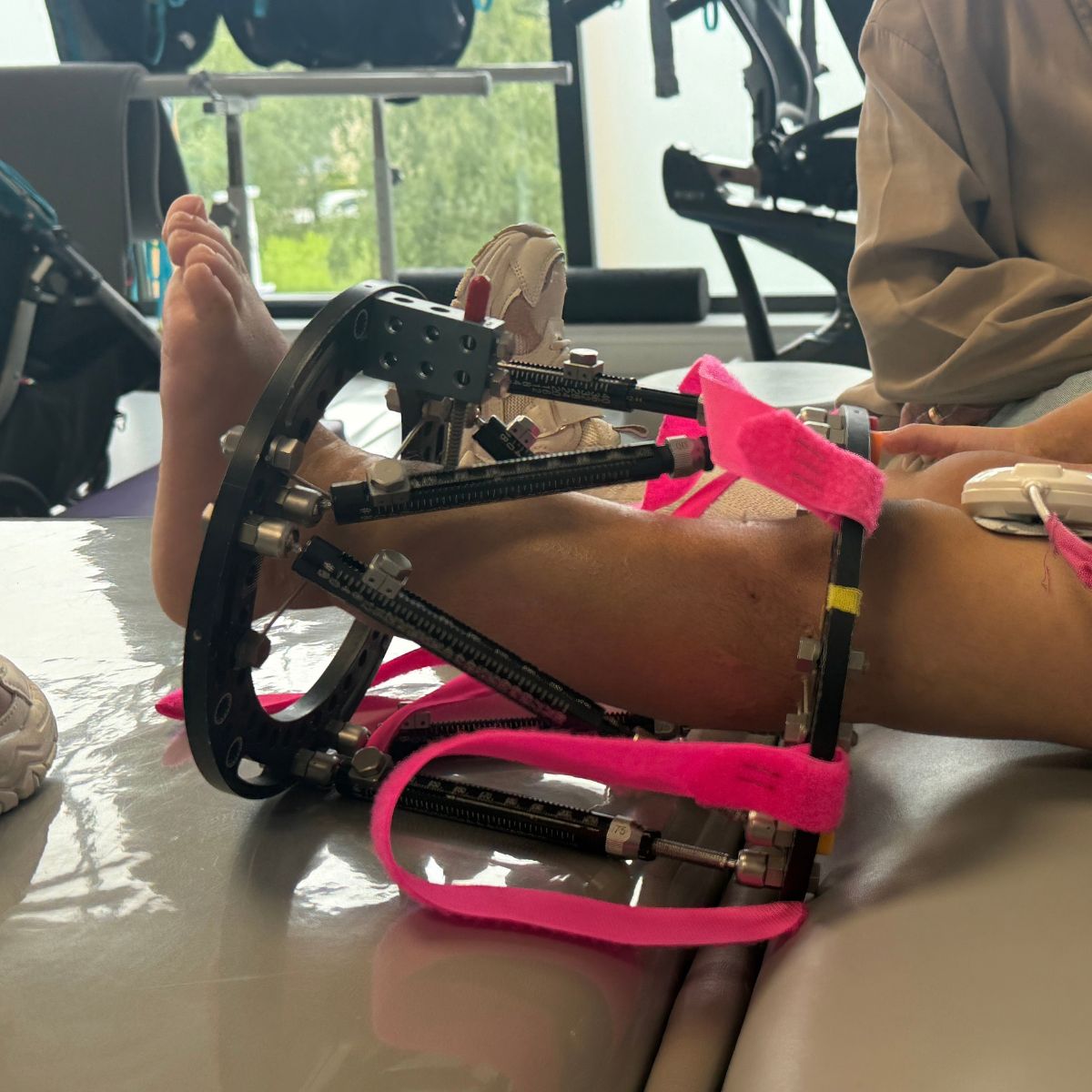
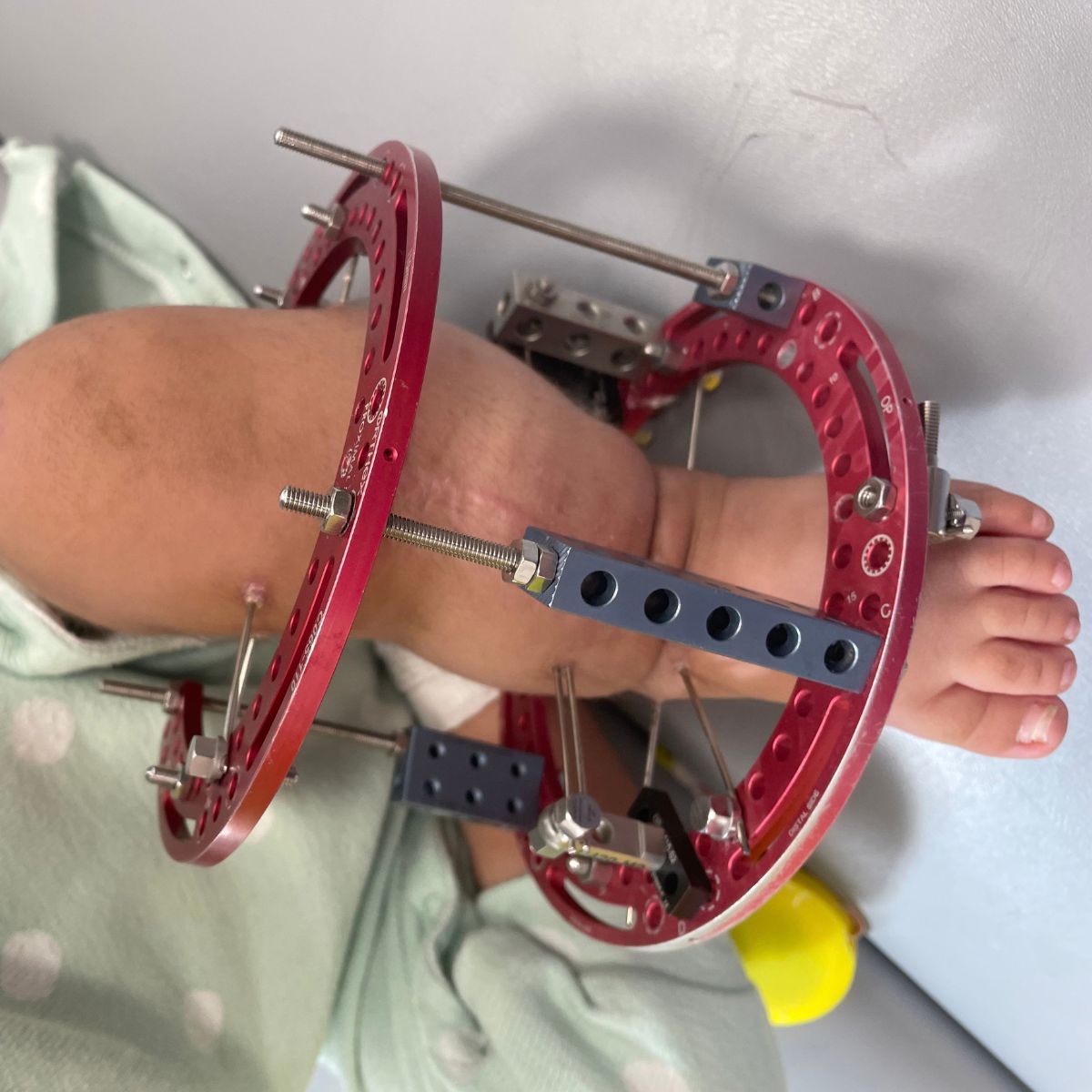
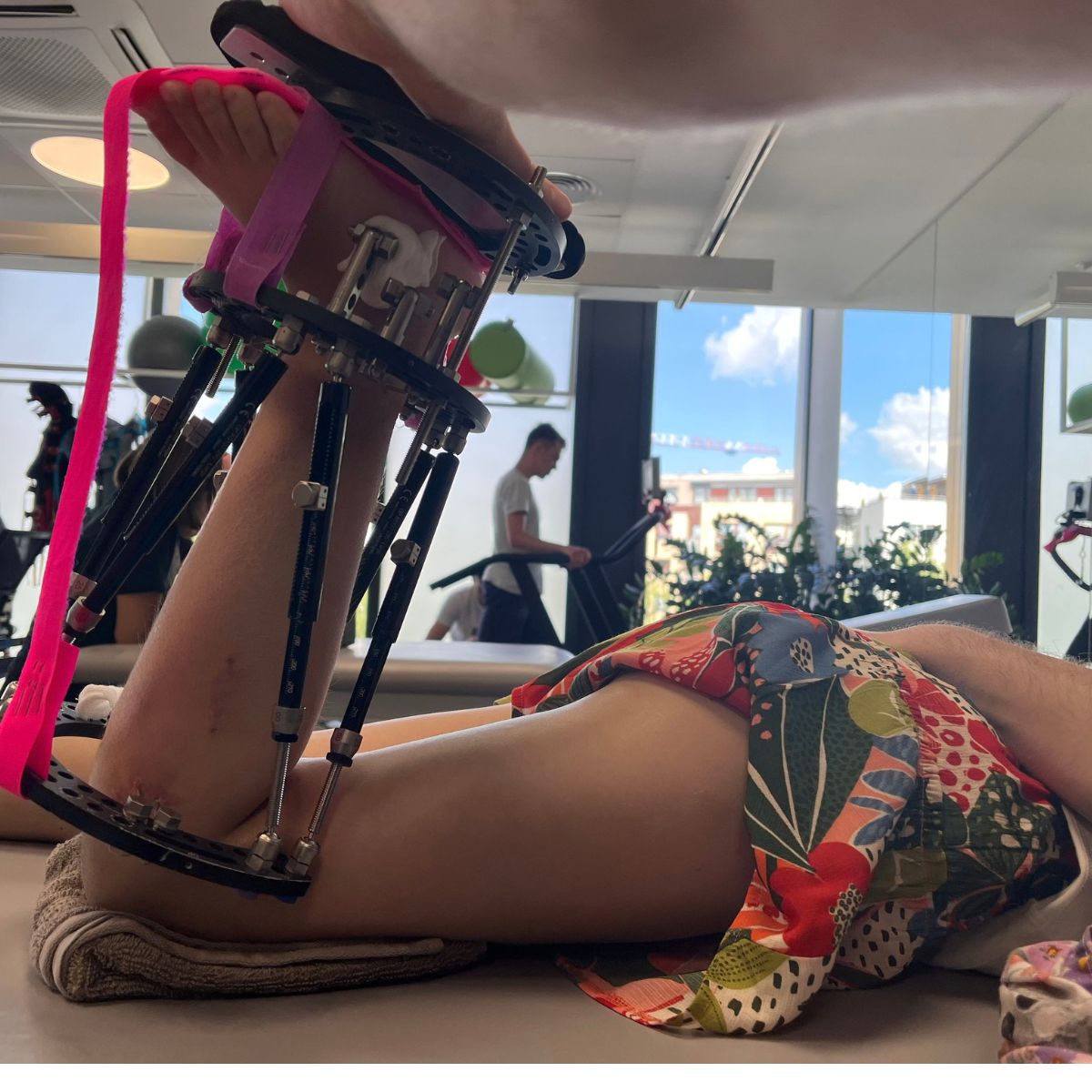
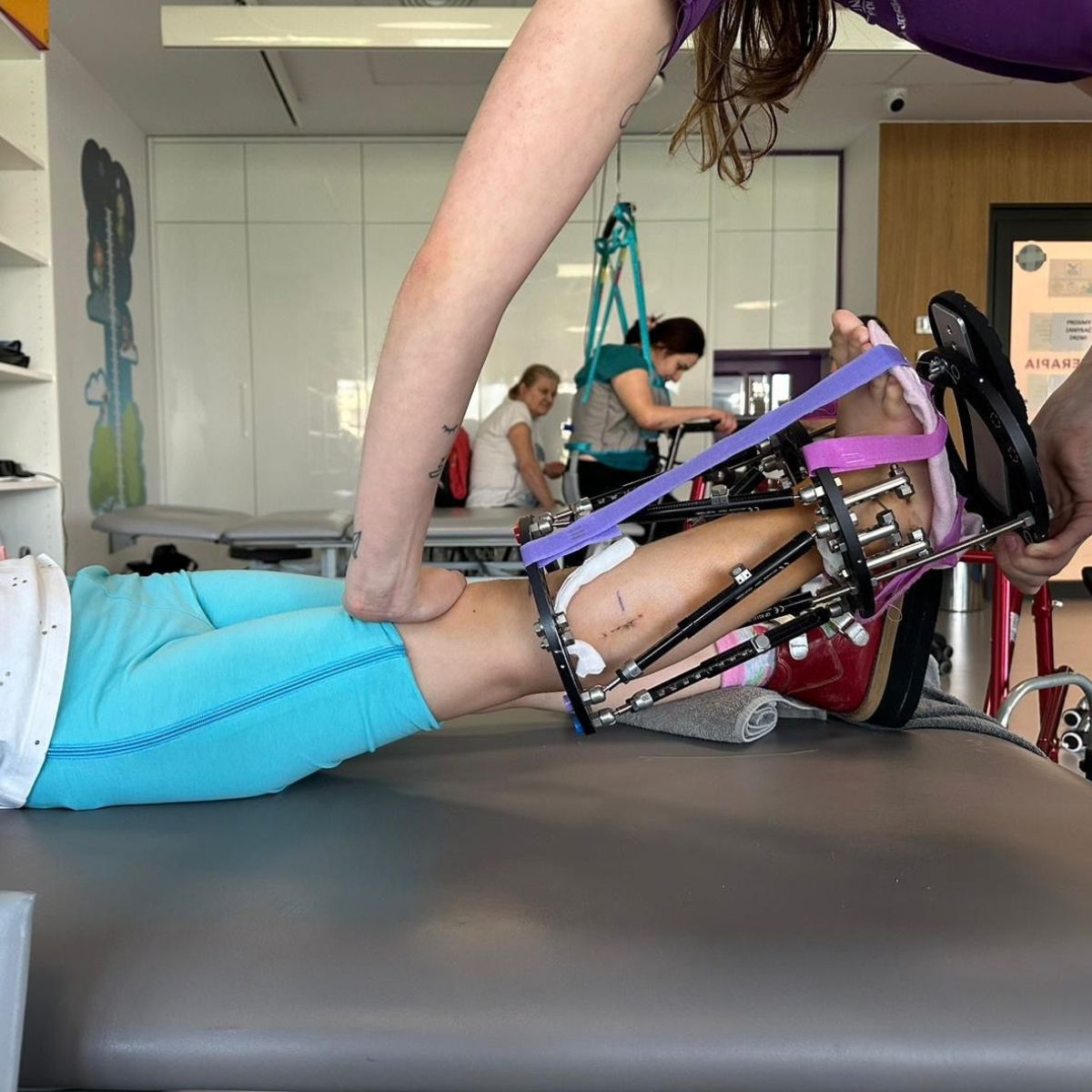
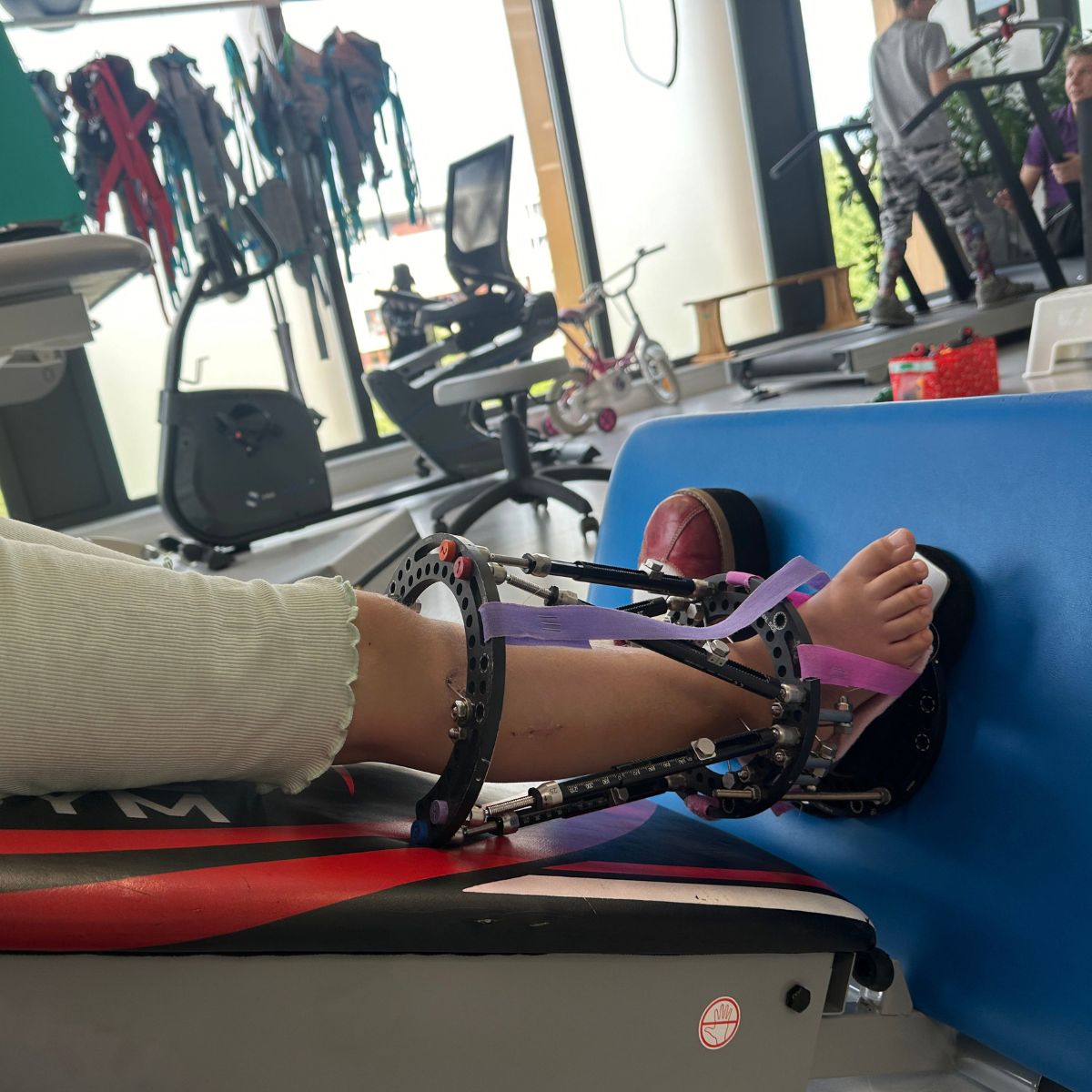
– external stabilization with an Ilizarov frame
– permanent union of the tibia and fibula (tibio-fibular cross union), which creates a wide, strong union
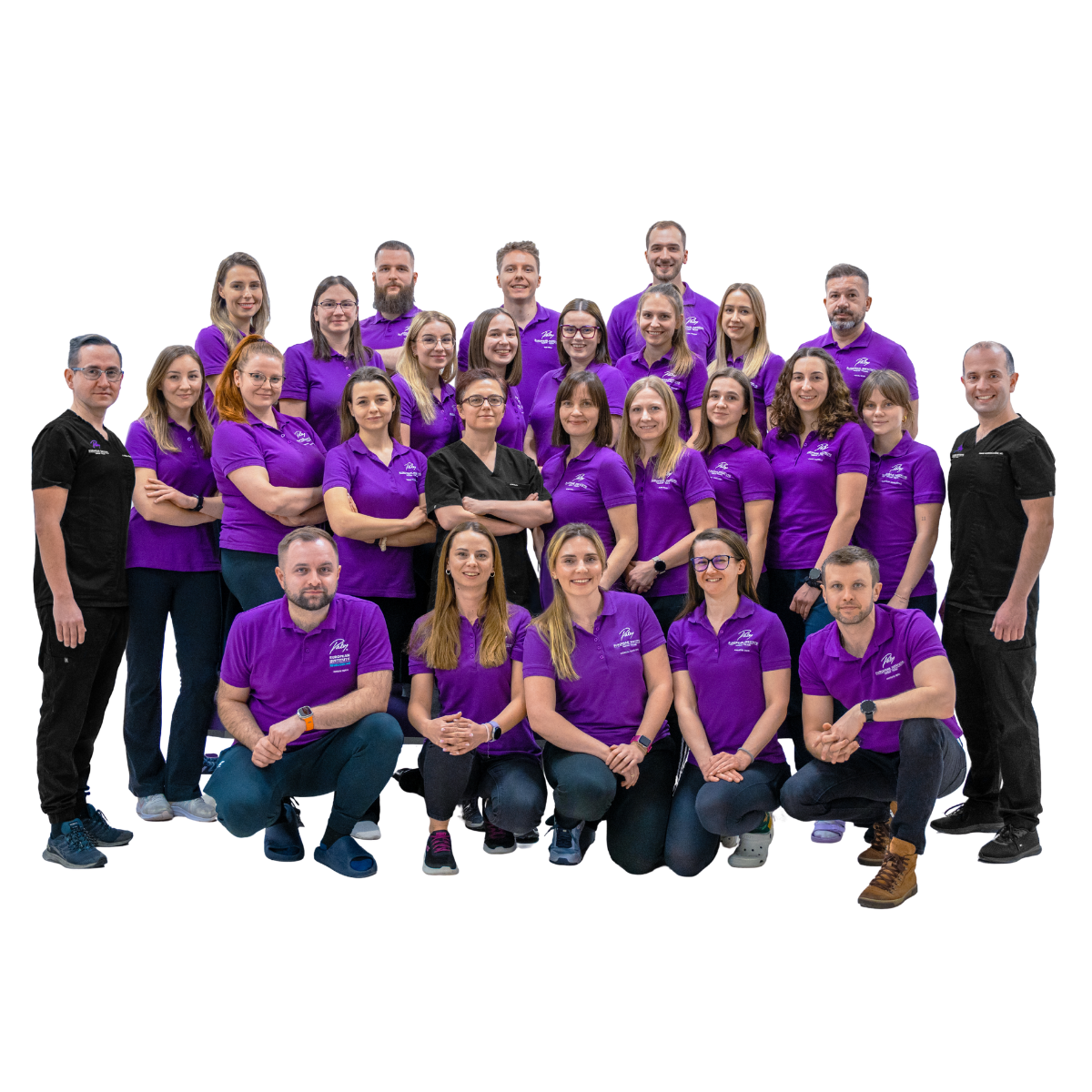
When should you see a pediatric orthopedist if you suspect CPT?
You should take your child to a pediatric orthopedist as soon as you notice a curvature of the lower leg, preferably before the first fracture occurs. Early diagnosis allows the bone to be stabilized with a brace and treatment to be planned in advance. A fracture before the age of 4 is associated with a poorer prognosis, and as the child gets older, the symptoms and treatment challenges increase.
A consultation is particularly recommended when:
The child's lower leg is bent forward or outward
The child has been diagnosed with neurofibromatosis type 1 (NF1) or fibrous dysplasia
The tibia fractured after a minor injury
The fracture is not healing despite immobilization
one leg is shorter, or the child limps
The child has already undergone an unsuccessful pseudo-joint surgery

How do we treat a congenital pseudoarthrosis of the tibia?
At the Paley European Institute, we tailor CPT treatment to each individual case, taking into account the type of condition, the child’s age, and the course of previous treatment. It includes diagnosis, protection of the bone against fracture, surgery according to the Cross Union protocol, correction of deformities and limb length, and physical therapy.
Diagnosis and qualification
Clinical examination and X-ray of the lower leg
Determination of the CPT type according to the El-Rosassy-Paley classification
Evaluation of the fibula, ankle joint, knee, and leg length discrepancy
Protecting Bones from Fractures
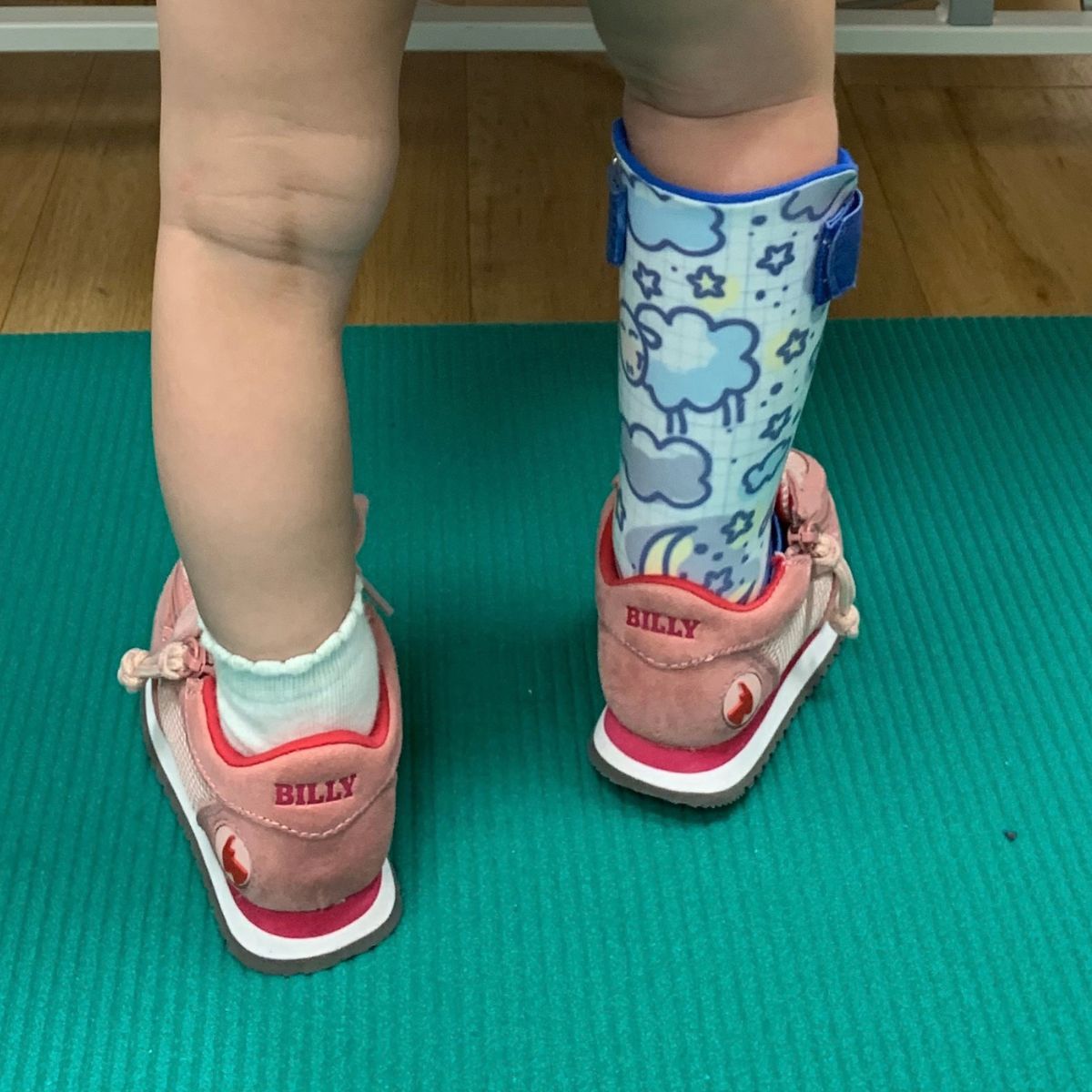
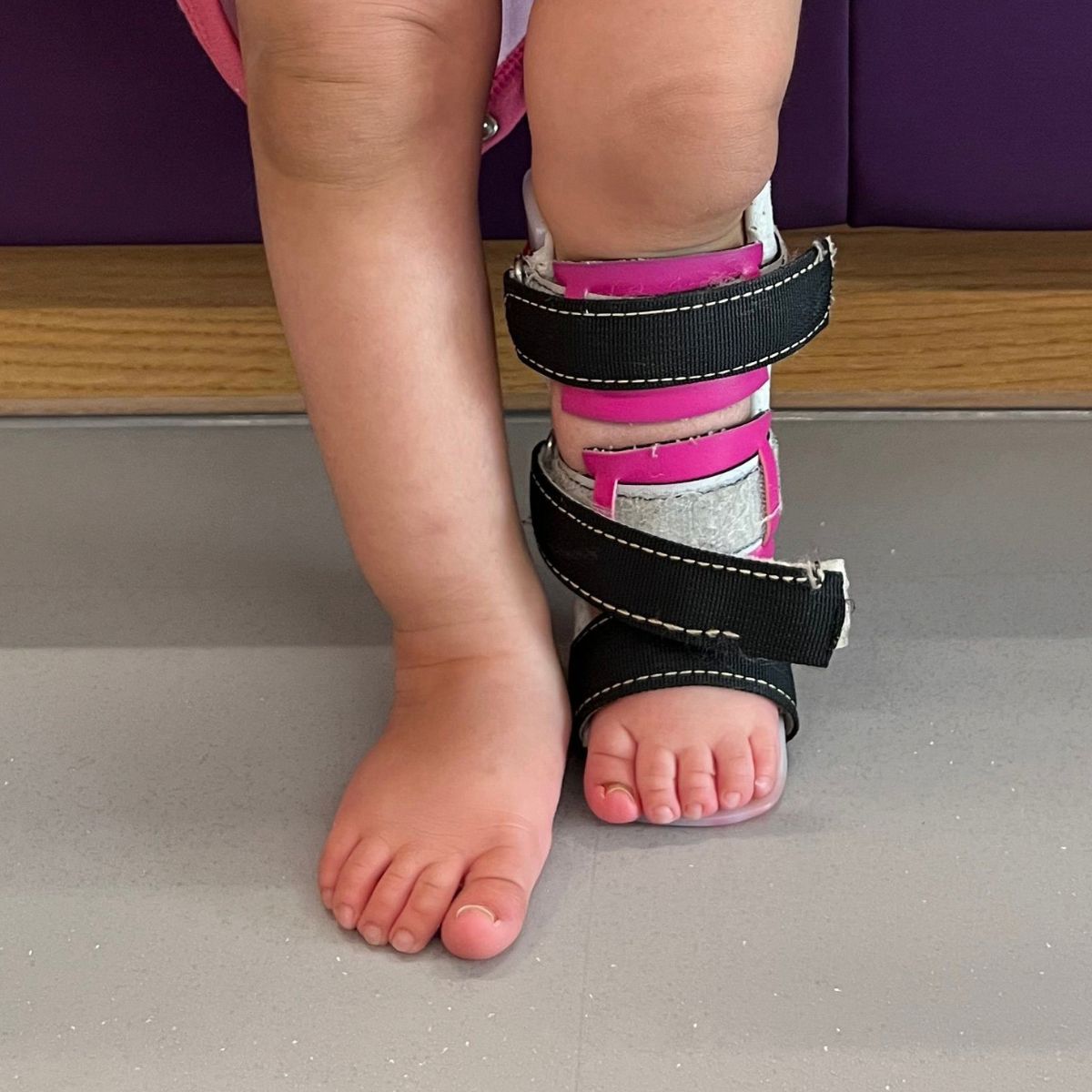
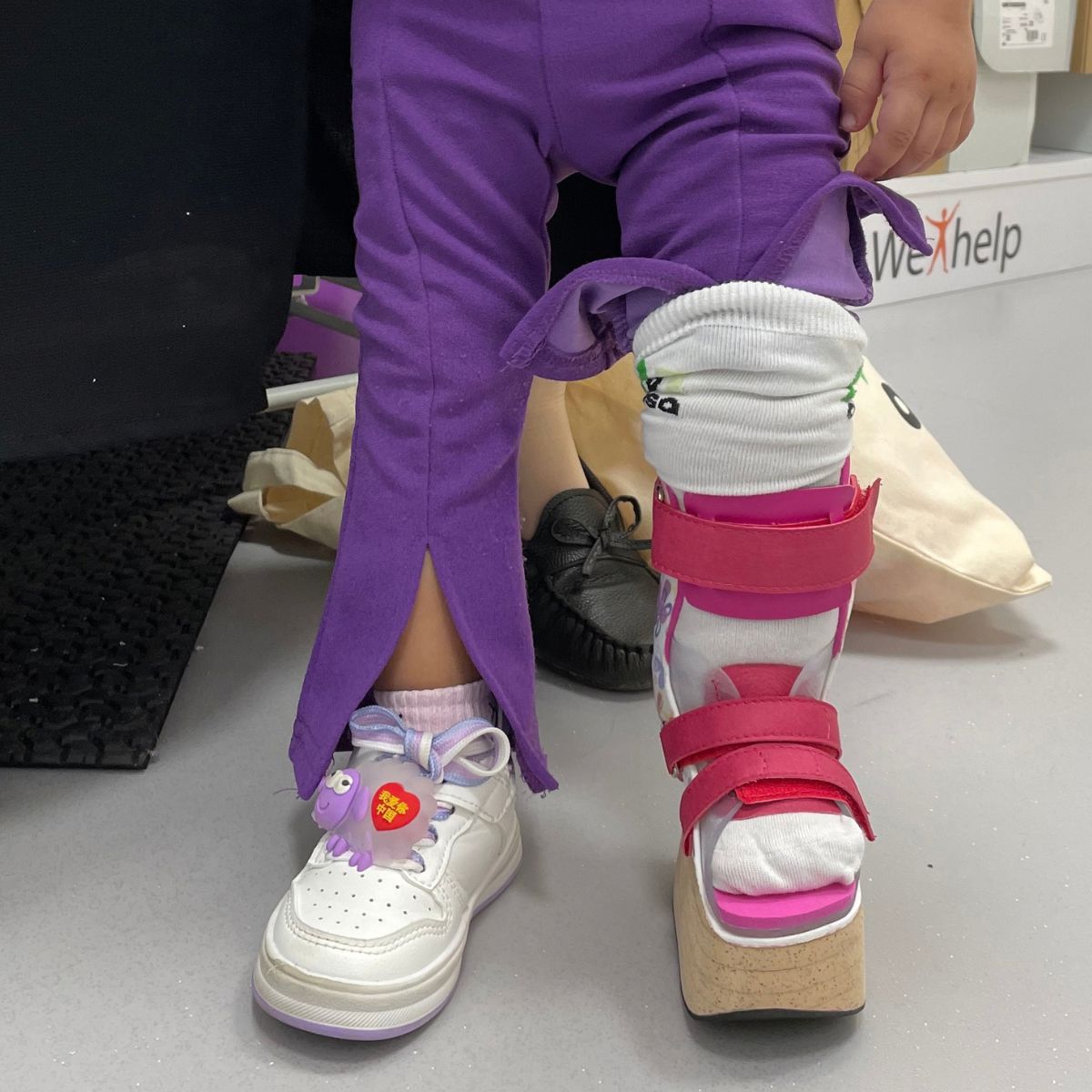
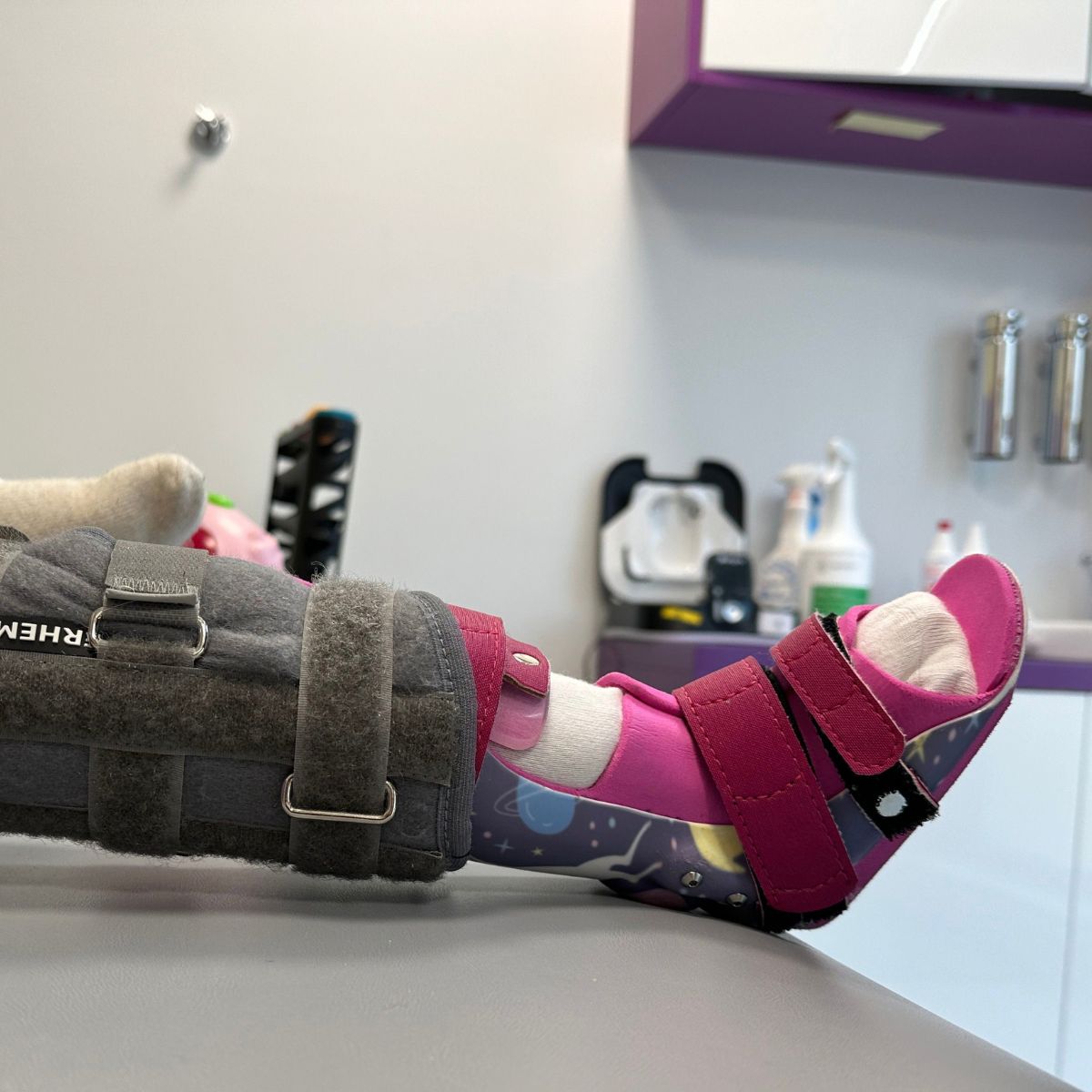
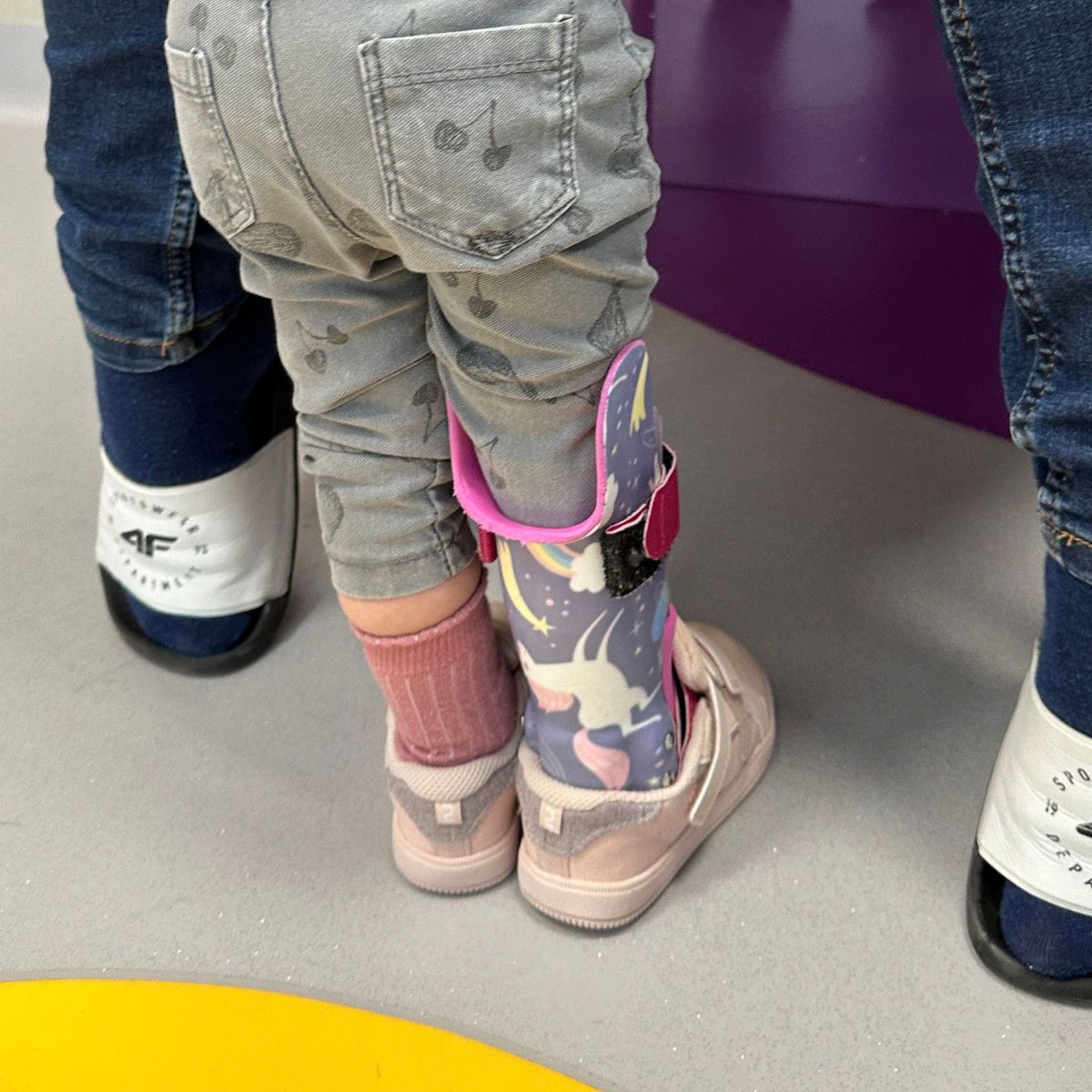
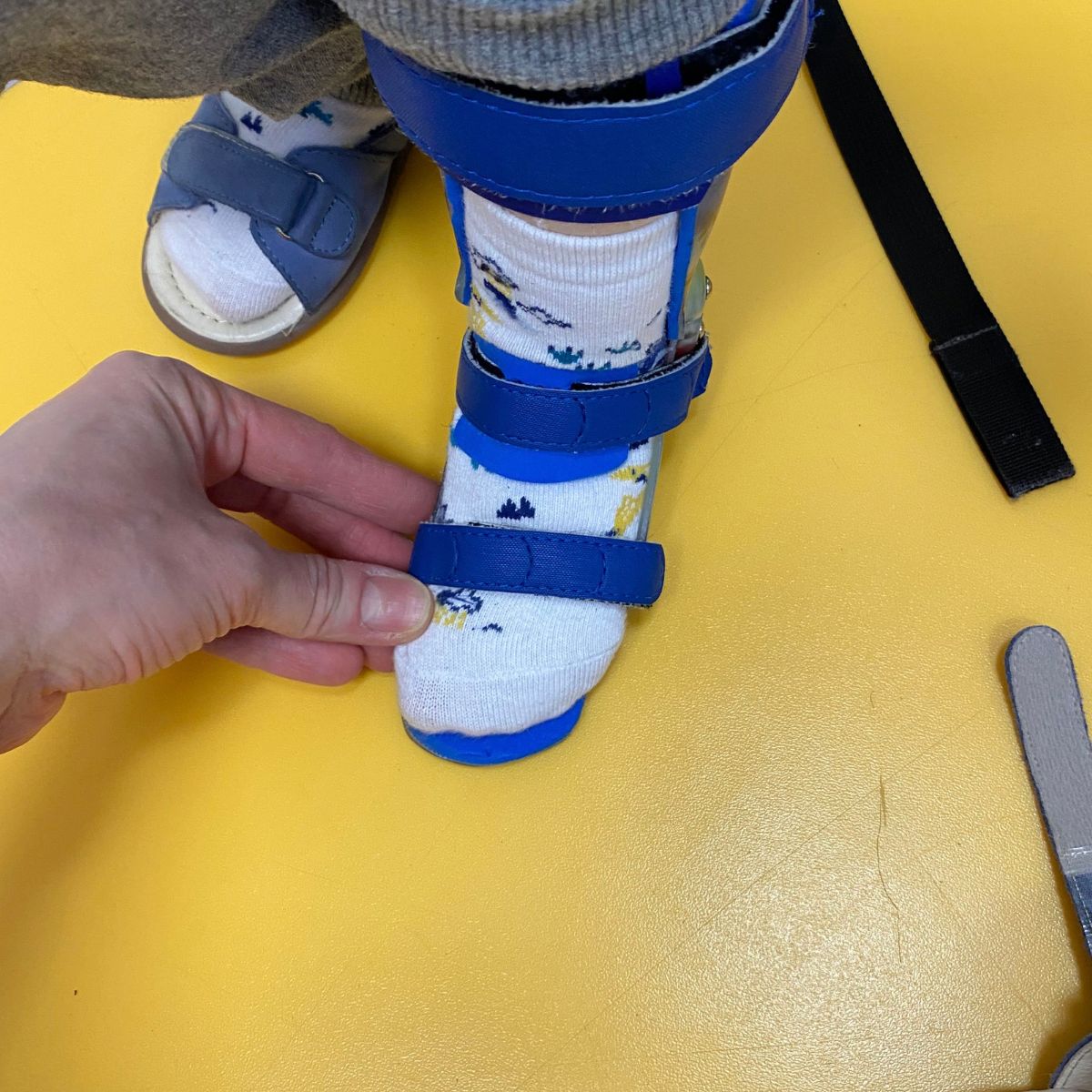
Before a fracture occurs, the limb is immobilized with a brace that covers the lower leg, knee, and thigh
regular orthopedic checkups
Operation in the Cross Union protocol
resection of the pseudo-joint and the affected tissue
periosteal and bone grafting, administration of BMP and zoledronic acid
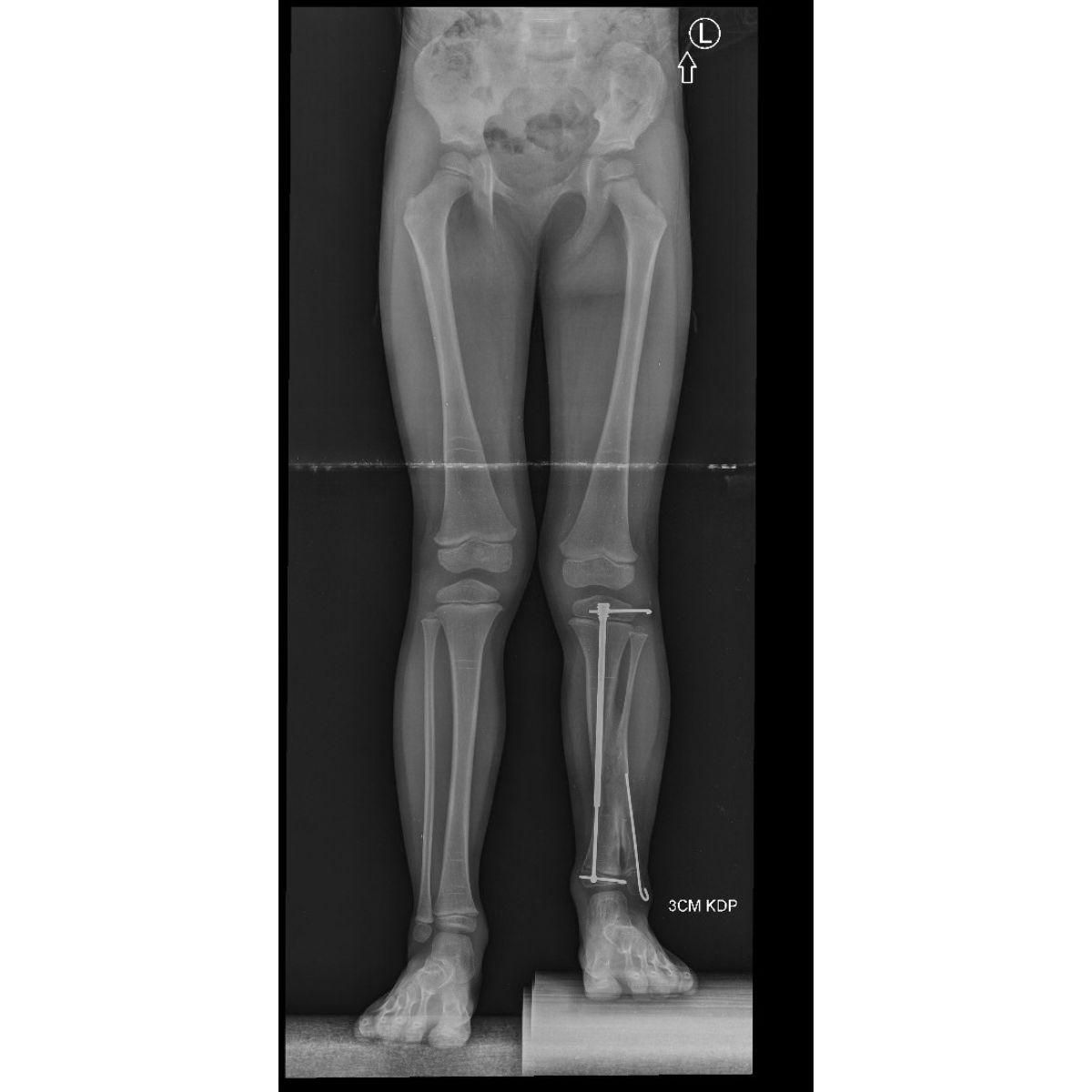
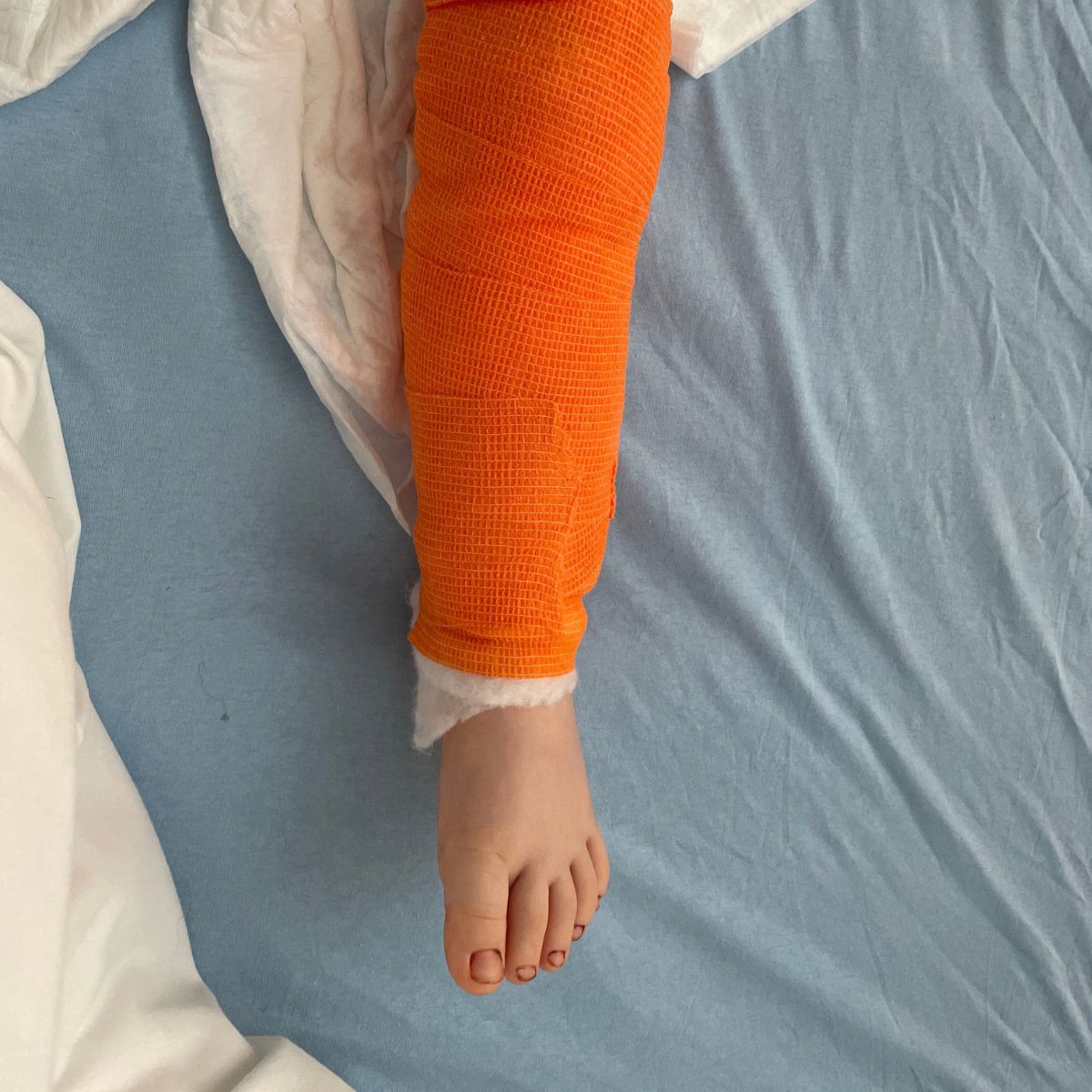
stabilization using an intramedullary nail and an Ilizarov apparatus
union of the tibia and fibula
Correction of Deformities and Length Adjustment
Correction of ankle and knee valgus\
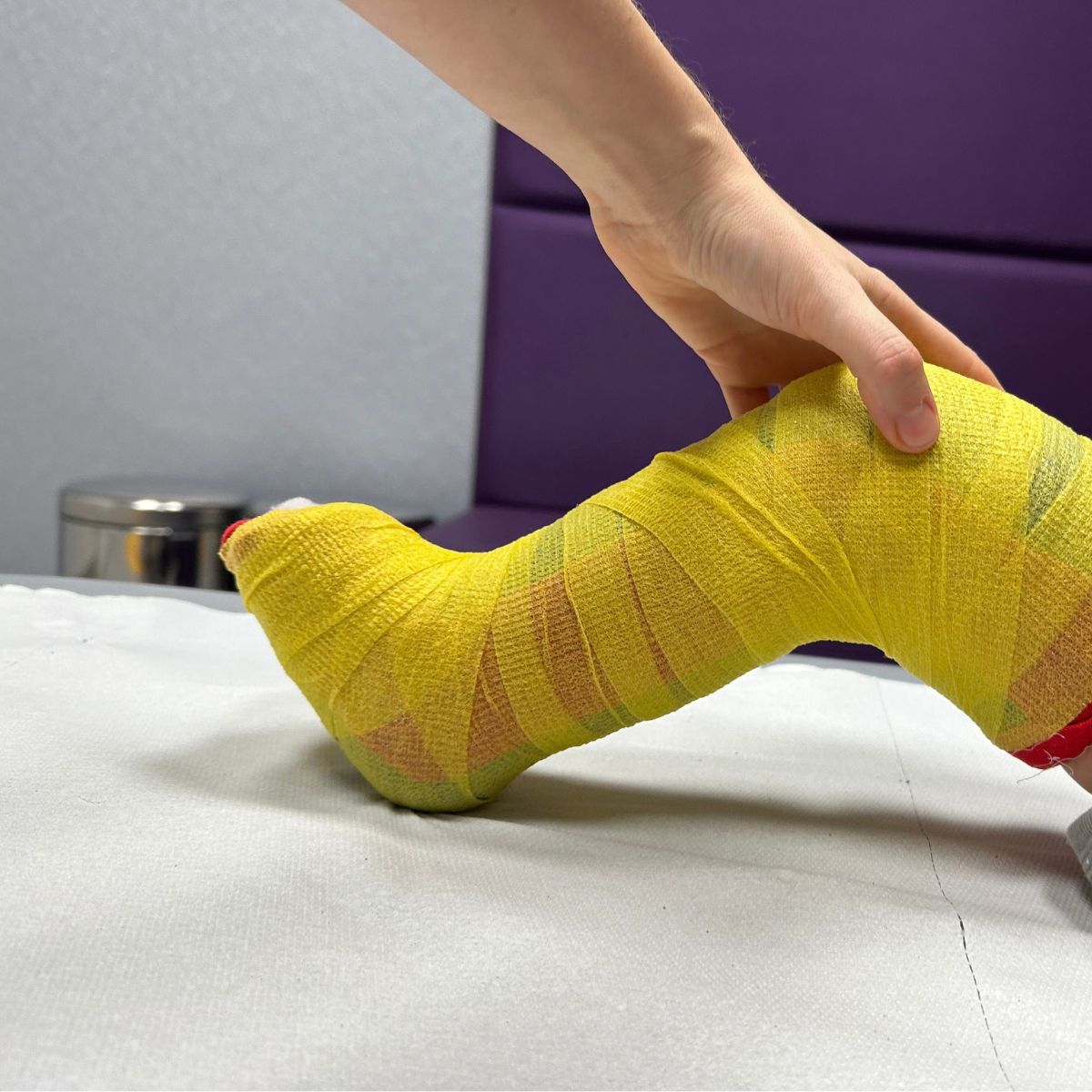
correcting limb length discrepancies, including limb lengthening
correction of foot deformities
Rehabilitation and Care Until the End of Growth
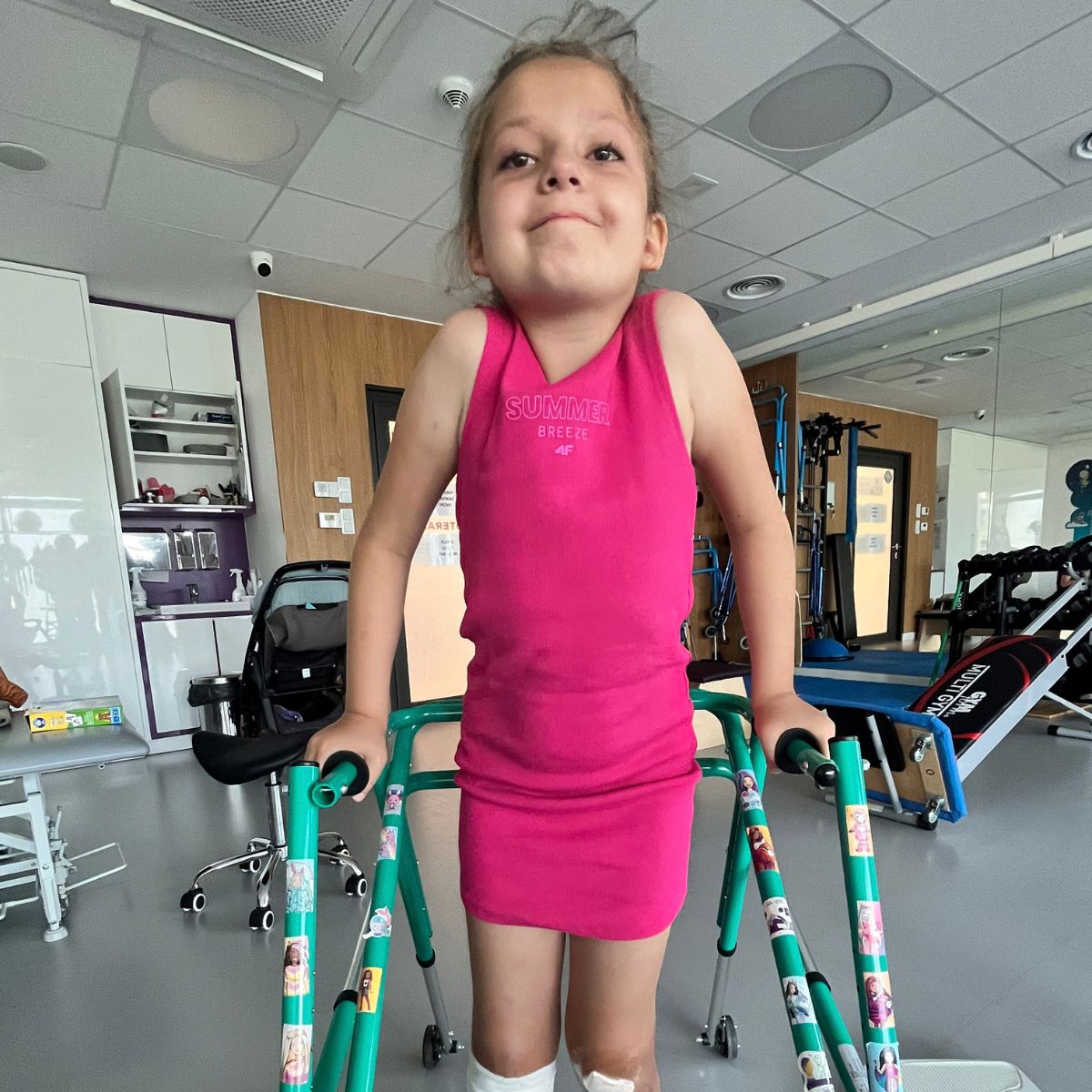
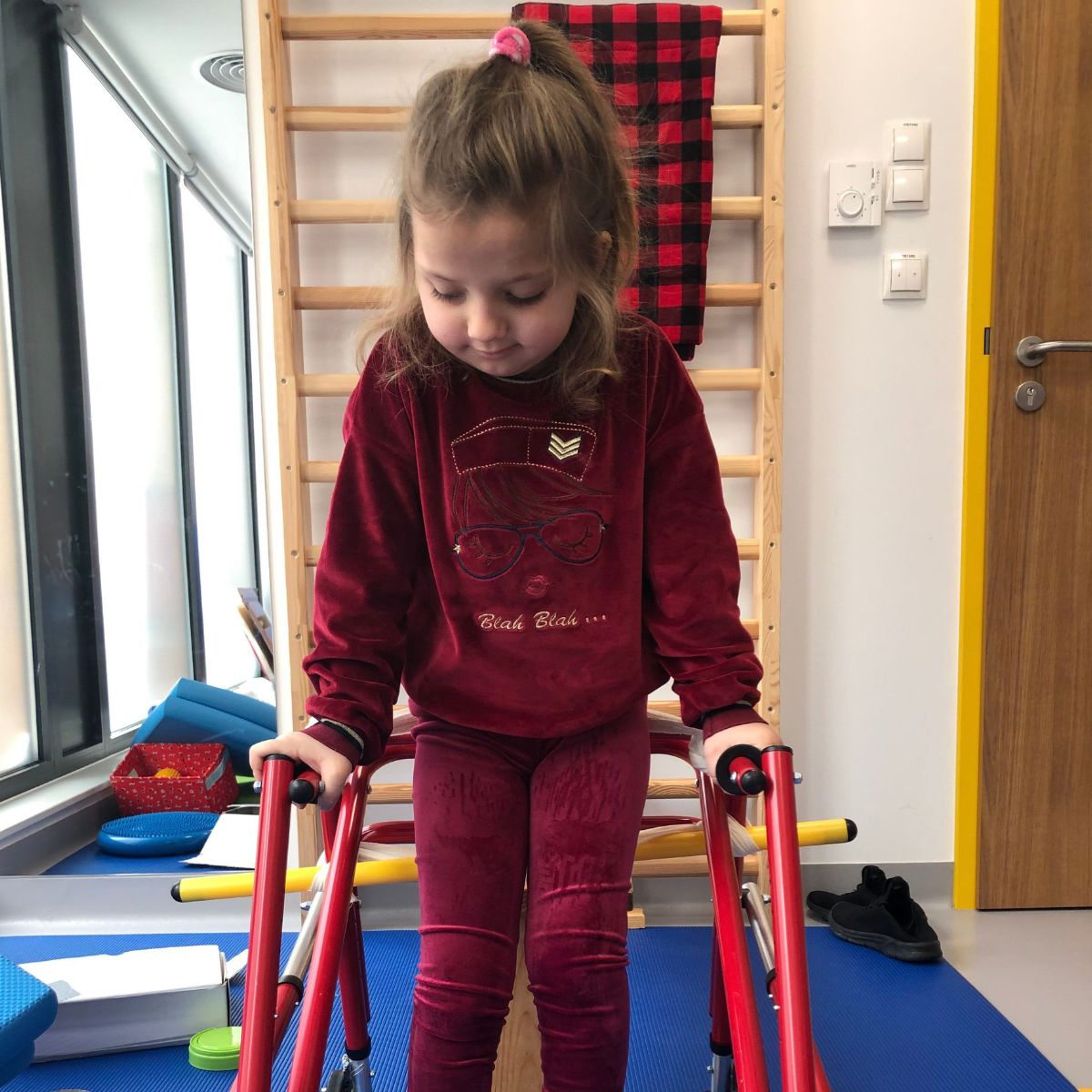
pre- and post-operative physical therapy to improve muscle strength, range of motion, and fitness
protecting a limb with a brace after treatment
Regular checkups until growth is complete, because only then—when the limb has healed and is straight—can we speak of complete success in treatment
What challenges do patients with congenital pseudoarthrosis of the tibia face?
Children with CPT and their parents face, above all, the fact that the bone does not heal, and even after it does heal, it is prone to re-fractures.
Poor healing capacity. The diseased periosteum does not rebuild the bone, so the fracture does not heal on its own.
Refractures. Even after the fracture has healed, the bone remains thin and weak with conventional treatment, so it breaks again easily.
Difficult stabilization. In young children, bone fragments are small and osteoporotic, which makes it difficult to achieve a stable union.
Shortening and deformity of the limb. Each treatment failure exacerbates the difference in leg length and the curvature of the lower leg.
Multiple surgeries. Many families go through several unsuccessful surgeries and long hospital stays. With conventional treatment, especially after the third unsuccessful surgery, many orthopedic surgeons recommend amputation.
Minutes Cross Union was developed precisely to break this cycle. Children treated with this method can walk, play sports, and develop without the constant risk of another fracture.
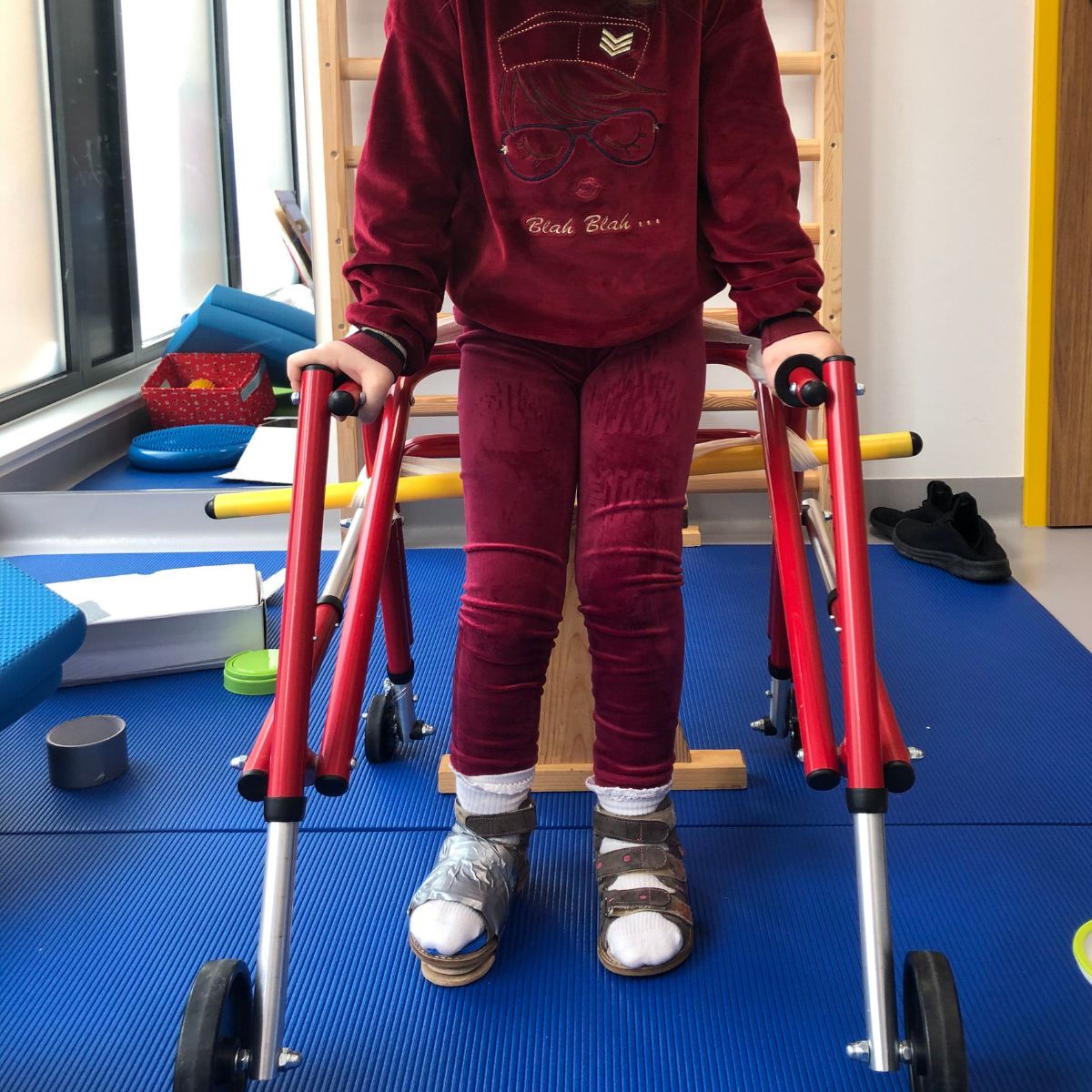
The El-Rosassy-Paley Classification of Congenital Pseudojoint of the Tibia
The El-Rosassy-Paley classification divides CPT into three types based on the structure and mobility of the bony ends of the pseudarthrosis and the history of surgical treatment . It was developed by Dr. Paley and Dr. El-Rosassy to better predict prognosis and guide treatment. Older classifications relied on the radiographic appearance of the bones, which changes during treatment and were therefore misleading. The specific treatment plan depends on the CPT type.
Type 1: atrophic (narrow) bone ends, mobile pseudoarthrosis, no prior surgery.
Type 2: atrophic (narrow) bone ends, mobile pseudoarthrosis, previous failed surgery.
Type 3: hypertrophic (broad) bone ends, pseudoarthrosis.
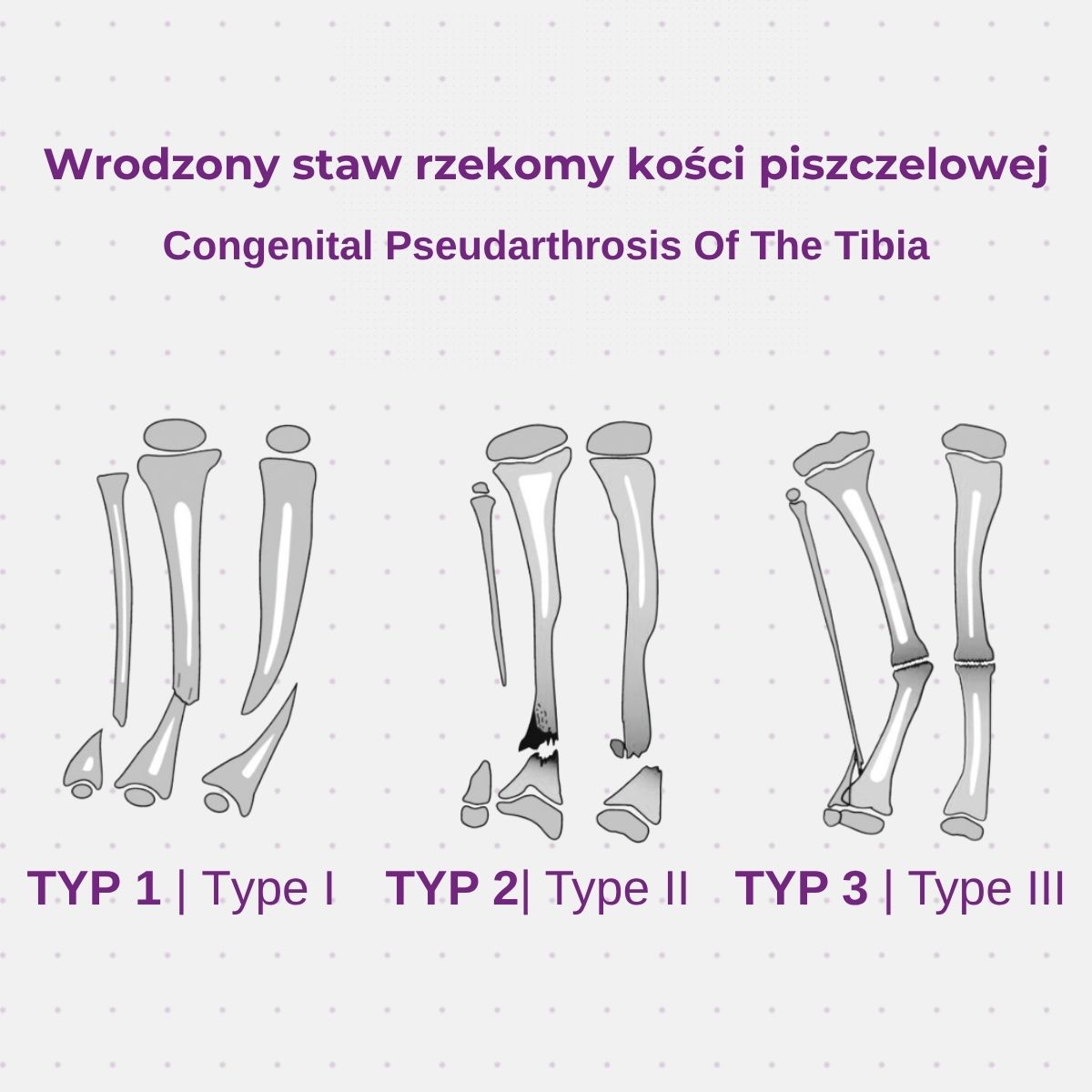
How have the results of CPT treatment using Dr. Paley's method changed?
Over the years, Dr. Paley added new techniques to his method and, in four publications, gradually reduced the rate of re-fractures to zero.
1992: Ilizarov frame and bone graft. Union in 100% of cases; re-fractures in 68%.
1998: Intramedullary stabilization was added to the existing techniques. Union rate: 100%; re-fracture rate: 29%.
2008: Periosteal graft and BMP were added. 100% union; 20% re-fractures.
2012: Zoledronic acid infusion and a tibiofibular union (Cross Union) were added. 100% union, 0% re-fractures.
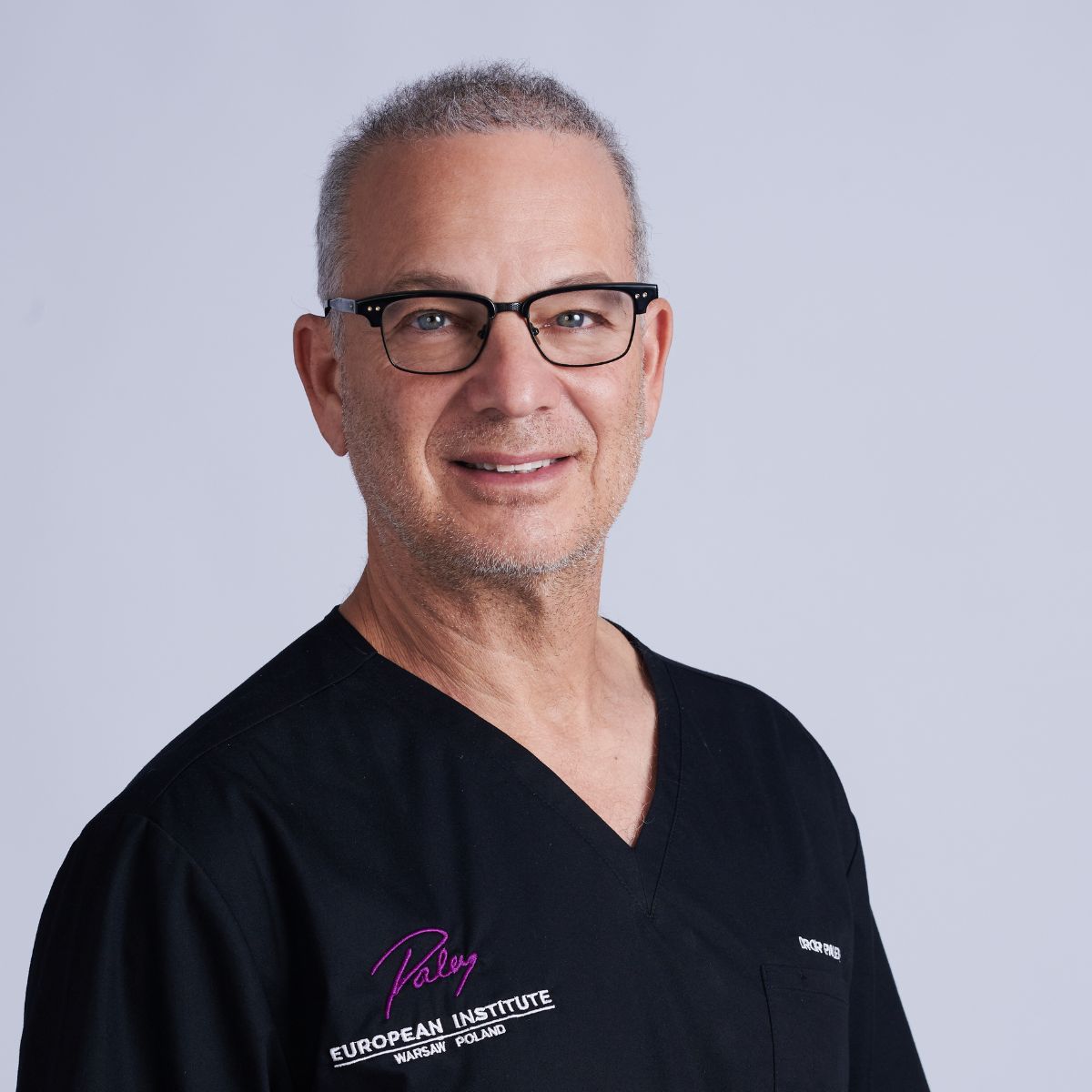
Our Experts Meet the Paley European Institute Team

Family-Centered Care: treatment in which the family is part of the care team
Family-Centered Care (FCC) is the treatment model used at the Paley European Institute. In this model, the family of a child with a congenital limb defect is not merely an observer but a full-fledged member of the treatment team. Treatment for congenital limb defects often lasts for months or years and involves several surgeries, limb lengthening, and months of rehabilitation. Therefore, parents who understand the treatment plan and feel that their concerns are being heard have a real impact on its outcomes.
What does family-centered care look like in practice?
Parents do not wait in the hallway while their child is undergoing surgery—the Hospital Services Coordinator and the physician’s assistant keep parents updated on the progress of the procedure via WhatsApp. During this time, a psychologist stays by the parent’s side to support them through this most difficult hour.
One treatment plan instead of multiple visits —during the consultation, specialists from various fields meet with the child in one place and develop a comprehensive treatment plan. The conversation begins not with the question “What hurts?”, but with what the child likes to do and what the family’s daily life is like.
The same physical therapist before, during, and after surgery —the therapist present in the operating room—conducts rehabilitation starting on the first day of recovery. The child exercises with someone they already know, which reduces anxiety and facilitates a return to physical function. This is particularly important during limb lengthening, when systematic physical therapy is crucial for maintaining joint mobility.
Comprehensive care in one place —X-rays, blood tests, an orthotist, a psychologist, a dietitian, a speech therapist, and certificates for schools and government offices are available without unnecessary referrals or having to search for other facilities. Surgeries are performed at our partner hospital, Medicover, where the Paley European Institute team cares for the patient from admission through discharge.
Support for families from other cities and countries —families traveling here for medical treatment receive assistance with arranging transportation, accommodations, and all the logistics of their stay.
Parents' Council —parents who have themselves undergone treatment at the Paley European Institute—regularly test and evaluate new approaches, helping to shape the model of care.
Why does family involvement improve treatment outcomes?
Parents who understand the treatment plan are better able to follow rehabilitation recommendations at home and recognize signs that require contacting a doctor more quickly. Thanks to preparing the family for home care, children who undergo surgery at the Paley European Institute stay in the hospital for an average of only 2 days. A shorter hospital stay and less stress lead to a more peaceful recovery and a better quality of life for the entire family.

Related articles
Read the blog posts on this topic
Kamil battles congenital pseudarthrosis of the tibia
Live - congenital pseudarthrosis joint - Q&A with Paley Institute specialists
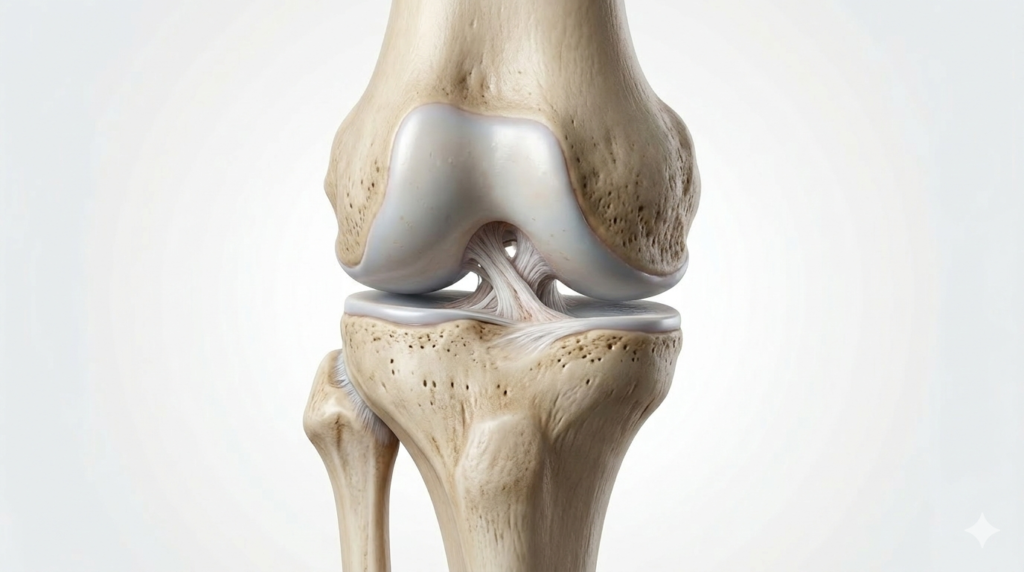
Rzekomy Pond – what is it?
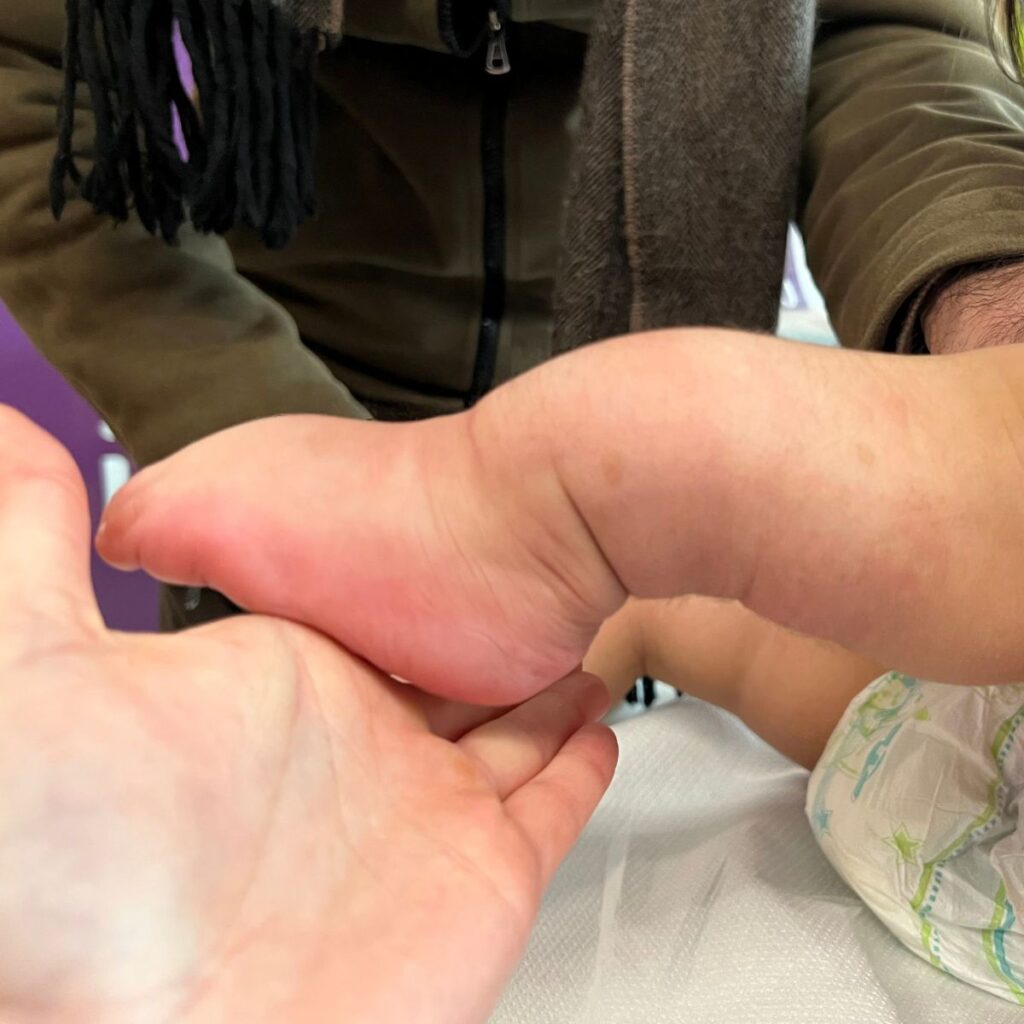
Congenital pseudarthrosis of the tibia
Frequently Asked Questions About Congenital Pseudarthrosis of the Tibia
What is a congenital pseudo-joint of the tibia?
This is a rare condition in which the tibia is bent and weakened, breaks, and does not heal on its own. At the site of the fracture, a pathological, mobile union of the fracture fragments forms, known as a pseudoarthrosis.
The exact cause is unknown. In approximately 50% of children, CPT occurs in conjunction with neurofibromatosis type 1 (NF1), and in approximately 10%, with fibrous dysplasia. The disease process is associated with periosteal hypoxia.
The most common initial symptom is forward and outward bending of the lower leg. The diagnosis is confirmed by an orthopedic examination and an X-ray.
Yes. According to the published results, Dr. Paley’s Cross Union procedure resulted in union in all patients without any recurrent fractures.
This procedure combines several techniques: creation of a pseudoarthrosis, periosteal and bone grafting, administration of BMP and zoledronic acid, stabilization with a rod and an Ilizarov frame, and permanent fusion of the tibia and fibula.
In conventional treatment, it is often recommended after several unsuccessful surgeries. The Cross Union protocol allows most children to retain their own functional limb.
It is advisable to seek medical consultation as soon as you notice a bend in the lower leg. A brace is used to protect the bone before a fracture occurs, and the orthopedist determines the timing of surgery based on the CPT code and the child’s age.
Meet Our Patients