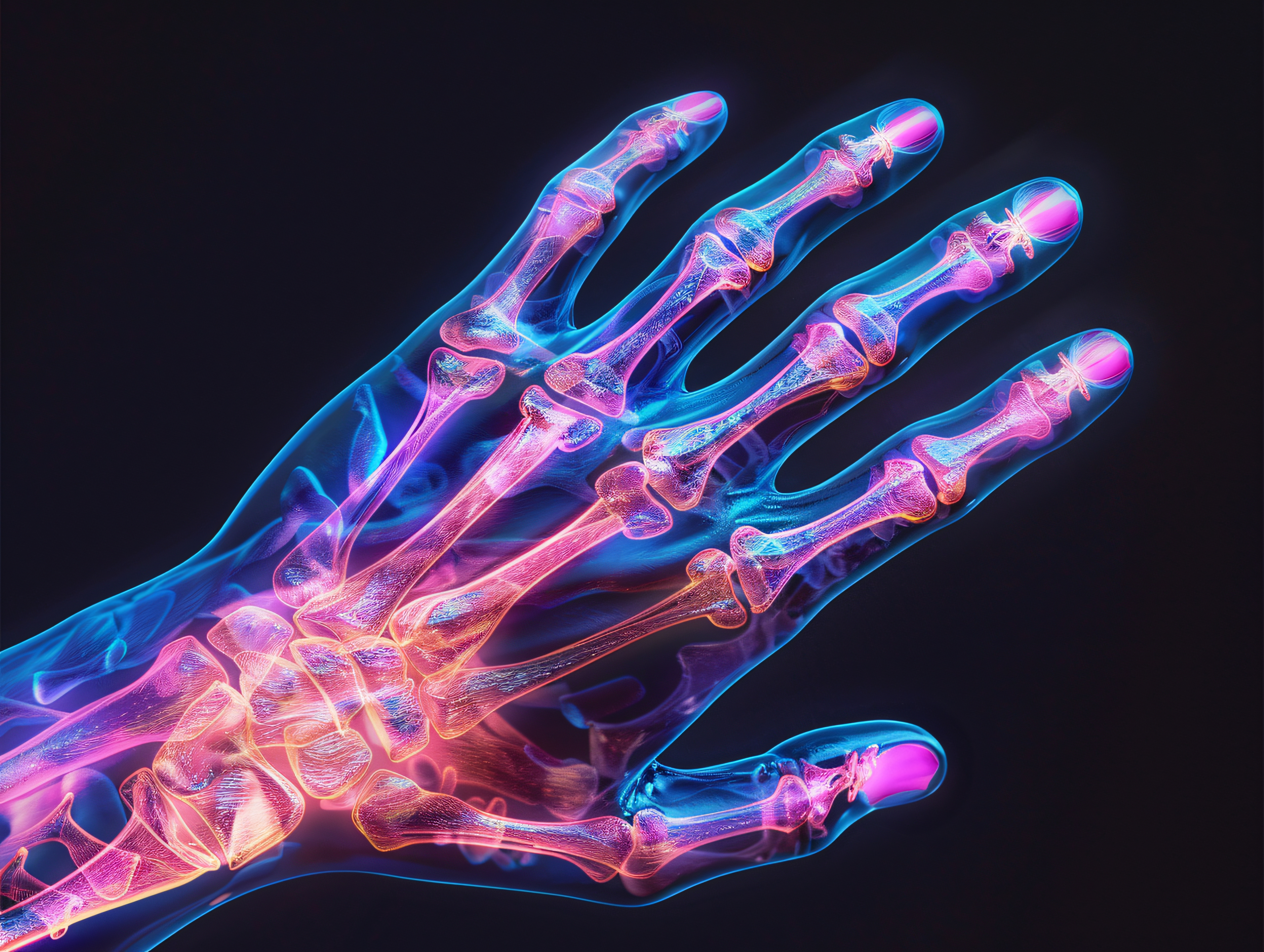
Osteoarthritis - symptoms, causes and effective treatments
Osteoarthritis is one of the most common musculoskeletal conditions, affecting millions of people worldwide. Its effects can significantly affect quality of life, so it is worth learning about the symptoms, causes and treatment options for this disease.
What is arthritis?
Arthritis is a degenerative process that leads to damage to the cartilage in the joint, which plays a key role in cushioning movement and protecting the joint from damage. As the disease progresses, other structures of the joint, such as bones, ligaments and tendons, are affected. The disease can affect a variety of joints, including the knees, hips, spine and hands. The symptoms of arthritis develop gradually, which often delays the moment of diagnosis.
It is worth noting that osteoarthritis is not just a result of aging. It can also occur in younger people, especially in cases of long-term overload or trauma.
Symptoms of osteoarthritis
Symptoms of osteoarthritis primarily include:
- Joint pain - increasing during movement and subsiding at rest. In advanced stages, pain may also occur at rest or during sleep.
- Joint stiffness - especially in the morning or after prolonged immobility. This symptom makes daily activities such as walking or getting out of bed difficult.
- Restricted range of motion - difficulty in performing simple movements, such as bending the knees or raising the arms.
- Crackling and rubbing sensation in the joint - occurring during movement, which may be the result of damage to the joint cartilage.
- Swelling and joint deformities - in advanced cases, visible changes in the shape of the joint that can lead to permanent mobility limitations.
Recognizing the symptoms of arthritis at an early stage is key to minimizing the progression of the disease. It is worth paying attention to the first symptoms and consulting a doctor as soon as possible.
Causes of arthritis
The causes of arthritis are complex and multifactorial. Among the most common are:
- Aging processes - a reduction in the regenerative capacity of cartilage with age. Natural wear and tear of the joint is a major risk factor in the elderly.
- Genetic factors - the inheritance of a predisposition to the disease, including a propensity for poor quality joint cartilage.
- Injury and overload - excessive stress on the joints as a result of intense physical activity, work or obesity. Any injury, even a minor one, can contribute to the development of degenerative changes.
- Inflammatory diseases - such as rheumatoid arthritis, which causes damage to joint structures.
- Postural defects and deformities - misalignment of a joint, such as as a result of flat feet or curvature of the spine, can lead to faster wear of cartilage.
- Nutritional deficiencies - lack of adequate vitamins and minerals, such as vitamin D and calcium, can weaken bone and cartilage structures.
Understanding the causes of arthritis helps tailor prevention and treatment to the individual patient.
How to treat arthritis?
Treatment of osteoarthritis includes conservative and interventional methods. Among the most effective treatments are:
- Physiotherapy and exercise - regular exercise helps improve joint mobility, strengthen the muscles around them and reduce pain. An individually tailored rehabilitation program is the key to success.
- Pharmacotherapy - the use of painkillers, anti-inflammatory drugs and supplements to promote cartilage regeneration, such as glucosamine and chondroitin.
- Minimally invasive treatments - injections of hyaluronic acid or platelet-rich plasma (PRP) improve hydration and flexibility of the joint, reducing friction.
- Orthopedic surgery - in cases of advanced degeneration, it is possible to replace the joint with a prosthesis. Modern surgical techniques ensure faster recovery and less risk of complications.
As with any other disease, osteoarthritis requires the right approach. Paley European Institute offers comprehensive treatment of osteoarthritis, combining modern medical technology with a personalized approach to the patient. Our facility specializes in treating difficult and advanced cases, giving patients a chance for a better life.
Prevention of arthritis
Preventing osteoarthritis can significantly delay its development. Here are some key recommendations:
- Maintaining a healthy body weight to relieve stress on joints.
- Regular physical activity adapted to the body's capabilities.
- A healthy diet rich in vitamins and minerals to support joint cartilage regeneration, such as vitamin D, C, E and omega-3 acids.
- Avoiding excessive stress on joints, especially at work or during sports.
- Regular preventive examinations, especially for those with a genetic predisposition or previous joint injuries.
- Include supplements in the diet to support joint health, such as collagen, glucosamine or chondroitin, after consulting a doctor.
Taking care of joint health from an early age is an investment in the future that will help avoid pain and keep you fit for years to come.
What is arthritis - summary
Osteoarthritis is a serious condition that significantly affects patients' quality of life. Early recognition of symptoms, such as pain, stiffness or limited joint mobility, is key to effective treatment. The causes of arthritis can range from mechanical trauma to genetic predisposition. Therefore, a holistic approach to diagnosis and therapy is important.
Thanks to advances in medicine, numerous treatment methods are available, from conservative methods such as rehabilitation and pharmacotherapy to advanced surgical techniques offered by the Paley European Institute. It is worth remembering that comprehensive medical care and the patient's cooperation with a team of specialists can bring tangible results and improve the comfort of daily life.
Let's take care of the health of our joints by exercising regularly, eating a proper diet and reacting quickly to the first worrying symptoms. By doing so, we can prevent further progression of the disease and enjoy full function for years to come.
See other entries
How to Properly Care for a Stump After Amputation? A Practical Guide
Hollow Foot – Symptoms, Causes, and Treatment Options