ABC by Paley - RESPONSIBILITY
However, if we feel that all household chores fall on us every day, at work we have to check that others are sure to properly perform their duties, children do their homework on time, and the well-being of people around us depends on us, then most likely someone else should take care of that. Moreover, this sought-after and valued feature (responsibility) may become a burden for us.
Not everything can be controlled and not everything can be influenced. The tendency to overestimate responsibility, like many other unhelpful behaviors and beliefs, can have its origins in childhood. Children who are blamed for things that are beyond their control - such as other people's emotions, finances, or parental relationships - begin to believe that they are actually responsible for them. Sometimes, adults expect children to meet expectations that are inadequate to their age and development, to look after their parents, take care of the home and other everyday matters. There are also situations in which the child becomes the parent's confidant and is forced to listen to his problems, advise the parent, as well as stand on his side, e.g. in a conflict with the other parent. Such a reversal of roles in the family is called parentification. In becoming a guardian of a parent, a child is forced to assume the responsibilities and behaviors of adults before they are ready to do so. This affects them negatively, disrupting the natural and gradual process of maturation.
Nevertheless, it is worth remembering that when children take up duties appropriate to their age and development, and their effort is noticed and appreciated, it contributes to the child's development. From a developmental point of view, it is even advisable for children to have their daily tasks and responsibilities. The key is, however, that they are adjusted to the abilities of children. It is also completely natural for the older child to take care of the younger sibling or home in the event of a parent's temporary indisposition or illness. In such moments, it is worth appreciating the child's responsibility and commitment, also letting them understand that the situation is temporary.
However, what may be a risk factor for prolonged and long-term role reversal in the parent-child relationship is the parent's disability, illness or infirmity that affects other family members (child's siblings, grandparents), parent's emotional difficulties, alcohol abuse by the caregiver or lack of support from other adults.
Home help should not come at the expense of the emotional or physical health of the child or teenager. Nor should it interfere with their school duties or relationships with peers.
Children should never bear the burden of responsibility for the safety of the family, the happiness of their parents, or their emotions. As for the latter, it is important for the adult to set an example for children in learning to manage their emotions. For some people, the information that changes their point of view of the world is that we are responsible for how we interpret the events that we encounter and how we feel and react to it. Few people realize that the people responsible for their feelings is actually themselves. Other people's actions and behaviors are triggers of some sort, but the cause of each feeling is within us.
This can be explained quite simply: different people may react differently to the same stimulus. Our reaction to specific words, events, situations, and even the next stages of life is the result of previous experiences, beliefs, values and expectations. The way we respond to an external stimulus determines our responses.
Taking responsibility for your feelings caused by someone else's behavior does not mean that we accept, excuse or give consent to that behavior. It simply means that we accept our emotions, whatever they may be. This applies to both unpleasant and pleasant emotions. Suppose we feel great, better than ever before. Our needs are met, expectations are met, everything goes our way. However, if we think that this well-being is due to someone else, then we are giving the reins of our well-being to someone else. Because if the other person disappears, we will lose the outer source of our pleasant feelings and we will experience loneliness, anger, sadness, or fear. By making our emotions dependent on the other person, we relinquish some of our freedom and condemn ourselves to disappointment and dissatisfaction because someone does not respond to our expectations.
If you want to see how it works in practice, the next time your child or partner does something that you perceived as painful, malicious, ungrateful, etc., think for a moment what was behind their reaction? Why do you think they chose this particular way of communication at this point? What did they want to get? What did they need? When you see the real intention behind the other person's behavior, it will be easier for you to take care of yourself. After all, what you heard was really about the other person and their unmet needs or unmet expectations, not about you.
See other entries
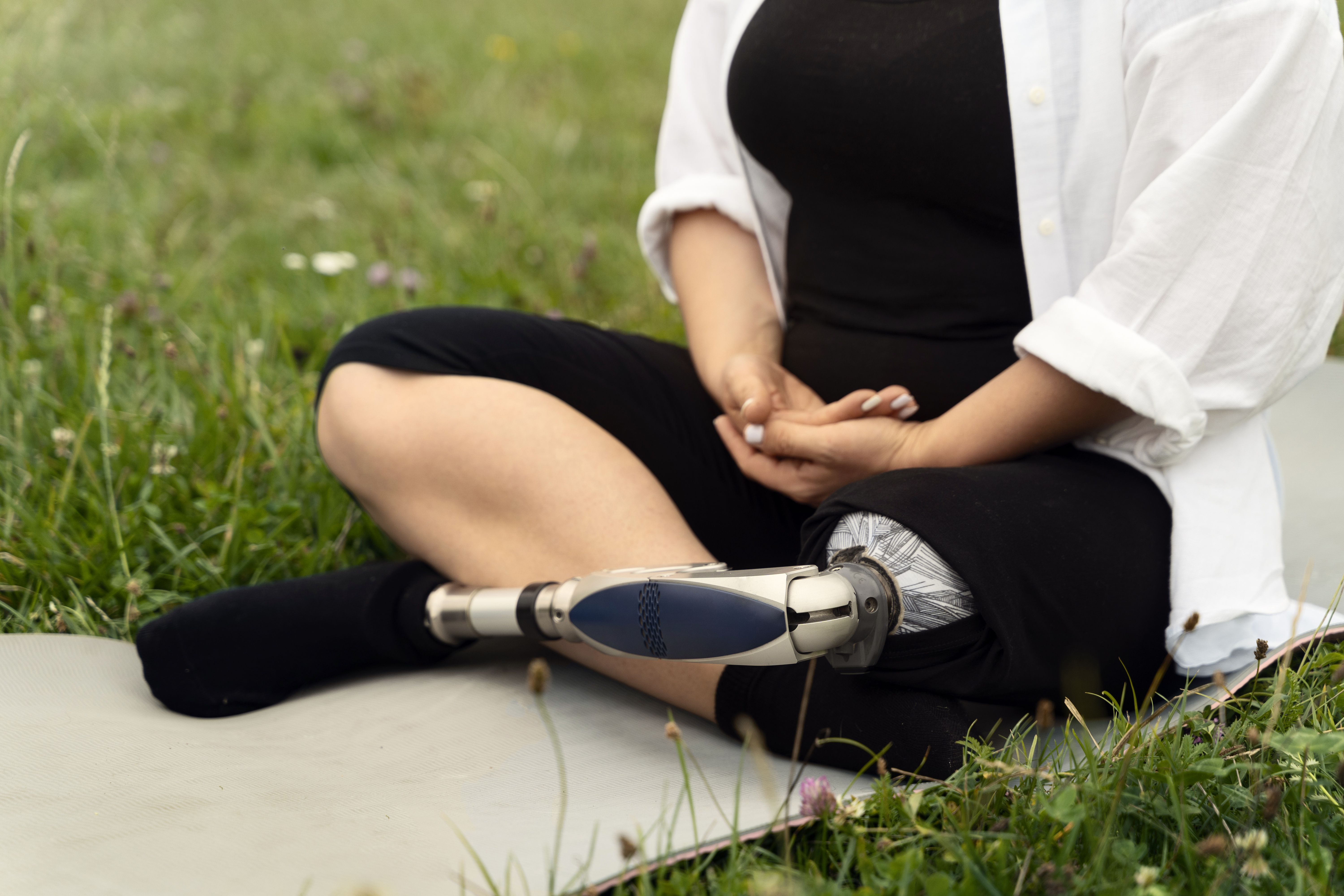
How to Properly Care for a Stump After Amputation? A Practical Guide

Hollow Foot – Symptoms, Causes, and Treatment Options