ABC by Paley - MINDFULNESS
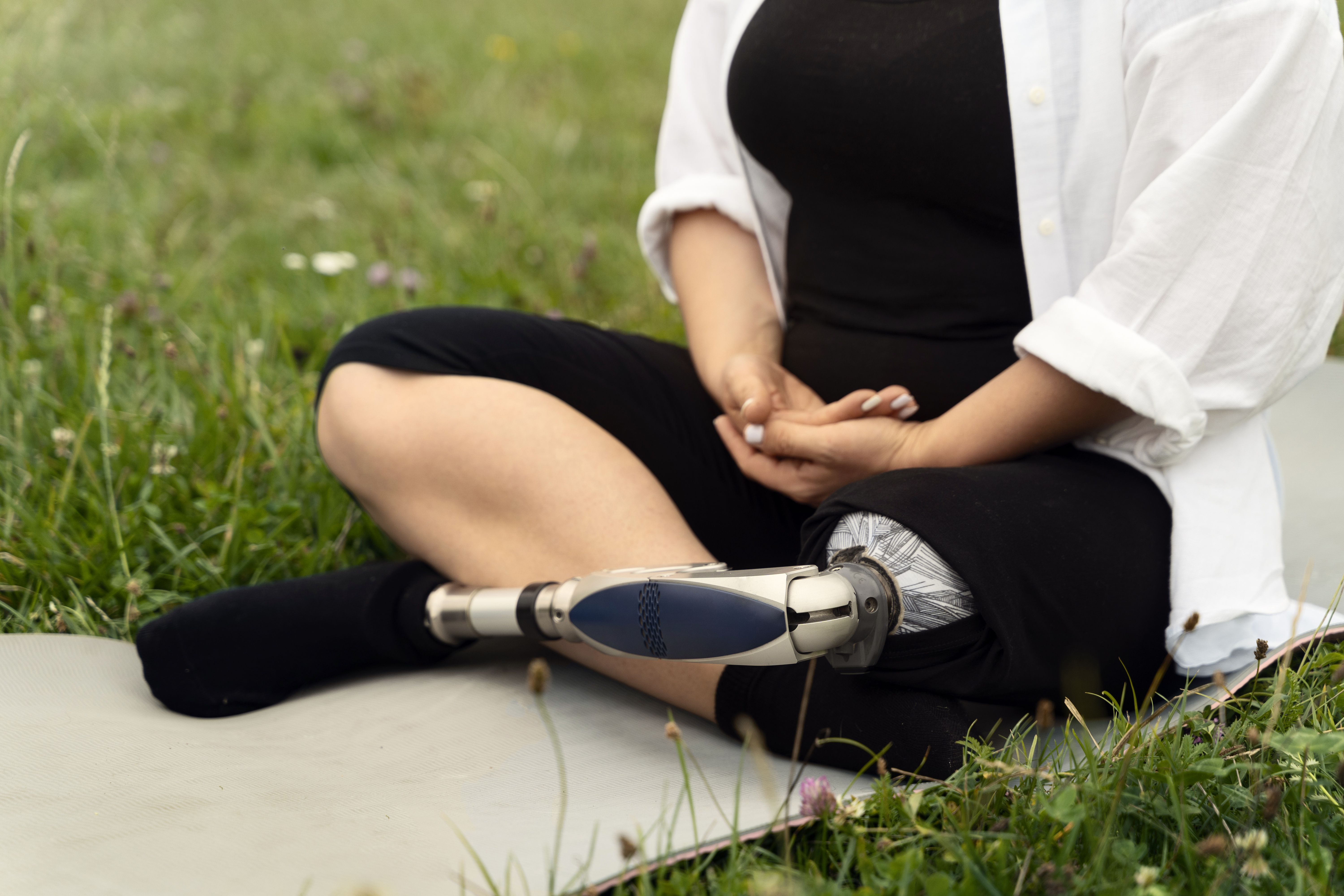
Exercising mindfulness includes, among others breathing techniques, visualization or focusing on the body to relax tense muscles, calm the mind and help reduce the level of perceived stress.
Mindfulness training, by focusing on the here and now, on what is happening at a given moment in and around a person, helps to shift attention from planning, forward-looking or brooding over failures to what is happening now.
It might seem that it's easy to focus on breathing, relaxing your muscles, or doing some kind of exercise. However, it soon turns out that our thoughts gallop, run ahead or rush to the past to remember failures or harms suffered. By practicing mindfulness, we return to our body, to what is happening with it and in it, and let our thoughts drain away.
Meditation is increasingly becoming the subject of clinical trials. The conclusions from the research carried out on mindfulness training lasting several weeks are encouraging and confirm their effectiveness. Regular meditation can bring relief and relief, and supplement other forms of therapy for depression, anxiety disorders, and chronic pain. It makes it easier to fall asleep, deepens sleep and can even lower blood pressure.
However, intensely practicing mindfulness, such as during 8-week mindfulness programs, does not benefit everyone. While most people will benefit and notice an improvement in their well-being, those who experience panic attacks or struggle with symptoms of post-traumatic stress disorder (PTSD) may experience a worsening of their condition. In this case, it is worth being especially vigilant and reacting quickly to disturbing symptoms. Sometimes it is enough to change the exercises, and sometimes you have to give them up completely and replace them with other methods.
Mindfulness can be trained every day, practically at any time of the day. There are many easy-to-follow exercises, such as:
Mindful Eating: In a busy world, it's hard to slow down and see things. Try to spend some time exploring your surroundings with all your senses - touch, sound, sight, smell, and taste. For example, when you eat your favorite food, take time to smell, taste, and enjoy it. Concentrate on your meal and don't use the phone, TV or radio during this time.
Mindful Walking: Pay attention to your body when you walk from room to room or down the street. What is happening to it, how do you feel it, at what pace your heart beats, how you breathe, how your arms and legs move, do you feel the ground under your feet, etc.
Mindful bathing: during the daily shower, bathing in the bathtub, or even brushing your teeth, pay attention to the temperature of the water, the smell of soap, the sensations of the body that accompany pouring water over you. Feel the taste of the toothpaste, pay attention to how you move the brush - maybe too hard, too weak, or maybe just right.
Source of knowledge and inspiration:
de Vibe M., Bjørndal A., Tipton E., Hammerstrøm K., Kowalski K. (2012) Mindfulness Based Stress Reduction (MBSR) for Improving Health, Quality of Life, and Social Functioning in Adults, Campbell Systematic Reviews
See other entries
How to Properly Care for a Stump After Amputation? A Practical Guide

Hollow Foot – Symptoms, Causes, and Treatment Options