Cross Union Protocol
The cross-union procedure is a complex treatment method for congenital pseudarthrosis of the tibia (CPT). This condition is one of the most challenging problems in modern reconstructive orthopedics, as the site of pathological nonunion is prone not only to failure to heal but also to re-fractures after union is achieved. The cross-union concept involves creating a permanent connection between the tibia and fibula, thereby establishing a broader support system for the reconstructed limb. The method was developed by Dr. Dror Paley and is used to treat selected cases of CPT.
What is a congenital pseudo-joint of the tibia?
Congenital pseudo-joint of the tibia is a rare condition characterized by abnormal bone development and impaired ability to achieve proper union. The condition may be apparent as early as the first months or years of life. A characteristic sign is an anterolateral bowing of the lower leg, and over time, a fracture may occur at the site of the weakened bone, leading to pathological mobility. CPT often co-occurs with type 1 neurofibromatosis.
However, the problem does not end once the fracture has healed. The bone at the site of the previous pseudoarthrosis may remain weakened and susceptible to another fracture. Therefore, treatment should be aimed not only at restoring bone continuity, but also at creating conditions that allow for its long-term stabilization and protection during the child’s subsequent years of growth.
Why is CPT treatment so demanding?
Congenital pseudarthrosis of the tibia is difficult to treat due to the simultaneous presence of biological and mechanical problems. Abnormal tissues are present within the lesion, which hinder the normal bone formation process. At the same time, the bone is often thin, deformed, and prone to fracture. This means that simply stabilizing the fragments is not always sufficient to achieve a lasting result.
Treatment must therefore address several goals at once:
- removal of pathological tissue from the area of the pseudo-joint,
- achieving union of the tibia,
- improvement of the biological conditions for healing,
- stabilization of the reconstructed limb,
- protection against re-fracture,
- correction of limb axis deformities,
- compensating for any difference in limb length,
- maintaining the best possible function of the limb.
It is precisely this comprehensive combination of these elements that forms the basis of the cross-union protocol.
What is the Cross Union protocol?
The most important aspect of the method is the deliberate creation of a bony union between the tibia and the fibula. It is not, therefore, solely a matter of achieving a bony union at the site of the pseudoarthrosis of the tibia. An additional bony connection forms between the two bones of the lower leg, which increases the stability of the entire structure.
The protocol published by Paley's team involves a combination of surgical treatment, mechanical stabilization, bone grafting, and measures to promote new bone formation. Depending on the specific technique used, stabilization may involve intramedullary nails, a plate, or external fixation.
Basic elements may include:
- removal of the fibrous tissue forming the pseudoarthrosis,
- correction of bone deformities,
- stabilization of the tibia and fibula,
- the use of bone grafts,
- preparation of the space between the tibia and fibula,
- creation of a broad tibiofibular union,
- the use of additional methods to promote osteogenesis, in accordance with the individual treatment plan.
However, the scope of the procedure is not the same for every child. It requires an assessment of the type of deformity, the condition of the bone, the presence of changes in the fibula, and any prior surgical treatment.
What does the treatment involve?
One of the first steps is to thoroughly debride the pseudoarthrosis site. Pathological and abnormal tissues that may interfere with proper bone formation are removed. Next, the bone ends are prepared for union, and the limb’s axis is restored as closely as possible to normal.
Another important component is bone grafting. The protocol described here involves, among other things, an autograft of cancellous bone harvested from the acetabulum. This graft material is placed both within the pseudoarthrosis site and between the tibia and fibula to create conditions conducive to the formation of a cross union.
Publications on the Paley protocol also describe the use of BMP-2 and intravenous administration of zoledronic acid. These are components of a specific protocol, and their use requires an assessment of the patient’s indications, risks, and current condition. They should not be considered universal components of every treatment for pseudarthrosis.
Why do the tibia and fibula join together?
The tibia is the primary weight-bearing bone in the lower leg. In cases of CPT, however, its structure may be significantly weakened. Creating an additional connection with the fibula increases the surface area and stability of the bony structure, which is important both during healing and after union has been achieved.
A cross union is therefore intended not only to promote bone union but also to reduce the risk of re-fracture. In a study involving 39 cases of CPT treated using the Paley protocol, tibial union and cross union were achieved in all cases, and no re-fractures were reported during a follow-up period of up to 7 years. At the same time, the authors pointed out the need for further procedures related, among other things, to rod replacement and growth monitoring.
It is worth noting, however, that these results come from a specific center and a specific protocol, and the study was retrospective. Therefore, these very good results do not mean that the same treatment outcome can be guaranteed for every patient.
When can the cross-union protocol be used?
The cross-union procedure is primarily used to treat congenital false joints of the tibia, particularly in cases where a fracture has already occurred and a pseudarthrosis has developed that requires reconstruction. The choice of method depends on the patient’s individual anatomy and treatment history.
Before a child is approved for surgery, the following factors, among others, are evaluated:
- the location and nature of the false pond,
- degree of tibial deformity,
- condition of the fibula,
- limb length,
- alignment of the ankle and knee joints,
- history of previous procedures,
- the coexistence of type 1 neurofibromatosis,
- the possibility of using internal or external stabilization.
In the case of a congenital pseudoarthrosis, it is also important to diagnose the problem as early as possible. Before a fracture occurs, the limb may need to be protected with a properly fitted orthosis and regular orthopedic checkups. Once a fracture has occurred, treatment is usually much more complex.
What does the preparation for the procedure involve?
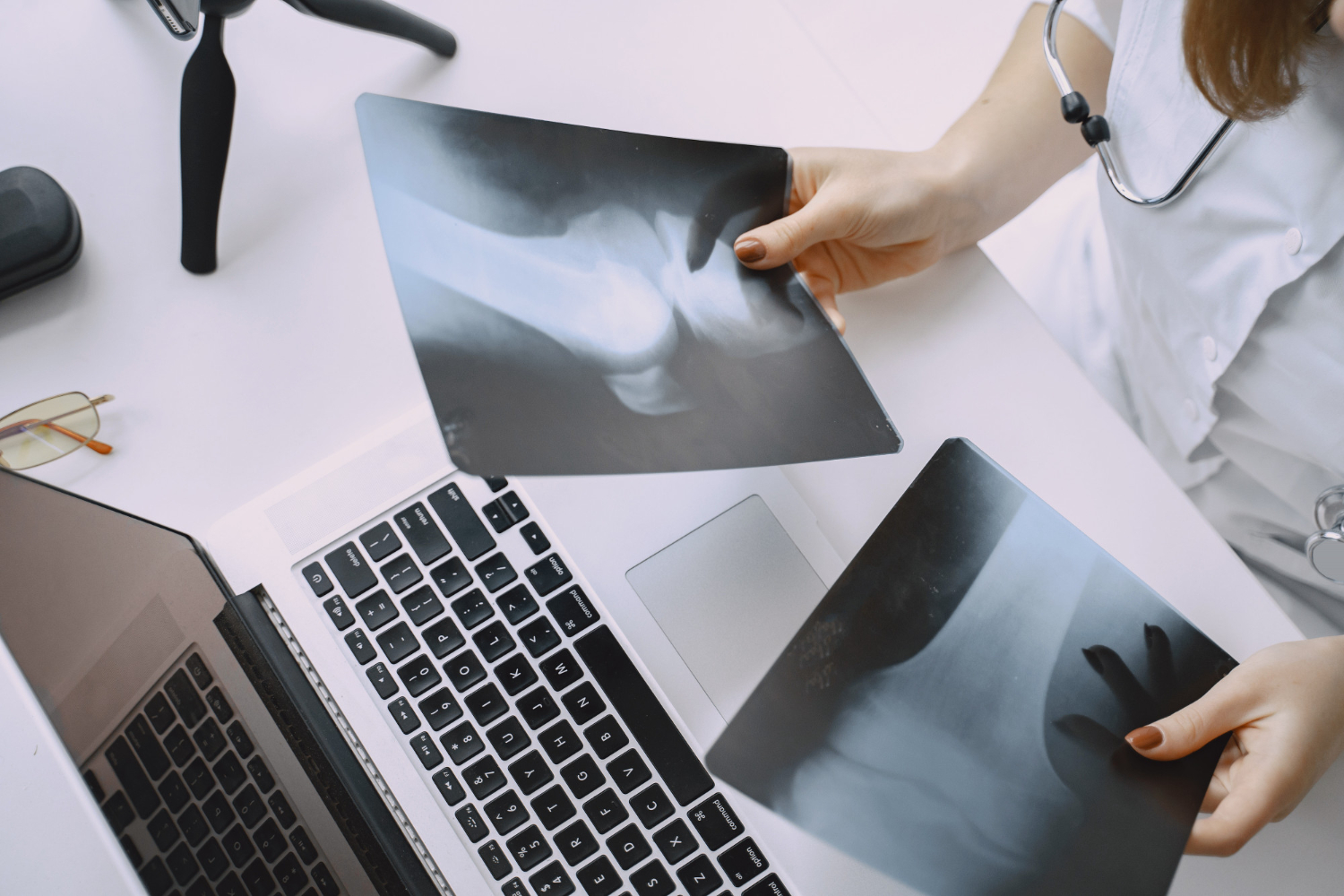
Treatment planning begins with a thorough diagnostic evaluation. This is based on an orthopedic examination and imaging studies, primarily X-rays of the lower leg. The doctor evaluates not only the site of the pseudoarthrosis itself, but also the entire limb—its axis, length, and the alignment of adjacent joints.
The history of previous treatment is also important. In a child who has undergone several reconstructive surgeries, the anatomical situation may be completely different from that of a patient who has not previously undergone surgery. Therefore, the surgical plan should take into account both the current condition of the bone and previous stabilization methods, as well as potential subsequent stages of treatment.
At the Paley European Institute, treatment for congenital pseudoarthrosis is conducted as part of a comprehensive approach to limb reconstruction. This approach includes diagnosis, surgical treatment, and follow-up rehabilitation, as well as correction of deformities and limb-length equalization, if necessary.
What happens after the surgery?
Reconstruction of a pseudo-joint does not conclude the treatment process on the day of surgery. After the procedure, it is necessary to immobilize the limb, monitor the healing process, and follow a properly planned rehabilitation program. How the limb is loaded depends, among other things, on the type of stabilization used and the extent of the reconstruction performed.
During the postoperative period, the following are particularly important:
- monitoring adhesions using imaging tests,
- protection of the reconstructed limb,
- maintaining the full range of motion in adjacent joints,
- gradual restoration of muscle strength,
- prevention of contractures,
- controlling the alignment of the limb,
- Assessment of limb length during growth.
Rehabilitation should be tailored to the current stage of healing. Its goal is not only to restore mobility, but also to prepare the child to safely bear weight on the limb and return to the best possible level of functioning.
Why are further inspections necessary?
CPT is a condition that may require monitoring for many years. The child is still growing, so even after proper union has been achieved, secondary problems related to the limb’s alignment, length, or joint function may arise.
Published descriptions of treatment using the Cross Union protocol have highlighted, among other things, the need for elective rod replacements and the possibility of performing additional procedures to correct deformities during the growth period. The ultimate goal, therefore, is not simply to achieve union as seen on an X-ray, but to maintain a functional limb until the end of growth.
This approach is particularly important in the case of children, because treatment must be planned in advance. Correcting deformities, equalizing limb lengths, or securing union may be subsequent stages of a larger reconstructive process.
Summary. Cross Union Protocol at the Paley European Institute
At the Paley European Institute, treatment for congenital pseudoarthrosis of the tibia is performed by a team specializing in the reconstruction of complex limb deformities. The cross-union protocol is one of the methods used to treat CPT. It involves not only reconstruction of the pseudoarthrosis site but also procedures designed to ensure long-term stability of the entire lower leg.
In practice, a treatment plan may include:
- detailed diagnosis and assessment of deformities,
- pseudoarthrosis reconstruction,
- stabilization of the tibia and fibula,
- creation of a tibiofibular cross union,
- the use of bone grafts,
- limb axis correction,
- treatment of any limb-length discrepancy,
- pre- and post-operative rehabilitation,
- long-term monitoring during the growth period.
Such a comprehensive approach is important because CPT treatment does not end once union is achieved. The goal is to maintain a limb that is as stable and functional as possible and to reduce the risk of further deformities and fractures.
If a specialist consultation is needed, the patient may be referred to a team that treats both children and patients with more complex orthopedic problems. Depending on the patient’s age and clinical condition, a consultation with a pediatric orthopedist or an adult orthopedist may be appropriate. The procedure itself, however, falls within the field of orthopedic surgery.
FAQ
Is the cross-union procedure used exclusively to treat congenital pseudoarthrosis of the tibia?
The cross-union procedure was developed primarily for congenital pseudoarthrosis of the tibia. Its defining feature is the deliberate creation of a union between the tibia and fibula. However, the decision to use this method is based on an individual assessment of the patient.
What is a cross union?
A cross union involves creating a permanent bony union between the tibia and fibula. When combined with reconstruction of the pseudoarthrosis site, a bone graft, and stabilization, this is intended to create the conditions necessary for a permanent union and to increase the limb’s resistance to re-fracture.
Does a cross union mean that the tibia and fibula are permanently fused together?
Yes. The deliberate creation of a tibiofibular union is one of the fundamental principles of this method. The resulting union is intended to increase the stability of the lower leg and help maintain the achieved results of the reconstruction.
After a cross-union procedure, might the child need another surgery?
Yes. Further procedures may be necessary due to the child’s growth, the need to replace stabilization components, correction of deformities, or equalization of limb length differences. CPT treatment is a long-term process and requires regular follow-up visits.
Can the cross-union procedure be performed after previous unsuccessful surgeries?
In published studies, the method has also been used in patients who had undergone previous procedures. However, the decision on whether it can be used in a specific case depends on an assessment of the current condition of the bone, the deformity, and previous treatment.
What are the results of treatment using the Cross Union protocol?
In a study of 39 cases treated using the Paley protocol, tibial union and cross union were achieved in all cases, and no refractures were reported during a follow-up period of up to 7 years. These are very good results, but they come from a retrospective case series and should not be considered a guarantee of the outcome for every patient.
See other entries
SUPERhip Surgery – What Is It and Who Can Benefit From It?
Knee Replacement Surgery