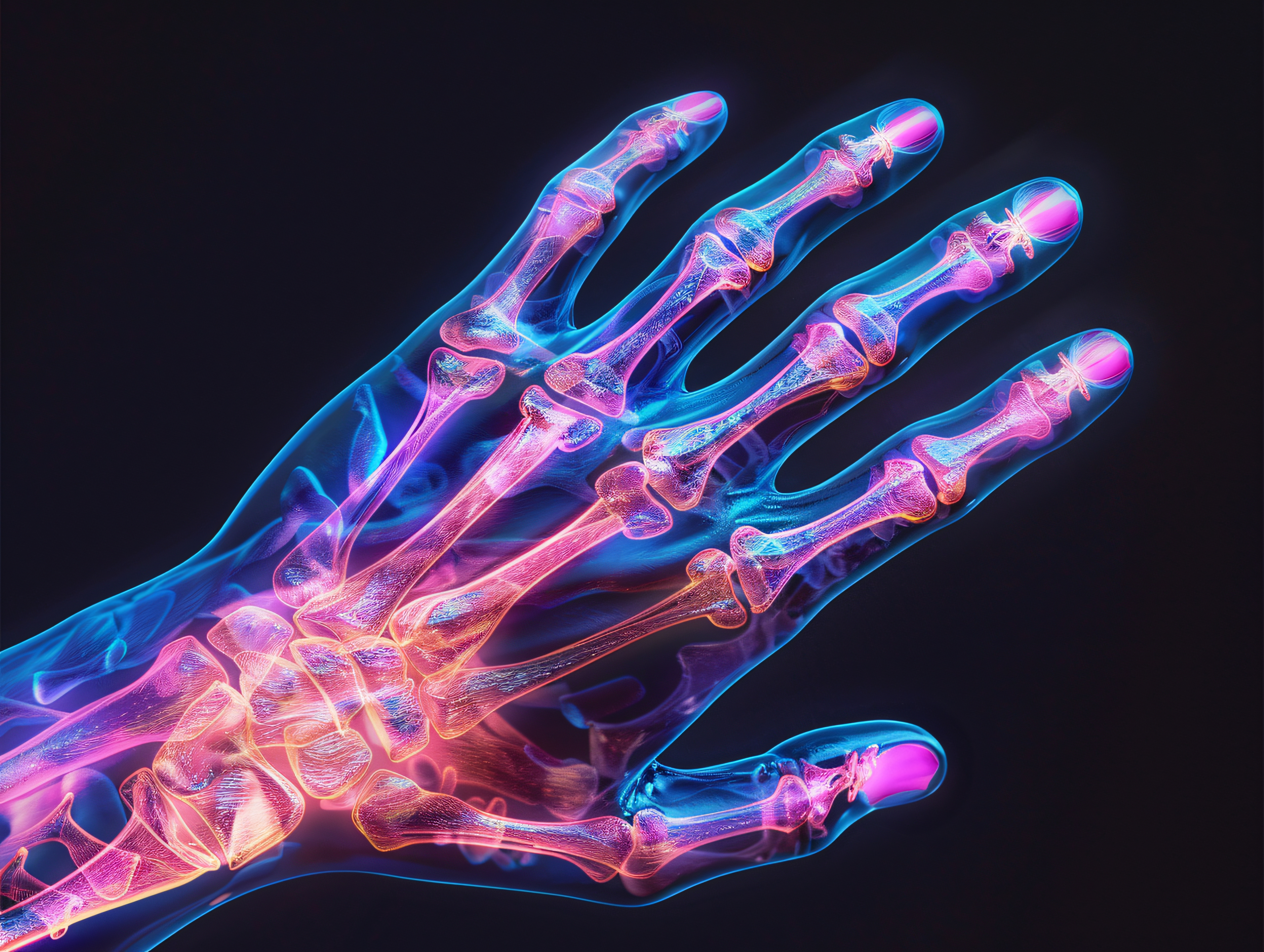
The role of pediatric orthopedics in your child's normal development
Pediatric orthopedics - what does it do?
Pediatric orthopedics focuses on the diagnosis, treatment, and prevention of all musculoskeletal problems in children and adolescents. Key areas of interest in pediatric orthopedics include:
- diagnosis - precise diagnosis of diseases and disorders of the musculoskeletal system in children, often at a very early stage of life, and sometimes even before birth,
- treatment - the use of appropriate therapeutic methods, including both non-surgical (including rehabilitation, orthotics) and surgical methods, adapted to the specifics of the child's developing body,
- Prevention - implementing strategies to prevent the onset of disorders and their complications in the future, as well as educating families to take care of their child's normal physical development
Importance of pediatric orthopedics in child development
Pediatric orthopedics plays an important role in the context of congenital diseases that lead to various complications in the skeletal and muscular systems. Children born with defects and abnormalities require specialized care, which is essential for their proper development and adaptation to daily life.
Often, however, orthopedic problems are not visible to the naked eye or do not manifest themselves with immediate symptoms. In fact, many issues, such as scoliosis, juvenile femoral head degeneration or hip dysplasia, can develop unnoticed for many years. This is why early recognition of any abnormality becomes so important, which in practice can translate into more effective and less invasive treatments. In addition, improving the function of the musculoskeletal system not only develops physical fitness, but also affects mood, self-confidence and social interaction.
Ailments treated in pediatric orthopedics
A pediatric and infant orthopedist deals with both congenital and acquired conditions, tailoring appropriate treatment to them. His area of expertise includes ailments related to, among other things:
? cerebral palsy - a neurological disease that leads to movement disorders and can affect a child's posture and motor coordination,
? underdevelopment of the radius bone - a developmental disorder resulting from the partial or complete absence of the radius bone,
? fibular and tibial hemimelia - congenital underdevelopment or absence of one of the lower limbs,
? underdevelopment of the fem ur - a disorder characterized by incomplete development of the femur,
? arthrogryposis - a congenital disorder characterized by joint stiffness, osteoarticular deformities and muscle weakness,
? bone infection - inflammation of the bone, which can be caused by various pathogens,
? achondroplasia - the most common form of genetic dwarfism, associated with abnormal bone development,
? trauma - fractures, dislocations and other traumatic injuries to the musculoskeletal system in children.
Treatment methods in pediatric orthopedics must be tailored to the individual needs of the patient, taking into account his age, the type of condition and the severity of the condition. On this basis, the doctor may decide to:
- drug treatment,
- conservative treatment,
- surgical treatment,
- physiotherapy.
How to choose a good pediatric orthopedist
The choice of a pediatric orthopedic specialist is crucial to providing appropriate care for our child. While many doctors may be qualified, not all offer innovative treatment methods or a personalized approach to the patient. When it comes to orthopedic conditions in children, especially those that are more complicated and rare, it is worth looking at facilities that have gained international recognition in this field.
One such place is the Paley European Institute. With its advanced approach to treatment and wide range of specialties, our clinic attracts patients from all corners of the world. Not only do we perform innovative treatments, but we also provide comprehensive care for the patient, from diagnosis to treatment to rehabilitation. Rare musculoskeletal diseases for us are not rare.
See other entries
How to Properly Care for a Stump After Amputation? A Practical Guide
Hollow Foot – Symptoms, Causes, and Treatment Options