Specific Aspects of Cerebral Palsy
Speech disorders in cerebral palsy
Childhood cerebral palsy (MPD) often leads to a variety of speech disorders that significantly affect a child's ability to communicate and quality of life. The most common speech disorders include:
- Dysarthria: Dysarthria is the result of damage to the areas of the brain that control the muscles responsible for speaking. It manifests as slurred speech, difficulty with articulation and breath control. Speech therapy focusing on breathing and articulation exercises can significantly improve speech quality
- Apraxia of speech: This is a movement disorder that makes it difficult to plan and execute the movements needed to speak. Intensive speech therapy, using the kinesthetic method, is effective in improving the speaking ability of children with apraxia of speech
- Language disorders: children with MPD may have language processing difficulties, which includes problems with comprehension and speech production. The use of assistive and alternative communication (AAC) systems is key in developing communication skills
Mental development in cerebral palsy
The mental development of children with MPD varies and depends on many factors, such as the degree and type of brain damage. Among the most common problems are:
- Developmental delays: Children with MPD may experience delays in reaching developmental milestones, such as walking or speaking. Regular developmental assessments and early intervention are key .
- Learning difficulties: Problems with concentration, memory and school skills are common. Individualized education plans (IEPs) tailored to the child's needs are essential.
Care in cerebral palsy
Nursing children with MPD requires specialized care and education of parents and caregivers. It is important that care be holistic and tailored to the individual needs of the child.
- Specialty and nursing care: nurses who specialize in the care of children with MPD play a key role in monitoring the child's condition, managing drug treatment and coordinating care between different specialists.
- Caregiver education: Parents and caregivers must be trained in daily care, spasticity management, use of assistive devices and feeding techniques. Educational programs may include workshops, one-on-one consultations and educational materials .
- Environmental adaptations: Adaptations at home, school and childcare facilities are key to improving the quality of life for children with MPD. Examples include:
- Bathrooms: The adaptation of bathrooms, including the installation of handrails, shower seats and lifts, facilitates daily hygiene.
- Furniture and equipment: Special furniture, such as adjustable chairs and desks, and assistive equipment, such as wheelchairs and orthoses, increase children's independence.
- Assistive technologies: Alternative communication systems, tablets with educational apps, and sensory therapy equipment support children's development and education
Summary
Cerebral palsy is a complex disorder that affects many aspects of a child's life. Properly understanding the specific needs of children with MPD and tailoring therapy and care to meet those needs is key to improving their quality of life. Collaboration between professionals, parents and caregivers is essential to provide effective support.
Offered to Families at Paley European Institute
Paley European Institute welcomes patients from all over the world, offering a comprehensive package of services to ensure the best possible care:
- Help with visas: We facilitate the process of obtaining a medical visa for the patient and his or her family, eliminating the stress of paperwork.
- Pre-diagnosis online:Thanks to modern technology, we offer the possibility of quick diagnosis and consultation with our specialists without leaving home, allowing you to start treatment quickly.Contact us to see if your first visit can be done remotely.
- Accommodation: we arrange comfortable housing for patients and their families for the duration of treatment, providing comfort and peace of mind.
- Patient caregiver: Each patient is assigned a caregiver who helps organize and coordinate the entire treatment process, taking care of all the family's needs.
- Psychological support: We offer psychological support for family and siblings to support them during difficult times and provide emotional support.
- Extensive medical care: our team of specialists provides the highest standard of medical care, believing that "You deserve the best care."
- Airport transportation and daily shuttle: We arrange airport transportation and daily shuttle service between the accommodation and the clinic to ensure the comfort and convenience of our patients.
- Multidisciplinary team: patients can consult with multiple specialists during a single visit, allowing for comprehensive evaluation and treatment planning.
- Orthopedic Supplies: We offer personalized orthoses, uprights and corsets tailored to individual patients' needs.
- Food and beverages: At our neurocenter, we provide patients and their families with healthy meals and beverages.
- Parent's Zone: On a dedicated floor, we offer silent rooms for relaxation, relaxation rooms with massage, work rooms, children's play rooms and a TV area to ensure comfort and relaxation for families during their stay at the clinic.
At Paley European Institute, we are dedicated to ensuring that each patient and his or her family receives comprehensive and individualized care that meets the highest standards. We are here to support you at every stage of your treatment, believing that "You deserve the best care."
See other entries
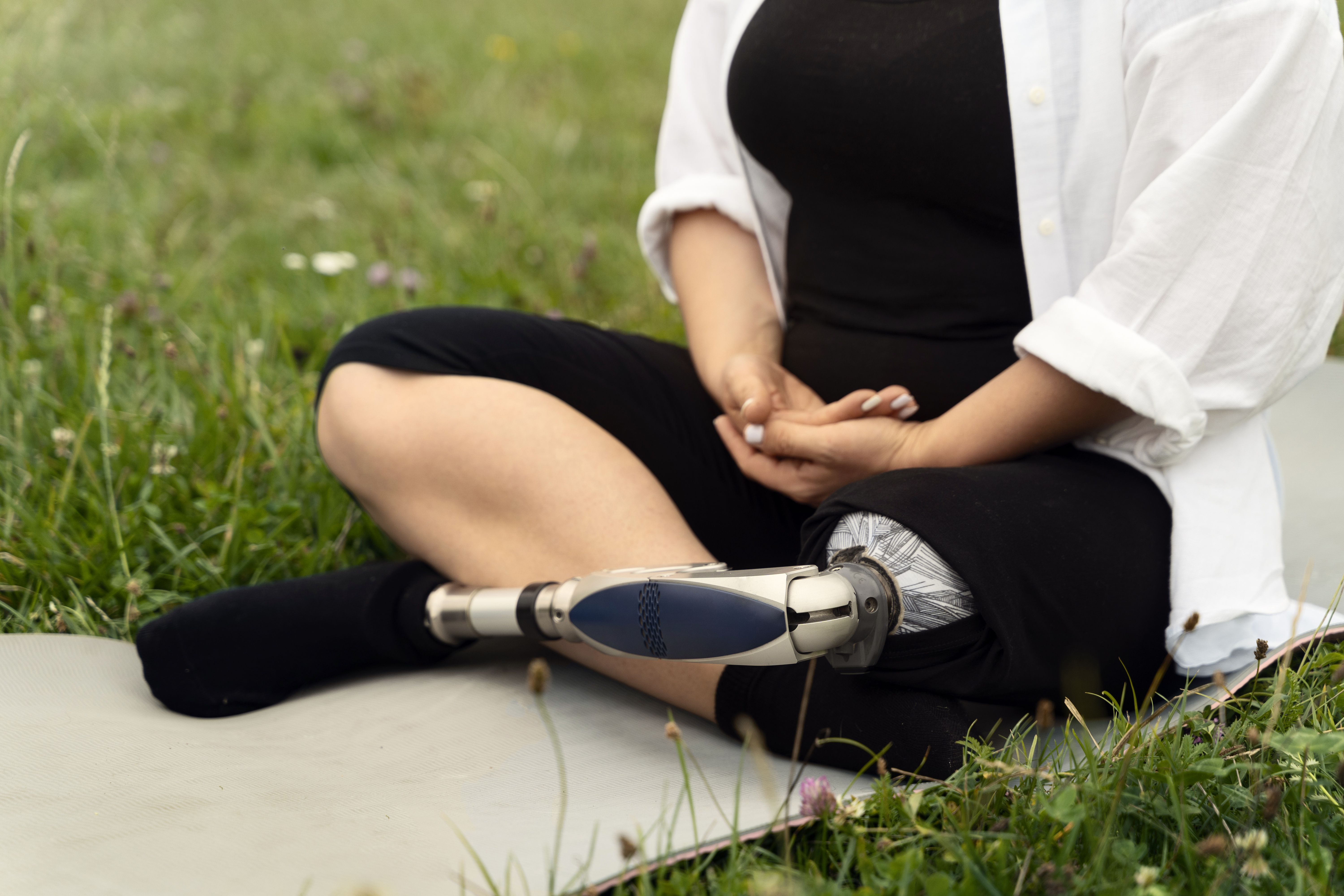
How to Properly Care for a Stump After Amputation? A Practical Guide
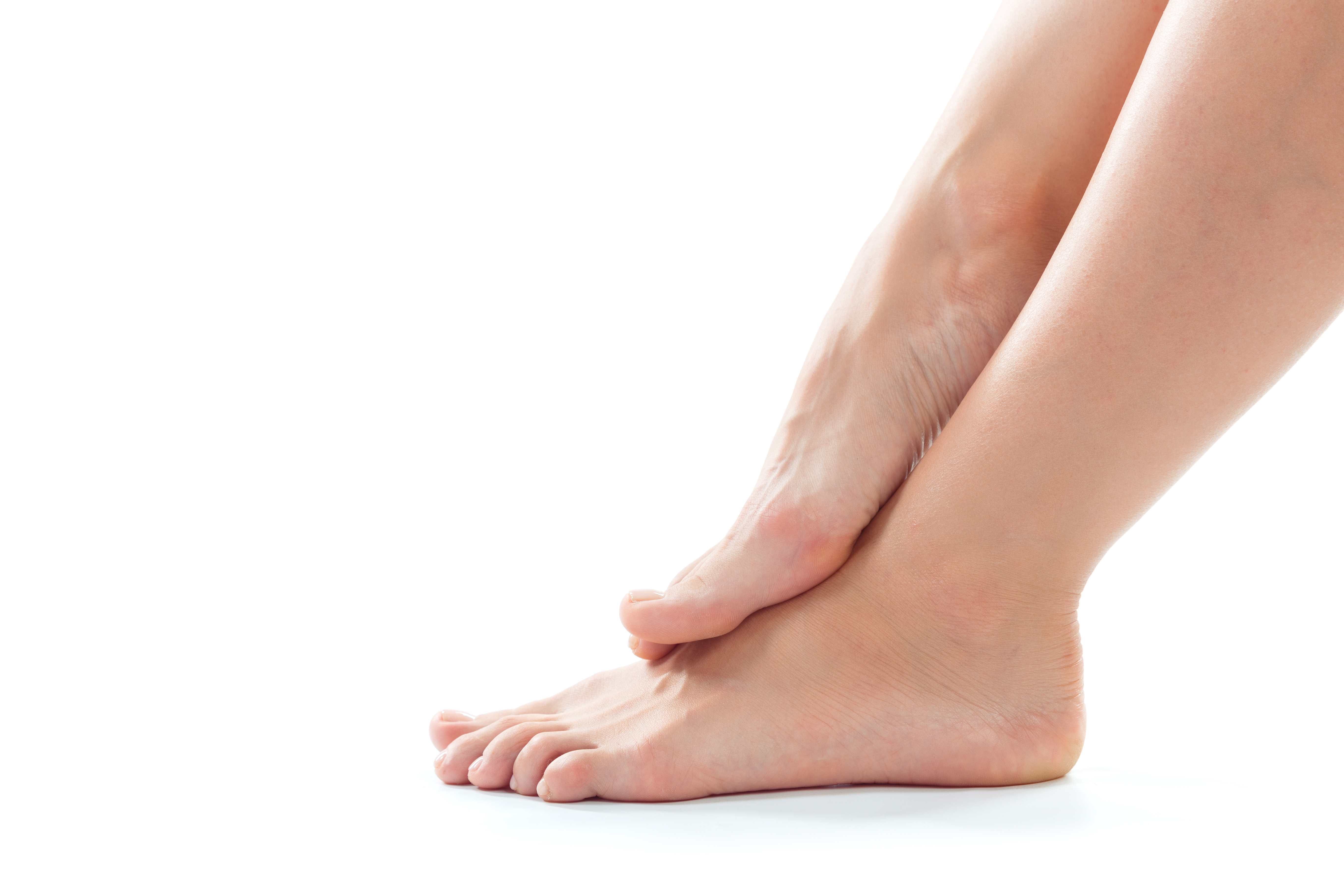
Hollow Foot – Symptoms, Causes, and Treatment Options