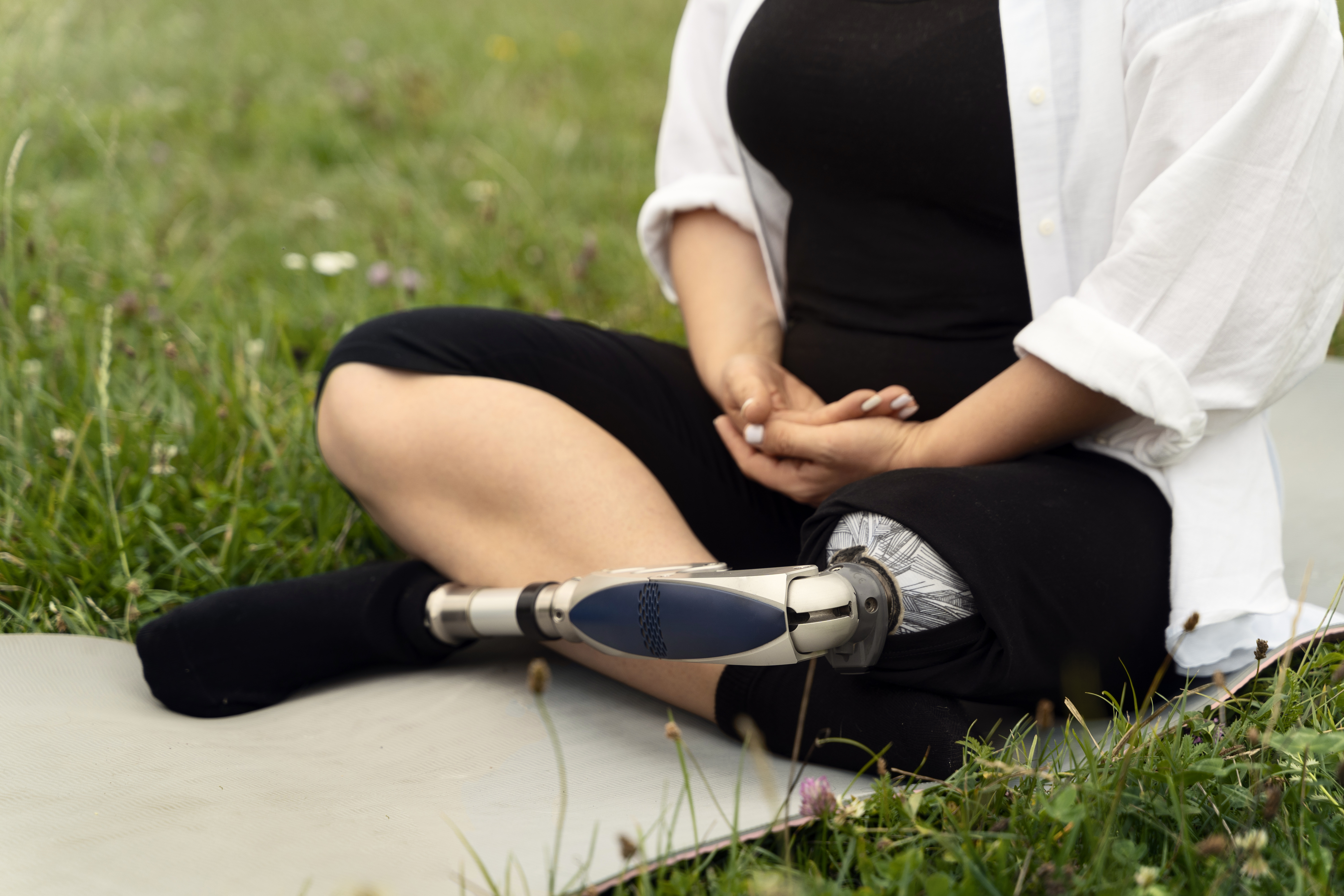
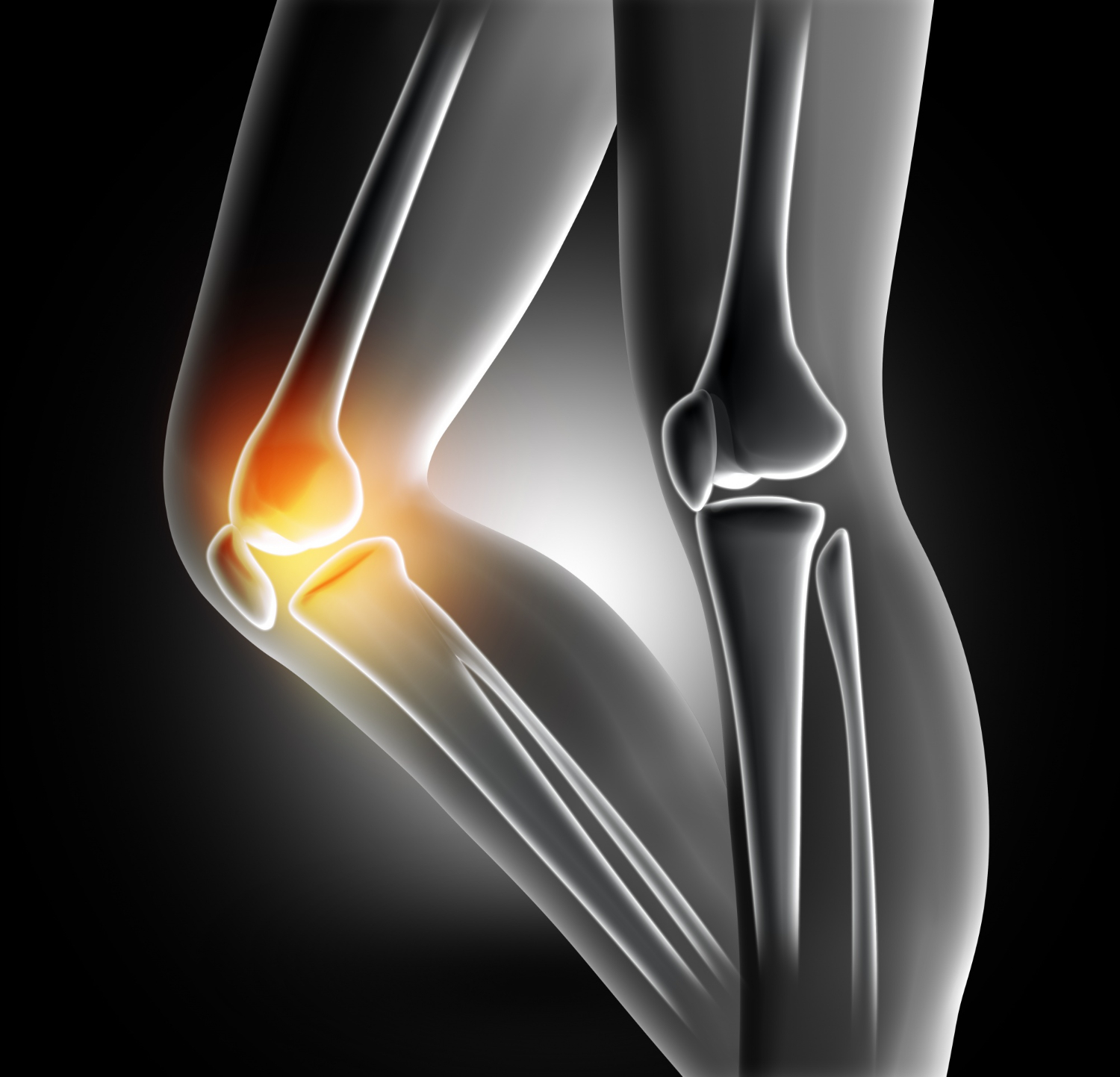
SUPERknee Surgery – What Is It and Who Can Benefit From It?
SUPERknee is a proprietary reconstructive procedure developed by Dr. Dror Paley to treat severe deformities and instability of the knee joint. It is primarily used in patients with congenital lower limb defects, including congenital femoral deficiency (CFD), but it can also be used for certain acquired deformities. The goal of the procedure is to restore a knee that is as stable and functional as possible, capable of properly supporting the body and facilitating walking.
At the Paley European Institute, SUPER procedures are part of a comprehensive treatment plan for congenital limb defects. The extent of reconstruction always depends on the patient’s individual anatomy. For some children, knee stabilization is also an important step in preparing the limb for subsequent lengthening.
What is the SUPERknee procedure?
SUPERknee, which stands for Systematic Utilitarian Procedure for Extremity Reconstruction of the Knee, is a comprehensive knee reconstruction procedure. It was developed by Dr. Dror Paley as a method for simultaneously addressing several problems affecting the knee. It is therefore not a single, always identical surgery—its scope may vary from patient to patient.
When planning the procedure, the following factors are analyzed, among others: knee stability, the presence and function of the ligaments, patellar alignment, range of motion, and any flexion contracture. If the deformity is part of a more complex limb defect, the hip, limb axis, limb length, and other joints are also evaluated. The goal is to reconstruct the functional alignment of the entire limb, not merely to correct a single component.
The name SUPER is derived from the English term "Systematic Utilitarian Procedure for Extremity Reconstruction." The SUPERhip, SUPERknee, and SUPERankle procedures are used for hip, knee, and ankle reconstruction, respectively.
Who can benefit from SUPERknee?
SUPERknee is primarily intended for patients with severe knee joint deformities, particularly those associated with congenital limb malformations. One of the key indications is congenital femoral deficiency (CFD), or congenital underdevelopment of the femur. In this group of patients, abnormalities may affect the hip, femur, and knee simultaneously.
Other factors to consider when deciding whether to undergo the procedure may include:
- significant instability of the knee joint due to the absence or insufficiency of ligaments,
- axial deformities of the knee, including valgus or varus,
- abnormal alignment of the patella,
- a flexion contracture that limits the ability to straighten the knee,
- developmental disorders affecting the limbs,
- selected extensive post-traumatic deformities,
- the need to stabilize the knee prior to planned limb lengthening.
However, this does not mean that the mere presence of one of the listed problems automatically necessitates a SUPERknee procedure. Qualification always requires an individualized anatomical and functional assessment, as well as treatment planning that takes the entire limb into account.
What types of problems might knee reconstruction address?
In severe congenital defects, the knee may be unstable due to underdevelopment or absence of ligaments. Another problem may be an abnormal position of the patella or limited extension. If several such abnormalities occur simultaneously, treating only one of them may not ensure proper limb function.
Therefore, the procedure may combine several different techniques. Official materials from the Paley Institute identify three main goals of the SUPERknee procedure: reconstruction of the missing ACL and PCL ligaments, correction of patellar alignment, and treatment of knee flexion contracture. Not all of these components are performed on every patient.
In cases of congenital femoral hypoplasia, knee reconstruction may also be one of the steps involved in preparing the limb for lengthening. A stable knee is therefore essential for the safety of subsequent stages of treatment.
What is the SUPERknee procedure?
The scope of the surgery is always tailored to the specific patient’s condition. Depending on the patient’s needs, reconstruction may involve ligaments, the patella, soft tissues, and limb alignment. The Paley European Institute highlights, among other things, the possibility of cruciate ligament reconstruction, femoral or tibial osteotomy, stabilization, and soft tissue repair.
One of the key components of the procedure may be cruciate ligament reconstruction. The technique described by the Paley Institute uses the vastus lateralis fascia to create structures designed to restore the function of the ACL and PCL. The individual components of the reconstruction are then properly positioned and stabilized to achieve the best possible knee stability.
Depending on the patient’s anatomy, it may also be necessary to correct the limb’s alignment. Osteotomies allow for the repositioning of bones in a way that improves the load-bearing mechanics of the knee. In more complex cases, the scope of the procedure may also include stabilization using an external fixator.
Ligament Reconstruction and Knee Stabilization
Knee instability may be of particular concern in children with congenital limb defects. The absence or significant insufficiency of ligaments can cause abnormal displacement of joint structures and hinder proper use of the joint during walking.
ACL and PCL reconstruction aims to restore joint stability, but the extent of the procedure does not have to be the same for every patient. If a specific deformity does not require reconstruction of one of these ligaments, the procedure may be limited to the other components necessary to achieve a functional knee.
In certain cases, ligament reconstruction may be combined with additional stabilization procedures. This approach allows treatment to be tailored to the actual cause of instability, rather than applying a single treatment plan to all patients.
Correction of Patellar Misalignment and Flexion Contracture
Knee problems are not always caused solely by ligament instability. Some patients have an abnormal patellar alignment that affects the mechanics of the entire joint. Congenital patellar dislocation may co-occur with, among other things, tibial rotation and knee flexion contracture.
In such cases, SUPERknee may also involve reduction and stabilization of the patella. If the patient is unable to achieve full extension, it may be necessary to release contracted tissues located at the back of the knee. The technique described involves, among other things, posterior capsulotomy, which is the release of the posterior portion of the joint capsule.
This illustrates why SUPERknee should be treated as a personalized procedure. For one patient, the main problem may be a lack of ligaments; for another, instability associated with a deformity; and for yet another, limited extension or an abnormal patella position.
SUPERknee and Limb Lengthening
Congenital lower limb defects are often associated not only with joint deformities but also with limb length discrepancy. In cases of CFD, the treatment plan may include hip and knee reconstruction, followed by gradual femur lengthening.
Knee stability is one of the prerequisites for safely planning limb lengthening. If the joint is unstable, increasing the length of the limb may place additional stress on structures that are not functioning properly. For this reason, knee reconstruction may be performed earlier as a preparatory surgery.
However, not every patient who undergoes SUPERknee surgery will require limb lengthening. Limb lengthening is a separate stage of treatment and depends, among other factors, on the anticipated difference in limb length, reconstructive options, and limb function.
Diagnosis and Treatment Planning
In cases of complex limb defects, an evaluation of the knee alone is not sufficient. At the Paley European Institute, the diagnosis of congenital deformities includes a clinical examination and appropriately selected imaging studies, such as X-rays, magnetic resonance imaging, and ultrasound. It is also important to classify the defect according to the appropriate system, which helps plan the next steps in treatment.
During the qualification process, the following are analyzed, among other things:
- knee joint stability,
- the presence and function of ligaments,
- patella alignment,
- range of motion and the ability to achieve full extension,
- mechanical axis of the limb,
- limb length and the expected difference in length,
- concurrent deformities of the hip, foot, or ankle.
This approach makes it possible to determine whether the patient needs the full scope of the procedure or only certain parts of it. The treatment plan should include not only the surgery itself, but also subsequent stages of care, including rehabilitation and, if necessary, limb lengthening.
Knee Reconstruction as Part of Comprehensive Care
SUPERknee can be part of a broader reconstruction plan. In children with congenital femoral hypoplasia, it may be performed in combination with SUPERhip, while for other limb defects, the plan may also include ankle joint reconstruction, axial correction, or limb lengthening.
At the Paley European Institute, treatment for congenital limb defects is planned on a long-term basis. It includes diagnosis, preparatory surgeries, limb lengthening if necessary, as well as rehabilitation and follow-up visits during the growth period. The goal is to preserve or achieve the best possible limb function, rather than merely correcting its appearance.
For patients requiring orthopedic surgery, the treatment plan may be determined in stages, taking into account the current anatomy and planned subsequent procedures. The experience of the team handling complex limb reconstructions is particularly important in this context.
What happens after SUPERknee surgery?
Recovery depends on the extent of the reconstruction. According to official information from the Paley European Institute, the process of protecting the limb after surgery can last approximately 6–12 weeks, and rehabilitation begins as early as the first few days after surgery. Regular orthopedic checkups and X-rays are also necessary.
If ligament reconstruction, contracture correction, or additional bone procedures were performed during surgery, the restrictions on weight-bearing and movement may vary. In some cases, the knee requires temporary stabilization to maintain the correction achieved and create conditions conducive to healing.
Rehabilitation is an important part of the entire process. Its scope should be tailored to the type of surgery and the patient’s current condition. If SUPERknee is a preparatory stage for limb lengthening, physical therapy also becomes part of the preparation for the subsequent stages of treatment.
SUPERknee Surgery – Key Information
SUPERknee is a complex knee reconstruction procedure, the scope of which is tailored to each patient’s anatomy and needs. It may include reconstruction of the ACL and PCL ligaments, correction of patellar alignment, treatment of flexion contracture, correction of limb alignment, and other procedures necessary to achieve a stable and functional knee.
This procedure is particularly important in the treatment of certain congenital limb defects, including CFD, but it may also be considered for certain severe acquired deformities. In appropriately selected children, knee stabilization may also be an important step in preparing for subsequent limb lengthening.
At the Paley European Institute, treatment plans are tailored to each patient and may include several stages—from diagnosis and joint reconstruction, through limb lengthening, to rehabilitation and long-term monitoring of the limb’s growth.
If a patient requires specialized knee joint reconstruction, the decision regarding the scope of the procedure should be preceded by a thorough evaluation of the entire limb. This makes it possible to plan treatment not only with regard to a single deformity, but also with regard to the limb’s future function.
FAQ
Who is a candidate for SUPERknee surgery?
SUPERknee is primarily intended for patients with severe knee deformities and instability, particularly those resulting from congenital limb defects, such as congenital femoral hypoplasia (CFD). It may also be considered for certain acquired deformities. Eligibility is determined by an individual orthopedic evaluation.
What does the SUPERknee procedure involve?
The scope of the procedure depends on the type and severity of the deformity. It may include reconstruction of the anterior cruciate ligament (ACL) and posterior cruciate ligament (PCL), correction of patellar alignment, release of flexion contracture, osteotomy of the femur or tibia, and additional procedures to stabilize the knee.
Is SUPERknee surgery necessary before limb lengthening?
Not every patient. However, if a congenital limb deformity is accompanied by significant knee instability, knee reconstruction may be an important step in preparing for limb lengthening. A stable joint facilitates the safe planning of subsequent stages of treatment.
How long does recovery take after SUPERknee surgery?
The recovery process for the operated limb typically lasts about 6–12 weeks, although the exact duration depends on the extent of the reconstruction and the individual healing process. Rehabilitation begins in the first few days after surgery and is tailored to the patient’s needs. Regular orthopedic follow-up visits are also an important part of the recovery process.
See other entries
SUPERankle Surgery – What Is It and Who Can Benefit From It?
SUPERknee Surgery – What Is It and Who Can Benefit From It?