Psychology in orthopedics, or preparing for the unknown - press review
While waiting for treatment, both children and adults experience many emotions. Prominent among them is the fear of the unknown, which is the treatment itself, but also the new reality that life without the disease will be. Anna Wegrzyn, founder of the Center for Life Change, which cooperates with the Paley European Institute, talks about the importance of psychological support to survive this difficult process and to be able to fully enjoy recovery.
See other entries
October 15, 2026
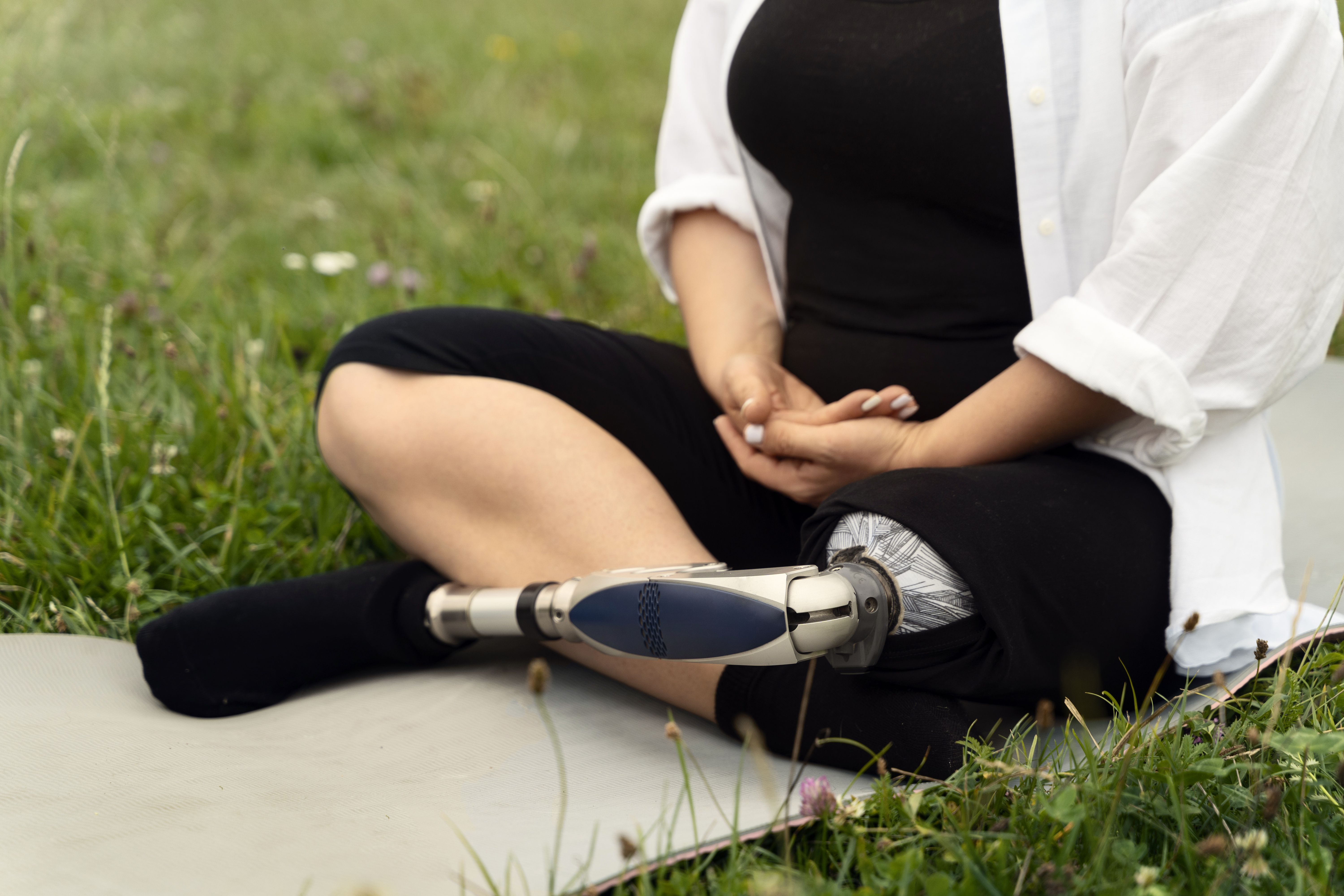
How to Properly Care for a Stump After Amputation? A Practical Guide
Stump care following amputation is an important part of regaining mobility, preparing for prosthetic fitting, and preventing skin and functional complications. Proper hygiene, daily skin monitoring, edema management, correct limb positioning, and rehabilitation help create the conditions for proper healing and continued improvement. However, the course of treatment depends on the level of amputation, the reason for the procedure, the condition of the wound, and the treatment method used. […]
October 10, 2026
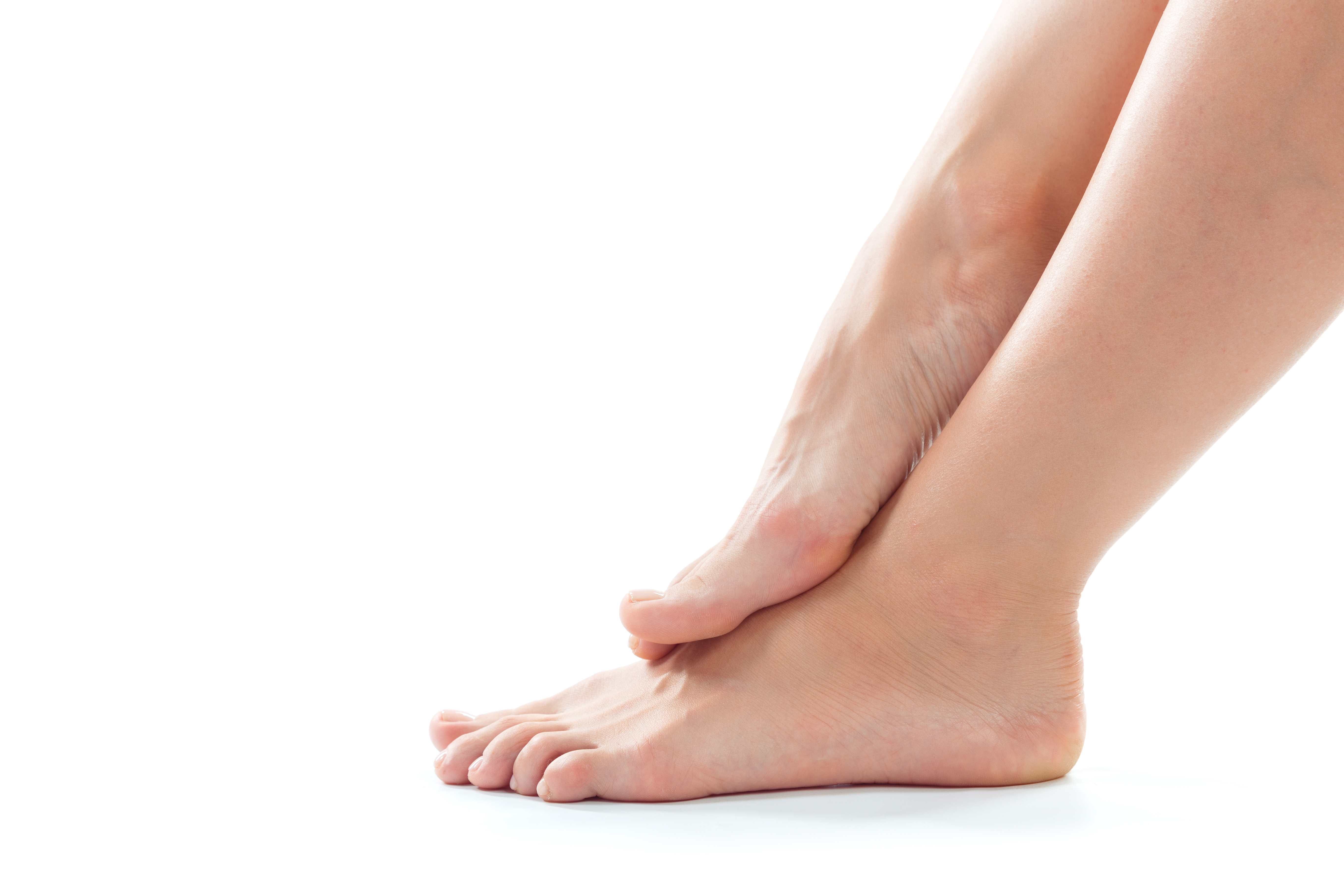
Hollow Foot – Symptoms, Causes, and Treatment Options
A high arch (pes cavus) is a deformity in which the longitudinal arch of the foot is excessively arched. The mere presence of a high arch does not always indicate a medical condition—for some people, it is simply a variation in foot structure that causes no symptoms. The problem arises when the increased arch is associated with abnormal weight distribution, pain, ankle instability, toe deformity, or […]

October 1, 2026
Aplasia—What Is It, and What Are Its Causes?
Aplasia is a developmental disorder in which a specific tissue, structure, or organ does not develop properly or does not reach full maturity. In orthopedics, this term may refer, among other things, to the underdevelopment or absence of a portion of a bone, a limb, a segment of a limb, or specific structures of the musculoskeletal system. The extent of the abnormalities varies widely—from minor underdevelopment of a single […]