Lower limb lengthening methods: A comparison of techniques and procedures
Lower limb lengthening - when is it needed?
Lower limb lengthening is a procedure that can be used in a variety of situations, both medically and aesthetically. Medically, it is often necessary for people suffering from limb asymmetry, a situation in which one leg (or arm) is significantly shorter than the other. Such asymmetry can result from a variety of causes, including congenital defects, trauma, infection or diseases such as hip dysplasia. Left untreated, it can lead to serious postural problems, back pain and even permanent impairment.
In the aesthetic context, on the other hand, cosmetic limb lengthening is increasingly chosen by people who are dissatisfied with the length of their legs for various reasons. In such cases, although there is no medical necessity for surgery, the procedure can significantly improve patients' mood and self-confidence.
It is worth noting that the decision to perform lower limb bone lengthening surgery should be taken very carefully. For medical procedures, it is often a last resort when other treatments have failed or are not possible. In aesthetic cases, on the other hand, it is important for the patient to be fully aware of all aspects of the procedure, including the long recovery period and potential risks and complications.
Ancient limb lengthening technique
The limb lengthening methods used in the past, although less advanced than current techniques, formed the foundation on which modern procedures were based. Their development was driven by the need to treat complex cases of limb deformity and asymmetry, as well as congenital and acquired underdevelopment of the lower extremities. Among the most popular methods of limb lengthening is the Ilizarov method, which has been performed in Poland and other countries around the world. What does it consist of? Limb lengthening using the Ilizarov method was developed in the 1950s by Soviet physician Gavriil Ilizarov. The technique uses an external apparatus to gradually stretch the bones. After an osteotomy (a bone incision) is made, the Ilizarov apparatus, consisting of rings and rods, is mounted directly to the bone. By gently and gradually tightening the rods, the bone is stretched, which stimulates the natural process of bone growth at the osteotomy site.
Modern method of lower limb lengthening
Nowadays, the most common method for limb lengthening is the modern method using a telescopic internal nail, a breakthrough in orthopedics. This advanced technique makes it possible to increase the length of lower limbs, taking advantage of the human body's ability to regenerate.
The process of limb lengthening using the PRECiCE method begins with a delicate incision of several millimeters in the skin. Through this incision, the surgeon inserts a special intramedullary nail, which is equipped with a telescoping mechanism powered by a small motor controlled by a magnetic field, which is activated by an external controller (ERC). The process of lengthening the bone is accomplished by precisely extending the nail under the influence of a controller placed outside the leg.
The advantage of the PRECiCE method is its effectiveness combined with low pain levels. As a result, patients can continue most of their daily activities while already undergoing treatment. In addition, the system is FDA-approved, which guarantees its safety and effectiveness.
The method of lengthening with magnetic nails allows the limb lengthening plan to be customized according to the patient's needs and capabilities. Various lengthening schemes are offered at the Paley European Institute: from bilateral femoral lengthening of up to 8 cm, to tibial lengthening of up to 5 cm, to complex procedures of combined tibial and femoral lengthening, up to 16 cm combined. Each plan is carefully crafted to ensure optimal results while maintaining patient health and comfort.
Summary
Lower limb lengthening methods have undergone tremendous evolution in recent years, reflecting advances in medicine and technology. Today, innovative procedures are available that are safer and more effective than ever before. This opens the door to the use of these procedures for both those seeking medical solutions and those who want to improve the aesthetics of their limbs.
Want to learn more about leg lengthening surgery? Get in touch with us! At Paley Institute, we offer comprehensive care and state-of-the-art technology in orthopedics. Our team of experienced specialists is ready to answer your questions, discuss your needs and tailor a treatment plan to your individual requirements. We also invite you to visit our Limb Lengthening page
See other entries
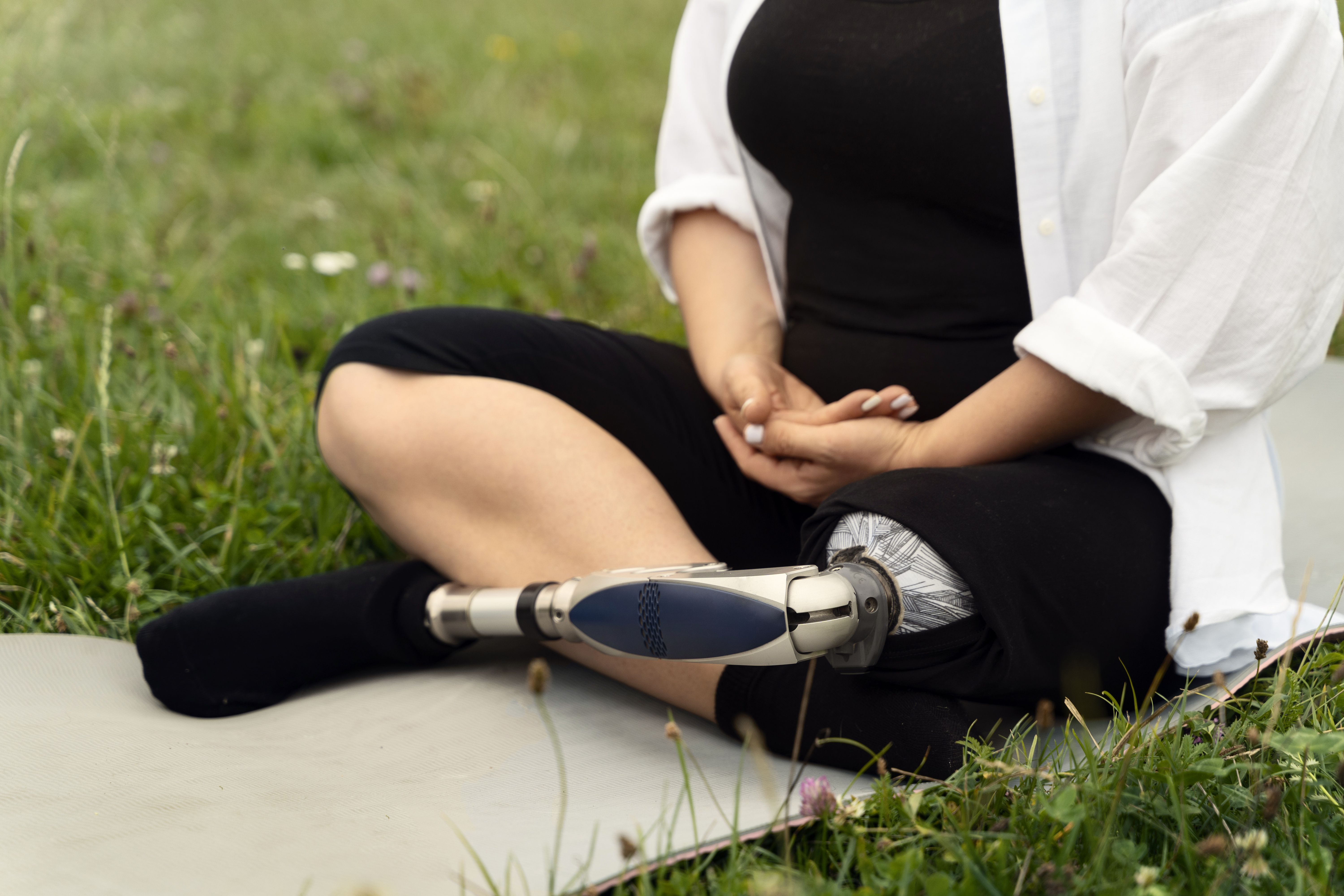
How to Properly Care for a Stump After Amputation? A Practical Guide
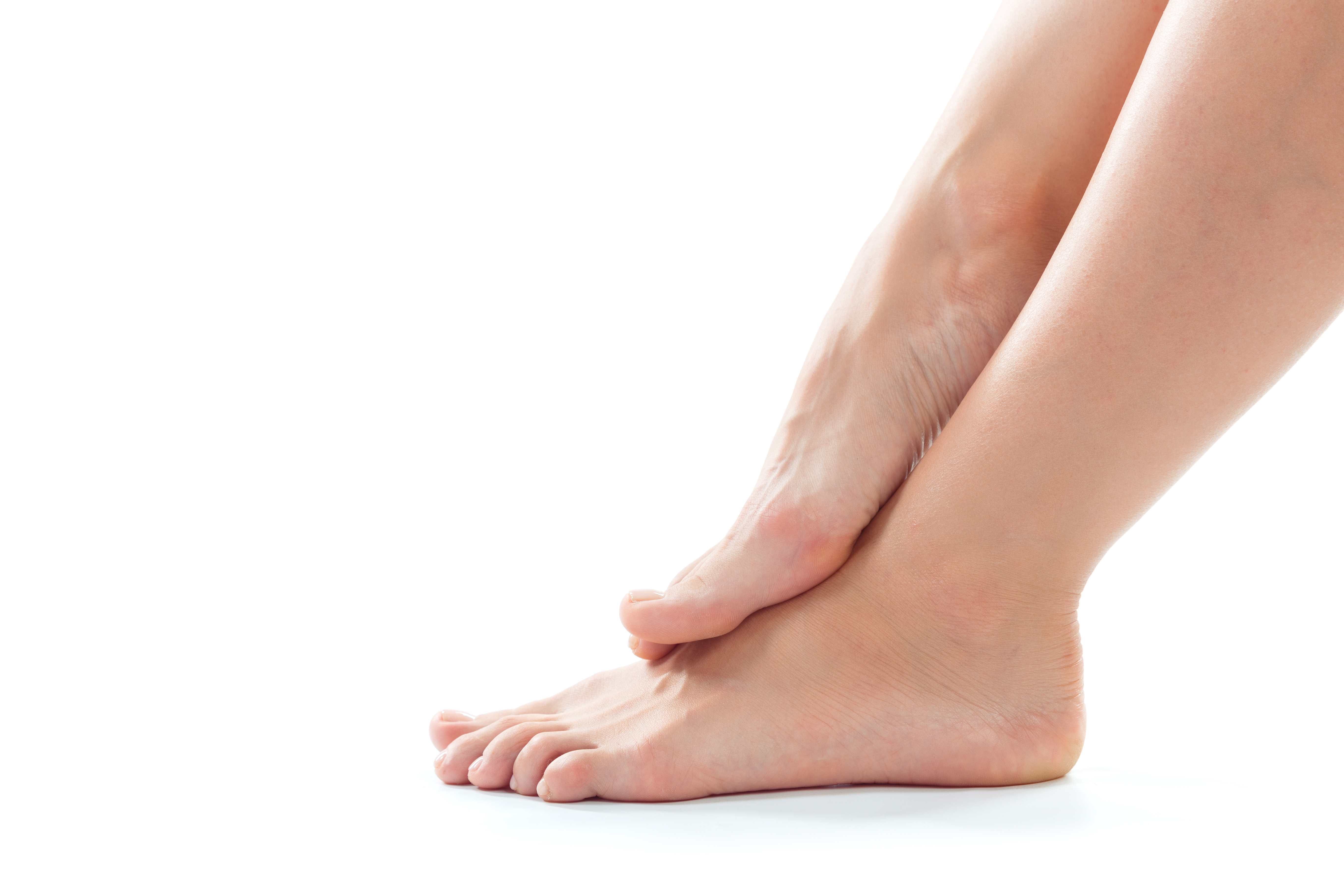
Hollow Foot – Symptoms, Causes, and Treatment Options