Stay up to date
Watch us
Watch us
Contact

Frank's story at Paley European Institute

When it seemed that amputation was inevitable, Frank's parents made one more attempt to save the limb. They contacted Dr. Paley, who was the first specialist to offer hope that Frank would be able to stand on his own leg and push the nightmare of losing the limb into oblivion.

Methods used in Frank's treatment

To reconstruct defects in his right leg, correct bone deformities, provide joint stability and lengthen muscles, Franek underwent SUPERhip and SUPERknee surgeries. Then, at the Paley European Institute, a team of doctors performed limb lengthening on an external apparatus. Throughout, the boy also remained under the care of PEI physiotherapists.

Frank's treatment results

Franek is still growing, so he will have to undergo more limb lengthening over time. However, he is already independent today - he walks, runs and even rides a scooter, as you can see in the video. We admire the strength and endurance of Frank and his parents. We wish you continued success in your therapy!

See other entries
October 15, 2026
How to Properly Care for a Stump After Amputation? A Practical Guide
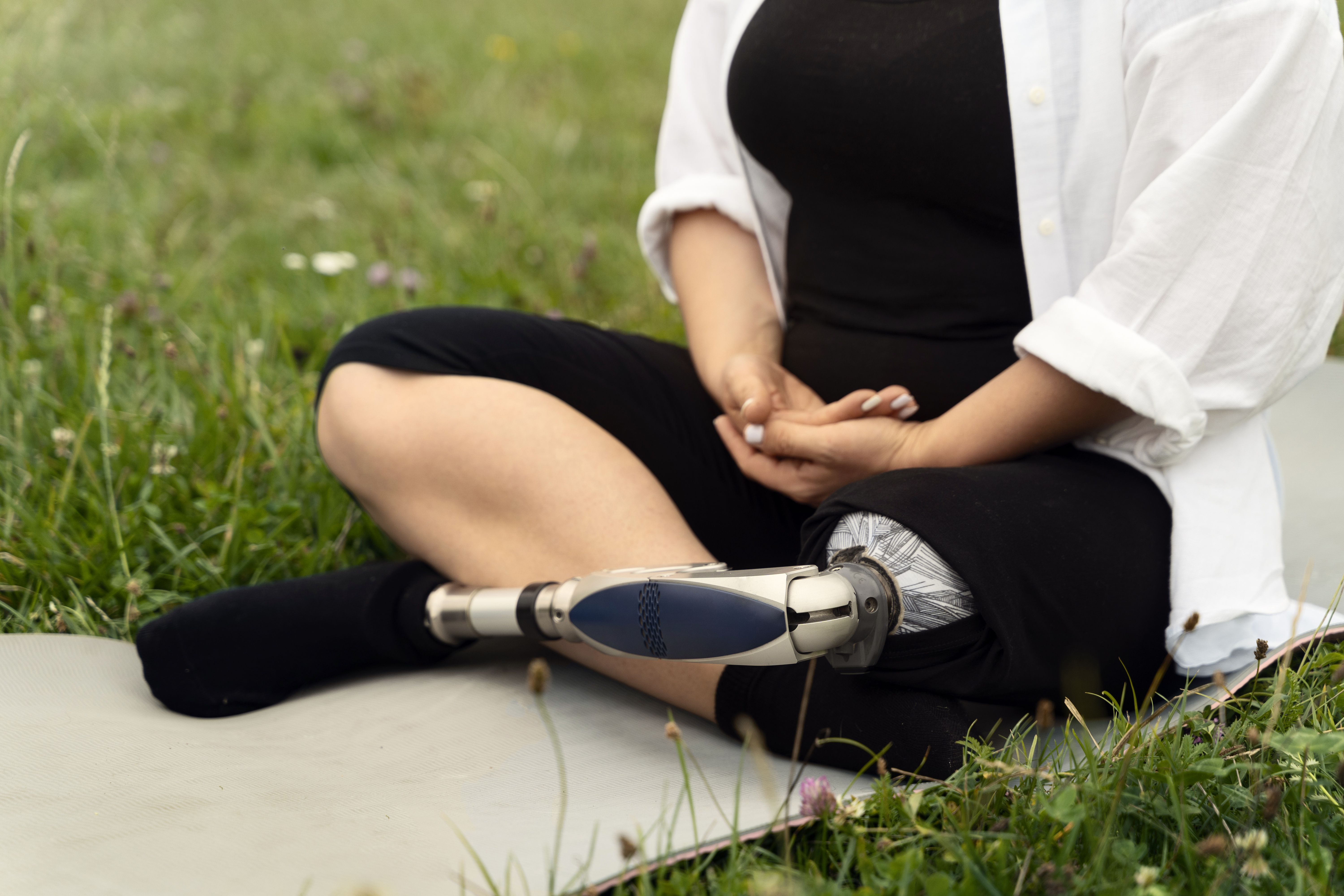
Stump care following amputation is an important part of regaining mobility, preparing for prosthetic fitting, and preventing skin and functional complications. Proper hygiene, daily skin monitoring, edema management, correct limb positioning, and rehabilitation help create the conditions for proper healing and continued improvement. However, the course of treatment depends on the level of amputation, the reason for the procedure, the condition of the wound, and the treatment method used. […]
October 10, 2026
Hollow Foot – Symptoms, Causes, and Treatment Options
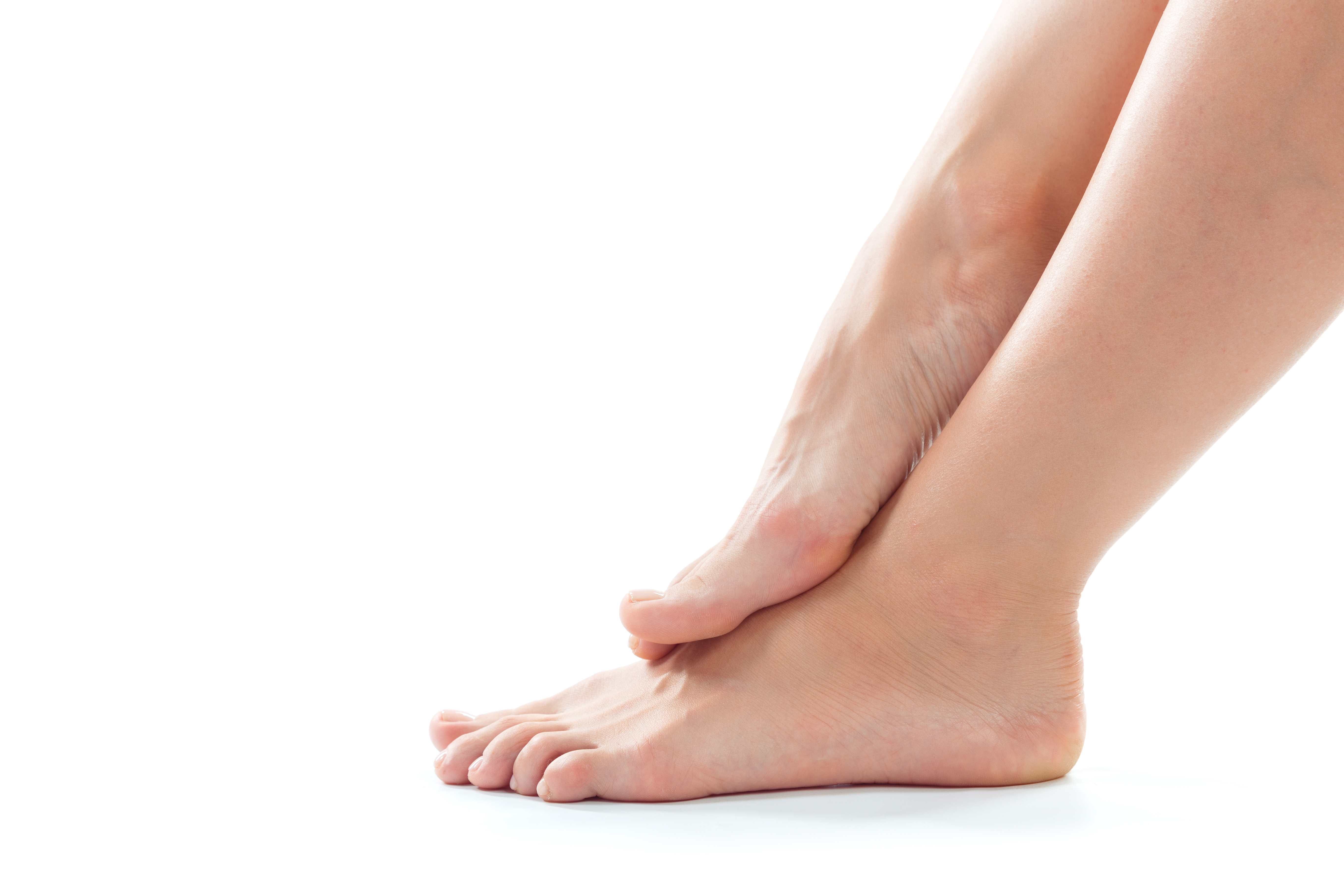
A high arch (pes cavus) is a deformity in which the longitudinal arch of the foot is excessively arched. The mere presence of a high arch does not always indicate a medical condition—for some people, it is simply a variation in foot structure that causes no symptoms. The problem arises when the increased arch is associated with abnormal weight distribution, pain, ankle instability, toe deformity, or […]
October 1, 2026
Aplasia—What Is It, and What Are Its Causes?
Aplasia is a developmental disorder in which a specific tissue, structure, or organ does not develop properly or does not reach full maturity. In orthopedics, this term may refer, among other things, to the underdevelopment or absence of a portion of a bone, a limb, a segment of a limb, or specific structures of the musculoskeletal system. The extent of the abnormalities varies widely—from minor underdevelopment of a single […]