Living with Skeletal Dysplasia: A Comprehensive Approach to Care—From Diagnosis to Adulthood
Skeletal dysplasia isn’t just a single moment in life—it’s a long journey, and each stage requires different kinds of support. What does comprehensive patient care look like, from diagnosis in infancy all the way through to an active adult life?
Dysplasia doesn't end with a diagnosis
For many families, a diagnosis of skeletal dysplasia—whether achondroplasia, pseudoachondroplasia, diastrophic dysplasia, Morquio syndrome, or another condition—is a turning point. Fear, questions, and uncertainty about the child’s future arise. However, with proper treatment, most patients are able to lead active, independent, and fulfilling lives.
The key is to understand that skeletal dysplasia requires long-term care—not a one-time procedure, but a planned, multi-stage treatment pathway involving orthopedics, genetics, rehabilitation, and, in many cases, other medical specialties as well.
Stage One: Early Diagnosis
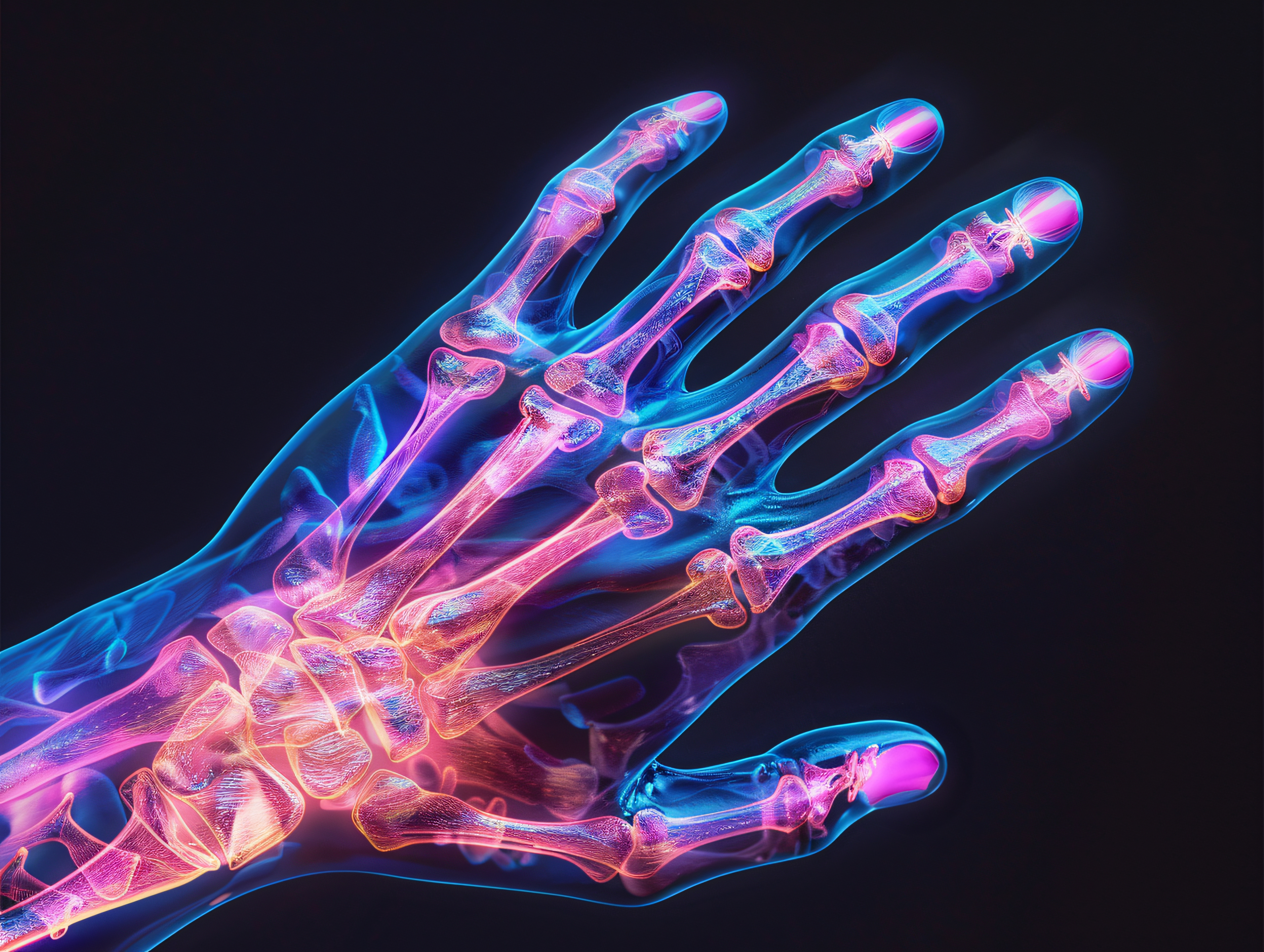
Dysplasia can be diagnosed as early as the prenatal period—ultrasound can reveal shortening of the fetus’s long bones. After birth, diagnosis involves a detailed clinical examination, X-rays of the entire skeleton, and genetic testing, which help confirm the specific type of dysplasia and identify the genetic mutation.
Early and accurate diagnosis is the foundation of effective treatment. It allows us to determine what complications to expect in the future, when to plan the various stages of surgical treatment, and how to tailor care to the specific nature of a given condition. For example, children with diastrophic dysplasia may require correction of clubfoot as early as the first few months of life, whereas in children with pseudoachondroplasia, limb deformities typically become apparent between the ages of one and three.
Stage Two: Growth Phase – Correction Period
Childhood and school age are times when bones are actively growing—and when an orthopedist has the greatest influence on the development of the musculoskeletal system. During this period, two main strategies are used:
Growth control (hemi-epiphysiodesis) – the placement of small plates near the growth plates to correct valgus or varus deformities of the limbs without the need to cut the bone. The procedure is minimally invasive, and the results become apparent within one and a half to two years.
Corrective osteotomies – in cases of severe deformities or when guided growth is no longer possible (after growth has ceased), it is necessary to surgically cut and reposition the bone. This is a more complex procedure that requires a longer rehabilitation period.
In patients with multibone dysplasia, treatment also includes managing early degenerative joint changes—the use of orthotics, pain relievers, and physical therapy to protect the articular cartilage.
Rehabilitation—an integral part of every stage
Physical therapy supports patients with dysplasias throughout their lives—both before and after procedures. Its goal varies depending on age and the stage of treatment: from teaching young children proper walking patterns, to strengthening muscles and improving range of motion after surgery, to preventing back and joint pain in adults.
After surgery, starting physical therapy early is crucial for achieving good results. Manual therapy, strengthening exercises, and functional training help patients quickly regain their mobility and minimize the risk of complications.
Multidisciplinary care—because dysplasia affects more than just the bones
Many skeletal dysplasias are associated with complications that extend beyond the musculoskeletal system. Therefore, comprehensive care requires collaboration among many specialists:
• Stickler syndrome requires regular ophthalmological follow-up (risk of retinal detachment) and audiological follow-up (hearing loss).
• Morquio syndrome—monitoring of the cardiovascular and respiratory systems, and, in select cases, enzyme replacement therapy.
• Achondroplasia – neurological monitoring due to the risk of spinal canal stenosis and cervical spine instability.
• Ellis-van Creveld syndrome – cardiac surgery to treat heart defects, which accompany the disease in over 50% of cases.
This interdisciplinary approach ensures that no complication goes unnoticed—and that every treatment decision takes into account the patient’s complete health picture.
Adulthood—New Challenges, New Opportunities
The end of growth does not mean the end of orthopedic care. Adult patients with skeletal dysplasias face early degenerative changes in the hip and knee joints, back pain, and functional limitations. Depending on the severity of the changes, joint reconstruction surgery may be an option, and in later stages, joint replacement surgery may be necessary.
Thanks to proper treatment during childhood and adolescence, many adult patients with dysplasias lead active professional and social lives. Regular specialist care, physical therapy, and adjustments to physical activity help them maintain a high quality of life for many years.
Psychological Support and Family Education
Psychological support is an equally important component of comprehensive care—for both patients and their families. Raising a child with skeletal dysplasia presents unique challenges: repeated hospitalizations, long-term rehabilitation, and the need to make difficult medical decisions.
Educating families about the disease, its progression, and treatment options is an integral part of care. Informed parents and patients are active participants in the therapeutic process—which leads to better treatment outcomes and a higher quality of life.
See other entries
How to Properly Care for a Stump After Amputation? A Practical Guide
Hollow Foot – Symptoms, Causes, and Treatment Options