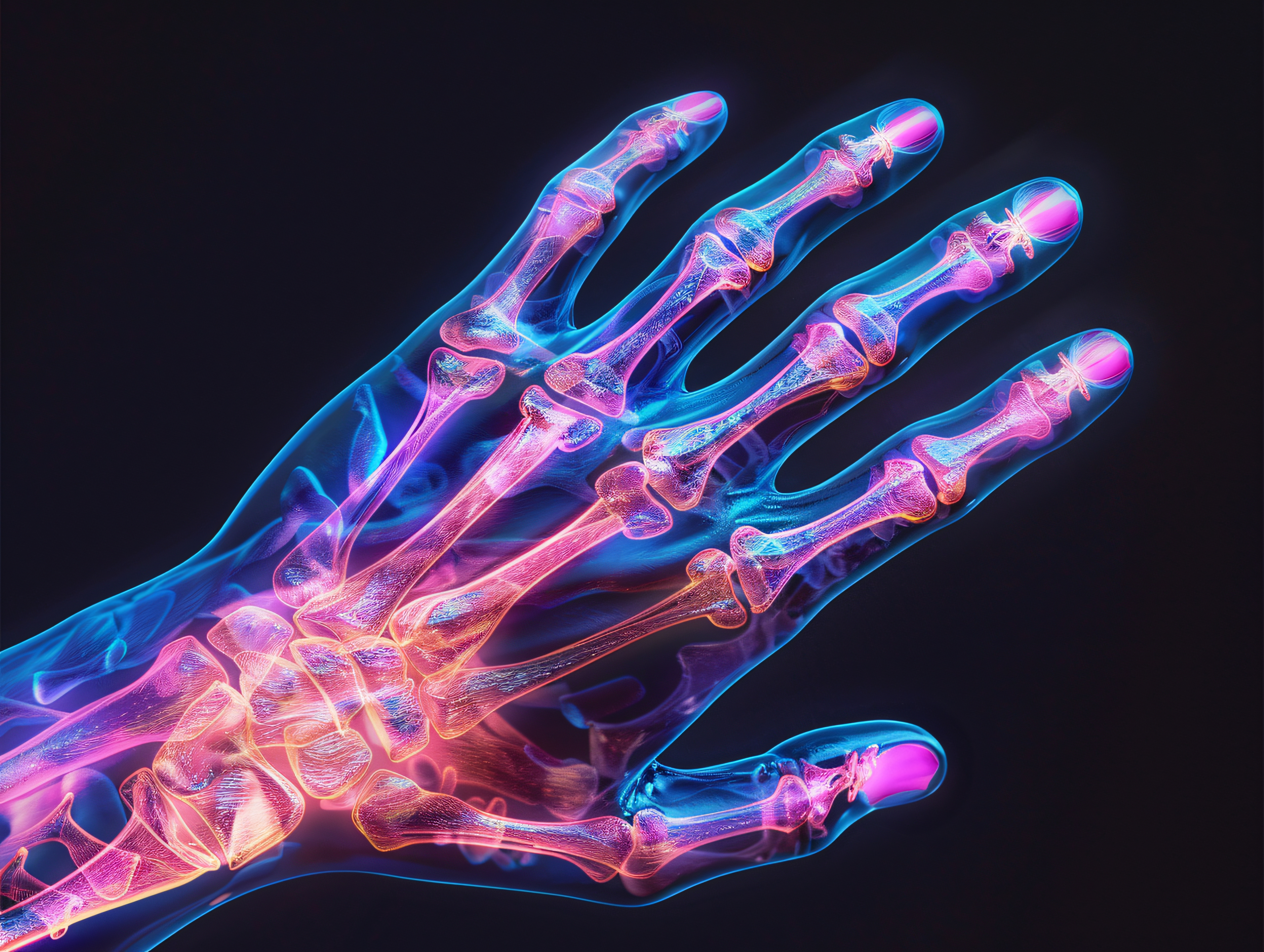
Clubfoot isn't the end of the world
Clubfoot is a congenital defect that is present at birth. It is characterized by a specific foot alignment consisting of four elements: plantar flexion, heel varus, equinus, and forefoot adduction. A foot deformed in this way resembles a golf club in shape, hence the English name for the condition, “clubfoot.”
In Poland, this condition affects about 1 in 1,000 newborns. As Dr. Kąpiński explains, it is crucial to understand that SKS is not a defect of the foot itself, but a connective tissue disorder that affects the development of the entire limb as early as the fetal stage. This perspective explains why effective treatment must involve more than a one-time correction—it requires a consistent, long-term process.
The Gold Standard: The Ponseti Method
For several decades, the gold standard for treating SKS worldwide has been the method developed by Prof. Ignacio Ponseti. Jacek Kapiński passionately recounts the fascinating story of its creator—a Spanish doctor who honed his skills in casting and delicate tissue correction while, among other things, treating gunshot wounds during the Spanish Civil War. Interestingly, his revolutionary, minimally invasive method was long ignored by the medical community, which preferred surgical solutions. Today, it is known that it is precisely Ponseti’s approach that allows the vast majority of patients to avoid major surgery.
Three stages of treatment
Cast treatment. Treatment should ideally begin between the 3rd and 6th week of the child’s life, when the child weighs at least 4 kg. A series of full-length casts extending above the knee is applied, with the casts changed weekly. Typically, 4 to 6 casts are needed to gradually and gently correct the alignment of the foot.
Tenotomy. In most children, a minor tenotomy—that is, a complete severing of the Achilles tendon—is necessary to achieve full correction. The procedure is performed under local anesthesia. Dr. Kąpiński reassures concerned parents: in infants, the tendon heals extremely quickly, and the procedure itself is simple and safe.
Retainer. This is the stage that determines the long-term success of the treatment and is also the most challenging for the family. The child wears the retainer until the age of 4 or 5. For the first three months, it must be worn 23 hours a day, and in subsequent years, it must be worn during every sleep period, both day and night.
It's the parents who determine success
One of the most important points Dr. Kąpiński conveys to parents is this: the success of treatment depends 80% on their own consistency in using the splint, and only 20% on the doctor’s work. It is compliance—that is, faithful, systematic adherence to the recommendations—that determines whether the correction achieved through casting and tenotomy will last for years.
That is why so much emphasis is placed on educating parents—for example, by recording instructions on how to properly apply a splint—so they can review them at home. Just as important as medical knowledge is emotional support and building relationships with the family, in order to transform the anxiety that accompanies the diagnosis into calm determination.
Facts and Myths
This condition does not cause pain in newborns, and treatment with casts is not a punishment for the child—it is a calm, well-tolerated process.
A foot treated for SKS usually remains slightly smaller, and the calf slightly thinner than on the other side; however, this does not affect full functionality and does not even preclude a future athletic career.
The Ponseti method allows for the avoidance of extensive orthopedic surgeries in the vast majority of cases.
The conversation with Dr. Kapiński is, above all, a message of hope based on facts: clubfoot, when properly diagnosed and treated using the Ponseti method, does not limit a child’s future. It requires patience, parental commitment, and trust in the process, but the result is a healthy, fully functional foot and a child who can run, jump, and play sports without limitations.
See other entries
How to Properly Care for a Stump After Amputation? A Practical Guide
Hollow Foot – Symptoms, Causes, and Treatment Options