Palejny ABCs - ANGRY
Over the years, we learn how to react and what to do when anger arises. Depending on what kind of environment and people we grew up among, we can handle anger better or worse. Sometimes this emotion becomes so difficult to deal with that we do a lot just to keep it out of our lives.
Perhaps as children we were punished in situations where we showed our anger, and now we are unable to get our way at times when it appears. This is because children initially have an easy time expressing and showing their anger. It is immediately apparent from their facial expressions, their faces and their whole body that they feel this emotion. It is also normal for them to not yet be able to handle their anger, and from our adult perspective it may look as if they are feeling it too intensely.
However, the human brain continues to develop until about age 20-25, so a toddler still has many years ahead of him to train his reactions and deal with his emotions.
Anger does not appear without a cause. If we take a closer look at it, we discover that underneath it are unmet needs and even other emotions and states, such as sadness, shame, loneliness or overload. When intense anger occurs, both with children and adults, communication becomes difficult. At this time, rational arguments do not work, and may even intensify difficult emotions. So let's then take care of the physical safety of ourselves, the child and others around us, but leave the conversation for later - when the child is calm.
It happens that in anger we say things that we later regret. What's more - we don't think so at all, however, under the influence of emotion we wanted to make someone feel sorry. It is the same with children. Therefore, when a child shouts unpleasant words in anger, says that we are the worst parents in the world and doesn't love us anymore, let's not take it personally. Separating the child's feelings from his words or behavior will help us ourselves to maintain the much-needed calm. Let's remember that all emotions are okay, even if some behaviors are unacceptable (and it's the latter and their modification that are worth working on later).
Staying calm when chaos is all around is not at all an easy task. This is because it is often the case that we take over the emotions of other people, especially those close to us. We tend to react too quickly and take control, instead of stopping for a moment and thinking about what actually happened here and what I can do not to escalate the situation. In such moments, it can be helpful to become aware of the feelings that arise in our bodies under the influence of the situation and the thoughts that are swirling around in our heads. Paying attention to these things will increase the chance of maintaining distance and calm.
The good news is that since emotions are "contagious," this works not only with unpleasant emotions, but also with pleasant ones. Our reaction to a child's anger is a valuable lesson for the child on how to deal with unpleasant emotions. If we create space for expressing emotions, accept them, and at the same time point out helpful strategies - we let the child know that emotions are not something threatening, but a natural thing that comes and passes. In this way, we teach them how they can express anger safely, which gives them a sense of power and strength that will come in handy many times later in life (if only in their teenage years, when they often need to say no to take care of themselves). However, if we too get carried away by anger, it is worth talking about the situation with the child afterwards. Let's not be afraid to apologize for our behavior. In this way, the child learns that it is okay to make mistakes, but then apologize for them and make things right.
It happens that under the influence of excessive and prolonged fatigue, lack of opportunity for rest, excess tasks and challenges in daily life, we will increasingly go out of balance towards outbursts of anger. And as much as the emotion itself is perfectly fine, if it comes to a situation where we are increasingly hurting ourselves or the child, it is worth seeking help. Perhaps psychological support will prove useful. Sometimes, however, in the case of overtiredness, outside help to relieve us of some of our responsibilities is invaluable. If possible - use help and support as often as possible. Everyday life can be so difficult that sometimes carrying it on your shoulders alone is too difficult.
See other entries
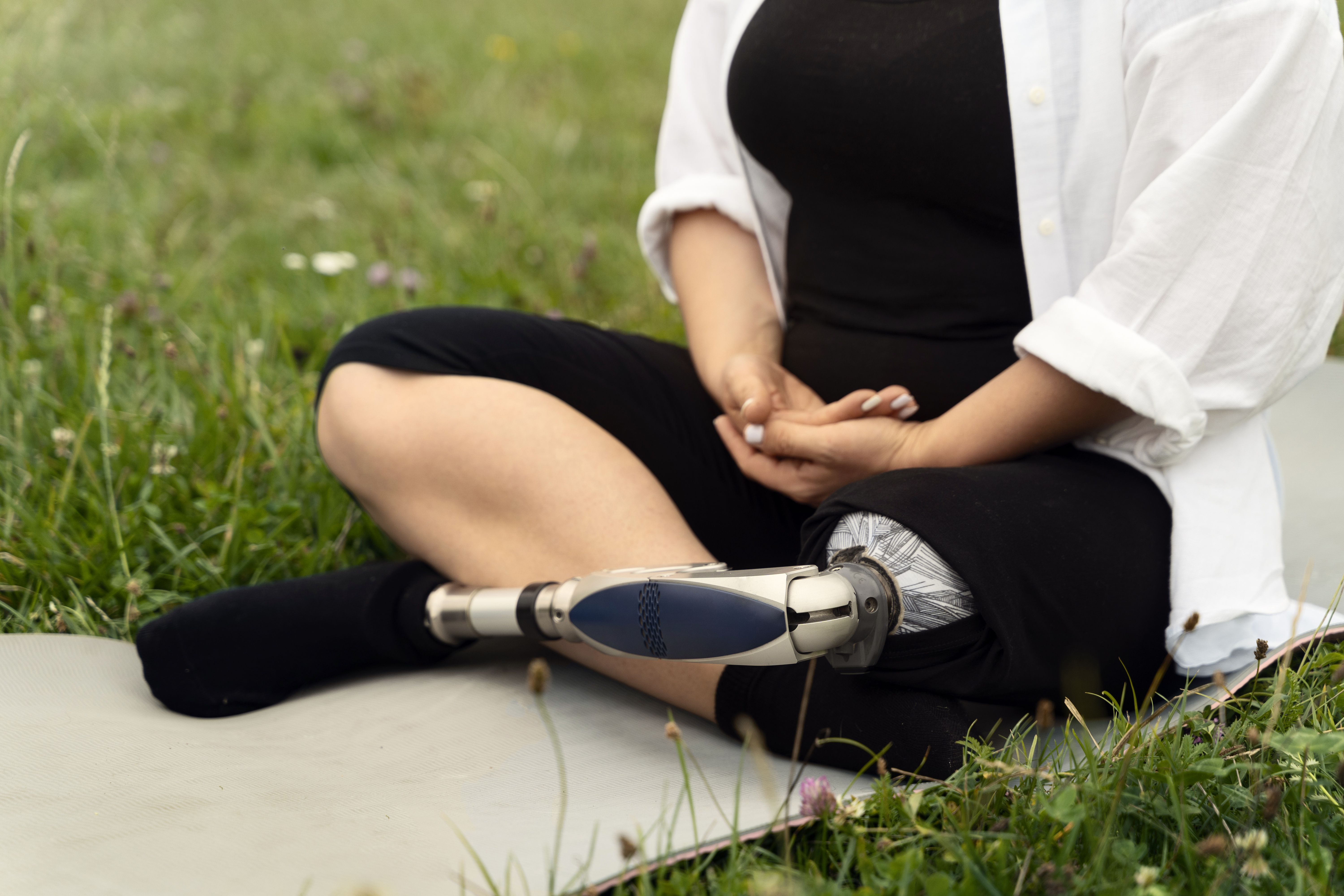
How to Properly Care for a Stump After Amputation? A Practical Guide

Hollow Foot – Symptoms, Causes, and Treatment Options