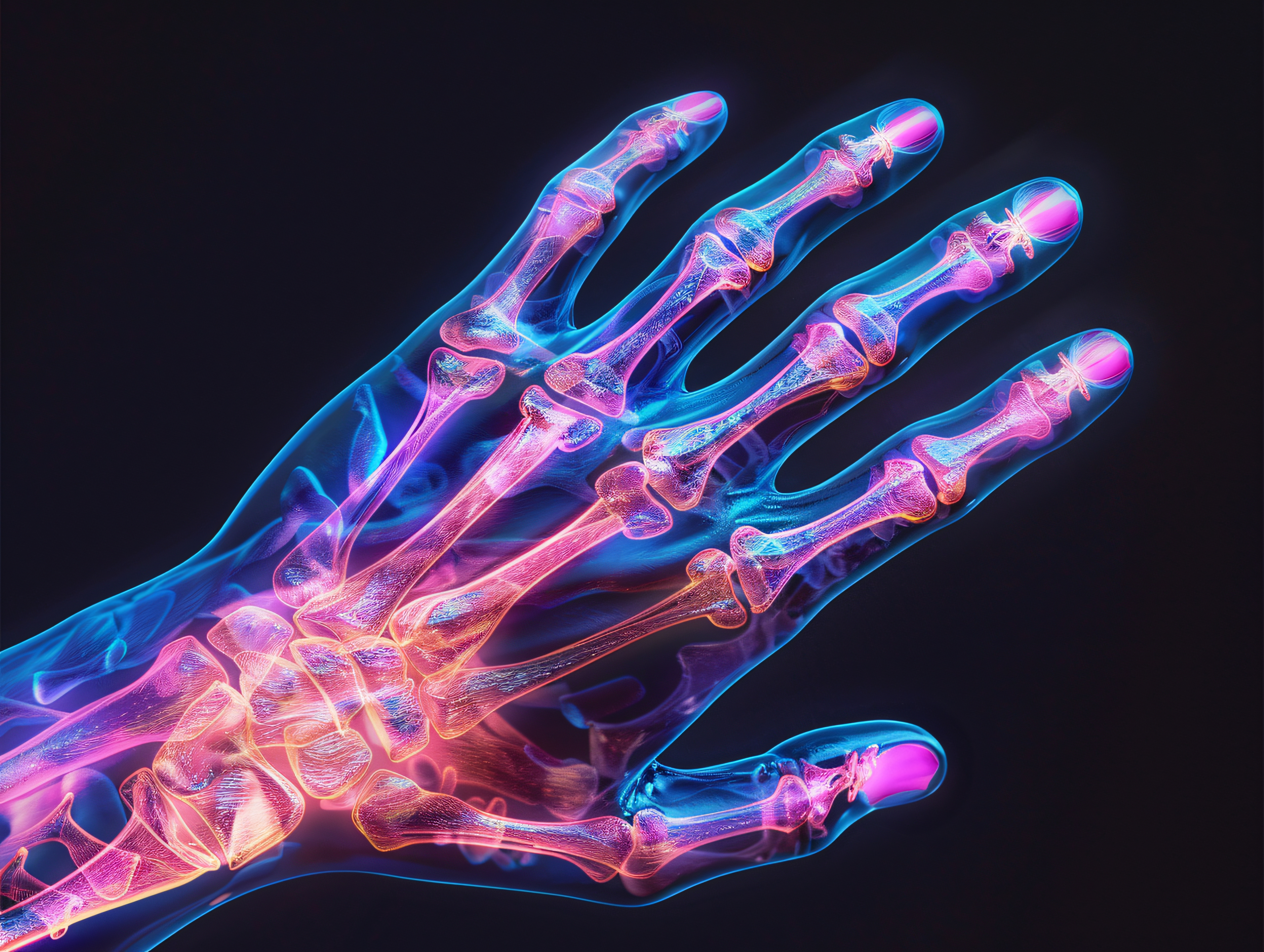
Osteotomy – What Is It, and What Are Its Applications and Benefits?
What is an osteotomy? It is a surgical procedure that involves cutting a bone to correct its alignment or alter the biomechanical axis of a limb. In orthopedic practice, the term osteotomy refers to procedures used to treat bone deformities, degenerative joint changes, congenital defects, or the effects of traumatic injuries. Through precise reconstruction, it is possible to restore proper weight-bearing on the joints, reduce pain, and improve limb function in both children and adults.
From this article you will learn:
- What are the indications for performing an osteotomy?
- Types of osteotomy
- Benefits of osteotomy
- Summary. What is the treatment process like at the Paley European Institute?
What are the indications for performing an osteotomy?
Osteotomy is used in many clinical situations, including pediatric and adult orthopedics.
- Correction of bone deformities – limb alignment issues, such as bowlegs, knock-knees, or foot deformities, can be effectively corrected through precise bone cutting and stabilization. The procedure allows for an even distribution of weight on the joint and improves the limb’s biomechanics.
- Osteoarthritis – in the early stages of osteoarthritis of the knee, hip, or foot, osteotomy allows for a redistribution of weight-bearing forces on the joint, which delays the need for joint replacement and improves quality of life.
- Traumatic injuries and malunions – following trauma, in cases where fractures have healed out of alignment, osteotomy helps restore proper bone alignment and limb function, minimizing the risk of overuse and complications.
- Congenital defects in children – in cases of congenital deformities of the feet, knees, or hips, osteotomy in pediatric orthopedics is part of a comprehensive treatment plan. It is often combined with other surgical procedures and rehabilitation to ensure proper limb development.
Types of osteotomy
Osteotomies are among the most important procedures in orthopedic surgery, enabling the correction of bone deformities and the restoration of proper limb alignment. The choice of the appropriate type of osteotomy depends on the location of the defect, the degree of deformity, and the patient’s age. Knowledge of various techniques allows the surgeon to tailor the procedure to individual needs, maximizing treatment effectiveness and minimizing the risk of complications.
Osteotomies vary in terms of location and surgical technique.
- Corrective osteotomy – allows for the alteration of a bone’s angle or axis, most commonly in the knees, hips, and feet, which improves biomechanics and reduces stress on the joints.
- Shortening or lengthening osteotomy – used to treat limb length discrepancies or growth disorders, it helps to equalize bone length and restore the body’s axial balance.
- Closed and open osteotomy – the technique is selected on a case-by-case basis. Closed osteotomy involves a minimal incision and precise bone realignment, while open osteotomy requires greater access, allowing for more accurate correction of complex deformities.
Benefits of osteotomy
Osteotomy offers patients numerous benefits, both functional and psychological. The procedure not only corrects bone deformities but also improves limb biomechanics and reduces joint stress. The importance of osteotomy is particularly evident in patients with chronic joint problems, congenital defects, or post-traumatic changes, when standard conservative treatment does not yield the expected results. Thanks to modern surgical techniques and individualized planning, every patient can expect an improvement in their quality of life and the restoration of normal limb function.
- Improved limb function – correcting bone alignment restores a normal gait pattern and ensures even weight distribution across the joints, which leads to improved mobility.
- Reduced pain and discomfort – by reducing stress on the joints, this treatment alleviates pain and improves the patient’s comfort, especially during physical activity.
- Delaying or avoiding joint replacement – in cases of osteoarthritis, osteotomy helps prolong the functional life of the natural joint, thereby delaying or eliminating the need for joint replacement.
- Aesthetic and psychological benefits – correcting visible deformities improves patients’ psychological well-being, especially among children and adolescents, enabling them to participate more fully in social life and sports activities.
Summary. What is the treatment process like at the Paley European Institute?
At the Paley European Institute, our approach to osteotomy is comprehensive and tailored to each patient. Every step of the procedure is carefully planned to ensure maximum effectiveness and minimize the risk of complications:
- Detailed orthopedic consultation – each patient undergoes a comprehensive evaluation of the condition of their limbs and joints. Doctors review the patient’s medical history, previous treatments, and the biomechanics of the foot and knee. Based on this, the indications for surgery and the choice of surgical technique are determined, for both children and adults.
- Imaging diagnostics – we perform precise imaging studies, such as X-rays, CT scans, and MRI scans, which allow for accurate planning of osteotomies. This makes it possible to determine the incision site, the angle of correction, and the method of bone stabilization.
- Surgical Planning – A team of orthopedic surgery specialists develops a personalized surgical plan. This plan takes into account both the goal of correcting the deformity and the anticipated rehabilitation, as well as the duration of hospitalization and post-operative monitoring of the patient’s condition.
- Postoperative rehabilitation – starting from the first days after surgery, a program of stretching, strengthening, and stabilizing exercises for the limb is implemented. Rehabilitation is tailored to the patient’s age and the type of osteotomy, which allows for a quick return to full function and minimizes the risk of deformity recurrence.
Thanks to this comprehensive approach, both children and adults can count on safe and effective treatment. At the Paley European Institute, we combine state-of-the-art surgical procedures with a personalized rehabilitation plan, which allows us to achieve lasting results and improve limb function. Every patient receives full support from a team of specialists in pediatric orthopedics, ensuring the highest standard of care. We also collaborate with an adult orthopedist in Warsaw.
See other entries
How to Properly Care for a Stump After Amputation? A Practical Guide
Hollow Foot – Symptoms, Causes, and Treatment Options