Toe Deformities: Causes and Treatments
Bunion deformities are a condition that can affect both walking comfort and daily activities. Bunions not only cause cosmetic concerns but also lead to pain, friction, blisters, and limited foot function. At the Paley European Institute, we know how to straighten crooked toes, and we offer comprehensive treatment for developmental orthopedic conditions, including cases involving bunions or other deformities. Through a combination of precise diagnostics, orthopedic surgery, and personalized rehabilitation, we can effectively improve foot function and restore comfort to our patients.
From this article you will learn:
- What causes toe deformities?
- Symptoms and consequences of toe deformities
- Diagnosis and treatment methods for hallux valgus
- Summary: How to Straighten Crooked Toes – Effective Strategies?
What causes toe deformities?
Bunionette toes are a condition that can affect both children and adults. These deformities often lead to pain, friction, and limited mobility, and in some cases may require surgical intervention. The causes of toe deformities include both genetic predisposition and environmental factors, such as improper footwear or injuries. Proper diagnosis and individually tailored treatment can effectively improve foot function and reduce the risk of further deformities.
- Genetic predisposition – abnormal bone and joint structure in the feet can lead to the development of crooked toes as early as childhood. Genetic factors influence the structure of the forefoot, toe alignment, and foot biomechanics, which in the long term may predispose individuals to bunions, limited mobility, and pain when weight-bearing.
- Biomechanical issues and overuse —such as improper foot alignment or excessive strain on the toes while walking, running, or playing sports—can lead to toe deformities. Additionally, improper footwear, especially shoes with narrow toes or stiff soles, puts pressure on the toes, which promotes deformities and reduces walking comfort, and can also lead to blisters and painful abrasions.
- Pain and functional difficulties – children and adults with crooked toes often report pain when trying to actively move their toes, foot fatigue, and problems maintaining balance. These symptoms can limit daily physical activity, lead to compensatory overuse of other joints, and exacerbate deformities.
- Changes resulting from chronic conditions – toe deformities can be caused by joint inflammation, degenerative diseases, or chronic overuse. In such cases, the deformity develops gradually and may affect several toes at once, which complicates treatment and requires a thorough diagnosis.
- Mechanical injuries and their consequences —fractures or dislocations of the toes or foot joints—can lead to permanent deformities. Improperly healed bones, scar tissue within the joints, or improper rehabilitation after an injury increase the risk of developing crooked toes, which over time becomes difficult to correct without surgery.
- Concomitant foot deformities – in adults, crooked toes often occur alongside hallux valgus, hammertoe, or multiple hammertoes. These concomitant deformities limit toe mobility, alter weight distribution while walking, and exacerbate pain.
Symptoms and consequences of toe deformities
Characteristic symptoms include noticeable deviation of the toes to the side or upward, pain while walking, pressure, and the formation of calluses where the toes come into contact with footwear. Bunionette toes often lead to abnormal weight distribution, which can cause overloading of the forefoot, ankle joints, and knees. Patients also report difficulty wearing standard footwear, and chronic toe deformity increases the risk of complications such as arthritis or deformities of adjacent toes.
In children, these deformities can affect the proper development of the feet, impair gait, and limit physical activity. Therefore, early diagnosis and comprehensive treatment of toe deformities are crucial to preventing permanent anatomical changes and ensuring the proper functioning of the lower limbs.
Diagnosis and treatment methods for hallux valgus
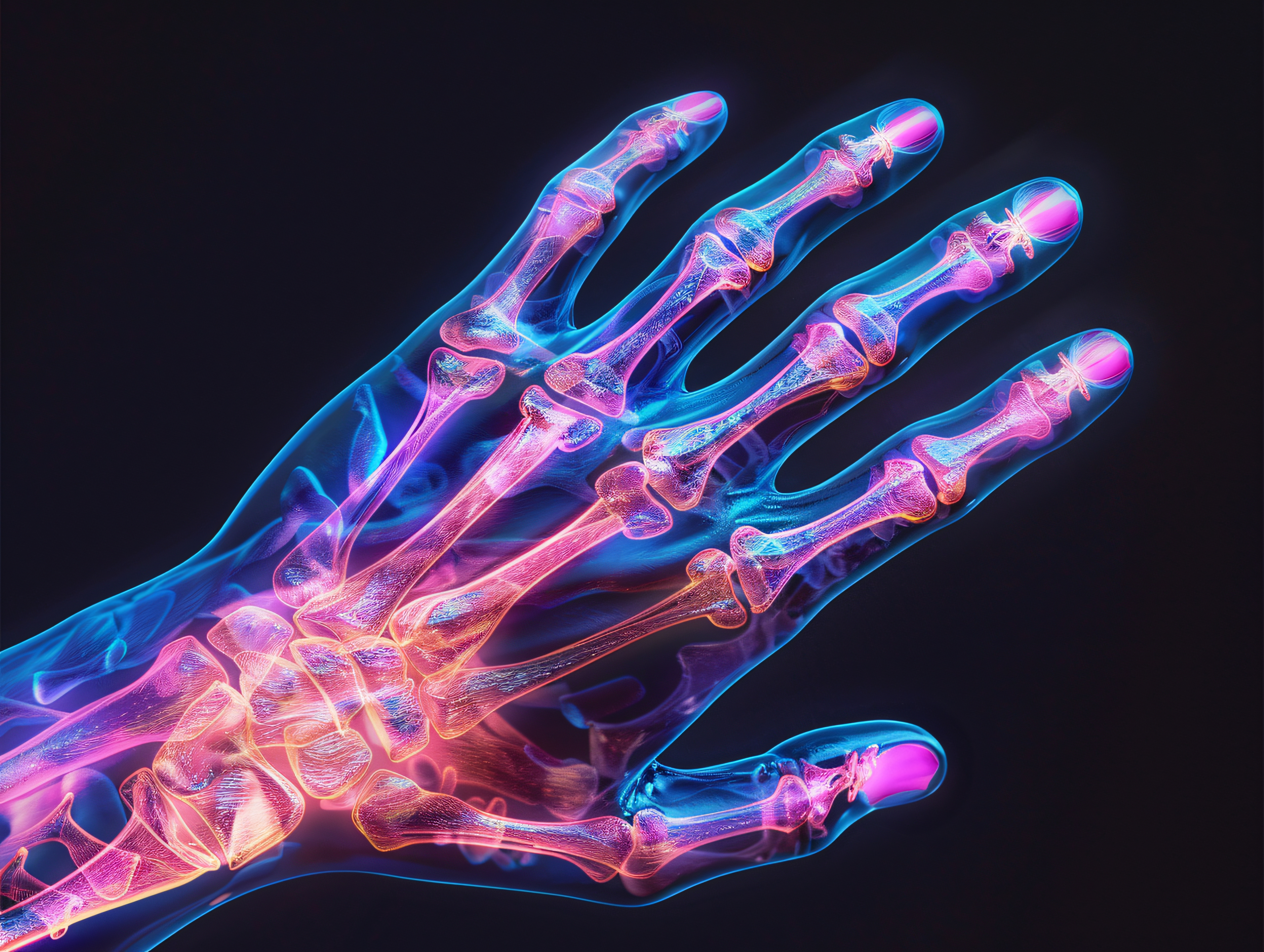
The diagnosis of toe deformities begins with a detailed orthopedic history, including information about existing deformities, pain, history of injuries, and the patient’s physical activity. A physical examination allows for the assessment of range of motion, the degree of deformity, and toe valgus. In some cases, X-rays of the feet are taken, which allow for an accurate assessment of the alignment of bones and joints and the planning of surgical or conservative treatment.
Treatment methods depend on the degree of deformity and the patient’s age. In mild cases, conservative treatment is used —including properly fitted orthotic insoles, exercises to strengthen the foot muscles, and footwear with the correct width and soft soles. In more advanced cases, such as when toes are crooked, orthopedic surgery is recommended. Surgery allows for the correction of deformities, stabilization of the joints, and restoration of proper foot function.
At the Paley European Institute, we use modern surgical techniques that minimize soft tissue trauma and shorten recovery time. Treatments for toe deformities include:
- precise adjustment of finger positioning,
- joint stabilization using implants,
- correction of other foot deformities.
Immediately after surgery, a personalized rehabilitation plan begins, which includes stretching, strengthening, and posture-correcting exercises, helping to prevent the deformity from recurring and improving walking comfort.
Summary: How to Straighten Crooked Toes – Effective Strategies?
How can you straighten crooked toes, especially when the deformity makes walking difficult or causes pain? Depending on the cause and severity of the deformity, a combination of conservative and surgical treatments may be used. Foot and toe exercises, corrective insoles, and orthopedic shoes can improve toe alignment in mild cases.
For more advanced deformities, corrective surgery performed as part of orthopedic care, combined with immediate rehabilitation, is an effective treatment. At the Paley European Institute, we develop personalized treatment plans for developmental orthopedic conditions that take into account all aspects of the patient’s health, both physical and mental. Children and adults with crooked, clubbed, or deformed toes can count on professional care, comprehensive diagnostics, and safe surgical and rehabilitation methods.
If you have questions about toe deformities, we recommend consulting the specialists at the Paley European Institute, who have extensive experience treating patients from around the world. Their personalized approach, precise diagnostics, and combination of surgical treatment and rehabilitation offer the chance for lasting improvement in foot function, pain relief, and a return to full activity in daily life.
See other entries
How to Properly Care for a Stump After Amputation? A Practical Guide
Hollow Foot – Symptoms, Causes, and Treatment Options