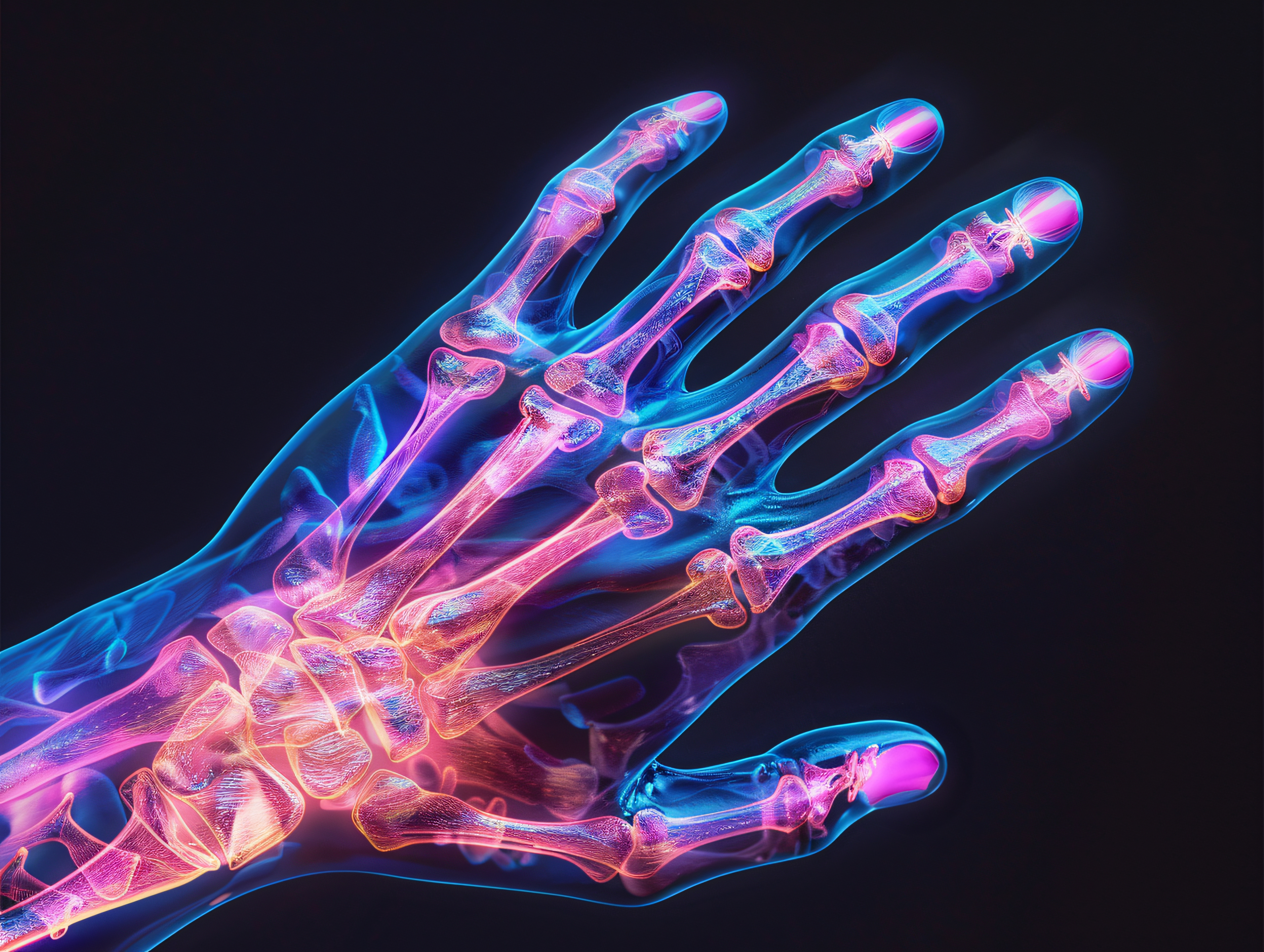
Ulnarization of the hand – what is it and what are the effects of this procedure?
Medicine is constantly searching for new techniques that can improve the quality of life for patients suffering from orthopedic conditions and injuries. Ulnarization of the hand is one such innovative method. In this article, we will explain what this procedure involves, what the indications are for performing it, and what its short- and long-term consequences may be. Understanding these aspects is crucial for patients, who, thanks to this knowledge, can make an informed decision about possible treatment.
From this article you will learn:
- What is ulnarization?
- Preoperative process
- Step-by-step operation
- Postoperative process
- Why choose the Paley European Institute for ulnarization surgery?
What is ulnarization?
Ulnarization of the hand is a procedure performed on patients with radial dysplasia. The main goal of the surgery is to improve grip strength and stabilize the hand.
During this procedure, the hand and wrist bones are moved to the opposite side of the ulna ( on the opposite side to where the thumb would normally be). This maneuver prevents recurrence of the deformity because the ulna physically blocks the wrist from returning to its previous, deformed position. The flexor carpi ulnaris (FCU) tendon is transferred from the palmar side to the dorsal (top) side of the wrist. The FCU is a very strong tendon, which, after transfer, becomes a new wrist extensor. This increases grip strength and gives the fingers a greater range of motion.
Preoperative process
A patient with hand deformity comes in for an initial consultation, during which they are thoroughly examined by a doctor and physiotherapist, and imaging tests are performed. An individual surgical and physiotherapy plan is then established. When the patient decides to undergo surgery, they contact the medical care coordinator, who sets the date of the operation.
Step-by-step operation
First, an incision is made on the palmar side of the wrist to minimize the risk of complications related to soft tissues and blood vessels. Next, the wrist is carefully dissected, and the pisiform bone and flexor carpi ulnaris (FCU) tendon are released. To perform the wrist transfer, it must be detached from the ulna, which is called a palmar capsulotomy. The head of the ulna is completely separated from the wrist, but the muscles and blood vessels are preserved and protected. The head of the ulna is placed in the radial pocket and the wrist is moved toward the ulna. A pin is then inserted through the ulna and wrist cartilage to hold everything in the desired position. Next, the flexor carpi ulnaris (FCU) tendon is transferred and reattached to the wrist cartilage, usually over the fourth metacarpal bone. Internal K-wires are used to maintain the new bone alignment.
Postoperative process
After surgery, the patient is advised to keep their upper limb elevated, and the staff performs neurovascular checks every 4 hours. Pain and muscle spasms are monitored. Physical therapy begins on the first day after surgery and includes exercises to improve the range of motion in the elbow joint and fingers. The physiotherapy team will prepare a wrist brace, which should be worn between therapy sessions at all times for two months, and then only at night. Therapy focuses on achieving maximum range of motion in the wrist, elbow, and fingers.
The ulnarization technique allows for full range of motion in the wrist joint without recurrence of deformity and without stunting growth.
In summary, ulnarization is a safe surgical technique that produces the following results:
- no recurrence,
- no halt in growth,
- low incidence of complications,
- improvement of grip strength,
- active flexion and extension of the wrist,
- improvement in daily functioning,
- improvement of aesthetics,
- normal wrist position.
Why choose the Paley European Institute for ulnarization surgery?
At the Paley European Institute for Pediatric Orthopedics, we know everything there is to know about pediatric orthopedics, which allows us to help our young and slightly older patients. Dr. Paley developed third-generation ulnarization, which yields extremely positive results. In children with congenital upper limb defects, the procedure significantly improves limb function and reduces discomfort associated with upper limb asymmetry. After the procedure, patients are able to perform more hand movements and experience less difficulty in everyday activities.
For more information, please contact our clinic.
See other entries
How to Properly Care for a Stump After Amputation? A Practical Guide
Hollow Foot – Symptoms, Causes, and Treatment Options