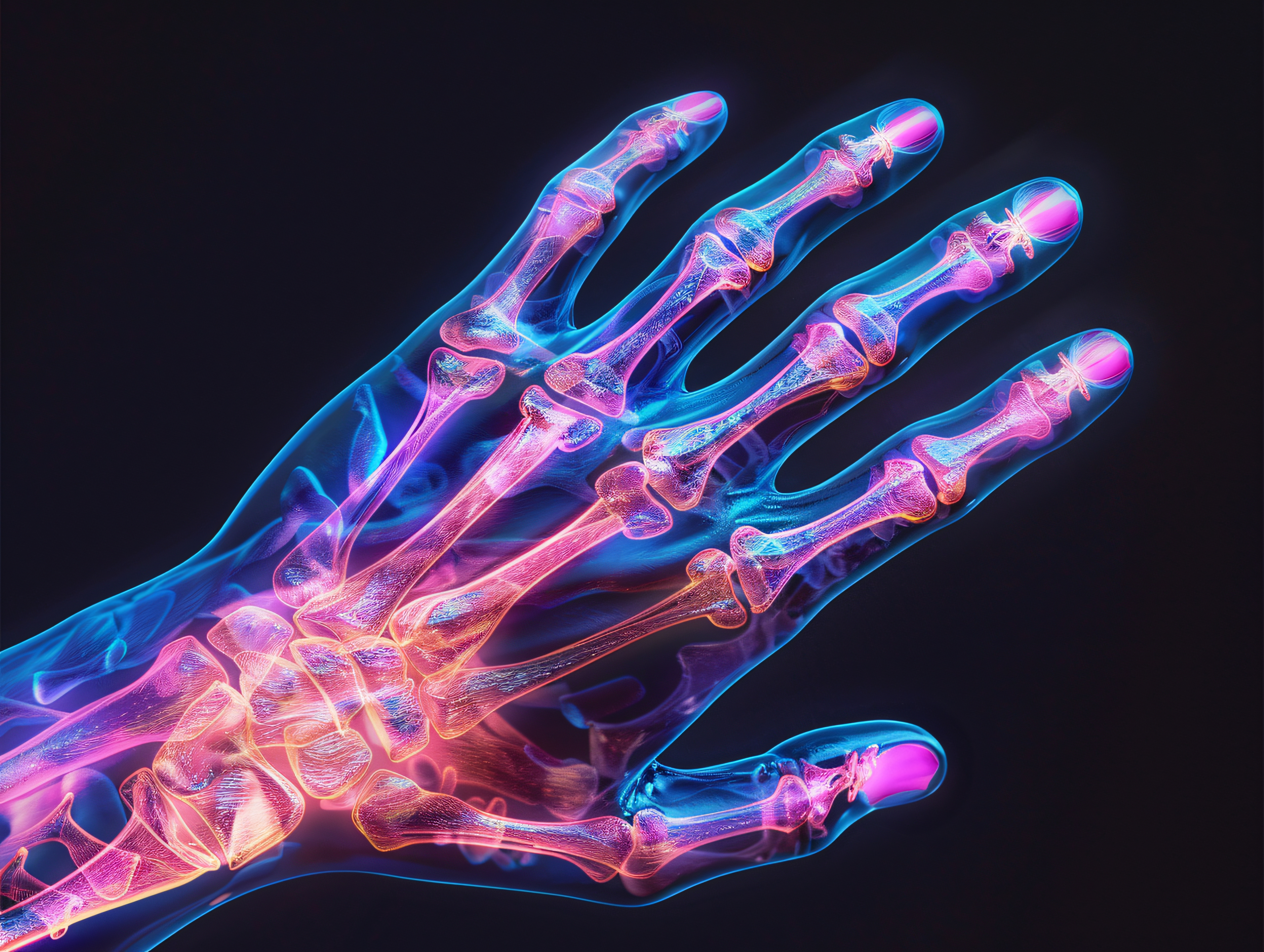
The Paley European Institute has partnered with the Multiple Chondrosarcoma (MHE) Association to help patients with the syndrome.
The Paley European Institute has partnered with the Multiple Chondrocysticercosis Syndrome (MHE) Support Association. One of the joint initiatives we have undertaken is a guidebook aimed at families and teachers of children and adolescents suffering from multiple cartilaginous growths syndrome (MHE). This is the first publication of its kind in Polish.
The cooperation between the Paley European Institute and the Association involves a mutual exchange of knowledge and experience on the entire treatment process for patients with MHE. This is a condition that in most cases is hereditary and is manifested by the presence of outgrowths in all bones, which impairs their growth and causes pain, pressure on nerve structures and vessels. The activities undertaken together are intended to contribute to raising the standard of care for patients and raising awareness in their surroundings.
The MHE Patient Assistance Association focuses primarily on conducting awareness campaigns for early, universal and permanent treatment and rehabilitation of people with the condition. An important part of the Association's activities is building a community of families of those affected by the condition, as well as supporting the development and integration of patients into the community, leading to mutual acceptance.
We are committed to spreading information about MHE - prevention of complications and treatment. We turned to Paley European Instituteo take our association under its auspices because of its attitude to the patient, rich experience and innovative approach to the treatment process. Thanks to the establishment of cooperation, we have first-hand information about what is new happening in the world of medicine," points out Hanna Agatowska, President of the MHE Association.
Hanna Agatowska of the Association for Help to MHE Patients and our doctors, Dr. Tomasz Albrewczynski and Dr. Michal Deszczynski, have jointly translated The MHE and Me Handbook into Polish, which is the first guide to multiple cartilaginous growths syndrome. The publication is designed to help understand the challenges faced by patients and provide insight into their daily functioning. You can find information about the impact of MHE on different parts of the body and, consequently, the movement limitations of people with the disease. Symptoms that should cause a parent concern and those that signal the need to go to a specialist are described in detail. Much attention has also been paid to aspects of a child with MHE's participation in school activities and emotional issues, including those related to self-acceptance.
Collaboration with entities such as the MHE Patient Assistance Association is very important to us, among other things, because it allows us to better understand the daily challenges faced by people with the conditions and their loved ones, and thus to better understand the needs of our patients. We want to establish partnerships with organizations that play an important role in broadening awareness of orthopedic conditions and providing assistance to patients and their surroundings-saysDr. Tomasz Albrewczynski of the Paley European Institute.
See other entries
How to Properly Care for a Stump After Amputation? A Practical Guide
Hollow Foot – Symptoms, Causes, and Treatment Options