Palejovo ABCs - SELF-OWNERSHIP
Watching young children, we can see how each day they strive to become more and more independent. All kinds of developmental milestones - the first smile, turning to the side or on the tummy, crawling, first steps - are all next steps on the road to independence. Then comes the time of independent spoon-feeding, taking off diapers and climbing stairs. And finally the child, or rather, already a teenager, announces to us that he will return late and not to wait with dinner, because he will eat out.
Children naturally aspire to do daily activities on their own. Developing independence is important for building a sense of agency and self-esteem. As a child gains new experiences and masters more activities, he or she also learns perseverance and how to deal with frustration. After all, learning to walk, jump, use a spoon or ride a bicycle takes time.
Adults sometimes tend to rush things - this includes independence. In our cultural circle, there is a lot of emphasis on independence in children practically from the first days of life - falling asleep on their own, sleeping all night in their room, staying without crying in the nursery and kindergarten, etc. However, faster does not always mean better (and easier). In order for a child to want to explore his surroundings and feel comfortable in the world and among other people, he must first have a secure bond with his primary caregivers. The more love, care and security he gets in the first years of life, the more willing he will be to move out into the world. This is because it will have the assurance that, if necessary, it can always return to its safe base waiting for it among those close to it.
However, what to do if we think the child is not independent enough for his age?
Let's first look at our reactions to the child's behavior. Do we allow him to try and make mistakes? Does he have enough time to dress himself, tie his shoelaces, solve his first conflicts? Or, in an effort to help or speed up the way out, do we bail the child out and thus not allow him to train what he is eager to do himself anyway?
How often in your home do you hear "let me do it" (because it will be faster, better, more efficient, cleaner, etc.)? By doing the chores for the child, perhaps initially we actually make it easier and faster to complete the task. However, in the long run, such action does more harm than good to both parties - both the child and the parents. A child for whom you keep doing certain things and insist that he can't do as well or as quickly as the parent, will eventually become discouraged from trying and learning. He or she will rely on the parent's help - but it will quickly become apparent that it's not necessarily just for tying shoes or putting on a jacket, but also for putting a meal on a plate, serving toys, drawing and all the other activities that he or she previously despised and wanted to do on his or her own.
Toddlers love to do things on their own - even if it involves some inconvenience for parents. At some point, depending on the child's development, but usually around the child's second birthday, the frequent words uttered by children are "I/me alone" and the parent's awe-inspiring "NO." These are all signs of developing independence and self-reliance that are worth encouraging.
How? For example, by letting children learn new things by trial and error (while, of course, taking care to maintain basic safety rules). Above all, this requires time and patience, so it is not worth making changes when we are in a hurry and already late.
In the case of a firm child's NO, let's also look at how often we ourselves deny and forbid our child certain things. Is it really necessary to do so? Maybe some of these restrictions and prohibitions are worth letting go of? Maybe some can be replaced with our YES? Maybe the child can do certain things under our supervision and guidance? The more often the child hears YES from us, the more willing he will be to obey our NO, which will indeed be reserved for exceptional and important things (such as putting hands in contacts or opening a hot oven).
Having more freedom in a child's life is not only about nurturing the development of his independence, but also about taking care of yourself and your peace of mind. It may turn out that this will require a slight rearrangement or moving precious things to a higher shelf for a while, but it is worth the effort. Young children are not yet able to control their behavior and anticipate the consequences of their actions, so our prohibitions may not bring the desired results. Instead, they will lead to still-anxious parents and a mischievous child who is relentless.
Sources of knowledge and inspiration that led to this article:
- Bowlby, J. (1956). The growth of independence in the young child. Royal Society of Health
- Journal, 76, 587-591
- Grolnick, W. S., Frodi, A., & Bridges, L. (1984). Maternal control styles and the mastery motivation of one-year-olds. Infant Mental Health Journal, 5, 72-82.
See other entries
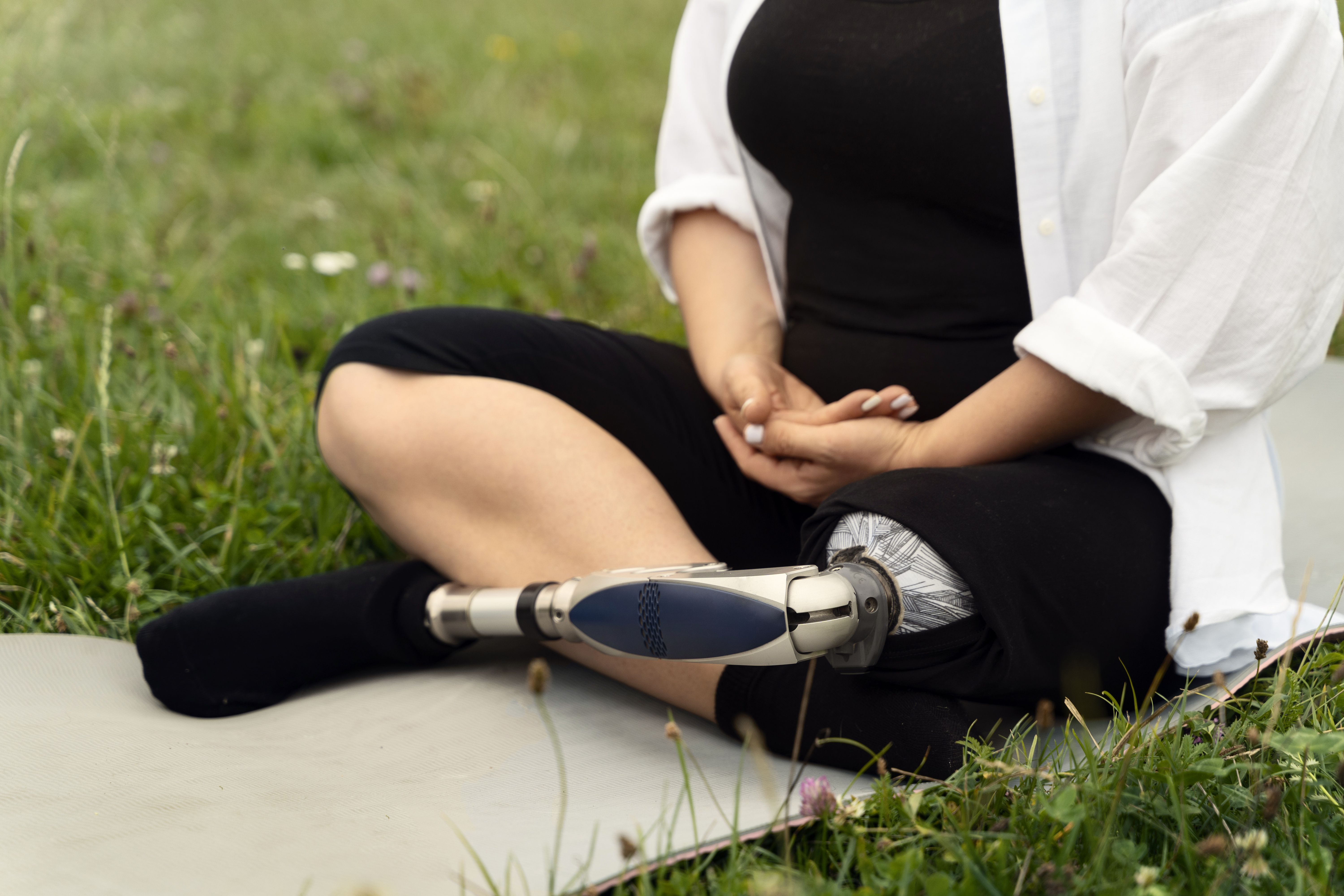
How to Properly Care for a Stump After Amputation? A Practical Guide

Hollow Foot – Symptoms, Causes, and Treatment Options