Palejowe ABC - DEVELOPMENT
As we observe a child and how he or she achieves new skills, we sometimes wish his or her development was faster, more efficient and more even. And while we can improve and support certain things, we can rarely accelerate them.
To achieve certain goals, we need time. Moreover, as one of our physiotherapists, Paulina Krystosiak, says, sometimes in order to take a step forward, we must first let go or take a break. This issue of expectations, letting go and breaks is extremely important in development. In its process, it is natural that sometimes there will be moments of difficulty when we want to give up, because we don't see results as quickly as we would like. Sometimes there may even be a setback, which is a test of patience and perseverance. Usually, however, after difficult moments comes the desired success, we take not one, but several steps forward and can celebrate what we have worked out. In moments of discouragement and doubt, let's remind ourselves of what the child has already accomplished and the progress he has made. It can be helpful to prepare a commemorative photo album that will act as a chronicle of development. Such an album will also provide motivation for the child himself, as he will have tangible proof that he is still developing, even though it can sometimes be difficult.
Every child develops at his or her own pace. There are, of course, developmental norms, but the forks are usually so wide that it is OK for one child to achieve skills at 10 months and another at 18 months. What about children who have disabilities, slower or less typical development? It is obvious to the parents of our young patients that children with disabilities sometimes develop differently or at a different pace, however, the process is ongoing. Hence, supporting development with various forms of therapy plays such an important role.
Parents sometimes point out that people from the extended family or outside the family want to cater to children with disabilities in their daily chores. They also want to compensate them for what they think the children are missing out on, with lots of gifts and gadgets. Both parents and our patients tell us that they wish they were not treated on special terms. They want to enjoy and benefit from life on the same terms as everyone else. Of course, it turns out to be necessary to make some adjustments to the environment in such a way that daily functioning is possible. This does not mean, however, that children should be bailed out of what they could and would like to do on their own.
Among other things, equality of opportunity is about treating people fairly and without prejudice, and creating living conditions that encourage self-reliance and nurture human dignity.
Every human being has the right to develop, learn and discover the world. As human beings, we also need contact with other people. We see every day how important this becomes for the children who come to our Institute. They are eager to play together and talk with other children and adults. Through some difficulties or limitations related to independent movement, this social aspect can sometimes be somewhat difficult, but with the support of caregivers, providing children with free play and encounters with children is as possible and beneficial from the perspective of child development.
In order to support a child as effectively as possible, sometimes a comprehensive developmental diagnosis may be necessary. When we are concerned about some aspect of development or notice certain difficulties in the child's functioning, it is worthwhile to visit a psychological-educational clinic for such a diagnosis. Parents sometimes worry that they will receive a document with which they disagree, or that the diagnosis will affect the child or family's future life. However, the diagnosis itself does not affect the child's functioning. It continues to be as it was. What a positive diagnosis does bring, however, is knowledge of which direction to go in and how to support the child so that he or she develops as well as possible and has equal opportunities. Knowledge is an effective weapon in the fight against helplessness.
See other entries
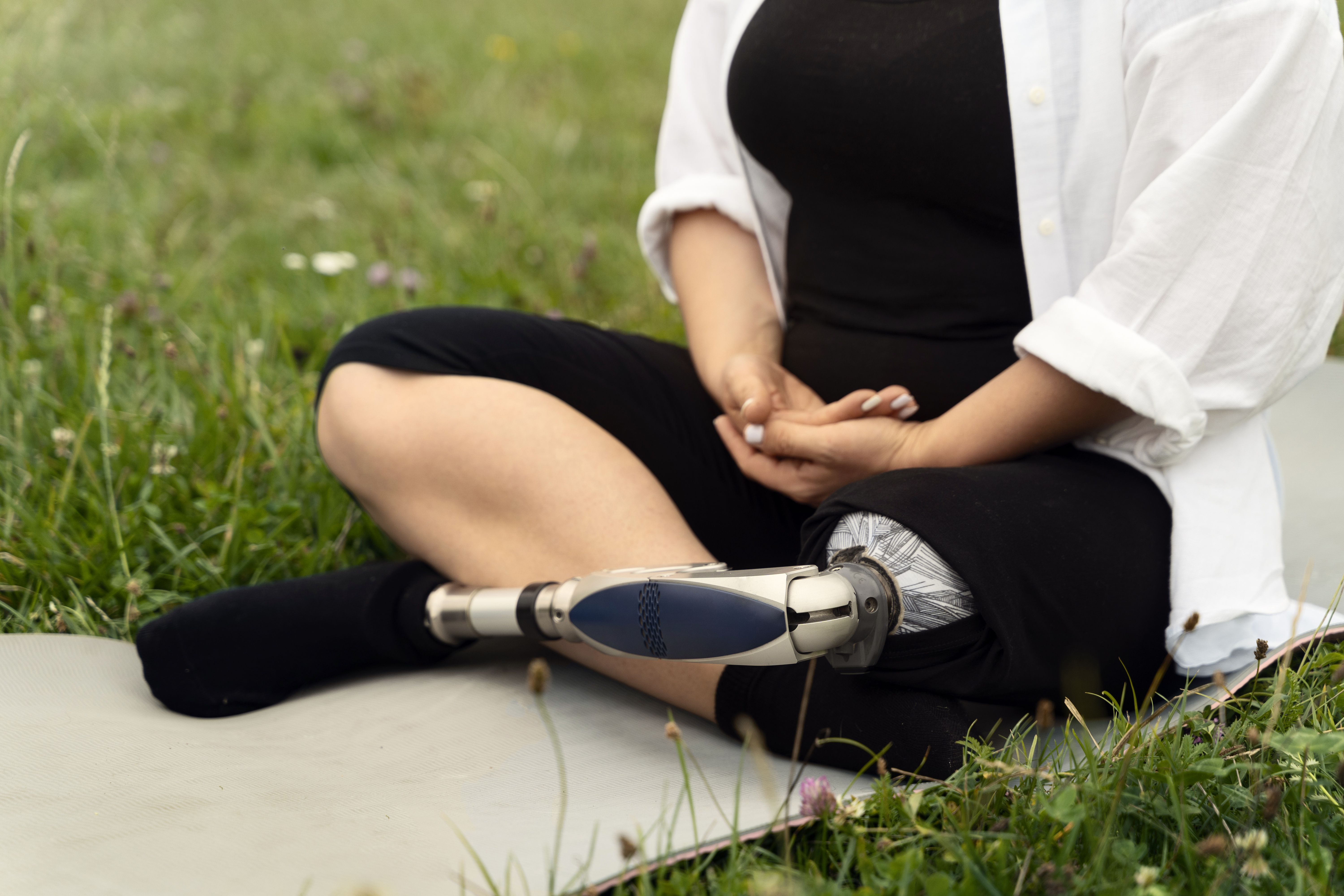
How to Properly Care for a Stump After Amputation? A Practical Guide
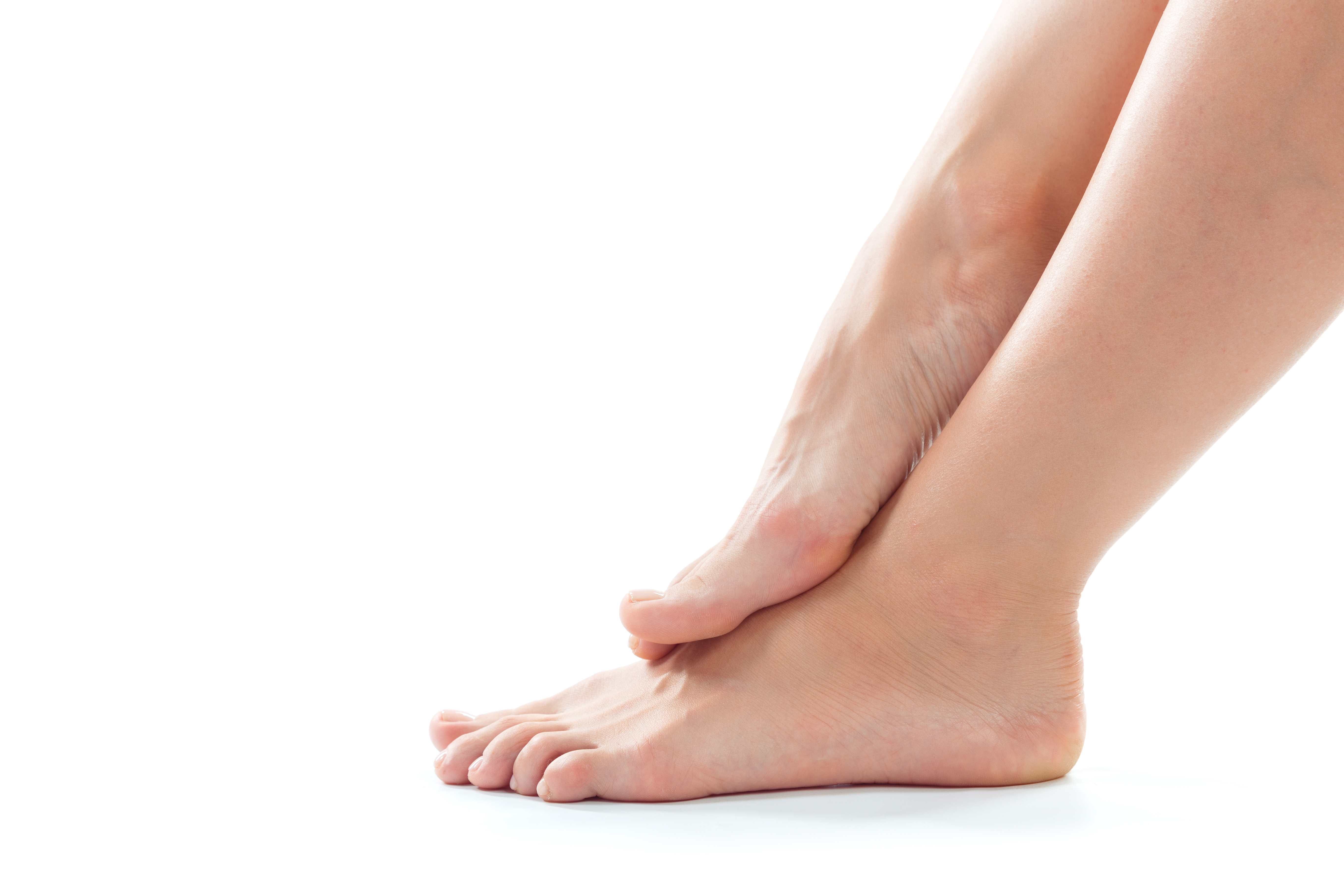
Hollow Foot – Symptoms, Causes, and Treatment Options