Rare Diseases Day - MHE
What does this disease mean for the normal growth of children?
The outgrowths not only cause direct damage to the joints, affecting the length or shape of the bones, but also lead to reduced mobility by shortening, bending and deforming the bones.
What symptoms are MHE patients exposed to?
In addition to restriction of mobility, the most uncomfortable, yet most common sensation is pain. It appears very often at the site of the outgrowth by irritation of the surrounding tissues. Pain can also occur in areas distant from the tumor - for example, in the foot during compression of the fibular nerve. Many patients also suffer from night pain and associated sleep disturbances. For some people with MHE, pain complaints may worsen during the fall and spring.
Another spectrum of symptoms is associated with compression of nerve structures and vessels by growing tumors. Sensory disturbances, numbness, tingling or changes in skin temperature may occur. Patients with MHE whose outgrowths cause restriction of movement, pressure or pain may experience fatigue more often and need more rest.
What are the surgical interventions for this disease?
Limb length discrepancy is often observed in MHE patients. A discrepancy of 2 cm or more is found in 10-50% of patients. The femur is affected twice as often as the tibia. Some people with MHE may develop deformities such as scaphoid or valgus knees. Treatments to correct these deviations include hemiepiphysiodesis, which is the half-locking of the growth cartilage and further controlled growth. For more advanced axis abnormalities, and in adults, bone lengthening and angle correction with external braces may be applicable. Surgical removal of the outgrowth may be helpful in treating ankle joint problems, while femoral problems can be treated by femoral osteotomy (cutting the bone) or by removing the outgrowth from the femoral neck (the part of the femur close to the hip).
What difficulties do children with MHE face?
Because tumors can grow and increase in size at any time, MHE patients with joint outgrowths may have no problems with movement one day, and the next day may find that various activities such as walking, running, bending, carrying, grasping or rotating arms and legs are limited.
Children and adults with hand and arm problems may have difficulty tying shoes, writing for long periods with a pencil or pen, throwing and bouncing a ball, or swimming a certain style. Children and adults whose disease has involved the lower extremities often have deformed feet, with toes of different lengths. This causes pain and discomfort during gait, sometimes disturbing its normal pattern.
Can they nevertheless lead a normal life?
Yes, children can do daily activities, go to school, participate in sports, but teachers need to be aware of the child's special needs and attentive to their changing condition. Most MHE patients learn to compensate for deficiencies and become independent by doing things in their own unique way. A child should not be forced to do something he has decided he cannot do. It should always be assumed that the patient knows his body and knows what he can and cannot do.
See other entries
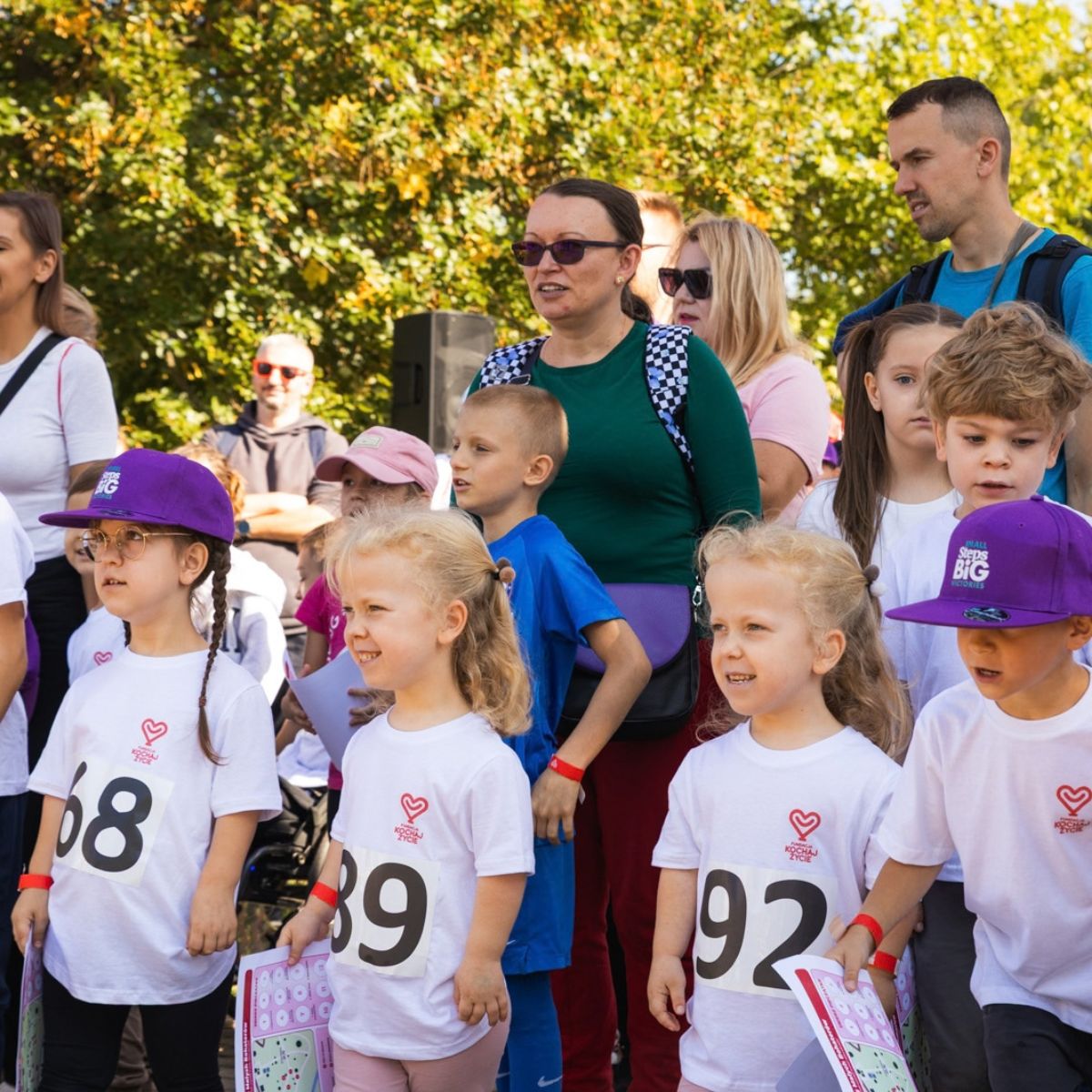
78 Little Heroes—that’s how it was at the 4th Little Heroes Run, organized by the Paley European Institute and the Kochaj Życie Foundation in Raszyn
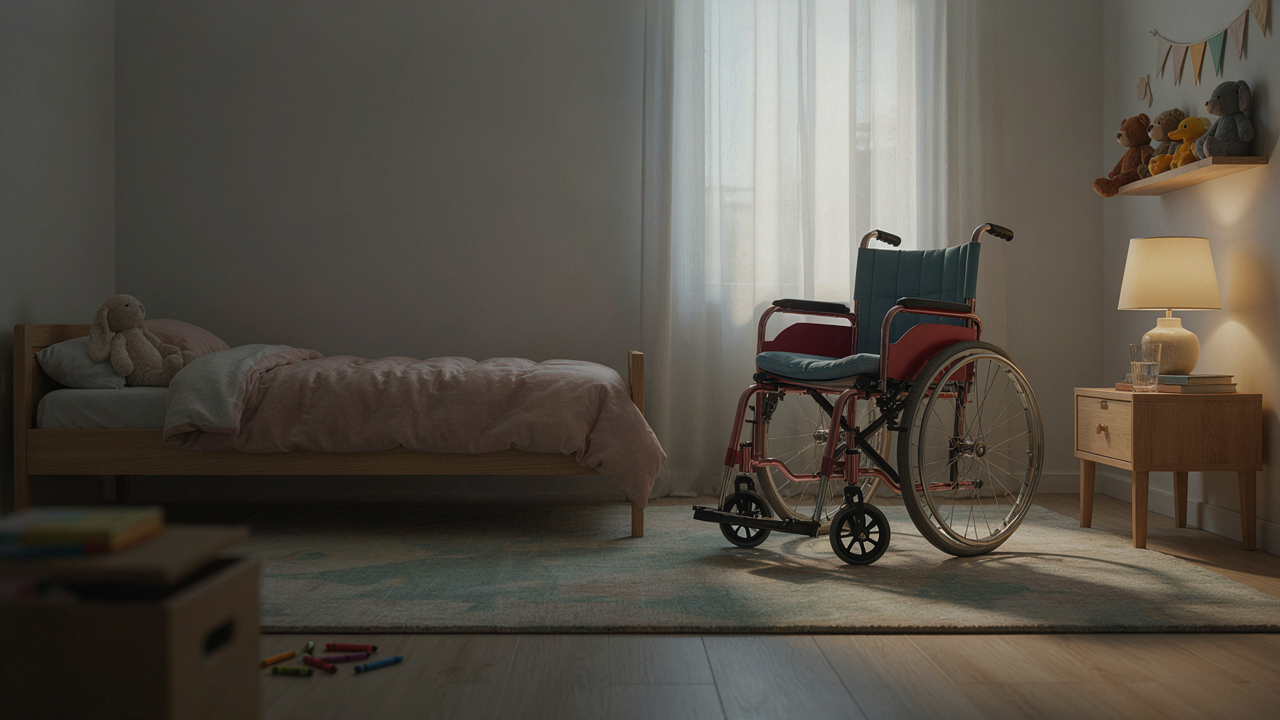
Equipment and Home Modifications Before a Child Returns Home After SEMLS Surgery