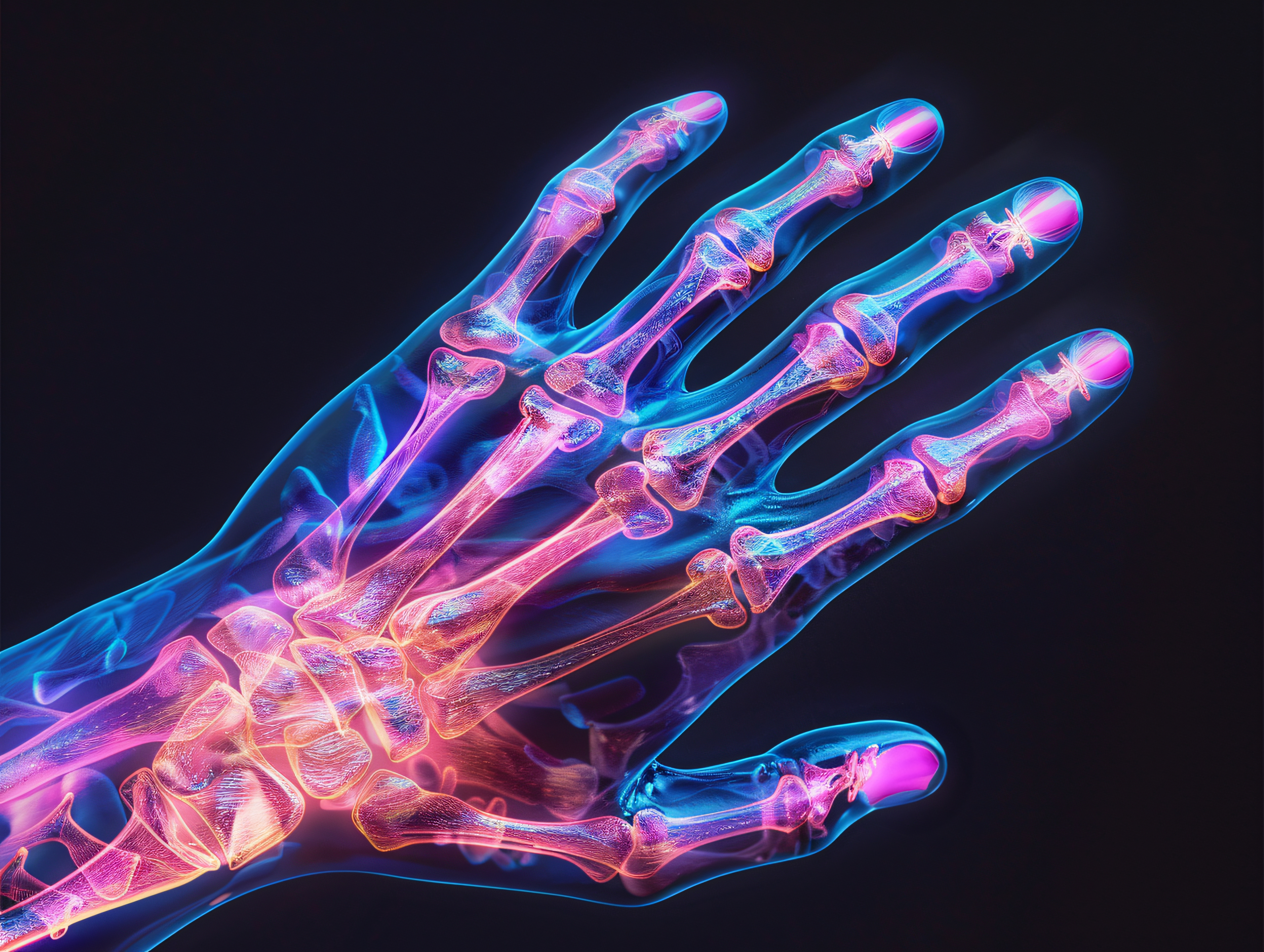
Life without pain – the story of the first child in Poland diagnosed with CIPA
Date of entry: February 11, 2026
Imagine a child who breaks his arm and doesn't cry. Not because he is exceptionally resilient, but because his body does not send pain signals. For a parent, this is a situation that disrupts all known safety patterns. This is the everyday life of Krystian – the first child in Poland diagnosed with congenital insensitivity to pain with anhidrosis (CIPA).
This article accompanies an episode of the Medical Talks podcast, in which Joanna Sobolewska talks to Żaneta Dąbrowska—Krystian's mother—about the long road to diagnosis, living in constant danger, and systemic gaps in the care of patients with rare diseases.
In this article, we discuss, among other things:
-
What is congenital insensitivity to pain with anhidrosis (CIPA)?
-
Why the absence of pain can be life-threatening
-
what everyday life is like for a child with this diagnosis
-
why rare diseases remain undiagnosed for so long
-
What role do parents play as the first and most important "alarm system"?
A disease that doesn't hurt – and that's why it's dangerous
CIPA is one of the rarest genetic disorders, in which the body does not feel deep pain and cannot regulate body temperature through sweating. In practice, this means that there is no basic warning mechanism. Fractures, burns, or overheating do not trigger a reaction that in a healthy person would prompt immediate protection of the body.
In Krystian's life, the absence of pain led to extreme situations – a broken wrist with a protruding bone, spinal damage, and serious joint injuries went unnoticed until visible deformities appeared. For his mother, this meant living in constant vigilance. Every day required observation, checking his body temperature, and checking his skin for new wounds. The absence of pain did not bring relief – on the contrary, it meant constant danger.
A child without a diagnosis and years of wandering through the system
Żaneta's pregnancy progressed normally, but the birth ended dramatically. Krystian was born in serious condition, with a cleft palate and breathing problems. In the first weeks of his life, he suffered serious complications, including pneumonia and episodes of respiratory arrest. Over time, more worrying signs began to appear, which no one could clearly connect into a whole picture.
For many years, the family went from hospital to hospital and specialist to specialist. Cancer, rheumatic, neurological, and metabolic diseases were suspected. Krystian was treated with steroids, underwent successive operations, and the lack of a clear diagnosis exacerbated the helplessness. It was only after 12 years, thanks to the vigilance of one of the doctors and genetic testing, that the HSAN 4 gene mutation responsible for CIPA was confirmed. The diagnosis brought relief, but also bitter reflection on how easily rare diseases remain invisible in the healthcare system.
Everyday life full of medical interventions and borderline decisions
Krystian's life has been marked by dozens of hospitalizations, 20 to 30 surgeries, and constant readiness to respond. His body was able to reject bone fragments on its own, and his wounds healed without pain, which often led to misunderstanding on the part of medical staff. The child's calmness in the face of serious injuries was sometimes interpreted as a lack of problem, while his mother was the only person who saw the real danger.
Diagnosis as the beginning of the mission, not the end of the road
After years of chaos, the diagnosis became a turning point. Today, Krystian's gene is also the subject of scientific research that may help patients suffering from chronic pain in the future.
The conversation also features the voice of Krystian himself—a teenager tired of hospitals, procedures, and constant restrictions. His dream is not spectacular. He simply wants to live without the pain he feels and without the fear that accompanies him every day. This story reminds us that empathy, mindfulness, and time are just as important in medicine as diagnoses and procedures.
See other entries
How to Properly Care for a Stump After Amputation? A Practical Guide
Hollow Foot – Symptoms, Causes, and Treatment Options