Achilles Tendon Lengthening in Children – Everything You Need to Know
Achilles tendon lengthening in children is a procedure that can significantly improve foot function, reduce muscle tension, and enable proper gait development. Deformities or contractures of the Achilles tendon occur in children as a result of congenital defects, neurological syndromes, and orthopedic conditions such as clubfoot. Thanks to precise diagnostic methods, it is possible to determine when Achilles tendon lengthening in children is necessary and when conservative treatment with exercises and physical therapy is sufficient. Proper planning and selection of the surgical technique allow for minimizing the risk of complications and shortening the recovery time.
From this article you will learn:
- Why is Achilles tendon lengthening performed in children?
- Methods for lengthening the Achilles tendon
- Recovery after Achilles tendon lengthening in a child
- How is Achilles tendon lengthening surgery performed at the Paley European Institute?
- Summary. How is Achilles tendon lengthening performed?
Why is Achilles tendon lengthening performed in children?
Achilles tendon lengthening in children is performed in cases where the tendon is excessively shortened, limiting foot movement and making walking difficult. The most common indications include: muscle contractures in clubfoot, congenital foot deformities, spasticity in children with cerebral palsy, as well as early deformities of hallux valgus or hammer toes. In some situations, percutaneous Achilles tendon lengthening is necessary, which minimizes soft tissue trauma and shortens healing time.
With the right surgical approach, children can avoid prolonged immobilization and ensure the proper development of foot function. Laser Achilles tendon lengthening is currently one of the most advanced techniques, allowing for precise cutting of the fibers and reducing the risk of complications and post-operative pain.
Methods for lengthening the Achilles tendon
Achilles tendon lengthening in children can be performed using various techniques, depending on the degree of contracture and the patient’s age. The most commonly used methods are:
- Traditional open surgery —involves making an incision in the tendon, carefully lengthening it, stabilizing it, and suturing it. It requires hospitalization and a period of limited activity.
- Percutaneous Achilles tendon lengthening – a minimally invasive technique involving several small incisions, which shortens healing time and reduces the risk of scarring.
- Laser Achilles tendon lengthening – an innovative method used at the Paley European Institute that allows for precise cutting of the tendon fibers with minimal trauma to the surrounding tissues, a faster return to fitness, and a shorter recovery period.
Each of these methods requires a personalized approach, including an assessment of foot biomechanics, range of motion, and the condition of muscles and tendons.
Recovery after Achilles tendon lengthening in a child
The recovery period following surgery depends on the method chosen and the patient’s age. In the case of percutaneous or laser Achilles tendon lengthening, the child can usually begin gentle exercises just a few days after the procedure, which significantly speeds up the return to full function. Rehabilitation includes:
- Stretching and strengthening exercises for the calf and foot muscles.
- Gradually applying weight to the foot and learning proper gait patterns.
- Progress monitoring by specialists in pediatric orthopedics.
With this approach, the risk of contracture recurrence is minimized, and foot function returns to normal in a relatively short period of time.
How is Achilles tendon lengthening surgery performed at the Paley European Institute?
Achilles tendon lengthening surgery at the Paley European Institute is preceded by a comprehensive preparatory process that allows us to fully tailor the treatment to the child’s needs and optimize the outcomes of the therapy. Our approach includes both functional assessment and imaging diagnostics, and each stage is led by experienced specialists in orthopedic surgery and pediatric orthopedics. This makes it possible not only to effectively lengthen the Achilles tendon but also to minimize the risk of complications and shorten recovery time.
We follow these steps in the process of preparing for and performing the procedure.
- Comprehensive orthopedic consultation – we review the child’s medical history, previous treatment, and the current functional status of the foot and Achilles tendon. We determine whether Achilles tendon lengthening is recommended for children and select the appropriate method: traditional, percutaneous, or laser.
- Imaging diagnostics – we perform imaging studies, including ultrasound and MRI, to precisely determine the length, tension, and structure of the tendon. This detailed assessment allows us to plan a customized surgical approach and predict the required recovery time.
- Surgical planning – each case is reviewed by a team of specialists. We determine the extent of tendon lengthening, the sequence of steps during the operation, and the post-operative rehabilitation strategy. The child receives comprehensive care before, during, and after the operation, ensuring their comfort and safety.
- Rehabilitation and postoperative support – stretching exercises to strengthen the calf muscles and foot are introduced starting from the very first days after surgery. The rehabilitation plan takes into account the pace at which the child returns to full function, minimizing the risk of contracture recurrence and improving foot function in the long term.
Thanks to this comprehensive approach to Achilles tendon lengthening in children, the post-operative recovery process is faster and more effective than with standard procedures, and the results of the surgery are long-lasting. Our methods help restore a normal gait pattern, reduce muscle tension, and ensure the child’s comfort in daily activities.
Summary. How is Achilles tendon lengthening performed?
Achilles tendon lengthening in children is an effective treatment for foot contractures and deformities that can limit mobility, cause pain, and interfere with normal gait development. At the Paley European Institute, each case is analyzed individually—from a detailed consultation, through imaging diagnostics, to the selection of a surgical method, such as percutaneous Achilles tendon lengthening or laser Achilles tendon lengthening. Our approach also includes comprehensive post-operative rehabilitation, which accelerates the child’s return to full function and minimizes the risk of deformity recurrence.
Thanks to the collaboration of experienced specialists and modern surgical techniques, both children and adults can count on safe and effective treatment, including in the field of trauma surgery. At the Paley European Institute, we combine high-quality surgical procedures with personalized rehabilitation plans, ensuring patient comfort at every stage of the treatment process.
See other entries
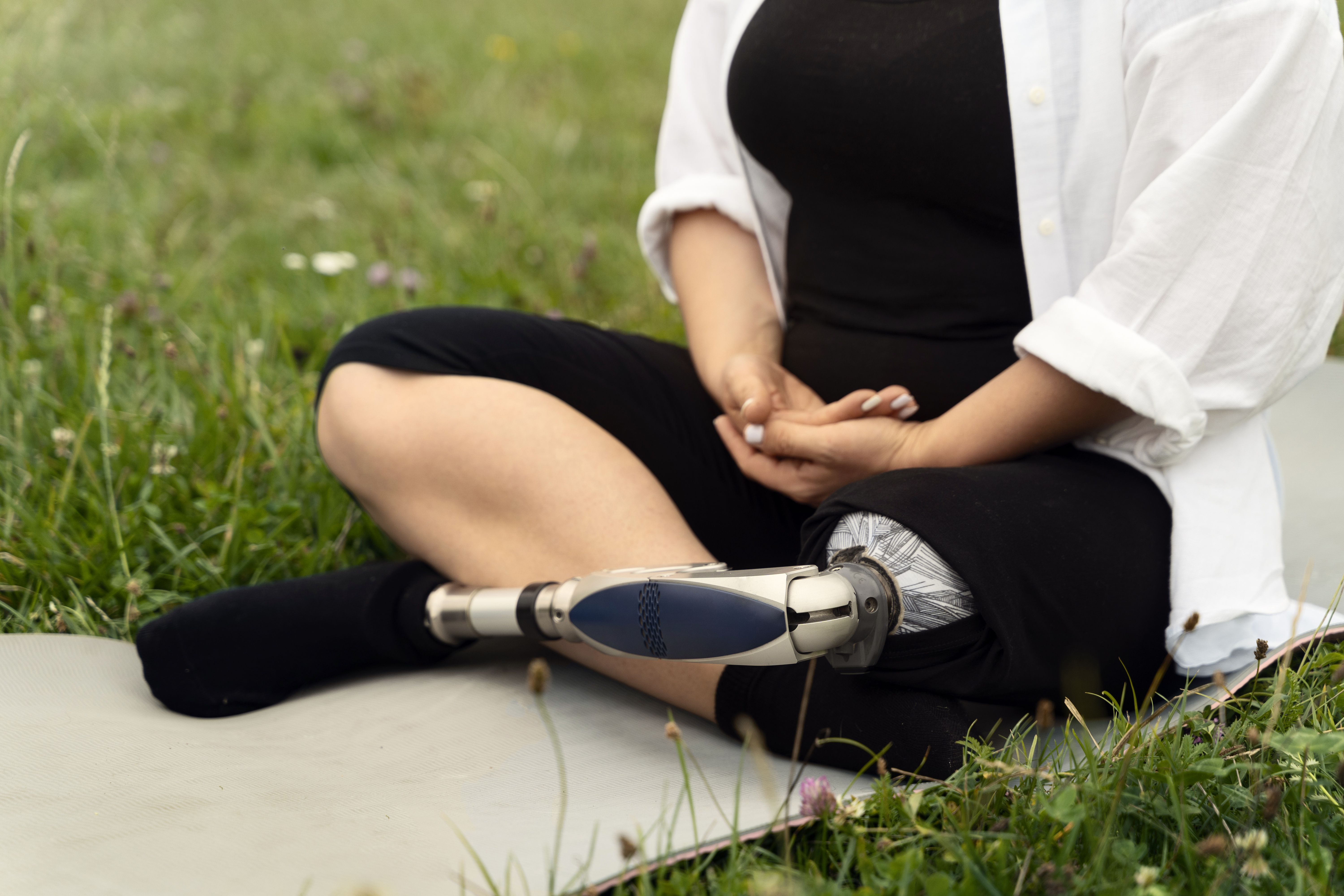
How to Properly Care for a Stump After Amputation? A Practical Guide

Hollow Foot – Symptoms, Causes, and Treatment Options