Clubfoot – Effective Correction Using the Ponseti Method at the Paley European Institute
Help your child regain a healthy gait and full mobility with the Ponseti method, the globally recognized standard of care for clubfoot.
The key to success is early diagnosis and immediate treatment.
The most common congenital bone and joint deformity in newborns
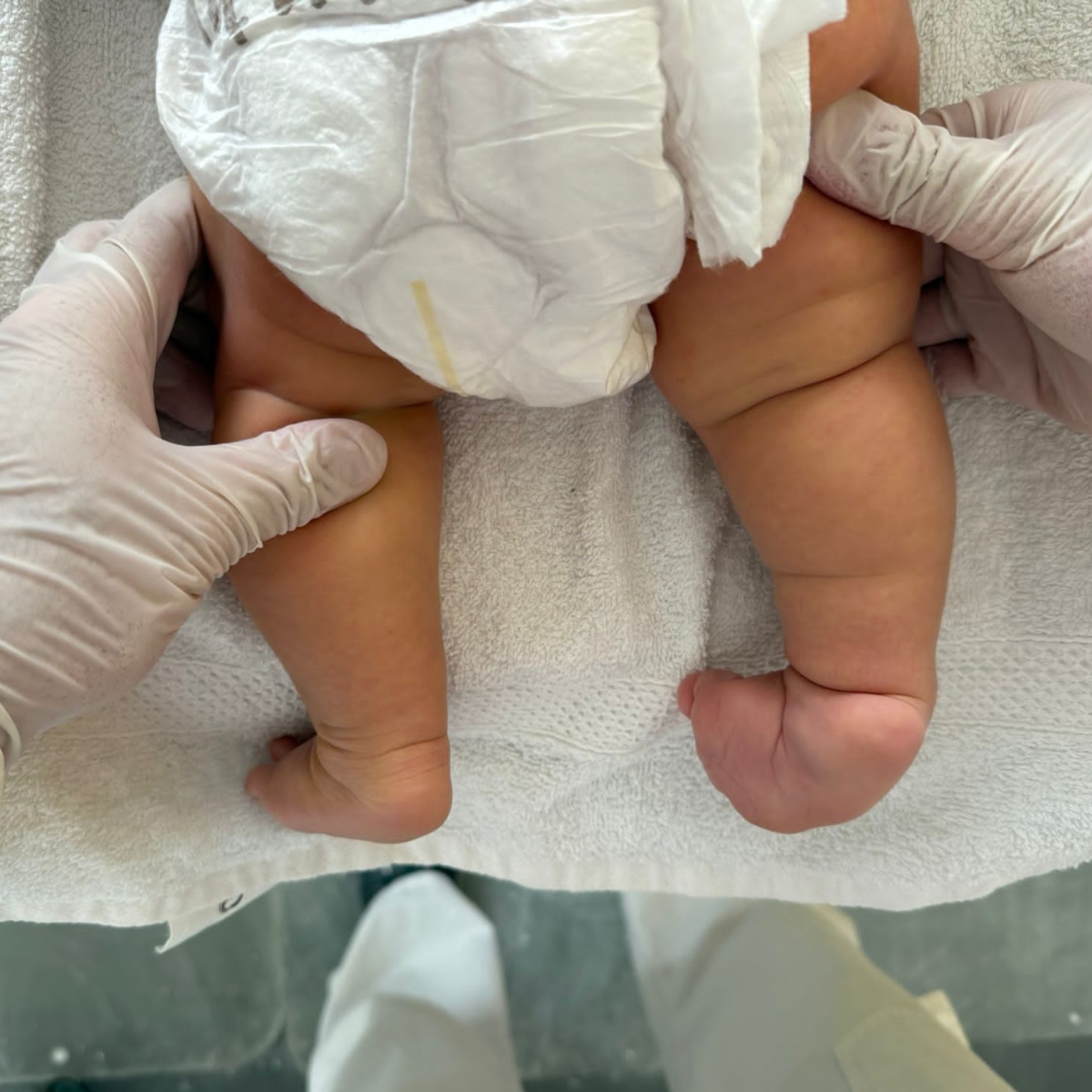
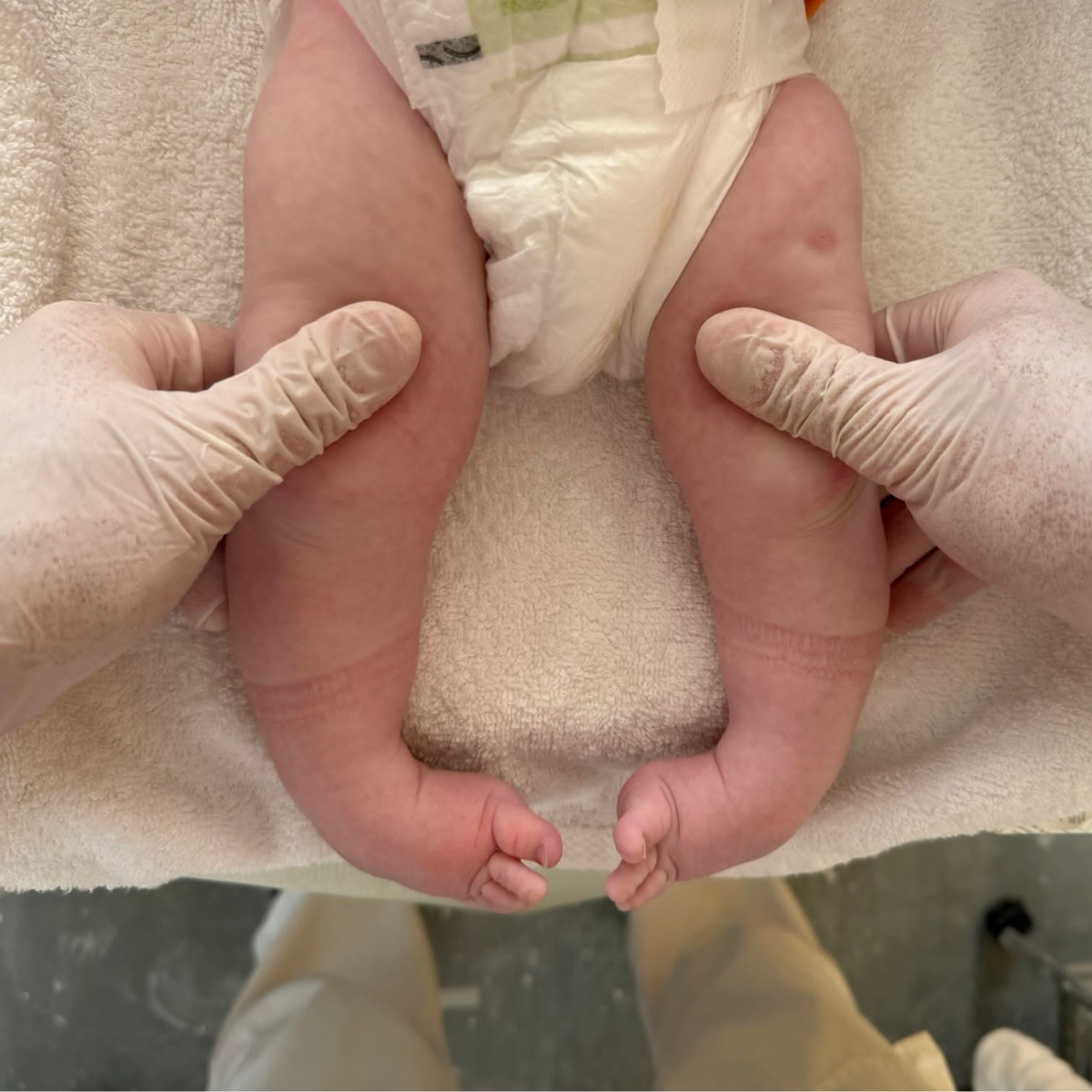
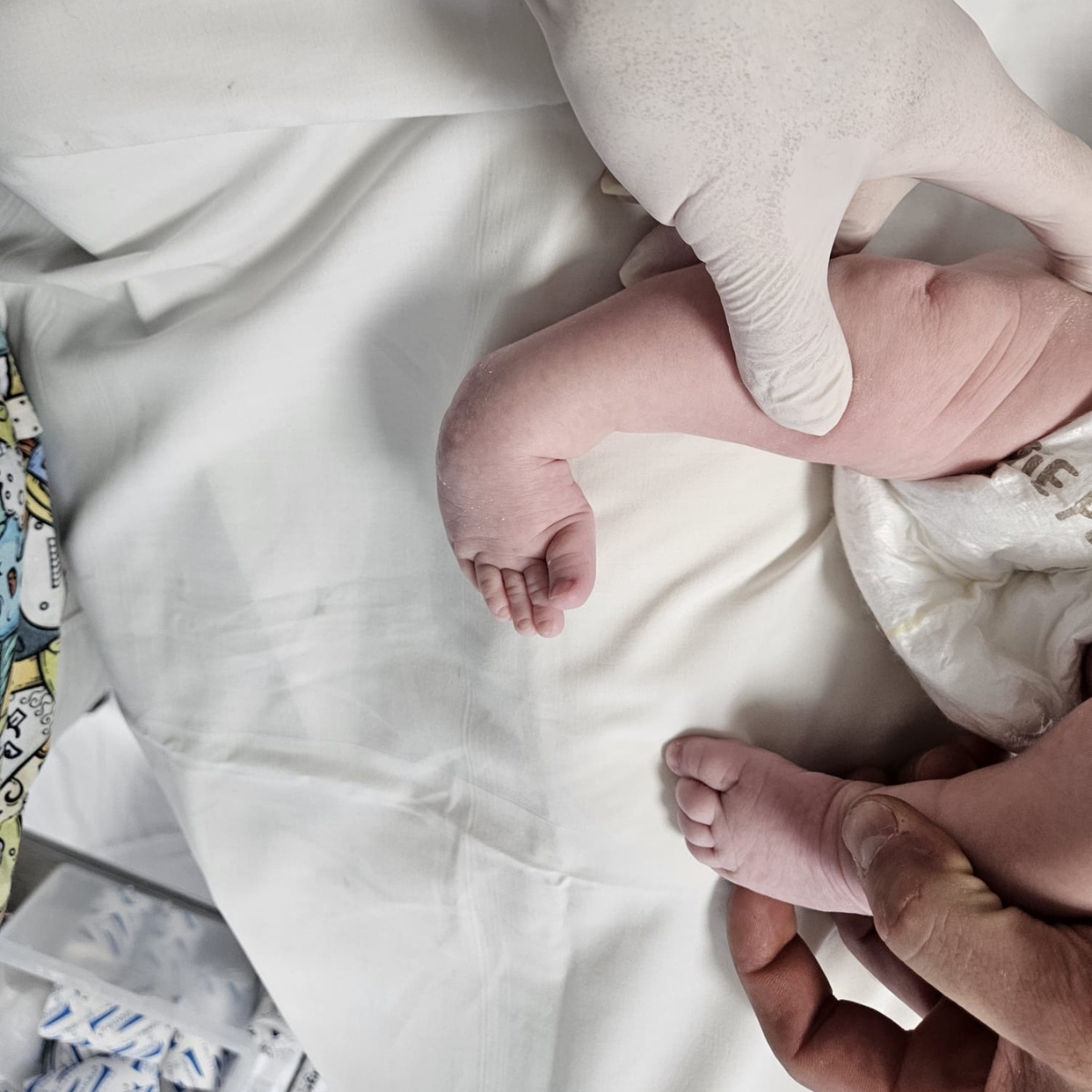
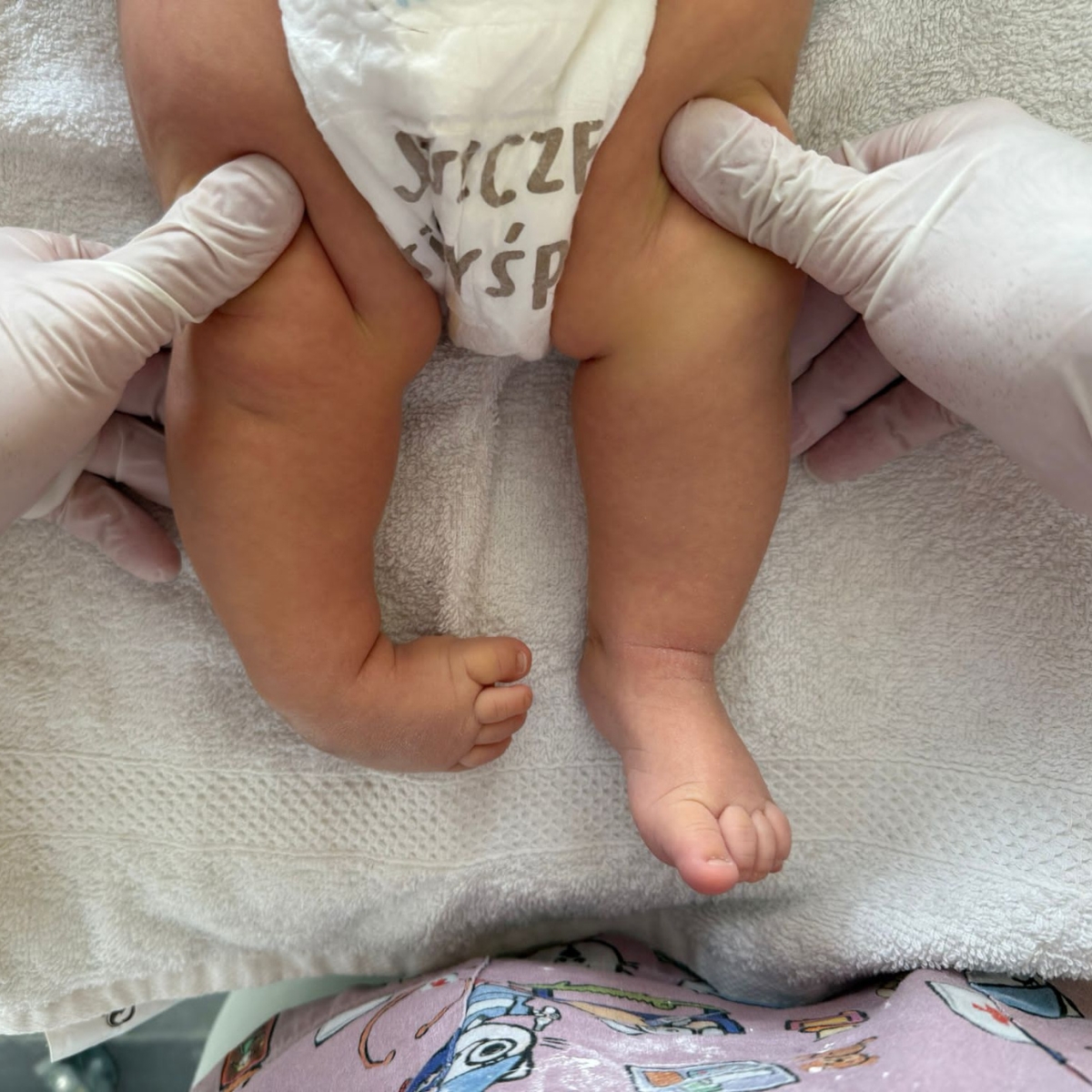
Clubfoot (Latin: talipes equinovarus) is a congenital deformity in which the foot is turned inward and pointed downward. It affects approximately 1 in 1,000 newborns and can involve one or both feet. The degree of stiffness varies—from relatively flexible to very rigid. The condition is not painful for the newborn, but if left untreated, it leads to permanent walking difficulties and pain later in life. Fortunately, thanks to the Ponseti method, a full or nearly full recovery is possible—without extensive surgery.
Why choose treatment at the Paley European Institute?
Early diagnosis (prenatal ultrasound): Today, clubfoot can be detected in utero during an ultrasound examination, and a specialist can be consulted even before the baby is born.
International standard – the Ponseti method: Our treatment is based on a globally recognized method that avoids extensive surgery and delivers excellent long-term results.
Early treatment: We begin treatment in the first few days of a child’s life, when tissue elasticity is at its peak—this is the key to success.
Full range of motion: The absence of a rigid shell around the stump allows for a full range of motion in the joints (hip or knee). The joints align properly, which improves stability and prevents contractures. Your movements become smooth and natural.
Full range of motion: The goal of treatment is to restore a normal, pain-free foot that allows the child to run, jump, and play sports at the same level as their peers.
Experienced team: Care is provided by pediatric orthopedic surgeons with experience in the Ponseti method and physical therapists specializing in pediatric rehabilitation.
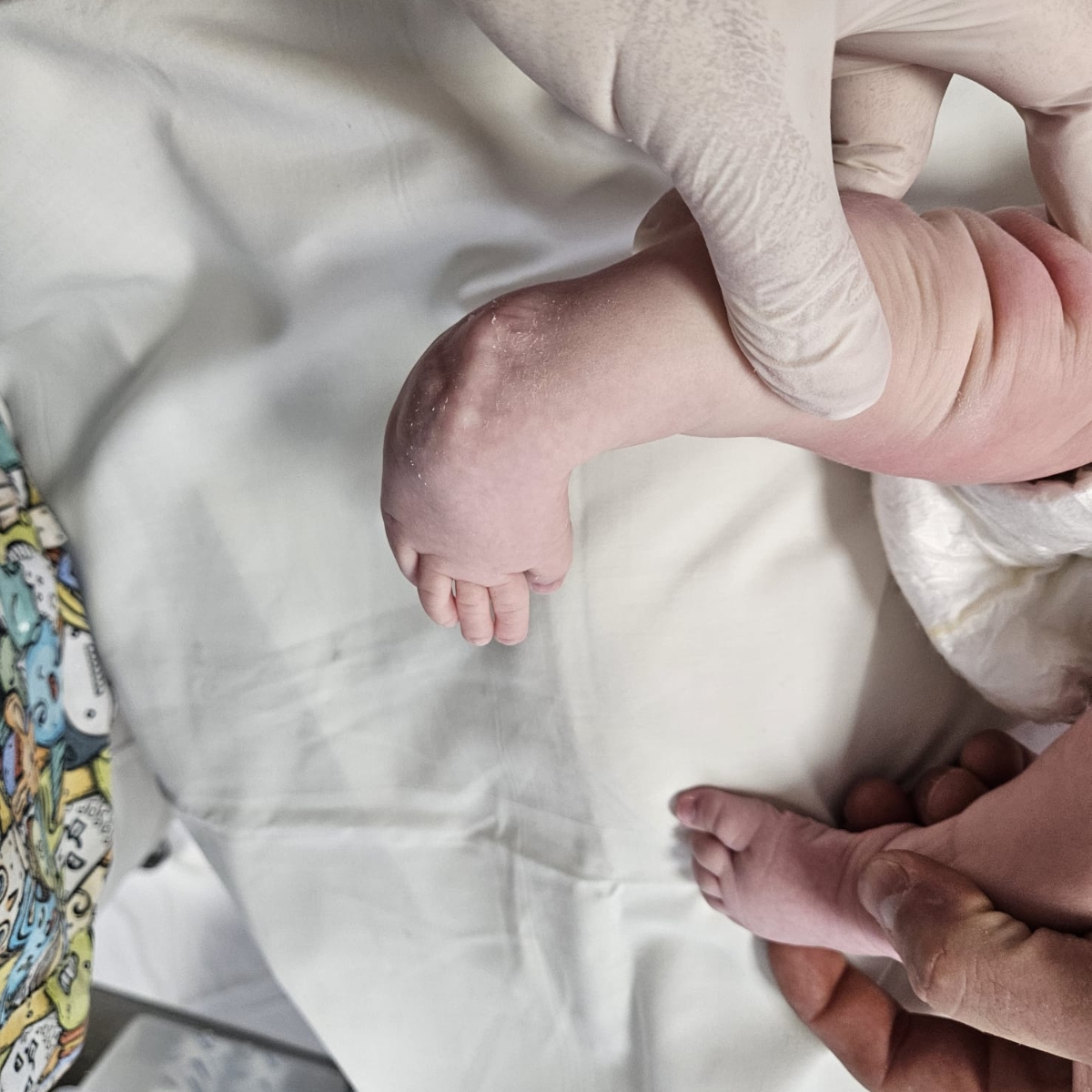
The Ponseti Method – the international standard of care
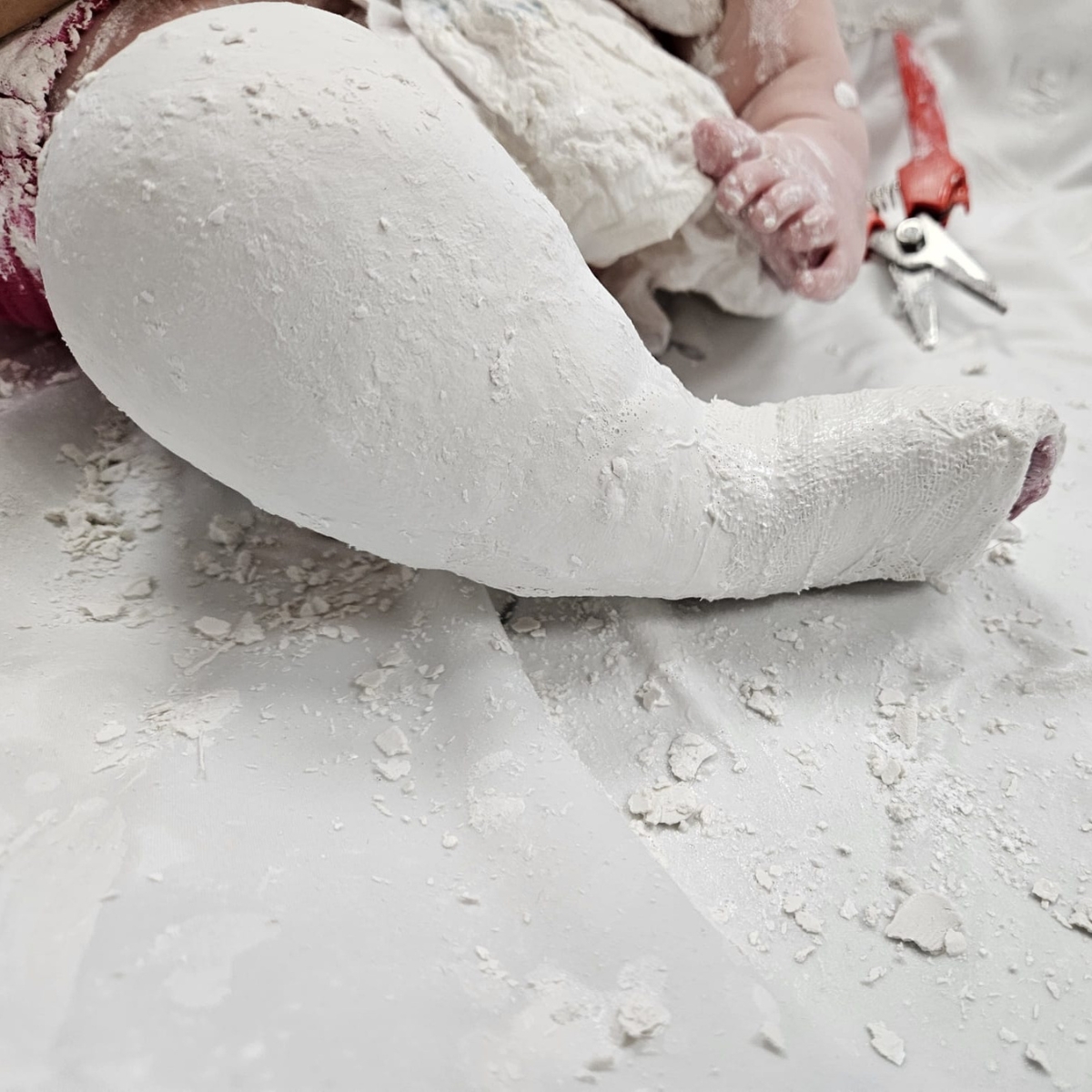
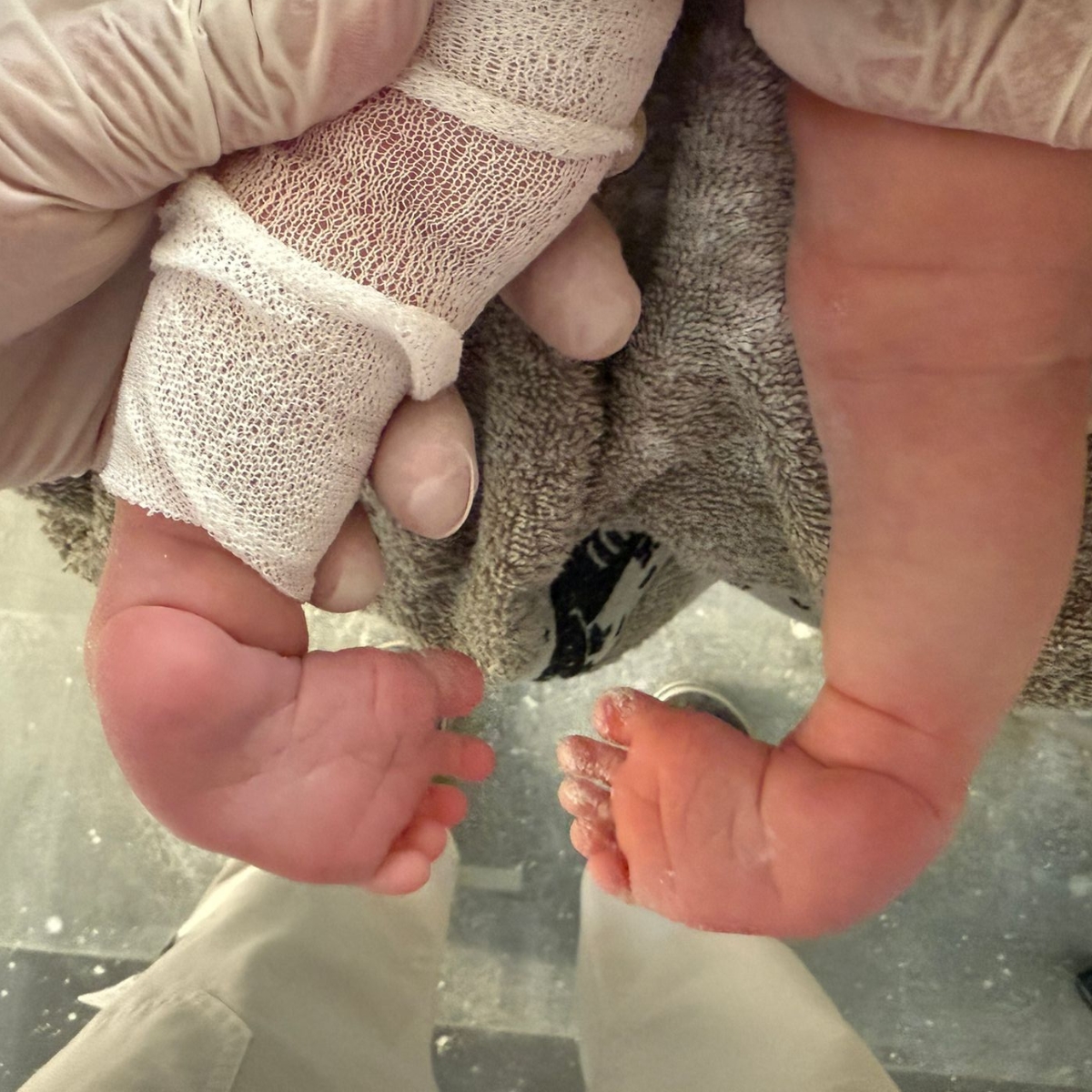
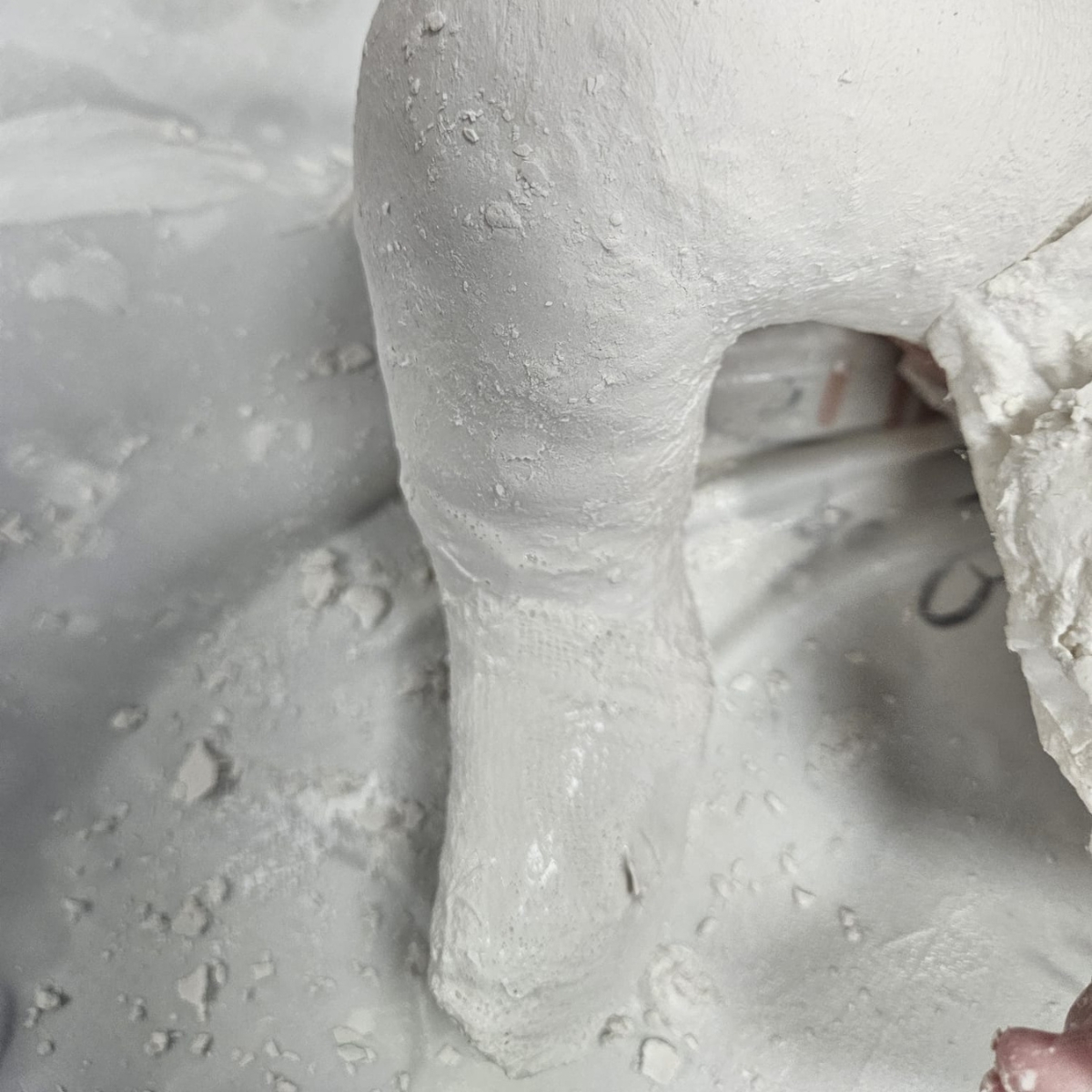
A proven step-by-step technique – The treatment involves gentle, gradual manipulation of the foot, followed by the application of a cast that extends from the toes to the thigh. The cast maintains the achieved correction and relaxes the tissues until the next session. The cycle is repeated every 5–7 days until full correction is achieved.
Compliance with global protocols – Our treatment is based on the standards used by leading orthopedic centers around the world. This gives parents peace of mind—their child is in the best hands, and every stage of treatment follows proven, safe guidelines.
Complete correction without major surgery – Numerous clinical studies confirm that the Ponseti method, when performed by experienced specialists, allows for effective correction of the deformity. After treatment, children can lead fully active lives—running, jumping, and playing sports at the same level as their peers.
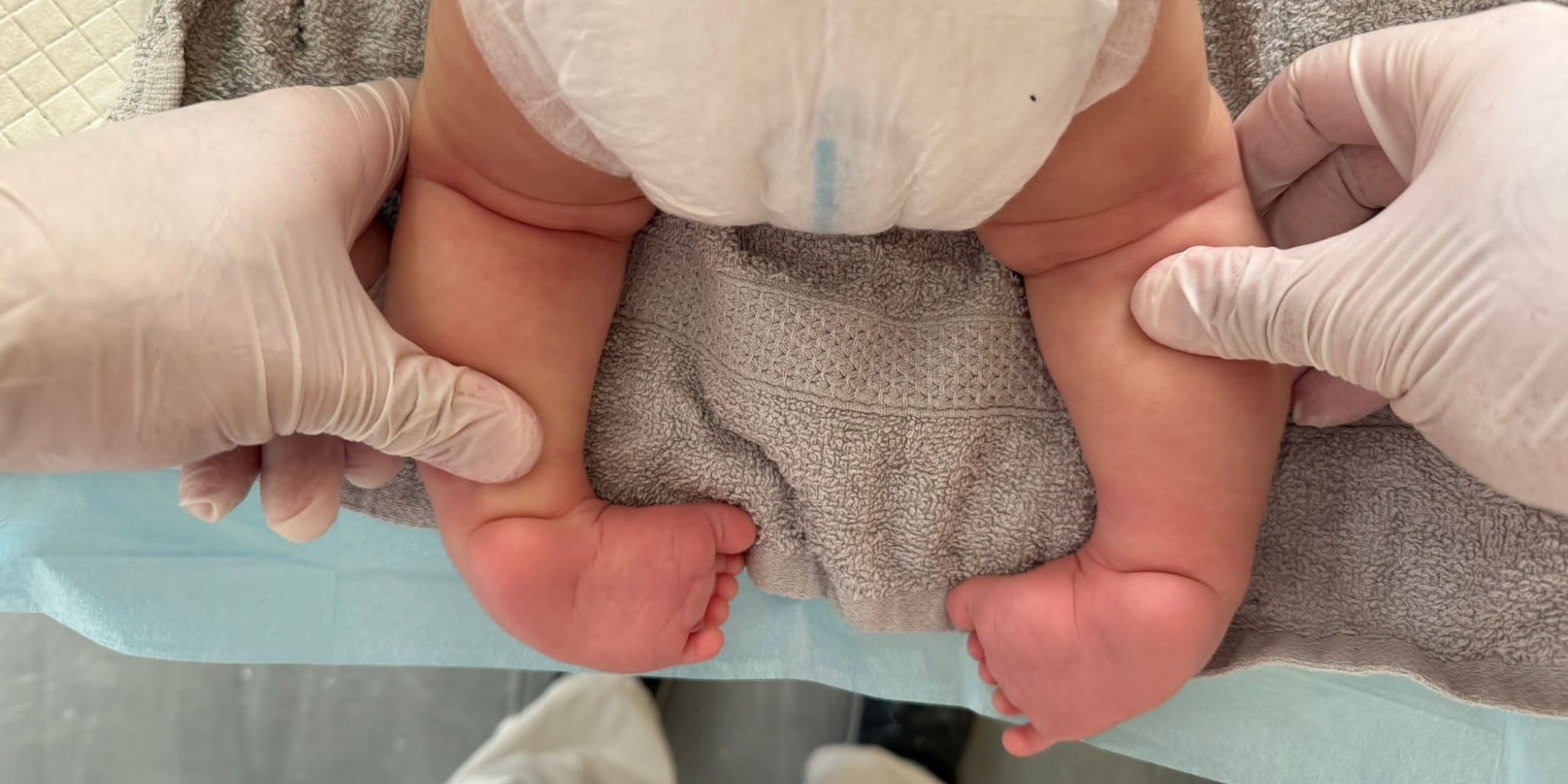
Treatment for Clubfoot: A Life Without Limits
Restore your child’s proper gait with a proven method that combines gentle manipulation with precise casting. The Ponseti method is a groundbreaking alternative to extensive surgery. Instead of surgical intervention, we offer gradual, safe correction of deformities, performed by experienced specialists. At the Paley European Institute, we restore what is most precious to children: a normal gait pattern, physical activity on par with their peers, and peace of mind for parents.
Our standard of care includes:
Individual assessment: We evaluate each child based on the type and severity of the deformity, their treatment history, and the potential for correction, and develop an optimal treatment plan.
The Ponseti Protocol: We use advanced, globally validated manipulation and casting techniques, minimizing the need for surgical intervention.
Precise correction: We ensure that your child’s foot achieves proper alignment, providing a solid foundation for proper gait.
Specialized rehabilitation: We guide the family and child through every stage of treatment—from casting and tenotomy to learning to walk with a brace.
Why does it work?The use of corrective casts in the first weeks of a child’s life eliminates the need for extensive surgery and provides results that last a lifetime.
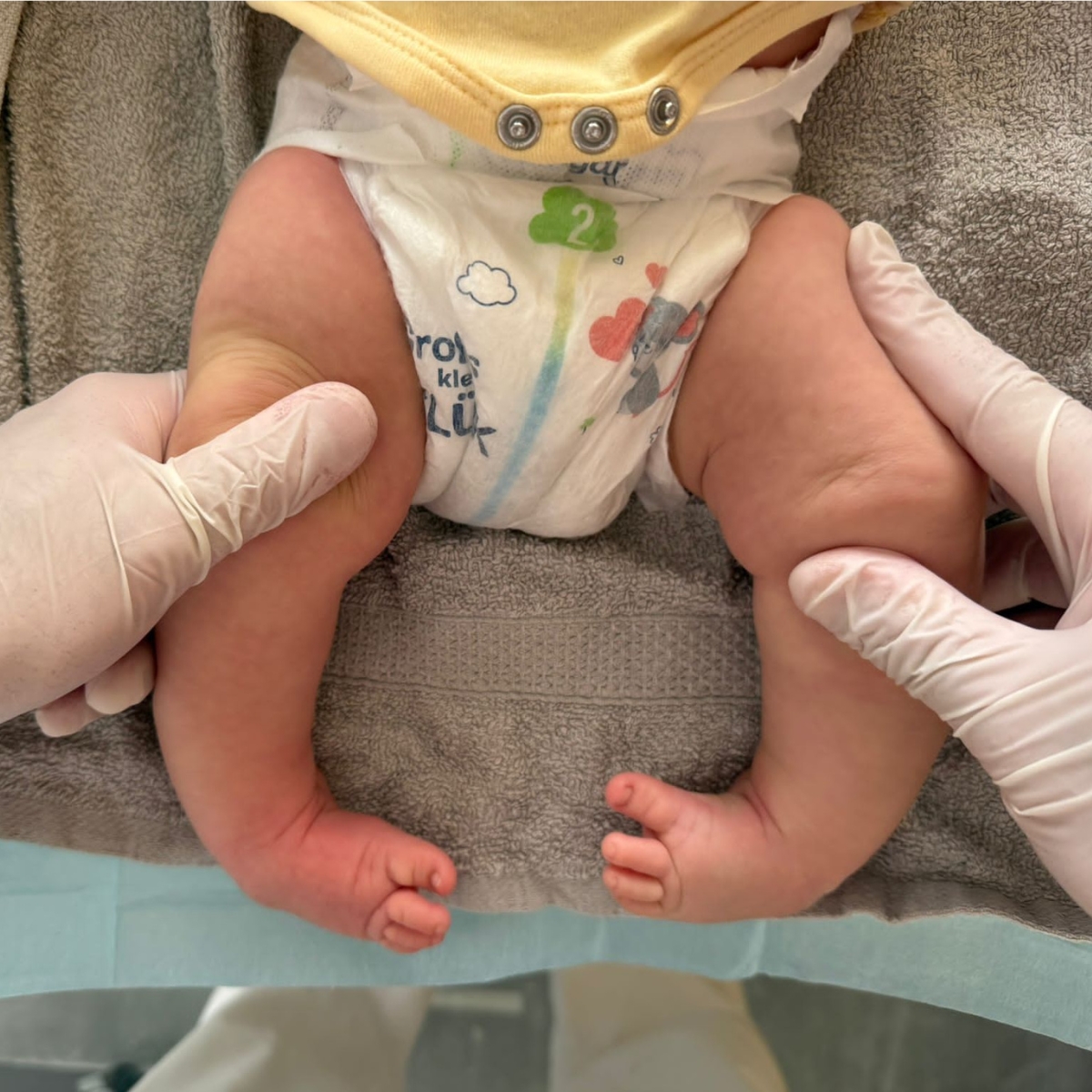
Who is treatment for clubfoot intended for?
When time is of the essence…
The Ponseti method is intended for all newborns and infants with clubfoot—whether the condition occurs on its own or in conjunction with other medical conditions. The earlier treatment begins, the better and more lasting the results. Treatment can begin within a few days or weeks after birth.
Safety Guarantee: Comprehensive Qualification
The path to a healthy foot at the Paley European Institute begins with a thorough assessment of the child's condition.
Clinical indications
Congenital clubfoot (unilateral or bilateral)
Prenatally diagnosed clubfoot (ultrasound)
Recurrence of the deformity following prior treatment
Clubfoot as part of a genetic or neurological condition
The need for Achilles tendon tenotomy
A child who has undergone major surgery and requires further rehabilitation
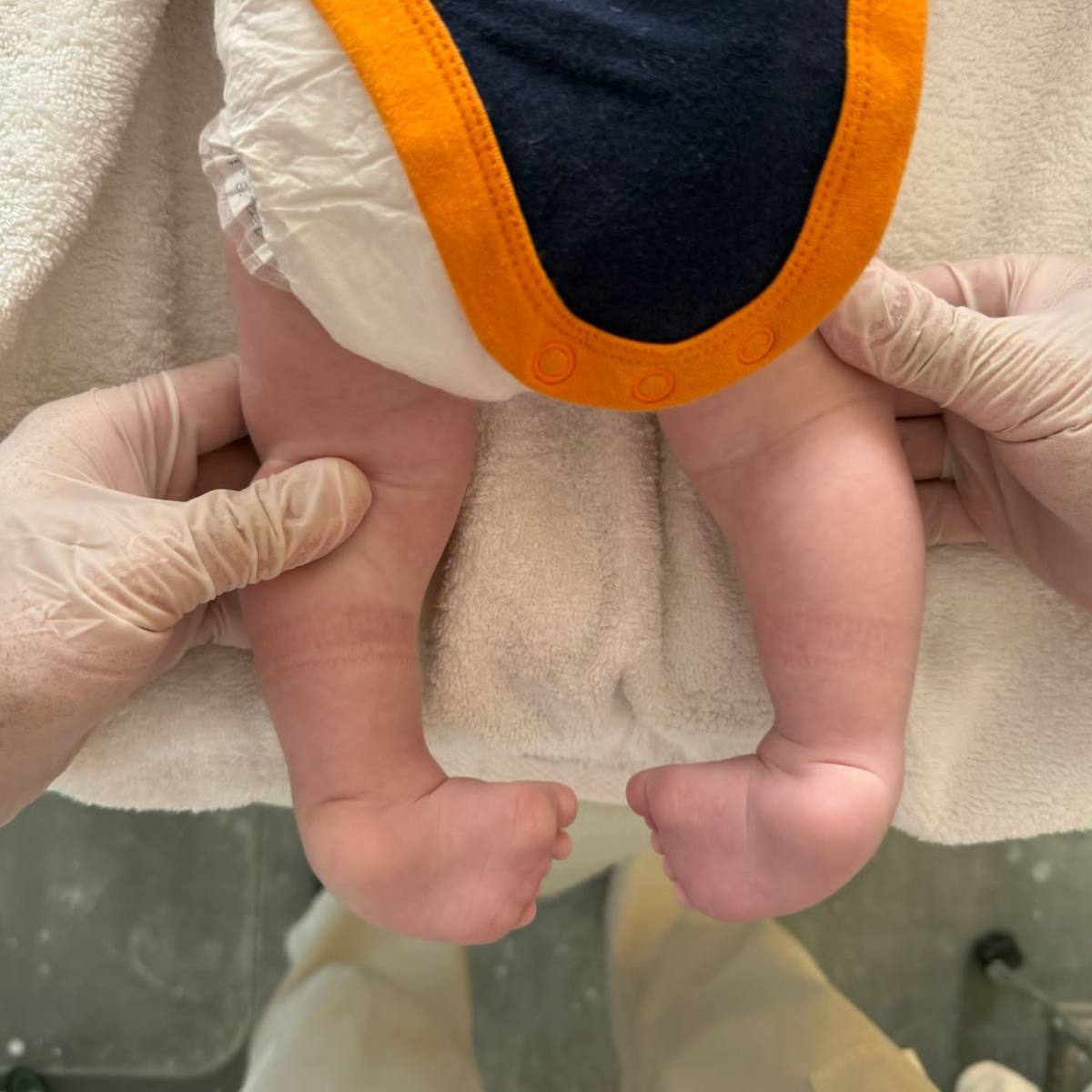
The Ponseti Method vs. Surgical Treatment—Which Should You Choose?
Discover the differences in approach, comfort, and long-term outcomes that will shape your child’s future.
The Ponseti Method
Gold Standard
A safe, non-invasive method recognized by global orthopedic societies as the first-line treatment.
Minimally invasive surgery
The only procedure required is a minimally invasive Achilles tendon tenotomy—performed in the doctor’s office and taking just a few minutes.
Excellent long-term results
Children treated with the Ponseti method can participate in any sport and lead fully active lives without restrictions.
Short active treatment period
4–8 weeks of active casting + orthotic treatment—no long-term postoperative rehabilitation.
No scars or extensive incisions
The method leaves no visible scars and does not interfere with the normal development of bones and joints.
: Acceptable Comfort for Children
Infants quickly adapt to casts and braces—the method is painless.
Extensive surgical treatment
Higher risk of complications
Extensive ligament and tendon surgery is associated with a risk of infection, healing complications, and damage to the developing foot.
A Long Recovery
The child requires immobilization and a long rehabilitation period after surgery, which delays normal motor development.
: Poorer Long-Term Outcomes
Studies show that feet that have undergone surgery tend to become stiff and painful in adulthood—the problem is not always permanently resolved.
Visible Scars and Growth Disorders
Surgery on a growing foot can disrupt its natural development and leave scars.
Used only in exceptional cases
Extensive surgery is reserved for the most severe cases, when the Ponseti method has failed or was not properly applied.
The treatment process for clubfoot includes:
Each case is evaluated individually by a multidisciplinary team. Treatment does not end with the application of the first cast—it includes diagnosis, casting, tenotomy, orthotic fitting, and long-term follow-up.
Assessment and Diagnosis
The first step is a detailed orthopedic consultation and an assessment of the type and severity of the deformity.
If necessary, imaging tests (X-rays, ultrasounds) are performed to assess the bone structure of the foot and plan the course of treatment. Parents can receive psychological counseling to help them prepare for the treatment process.
Based on this, the team assesses the indications for Ponseti treatment and the likelihood of achieving full correction.
Treatment Planning
Based on the clinical evaluation, the optimal sequence of manipulation and casting is determined.
The following topics are discussed with the parents: the number of casts planned, the possibility of needing a tenotomy, the type of brace, and the schedule for follow-up care.
Parents receive detailed instructions on how to care for the cast at home and on warning signs that require immediate contact with the clinic.
Plastering
Active treatment involves gentle manipulation of the foot once a week, followed by the application of a corrective cast.
Typically, 4 to 8 casts are needed. Each cast is kept on for 5 to 7 days and then removed immediately before the next visit. During this time, the foot gradually returns to its correct position.
Regular clinical checkups allow us to monitor the progress of the correction and the safety of the treatment.
Tenotomy and the final cast
In most cases (about 80%), an Achilles tendon tenotomy is necessary to correct clubfoot.
The procedure is minimally invasive and is performed under local anesthesia.
After the tenotomy, a final cast is applied for approximately 3 weeks. The tendon heals to its normal length, restoring full mobility to the ankle joint.
Bracing and monitoring
Once the cast is removed, the child is fitted with an abduction brace (FAB), which they wear constantly for the first 3 months and then at night for 4 to 5 years.
Regular follow-up visits (every 3–4 months for 2 years, then less frequently) allow us to monitor results and detect any recurrences early on.
Treatment does not end when the last cast is removed—it includes long-term follow-up care until the child has finished growing.
We are part of a European network of pediatric orthopedics
We follow the guidelines of the EPOS (European Paediatric Orthopaedic Society) —the European society for pediatric orthopedics—which has established the standards for the treatment of clubfoot followed by leading centers around the world.
Our approach is based not only on our own clinical experience, but also on many years of research and scientific publications on the Ponseti method.
We collaborate with experts from Europe and around the world, which allows us to keep our treatment protocols up to date.
We use the latest, approved diagnostic and therapeutic methods, ensuring that our patients receive treatment in line with current medical knowledge. Each case is treated individually, with respect for the needs of both the child and their family.
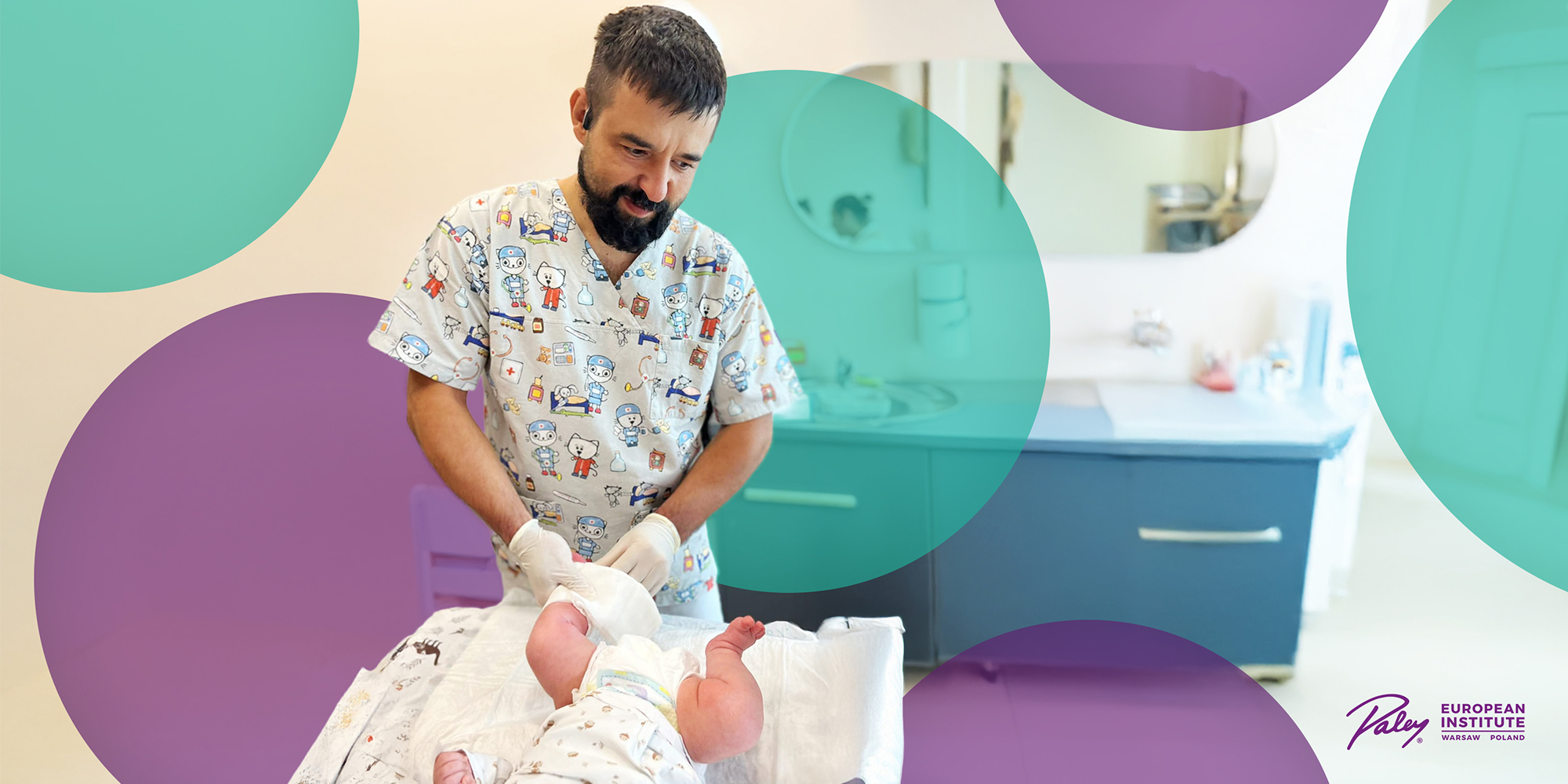
Dr. Jacek Kąpiński – pediatric orthopedist, specialist in clubfoot
Dr. Jacek Kapiński is a physician whose patient population consists of 80% children with clubfoot. He began his work with the Ponseti method in 2015 at the hospital on Niekłańska Street in Warsaw.
For years, he has been building relationships with entire families, remembers each patient’s history in detail, and accompanies them throughout the entire long-term treatment process—from the first cast until the child has finished growing.
His office is a place where medicine meets empathy: procedures are kept as short and as stress-free as possible for the baby, mothers can breastfeed while the cast is being applied, and the cast is applied efficiently—in about 10 minutes. “It’s definitely going to be great, it’ll be fine!” he tells parents worried about the diagnosis. And he has every reason to believe so.
Clubfoot by the numbers
Global Scale and Experience
1 in every 1,000 newborns is born with clubfoot (approximately 300 children per year in Poland)
>95% success rate for the Ponseti method when the brace is used correctly
On average, 4 casts are sufficient for full correction
80% of cases require Achilles tendon tenotomy—a minimally invasive procedure performed without general anesthesia
5–10% of the most severe cases may require additional surgery
4–5 years of nighttime orthotic treatment to maintain a lasting correction
80% of treatment success depends on parents' consistency in having their child wear the brace
Our Doctors Meet the Paley European Institute team

Multimedia
A patient- and family-centered approach
The Family as a Partner in Treatment – Treating clubfoot is a process that spans many months, and as much as 80% of its success depends on the parents’ daily efforts at home. That is why at the Paley European Institute, we treat the family as a full participant in the therapy—not just as recipients of instructions.
Hands-on training – We teach parents how to apply a brace, care for a cast, and recognize warning signs. Caregivers are with the child every day, and they are the ones who determine the success of the treatment.
A comprehensive team of specialists —orthopedists, physical therapists, and orthotists—work together to provide seamless care from the moment of diagnosis until the child has finished growing. We’re here every step of the way.
Support and barrier-free communication – Parents can contact the doctor by phone or via WhatsApp – a quick response to any questions about casts or braces is standard for us. We also place great emphasis on psychological support—because we know that a diagnosis can be a deeply emotional experience. We want parents to feel, from the very first visit, that they are in good hands and that—as Dr. Kapiński says— “everything will definitely turn out great.”
Your most frequently asked questions
That is, What you as a parent should know before making a decision.
Clubfoot (talipes equinovarus) is the most common congenital bone and joint deformity in newborns—it affects approximately 1 in 1,000 children (in Poland, about 300 cases per year). It is not a disease of the foot itself, but a disease of the connective tissue: some of the muscles undergo fibrosis, altering the distribution of forces and causing abnormal foot positioning as early as around the 13th week of pregnancy. The deformity resembles a golf club in shape (hence the English name "clubfoot"). It can affect one or both feet. In the vast majority of cases, it is an isolated (idiopathic) defect and—with proper treatment—does not preclude any physical activity.
The cause is multifactorial. If one family member has clubfoot, the risk of it occurring in subsequent children is approximately 14%. There is also documented genetic predisposition, though a large proportion of cases still await full explanation. Importantly, idiopathic clubfoot is a congenital defect that a child is simply born with. It is not the result of parental actions or neglect. There is no reason to feel guilty.
Ideally, this should be done during the baby’s 3rd to 4th week of life, after the mother has bonded with the newborn and the baby has reached a minimum weight of 4 kg. There is no need to begin casting immediately after leaving the delivery room—the mother needs time to get to know her baby. The elasticity of the tissues in a newborn is very high at this stage, which facilitates correction. The Ponseti method also yields good results in older children and in cases of recurrent deformities.
Treatment consists of several stages: (1) Manipulation and casting—gentle manipulation of the foot once a week + a thick, full-length cast extending to the groin (above the knee), changed every 5–7 days. Typically, 4 casts are sufficient. (2) Achilles tendon tenotomy—in approximately 80% of cases; minimally invasive, without anesthesia, performed in the procedure room. (3) Final cast—applied 2–3 weeks after tenotomy. (4) Abduction brace (FAB)—23 hours a day for 3 months, then at night for 4–5 years.
A cast stretches tight tissues, which can cause discomfort—infants often cry, especially in the first few hours. However, older children describe it as a mild, annoying discomfort rather than severe pain. What’s more, many children quickly get used to the cast and react more negatively when it’s removed during bath time! We ensure maximum comfort for the child during the application of the cast: breastfeeding during the procedure, a soothing clinic environment, and quick and precise application of the cast in about 10 minutes.
An abduction brace (FAB) is the only effective method for preventing recurrence after correction. As much as 80% of treatment success depends on the parents’ consistency in using it. Missing even one nap teaches the child that they can “escape” the brace—and gradually undermines the entire discipline of wearing it. That is why it is so important to treat the brace as an inviolable daily routine until the child turns 5 years old. The orthosis does not delay walking, sitting, or crawling—children quickly adapt to the shoes with straps.
With proper treatment, a child can lead a completely normal, active life—playing sports,
including competitive sports. The treated foot may be slightly smaller than the other and have slightly less
calf muscle mass, which most people do not notice or consider insignificant. We know many
outstanding athletes with a treated clubfoot. The goal of treatment is a pain-free foot,
that fits into standard footwear and is ready for any challenge.
Photo Gallery
See how we take care of our patients