Palejowe ABC - ANGAZE
In the short term, such a strategy works, but looking at it in the long term, in this way we are harming the child more than helping him. It takes time to become proficient and learn to do an activity well - whether it's dressing, cooking or constructing spaceships.
Encouraging your child to do household chores, such as hanging laundry, unpacking the dishwasher, vacuuming or preparing sandwiches, gives him a chance to prove himself, learn self-reliance and take responsibility for his own actions. The child gains an awareness of agency, and thus his self-esteem is strengthened. Of course, this involves the parent's patience and appreciation of the child's efforts. Even if there is a small disaster or simply something doesn't work out for the child let's give him another chance. Besides, a broken dish or spilled water is also a great opportunity to learn and see the consequences of one's actions. What can you do in such a situation? First of all, calmly discuss what went wrong and why. "The glass is fragile, so next time you have to be more careful not to break another one," or "The water spilled, so take a cloth and wipe it off so the floor doesn't get damaged or someone slips."
The basis for success is to allow the child to do activities that he can handle, that are appropriate to his development, and to gradually increase the level of difficulty. When caregivers show a child from an early age that involvement in household chores is a given, the chances increase that in the future they will avoid much of the frustration of having their "child do nothing."
Involvement is also important in the treatment process. During physiotherapy, the child should not be bailed out, but should also be given a chance to realize activities through inclusion in daily activities. This is when recovery will take place outside the exercise room.
When to start involving children in housework?
Even tiny children imitate their parents and, for example, "cook" their toys or wipe the floor with a rag. It is worth taking advantage of the moments of spontaneous activity of the child and encourage him to help. It is then worth handing him a sponge or cloth and let him wipe the table together with us. Let him also mix the ingredients in a salad or crush a banana with a fork. Children love loading and unloading the dishwasher. As long as we don't wash precious china in it, a toddler can take out the dishes together with a parent. The daily chores we have to do at home are treated by children as fun. So this is the perfect time to make the most of it and help the child form habits that will come in handy later in life.
When engaging children to help around the house or garden, keep in mind that many times a bigger mess will be created than when you would have acted alone. Sometimes it can be a real lesson in patience, so being a parent, it's also worth being understanding yourself throughout the process of involving your child in housework.
Let's also not forget that due to the still developing nervous system, children are more easily distracted and bored, so you may find that after a few minutes of helping around the house, they will go to their room to attend to their own business. Then it's worth reminding the child that there are still things to finish, but try not to push. Forcing the child to help will sooner discourage them than achieve the desired goal. When housework is not associated by a toddler with an unpleasant duty and unpleasant emotions, there is a better chance that as an older child or teenager our kid will be more willing to clean his room, take out the trash and get involved in taking care of the house. After all, this is a shared space that the family takes care of together so that all members of the household live more pleasantly.
"When milk spills on the floor and those little eyes look at us, expecting a reaction, let's remember what really matters. It takes five minutes to wipe up spilled milk, and it takes much longer to mend a broken heart."
Rebecca Eanes
See other entries
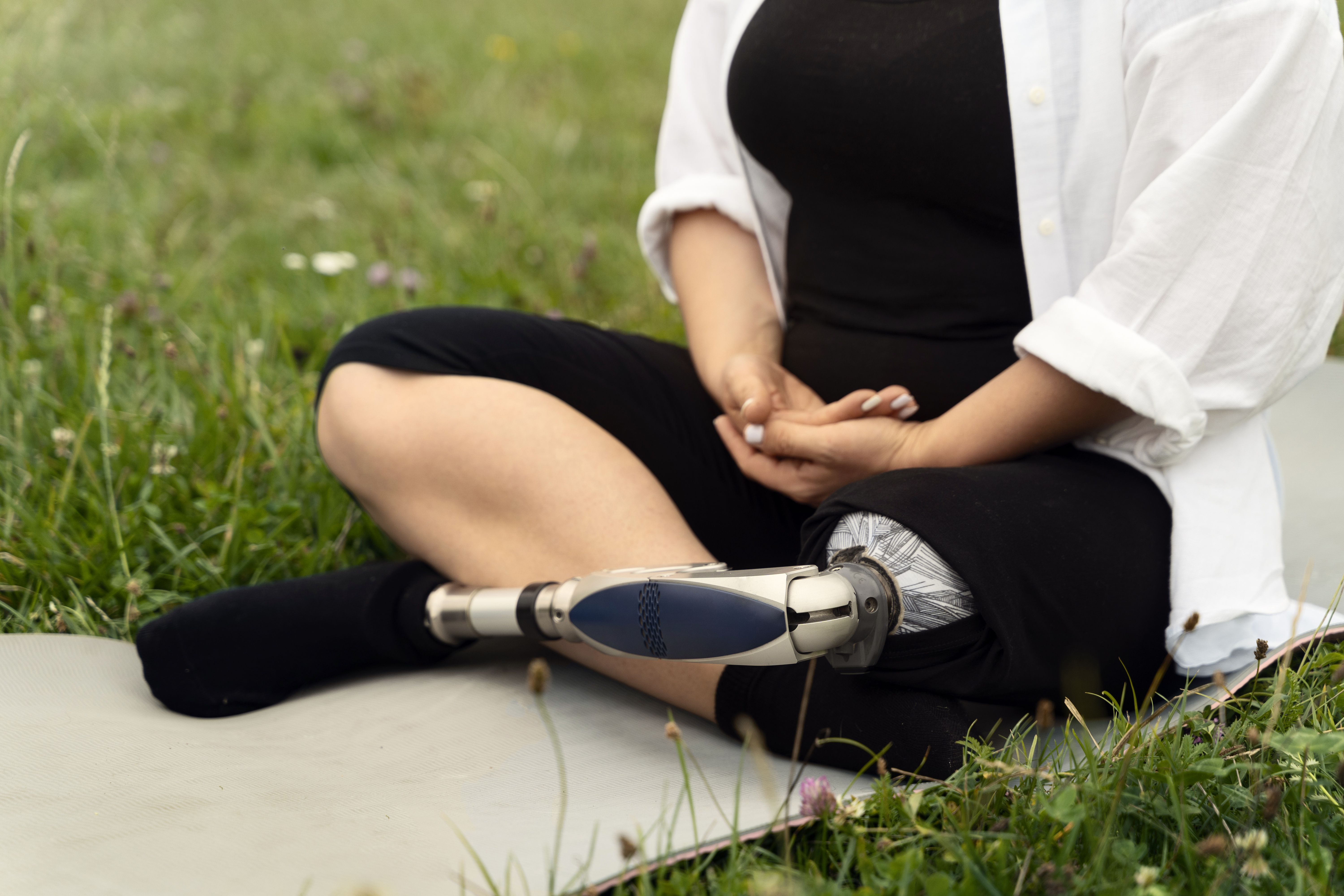
How to Properly Care for a Stump After Amputation? A Practical Guide
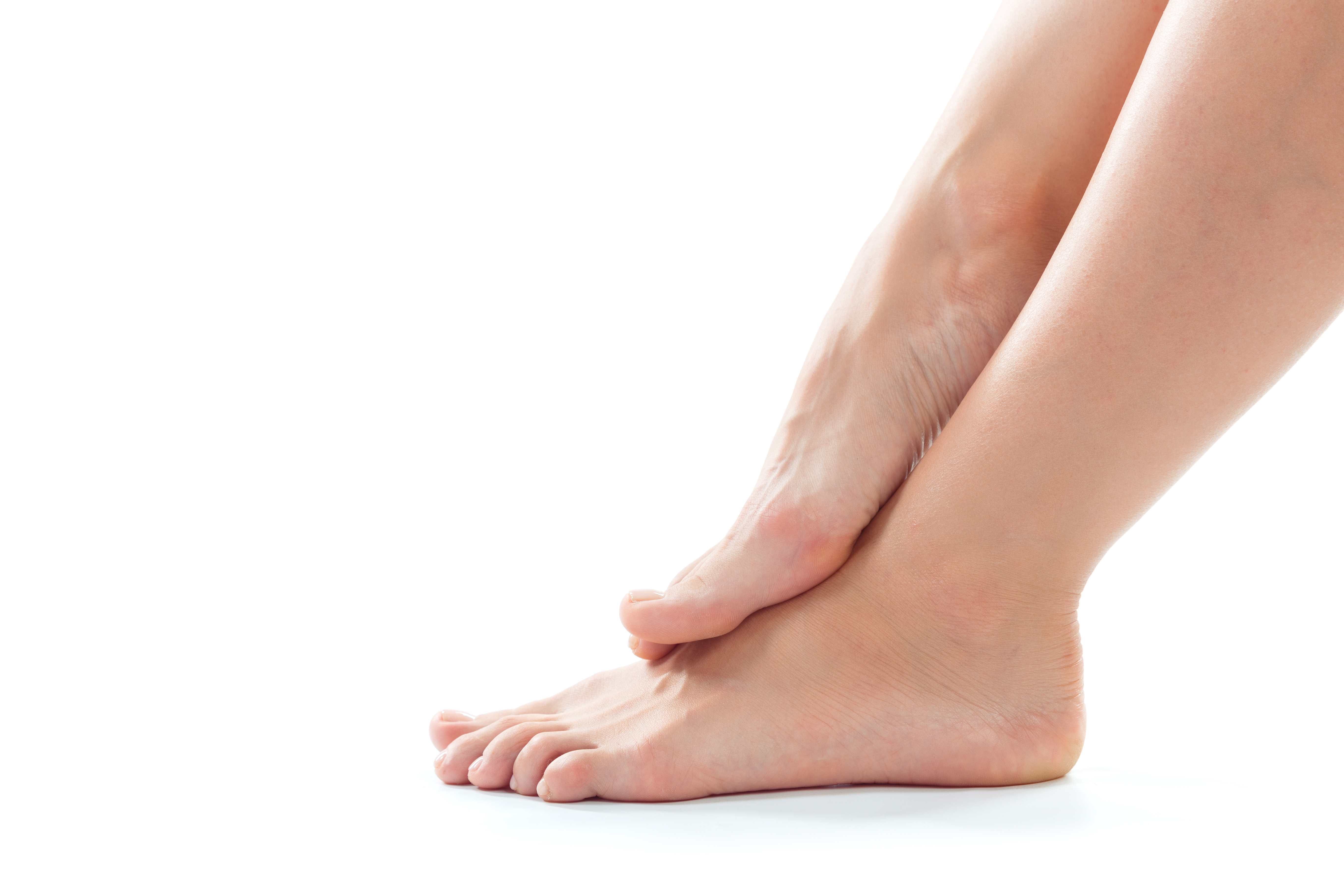
Hollow Foot – Symptoms, Causes, and Treatment Options