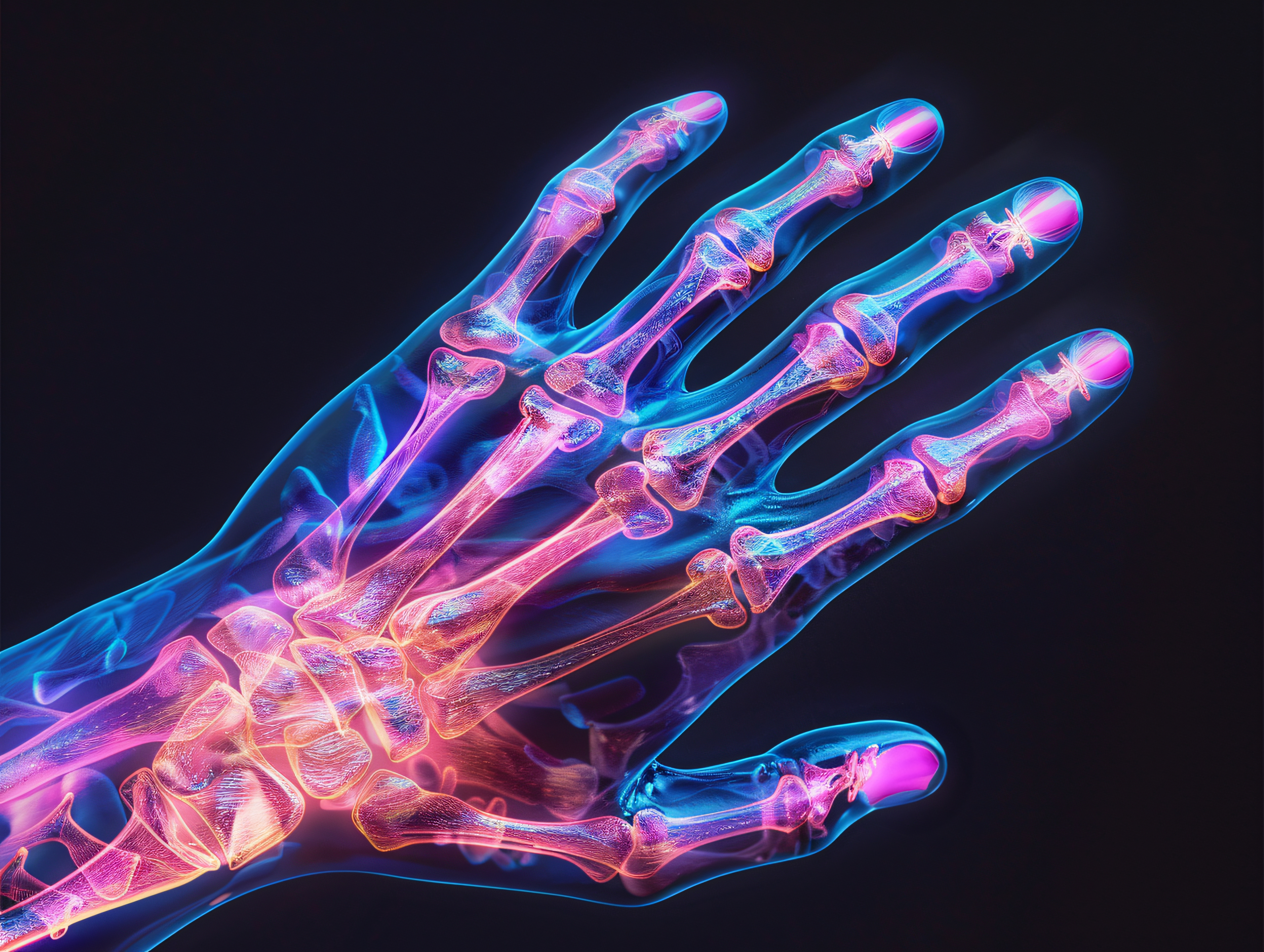
How to diagnose and treat gait disorders: A guide to musculoskeletal diagnosis
Musculoskeletal diagnosis in physiotherapy is a key element in the diagnosis and treatment of a variety of gait disorders. These abnormalities can result from a variety of causes, including trauma, chronic diseases, neurological disorders or musculoskeletal problems. Effective diagnosis requires not only in-depth theoretical knowledge, but also practical skills in assessing the patient's function.
This guide is designed to provide readers with a comprehensive look at methods of diagnosing gait disorders that are currently used in clinical practice. It also discusses what therapeutic strategies can be used in response to diagnosed problems.
Introduction to musculoskeletal diagnostics in physiotherapy
The health and proper functioning of the musculoskeletal system play a key role in our lives. That is why motion analysis is of such great importance. It allows us to detect and prevent various types of disorders that can significantly limit daily fitness and comfort.
Gait analysis is one of the basic methods used in musculoskeletal diagnostics. It is a collection of techniques used to assess the quality, fluidity and efficiency of body movement. They allow the determination of movement in all of the Patient's joints. The process allows for a detailed examination of how the Patient moves on a daily basis, which is key to understanding potential abnormalities and their causes. The method is based on observation, as well as more advanced techniques using specialized measuring devices, such as EMG or ground reaction force testing. From gait analysis, deficits in movement or muscle strength can be read, and then the parameters can be compared with the results of a physical examination to get a complete picture.
Gait analysis is a fully objective and standardized method that identifies problems such as asymmetry of movement, abnormal joint loading, and limitations in range of motion. With this knowledge, therapists can develop personalized treatment plans that not only relieve pain, but also help optimize movement, improve joint and muscle function, and ultimately improve patients' quality of life. Importantly, it is now accepted that no conservative or surgical treatment should be planned without a gait analysis.
Treatment of gait disorders
A child's abnormal gait can result from a congenital musculoskeletal defect, neurological abnormalities or orthopedic problems that, if not identified early and treated appropriately, can lead to long-term complications. Early intervention is therefore crucial and can include both physical therapy and, in some cases, surgical intervention. Diagnosis at an early age allows for more effective prevention of further deterioration and to take advantage of the natural plasticity and adaptability of the developing body.
Creating a treatment plan is an extremely complicated process. Not only does it require taking many factors into account, but it also requires taking a broader view of gait disorders with a neurological basis. This is why pediatric orthopedic technicians, biomechanists, orthotists, therapists and physicians are involved in the process. Together, the specialists decide whether it is possible to implement conservative treatment to improve the patient's function or whether surgical intervention is necessary.
Movement analysis can also be performed after treatment to assess the effectiveness of the therapeutic interventions used. This is a key part of the rehabilitation process, which allows monitoring of the patient's progress and, if necessary, rapid modification of the treatment plan. A correct gait after therapy is confirmation of treatment success.
Summary
Musculoskeletal diagnostics in physiotherapy are crucial for detecting and treating gait disorders. With proper diagnosis and therapy, it is possible not only to reduce symptoms, but also to significantly improve the quality of life of people with gait disorders. That's why at Paley European Institute we use motion analysis performed in a 3D laboratory as a primary tool in assessing the functionality of our patients. Our approach integrates the latest technological advancements with customized therapeutic plans to effectively intervene in a variety of gait disorders.
See other entries
How to Properly Care for a Stump After Amputation? A Practical Guide
Hollow Foot – Symptoms, Causes, and Treatment Options