Why introduce elements of play into physiotherapy?
Physiotherapy doesn't have to be boring
Some children need regular physiotherapy from their first days of life. Laborious and repetitive exercises, sometimes causing discomfort, can lead to reluctance and refusal to participate in classes. However, this can be quite different when elements of play are introduced into the physiotherapy, or the whole meeting is conducted in such a way that the child leaves the class satisfied and looks forward to the next appointment with peace of mind.
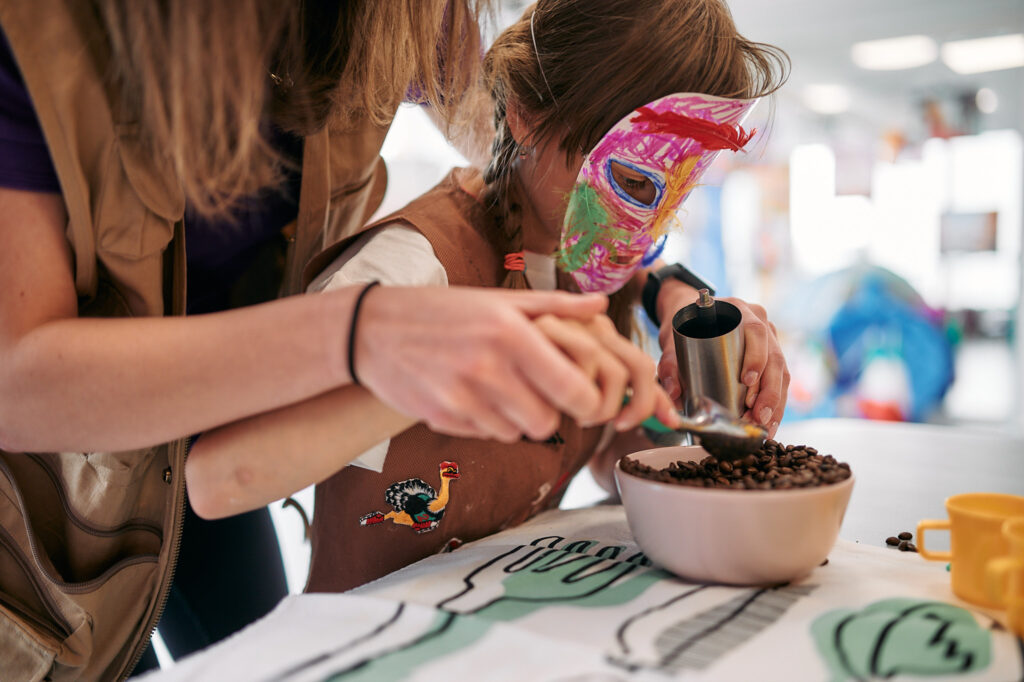
Such classes, during which rehabilitation of children's upper limbs is conducted in the form of thematic games, are organized by physiotherapists and occupational therapists from the Paley European Institute as part of a proprietary bimanual therapy program. Each turnout lasts 2 weeks, and classes are held from Monday to Friday for 2 hours each day. A Cooking Turnout and a Travel Turnout are regularly organized.
Physiotherapist offers and engages in fun activities
By introducing play into physiotherapy, the chance is increased that a kind of cooperative and mutually trusting bond is formed between the child and the specialist. After all, a good relationship is a key element for more effectively implementing the plan and achieving therapeutic goals. Seeing that the physiotherapist or physiotherapist engages in play and offers it himself, the child will be more inclined to actively participate in the activities. In the child's eyes, the office and the exercises performed become less threatening.
Physiotherapy as an enjoyable activity for the child
A child who engages in play while exercising learns that physiotherapy is an enjoyable activity that is worth participating in and looked forward to. By engaging the child in a variety of playful activities, the little person gains self-confidence and experiences self-efficacy and resourcefulness. What is incredibly important for children, and what is particularly evident in the case of children with disabilities, is a strong need for agency, which children readily realize precisely in play. A sense of agency also helps them take on more challenges and facilitates learning to regulate their emotions.
Functional benefits of play during physiotherapy
Greater involvement of the child in physiotherapy activities translates into real functional results. The results of the study on the Kucharski Turnus, aimed at children after polyarthrosis and ulnar surgeries, indicated a significant increase in the functional capabilities of the upper extremities. The greatest improvements were achieved in active wrist flexion and extension, with average values obtained being 67 percent and 77 percent higher, respectively.

Before and after the thematic turnout, its participants underwent an assessment of the functional capabilities of their upper limbs, so we accurately determined the progress of their therapy. We are pleased that, thanks to the innovations we are introducing at the Institute, we are giving our patients a chance to recover faster - Paulina Krystosiak, physiotherapist at Paley European Institute.
There was also an improvement in the mean values obtained in the passive and active movements of abduction, flexion, internal and external rotation of the shoulder joint, pronation of the forearm, ulnar adduction and active flexion of the elbow joint. The children also improved their skills in folding and tearing a piece of paper, stringing beads, tying shoes and unscrewing a bottle, among others.
Satisfaction for the child and the physiotherapist
Man as a whole is a combination of body and mind, so the activities that bring the most benefit are those that integrate both parts. Thus, by incorporating play into physiotherapy, we take care of both the body and the child's psyche at the same time. Physiotherapy with a child who engages in play is more effective and therefore rewarding for both the child and the specialist.
See other entries
How to Properly Care for a Stump After Amputation? A Practical Guide
Hollow Foot – Symptoms, Causes, and Treatment Options