Multiple cartilaginous outgrowth syndrome MHE
MHE is an inherited disease resulting from changes in the EXT1 or EXT2 gene. The cause of the mutation is still not identified. It mostly occurs in boys and develops as bone tissue grows.
The outgrowths are benign tumors that can develop into malignant tumors over time
You can learn more about it from our specialists Dr. J. Michal Deszczynski and Dr. Tomasz Albrewczynski and read in a recent article for Onet health: "There are days when we both cry... Hubert from pain, and I from helplessness. Multiple cartilaginous outgrowth (MHE) syndrome."
We also invite you to listen to Dr. Feldman's lecture:
See other entries
November 16, 2026
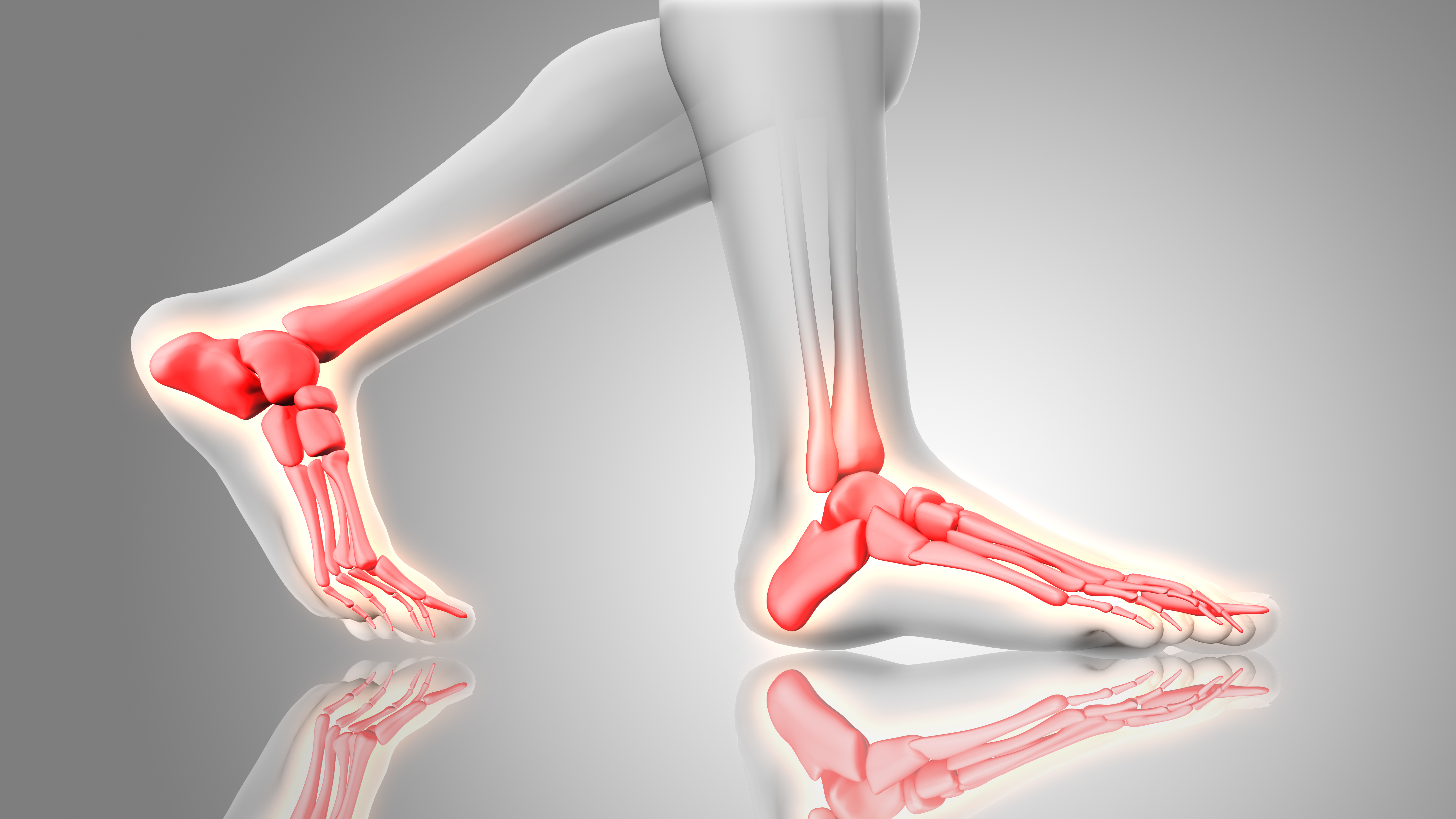
SUPERankle Surgery – What Is It and Who Can Benefit From It?
SUPERankle is a specialized reconstructive procedure used primarily in children with severe congenital deformities of the ankle and foot, particularly in cases of fibular hemimelia. Its main goal is to stabilize and center the ankle joint and to achieve a functional, flat-footed ankle joint that can bear weight properly. The procedure may also serve as part of preparing the limb for subsequent stages of treatment, […]
November 16, 2026
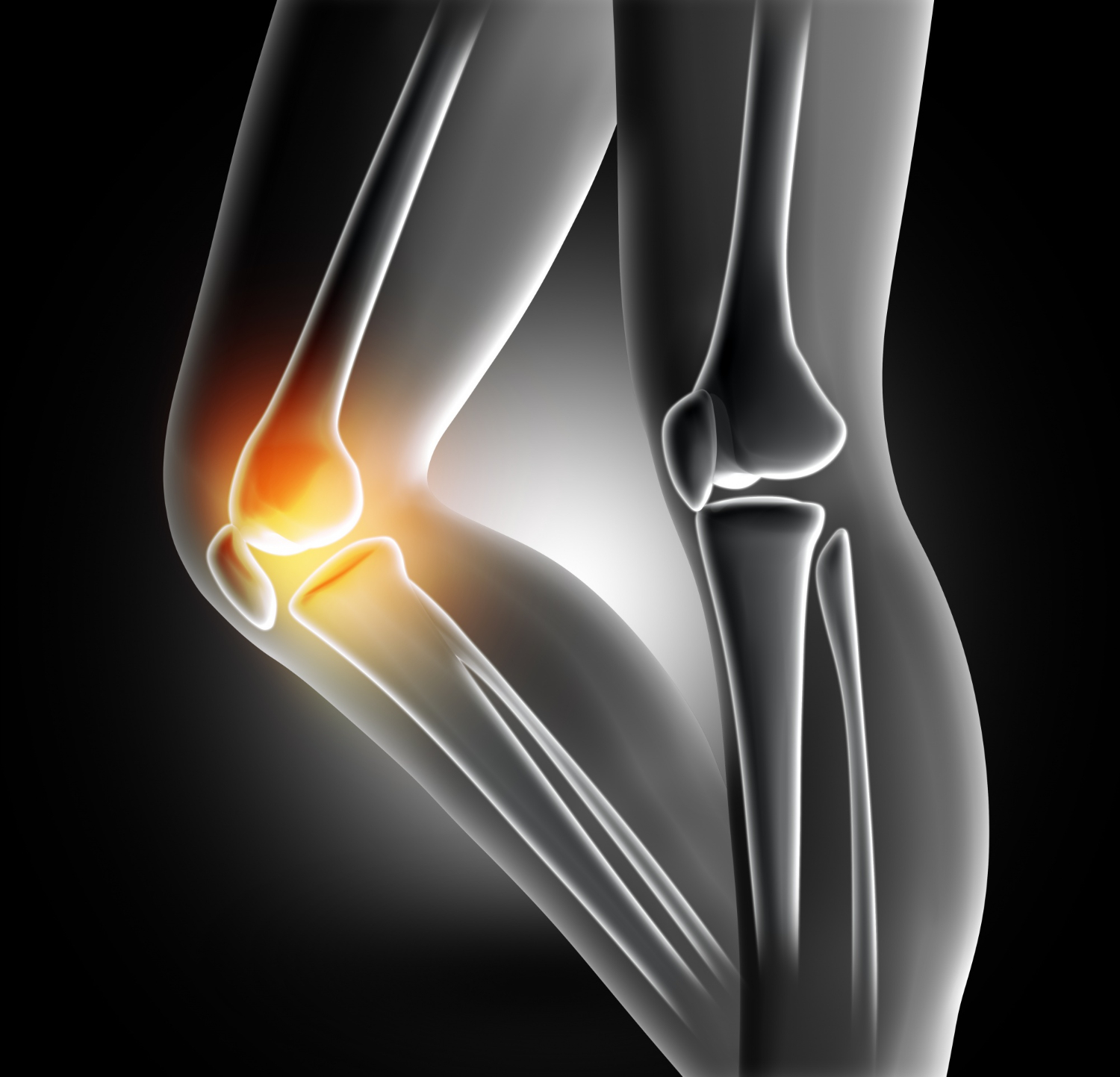
SUPERknee Surgery – What Is It and Who Can Benefit From It?
SUPERknee is a proprietary reconstructive procedure developed by Dr. Dror Paley to treat severe deformities and instability of the knee joint. It is primarily used in patients with congenital lower limb defects, including congenital femoral hypoplasia (CFD), but it can also be used for certain acquired deformities. The goal of the procedure is to restore the greatest possible stability […]
October 15, 2026
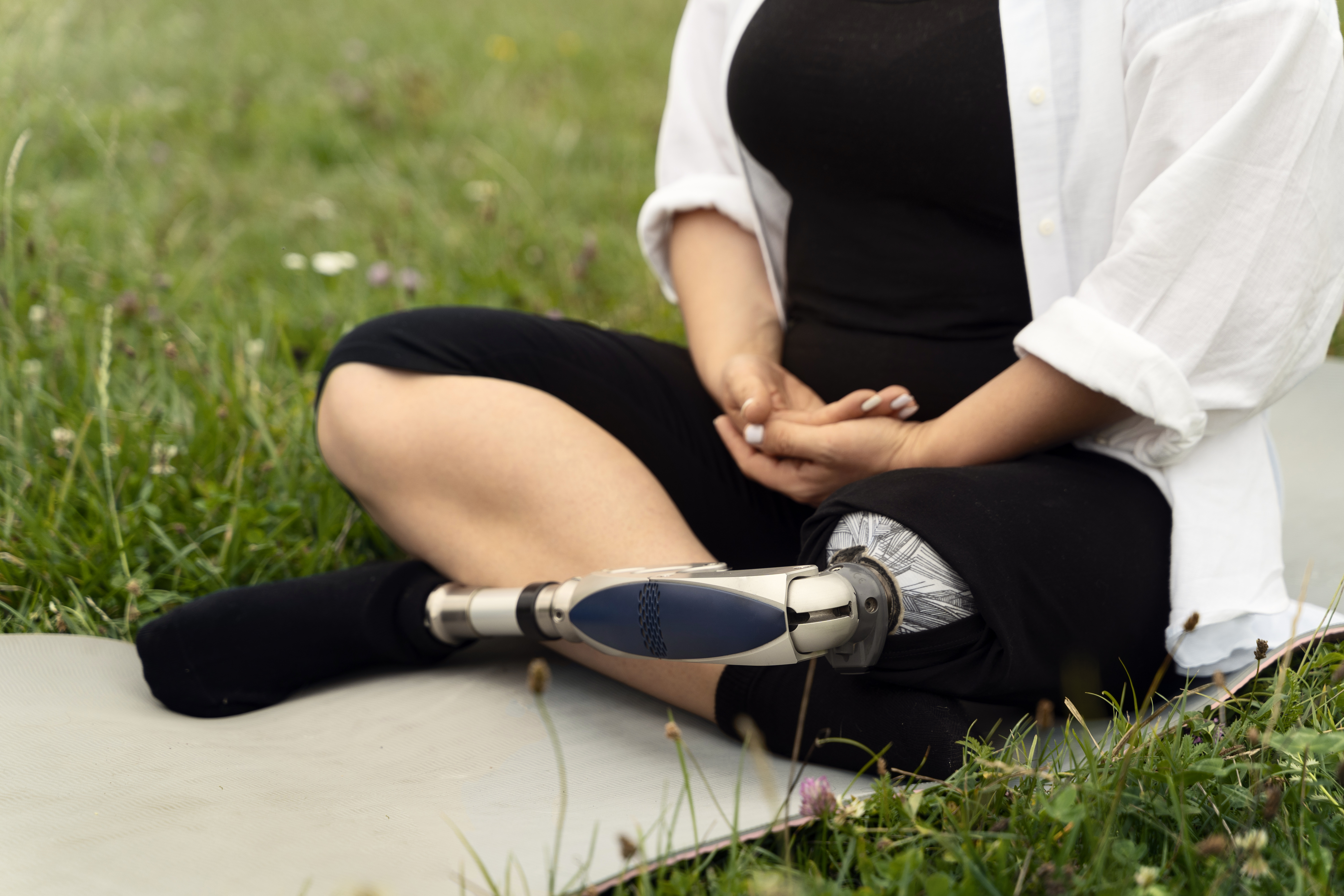
How to Properly Care for a Stump After Amputation? A Practical Guide
Stump care following amputation is an important part of regaining mobility, preparing for prosthetic fitting, and preventing skin and functional complications. Proper hygiene, daily skin monitoring, edema management, correct limb positioning, and rehabilitation help create the conditions for proper healing and continued improvement. However, the course of treatment depends on the level of amputation, the reason for the procedure, the condition of the wound, and the treatment method used. […]