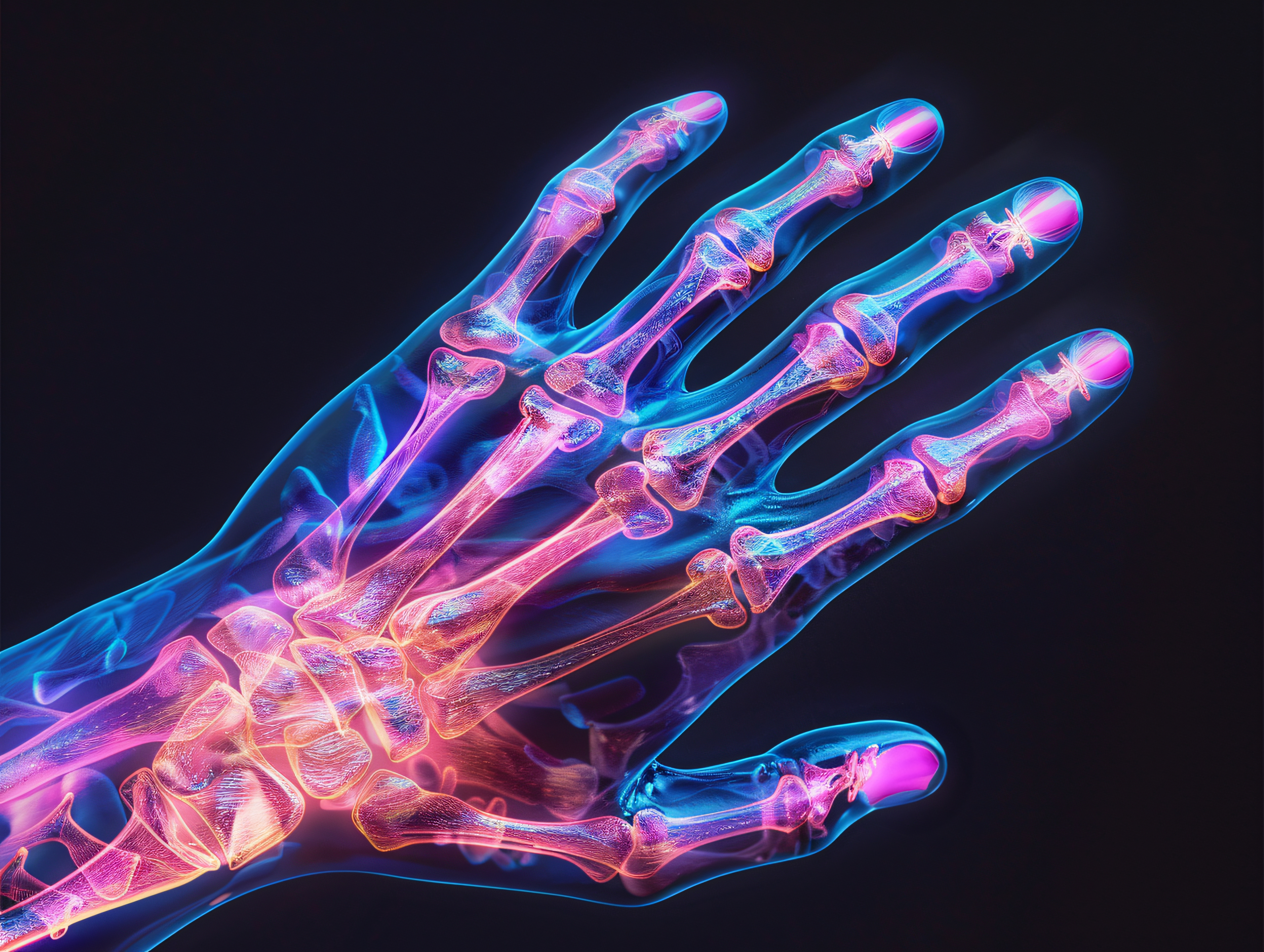
Everything you need to know about the causes, symptoms and treatment of multiple cartilaginous outgrowths!
Cartilage outgrowth: Causes, symptoms and treatment
When the diagnosis is made: multiple cartilage and bone outgrowths (MHE), many questions come to mind. What is a cartilaginous outgrowth? Why do they form? What are their symptoms, and what is the treatment? These are the fundamental questions that guide the patient or their loved ones. Below we have prepared a detailed guide to help dispel doubts and provide essential knowledge about MHE.
What are multiple cartilaginous outgrowths?
Multiple cartilaginous outgrowths are a syndrome characterized by the appearance of hard and easily palpable bony nodules, often covered with cartilage. These lesions can appear in various parts of the body, but are most commonly localized at long bones, such as the humerus, hip, tibia and fibula, and around the knee. However, they can also appear at the pelvis, shoulder blades and ribs.
Cartilaginous outgrowth: causes of formation
Cartilaginous outgrowths result from mutations in one of two genes: EXT1 or EXT2. These genes play a key role in the growth and differentiation of cartilage. The alteration, called a mutation, leads to abnormalities in cartilage development and ossification, resulting in the formation of cartilaginous outgrowths.
Although MHE is a genetic disease, not everyone who has a mutation in the EXT1 or EXT2 gene develops outgrowths. In some people, they may remain undetectable for many years, while others may experience symptoms at an early age.
Symptoms of cartilaginous outgrowths
In the case of cartilaginous outgrowths , symptoms may vary depending on the location, number of outgrowths and severity. In some patients, the outgrowths may be small and asymptomatic, meaning that they may be detected incidentally during imaging studies performed for other reasons. In others, however, the outgrowths can cause significant discomfort, such as:
- Pain and discomfort: the growth of outgrowths near joints can lead to pain, especially during movement. Pain can also result from pressure on surrounding tissues and nerves;
- Restricted mobility: growths can limit the range of motion of joints, which can lead to difficulties in performing daily activities.
- Bone deformities: outgrowths can cause visible deformities that can affect body symmetry and posture. In some cases, this can lead to walking problems or other movement disorders;
- Neurological problems: if the growth presses on nerves, it can cause neurological symptoms such as numbness, tingling or muscle weakness;
- Mechanical injuries: outgrowths can increase the risk of injury, especially in areas subject to friction or pressure, which can lead to inflammation or other complications.
Diagnosis of cartilaginous outgrowths
Diagnosis of multiple cartilaginous outgrowths usually includes imaging studies such as X-ray, computed tomography (CT) or magnetic resonance imaging (MRI) to accurately assess the number, location and size of the outgrowths. In some cases, genetic testing may be necessary to confirm the diagnosis and identify mutations in the EXT1 or EXT2 genes.
Treatment of cartilaginous outgrowths
Treatment of MHE is complex and depends on a number of factors, such as the age of the Patient, the severity of symptoms, or the location and size of cartilaginous outgrowths, among others. The most important part of it, however, is relieving the pain that Patients experience. Specialists also make sure that none of the nerves are compressed and save the joints of children and adults. After conducting all the necessary examinations and assessing the patient's condition, doctors create an individualized treatment plan, which may include:
? hemiepiphysiodesis - half-locking of the growth cartilage to correct limb axis deformities. This procedure is particularly effective in children, as it allows for controlled alignment of bone length during further growth;
⚫ Bone lengthening - used when there is significant asymmetry in limb length. The process involves the gradual lengthening of the bone using intramedullary nails;
? surgical removal of outgrowths - in cases where outgrowths cause significant pain, deformity or pressure on nerves, they may need to be removed. This procedure helps reduce pain, improve range of motion and prevent further complications;
⚫ femoral osteotomy - this procedure involves cutting and repositioning the femur to correct deformities in the axis of the lower limb. Osteotomy may be necessary when multiple cartilaginous and bony outgrowths cause significant deviation of the limb's axis, which affects the patient's gait and posture.
Summary
Multiple cartilaginous outgrowths are a condition that affects many aspects of life. From pain and discomfort to functional problems. In diagnosing and treating chondrocartilage outgrowths, it is crucial to understand that each case is different and requires an individualized treatment plan.
At Paley European Institute, MHE patients can count on comprehensive medical care. Our specialists use state-of-the-art diagnostic and therapeutic methods to ensure the best possible outcome for their patients. With experience and advanced technology, our center offers a wide range of treatment options that are tailored to each patient's needs.
See other entries

How to Properly Care for a Stump After Amputation? A Practical Guide
Hollow Foot – Symptoms, Causes, and Treatment Options