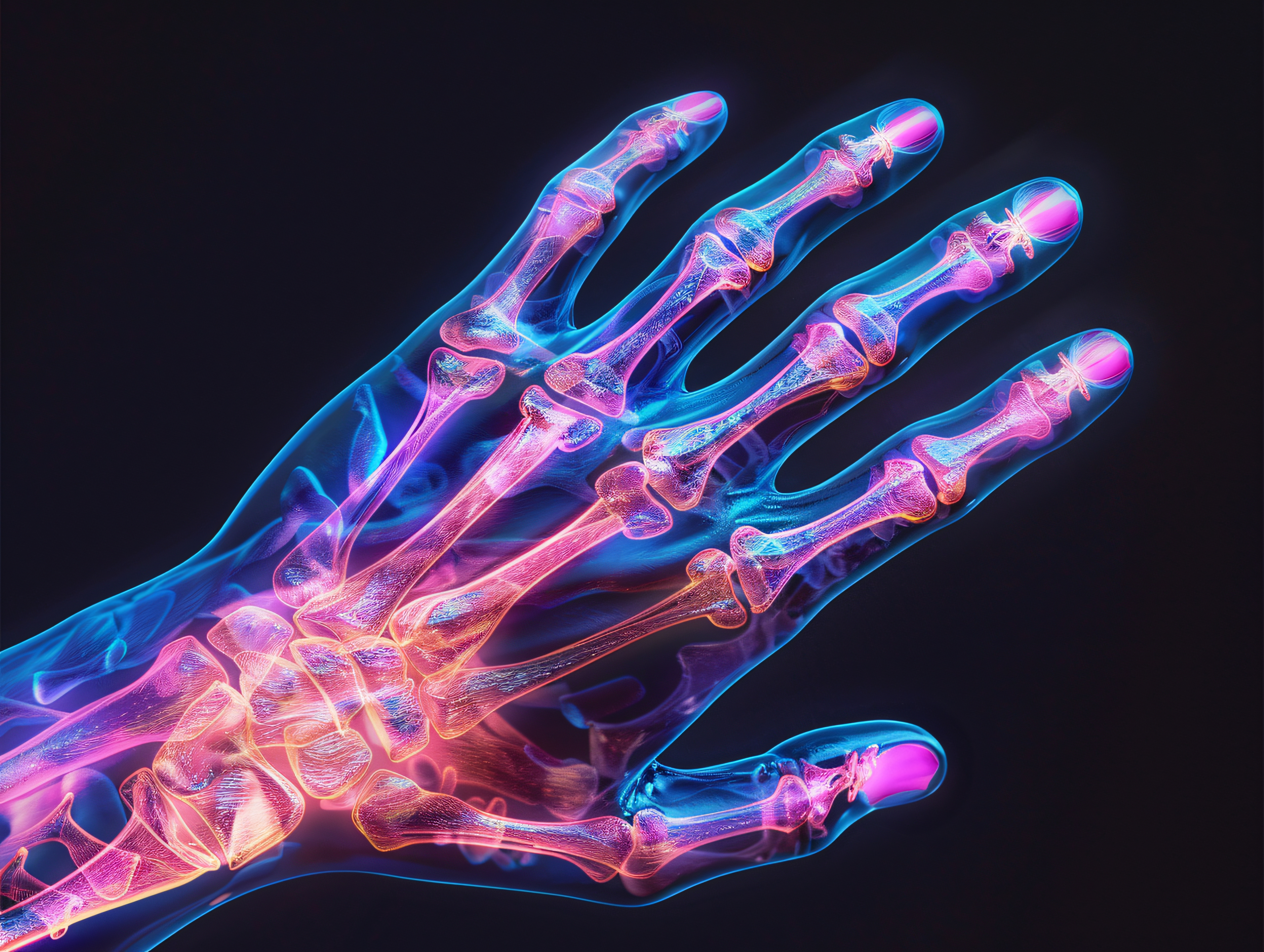
Everything you need to know about the Ilizarov method
What is the Ilizarov method?
The Ilizarov method is a technique used in orthopedic surgery that allows for the successful treatment of complex fractures, bone deformities and the lengthening of long limbs. It was developed by Soviet surgeon Gavriil Ilizarov, who first used the method in the 1950s. Since then, the technique has gained international recognition and was regularly used around the world for a long time. Although Ilizarov's method is still valued for specific medical cases, more modern treatments are now being used more frequently. Nevertheless, it is worth taking a look at what it consisted of and when it was used.
The Ilizarov apparatus, which is the key component of this method, consists of several metal rings and stabilizing half-rings connected to each other by threaded adjustment rods. These rings are placed around the limb, and metal Kirschner wires are threaded through the bone. This external design allows for very precise manipulation of the bone's position, which is crucial when treating fractures or correcting deformities.
One of the most important aspects of Ilizarov surgery is bone distraction, a process in which bone is gradually stretched to initiate bone growth. After making precise surgical cuts in the bone, the Ilizarov apparatus allows the bone to be stretched in a controlled manner by about 1 mm per day. New bone tissue is formed at the site of the stretching, allowing the bone to lengthen or rebuild.
Despite the high effectiveness of the Ilizarov method, complications can happen, especially due to the highly invasive nature of the technique and the length of the treatment process. These can include:
- swelling of the extremities,
- premature/delayed fusion,
- Displacement of bone fragments,
- joint contractures,
- Fracture of the elongated bone fragment,
- mobility limitations.
In addition, it is a time-consuming technique that requires the Patient to be patient and follow medical instructions. The treatment process is often lengthy, and full rehabilitation requires cooperation between the surgeon, the Patient and the rehabilitation team.
Key applications of the Ilizarov method
The Ilizarov method has found applications in various fields of medicine, mainly in orthopedic and traumatology surgery. Here are some key applications of the method.
- Limb lengthening using the Ilizarov method: has often been used to treat patients with uneven leg lengths or in cases where the patient wishes to increase their height.
- Correction of bone deformities: This method is used to correct various types of bone deformities, such as curvatures, twists or deformities resulting from birth defects, diseases such as rickets or trauma. The Ilizarov apparatus allows for precise adjustment of the angle and length of the bone, which is crucial for proper reconstruction.
- Treatment of complex fractures: In cases of complex fractures, especially those that are difficult to stabilize with traditional methods, the Ilizarov method offers an effective alternative. An external device stabilizes the bone, allowing it to fuse properly.
- Reconstruction after bone loss: In patients who have experienced significant bone loss due to trauma, infection or cancer, the Ilizarov method can be used to reconstruct missing bone. The distraction technique allows the existing bone to be "pulled out" to stimulate the formation of new tissue.
The Ilizarov method is particularly valued for its versatility and ability to be individually tailored to the patient's needs. As a result, it is widely used in the treatment of many difficult and complex orthopedic problems, often providing the only alternative to more invasive surgical procedures.
How does the Ilizarov surgery proceed?
The treatment process begins with a physical examination and imaging, which helps the surgeon understand where and how he needs to work. Methods such as X-ray, MRI (magnetic resonance imaging) or CT (computed tomography) are used to obtain accurate images of bone structures and surrounding tissues. Many times an important adjunct to imaging is the use of 3D gait analysis. Only after a thorough medical analysis and an understanding of the nature of the ailment can the surgeon propose the optimal treatment with the Ilizarov device. It consists of three stages:
- Osteotomy - this is the first and key stage of the procedure, involving a surgical incision in the bone to prepare it for the lengthening process. The surgeon makes a precise cut in the designated area, which allows for controlled "stretching" later.
- Distraction - this stage involves the gradual stretching of the bone using an Ilizarov apparatus. After the osteotomy and application of the apparatus, the limb is stretched very gently every day. This gradual stretching causes new bone tissue to form where the bone is cut.
- Stabilization - occurs after the distraction process is complete. Its purpose is to allow the newly formed bone to fully fuse and strengthen. The Ilizarov brace remains in place to provide the necessary stability and protection for the bone during its fusion.
During each of these stages, the patient is closely monitored by a medical team that regularly checks the progress of treatment and provides appropriate care. Physiotherapy plays an equally important role in this method.
Summary
Limb lengthening using the Ilizarov method is a complicated, painful and extremely time-consuming procedure that requires a great deal of patience and commitment from the Patient and the medical staff. The process can take several months or even more than a year, depending on the required lengthening and the individual reaction of the patient's body to the treatment. That is why at Paley European Institute we rely on more modern and much more effective methods. Using telescopic intramedullary nails, we lengthen bones using a magnetic field with an external control unit. This is a procedure that provides internal bone lengthening, which offers many advantages. Importantly, it is the doctor who decides which method for each patient is the best solution.
The use of telescopic nails minimizes discomfort for the patient. Unlike the Ilizarov method, where an external brace is attached to the limb for a long time, telescopic nails are fully internal. This eliminates the problems associated with wearing an external brace, such as the risk of infection in the areas, the wires pass through the skin and the associated pain and discomfort. However, these are just some of their advantages. Want to learn more? Get in touch with us!
See other entries
How to Properly Care for a Stump After Amputation? A Practical Guide
Hollow Foot – Symptoms, Causes, and Treatment Options