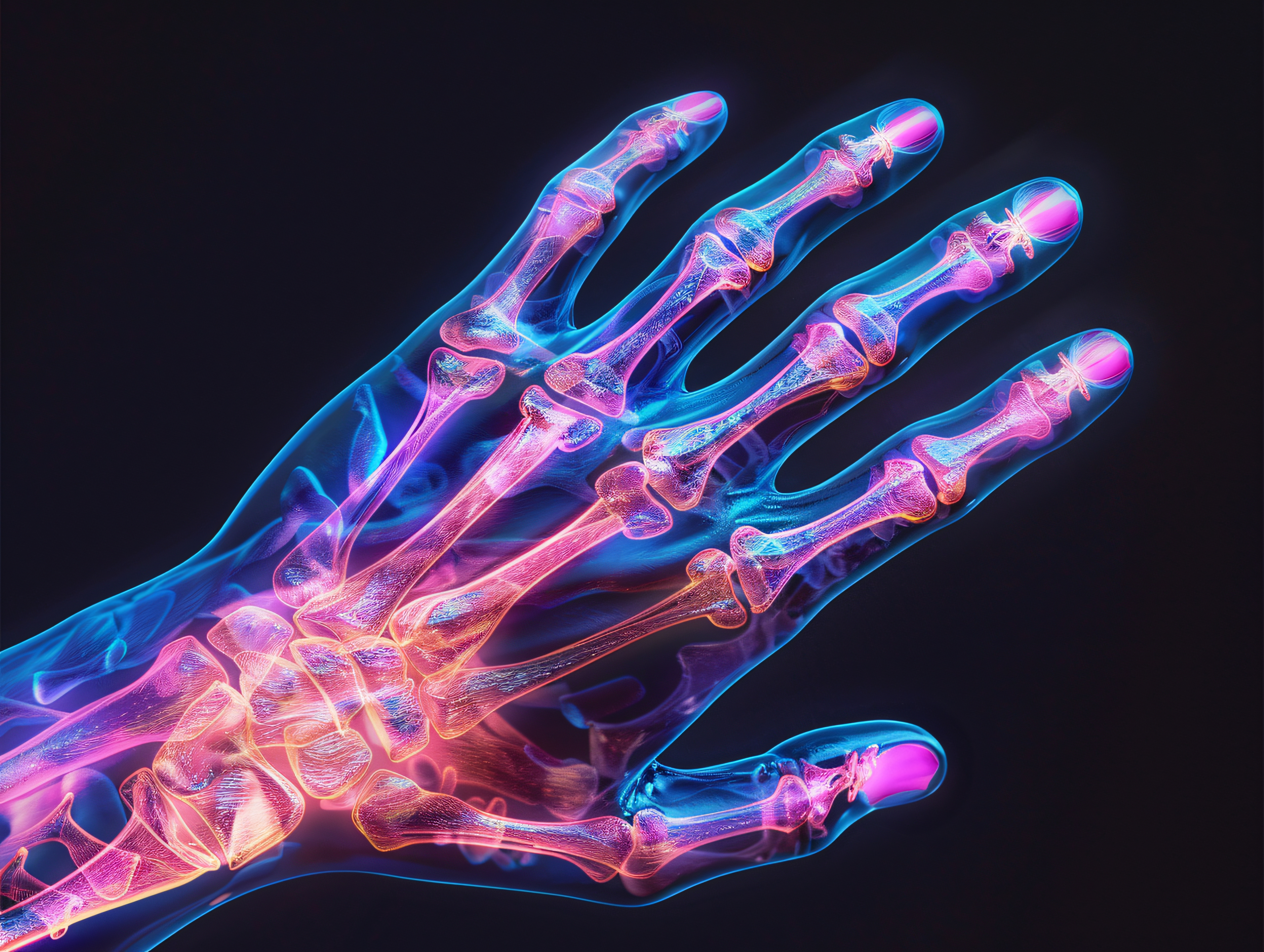
The Role of Nutrition and Diet in the Treatment of Cerebral Palsy
Cerebral palsy (MPD) is a complex neurological condition that affects a child's motor ability, coordination and development. Appropriate nutrition and diet play an important role in the treatment and management of MPD symptoms, supporting children's physical and mental development. In this article, we will discuss the impact of nutrition on the development and progression of MPD, dietary recommendations, and the role of micronutrients and supplements in symptom management.
From this article you will learn:
- Effect of Nutrition on the Development and Progression of Cerebral Palsy
- Nutrition and Dietary Recommendations for Children with Cerebral Palsy
- The Role of Micronutrients and Supplements in the Treatment of Cerebral Palsy Symptoms.
- Examples of Foods and Supplements for MPD Patients.
- Summary
Effect of Nutrition on the Development and Progression of Cerebral Palsy
Nutrition has a direct impact on the physical development, cognitive function and overall health of children with MPD. An adequate diet can:
- Improve motor function: Studies have shown that a balanced diet rich in protein, vitamins and minerals promotes muscle development and coordination.
- Support neurological health: Essential fatty acids, such as omega-3, are key to brain health. They can help reduce inflammation and support the development of the nervous system .
- Manage body weight: Children with MPD often struggle to maintain a healthy weight due to limited physical activity. Adequate nutrition helps maintain a healthy weight, which is key to overall health .
Nutrition and Dietary Recommendations for Children with Cerebral Palsy
The diet for children with MPD should be well balanced and tailored to their specific needs. Here are some key dietary recommendations:
- Rich in protein: Protein is essential for tissue growth and repair. Children with MPD may need more protein to promote muscle development. Protein sources such as meat, fish, eggs, nuts and legumes are recommended.
- Vitamins and minerals: It is important that the diet is rich in vitamins A, C, D, E, K and minerals such as calcium, magnesium and zinc. These components play a key role in bone, muscle and nervous system health
- Essential fatty acids: Omega-3 and omega-6 are crucial for brain and nervous system health. Sources of these fats include fish (e.g., salmon, mackerel), nuts, chia seeds and flaxseeds.
- Fiber: Helps maintain a healthy digestive system, which is especially important for children with limited mobility. Sources of fiber include fruits, vegetables, whole grains, cereals and legumes.
The Role of Micronutrients and Supplements in the Treatment of Cerebral Palsy Symptoms.
Dietary supplements can be helpful in addressing nutritional deficiencies and supporting the health of children with MPD. Here are some key micronutrients and their role:
- Vitamin D: Important for bone health and the immune system. Vitamin D deficiencies can lead to weakened bones and muscles. Supplementation may be necessary, especially during periods of limited sun exposure
- Vitamin B12: Key to nervous system function and red blood cell production. Deficiencies can lead to anemia and neurological problems. Sources include meat, fish, dairy and fortified cereal products.
- Calcium and Magnesium: Support bone and muscle health. Deficiencies can lead to bone problems and muscle cramps. Supplementation can help ensure adequate levels of these minerals.
- Omega-3: Fish oil supplementation may promote brain development and reduce inflammation. Research suggests omega-3 may improve cognitive and motor function in children with MPD
Examples of Foods and Supplements for MPD Patients.
- Fish (salmon, mackerel): A source of omega-3.
- Milk and dairy products: rich in calcium and vitamin D.
- Nuts and seeds: A source of protein, vitamin E and healthy fats.
- Leafy vegetables: rich in vitamins A, C and K.
- Red meat and poultry: A source of protein and vitamin B12.
Summary
Adequate nutrition and diet are crucial for children with cerebral palsy, supporting their physical and mental development. A balanced diet rich in protein, vitamins, minerals and essential fatty acids can improve motor function, neurological health and overall quality of life. Supplementation can help correct nutritional deficiencies and support the health of children with MPD.
See other entries
How to Properly Care for a Stump After Amputation? A Practical Guide
Hollow Foot – Symptoms, Causes, and Treatment Options