Prosthetics in Osseointegration
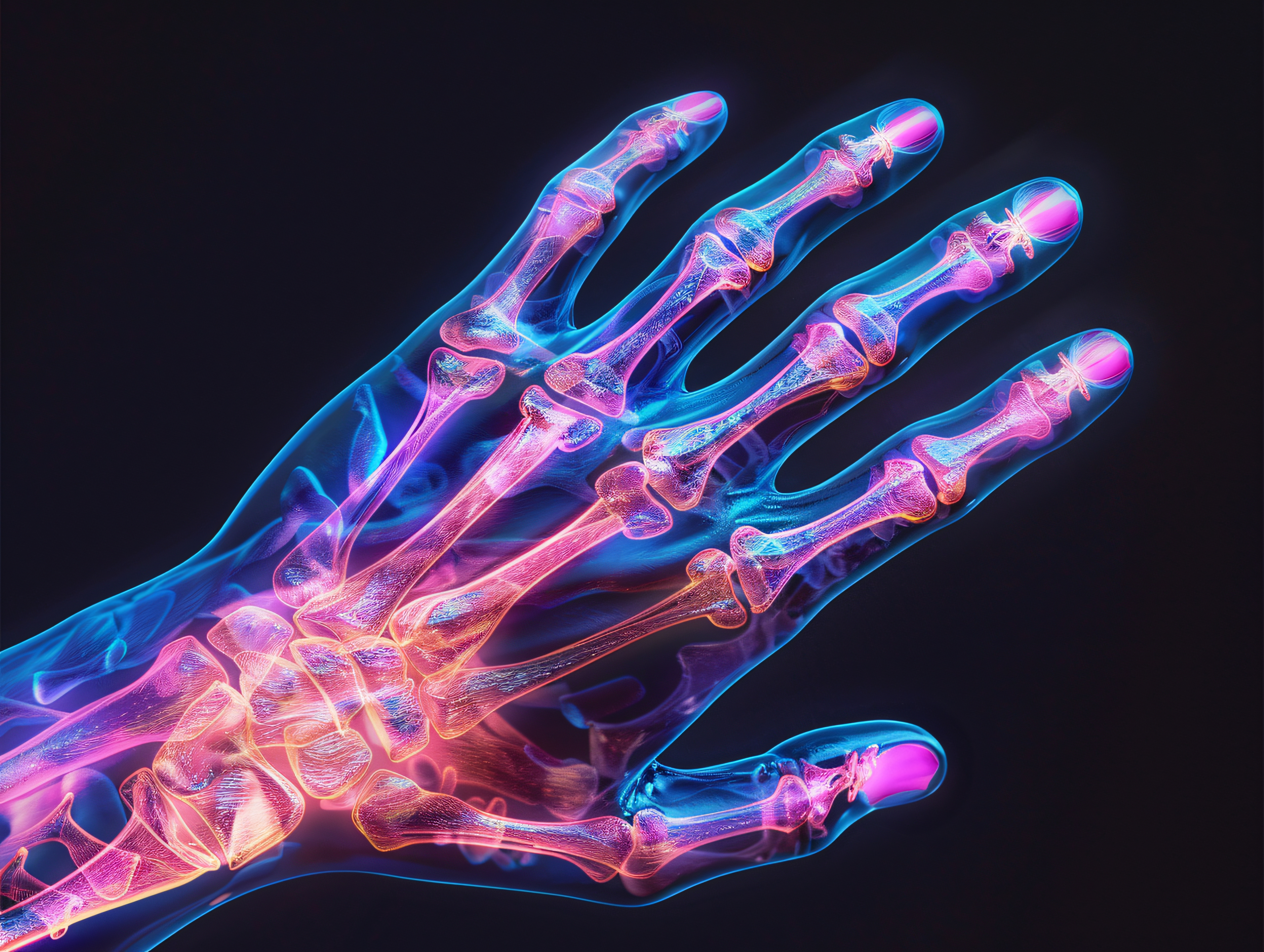
Osseointegration completely transforms the approach to prosthetic care by eliminating the biggest barrier for many patients: the prosthetic socket. Thanks to its direct connection to the skeletal system, the prosthesis is no longer an external device but becomes an integral part of the body, allowing for the full utilization of modern drive and control technologies. At the Paley European Institute, this process is carried out in collaboration with experts from OPSA (Orthotic and Prosthetic Specialists Association), ensuring the highest standards of fitting and service.
Table of Contents:
- Modular system design and ease of use
- The Role of the Dental Hygienist in the Fitting of the Final Prosthesis
- Osseoperception and the biomechanics of movement
Modular system design and ease of use
The osseointegrated prosthetic system consists of precisely engineered components, which are divided into implantable and external modules. The key connecting element is a double-cone adapter that passes through a stoma in the skin and allows for the rigid attachment of the external limb. One of the greatest advantages of this solution is its remarkable ease of daily use—putting on and taking off the prosthesis is intuitive and usually takes less than 10 seconds. This eliminates the pain and frustration associated with repeatedly adjusting the socket throughout the day, giving patients a sense of complete freedom.
The Role of the Dental Hygienist in the Fitting of the Final Prosthesis
Our partnership with OPSA ensures that patients have access to the most advanced techniques for fitting and calibrating prosthetics. The process of fitting the final prosthesis is a multi-step procedure that includes, among other things, adjusting the rotational axis of the knee joint using the innovative 3D L.A.S.A.R. platform. OPSA specialists ensure precise calibration of hydraulic and pneumatic systems as well as adjustment of the prosthetic foot settings, which is crucial for achieving a natural and safe gait. As a result, the foot in an osseointegrated prosthesis always remains aligned with the hip joint, in contrast to the unnatural position (abduction) found in traditional prostheses.
Osseoperception and the biomechanics of movement
Replacing the socket with a direct bone-to-prosthesis connection restores the limb’s mechanical axis to its pre-amputation state. This allows for proper anatomical alignment, which minimizes the negative impact on the hips and spine. An extremely important phenomenon is osseoperception, or deep sensation; patients regain the ability to recognize the type of surface they are walking on, which drastically improves their coordination and self-confidence. A prosthesis secured in this way does not shift relative to the stump, which eliminates friction and allows for free movement across the full range of motion, from walking to cycling.
Maintenance and Safety
An osseointegrated prosthesis is designed as a permanent extension of the skeletal structure, but it requires regular technical maintenance. The team at the Paley European Institute and OPSA prosthetists educate patients on how to tighten components themselves, as these may become loose with high levels of activity—such maintenance is recommended every 3 months. An important component of the system is a safety mechanism that protects the bone from fracture in the event of a fall or accident; the prosthetist instructs the patient on how to properly replace this component if it breaks. Regular follow-up visits, functional tests, and bone density scans (DEXA) ensure long-term, trouble-free use of the system.
See other entries
How to Properly Care for a Stump After Amputation? A Practical Guide
Hollow Foot – Symptoms, Causes, and Treatment Options