Rehabilitation Programs for Children with Cerebral Palsy
Rehabilitation of children with cerebral palsy (MPD) requires a comprehensive approach that includes a variety of therapeutic programs tailored to each child's individual needs. There are many forms of rehabilitation programs that aim to improve motor function, develop social skills and improve quality of life. Below are the most common forms of rehabilitation programs for children with MPD.
Rehabilitation Trips
Rehabilitation turnouts are intensive therapy programs that usually last from several weeks to several months. During turnouts, children participate in daily therapy sessions that include physiotherapy, occupational therapy, speech therapy and other forms of supportive therapy. Turnouts often take place at specialized rehabilitation centers and offer:
- Intensive therapy: Daily therapy sessions that accelerate rehabilitation progress.
- Individualized approach: Programs tailored to each child's specific needs and abilities.
- Multidisciplinary support: Teams of specialists, including physiotherapists, occupational therapists, speech therapists and psychologists.
- Parent education: Training and workshops for parents to continue therapy at home.
Other Forms of Rehabilitation Programs
In addition to rehabilitation camps, there are many other forms of rehabilitation programs that can be used in the treatment of children with MPD:
Outpatient programs
Outpatient programs involve regular visits to rehabilitation centers or clinics, where children attend therapy sessions several times a week. Advantages of such programs include:
- Flexibility: Ability to customize visit schedules to meet family needs.
- Ongoing support: Regular monitoring of progress and adjustment of therapy.
Day programs
Day programs are intensive therapy sessions that take place throughout the day, but children go home at night. These programs offer:
- Intensity: Daily, multi-hour therapy sessions.
- Family support: the ability to have daily contact with family.
School programs
Some schools offer rehabilitation programs as part of their classes that integrate therapy with education. Advantages of such programs include:
- Educational integration: the possibility of continuing education at the same time as therapy.
- Cooperation of specialists: close cooperation between teachers and therapists.
Home programs
Home programs enable therapy at home under the supervision of specialists. Features of these programs include:
- Home comfort: Children can practice in a familiar environment.
- Flexibility: Ability to adapt therapy to the family's daily activities.
Telemedicine programs
Telemedicine makes it possible to conduct treatment sessions via video conferencing, which is especially important in times of pandemics. The advantages of telemedicine programs are:
- Accessibility: ability to participate in therapy regardless of location.
- Safety: Avoiding risks associated with travel and personal contacts.
See other entries
October 15, 2026
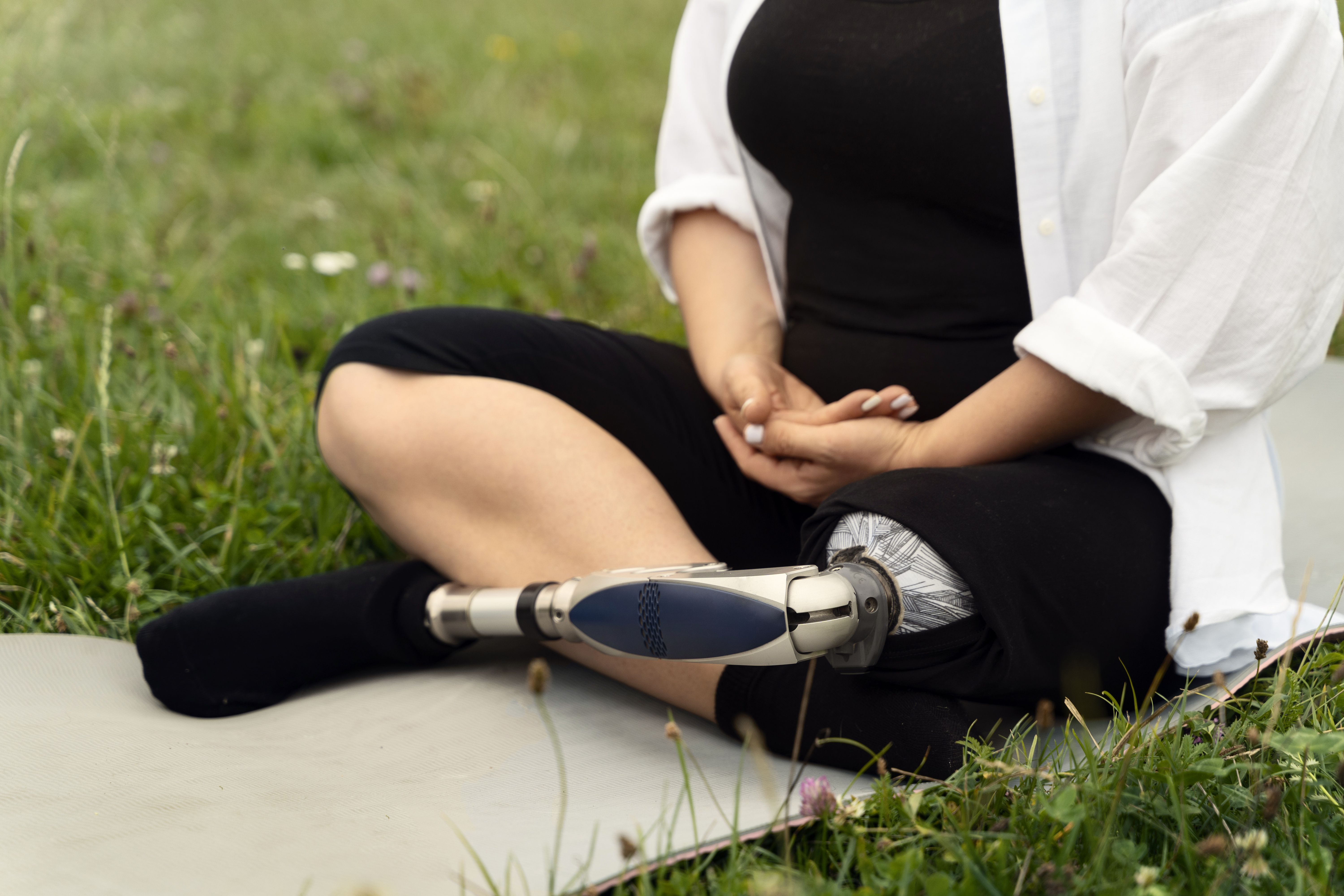
How to Properly Care for a Stump After Amputation? A Practical Guide
Stump care following amputation is an important part of regaining mobility, preparing for prosthetic fitting, and preventing skin and functional complications. Proper hygiene, daily skin monitoring, edema management, correct limb positioning, and rehabilitation help create the conditions for proper healing and continued improvement. However, the course of treatment depends on the level of amputation, the reason for the procedure, the condition of the wound, and the treatment method used. […]
October 10, 2026
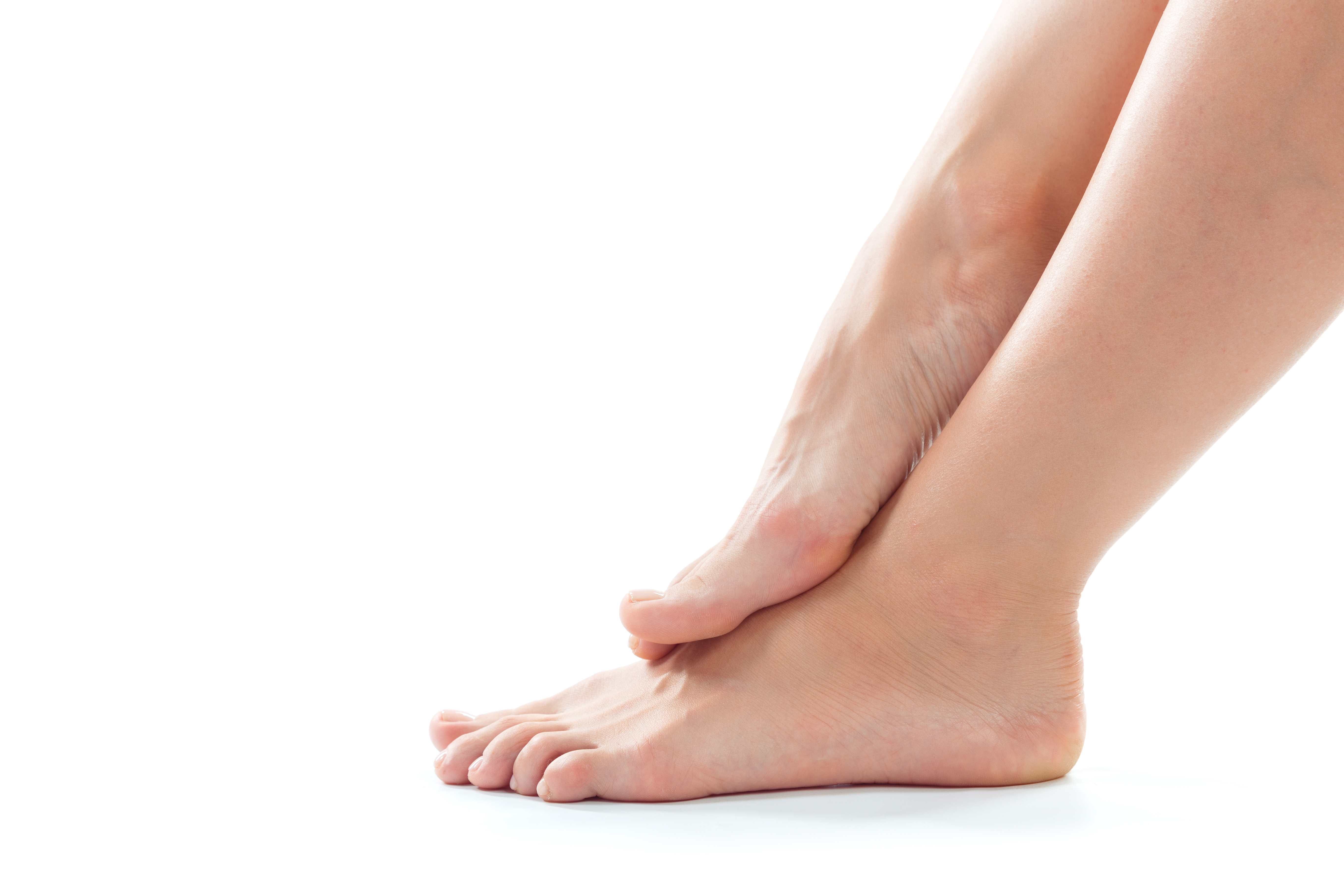
Hollow Foot – Symptoms, Causes, and Treatment Options
A high arch (pes cavus) is a deformity in which the longitudinal arch of the foot is excessively arched. The mere presence of a high arch does not always indicate a medical condition—for some people, it is simply a variation in foot structure that causes no symptoms. The problem arises when the increased arch is associated with abnormal weight distribution, pain, ankle instability, toe deformity, or […]
October 1, 2026
Aplasia—What Is It, and What Are Its Causes?
Aplasia is a developmental disorder in which a specific tissue, structure, or organ does not develop properly or does not reach full maturity. In orthopedics, this term may refer, among other things, to the underdevelopment or absence of a portion of a bone, a limb, a segment of a limb, or specific structures of the musculoskeletal system. The extent of the abnormalities varies widely—from minor underdevelopment of a single […]