Stay up to date
Watch us
Watch us
Contact

Paley European Institute supports small athletes

The Functional Movement Screen(FMS) test is used to assess functional status and helps determine the presence of weaknesses - functional limitations and asymmetries. The FMS also assesses the likelihood of suffering an injury or trauma during sports activities.

Paraphrasing the words of William James - our body is only as strong as its weakest link, so it is useful to know which part should be worked on in order to be even stronger, and above all to avoid injury or trauma that can eliminate from further training.

In addition to the test, our team conducted a rolling workshop for small athletes. Ms. Kasia and Mr. Jacek were eager to share their knowledge and experience, answering all the questions of those interested.

In turn, coaches from the Chojrak Judo Club, with which we have been working for several months now, invited our team to a training session. Dressed in judogi, they stood on the mat to actively participate in the classes conducted by the Club's new coach Kotaro Sasaki, Japan's 3rd Judo player and national team coach.

After the training there was still time for a team paintball competition. Check out the photo report on our Facebook and Instagram.

See other entries
October 15, 2026
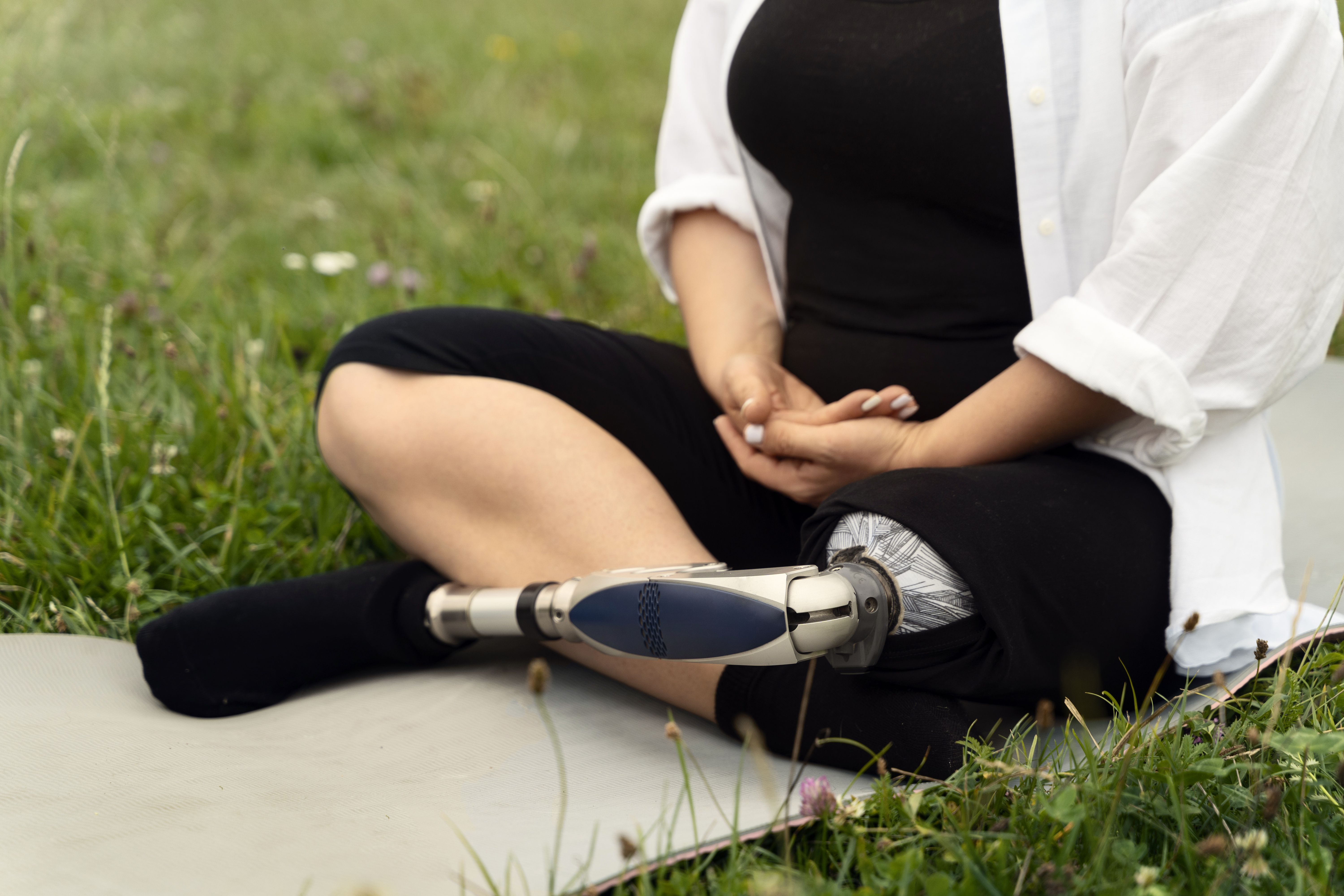
How to Properly Care for a Stump After Amputation? A Practical Guide
Stump care following amputation is an important part of regaining mobility, preparing for prosthetic fitting, and preventing skin and functional complications. Proper hygiene, daily skin monitoring, edema management, correct limb positioning, and rehabilitation help create the conditions for proper healing and continued improvement. However, the course of treatment depends on the level of amputation, the reason for the procedure, the condition of the wound, and the treatment method used. […]
October 10, 2026
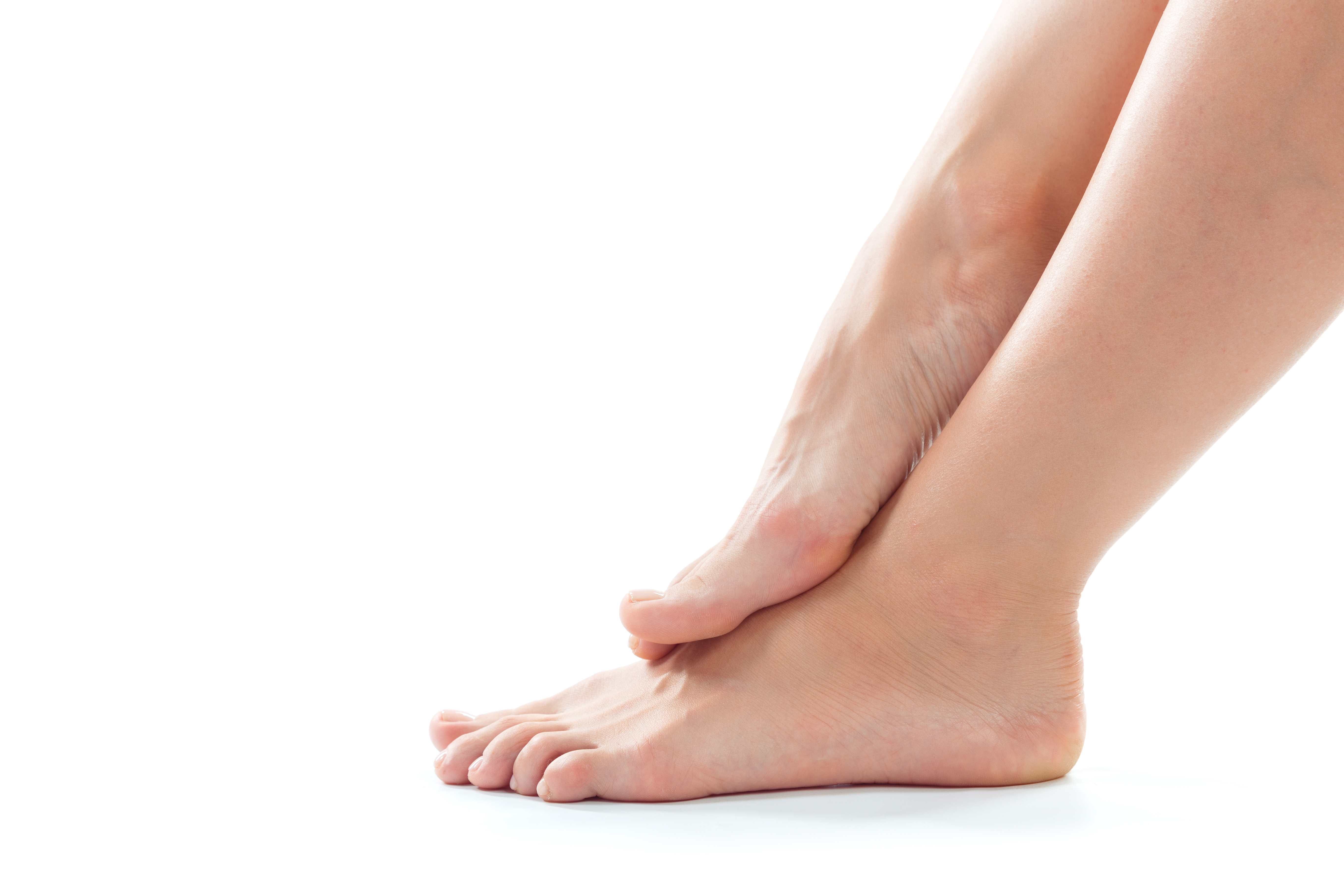
Hollow Foot – Symptoms, Causes, and Treatment Options

A high arch (pes cavus) is a deformity in which the longitudinal arch of the foot is excessively arched. The mere presence of a high arch does not always indicate a medical condition—for some people, it is simply a variation in foot structure that causes no symptoms. The problem arises when the increased arch is associated with abnormal weight distribution, pain, ankle instability, toe deformity, or […]
October 1, 2026
Aplasia—What Is It, and What Are Its Causes?
Aplasia is a developmental disorder in which a specific tissue, structure, or organ does not develop properly or does not reach full maturity. In orthopedics, this term may refer, among other things, to the underdevelopment or absence of a portion of a bone, a limb, a segment of a limb, or specific structures of the musculoskeletal system. The extent of the abnormalities varies widely—from minor underdevelopment of a single […]