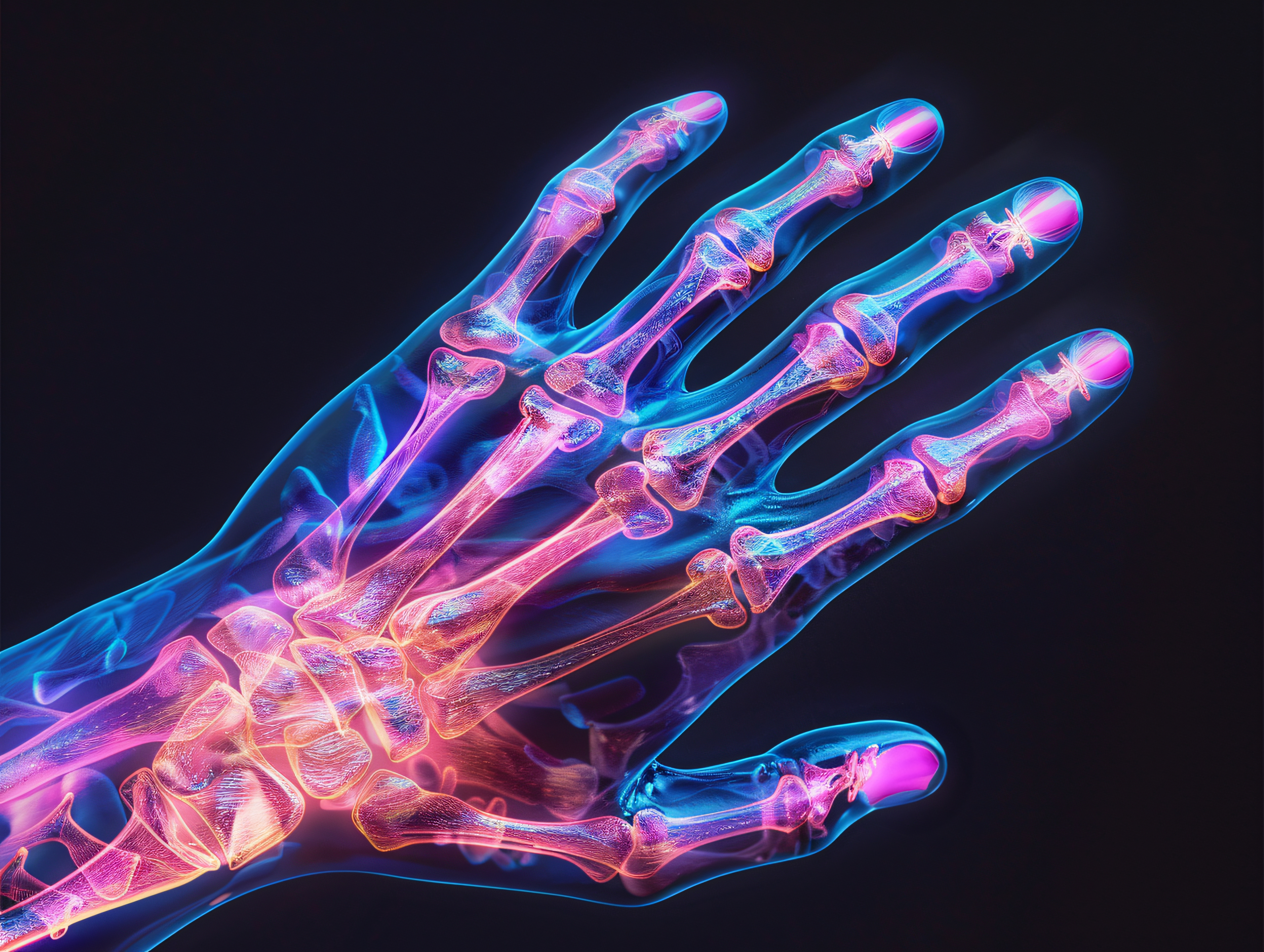
Osseointegration: A New Quality of Life After Amputation
What is this article about?
In this article, we discuss an interview with Jacek Tadrzak—a physical therapist at the Paley European Institute—on osseointegration, one of the most innovative treatment methods for amputees. The article explains what this procedure entails, who it is intended for, what the rehabilitation process looks like, and what challenges patients face when they choose this form of treatment.
- Osseointegration – what exactly is this method?
- Who is osseointegration intended for?
- Eligibility for the procedure and contraindications
- What does the rehabilitation process involve?
- Sensation and control of the limb following osseointegration
- Daily care and living with an implant
- Prosthetics – from training to full functionality
- The role of mental health and family support
- Summary
Osseointegration – what exactly is this method?
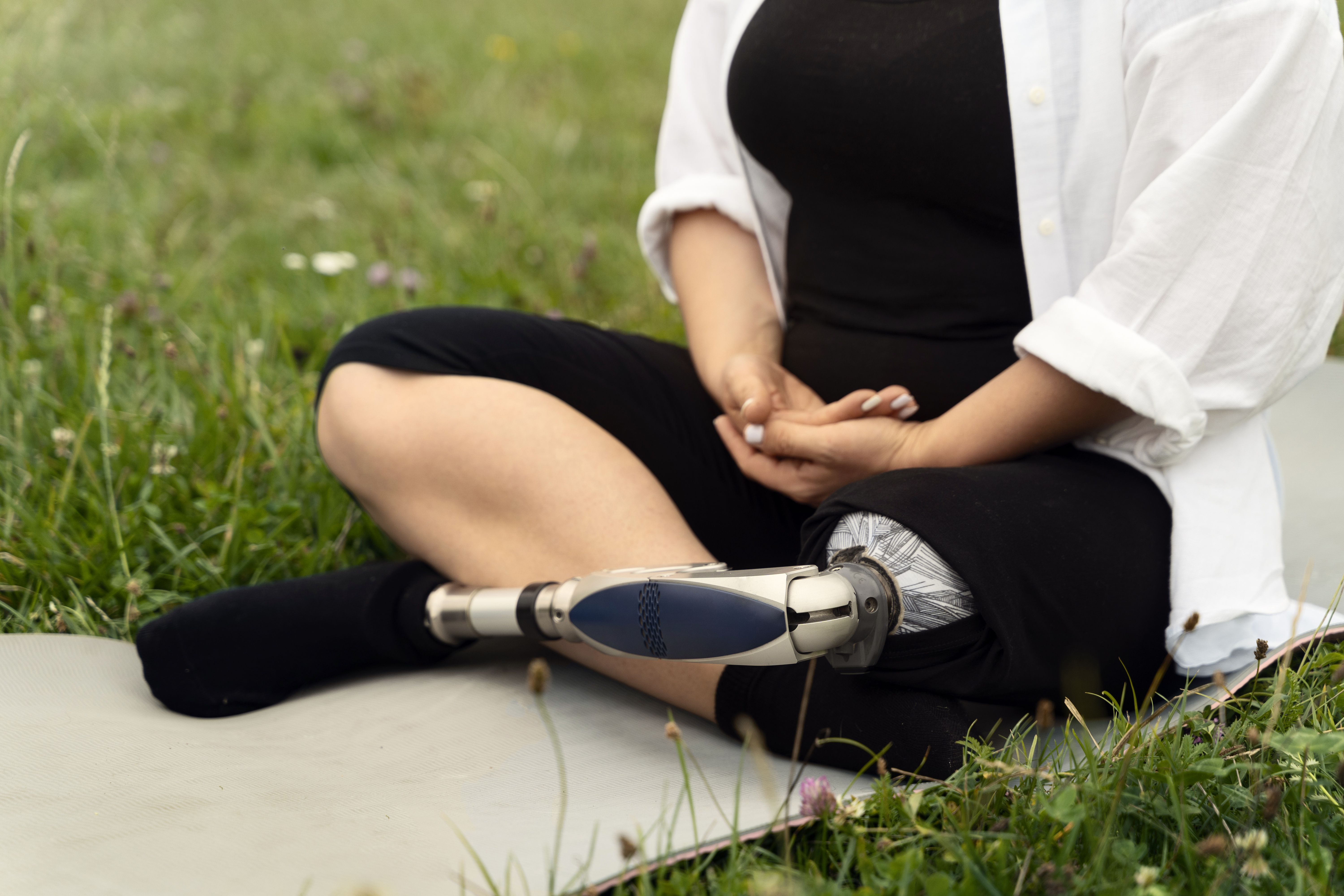
Osseointegration is a modern treatment method for people who have undergone upper or lower limb amputation, designed to replace the traditional prosthetic socket. As Jacek Tadrzak explains, it involves inserting an implant into the bone, which, thanks to its porous structure, fuses with the bone tissue to form a stable connection. As a result, the patient no longer uses a traditional socket, which often causes chafing, discomfort, or fitting issues, and the prosthesis becomes a direct extension of the limb.
Who is osseointegration intended for?
This procedure is primarily intended for amputees, particularly those with higher-level amputations, who have difficulty using a traditional prosthetic socket. This includes patients who experience pain, discomfort, or instability while walking, as well as those who lack confidence and fear falling. As emphasized in the interview, achieving a proper socket fit becomes increasingly difficult over time because the shape of the stump, the skin, and the patient’s functional conditions change, which further reduces quality of life.
Eligibility for the procedure and contraindications
The qualification process for osseointegration is a team effort, with the lead surgeon making the final decision. A physical therapist assesses the patient’s range of motion, strength, and overall fitness, while an orthotist evaluates the patient’s expectations regarding post-operative activity. Mental preparation also plays a significant role, as the patient must accept the presence of a titanium implant protruding from the bone and learn how to care for it. Contraindications include, among others, low bone density, advanced osteoporosis, uncontrolled diabetes, severe vascular diseases, and smoking.
What does the rehabilitation process involve?
Rehabilitation following osseointegration begins very early—as early as the first day after surgery, the patient is placed in an upright position and taught how to bear weight on the implant. In the first few weeks, the load is gradually increased—after about 2–3 weeks, the patient reaches approximately 50% of their body weight, and after 8–10 weeks, full weight-bearing on the limb is possible. During this time, rotational movements that could disrupt the process of implant integration with the bone should be avoided. Concurrently, gait training and adaptation to the new way of moving are conducted.
Sensation and control of the limb following osseointegration
One of the most groundbreaking benefits of osseointegration is improved proprioception. Patients begin to “feel” their limb better because the implant transmits vibrations and information about the ground directly to the bone and then to the nervous system. This allows them to determine the surface beneath their foot without having to look at the prosthesis. Exercises designed to improve this sensation are introduced early in the rehabilitation process, which significantly improves gait quality and stability.
Daily care and living with an implant
Osseointegration requires strict hygiene, as the implant remains attached to the skin and requires regular care. The site must be disinfected and properly protected, and the patient should follow hygiene guidelines to reduce the risk of infection. Nevertheless, normal activities, including bathing and physical activity, are possible, though caution is advised, especially when in contact with stagnant water. The interview emphasized that patients may experience temporary infections during their lifetime, which, however, are usually effectively treated.
Prosthetics – from training to full functionality
After the procedure, the patient is first fitted with a lightweight training prosthesis, designed to safely introduce weight-bearing and teach the patient how to walk without overloading the implant. Only later is the final prosthesis selected, tailored to individual needs—whether for daily living, work, or sports activities. The interview emphasized that patients’ possibilities are very broad, and modern prostheses even allow for sports such as skiing or walking in high heels.
The role of mental health and family support
Osseointegration is not only a medical procedure but also a significant psychological adjustment. The patient must come to terms with their new body image and learn to live with the implant. Support from a psychologist and family, as well as contact with others who have already gone through this process, is crucial. The family plays a particularly important role in the first few weeks after returning home, helping with daily activities and organizing life; however, over time, the patient strives for complete independence.
Summary
Osseointegration is a groundbreaking treatment method for amputees, offering the chance for a significant improvement in quality of life, mobility, and independence. As the interview reveals, proper qualification, well-planned rehabilitation, and the commitment of the patient and their support network are of key importance. Although the procedure requires courage and perseverance, for many people it offers a real chance at a life free from the pain and limitations associated with traditional prosthetics.
See other entries
How to Properly Care for a Stump After Amputation? A Practical Guide
Hollow Foot – Symptoms, Causes, and Treatment Options