Osseointegration: Patient Eligibility and Preoperative Evaluation
Osseointegration is an innovative and revolutionary method of fitting patients who have undergone limb amputation, in which the implant is attached directly to the bone. This technology represents a breakthrough solution for individuals for whom traditional socket prostheses do not produce the desired results. By eliminating the socket, it is possible to restore the mechanical axis of the limb to conditions close to natural, which translates into greater freedom of movement, better control over the prosthesis, and a significant reduction in pain. The qualification process at the Paley European Institute is multi-stage and aims to ensure the highest level of safety and optimal functional outcomes for the patient.
What will you read about?
- Who is a candidate for the procedure?
- Medical criteria and contraindications
- Imaging and preoperative preparation
- Comprehensive care and team support
Who is a candidate for the procedure?
All individuals who have undergone upper or lower limb amputation are potential candidates for osseointegration. This procedure is particularly recommended for patients who struggle with problems associated with the use of conventional prostheses, such as stump pain, recurrent skin infections, ulcers, or excessive sweating. Candidates also include individuals with a stump that is too short to allow for effective socket fitting, as well as patients experiencing back pain caused by abnormal gait when using a traditional prosthesis. A key factor in eligibility is the patient’s realistic approach to the treatment process and willingness to cooperate closely with the medical team according to the established protocol.
Medical criteria and contraindications
The safety of the procedure depends on strict adherence to health criteria. Patients seeking the procedure must stop smoking at least three months before surgery, which is essential for proper healing. Another important factor is the BMI, which generally should not exceed 40, although each case of obesity is considered individually, especially if the patient is unable to wear a stoma bag. Absolute contraindications include active stump infection, pregnancy, mental instability, and a history of bone radiation within the operated limb. In patients with diabetes, constant monitoring and control of blood glucose levels prior to the procedure is crucial.
Imaging and preoperative preparation
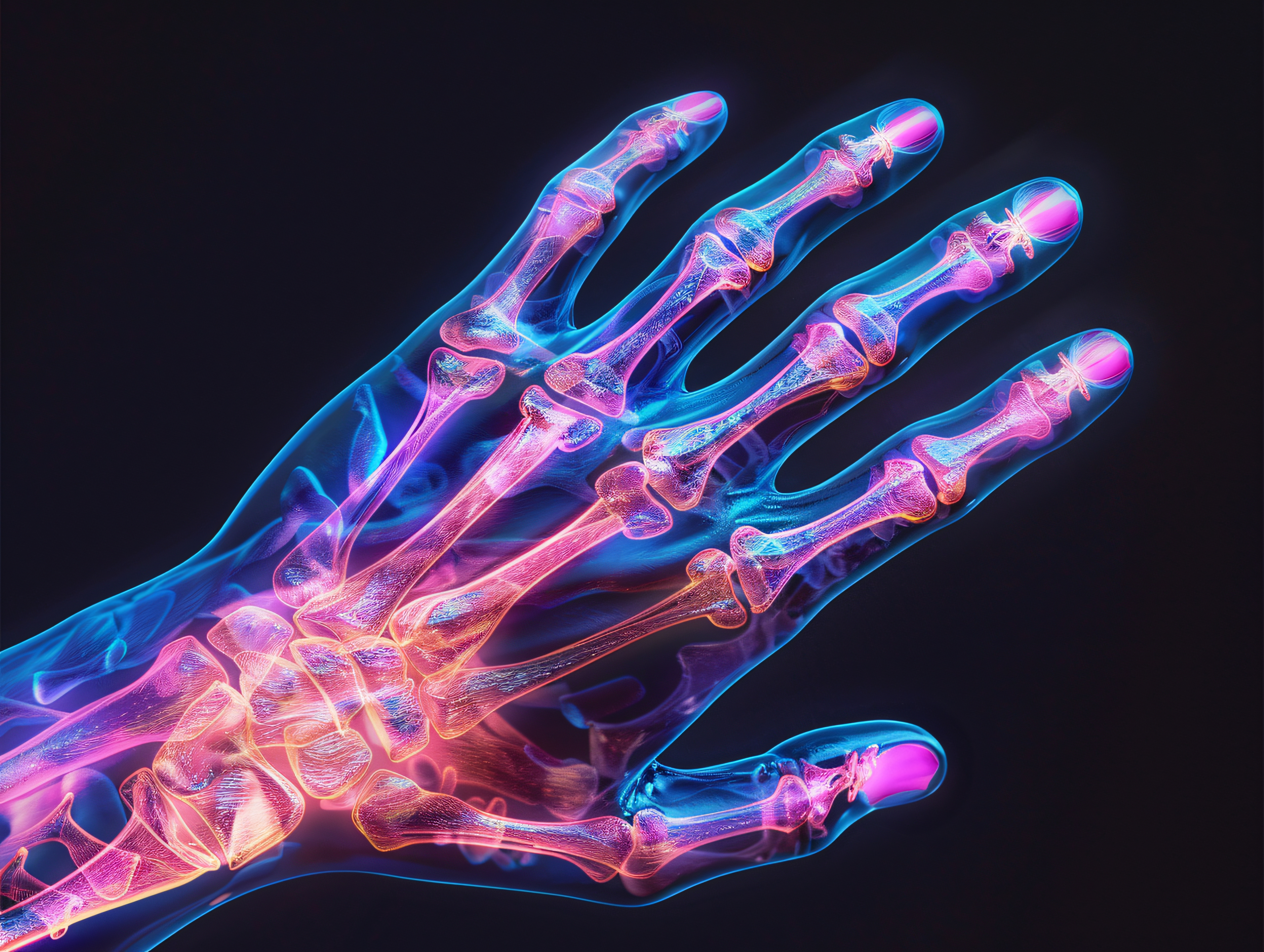
Precise planning of the procedure requires comprehensive radiological examinations, including X-rays, CT scans, and DEXA scans to assess bone density. These results allow for the exact matching of the implant size to the bone canal and, in exceptional cases, enable the design of custom components printed using 3D technology. Before surgery, patients are advised to optimize their physical condition, including strengthening the torso and learning to walk with crutches. It is also very important to care for the condition of the stump skin by avoiding the use of a stump sleeve for two weeks prior to the procedure, which helps prevent wounds and abrasions that could increase the risk of postoperative infection.
Comprehensive care and team support
At the Paley European Institute, the evaluation process is based on an interdisciplinary approach by a team of experts, including surgeons, physical therapists, and prosthetists. Each patient is under the care of a Medical Care Coordinator who supports them at every stage—from the moment the decision is made, through diagnostic tests, to the planning of treatment costs, which are prepared individually. An important part of the preparation process is also the opportunity to speak with people who have already undergone osseointegration, which helps new patients understand the recovery process and alleviate any concerns they may have about the procedure. The entire diagnostic process is designed not only to assess the patient’s physical condition but also to ensure their complete emotional comfort before embarking on this life-changing journey.
See other entries
How to Properly Care for a Stump After Amputation? A Practical Guide
Hollow Foot – Symptoms, Causes, and Treatment Options